15 Mind-Blowing Numbers About the Universe That Are Hard to Comprehend
The universe operates on a scale that defies our everyday understanding. From the vastness of cosmic distances to the unimaginable number of stars, our human brains simply aren’t wired to truly grasp these cosmic proportions. The numbers that describe our universe make even the largest earthly measurements seem tiny by comparison.
Here is a list of 16 mind-blowing numbers about the universe that challenge our ability to comprehend just how extraordinary our cosmic home really is.
93 Billion Light-Years
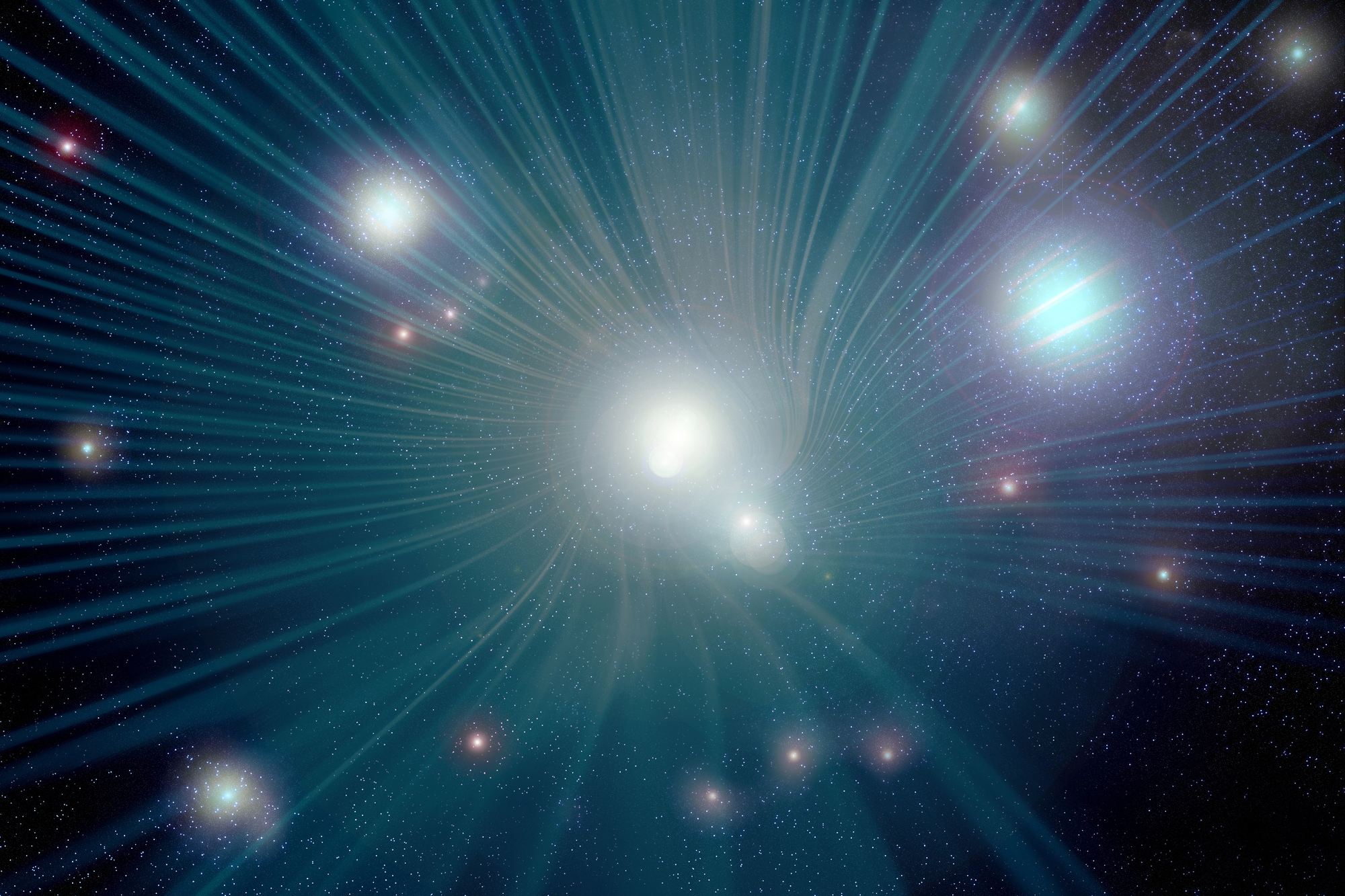
The observable universe spans approximately 93 billion light-years in diameter. This larger-than-expected size exists because space itself expands faster than light can travel through it.
Think of it like ants on an inflating balloon—they stay in place while the surface beneath them stretches.
2 Trillion Galaxies
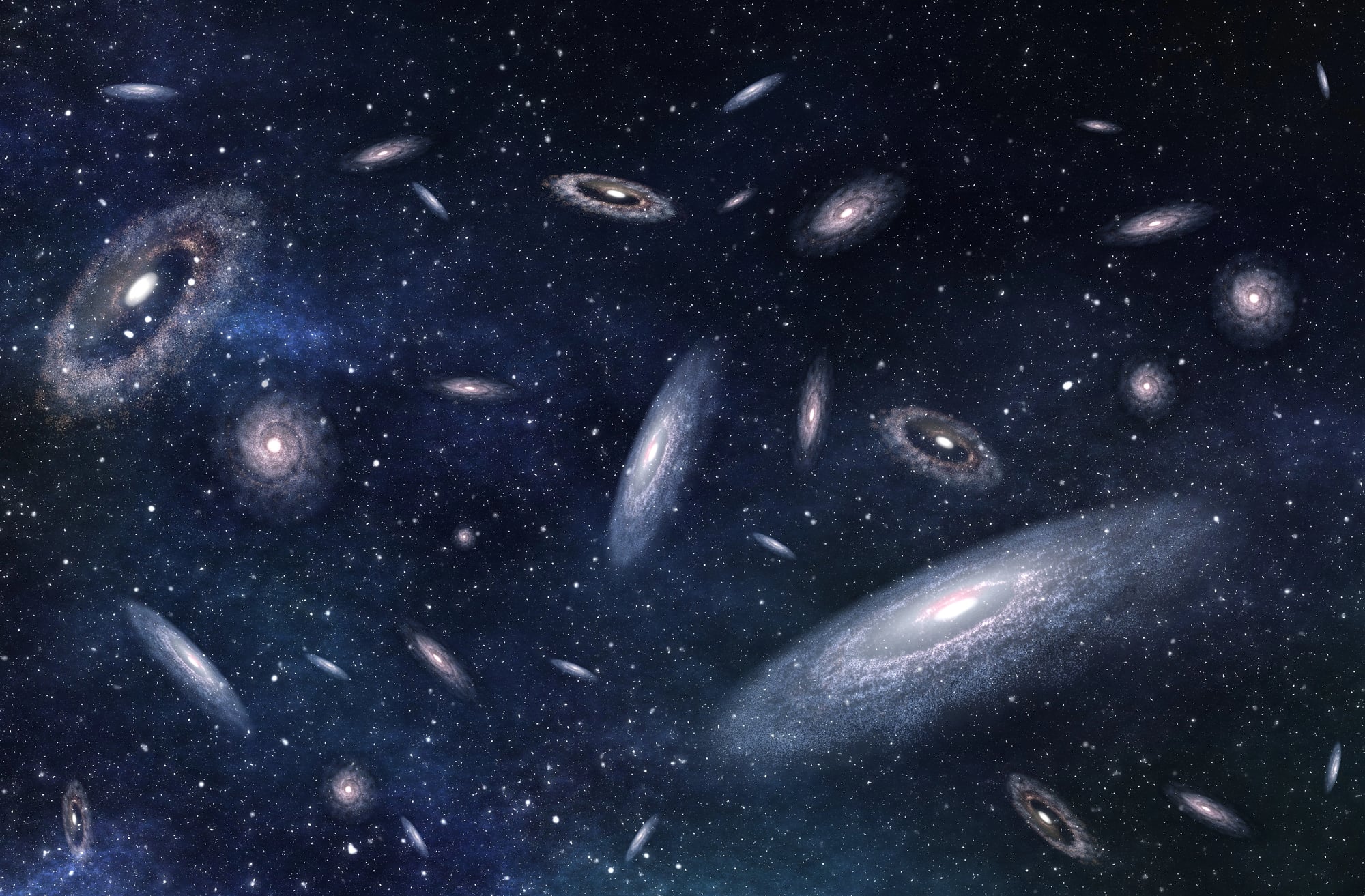
The observable universe contains roughly 2 trillion galaxies, each a collection of stars, gas, dust, and dark matter. This number increased dramatically from previous estimates of 100-200 billion galaxies as telescope technology improved.
That’s like discovering the population of Earth was actually 20 times larger than we thought.
10^82 Atoms

The universe contains approximately 10^82 atoms (that’s a 1 followed by 82 zeros). This number is so large that if you counted one atom per second, it would take far longer than the current age of the universe to count them all.
Even supercomputers would need trillions of years to complete the count.
68% Dark Energy
About 68% of the universe consists of dark energy, an unknown form of energy driving the accelerated expansion of the universe. Despite making up more than two-thirds of everything that exists, we still don’t understand what dark energy actually is.
It’s like discovering most of your house is made of an invisible substance you can’t detect directly.
27% Dark Matter
Dark matter makes up roughly 27% of the universe, yet it doesn’t interact with light or other electromagnetic radiation. Scientists know it exists because of its gravitational effects on visible matter and light.
Imagine something weighing four times more than everything you can see, yet remaining completely invisible.
5% Ordinary Matter
Only about 5% of the universe consists of ordinary matter—the stuff that makes up planets, stars, galaxies, and people. Everything we’ve ever directly observed represents just a tiny fraction of what’s actually out there.
It’s like exploring a massive iceberg while only being able to see the tip above water.
300,000 Kilometers Per Second

Light travels at 300,000 kilometers per second (186,000 miles per second), the universal speed limit. Despite this incredible speed, it still takes light 8 minutes to reach Earth from the Sun and 100,000 years to cross our Milky Way galaxy.
Even at this fastest possible speed, some destinations remain effectively unreachable.
100 Billion Neurons

The human brain contains roughly 100 billion neurons, approximately the same number of stars in our Milky Way galaxy. This parallel highlights how the complexity within our skulls mirrors the complexity of our cosmic neighborhood.
Each brain essentially contains its own universe of connections and potential.
95% Unexplored Ocean

Despite oceans covering 71% of Earth’s surface, humans have explored less than 5% of them in detail. This exploration gap mirrors our cosmic situation—we’ve directly observed only a tiny portion of what’s out there in the universe.
The deepest ocean trenches remain almost as mysterious as distant galaxies.
9 Billion Habitable Planets
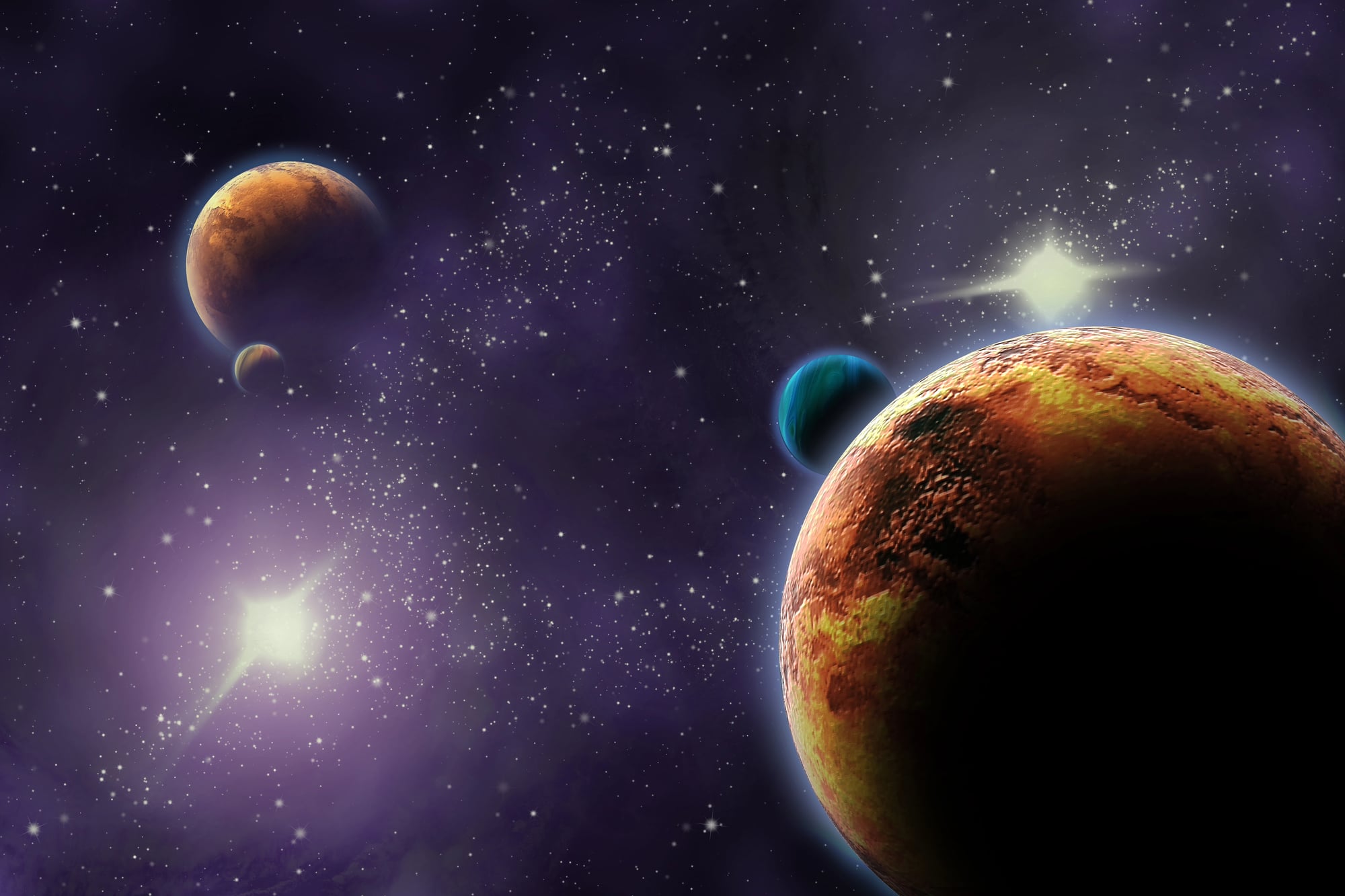
Scientists estimate our Milky Way alone might contain about 9 billion Earth-like planets in their stars’ habitable zones. This number suggests potentially billions of worlds where liquid water could exist.
We’re still searching for signs of life beyond Earth across this vast pool of candidates.
10^500 Possible Universes
String theory suggests there could be up to 10^500 different possible universe configurations with different physical laws. This number dwarfs even the total atoms in our universe.
The multiverse concept proposes our universe might be just one of countless others, each with unique properties.
10^120 Times Weaker Than Expected
The measured strength of dark energy is about 10^120 times weaker than quantum theory predicts it should be. This represents the largest discrepancy between theoretical prediction and observation in all of science.
It’s like expecting something to weigh as much as Earth but finding it weighs as much as a grain of sand.
1,000,000,000,000 Times Stronger
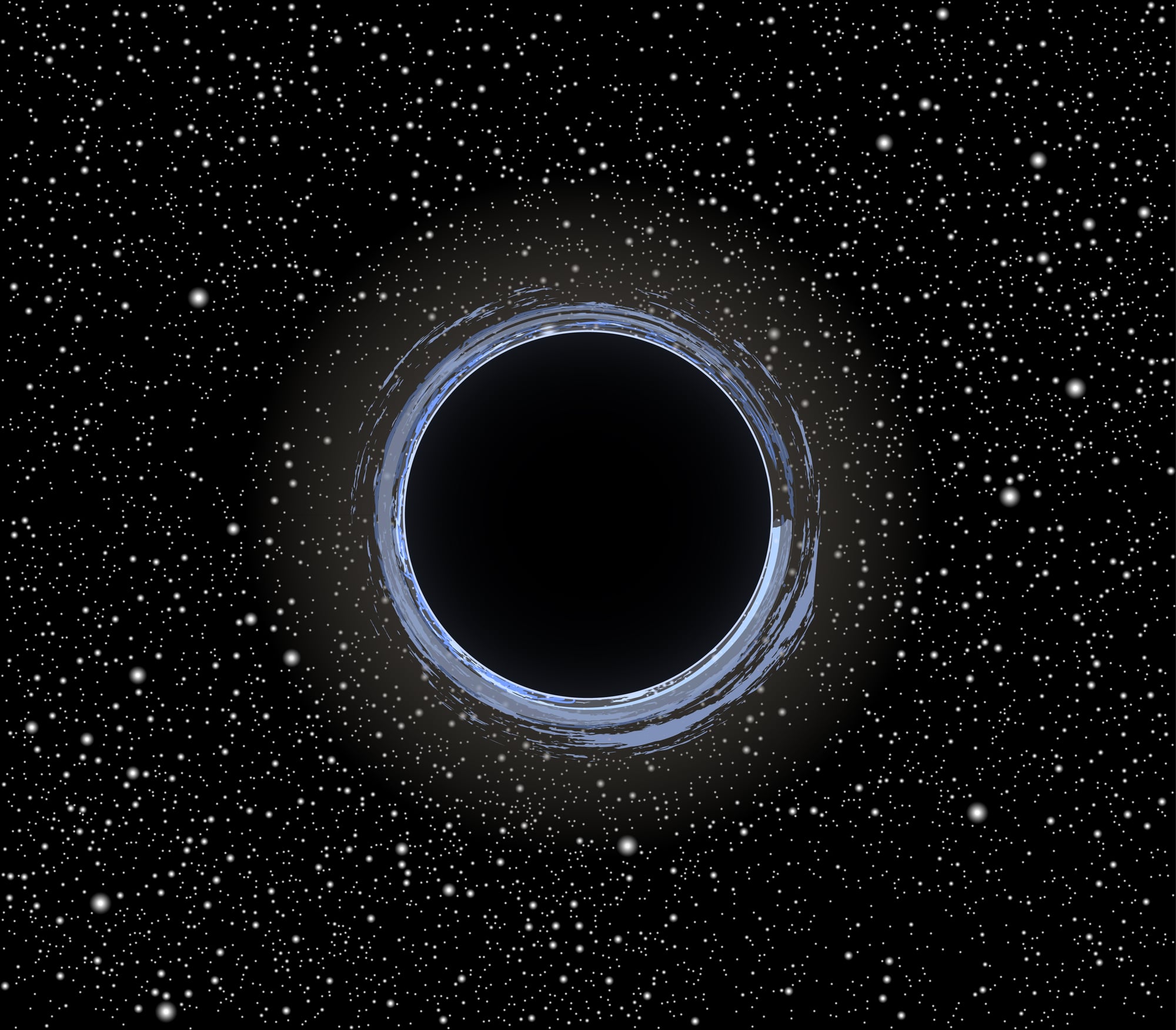
Gravity near a black hole’s event horizon is approximately a trillion times stronger than what we experience on Earth. This force becomes so intense that nothing, not even light, can escape once past the event horizon.
Time itself appears to slow down and eventually stop from an outside observer’s perspective.
100 Trillion Years

The era of star formation in the universe will eventually end in about 100 trillion years as the raw materials become exhausted. This timeline means we’re actually living relatively early in the universe’s star-forming period.
Future civilizations might emerge in a much darker universe devoid of new stars.
0.0000001% Visible Light
The electromagnetic spectrum that our eyes can detect—visible light—represents less than 0.0000001% of the entire spectrum. We’re effectively blind to most of the radiation in the universe.
Modern astronomy depends on instruments that can “see” what our eyes can’t, from radio waves to gamma rays.
Our Incredible Universe
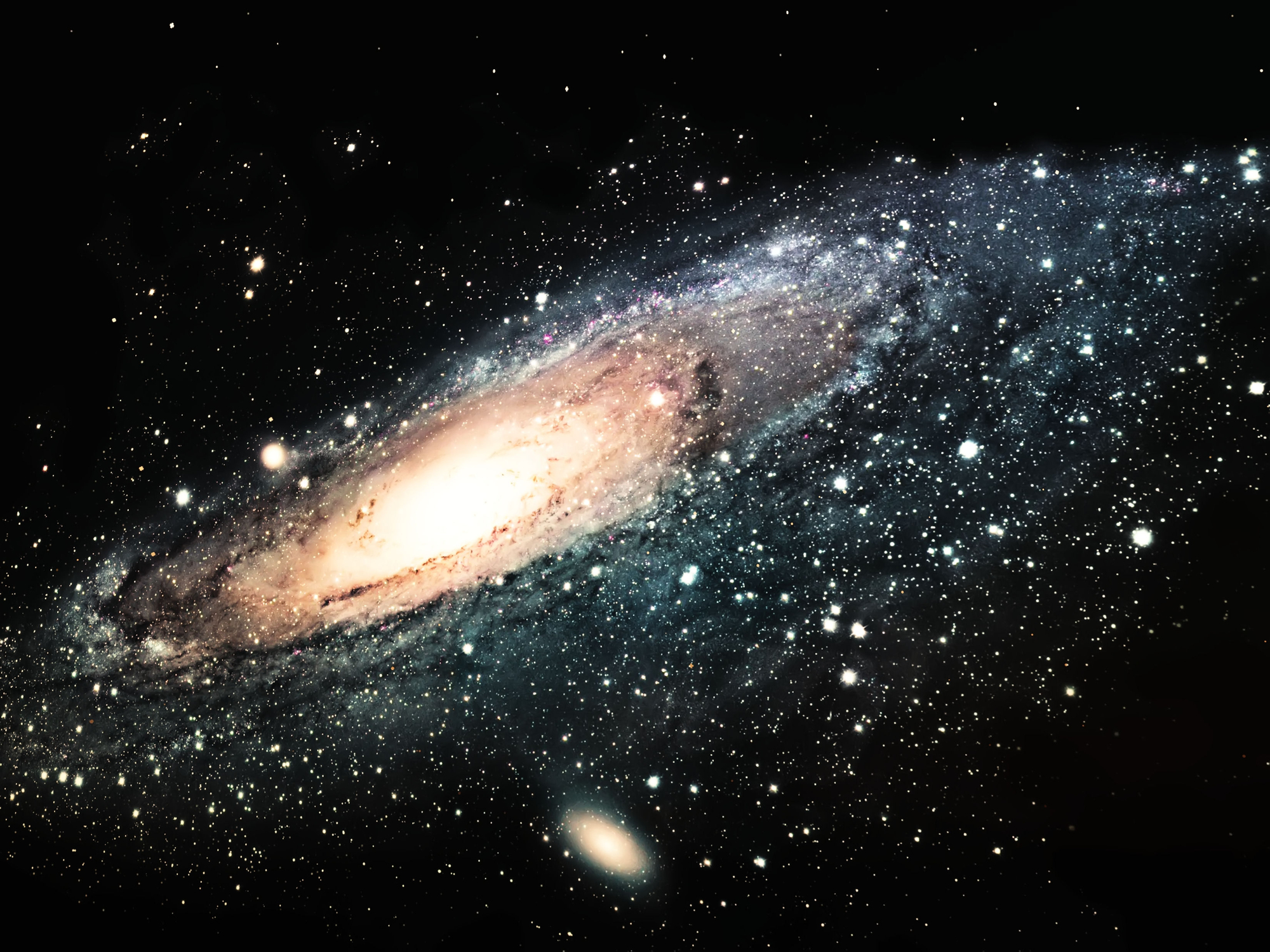
These cosmic numbers remind us of both our significance and insignificance in the grand scheme.
While humans occupy just a tiny fraction of cosmic space and time, we’ve developed the ability to comprehend and measure these mind-bending scales.
Our capacity to understand the universe may be the most remarkable number of all—the probability of consciousness arising to contemplate its own origins appears vanishingly small, yet here we are, doing exactly that.
More from Go2Tutors!

- The Romanov Crown Jewels and Their Tragic Fate
- 13 Historical Mysteries That Science Still Can’t Solve
- Famous Hoaxes That Fooled the World for Years
- 15 Child Stars with Tragic Adult Lives
- 16 Famous Jewelry Pieces in History
Like Go2Tutors’s content? Follow us on MSN.