The Most Haunted Buildings in the World Still Standing Today
There’s something deeply unsettling about walking into a building where tragedy has left its mark. The air feels different — heavier, maybe, or just wrong in a way that makes your skin prickle before you even know the history.
These aren’t the sanitized ghost stories you tell around campfires. These are places where real people lived, suffered, and died, and where visitors still report experiences that defy explanation.
Some buildings hold onto their past so tightly that the boundary between what was and what is becomes uncomfortably thin.
Tower of London

The Tower stacks centuries of horror into stone walls. Executions, torture, imprisonment — it collected England’s darkest moments for nearly a thousand years.
Anne Boleyn walks the grounds where she lost her head. Guards still report seeing her carrying it.
The Bloody Tower earned its name honestly, and visitors report sudden temperature drops that have nothing to do with London weather.
Eastern State Penitentiary
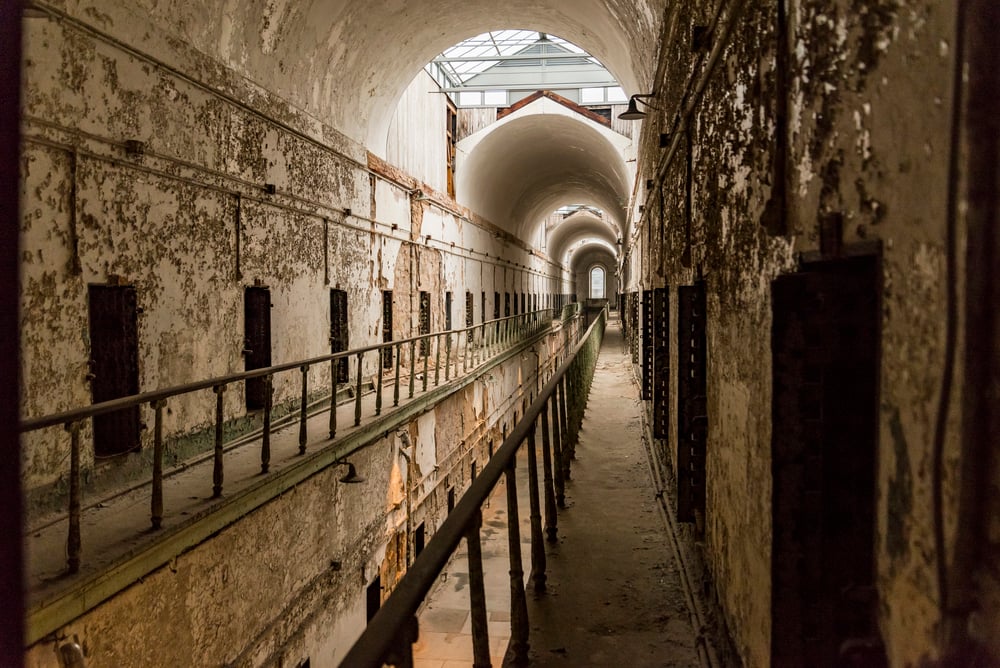
This crumbling Philadelphia prison pioneered solitary confinement (which seemed humane at the time, before anyone understood what isolation does to the human mind), and the psychological torment it inflicted on inmates for over a century has left something behind that refuses to leave quietly. Visitors report shadowy figures darting between cells, disembodied laughter echoing through empty corridors, and the unmistakable feeling of being watched by eyes that shouldn’t exist — and given that this place was designed to break minds through isolation, it’s almost as if the building absorbed all that anguish and now reflects it back at anyone who enters.
The architecture itself feels oppressive: long, narrow hallways that seem to stretch forever, cells barely large enough for a human being, and a silence so complete it makes you want to whisper even when there’s no reason to be quiet. So when people claim they hear voices or see figures that vanish when approached directly, it doesn’t feel like imagination.
But the unsettling truth is that you don’t need ghosts to feel haunted here — the weight of human suffering soaked into every brick does that work perfectly well on its own.
Poveglia Island
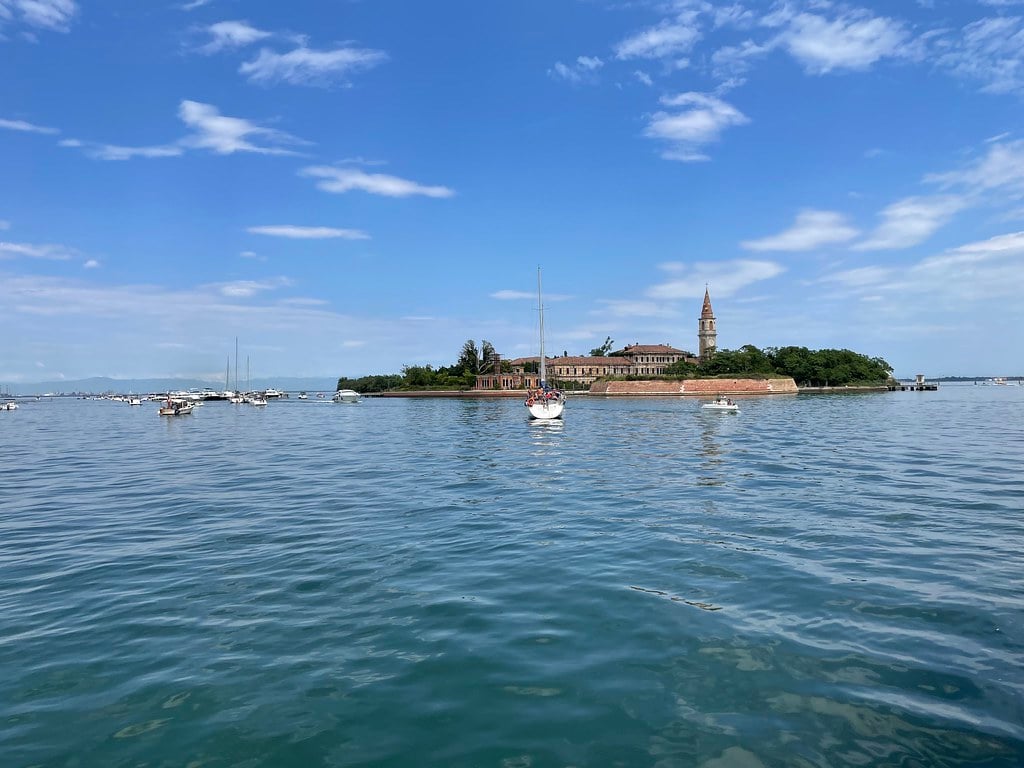
Picture a small patch of land that served as both plague quarantine station and mental hospital. Now imagine that this island, just off Venice, holds the cremated remains of over 100,000 souls in its soil.
The math is simple: when you burn that many bodies over centuries, their ash becomes part of the earth itself. Fishermen still pull up bone fragments in their nets.
The soil, when disturbed, reveals a gray powder that isn’t quite dirt. Something about this place corrects your assumptions about what ground should look like, what it should feel like underfoot.
Walking here means walking on what remains of people who died in agony, far from home, abandoned by a world that feared their diseases or their madness.
Château de Brissac
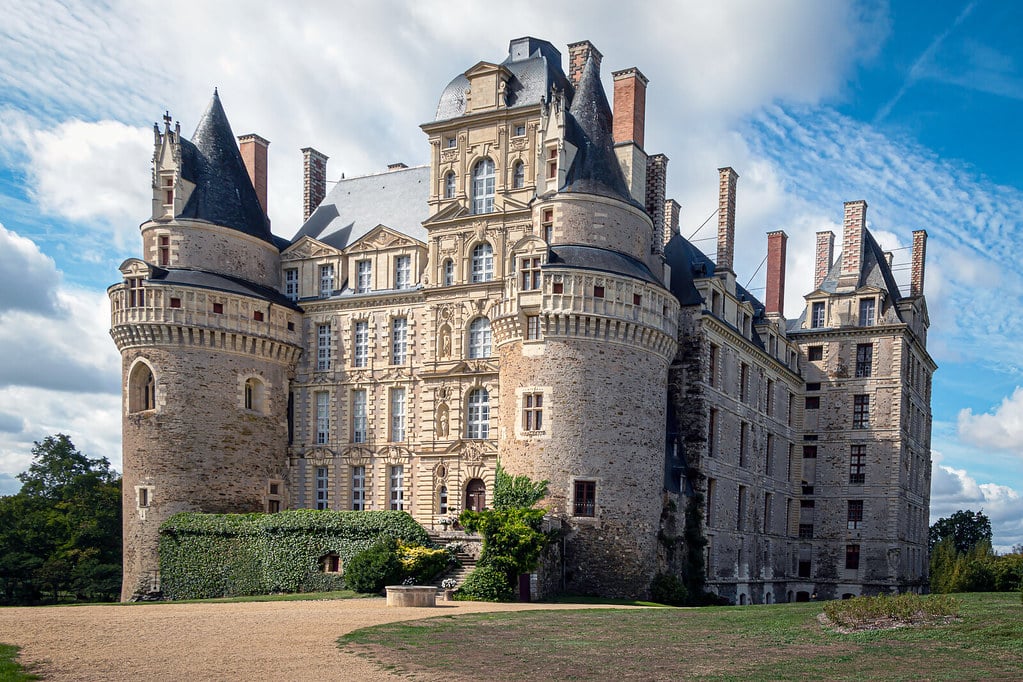
The Green Lady makes her presence known to guests. Seven stories of French elegance can’t mask what happened in the tower room during the reign of King Charles VII.
Her face appears in the windows. Her dress rustles through the halls at night.
The current Duke still maintains her room, though no living person sleeps there. Visitors check out early more often than the family cares to admit.
Borley Rectory
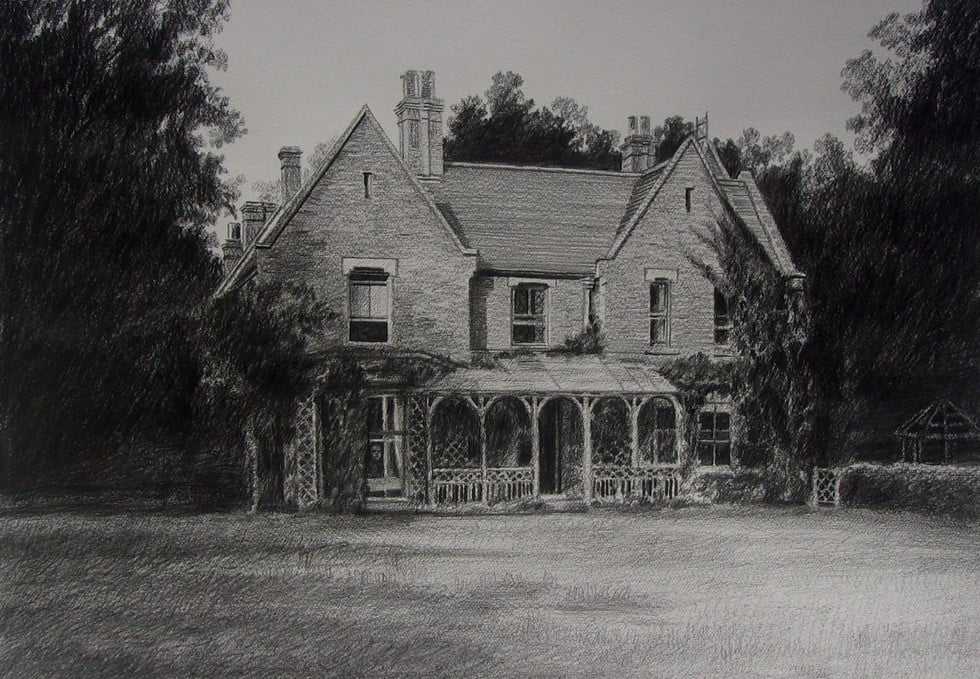
The rectory burned in 1939, but before the fire consumed it, this Essex building earned the title of “the most haunted house in England” through decades of unexplained phenomena that turned a simple country parish into something far more sinister (investigators documented phantom footsteps, mysterious writings appearing on walls, and a ghostly nun who walked the grounds at twilight, though skeptics later questioned whether some of the evidence had been manufactured by attention-seeking residents or overeager paranormal researchers).
What remains undisputed is that multiple families fled the building, unable to tolerate whatever shared the space with them, and even after its destruction, people report seeing lights in windows of a structure that no longer exists — which raises uncomfortable questions about whether hauntings are tied to buildings or to the land beneath them. And here’s the thing that makes Borley genuinely unsettling: the phenomena didn’t stop when the building burned.
So whatever haunted the rectory either moved on or never needed walls to begin with. The foundation stones still sit in the Essex countryside, and locals still give the area a wide berth after dark.
Leap Castle
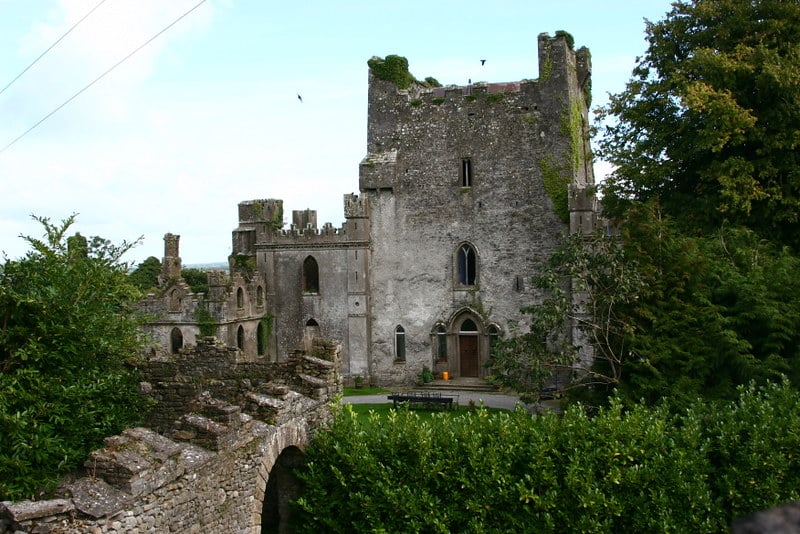
Ireland’s most haunted castle earned its reputation through centuries of family betrayals and murders. The Bloody Chapel got its name after a brother killed a brother during mass.
The Elemental haunts the lower floors. Visitors describe a creature that smells of rotting flesh and appears as a shadow with red eyes.
The castle’s new owners have learned to work around it. Some rooms remain off-limits after dark.
Raynham Hall
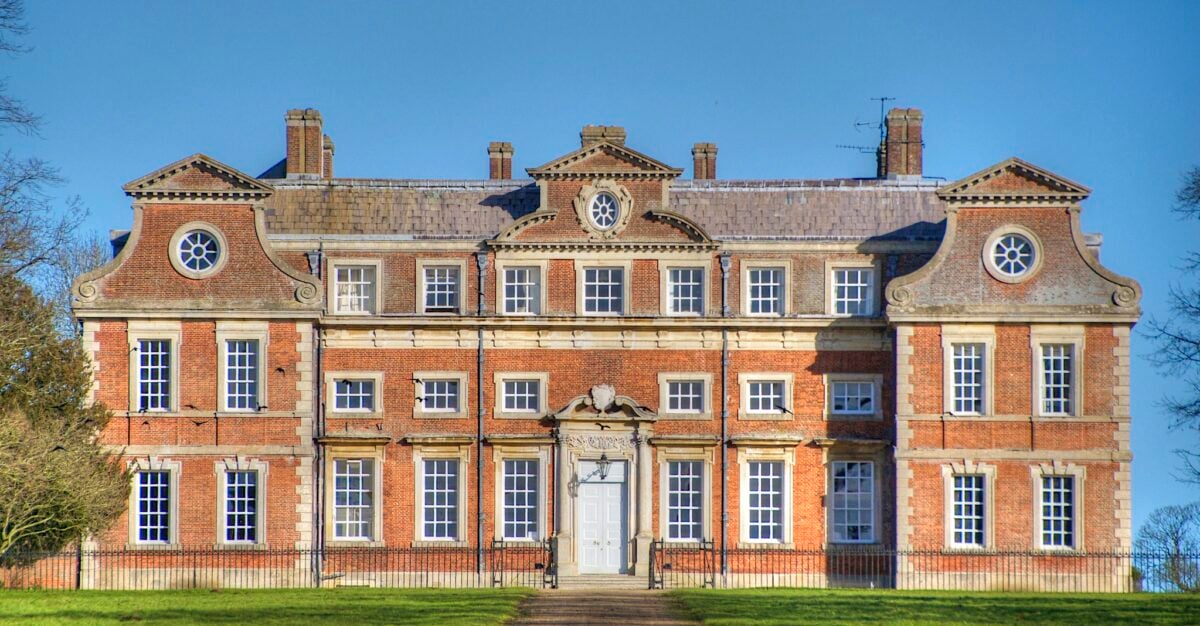
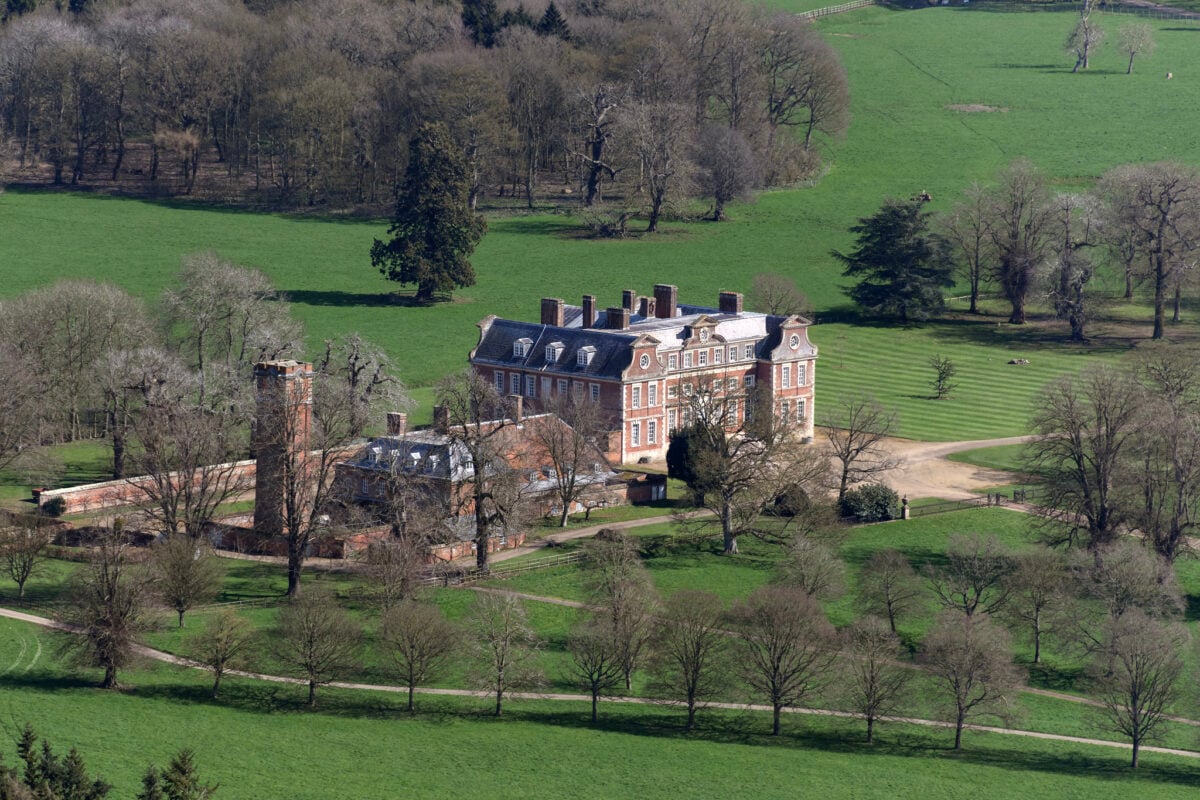
The Brown Lady’s photograph from 1936 remains one of the most famous ghost images ever captured. She haunts the grand staircase at this Norfolk estate.
Lady Dorothy Walpole died under suspicious circumstances in 1726. Her husband may have locked her away for adultery.
She appears in brown brocade, walking stairs that creak under weight that shouldn’t exist. The current residents have grown accustomed to her presence.
Bhangarh Fort
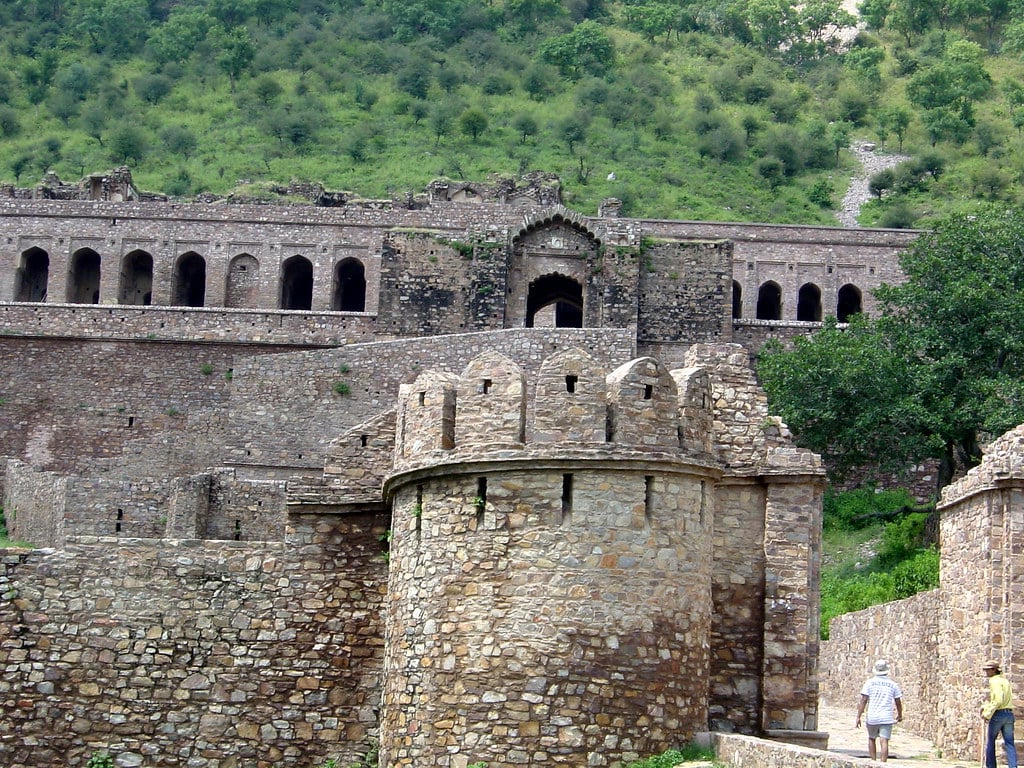
The Archaeological Survey of India legally prohibits anyone from entering this Rajashan fort after sunset (which should tell you something about how seriously the government takes the supernatural claims surrounding this 17th-century ruin, even in a country where ghost stories are typically dismissed as folklore rather than treated as matters requiring official legislation). The fort fell under a curse when a rejected suitor’s dark magic backfired, according to local legend, and everyone who lived there died overnight — but what makes Bhangarh genuinely unnerving isn’t the story itself, it’s how completely the area empties at dusk, as if some collective memory keeps people away without anyone needing to explain why.
Visitors report electronics failing, an oppressive sense of being watched, and an overwhelming urge to leave that intensifies as daylight fades, though whether this stems from supernatural forces or simply the psychological effect of being somewhere officially declared off-limits remains unclear. And yet the government ban suggests that enough people have reported serious problems here to warrant legal intervention.
The ruins sit empty under starlight, protected by law from whatever walks among them after dark.
Stanley Hotel
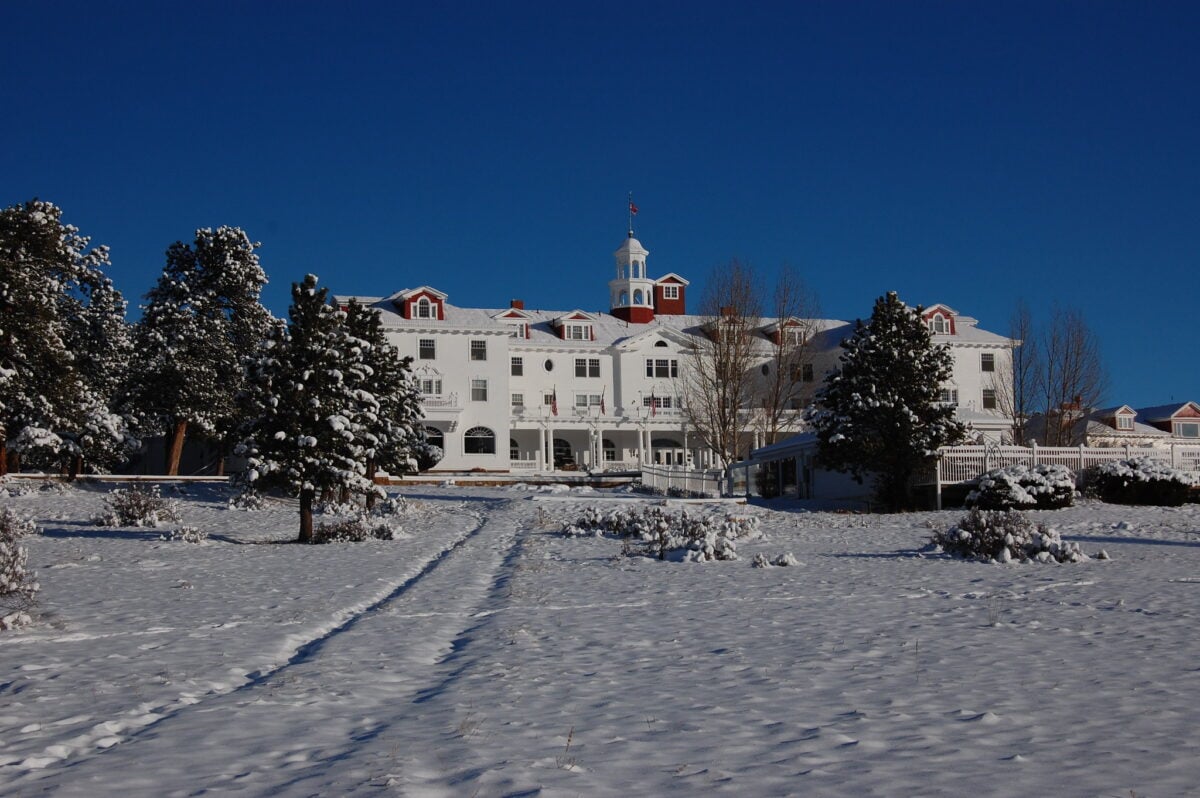
Stephen King spent one night here and wrote “The Shining.” The Colorado hotel inspired his most famous work, though the real hauntings are less dramatic than his fiction.
Room 217 hosts the ghost of a housekeeper who still tidies up after guests. Piano music drifts from the ballroom when no one’s playing.
Children laugh in empty hallways. The hotel embraces its reputation now, but staff still avoid certain floors during late shifts.
Ancient Ram Inn
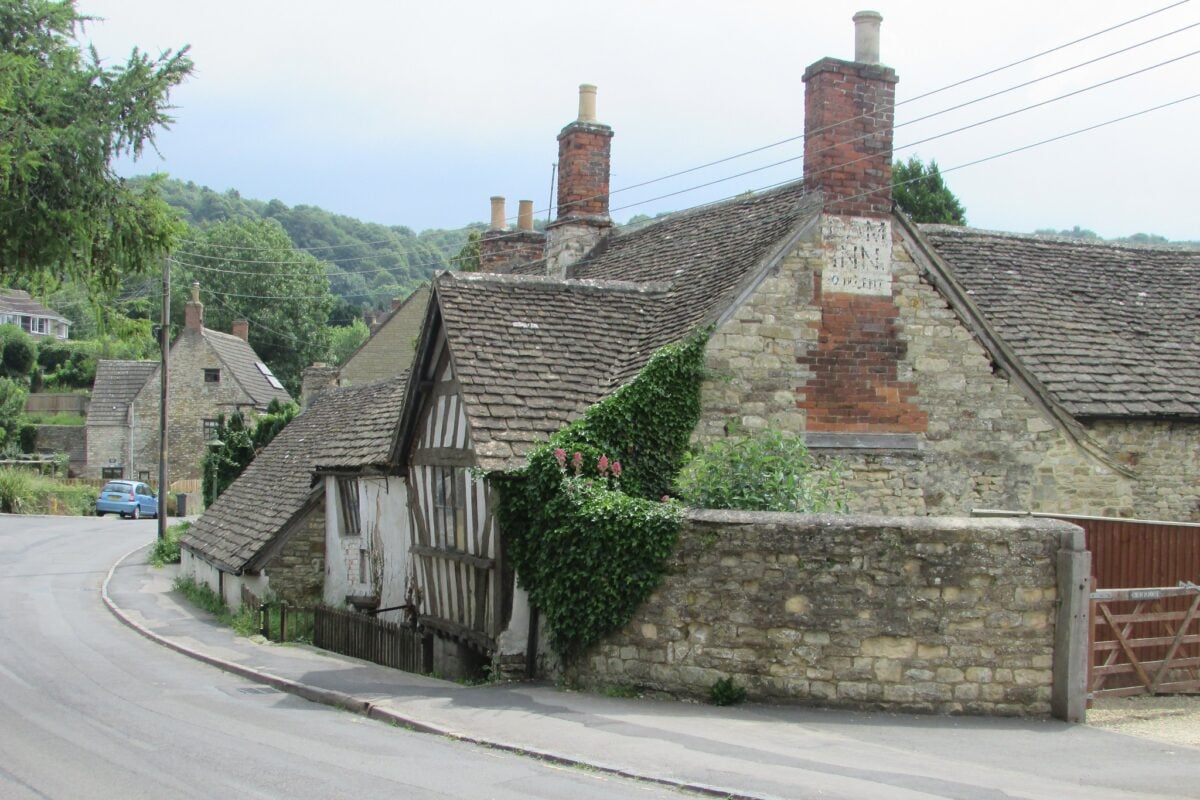
England’s most haunted house sits on a pagan burial ground. The current owner has lived with its ghosts for decades, collecting evidence of their presence.
Skeletons of sacrificed children were found under the staircase. Visitors report physical attacks, objects moving on their own, and apparitions that appear solid until they walk through walls.
The owner sleeps surrounded by religious artifacts. It’s the only way he can rest.
Where the Past Refuses to Rest
These buildings stand as monuments to the idea that some experiences are too intense to simply fade away. Whether you believe in ghosts or not, walking through places where genuine tragedy occurred creates a weight that’s hard to dismiss.
The stories persist because something about these locations feels fundamentally different from ordinary spaces — as if the walls themselves remember what happened within them and insist on keeping that memory alive for anyone brave enough to listen.
More from Go2Tutors!

- The Romanov Crown Jewels and Their Tragic Fate
- 13 Historical Mysteries That Science Still Can’t Solve
- Famous Hoaxes That Fooled the World for Years
- 15 Child Stars with Tragic Adult Lives
- 16 Famous Jewelry Pieces in History
Like Go2Tutors’s content? Follow us on MSN.