Memorable MasterChef Dishes That Impressed Judges
There’s something about watching someone cook under pressure that makes food look more dramatic than it ever does in real life. MasterChef has spent years putting home cooks in front of some of the toughest palates in the industry, and every now and then, a dish comes along that genuinely stops the judges cold.
Not because it’s flashy, but because it tastes exactly like something that took a lifetime to learn. These are the dishes that stood out.
Some were technically flawless. Others were emotionally loaded.
A few were just plates of honest food cooked so well that no one had anything critical to say.
Christine Ha’s Vietnamese Braised Pork Belly
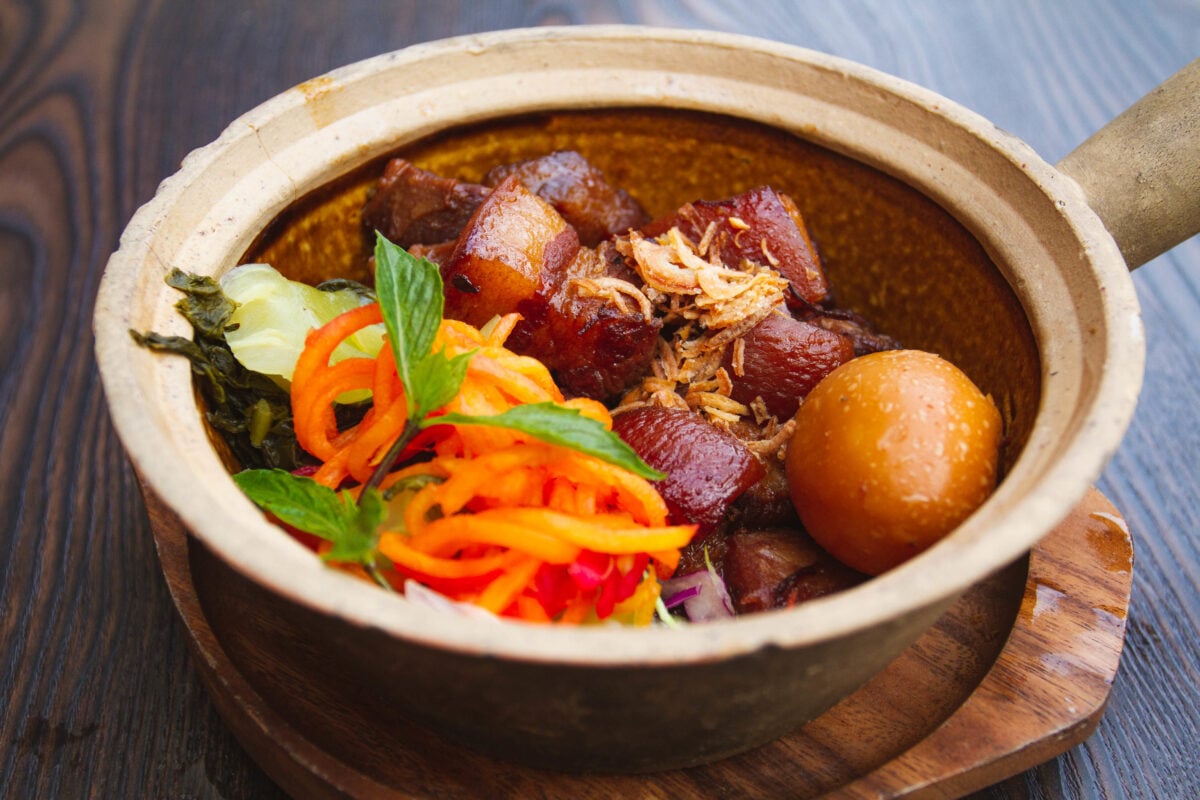
Christine Ha won MasterChef US Season 3 while legally blind, and that fact alone drew attention. But what kept the judges coming back to her food was the depth of flavor she brought to Vietnamese cooking — a cuisine that rarely got serious spotlight on the show at that point.
Her braised pork belly, rich with fish sauce and caramelized sugar, was the kind of dish that tastes like someone’s grandmother made it. Gordon Ramsay described it as one of the most soulful dishes he’d eaten on the show.
That combination of personal story and technical control was hard to argue with.
Claudia Sandoval’s Mole Negro
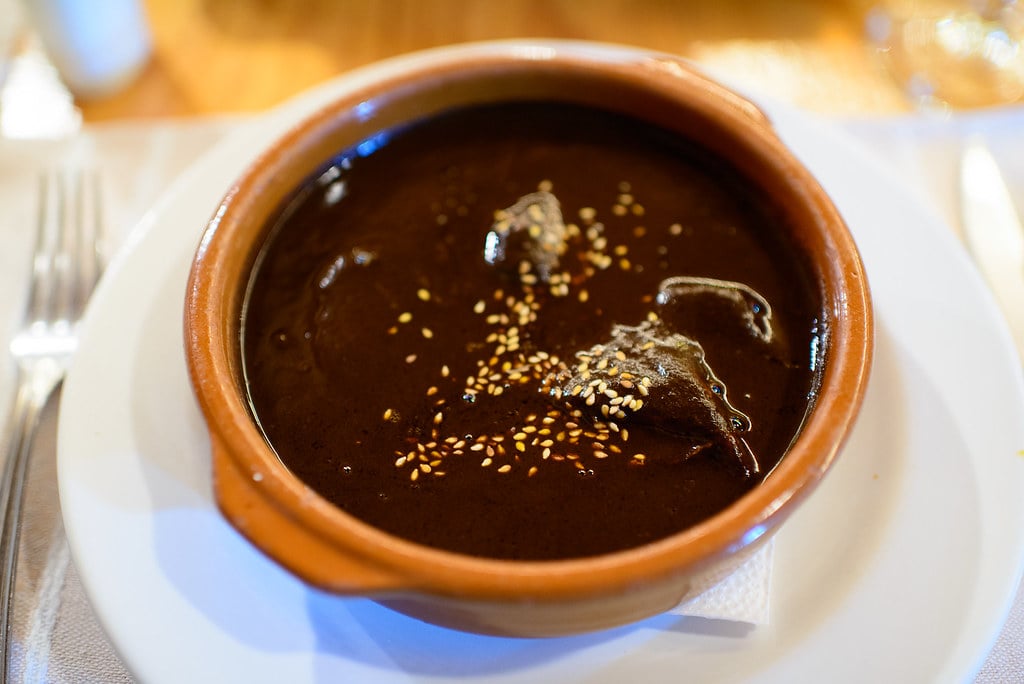
Mole negro is one of those sauces that can take days to make properly. It involves toasting dried chilies, charring onions and garlic, grinding spices, and building layers of flavor that are almost impossible to rush.
Claudia Sandoval made it in a MasterChef kitchen with a clock running, and the judges were visibly stunned. Joe Bastianich called it one of the most complex sauces he’d encountered in the competition.
It earned Claudia her Season 6 win, and rightly so. The dish reminded everyone watching that Mexican cuisine goes far deeper than what most American restaurants serve.
Luca Manfe’s Hand-Made Pasta
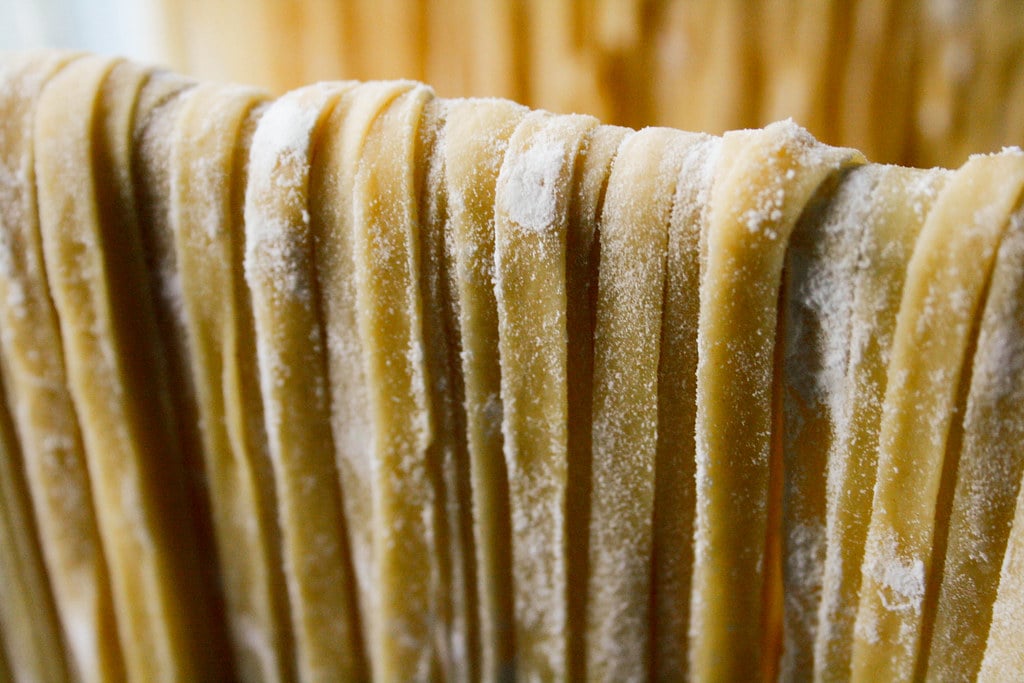
Italian food is one of those things that looks deceptively simple. Fresh pasta, good sauce, decent technique — how hard can it be? Ask anyone who’s tried to make it properly, and they’ll tell you it’s harder than it looks.
Luca Manfe’s pasta dishes throughout MasterChef US Season 4 were a masterclass in restraint. He didn’t overcomplicate things. The dough was right, the cooking time was right, the sauce complemented rather than smothered.
Ramsay called his tagliatelle one of the best plates of pasta he’d eaten in the US. High praise, and it held up.
Whitney Miller’s Buttermilk Fried Chicken
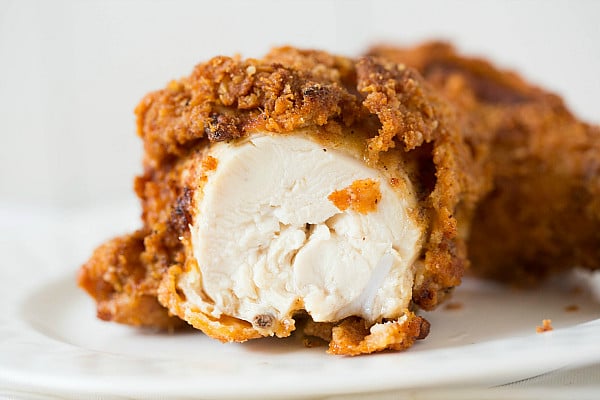
Whitney Miller was 22 when she won the first season of MasterChef US, and her cooking was rooted in Southern tradition. Her fried chicken wasn’t trying to reinvent anything. It was just genuinely excellent — crisp crust, juicy inside, seasoned with a confidence that most experienced cooks never fully nail.
Judges responded to its honesty. There’s a version of MasterChef where a dish like fried chicken gets dismissed as too simple.
Here, it was recognized for exactly what it was: a technically demanding dish executed without a single error.
A Perfectly Cooked Piece of Fish

One of the recurring tests across multiple seasons of MasterChef — in the US, Australia, and the UK — has been cooking fish to perfection. It sounds basic.
The reality is that fish is one of the cruelest tests of a cook’s attention. Thirty seconds too long and it’s ruined.
Over the years, a handful of contestants have served fish so perfectly cooked that the judges ran out of things to critique. Crisp skin, just-set flesh, properly seasoned right through.
Those moments tend to stop the room. No flourishes needed.
Ben Starr’s Coq au Vin
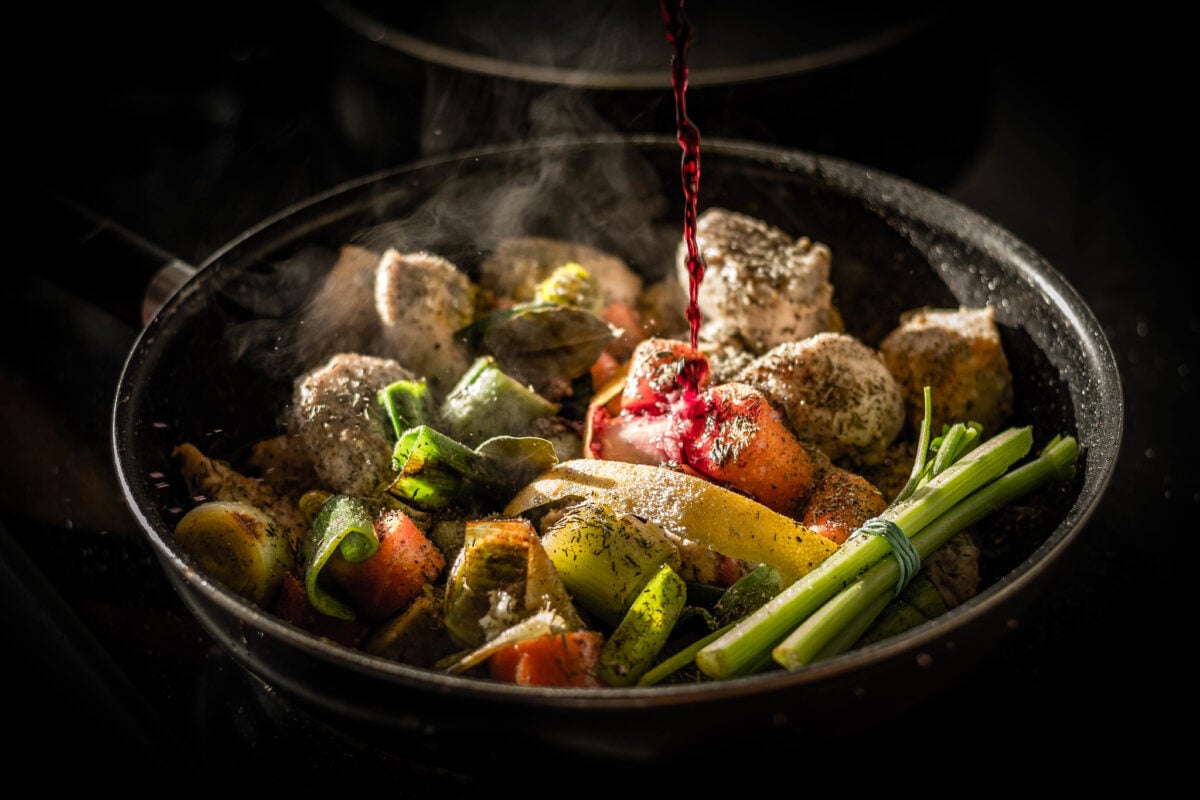
Ben Starr appeared in MasterChef US Season 2 and had a cooking style that favored classic French technique. His coq au vin — braised chicken in red wine with mushrooms, lardons, and pearl onions — was the kind of dish that made the judges pause mid-bite.
What set it apart was the sauce. Properly reduced, glossy, deeply savory, built with patience.
Ramsay commented that it was the kind of dish you’d expect from a trained cook, not a home contestant. Ben wasn’t a trained cook.
He just cooked like one.
An Australian Contestant’s Degustation Dessert
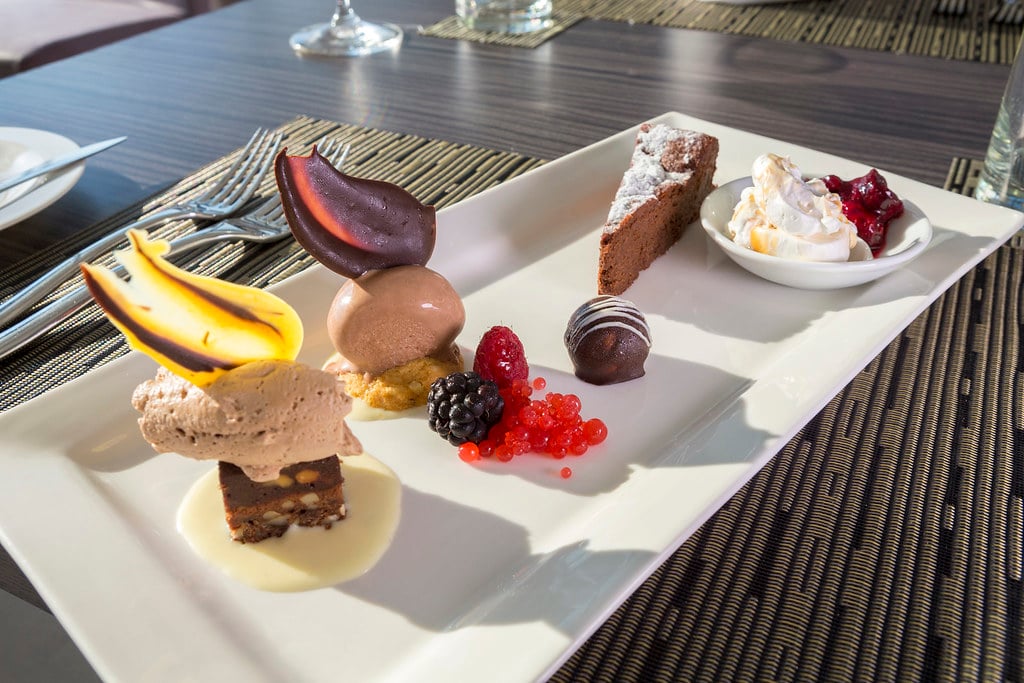
MasterChef Australia has always pushed its contestants harder on desserts than most other versions of the show. The level of pastry work expected — tempering chocolate, pulling sugar, building plated desserts that look like architecture — is genuinely impressive.
Over multiple seasons, a handful of dessert plates stood out so dramatically that judges paused the tasting to study the construction before eating. One multi-component dessert involving textures of chocolate, a salted caramel gel, and a properly aerated mousse earned a full-table standing ovation.
Not many desserts do that.
A Pressure Test Beef Wellington
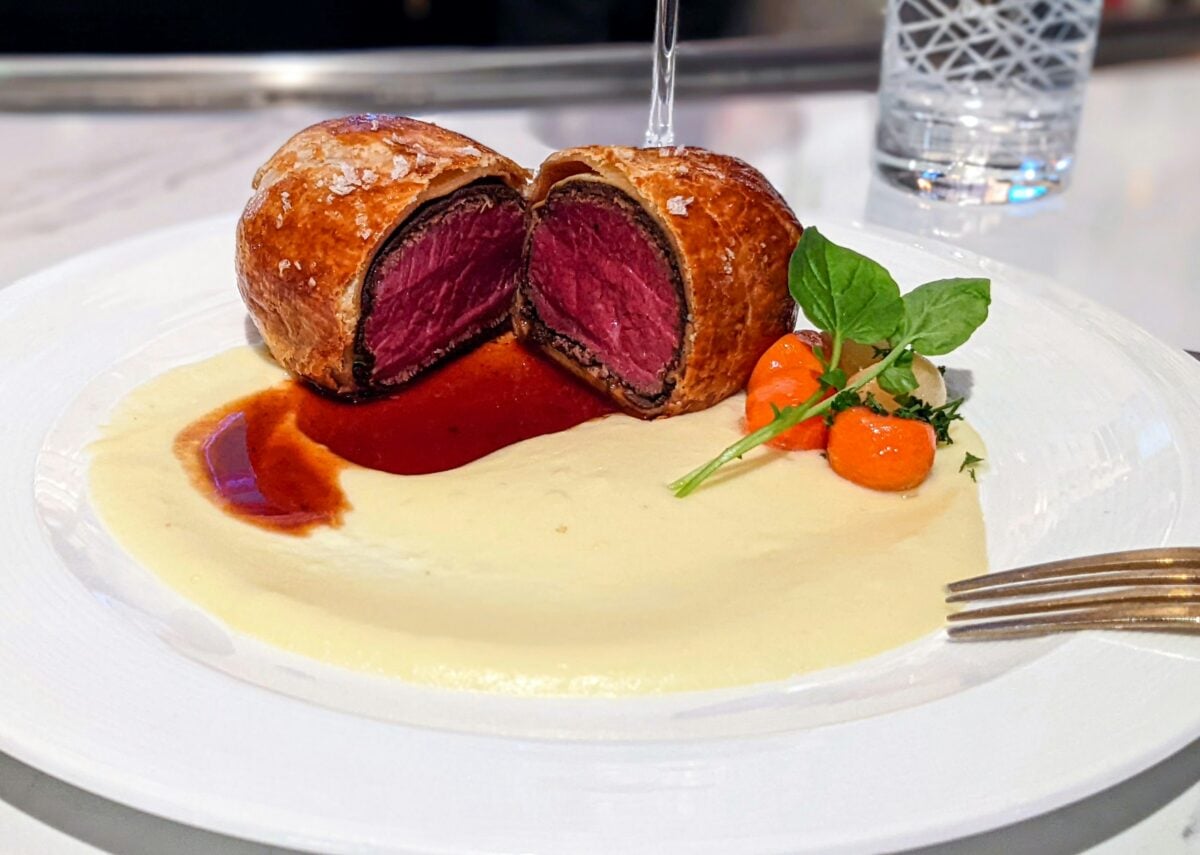
Beef Wellington is basically the defining dish of MasterChef pressure tests. Gordon Ramsay treats it as the gold standard of cooking under stress — the mushroom duxelles have to be dry, the pastry has to be golden and not soggy, and the beef has to hit medium-rare across the board without a gray ring in sight.
The times it’s been done correctly in competition have been memorable precisely because the dish demands so much. One contestant’s Wellington in an early UK season was so technically sound that Ramsay ate most of it before filming stopped. That doesn’t happen often.
Shari Mukherjee’s Indian-Inspired Dishes
MasterChef Australia Season 6 featured Shari Mukherjee, whose use of Indian spicing in unexpected contexts made judges stop and reconsider what they thought they knew. Dishes that brought together the warmth of cumin and coriander with French technique produced results that felt genuinely original.
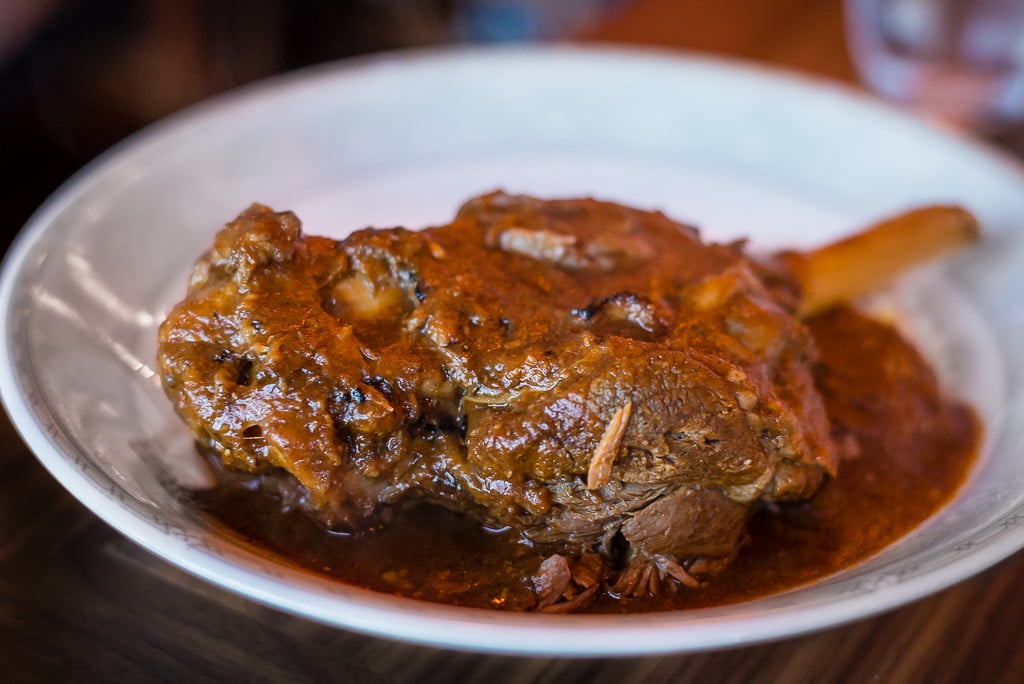
Her lamb dish — spiced in a way that drew from her heritage but plated with precision — was described by one judge as the most interesting thing they’d eaten that week. That’s a meaningful comment in a competition built around eating unusual things constantly.
A Raw Ingredient Showcase in a Mystery Box
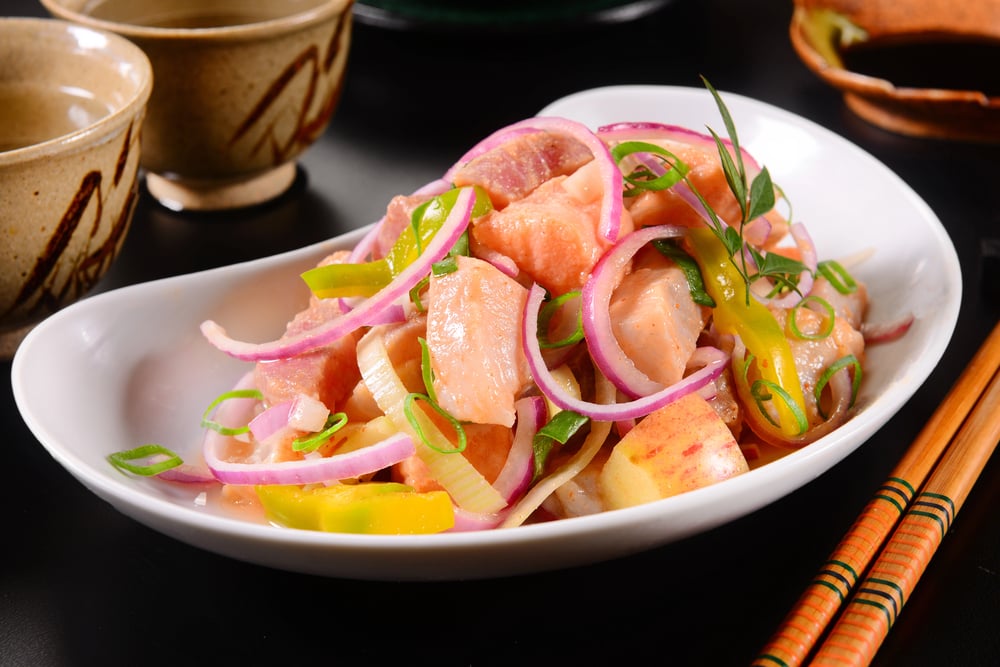
Sometimes the most impressive dishes come from the simplest brief. Mystery box challenges — where contestants get a random collection of ingredients and have to figure out what to make — occasionally produce food that feels more inspired than anything planned in advance.
One contestant in MasterChef US built a ceviche from mystery box ingredients that the judges kept returning to the bench to taste again.
The acidity was balanced. The fish was fresh.
The whole thing came together in a way that looked effortless but clearly wasn’t.
Graham Elliot’s Favorite Moment: The Simple Vinaigrette
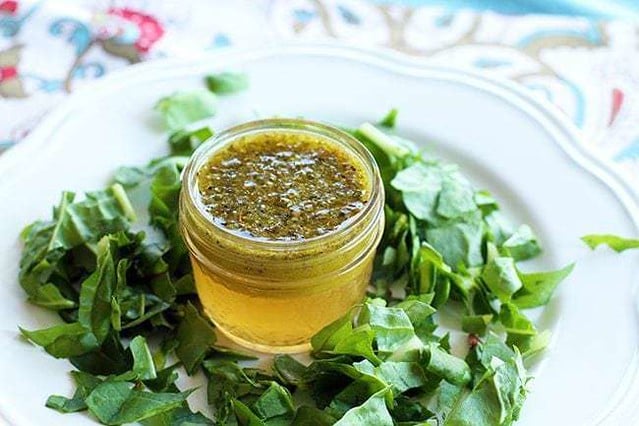
A salad stuck with Graham Elliot after judging MasterChef US – odd, since it wasn’t meat or sweets that left the mark. Main courses often dominate, yet here, greens hold their ground.
Desserts dazzled regularly, still, this bite stood apart. Simple? Maybe.
Unforgettable? Clearly. The magic came from the dressing – blended just right, sharp with a tangy kick, sweetness barely there but holding flavors together.
Not quite simple, yet not fancy either. How he saw it: getting the fundamentals correct beats messy complexity every time.
Most underestimate how tough it is to nail such a small thing well.
Marcus Samuelssons Guest Challenge Dishes

A twist in the kitchen came when an outside chef stepped in to test the contestants on MasterChef. Not every visitor stirs things up, but some dishes ended up turning heads anyway.
One time, Marcus Samuelsson shaped the challenge around flavors from Ethiopia and Sweden. These are the roots he has woven through years of cooking.
The task reflected how he moves between those worlds. A single home cook served something that made Samuelsson pause, calling it deeply felt.
Not because it looked perfect – but the spices hit true, each bite carried intention. Instead of copying recipes, the plate spoke like someone who had lived those flavors.
Hard to believe it came from a kitchen without professional gear. Turns out, that surprise is exactly why the series exists.
The Invisible Art Of Seasoning

What grabs attention most from MasterChef judges isn’t fancy skills. It’s not how the plate looks either.
Seasoning takes center stage. Over time, that detail stands out more than anything else.
Above all, salt matters. What lingers in judges’ minds isn’t fancy technique but taste shaped by timing.
Across contests from New York to Sydney, one detail keeps surfacing – salt applied just so. Flavor blooms when it’s added early enough, yet never too much.
Without it, ingredients stay flat, muffled. Home kitchens tend to hold back here, afraid maybe.
A single mouthful tells experts everything – they know before chewing. Some cooks moved ahead not by being perfect but by tasting early, without waiting for permission.
What set them apart wasn’t flawless technique. It was knowing how good food should really taste.
Most never waited – they just adjusted while cooking. That habit made the difference.
When the Plate Speaks

Stillness gives it away first. That kind of hush isn’t staged like some moment on screen meant to build tension – instead, it creeps in when mouths are full, eyes down, thoughts caught up in flavor.
A few seconds pass without words because no one feels the need to speak just then. For a heartbeat, fork rests on plate, gaze lifts, a small dip of the head – this pause appears again and again through years of MasterChef, no matter who sits at the table or how the show shifts.
It arrives only when flavors feel true, crafted without fuss, needing nothing said. Most memorable meals here are the ones where time stops, cameras fade, even experts lose track of being watched.
More from Go2Tutors!

- The Romanov Crown Jewels and Their Tragic Fate
- 13 Historical Mysteries That Science Still Can’t Solve
- Famous Hoaxes That Fooled the World for Years
- 15 Child Stars with Tragic Adult Lives
- 16 Famous Jewelry Pieces in History
Like Go2Tutors’s content? Follow us on MSN.



