14 Facts About Antarctica That Will Change How You Think About Deserts
When most people think of deserts, they envision endless sand dunes, scorching temperatures, and perhaps a camel or cactus. Antarctica—that frigid continent at the bottom of our world—hardly comes to mind. Yet Antarctica is technically Earth’s largest desert, challenging our very definition of what a desert truly is.
Here is a list of 14 fascinating facts about Antarctica that will completely transform your understanding of what constitutes a desert.
Technically a Desert
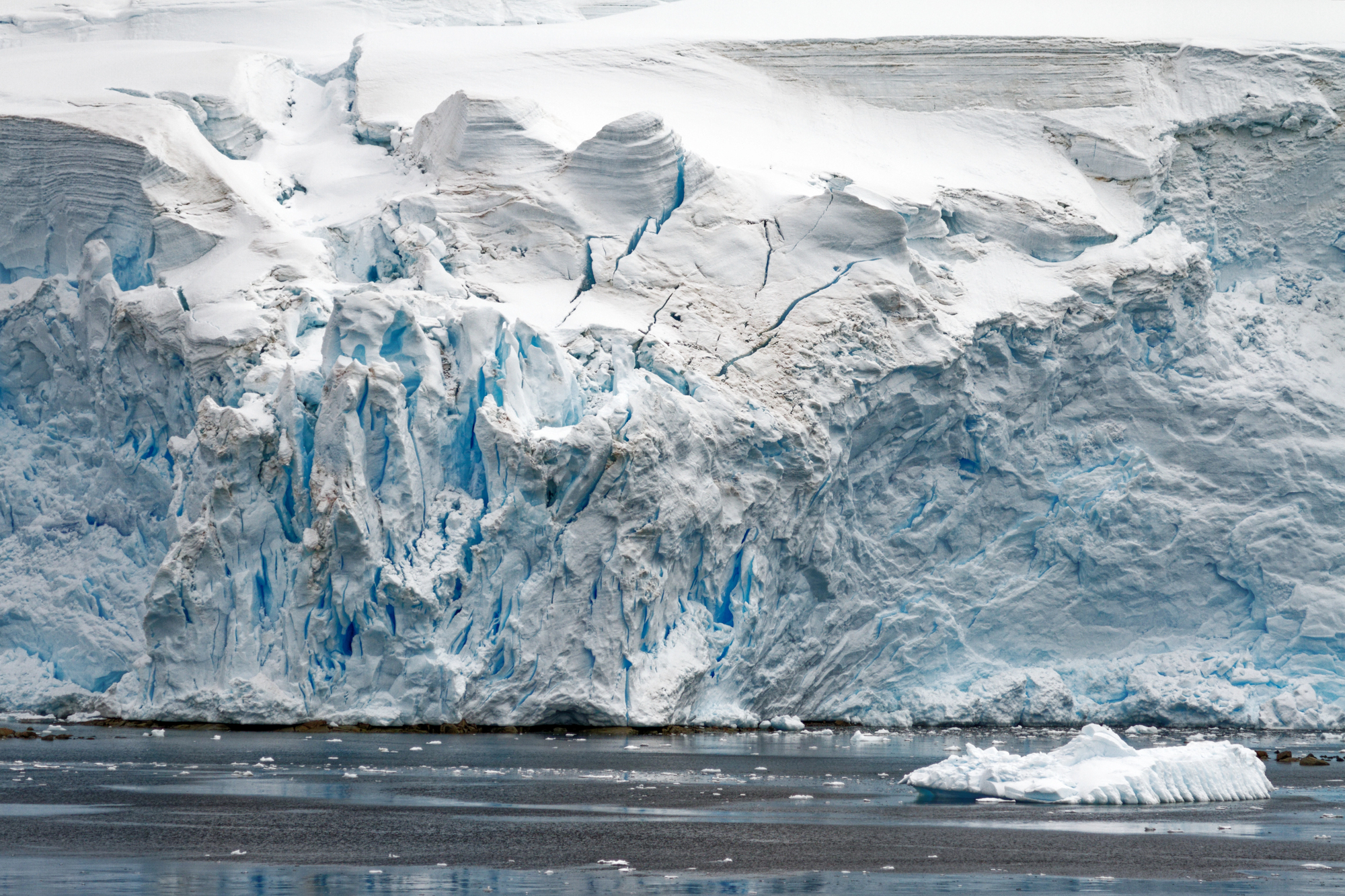
Antarctica is officially classified as a desert, despite being covered in ice. This classification comes down to one simple factor: precipitation.
The continent receives less than 8 inches of precipitation annually—about the same as the Sahara Desert—qualifying it as one of the driest places on Earth.
The Largest Desert
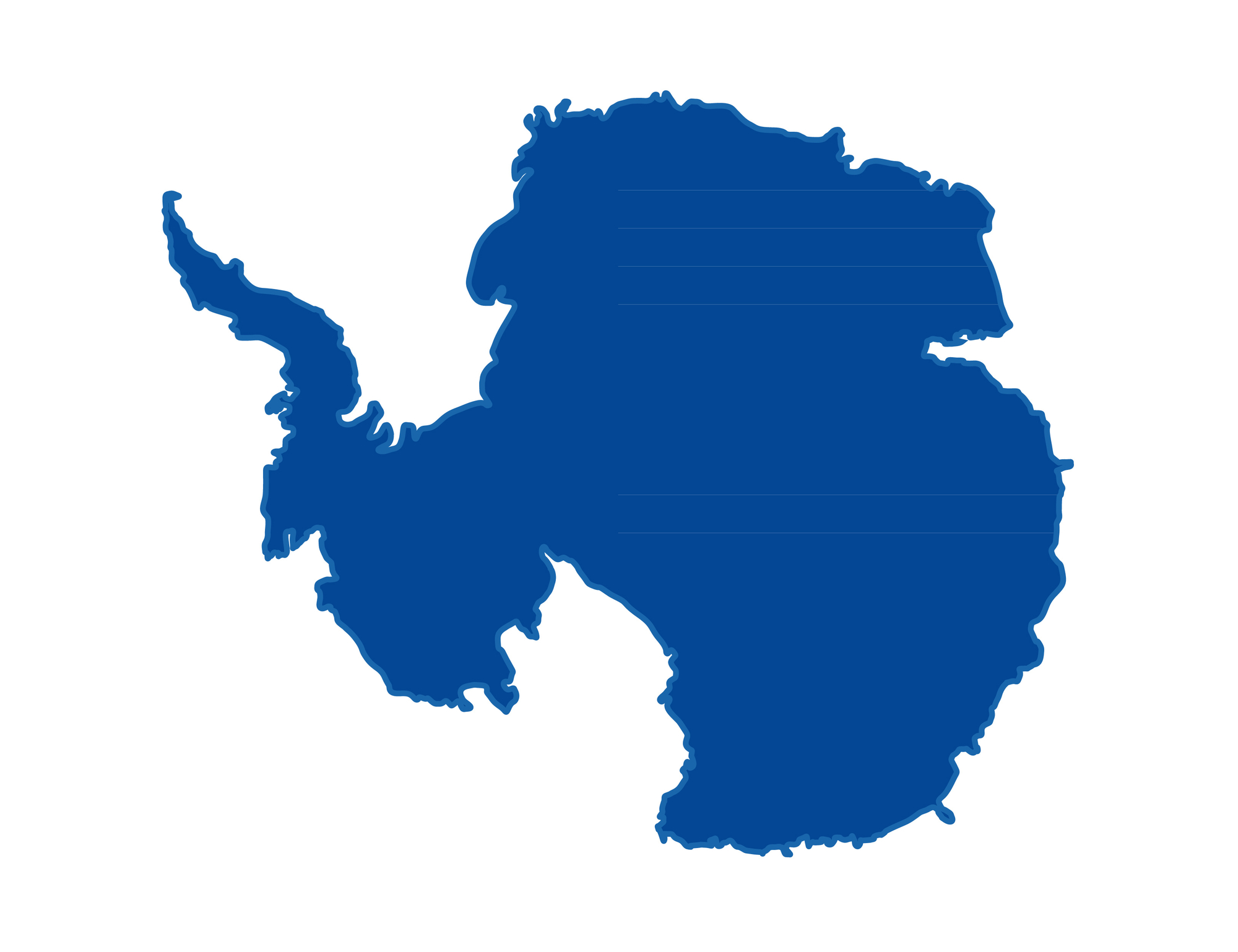
Antarctica isn’t just any desert—it’s the largest on our planet. Spanning approximately 5.5 million square miles, it’s nearly 1.5 times larger than the runner-up, the Sahara Desert.
Its massive size is often underappreciated because we tend to mentally shrink polar regions on world maps.
Like Go2Tutors’s content? Follow us on MSN.
Drier Than Death Valley
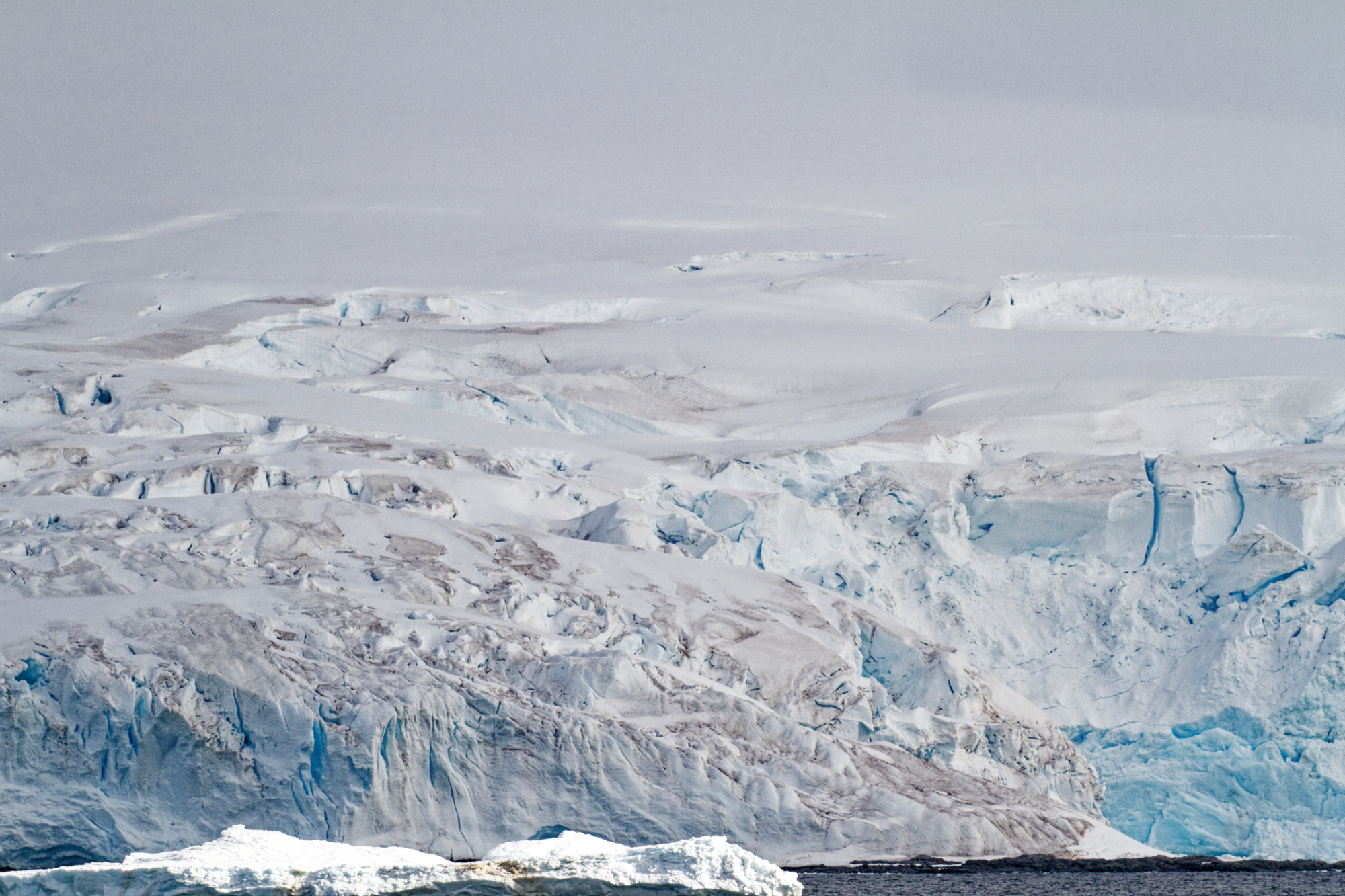
Parts of Antarctica’s interior are drier than California’s Death Valley. The McMurdo Dry Valleys receive zero precipitation and haven’t seen rainfall in millions of years.
These valleys are so similar to Mars that NASA uses them to test equipment destined for the red planet.
Ancient Desert
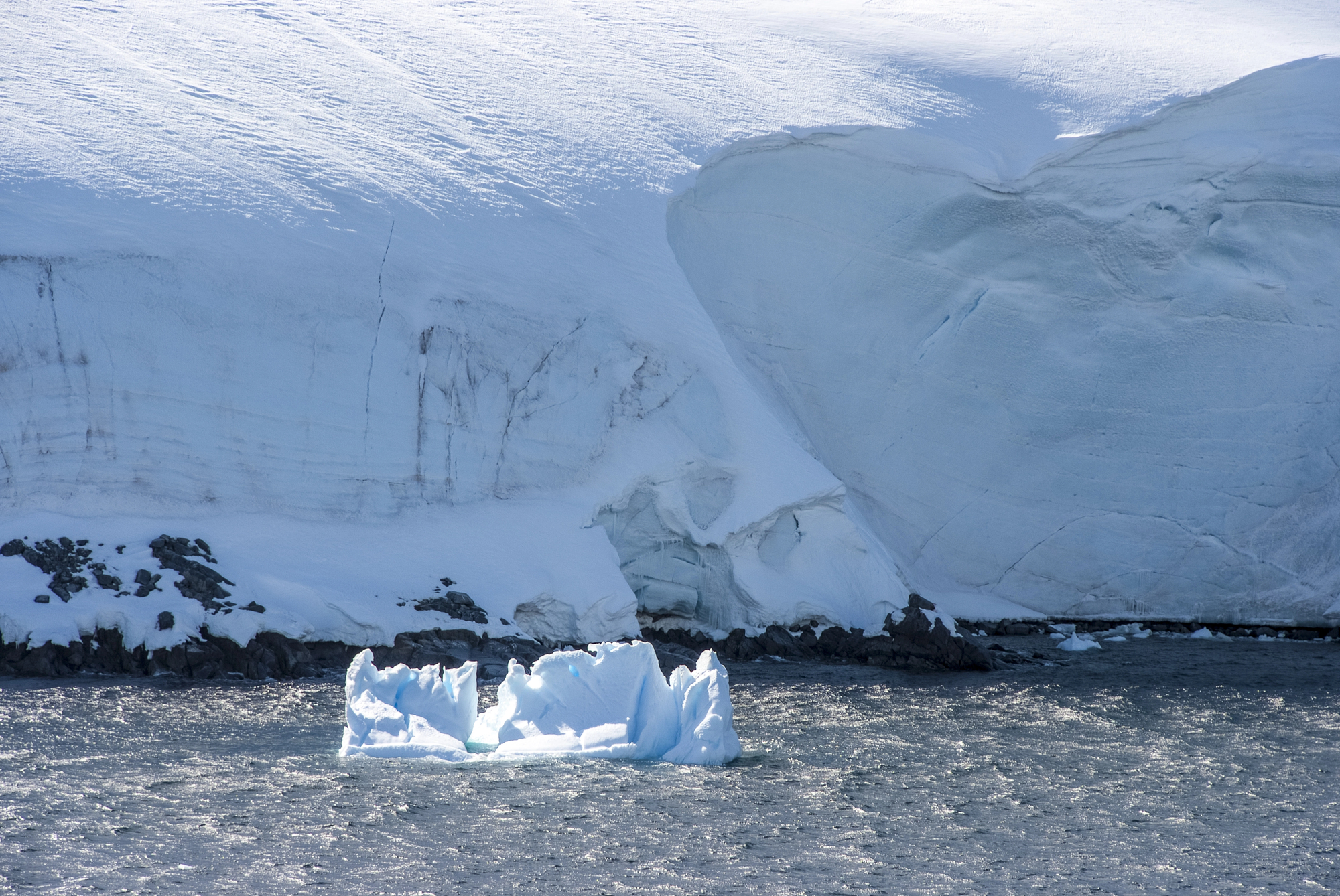
Antarctica has been a desert for at least 15 million years. While it wasn’t always covered in ice, the continent drifted to its current position over the South Pole around 30 million years ago.
The extreme cold and isolation that followed created the unique desert conditions we find today.
Hidden Lakes
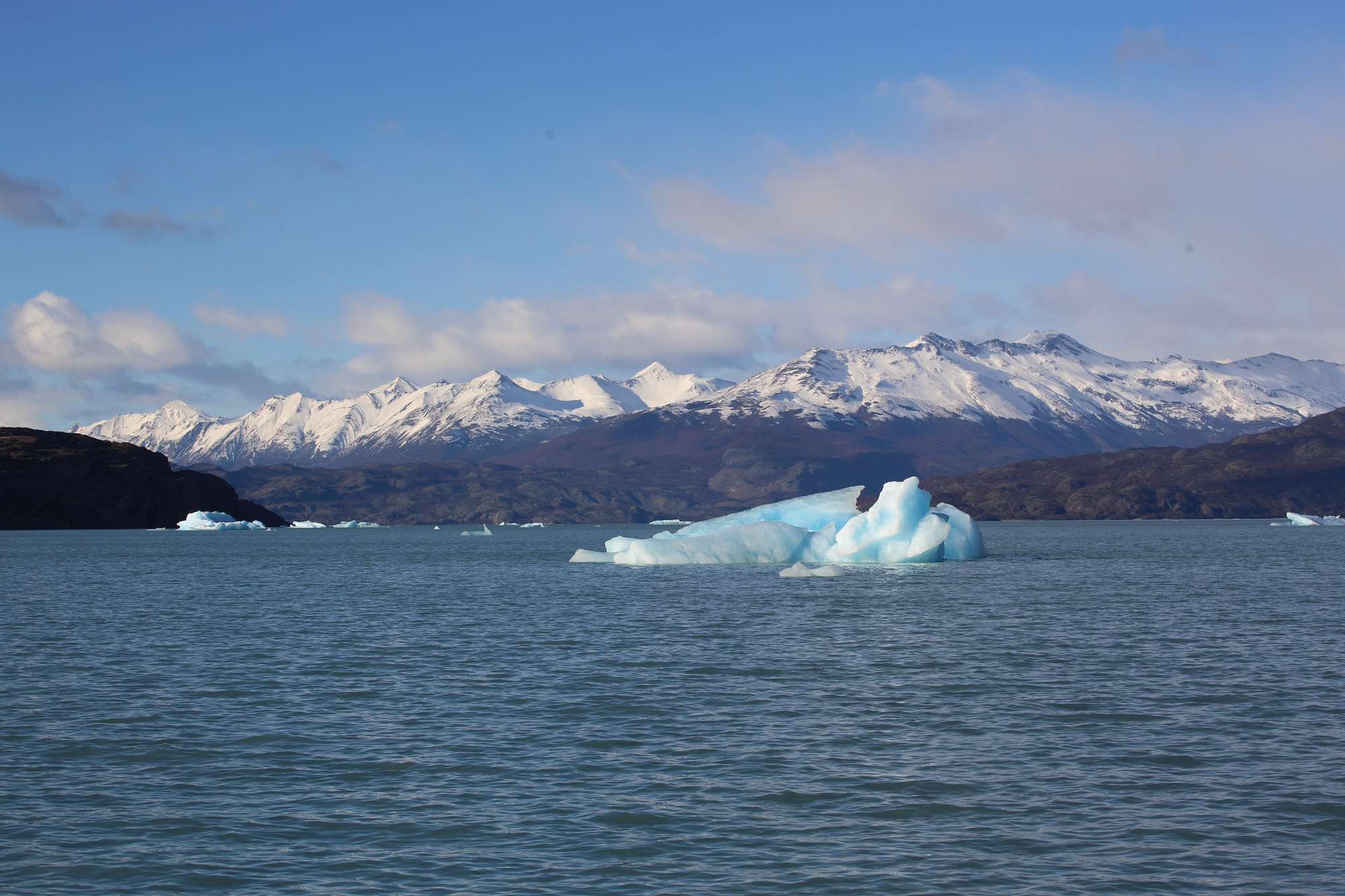
Beneath Antarctica’s ice sheet lie nearly 400 subglacial lakes containing liquid water. Lake Vostok, the largest of these, is roughly the size of Lake Ontario and has been isolated from the outside world for potentially 25 million years.
These lakes might harbor unique life forms adapted to extreme conditions.
Like Go2Tutors’s content? Follow us on MSN.
Extreme Temperature Fluctuations
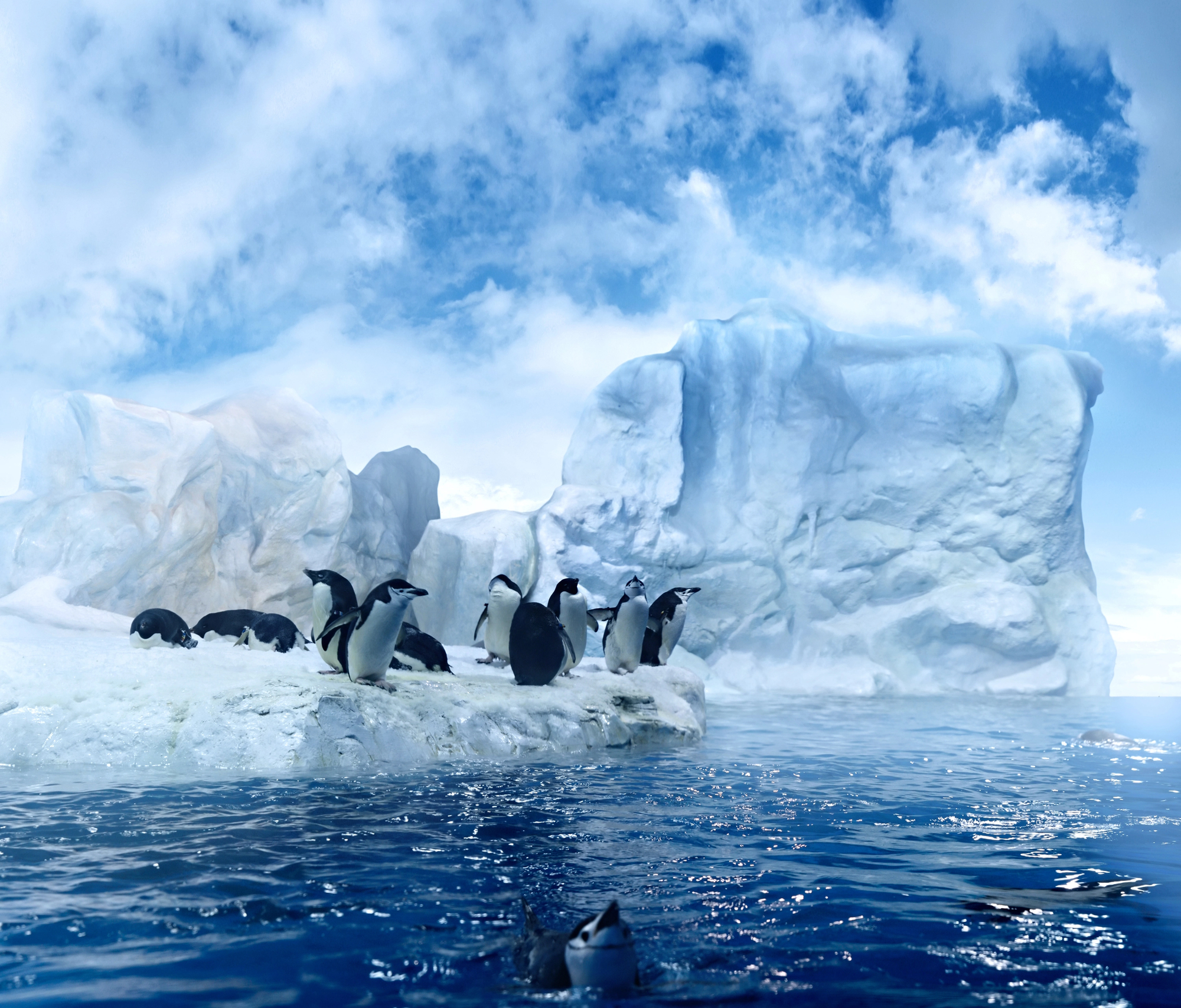
Like traditional deserts, Antarctica experiences dramatic temperature swings. The difference is the range: while the Sahara might fluctuate between 30°F at night and 100°F during the day, Antarctica can see changes from -128°F to -15°F within hours due to weather pattern shifts.
No Permanent Human Population
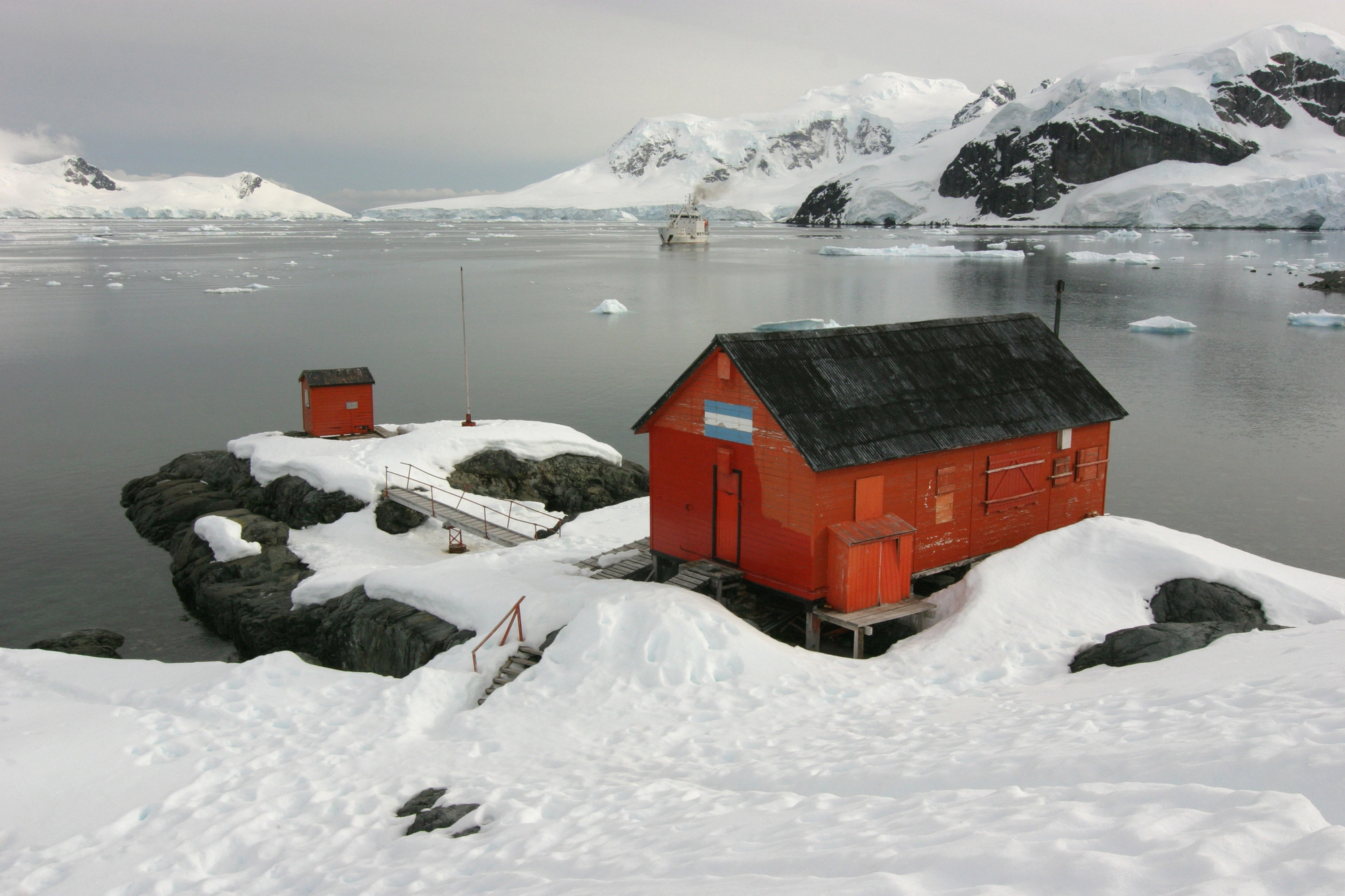
Antarctica remains the only continent without permanent human inhabitants. Research stations house scientists temporarily, with population numbers fluctuating between roughly 1,000 people in winter and 5,000 in summer.
The harsh desert conditions make permanent settlement practically impossible.
Windiest Place on Earth
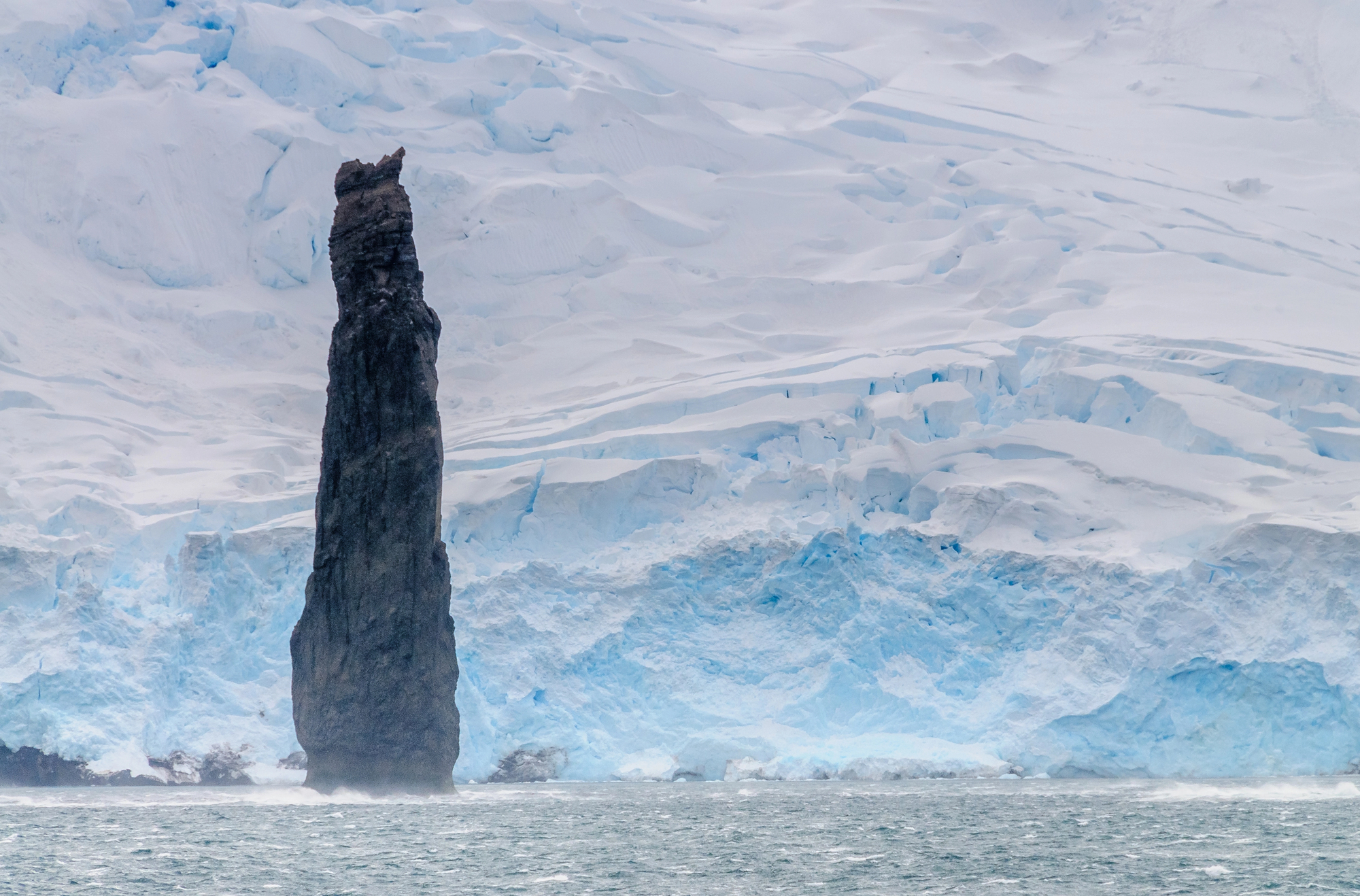
The katabatic winds that sweep down from Antarctica’s high interior can reach speeds exceeding 200 miles per hour. These fierce winds contribute to the continent’s desert conditions by evaporating what little moisture exists and creating vast, barren landscapes scoured clean of snow.
Like Go2Tutors’s content? Follow us on MSN.
Frozen Fresh Water
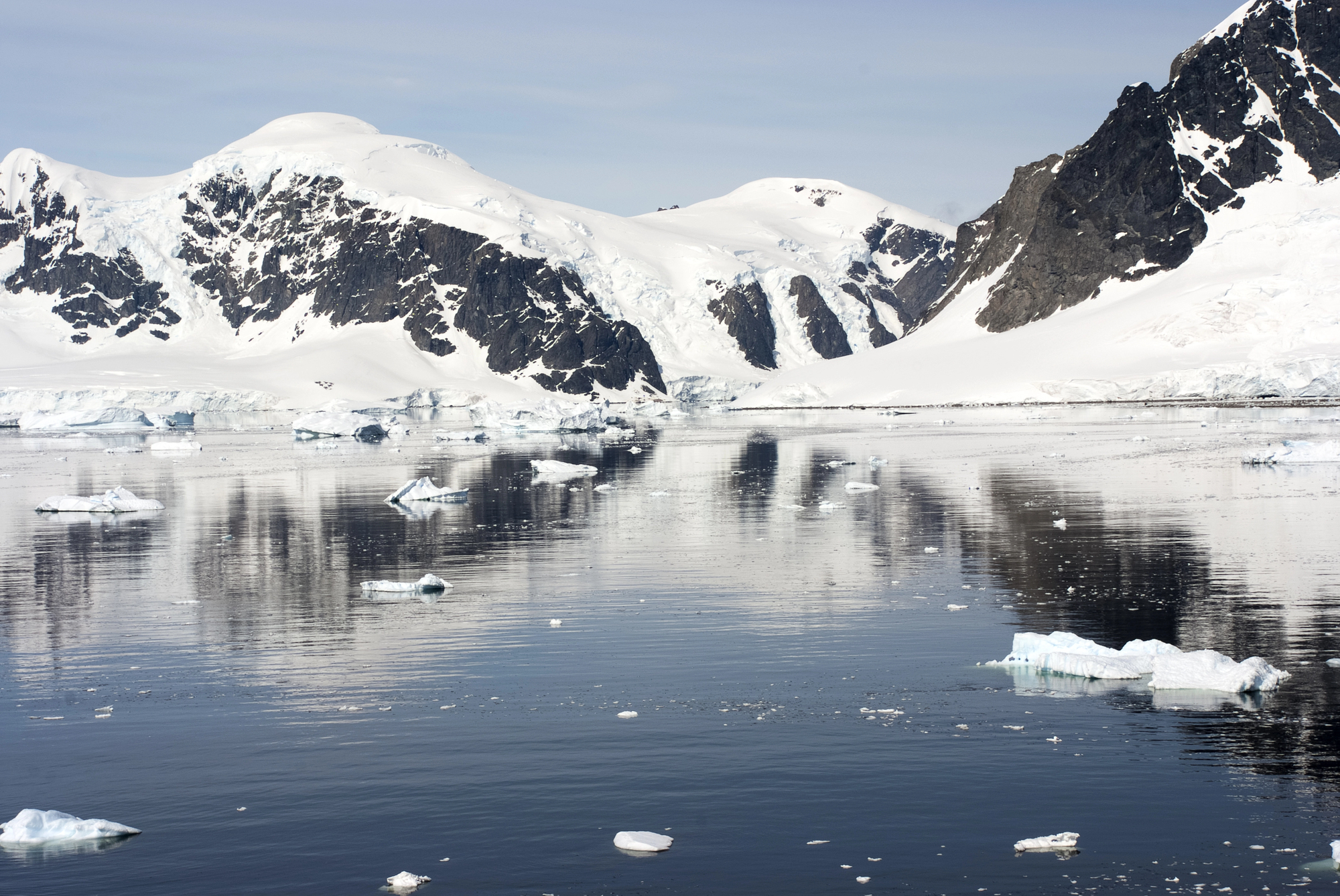
Antarctica holds about 70% of Earth’s fresh water, locked in its ice sheet. This makes it the world’s largest freshwater reservoir, despite being a desert.
The ice sheet averages more than a mile thick and would raise global sea levels by roughly 200 feet if it completely melted.
The Only Desert With Penguins
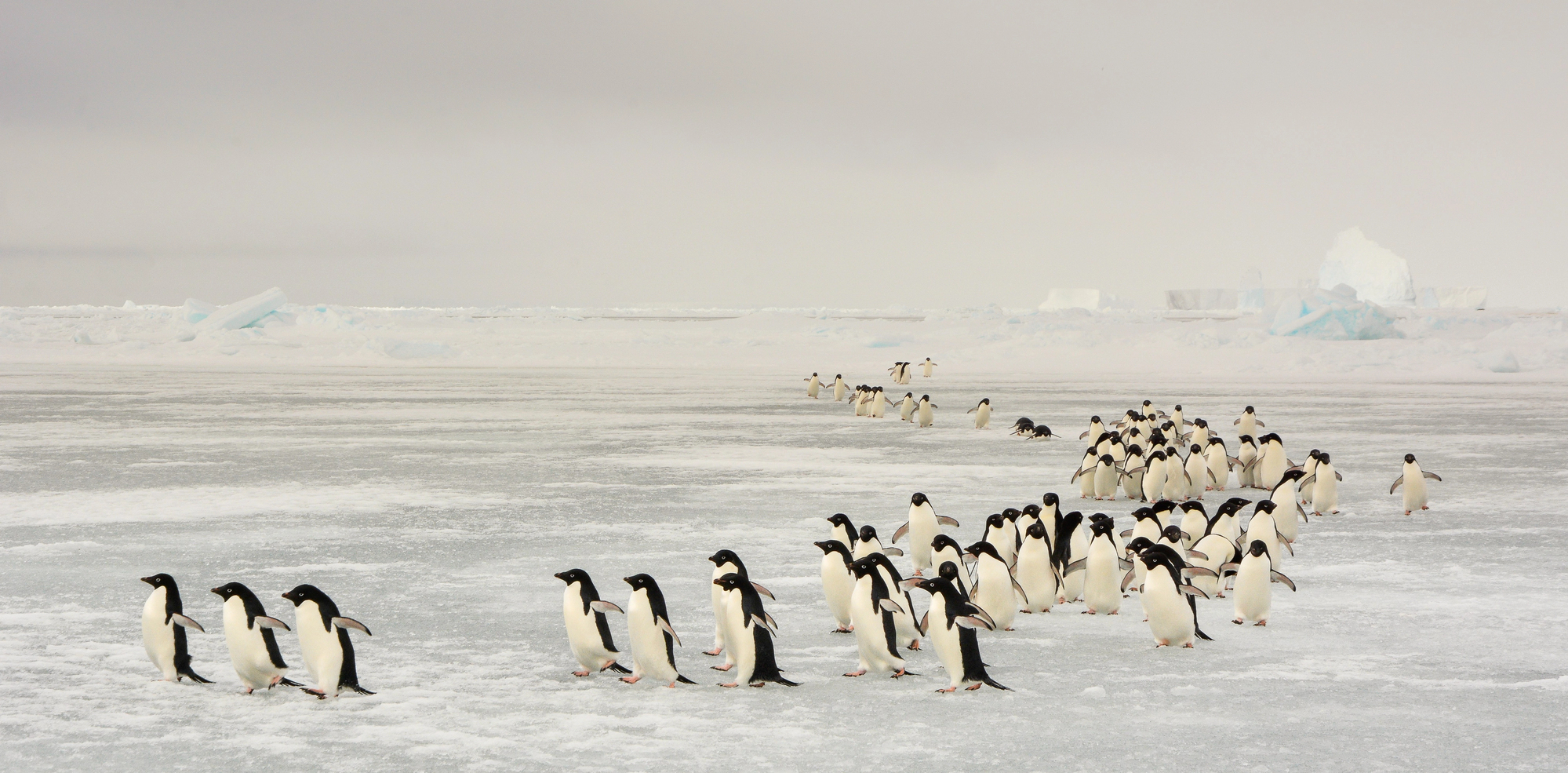
Antarctica is the only desert where you’ll find penguins waddling about. Emperor penguins brave winters with temperatures dropping to -76°F and winds exceeding 124 miles per hour.
These remarkable birds have adapted to thrive in what may be Earth’s most inhospitable desert environment.
Blood Falls
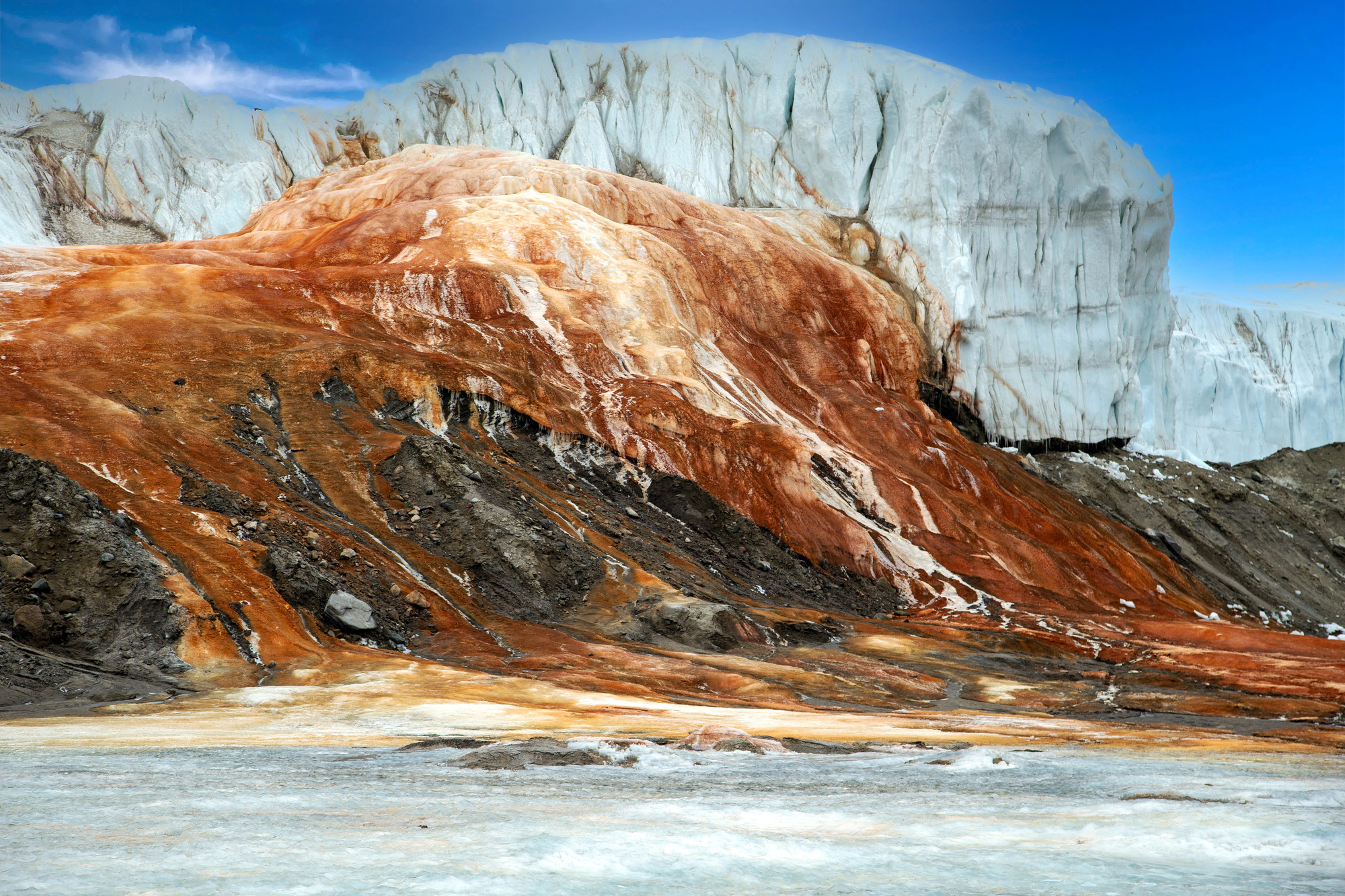
Antarctica features a bizarre natural phenomenon called Blood Falls—a bright red waterfall flowing from the Taylor Glacier. The striking color comes from iron-rich saltwater that oxidizes when exposed to air.
This unusual feature highlights how even deserts can host strange and unexpected wonders.
Like Go2Tutors’s content? Follow us on MSN.
Six Months of Darkness
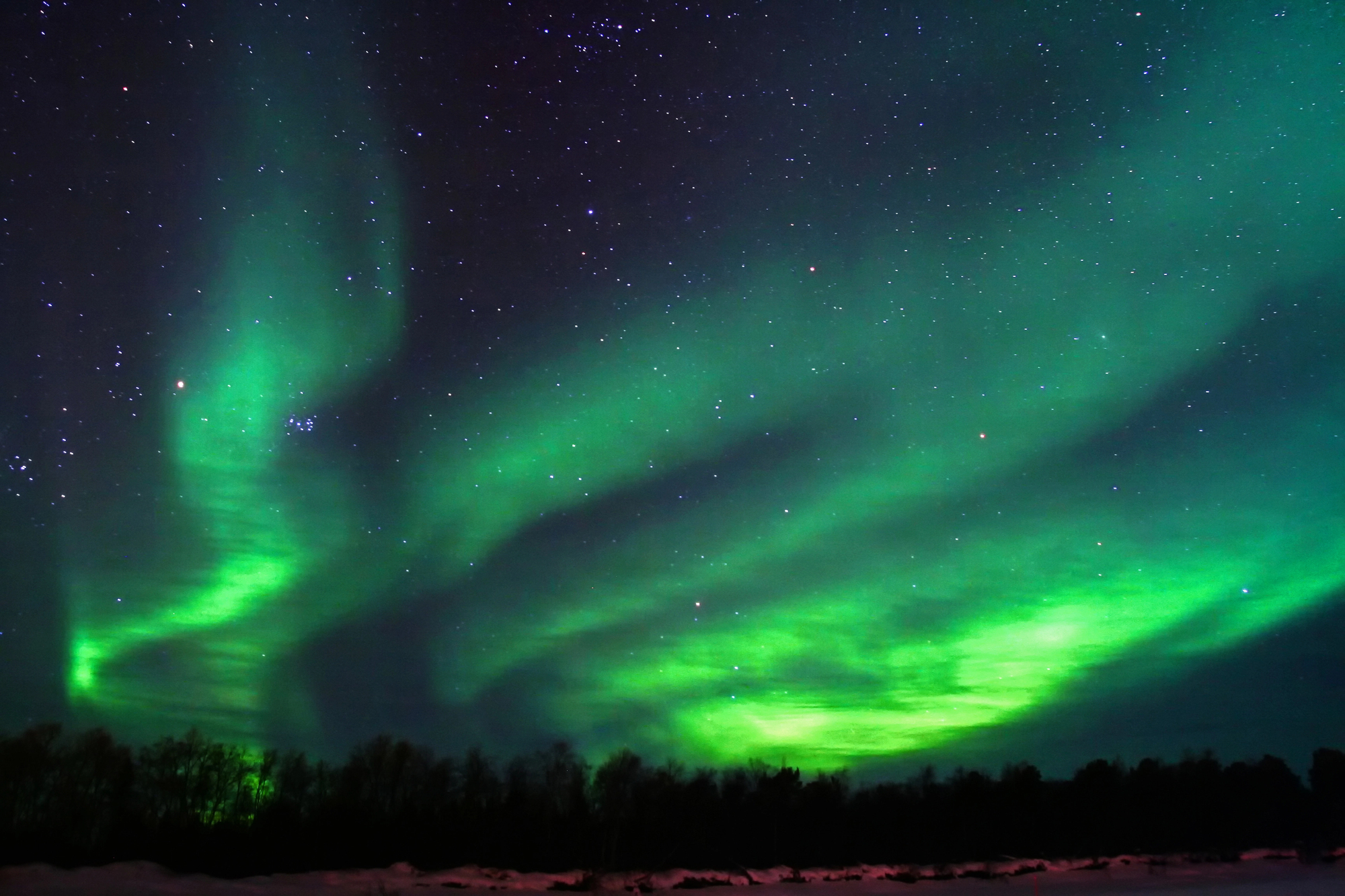
Unlike traditional deserts that receive intense sunlight year-round, Antarctica experiences six months of darkness followed by six months of daylight.
This extreme light cycle creates unique ecological conditions not found in any other desert on Earth.
Growing Tourism
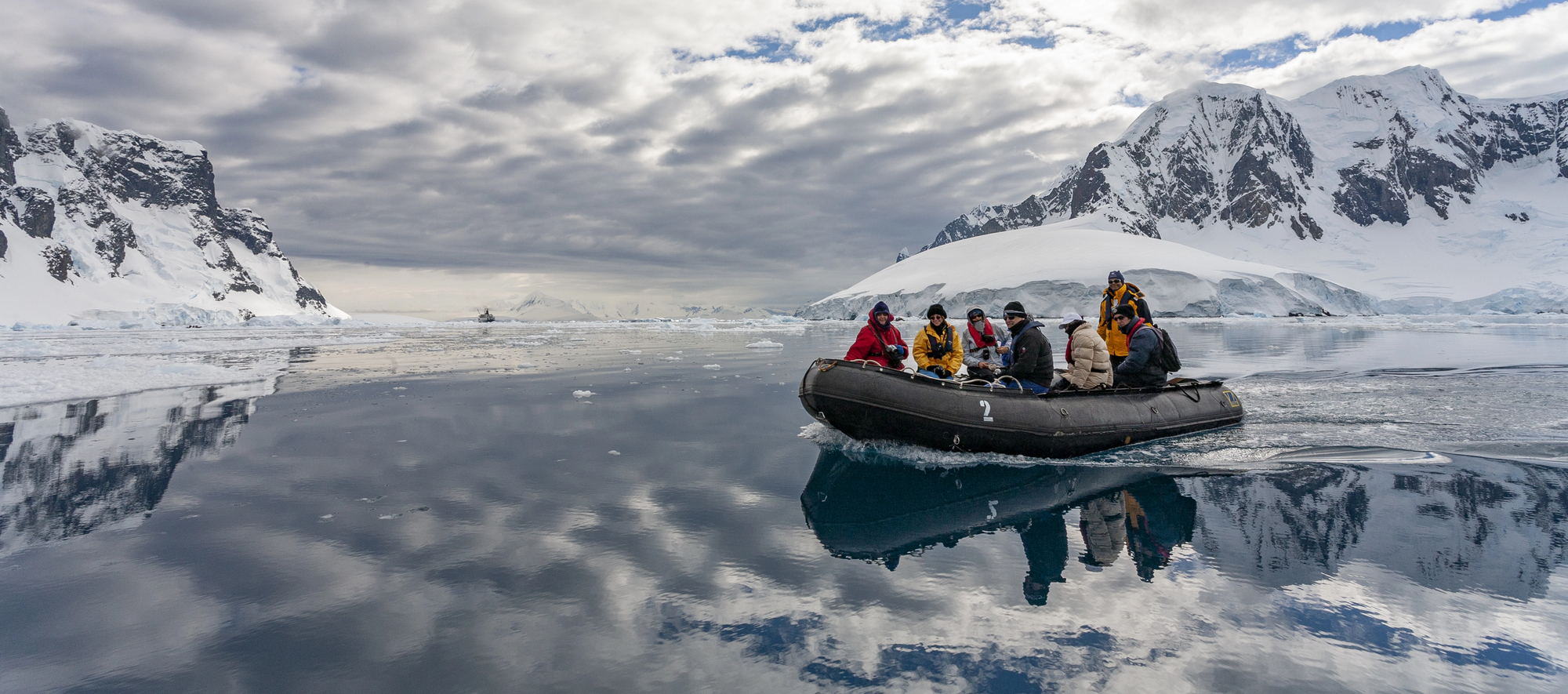
Despite its harsh desert conditions, Antarctica attracts approximately 50,000 tourists annually. Visitors brave the journey to witness untouched landscapes and unique wildlife.
This tourism industry operates primarily during the austral summer when conditions are somewhat less extreme.
Treaty Protected
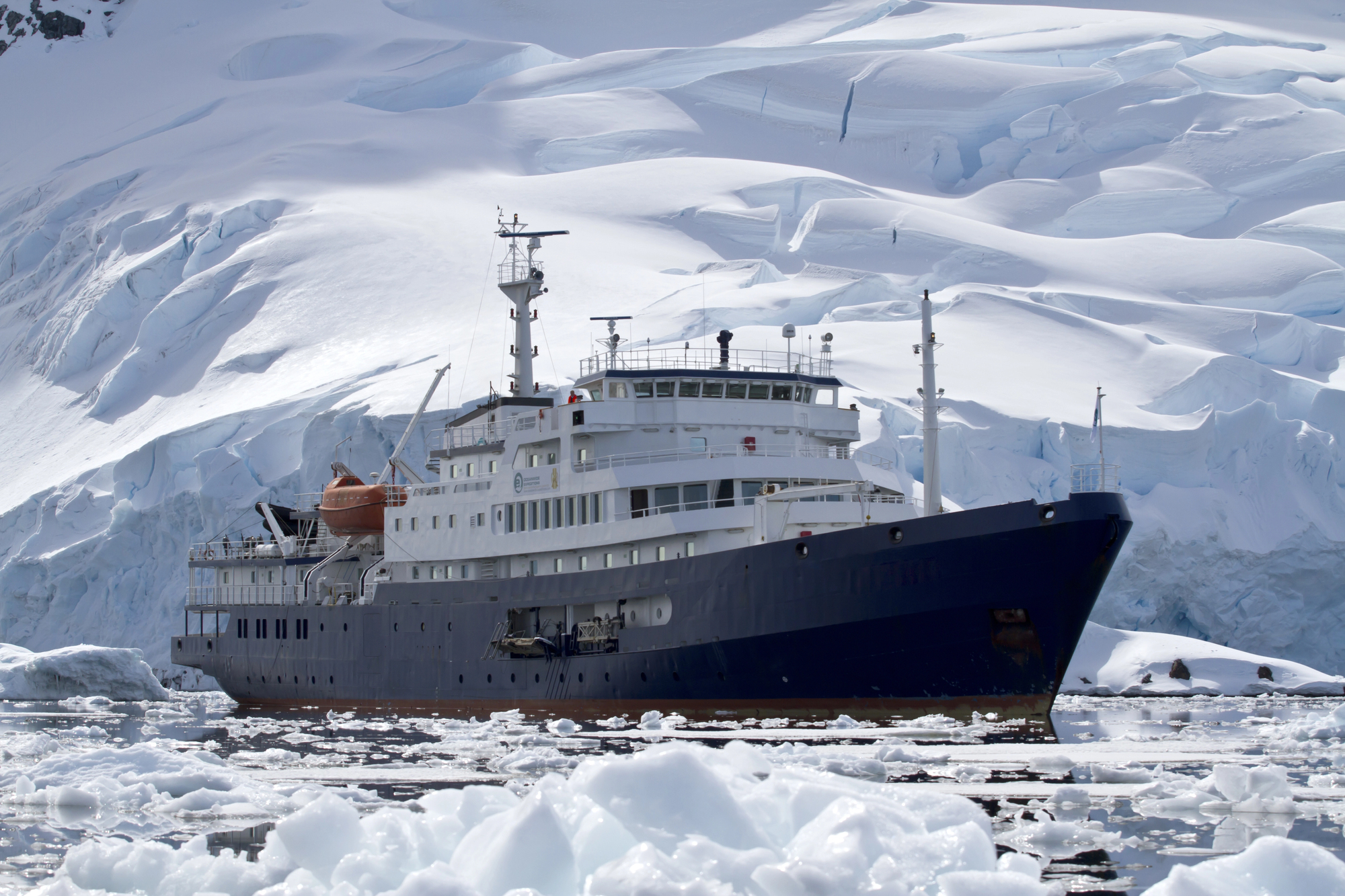
Antarctica is the only desert governed by an international treaty. The Antarctic Treaty, signed in 1959, designates the continent as a scientific preserve and prohibits military activity.
This unique status makes it Earth’s only multinational desert, dedicated to peace and scientific discovery.
Like Go2Tutors’s content? Follow us on MSN.
Earth’s Frozen Laboratory
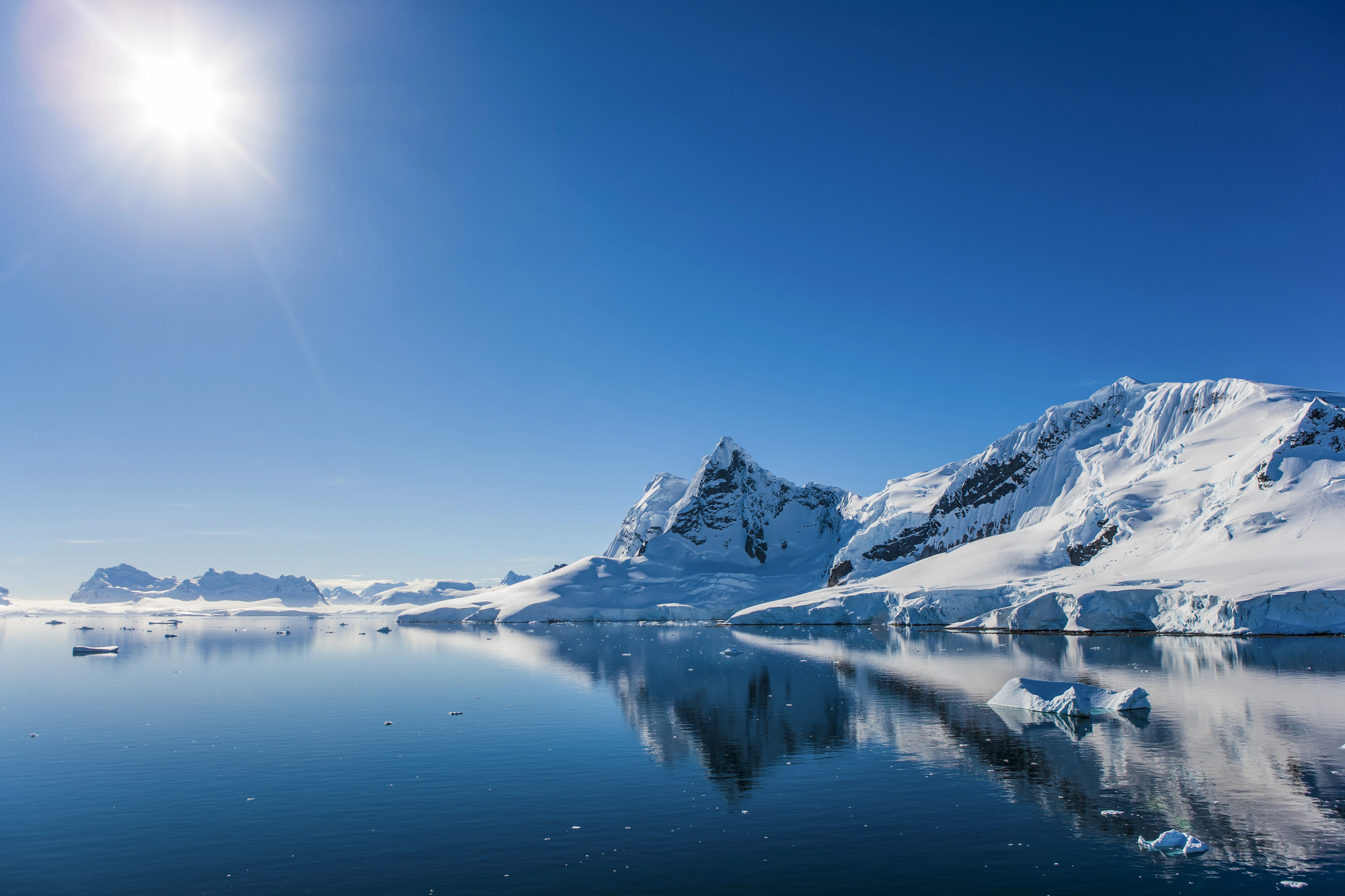
Antarctica serves as humanity’s most important natural laboratory for understanding our changing planet. The continent’s isolation and pristine environment provide scientists with invaluable insights into climate history, potential future changes, and the resilience of life in extreme conditions.
The ice-covered wilderness of Antarctica defies our conventional understanding of deserts while meeting every scientific criterion. This frozen landscape reminds us that nature often transcends our simplistic categories, creating extraordinary environments that challenge our perceptions and expand our knowledge of what’s possible on our remarkable planet.
More from Go2Tutors!

- 20 Historical Artifacts That Scientists Can’t Explain
- 20 Little-Known Historical Battles That Had Huge Consequences
- 20 Weapons from the Past That Were Deemed Too Barbaric for War
- 20 Abandoned Military Bases and the Stories Behind Them
- 20 Discontinued Snacks from the 70s and 80s That We Still Miss
Like Go2Tutors’s content? Follow us on MSN.



