16 Reality TV Shows That Were Completely Fake
Reality television promises authentic, unscripted drama straight from real people’s lives. Viewers tune in expecting genuine emotions, spontaneous conflicts, and unfiltered human behavior.
The appeal lies in witnessing ordinary people navigate extraordinary situations without the polish of traditional scripted entertainment. However, many beloved reality shows have pulled back the curtain to reveal elaborate production tricks, coached conversations, and manufactured storylines.
Here is a list of 16 reality TV shows that turned out to be completely fake.
The Hills
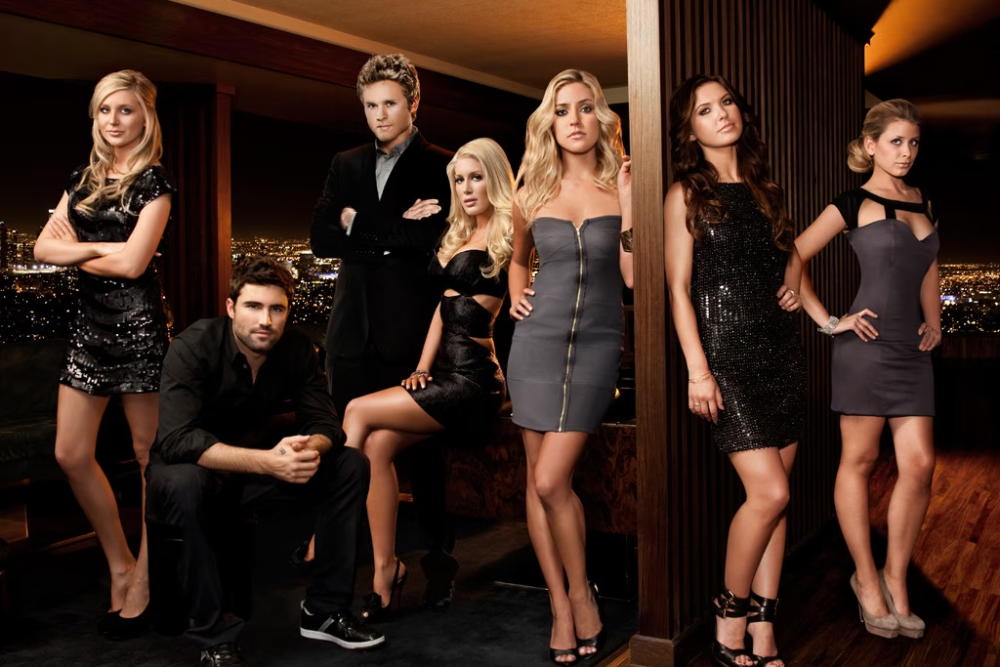
MTV’s glossy portrayal of young adults living their best lives in Los Angeles was heavily manufactured from the beginning. Cast members later revealed that producers created storylines, arranged meetups at specific locations, and even fed them dialogue during filming.
Spencer Pratt admitted that many of his explosive confrontations were suggested by production staff who wanted more dramatic content. The show’s creator eventually acknowledged that while the cast members were real people, almost everything they did on camera was orchestrated for entertainment value.
Storage Wars

The hit A&E series about bidders competing for abandoned storage units seemed like a perfect setup for authentic treasure hunting drama. However, former cast member Dave Hester filed a lawsuit claiming that producers regularly planted valuable items in storage units to create more exciting discoveries.
The show allegedly staged fake bidding wars and manipulated auction outcomes to boost ratings. Multiple cast members have since confirmed that the ‘found’ treasures were often placed there deliberately by production teams.
Like Go2Tutors’s content? Follow us on MSN.
The Jerry Springer Show

This daytime talk show became infamous for its outrageous guests and explosive confrontations that seemed too wild to be real. Former producers and guests eventually revealed that the show actively recruited actors to play exaggerated versions of controversial characters.
Many of the shocking revelations and physical altercations were scripted in advance, with participants coached on how to create maximum drama. The show’s booking team specifically sought out people willing to fabricate stories for television appearances.
Keeping Up with the Kardashians

Despite presenting itself as a documentary-style look into a famous family’s daily life, the show employed extensive scripting and reshooting to craft compelling narratives. Kim Kardashian has admitted that many scenes were filmed multiple times to capture the right emotional tone, and conversations were often planned.
Production schedules required family members to recreate ‘spontaneous’ moments weeks after they occurred. Even seemingly candid phone calls were frequently staged with producers feeding lines to create more engaging content.
The Bachelor/The Bachelorette
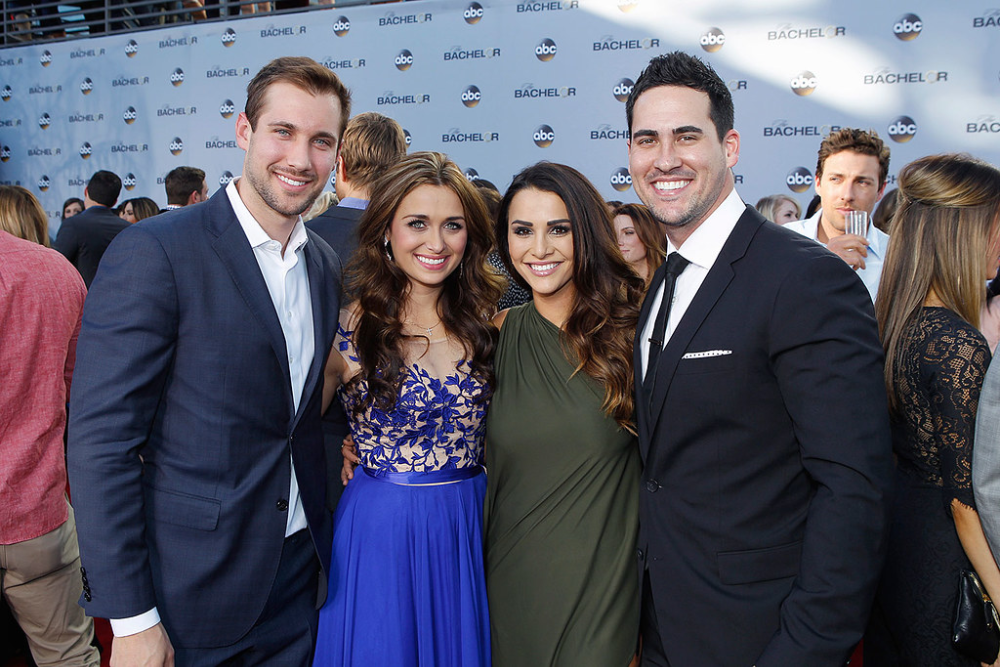
Former contestants have exposed the extensive manipulation behind this romantic reality franchise. Producers allegedly encourage specific romantic pairings while discouraging others, and they edit conversations to create misleading narratives about relationships.
Contestants report being isolated from outside contact and subjected to sleep deprivation and alcohol to heighten emotional responses. The famous ‘final rose ceremonies’ are often refilmed multiple times, and producers sometimes coach participants on what to say during their confessional interviews.
Like Go2Tutors’s content? Follow us on MSN.
Duck Dynasty
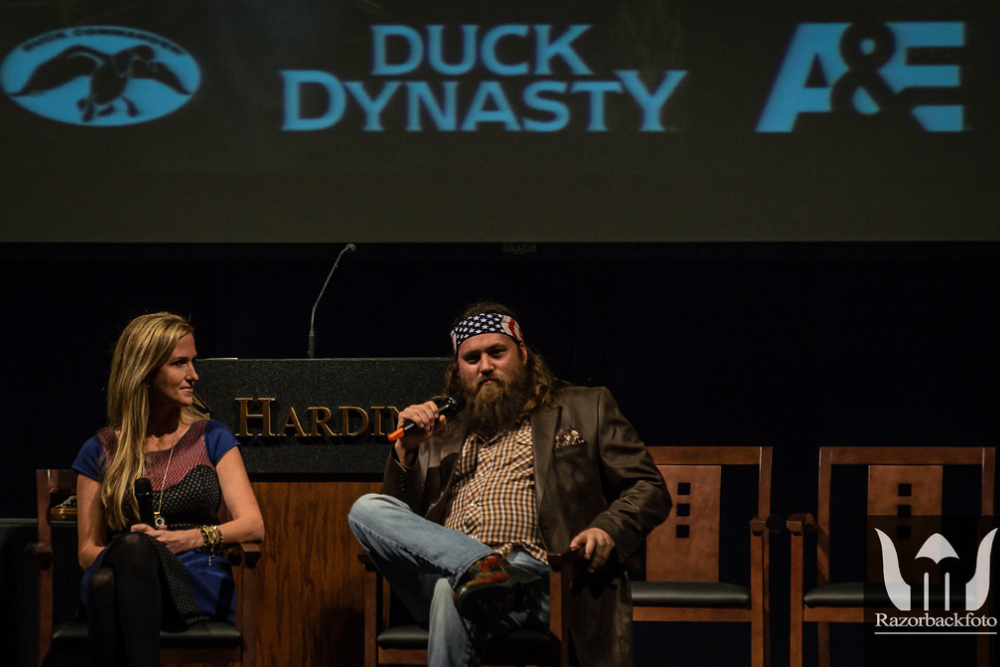
The A&E series about a Louisiana family’s duck call business portrayed the Robertsons as backwoods characters who stumbled into wealth while maintaining their simple lifestyle. However, old photos revealed that family members were actually well-educated, clean-cut individuals who adopted exaggerated personas for the show.
The family’s wealth predated their television fame by many years, and their ‘authentic’ country lifestyle was largely a performance. Producers encouraged them to dress down and play up stereotypical Southern characteristics for entertainment value.
Pawn Stars
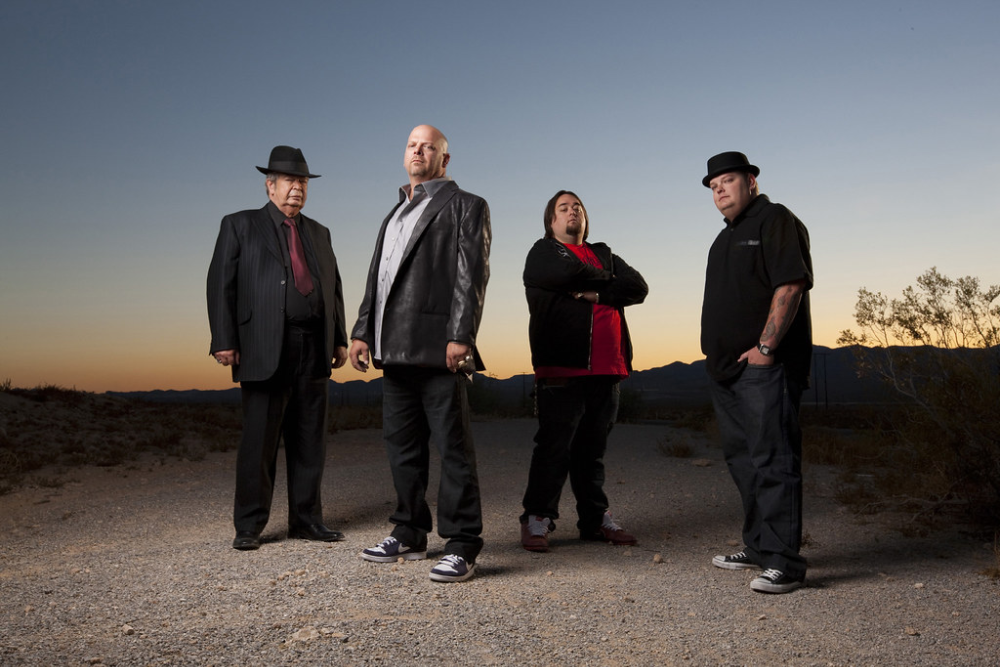
The History Channel show about a Las Vegas pawn shop appeared to capture genuine customer interactions and historical item discoveries. Former employees revealed that most customers seen on the show were actually actors hired to bring in predetermined items with scripted backstories.
The shop’s experts were often briefed about items before filming their ‘spontaneous’ evaluations. Many of the most valuable or historically significant pieces were borrowed from collectors specifically for the show rather than being brought in by random customers.
House Hunters

HGTV’s popular home-buying show follows families as they tour three properties before making their final selection. The network eventually admitted that participants have usually already purchased their homes before filming begins.
The other two houses shown are often properties belonging to friends or real estate agents who agree to participate in the charade. Families are coached to express preferences and concerns that create narrative tension, even when their decision has already been made.
Like Go2Tutors’s content? Follow us on MSN.
Survivor
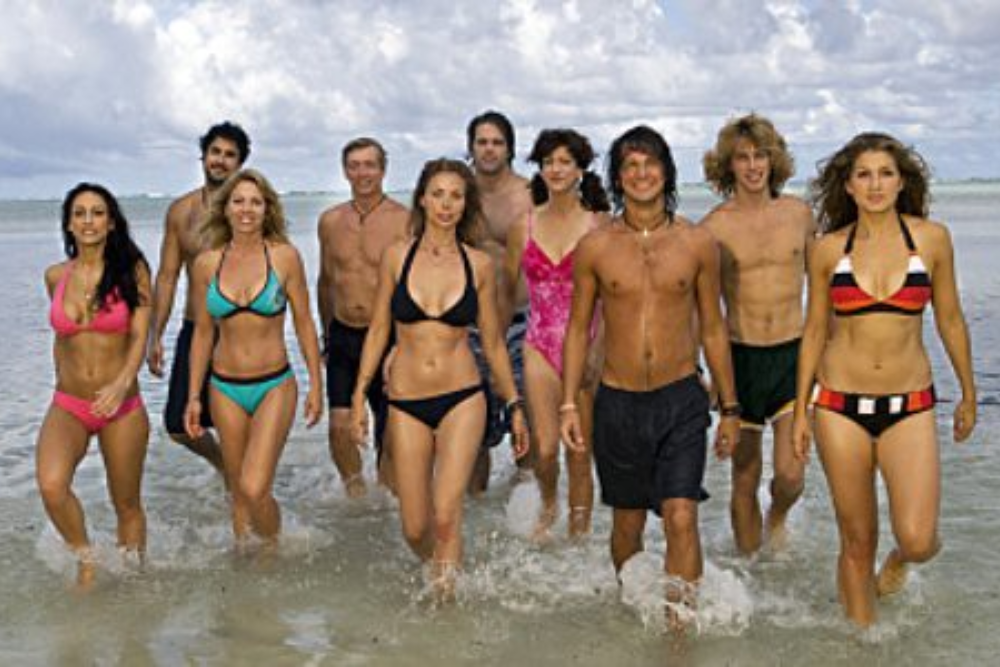
While the survival elements are genuine, former contestants have revealed extensive producer manipulation in challenges and tribal councils. Producers allegedly provide guidance about voting strategies and sometimes reshoot elimination ceremonies to capture better reactions.
The show’s editing creates misleading impressions about contestant relationships and strategic alliances. Challenge outcomes are sometimes influenced by production decisions about weather conditions, rule modifications, or equipment provided to specific teams.
The Biggest Loser
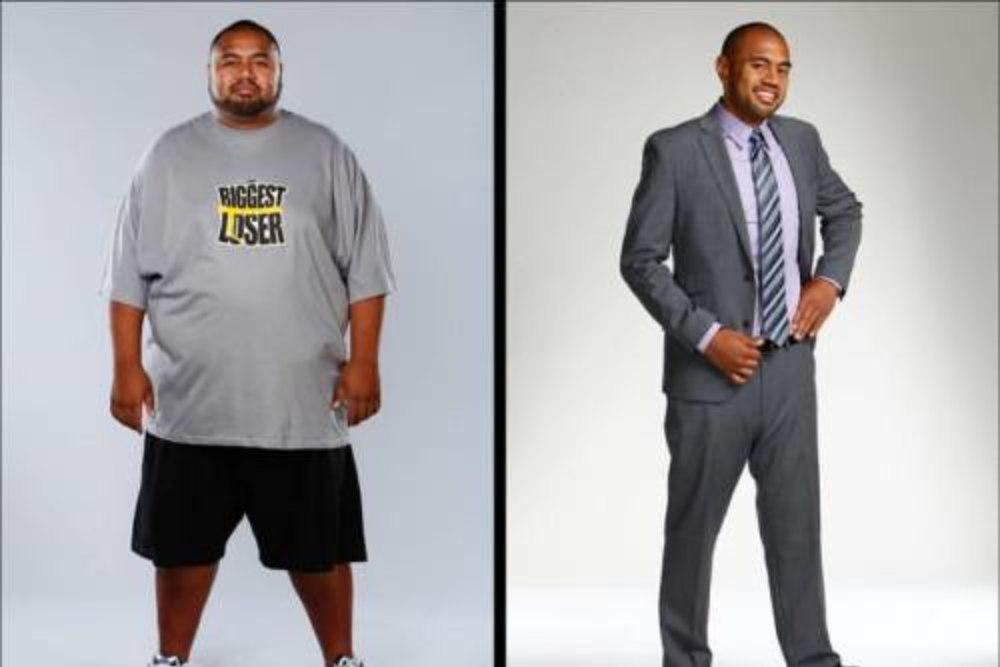
NBC’s weight loss competition show faced criticism for its portrayal of healthy lifestyle changes and sustainable weight management. Former contestants revealed that the show’s timeline was compressed to make weight loss appear more rapid than it actually was.
Participants were allegedly given access to professional trainers and nutritionists off-camera while the show suggested they achieved results solely through on-screen activities. Medical professionals criticized the program for promoting unrealistic expectations about weight loss and exercise intensity.
American Idol

The singing competition’s audition process was heavily manipulated to create compelling television moments. Former producers admitted that many of the worst auditioners were deliberately selected and encouraged to perform poorly for entertainment value.
Some contestants were allegedly coached about their song choices and performance styles before appearing before the judges. The show’s famous ‘spontaneous’ reactions from judges were sometimes refilmed to capture more dramatic responses to particularly good or bad performances.
Like Go2Tutors’s content? Follow us on MSN.
Hell’s Kitchen
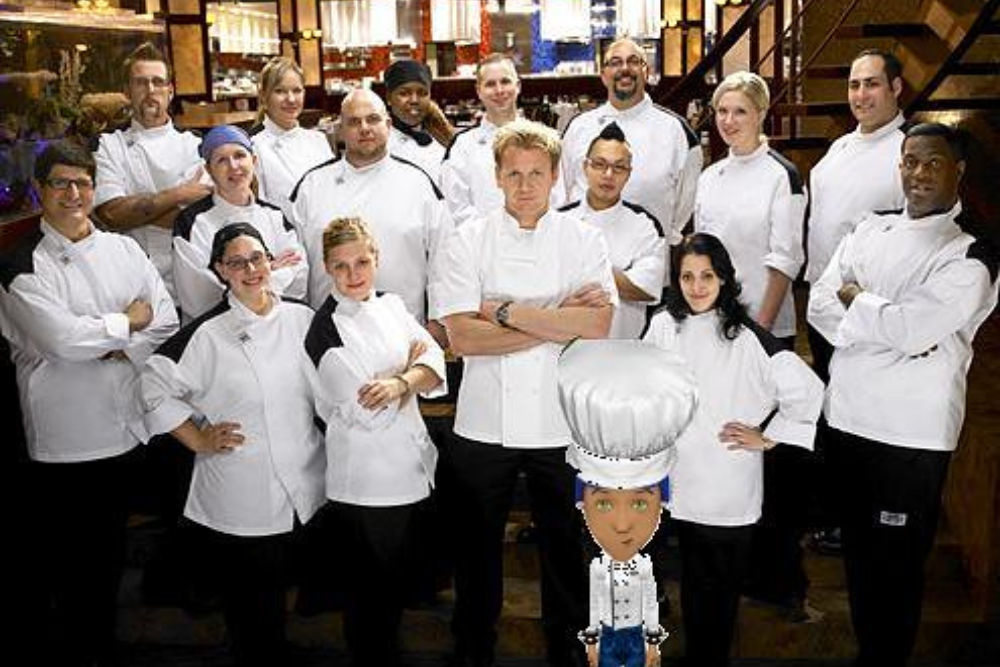
Gordon Ramsay’s cooking competition show amplified drama through careful editing and production manipulation. Former contestants revealed that Ramsay’s explosive outbursts were often encouraged by producers who would inform him about mistakes or conflicts he might have missed.
The show’s timeline was compressed, making dinner service appear more chaotic than it actually was. Some of the restaurant customers were actors hired to complain about food or service to create additional pressure for contestants.
The Real Housewives
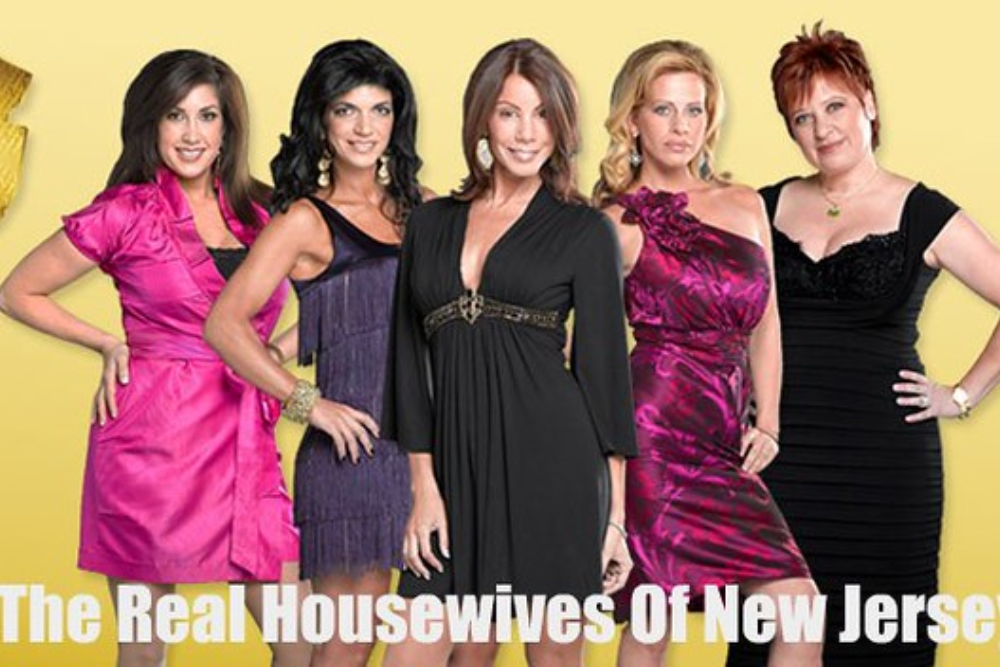
Bravo’s franchise about affluent women’s social circles relies heavily on manufactured conflicts and staged interactions. Cast members have admitted that producers suggest topics for group conversations and encourage them to confront each other about specific issues.
Many of the luxury events and parties shown on the series are organized specifically for filming rather than being genuine social gatherings. The women are often coached about how to present their personal lives and relationships for maximum dramatic impact.
Cake Boss

TLC’s show about a New Jersey bakery portrayed Buddy Valastro as a talented baker handling demanding custom orders and family drama. Former employees revealed that professional cake designers actually created many of the elaborate designs attributed to Valastro on camera.
The show’s timeline was manipulated to make complex cake projects appear to be completed much faster than actually possible. Customer interactions were often scripted, and some of the most outrageous cake requests came from actors rather than genuine clients.
Like Go2Tutors’s content? Follow us on MSN.
Extreme Makeover: Home Edition

ABC’s home renovation show claimed to transform deserving families’ living situations in just one week. However, the construction timeline was often much longer, with extensive preparation work completed before filming began.
Some families later struggled with the financial burden of maintaining their new homes, including higher property taxes and utility costs that the show didn’t address. The program’s portrayal of community volunteer efforts was sometimes exaggerated, with professional contractors doing most of the actual construction work.
Jon & Kate Plus 8
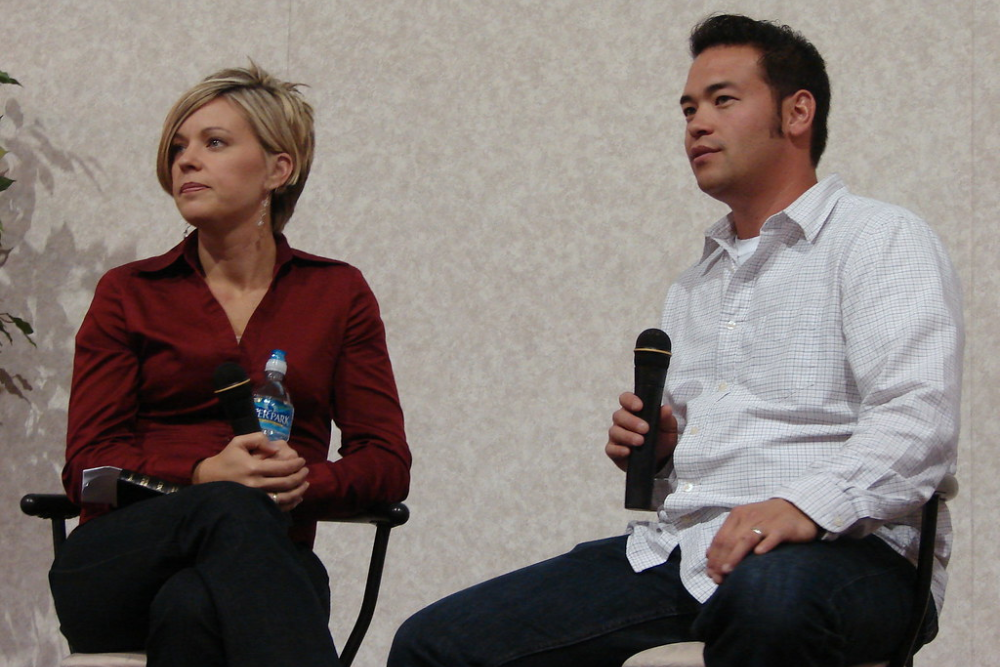
TLC’s show about a couple raising twins and sextuplets initially appeared to document a genuine family’s daily challenges. Kate Gosselin later revealed that many family activities were planned specifically for filming, and the children were often required to repeat actions or conversations for the cameras.
The show’s portrayal of family relationships became increasingly artificial as the parents’ marriage deteriorated, with producers encouraging conflicts for dramatic effect. The children’s ‘natural’ reactions were often coached to create more engaging television content.
The Truth Behind the Screens
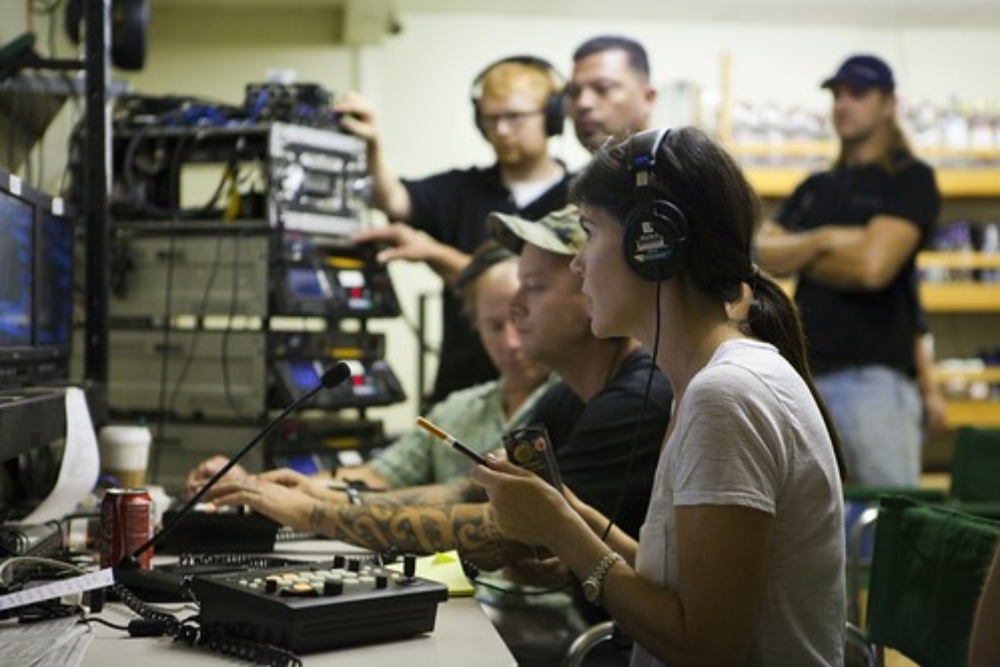
These revelations about reality TV manipulation shouldn’t entirely surprise us, considering the entertainment industry’s primary goal is creating compelling content that attracts viewers and advertising revenue. The line between authentic documentation and produced entertainment has always been blurrier than networks initially admitted.
Many shows have since embraced their scripted elements more openly, acknowledging that ‘reality’ television requires some creative enhancement to maintain audience interest. Understanding these production techniques helps viewers appreciate the craft involved in creating engaging television while maintaining appropriate skepticism about what they’re actually watching.
Like Go2Tutors’s content? Follow us on MSN.
More from Go2Tutors!

- 16 Restaurant Chains That Went Too Fast
- 12 Things Sold in the 80s That Are Now Illegal
- 15 Strange Things People Have Tried to Ban (And Failed)
- 16 Collectibles People Tossed Out Too Soon
- 17 Myths from Your Childhood That Were Actually Based on Real Things
Like Go2Tutors’s content? Follow us on MSN.