15 Cultural Costumes That Started as Military Uniforms
Fashion has always borrowed from the battlefield. Throughout history, military uniforms designed for protection, practicality, and intimidation have found their way into civilian wardrobes, eventually becoming beloved cultural traditions. What started as armor, ceremonial dress, or practical combat gear has transformed into the colorful costumes we see at festivals, parades, and cultural celebrations today.
The transformation from military necessity to cultural expression reveals fascinating stories about how societies adapt and reimagine their martial heritage. Here is a list of 15 cultural costumes that began their journey on the battlefield.
Scottish Highland Dress

The iconic kilt and tartan combination we associate with Scottish culture actually evolved from military practicality. Highland regiments in the British Army standardized tartan patterns and kilt designs during the 18th and 19th centuries.
The military version included specific accessories like the sporran (a pouch for carrying essentials) and sgian-dubh (a small knife tucked into the sock) that served practical purposes in the field.
Turkish Janissary Costume
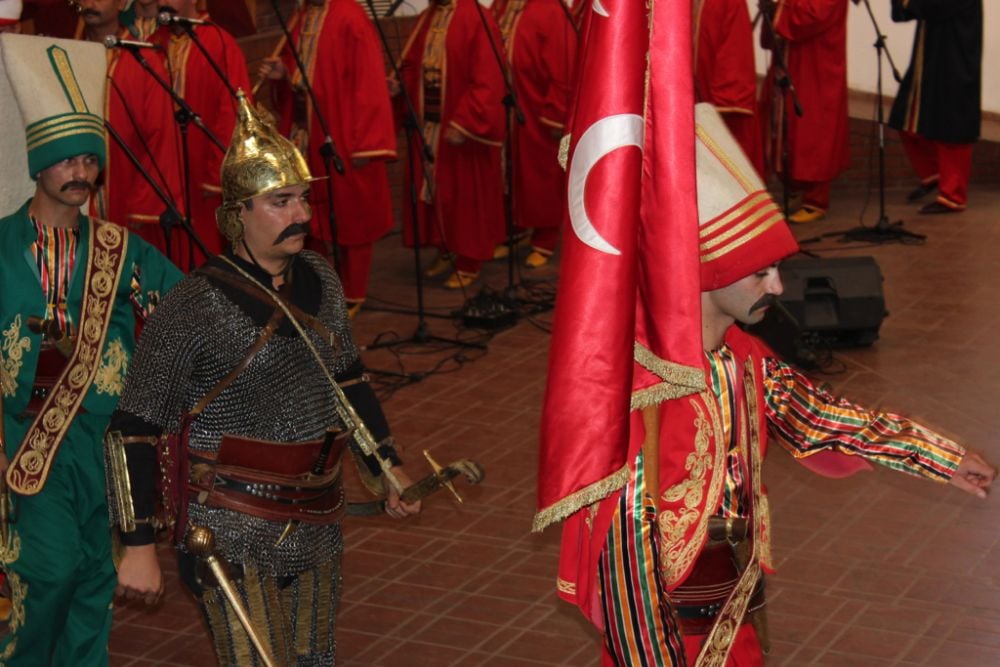
The elaborate feathered caps and flowing robes worn in traditional Turkish folk performances trace back to the feared Janissary corps of the Ottoman Empire. These elite soldiers wore distinctive white felt caps with feathers and ornate uniforms that struck fear into their enemies across Europe and Asia.
Modern Turkish cultural groups have preserved these dramatic elements, though the original military context has been replaced by celebration and artistry.
Cossack Dance Attire
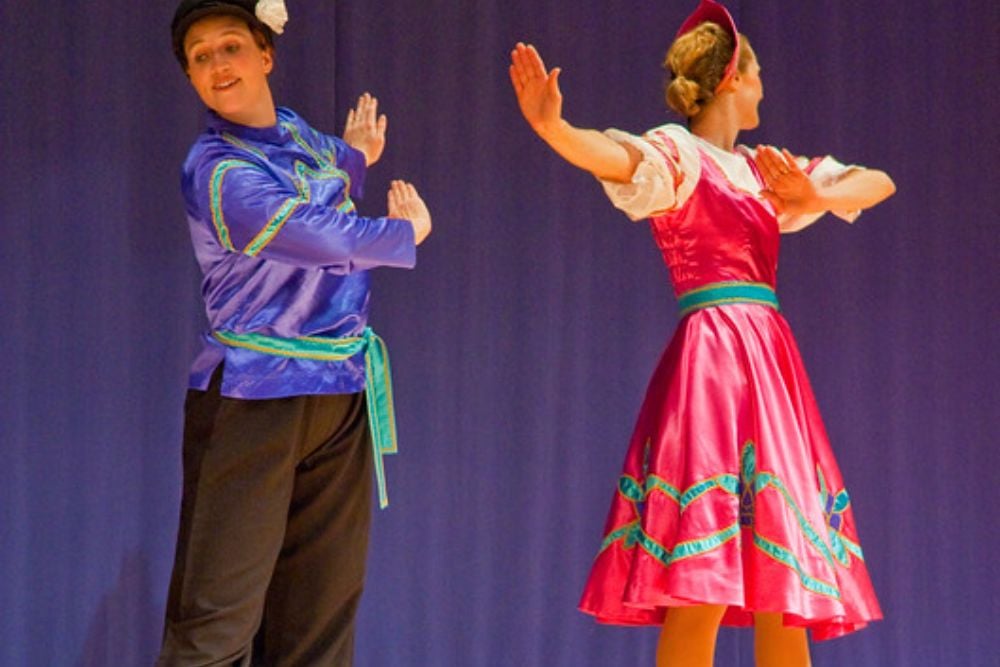
The high boots, loose pants, and distinctive caps worn by Cossack dancers originated from the mounted warriors of the Russian and Ukrainian steppes. These horsemen needed clothing that allowed for mobility while riding and fighting, which explains the baggy trousers and fitted jackets.
The fur caps weren’t just for show—they provided essential warmth during harsh winters on the frontier.
Bavarian Lederhosen

While lederhosen might seem like quintessential German folk wear, they actually developed from the practical leather breeches worn by Alpine soldiers and hunters. The durable leather construction protected legs from thorns and rough terrain during mountain warfare.
The suspenders and decorative elements we see today were added later as the garment transitioned from military utility to cultural expression.
Hungarian Hussar Uniform

The elaborate braided jackets and tall fur hats seen in Hungarian folk costumes come directly from the legendary Hussar cavalry units. These light cavalry soldiers wore distinctive uniforms with intricate braiding that served both decorative and practical purposes—the cords could be used as improvised rope in emergencies.
The pelisse (fur-lined jacket) worn over one shoulder became a signature element that Hungarian cultural groups maintain today.
Polish Szlachta Dress

The ornate coats and distinctive caps worn in Polish cultural celebrations evolved from the military dress of the szlachta, Poland’s noble warrior class. These mounted knights wore elaborate kontusz coats and four-cornered caps that demonstrated their marital status and wealth.
The wide sleeves and decorative elements that seem purely ceremonial today actually allowed for freedom of movement while wielding weapons.
Zouave Uniform

The baggy pants, short jackets, and distinctive caps worn by some North African cultural groups originated from the French colonial Zouave regiments. These units, originally composed of Algerian and Tunisian soldiers, wore practical uniforms adapted to desert warfare.
The loose-fitting design allowed air circulation in hot climates while the bright colors helped identify friendly forces in battle.
Tyrolean Alpine Costume
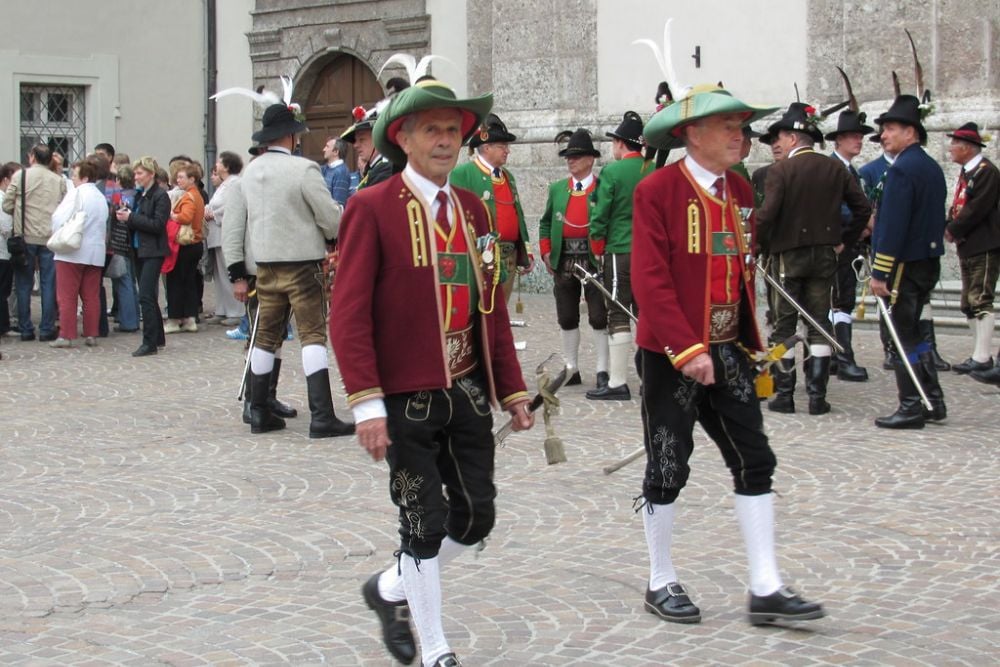
The green felt hats with feathers and leather shorts characteristic of Alpine folk dress began as practical mountain warfare gear. Tyrolean sharpshooters and mountain troops wore these items because they were durable, weather-resistant, and allowed for the stealth movement necessary in mountainous terrain.
The feathers in the hat weren’t decorative—they indicated military rank and achievements.
Mexican Charro Outfit

The elaborate embroidered jackets and wide-brimmed hats of Mexican charro culture evolved from the practical gear worn by mounted soldiers and militia during the colonial period. These horsemen needed clothing that was both functional for riding and impressive enough to command respect.
The silver decorations and tight-fitting pants we see today developed from military dress uniforms used for ceremonial occasions.
Romanian Dorobant Costume
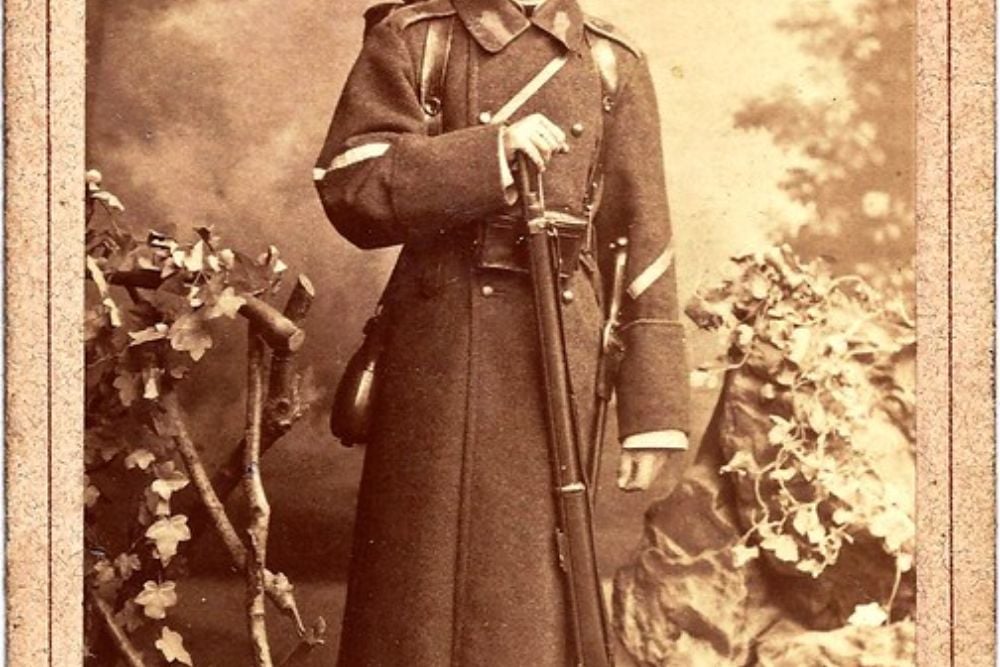
The distinctive caps and military-style jackets worn in Romanian folk performances trace back to the Dorobant infantry units of the 19th century. These soldiers wore practical uniforms that incorporated traditional Romanian elements with modern military needs.
The embroidered details and specific color patterns that identify different regional costumes today were originally used to distinguish military units and ranks.
Greek Evzone Uniform

The pom-pom shoes, kilt-like fustanella, and distinctive cap worn by Greek cultural dancers originated from the elite Evzone units who fought for Greek independence. These mountain fighters wore practical gear suited for guerrilla warfare in rough terrain.
The 400 pleats in the fustanella weren’t just decorative—they represented the years of Ottoman occupation, turning military dress into a symbol of resistance.
Sardinian Traditional Dress

The colorful vests and distinctive caps worn in Sardinian festivals evolved from the uniforms of local militia units that defended the island from various invaders. These part-time soldiers needed clothing that could serve double duty as both military gear and everyday wear.
The bright colors and regional variations we see today originally helped identify which village or clan a fighter represented.
Alsatian Military Costume

The distinctive uniforms worn in Alsatian cultural celebrations reflect the region’s complex military history, having been passed between French and German control multiple times. Local militia units wore uniforms that blended French and German military traditions, creating a unique style that persisted long after the original military units disbanded.
The colorful elements celebrated today represent this cultural fusion born from martial necessity.
Balkan Warrior Dress

The elaborate embroidered vests and distinctive caps worn across various Balkan folk traditions originated from the practical gear worn by local fighters during centuries of conflict. These warriors needed clothing that was both functional for combat and distinctive enough to identify allies in the chaos of battle.
The intricate patterns and metallic decorations that seem purely artistic today originally served to deflect blows and intimidate enemies.
Caucasian Chokha

The long coats and distinctive caps worn by Georgian and other Caucasian cultural groups evolved from the practical military dress of mountain warriors. The chokha’s tight-fitting design and the cartridge holders across the chest weren’t decorative—they were essential for carrying ammunition during the long conflicts that characterized the region’s history.
The kinzhal (dagger) worn with the outfit remains a symbol of the martial origins of this cultural dress.
From Battlefield to Festival Stage
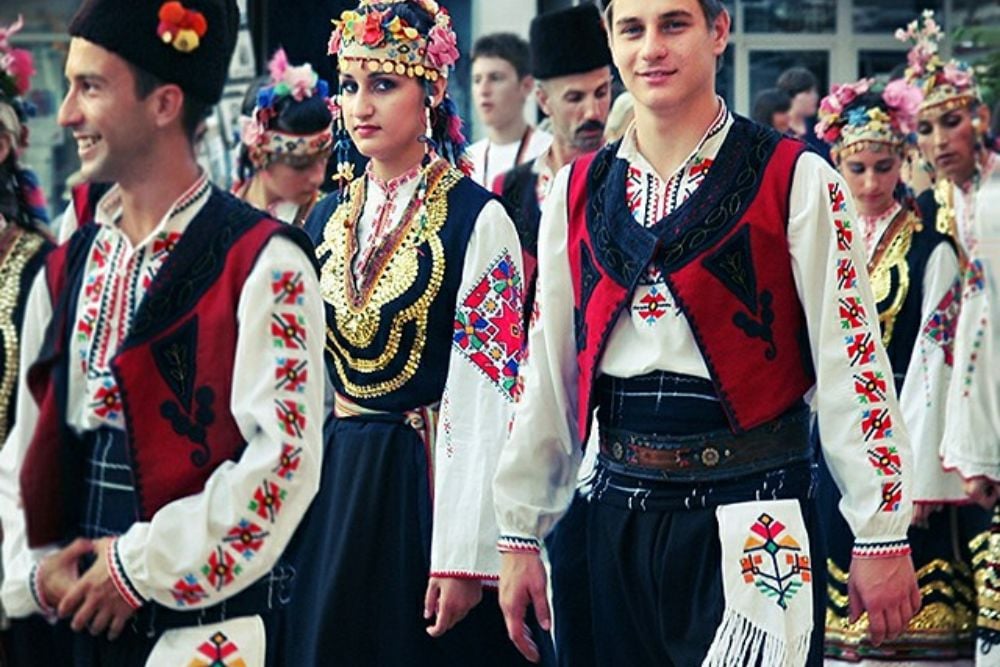
These transformations reveal how cultures preserve and reimagine their martial heritage in peaceful times. Military uniforms designed for survival and victory have become vehicles for artistic expression and cultural identity.
The practical elements that once meant the difference between life and death now serve to connect communities with their warrior ancestors, turning the tools of war into instruments of celebration and remembrance.
More from Go2Tutors!

- The Romanov Crown Jewels and Their Tragic Fate
- 13 Historical Mysteries That Science Still Can’t Solve
- Famous Hoaxes That Fooled the World for Years
- 15 Child Stars with Tragic Adult Lives
- 16 Famous Jewelry Pieces in History
Like Go2Tutors’s content? Follow us on MSN.



