Pygmy Hippo Day: 15 Weird and Wonderful Traits of This Endangered Species
The pygmy hippopotamus might seem like a mini version of the regular hippo, but don’t let the size fool you — these little guys are full of surprises. Native to just a few forested areas and swamps in West Africa, pygmy hippos are incredibly rare and tricky to spot.
In fact, they’re so secretive that scientists still know surprisingly little about them. With fewer than 2,500 believed to be left in the wild, they’re sadly on the endangered species list.
So, in honor of these mysterious forest dwellers, here are 15 weird (and wonderful) facts that show just how unique they really are — from built-in sunscreen to some seriously sneaky nighttime habits.
Solo Swimmers
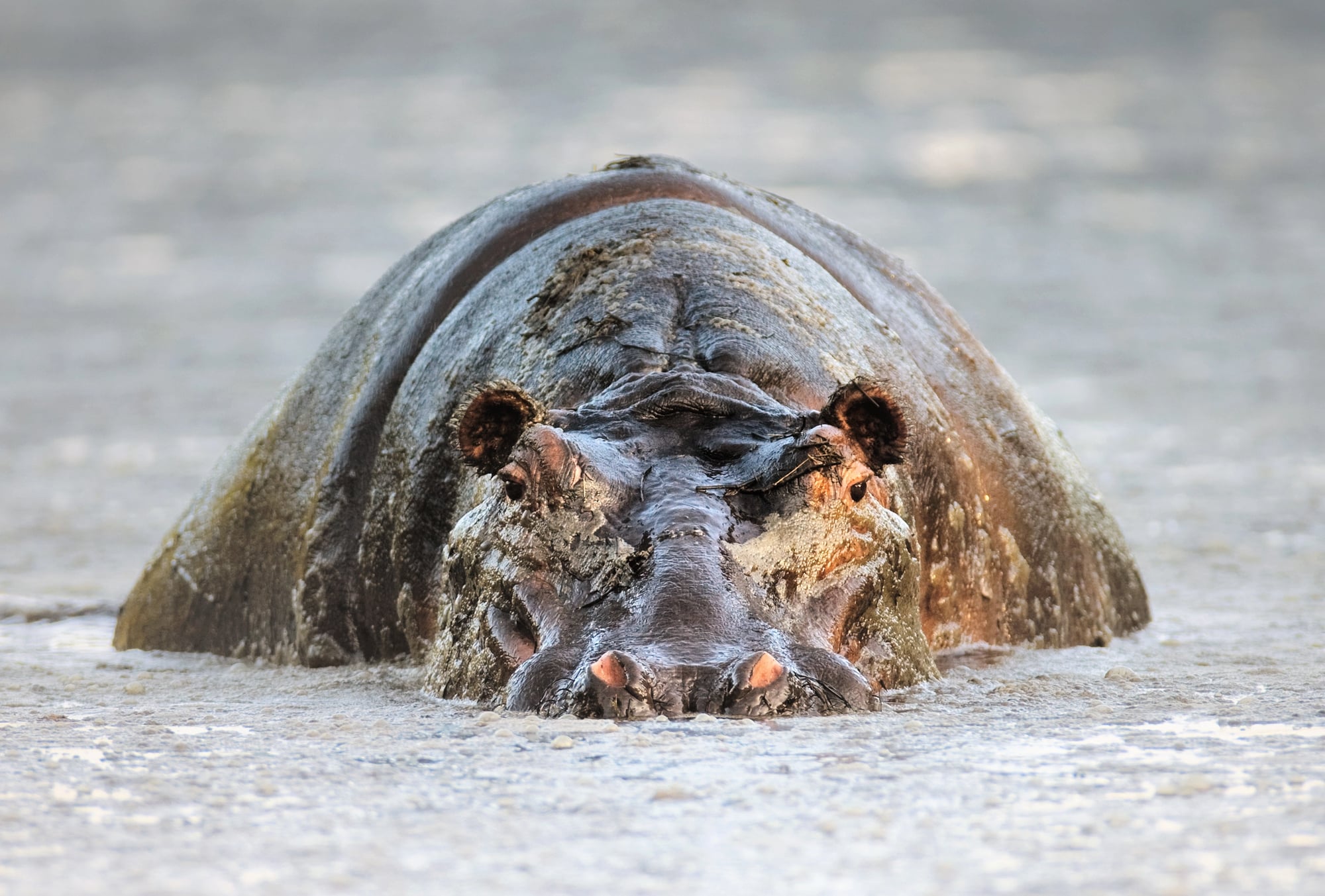
If you’ve seen videos of hippos lounging together in muddy rivers, well, scratch that image. Pygmy hippos are the introverts of the hippo world.
They prefer to do their own thing and usually only meet up to mate. After that, it’s back to solo mode. Their love for privacy — plus their hidden-away forest homes — makes it extra tough for researchers to keep track of them.
Midnight Munchers
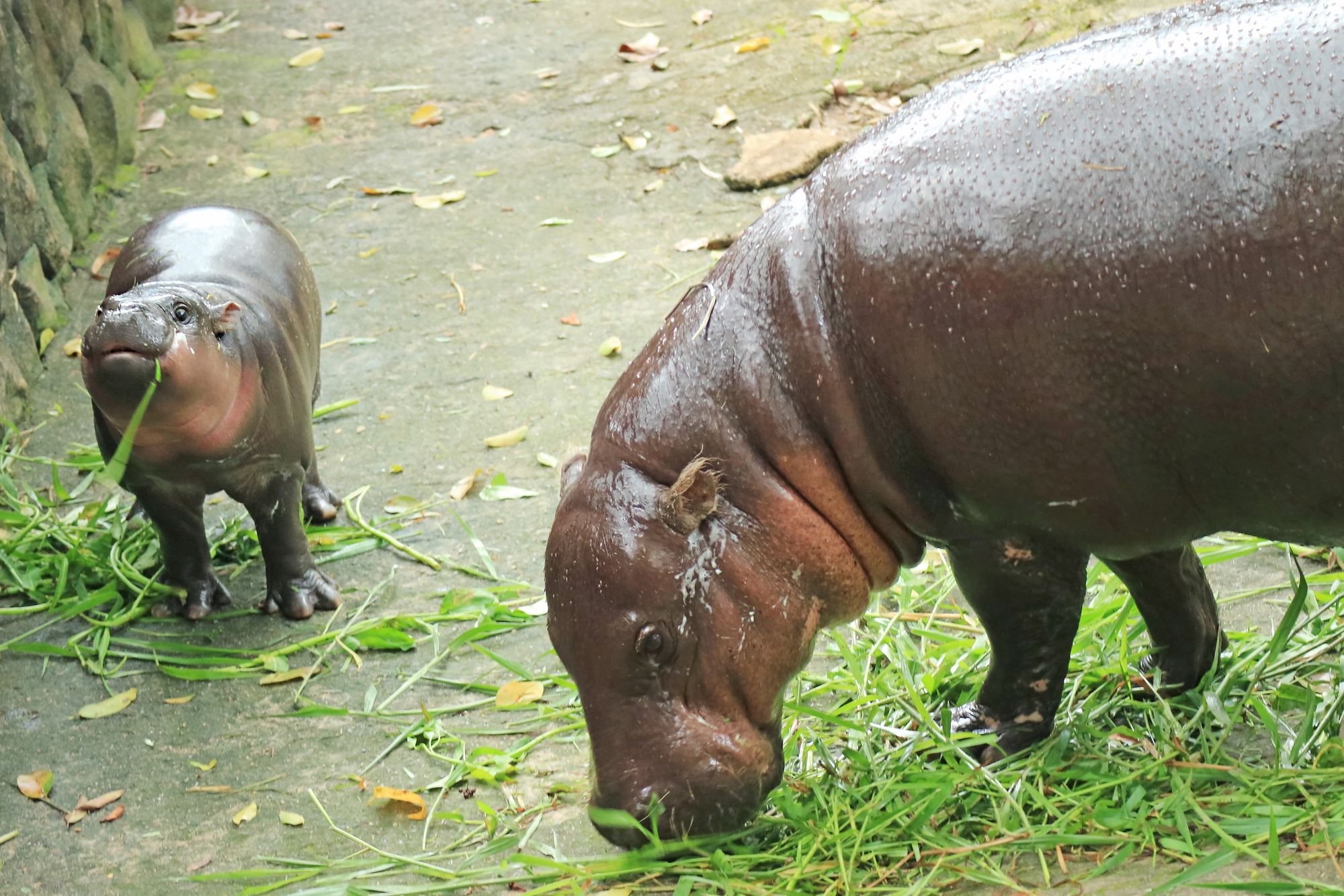
While most animals in the forest are settling down for a good night’s rest, the pygmy hippo is just getting started. They’re nocturnal, which means they come alive after dark, roaming around for food until the early morning.
Their eyes have a cool built-in feature: reflective cells that work like night-vision goggles, helping them move through dense, dark forests without bumping into everything.
Natural Moisturizers
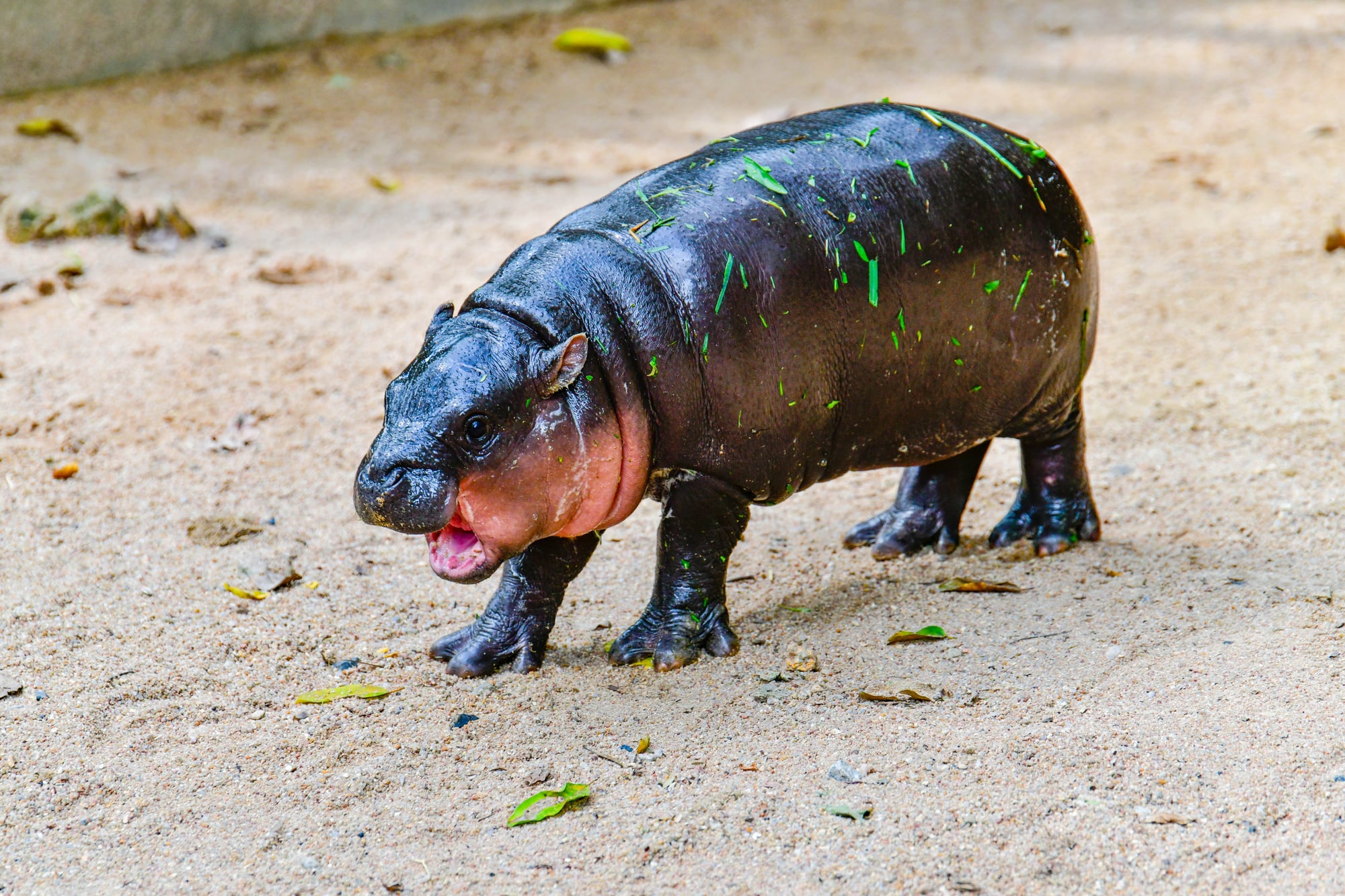
That pink stuff on their skin? Nope, it’s not blood — and it’s definitely not sweat.
It’s a natural secretion that acts like a moisturizer, sunscreen, and even an infection-fighter all rolled into one. Kind of like nature’s version of SPF lotion meets antibacterial cream.
Forest Wanderers
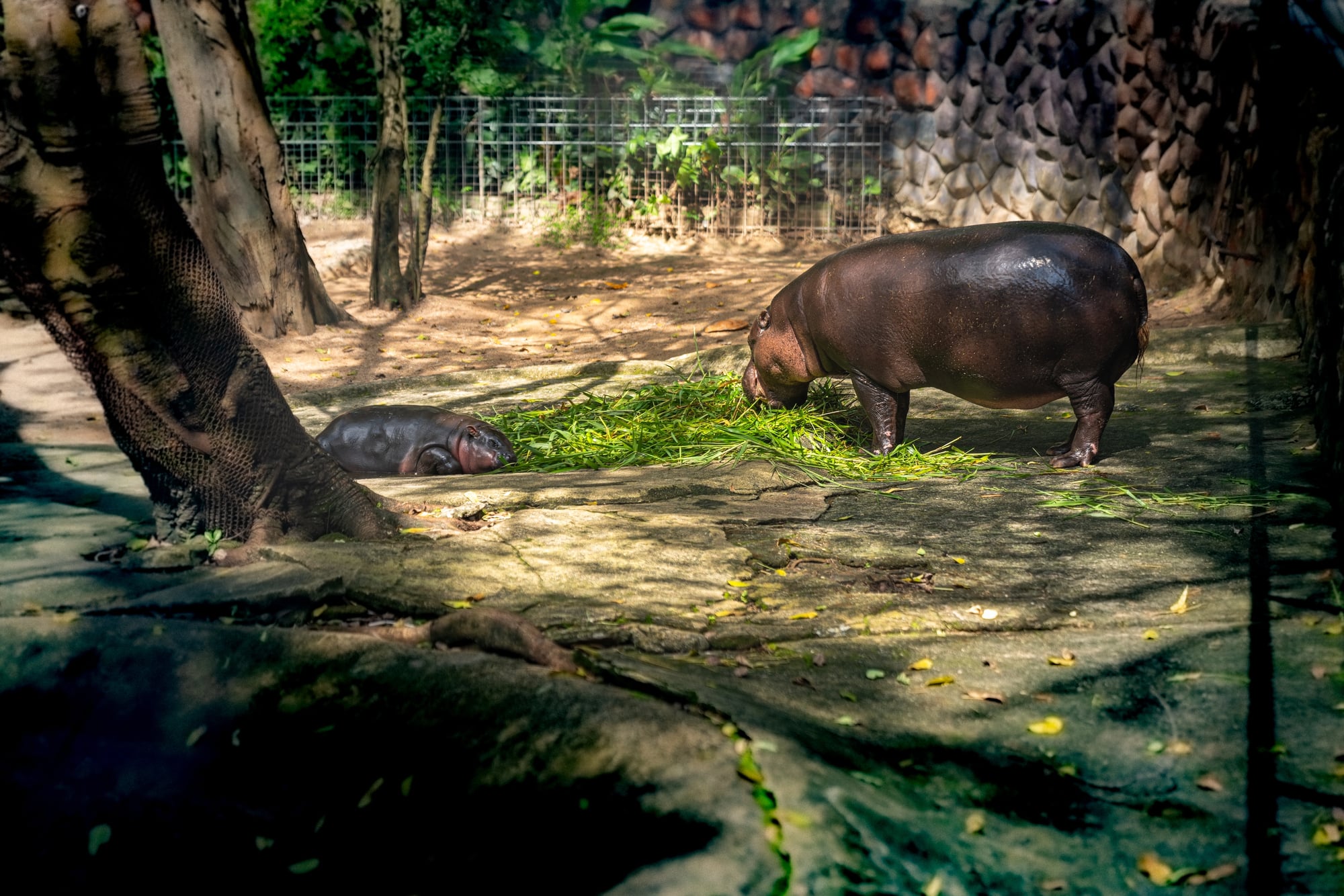
Unlike their river-loving cousins, pygmy hippos don’t stick to one watery spot. They’re explorers at heart and love wandering through the forest.
As they go, they make their own little trails through the thick brush — kind of like personal hiking paths — that they keep using again and again.
Selective Vegetarians
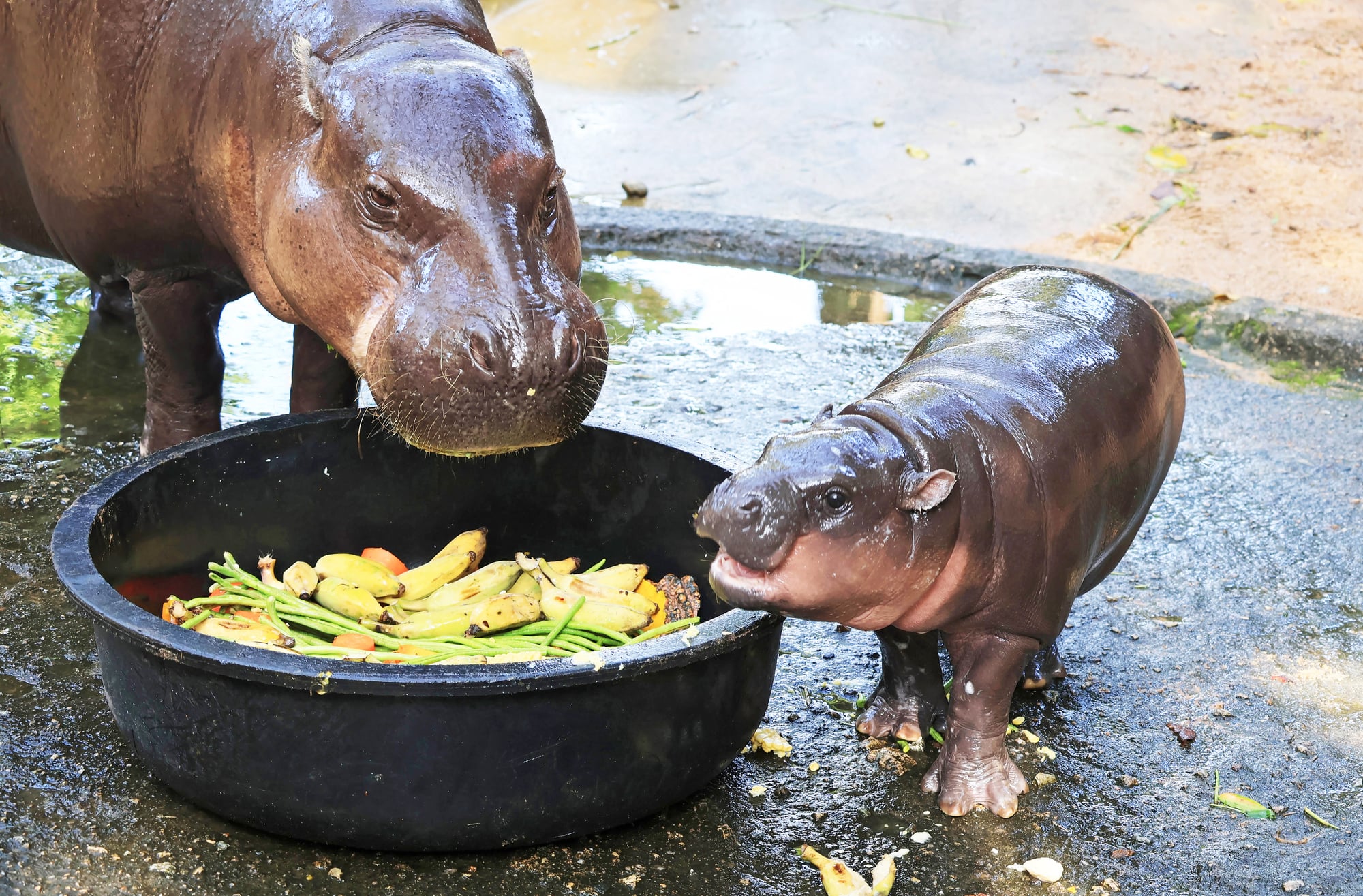
Offer a pygmy hippo some grass and they’ll probably pass. These picky eaters prefer leafy plants, forest fruits, and fallen goodies from above.
The cool part? They help spread seeds throughout the forest when they move around, making them important players in the ecosystem.
Underwater Nappers
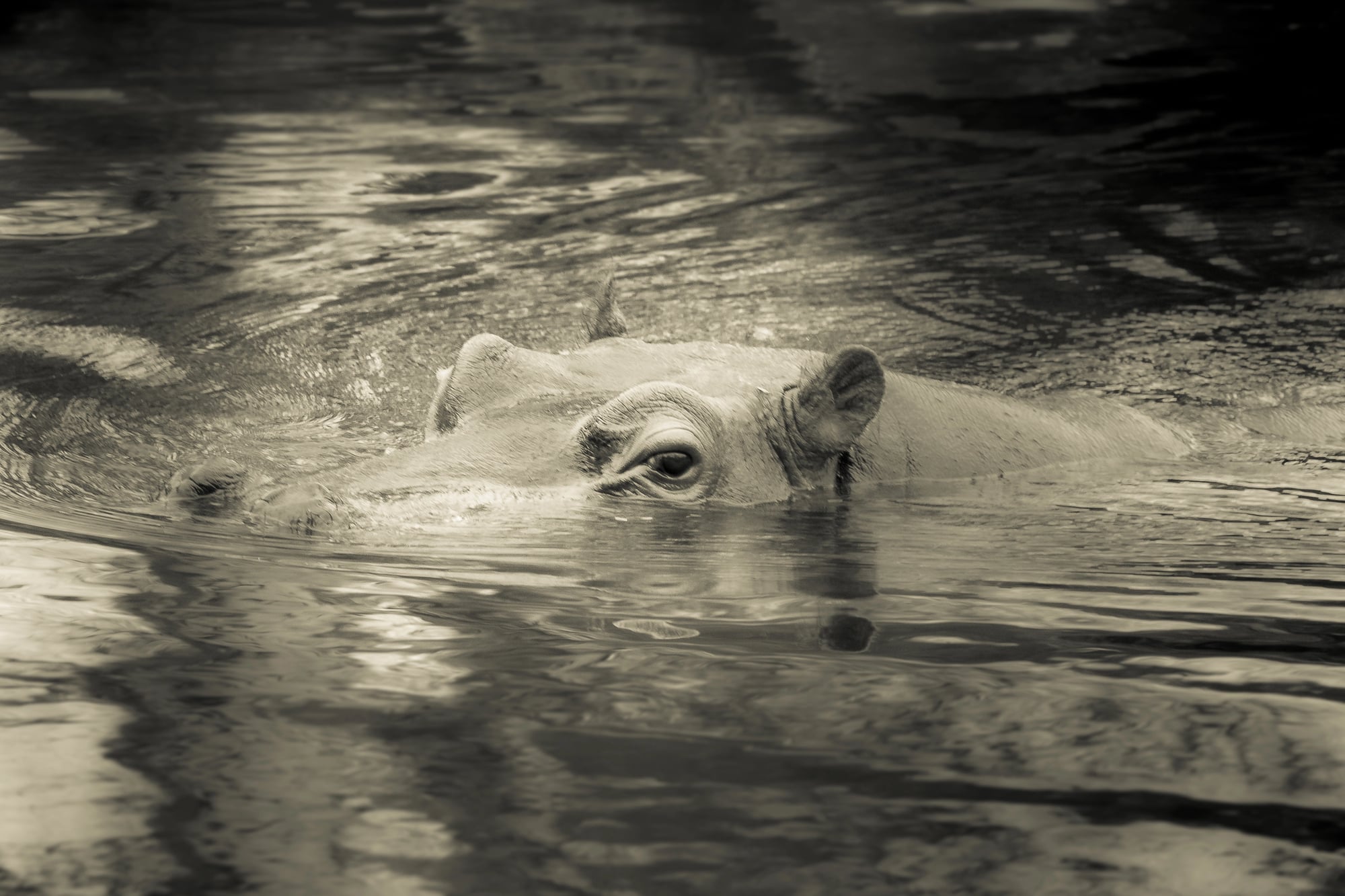
One of their coolest tricks? Sleeping underwater. Thanks to ears and nostrils that can close up tight, they can take little naps underwater and pop up for air every six minutes or so.
It’s a handy way to stay cool and avoid being spotted by predators.
Mini Marvels
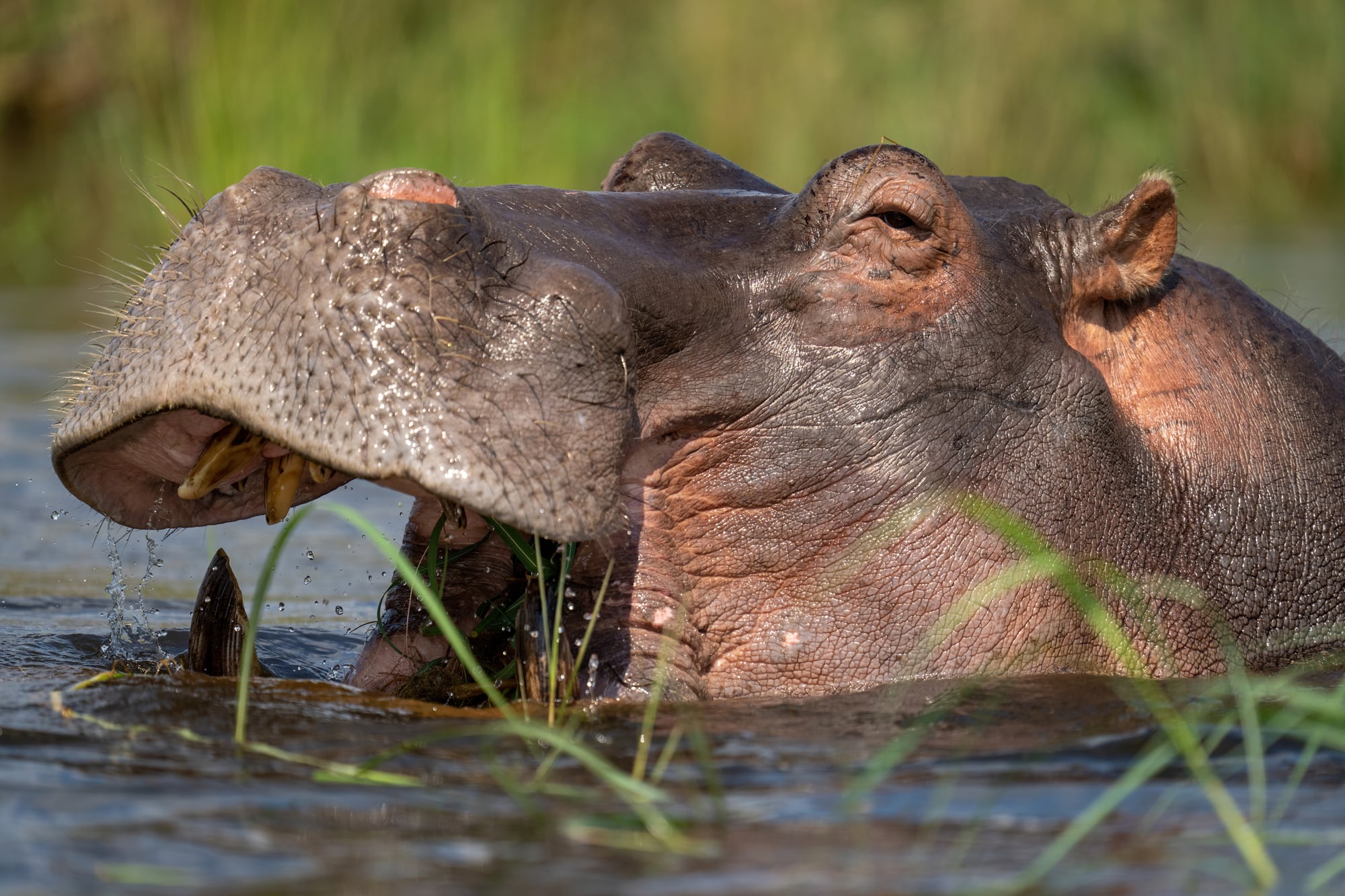
“Mini” is a bit of a stretch. Adult pygmy hippos can weigh between 350 to 550 pounds — that’s about the size of a big fridge.
Sure, they’re way smaller than regular hippos, but they’re still not the kind of animal you’d want to mess with.
Aquatic Ballet Dancers
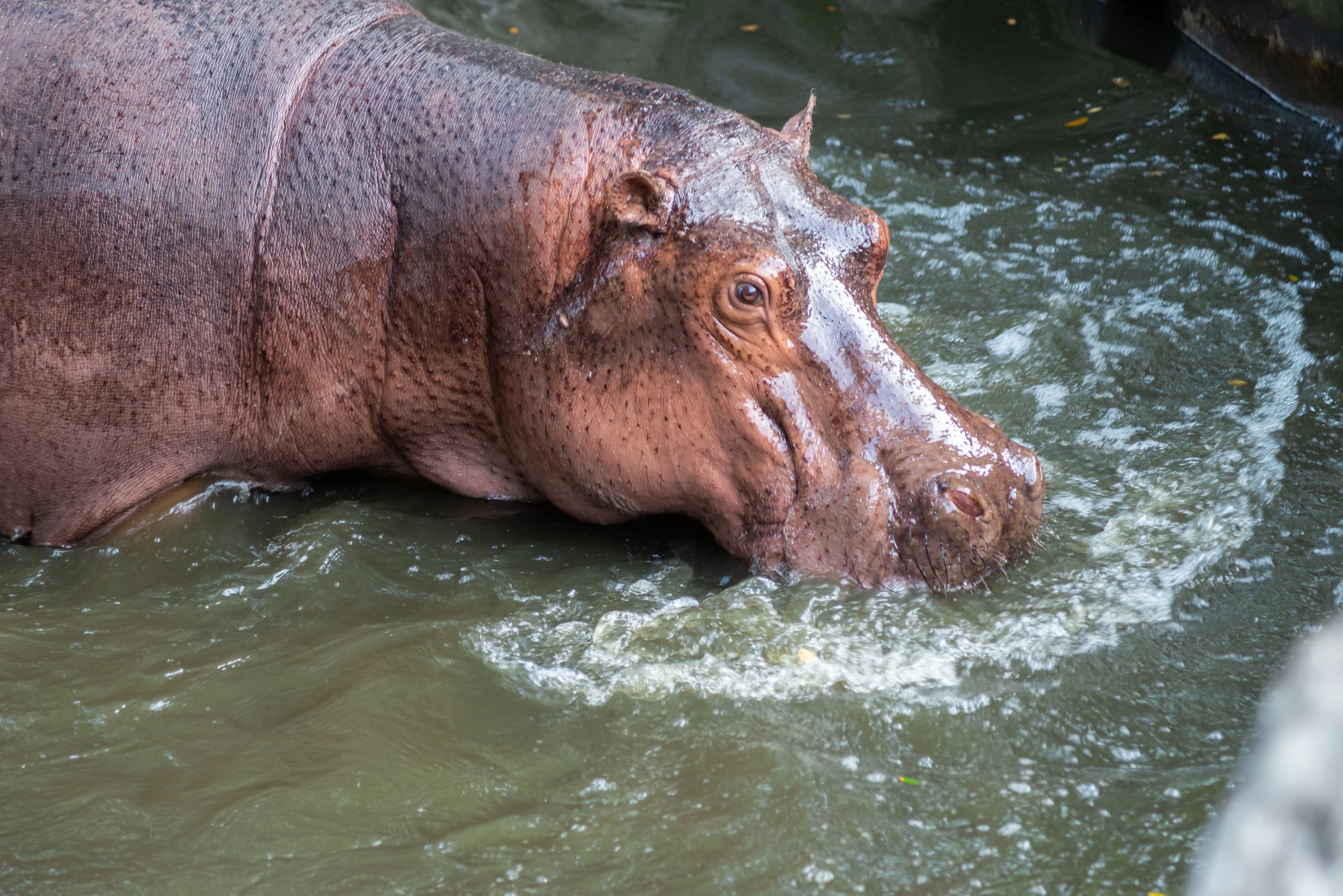
At first glance, they look chunky and awkward — but underwater, they’ve got moves. Instead of swimming like fish, they gently push off the bottom with their toes and glide around like little underwater ballerinas.
It’s surprisingly graceful for such a solid-looking animal.
Quiet Communicators

You won’t hear pygmy hippos shouting across the forest. Unlike their louder cousins, these hippos prefer soft sounds — grunts, wheezes, and subtle signals — to communicate.
It fits their secretive lifestyle and helps them stay under the radar.
Sharp Memory Maps

Pygmy hippos don’t need a GPS. They build mental maps of their territory, remembering exactly where to find water, food, and safe spots — even in the thickest parts of the rainforest.
Their sense of direction? Pretty impressive.
Underwater Ears
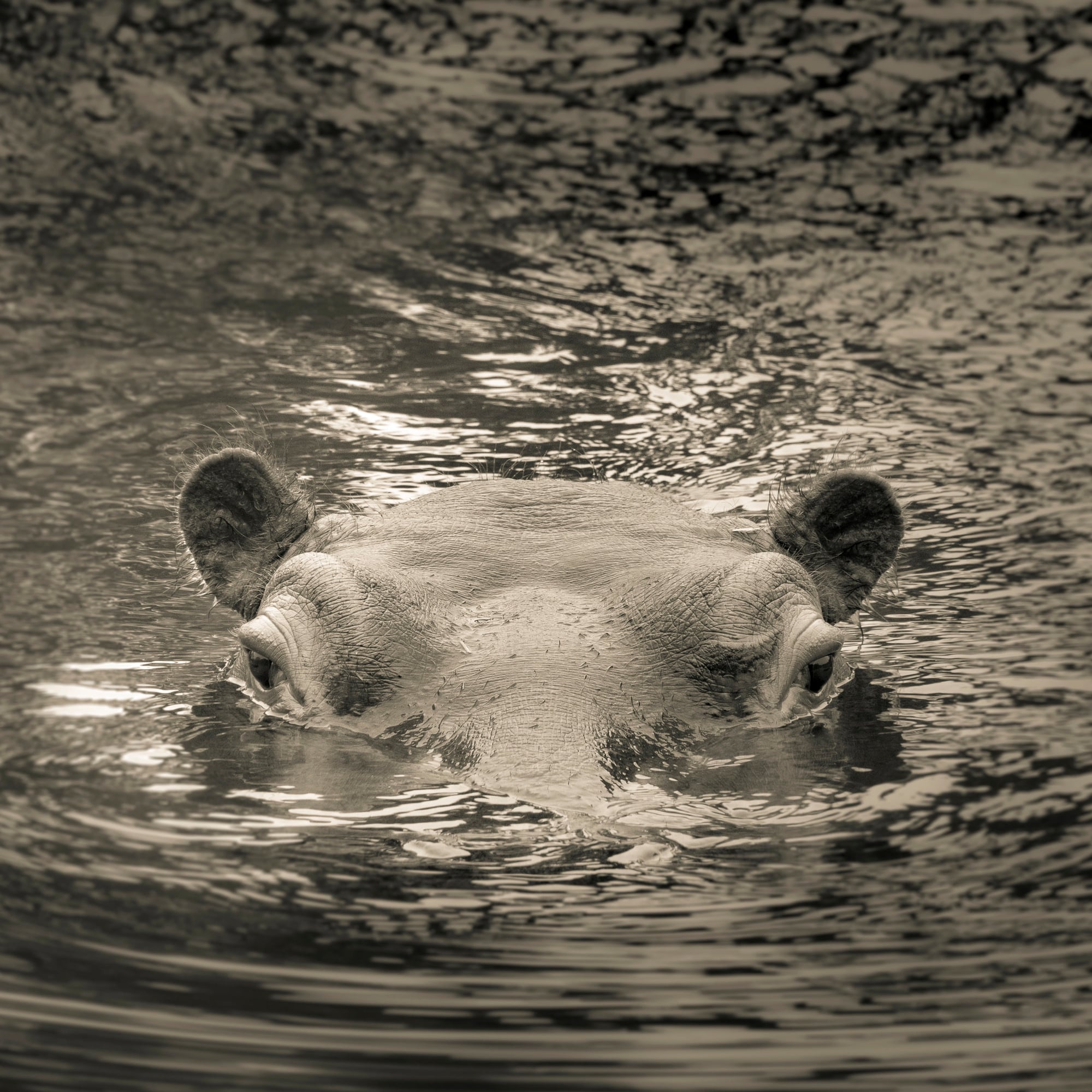
Their ears are multitaskers. On land, they swivel to pick up sounds.
Underwater, they automatically close up to keep water out. It’s a smart design that keeps them aware of their surroundings wherever they go.
Four-Hour Feeders
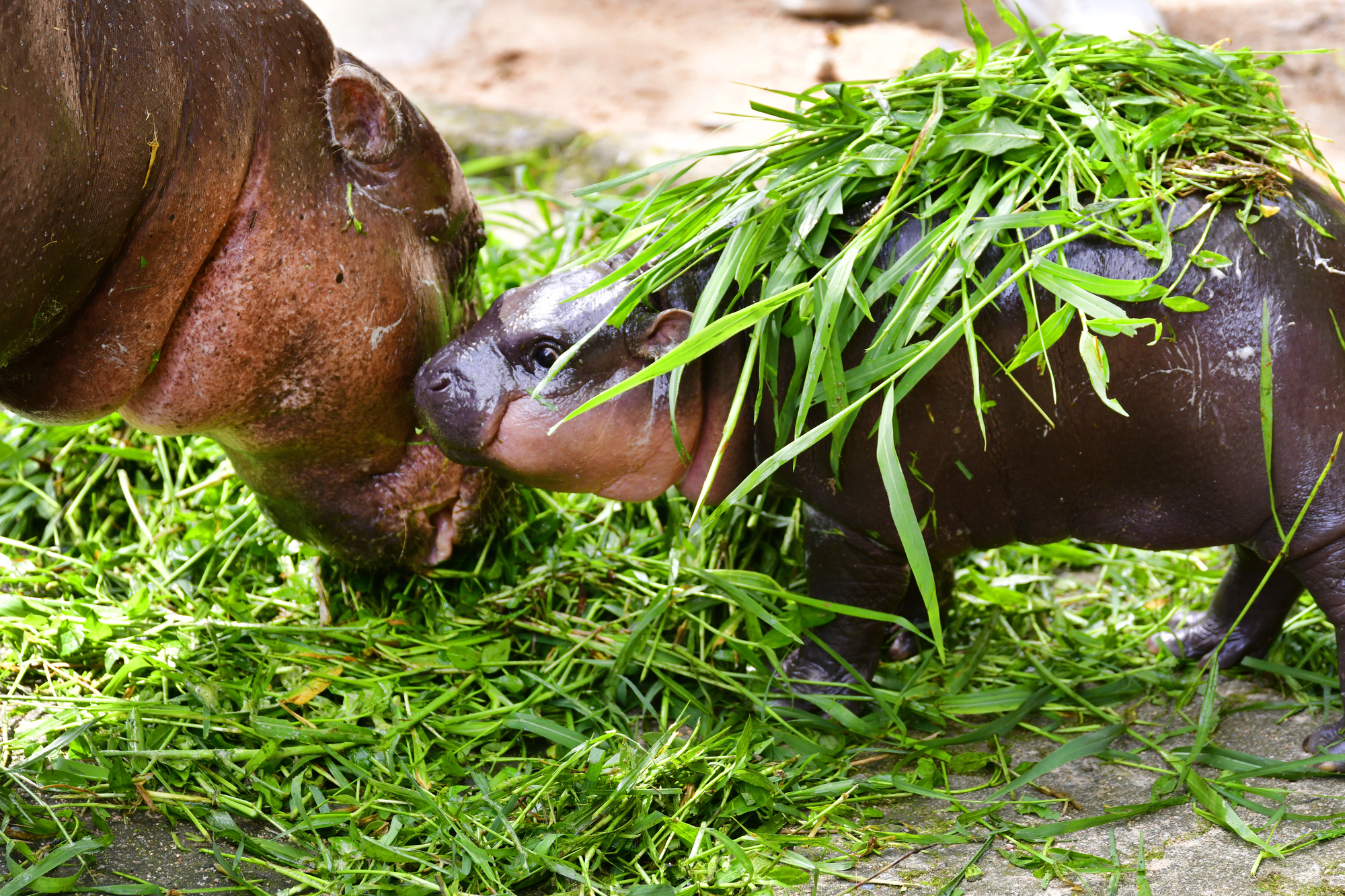
Despite their size, pygmy hippos aren’t constant grazers. They usually feed for just four hours a night.
Their digestive systems are super efficient, pulling the most nutrients out of even the toughest forest plants — stuff other animals might not even bother with.
Prolonged Youth
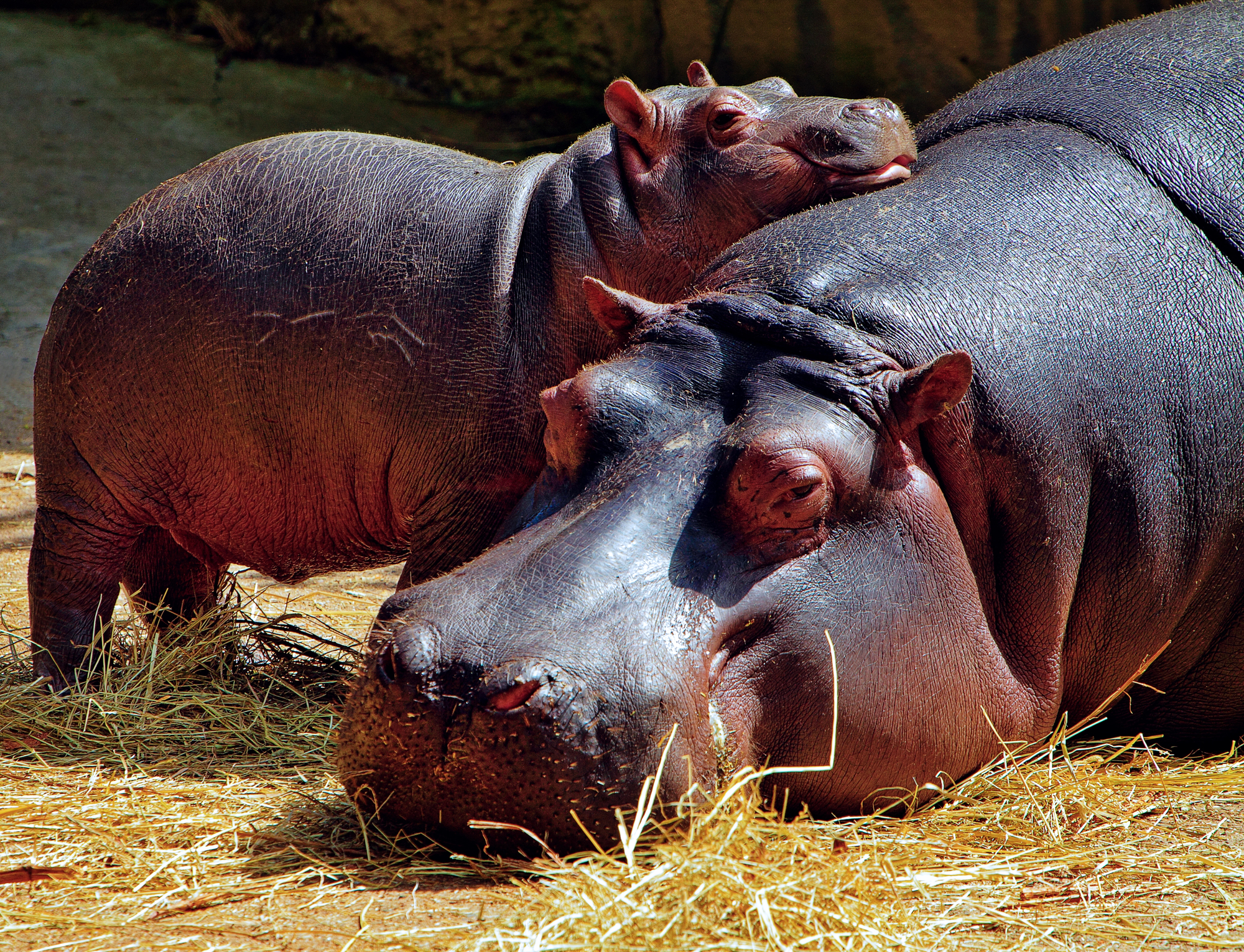
Baby pygmy hippos stick close to mom for a long time — sometimes up to three years. It gives them plenty of time to learn all the skills they’ll need to survive, like how to find food and avoid danger.
It’s a long training period, but a necessary one.
Water-Repellent Skin
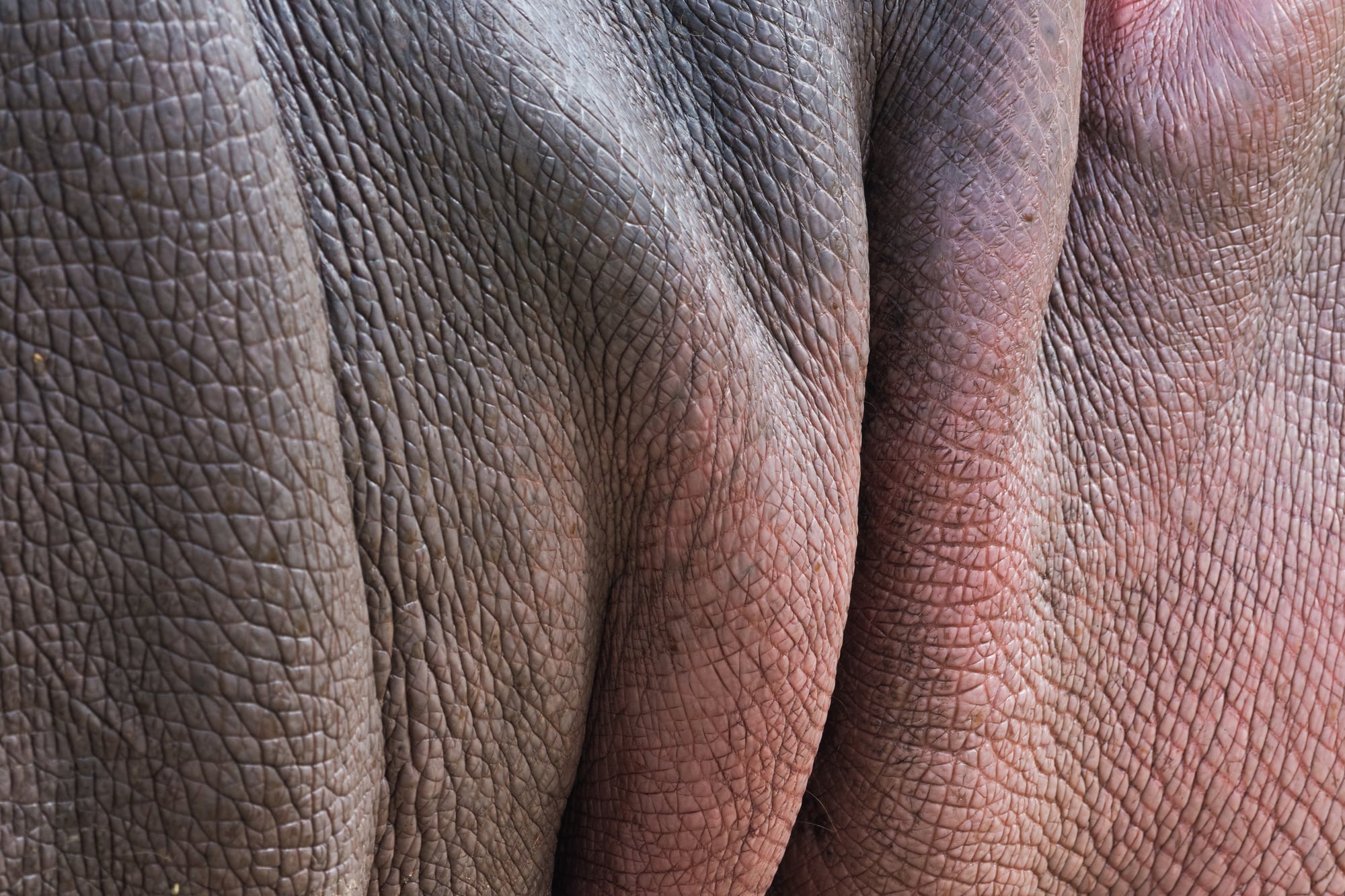
After a swim, pygmy hippos dry off fast thanks to special skin cells that repel water.
This helps them stay cool and comfy as they move between streams and forest floors during their nightly adventures.
Remarkable Regenerators
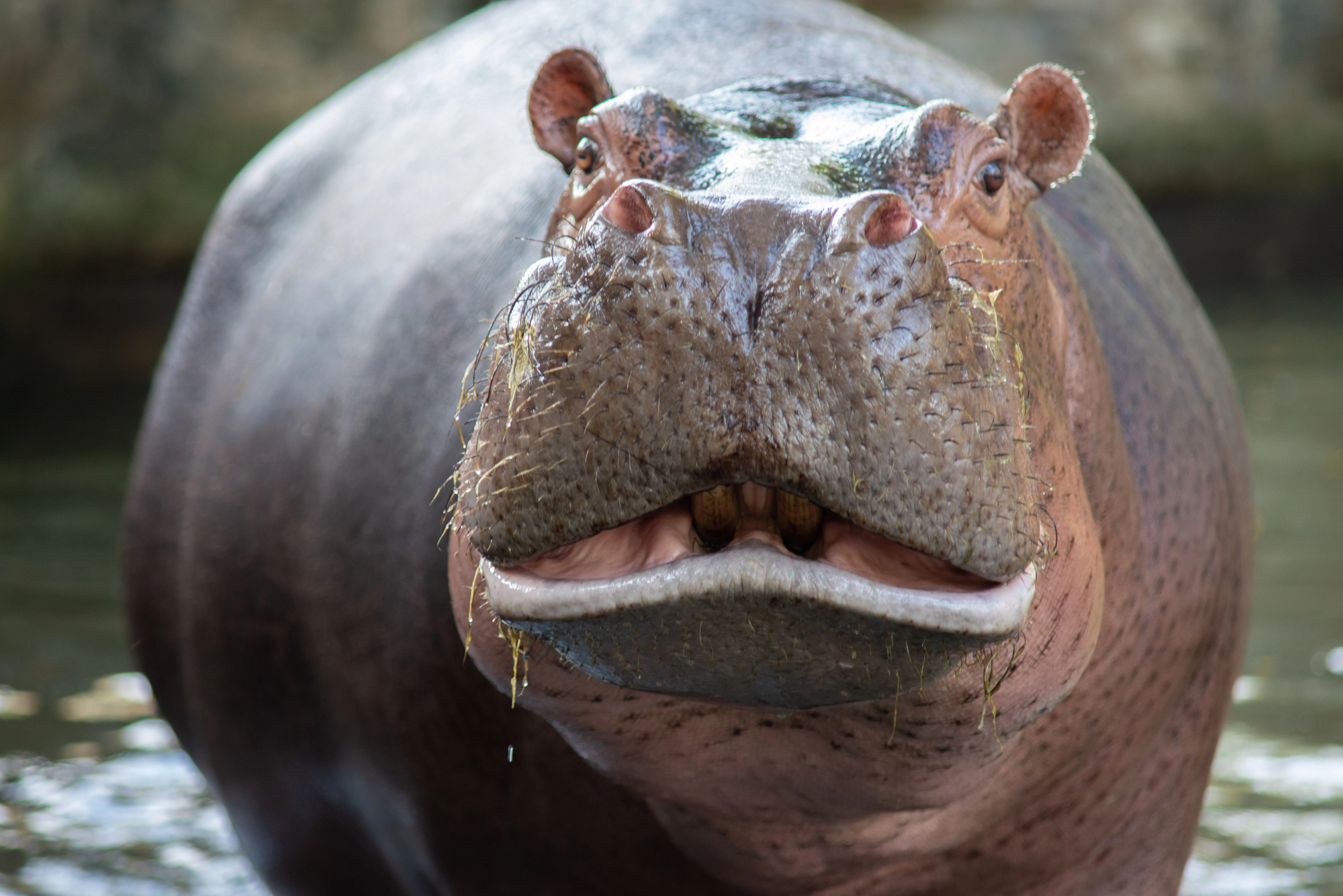
Here’s a wild one: they heal quickly. If a pygmy hippo gets hurt, their wounds often close up faster than in other animals their size.
Scientists think it’s because of all the bumps and scrapes they might get in dense, muddy forests. Nature gave them a fast-repair toolkit.
Living Relics of Ancient Times

Pygmy hippos have been around for millions of years and haven’t changed all that much. They’ve survived huge environmental changes thanks to their ability to adapt — but now, they need help.
Protecting them isn’t just about saving a species — it’s about preserving a living link to our planet’s past.
More from Go2Tutors!

- The Romanov Crown Jewels and Their Tragic Fate
- 13 Historical Mysteries That Science Still Can’t Solve
- Famous Hoaxes That Fooled the World for Years
- 15 Child Stars with Tragic Adult Lives
- 16 Famous Jewelry Pieces in History
Like Go2Tutors’s content? Follow us on MSN.