20 Common Phrases That Don’t Mean What They Used To
Words and phrases change meanings from generation to generation, and language is always changing. As civilization evolves, expressions that originally referred to particular professions, technological advancements, or social mores progressively change.
Long after the original context has vanished, these linguistic fossils frequently preserve hints of past behaviors, leaving us to use expressions whose literal meanings are not very similar to how we currently understand them. These 20 everyday phrases have undergone significant meaning changes over time, revealing unexpected roots that most frequent users would never be aware of.
Saved By The Bell

Today it suggests a narrow escape, but this phrase originated from the fear of being buried alive. Some coffins in the 17th and 18th centuries were fitted with bells above ground, connected to strings placed in the hands of the deceased.
If someone awakened after burial, they could ring the bell to alert others and literally be “saved by the bell.” The modern meaning shifted to any last-minute rescue, eventually inspiring the title of a popular 1990s teen sitcom completely disconnected from its morbid origins.
Deadline

This common term for a time limit comes from Civil War prison camps, where guards would shoot any prisoner crossing a boundary line around the camp perimeter. This “deadline” represented the literal line beyond which death awaited.
The term gradually transformed into a publishing industry term for printing boundaries on a page, then evolved into today’s meaning of a time limit with serious consequences but rarely actual death for missing it.
Bite The Bullet

When we “bite the bullet,” we endure an unpleasant situation, but the phrase originated from battlefield surgery before anesthesia became available. Surgeons performing emergency amputations would give patients a bullet to bite down on, helping them endure excruciating pain.
The lead bullet provided something to clench against extreme suffering during operations that had to be performed quickly and without modern pain management techniques.
Upper Hand

Having the “upper hand” now means possessing an advantage, but this expression originated from children’s games determining who would go first. Players would grasp a baseball bat or stick in alternating positions, with the person whose hand ended up on top getting the advantage of first play.
This simple method of establishing order in games evolved into a broader metaphor for advantage or control in any situation, completely detached from its playful origins.
Rule Of Thumb

Commonly understood as a general principle, this phrase supposedly originated from an old English law allowing a man to beat his wife with a stick no thicker than his thumb. While frequently cited, historical research has debunked this origin as a myth, with no such law ever discovered in English legal records.
The actual origin likely relates to craftsmen using their thumbs for quick measurements, with the thumb’s width serving as a convenient approximation tool across various trades.
Sleep Tight

Parents still tell children to “sleep tight” without realizing this refers to pre-mattress bedding systems. Before box springs, beds used ropes stretched across frames to support straw or feather mattresses.
These ropes needed regular tightening to prevent sagging and ensure comfortable sleep. The full expression “sleep tight, don’t let the bedbugs bite” references both the rope-tightening process and the common household pests that frequently inhabited early bedding materials.
Basket Case

This now defines an emotionally distressed individual or dysfunctional system but originally denoted those soldiers who were so severely wounded in combat that they lost all four limbs and had to be carried in baskets.
The term arose in World War I as a military slang expression, but military leaders denied any such occurrences. This horrific combat slang evolved into a metaphor for emotional vulnerability or dysfunctional systems with no relation to its ghastly wartime origin over a period of decades.
Blood Sport
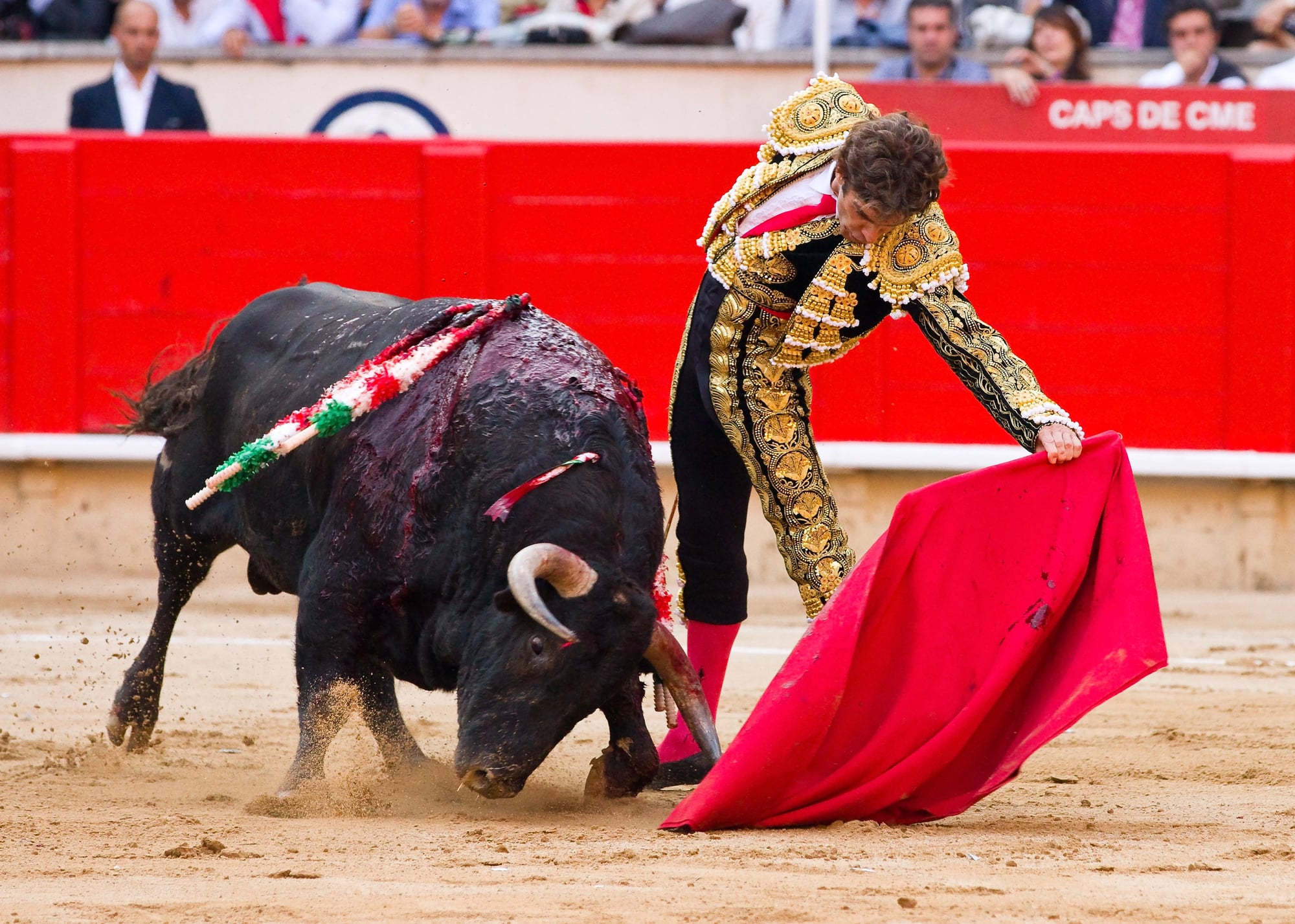
While still connected to animal bloodshed activities like hunting or bullfighting, this term originally had no negative connotations. In medieval and early modern periods, “blood sports” were considered normal aristocratic pastimes and markers of noble status rather than controversial activities.
The phrase has retained its literal meaning while the cultural attitude toward such activities has shifted dramatically, making it now commonly used to criticize ruthless competition in politics or business.
Blockbuster
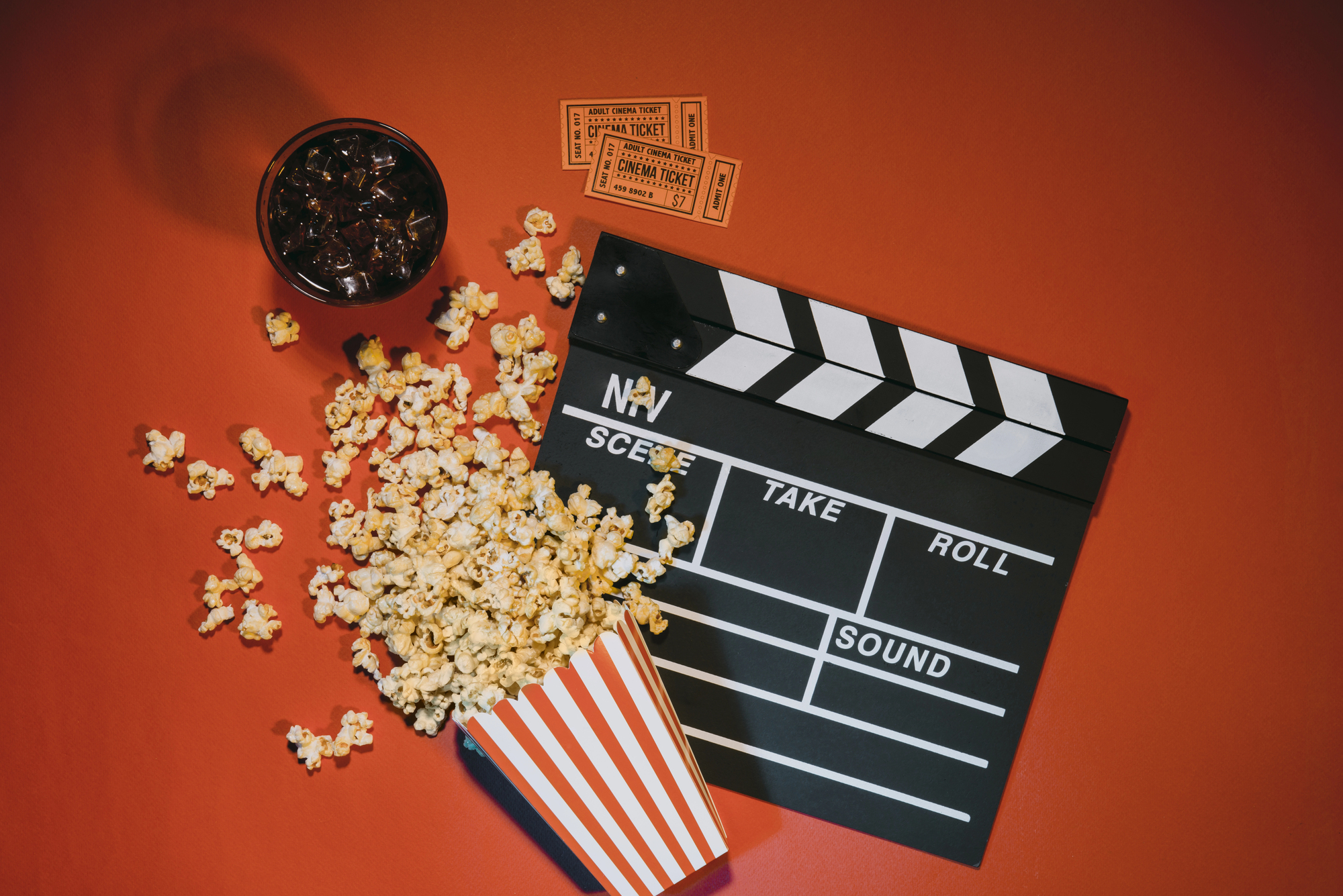
A term now synonymous with hit entertainment, “blockbuster” originally described massive aerial bombs used in World War II capable of destroying entire city blocks. These 4,000-pound bombs would “bust” blocks of buildings in devastating air raids.
The term shifted to describe anything with overwhelming impact, eventually becoming associated with wildly successful films that metaphorically “bomb” the competition, completely losing its connection to actual warfare and destruction.
Fizzle Out

When something “fizzles out,” it ends disappointingly, but this phrase originated from a crude bodily function reference. In the 1800s, “fizzle” was slang for a silent bout of flatulence.
University students would use it to describe failing an exam by making a pathetic attempt that “silently” expired, similar to the namesake bodily emission. The expression gradually lost its crude association as it entered mainstream language to describe any disappointing conclusion.
Throw Under The Bus

This modern-sounding phrase for betrayal actually dates to 1980s American slang, not ancient transport practices. It likely emerged from baseball or hockey, where commentators described players being knocked down as getting “thrown under the bus.”
The expression rapidly evolved to mean sacrificing someone else to save yourself, particularly in political and business contexts where blame-shifting became metaphorically similar to pushing someone into danger.
In The Limelight

To be “in the limelight” is to be in the public eye, borrowing a term from an actual 1840s stage lighting technology. Theatres used heated cylinders of calcium oxide (quicklime) to create bright spotlights that illuminated stage actors.
These “limelight” machines created the first effective theatrical spotlights before electric lighting. The technology has long since disappeared more than a century ago, but the metaphor remains for anyone in the public spotlight.
Brand New
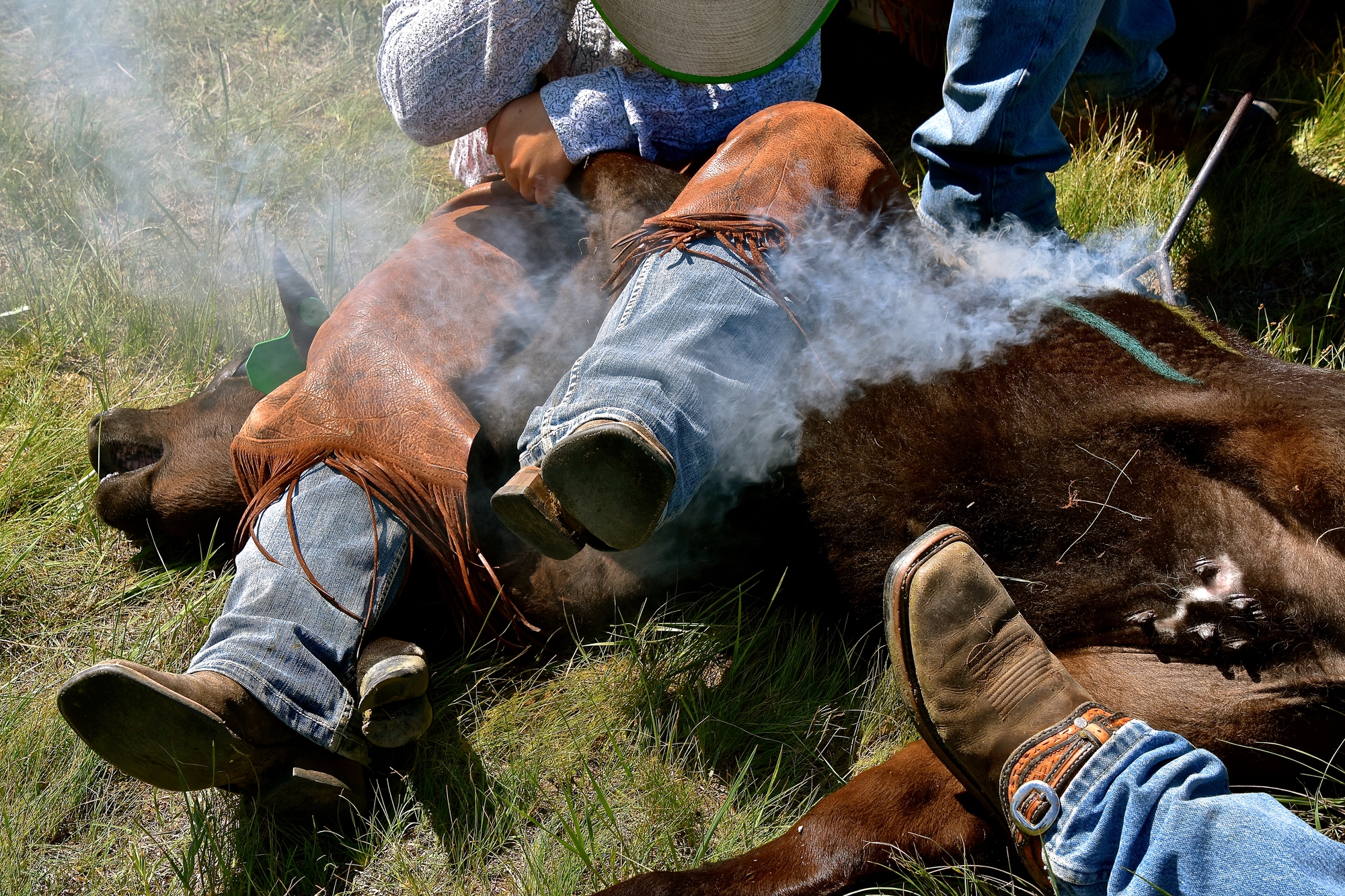
This everyday term for something completely new originally referred to items marked with a fresh brand or manufacturer’s mark. The phrase connects to the practice of branding livestock with hot irons as proof of ownership, with the mark showing an item was newly identified rather than actually new in production.
This distinction eventually disappeared as “brand new” came to mean anything in pristine, unused condition regardless of manufacturing date.
Resting On Laurels

People who “rest on their laurels” rely on past achievements instead of creating new ones, referencing ancient Greek traditions where victorious athletes received laurel wreaths. These leafy crowns symbolized achievement and honor in classical societies, with the implication that physically resting on such a wreath would crush it.
Despite most modern users having no connection to the classical victory symbol, the expression preserved its cautionary meaning about not becoming complacent after success.
Run Amok

This phrase describing chaotic behavior comes from the Malay word “amuk,” referring to a specific culture-bound syndrome where individuals entered a murderous frenzy after perceived dishonor. Colonial observers documented these violent episodes, bringing the term into English by the 1600s.
Today’s meaning has softened considerably to describe any wild or uncontrolled behavior, completely divorced from its origins describing a specific form of cultural violence.
Pass With Flying Colors

Success “with flying colors” now simply means doing exceptionally well, but originally referred to naval ships returning victorious from battle with their identifying flags prominently displayed.
Defeated ships would lower their colors (flags), while victorious vessels would sail proudly with multiple flags flying. This nautical imagery of triumphant ships returning to port transformed into a general expression for any significant success completely unrelated to maritime conflict.
Brownie Points

Earning favor through helpful actions gets you metaphorical “brownie points,” a term with disputed origins. One theory connects it to the junior Girl Scouts (Brownies) earning merit badges, while another links it to railroad coupon books issued by the Pennsylvania Railroad company and named after exchange superintendent G.R. Brown.
Regardless of its true origin, the concept of earning small credits toward larger rewards became a widespread metaphor for building goodwill through minor helpful acts.
Jaywalking

This term for crossing streets improperly originally carried class and regional prejudice, as “jay” was early 20th-century slang for an unsophisticated rural person unfamiliar with city life. “Jay drivers” initially described rural visitors driving incorrectly on city streets, with “jaywalking” emerging as pedestrians from the countryside supposedly couldn’t navigate urban traffic patterns properly.
The classist insult has disappeared while the technical violation remains, with most modern lawbreakers unaware they’re being labeled as country bumpkins.
Read The Riot Act

To “read the riot act” means issuing a stern warning, referencing an actual British law from 1714. Officials would literally read this act aloud to crowds of 12 or more people, ordering them to disperse within an hour or face felony charges.
The law required the exact wording to be read precisely, giving listeners one hour to depart before authorities could legally use force. This literal public reading evolved into a metaphor for any stern warning, though the actual law was repealed in 1973.
Cut To The Chase

Filmmakers and scriptwriters popularized this expression meaning “get to the important part,” referring to early movie conventions where exciting chase scenes resolved plots.
Directors would literally cut boring dialogue scenes and transition directly to action sequences to maintain audience interest. The film industry term gradually entered general usage through Hollywood’s cultural influence, becoming a common expression for bypassing preliminaries, regardless of whether any actual chase is involved.
Words as Time Travelers

These phrases function as linguistic time capsules, preserving historical practices and technologies that have otherwise disappeared from daily life. The evolution of language creates fascinating connections between past and present, with expressions gradually shedding their original contexts while retaining useful metaphorical value.
Our casual conversations remain filled with these historical artifacts, connecting us to earlier generations through words whose origins we’ve largely forgotten. Understanding these linguistic fossils not only enriches our appreciation of language but also reminds us how thoroughly the past remains embedded in our everyday speech.
More from Go2Tutors!

- The Romanov Crown Jewels and Their Tragic Fate
- 13 Historical Mysteries That Science Still Can’t Solve
- Famous Hoaxes That Fooled the World for Years
- 15 Child Stars with Tragic Adult Lives
- 16 Famous Jewelry Pieces in History
Like Go2Tutors’s content? Follow us on MSN.