15 Bizarre Royal Traditions Throughout History
Royal families have never been short on rituals, but some of their customs were less about majesty and more about sheer oddity. From dining habits to strange ceremonies, monarchs often lived by rules that would leave outsiders scratching their heads. Here’s a list of bizarre royal traditions throughout history that show just how unusual palace life could be.
The Royal Touch

In medieval England and France, kings were believed to cure disease simply by laying hands on their subjects. Known as “the royal touch,” it was especially linked to scrofula, a form of tuberculosis.
Faith in this practice lingered for centuries—even when it clearly wasn’t working.
The Groom of the Stool

For Tudor monarchs, one of the most trusted courtiers wasn’t a knight or minister, but the servant responsible for assisting with their most private bathroom needs. The Groom of the Stool handled everything from chamber pots to toilet paper substitutes.
Oddly enough, it was considered a highly respected role.
Like Go2Tutors’s content? Follow us on MSN.
French Court Wig Powder

At the French court, wigs weren’t just fashion—they were enormous, perfumed constructions dusted with flour or starch. The smell? A problem.
Rats sometimes nested in them, and head lice were common. Still, powdered wigs remained a sign of dignity until the Revolution chopped both heads and styles short.
Ottoman Fratricide

Ottoman succession was brutal. To prevent civil war, new sultans often executed their own brothers.
The policy, called fratricide, was defended as a necessary stability. Horrifying, yes—but it did keep the throne from splintering.
The Tsar’s Beard Tax
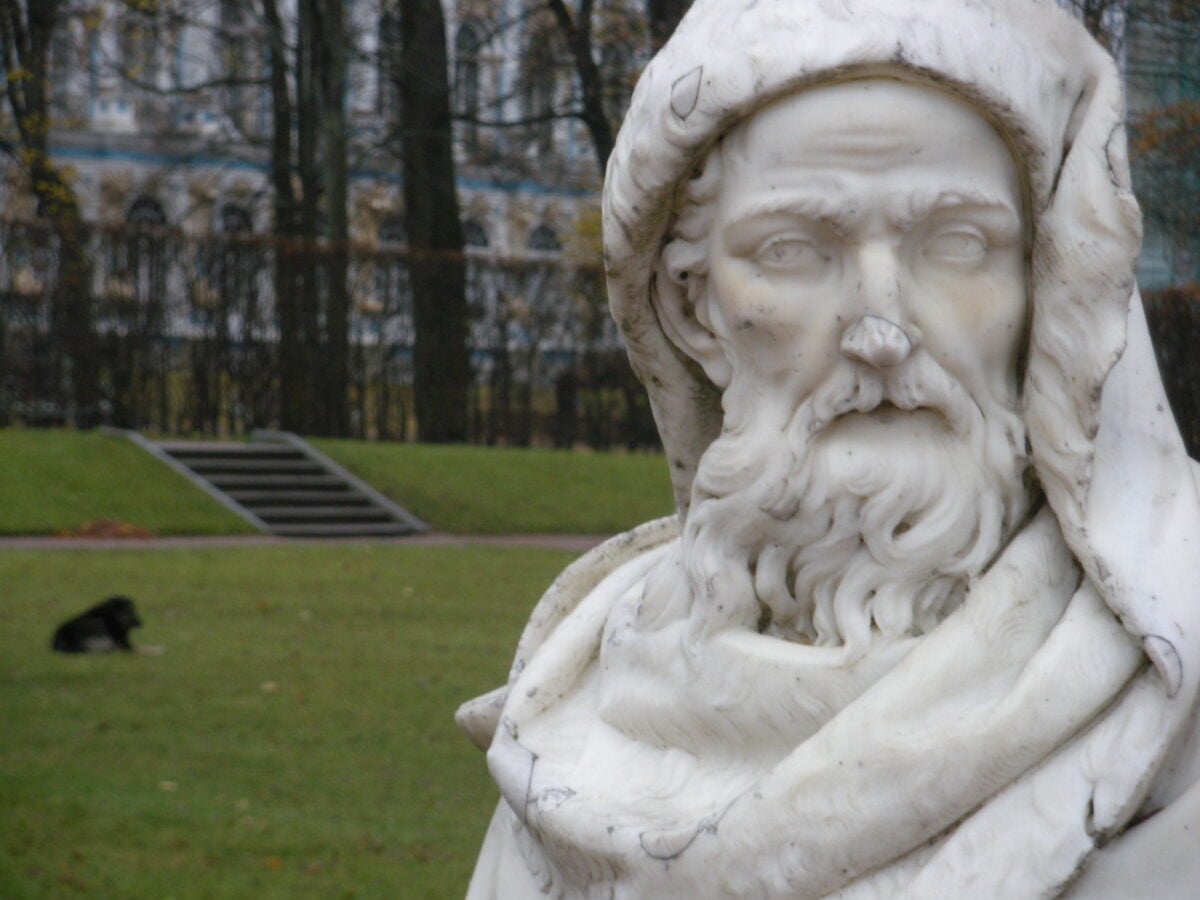
In the 17th century, Russia’s Peter the Great decided beards were outdated. Men who insisted on keeping them had to pay a beard tax, often carrying a coin as proof.
No coin? Guards could shave you on the spot.
Like Go2Tutors’s content? Follow us on MSN.
Versailles Waking Ceremony

Louis XIV turned even getting out of bed into a spectacle. Each morning, nobles attended his “lever,” or waking ritual, watching as he was dressed and groomed.
Not exactly a private start to the day, but for courtiers, attendance was an honor.
Hawaiian Taboo on the King’s Shadow

In ancient Hawaii, it was forbidden for a commoner’s shadow to cross that of the king. Even accidentally breaking this rule was seen as a grave insult and could be punished by death.
Imagine walking around constantly checking where the sun falls.
Chinese Nail Guards
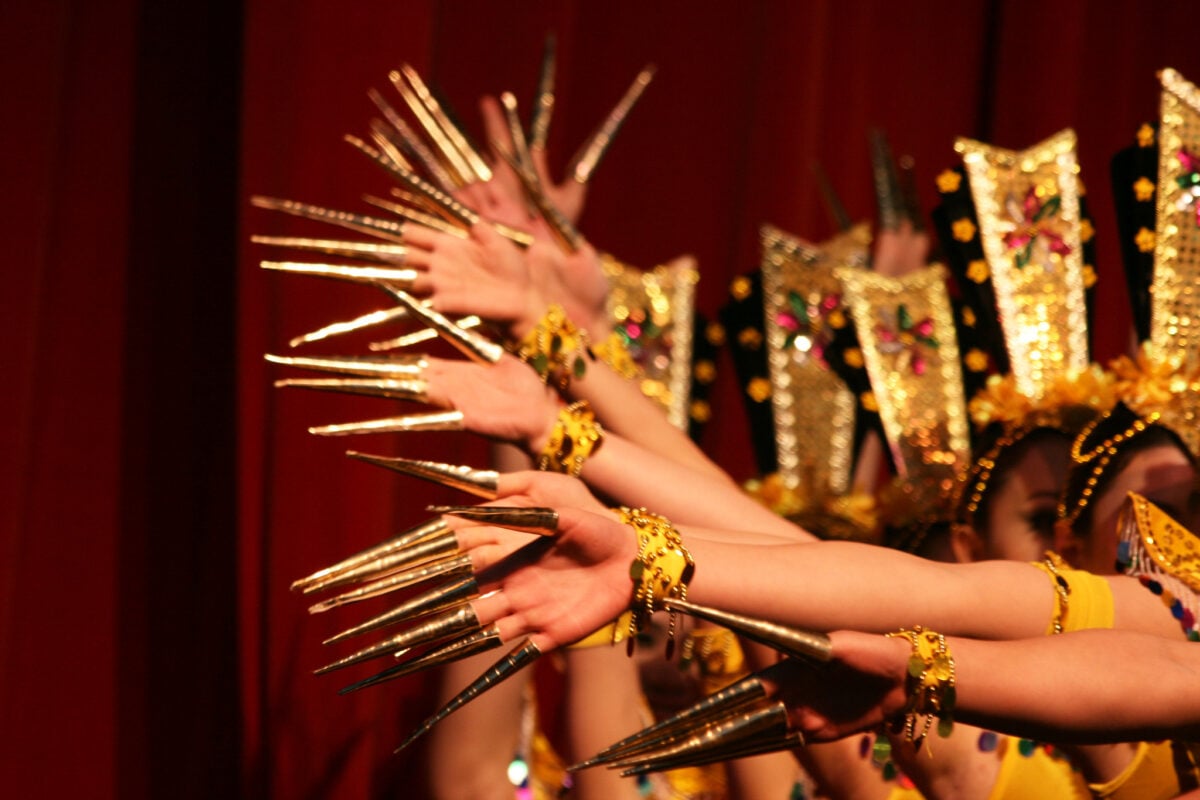
Qing dynasty emperors and empresses wore long, jeweled nail guards to show they did not need to work with their hands. Sometimes the nails grew so long they curled, hidden under golden sheaths.
Not practical. But undeniably regal.
Like Go2Tutors’s content? Follow us on MSN.
Mute Servants of Persia
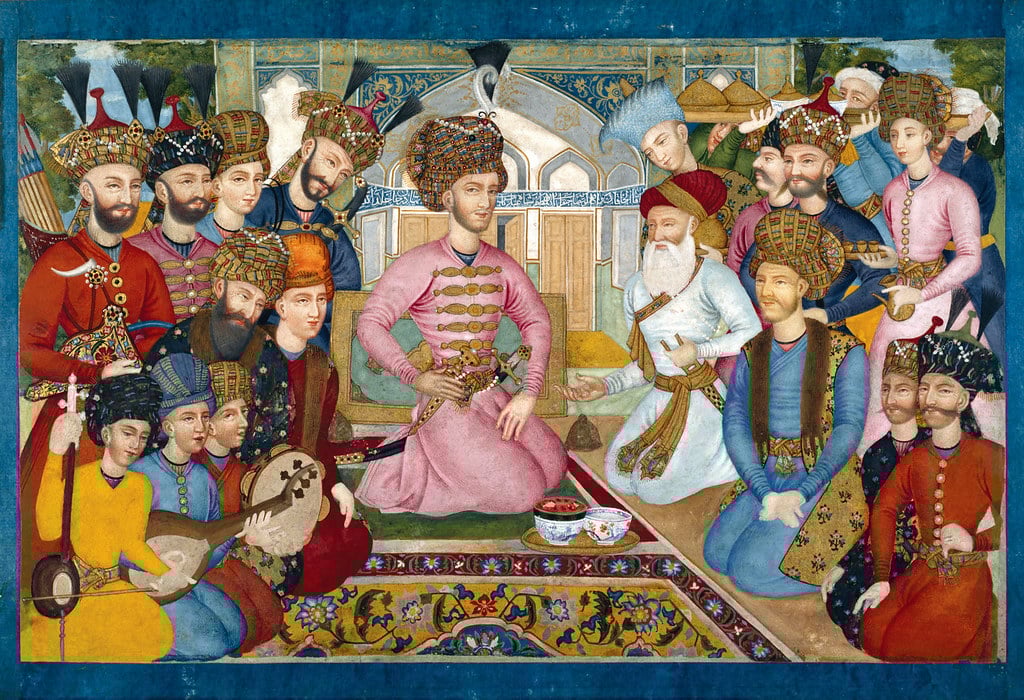
At certain Persian courts, royal servants were selected for their inability to speak. Silence was considered a guarantee of discretion.
The absence of gossip kept secrets safe, though it must have made palace life eerily quiet.
The Royal Banquet Ostrich

Exotic foods symbolized wealth, and ostrich meat once graced royal tables in Europe. Some rulers went further, commissioning extravagant roasts of animals no one particularly wanted to eat.
A roasted peacock with feathers reattached for display? Not appetizing, but certainly dramatic.
Drinking from a Skull Cup

Mongol and Tibetan rulers sometimes used drinking vessels fashioned from enemy skulls. The tradition wasn’t only intimidation—it carried religious symbolism too.
Still, the image is hard to shake: a feast, laughter, and wine sipped from bone.
Like Go2Tutors’s content? Follow us on MSN.
Swallowing Sapphire Powder

Medieval royals believed ground sapphires could cure poison and disease. Some mixed the powder into drinks, others rubbed it on their skin.
Modern science, of course, disagrees. Not exactly safe either—consuming gemstones never ends well.
Coronation Stone of Scone

Scottish monarchs were crowned upon the Stone of Scone, believed to hold ancient sacred power. When the English seized it, they tucked it under the coronation chair at Westminster Abbey.
A block of sandstone became one of the most contested relics in Europe.
The Court Dwarf Tradition
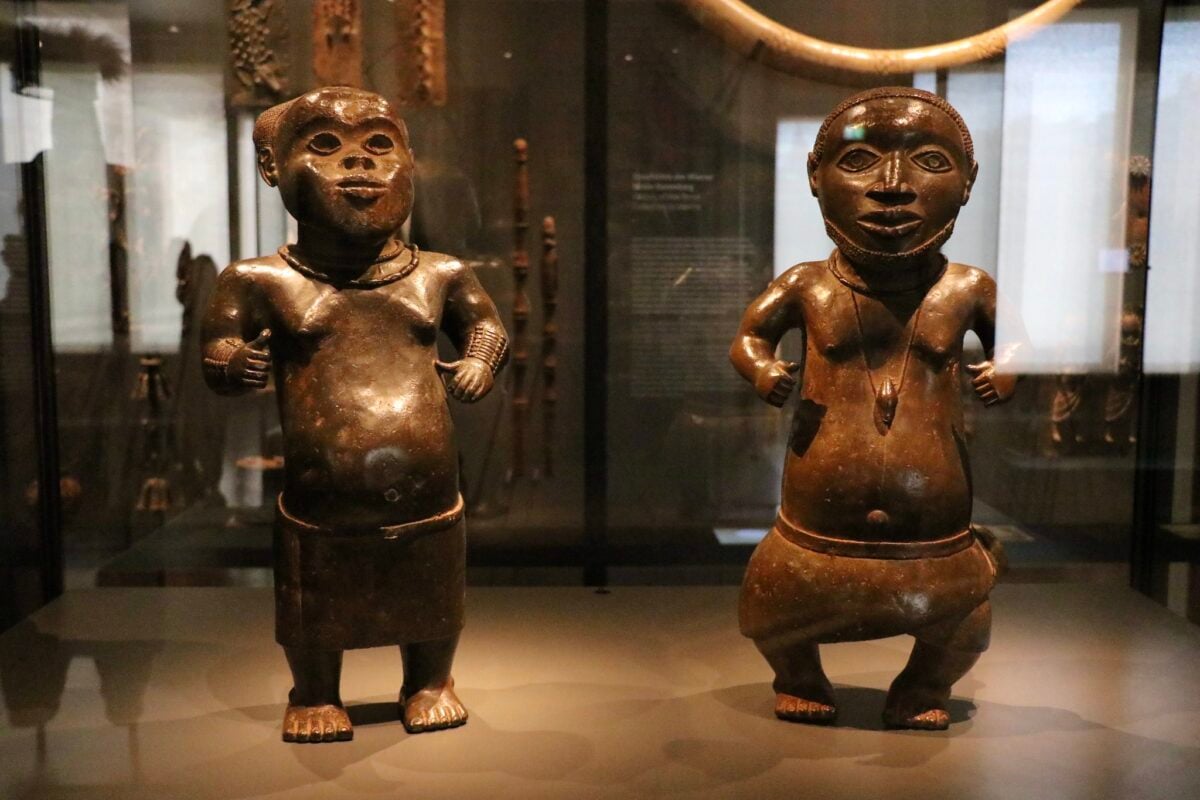
Many European courts kept dwarfs as entertainers or companions. They were dressed in elaborate costumes, sometimes treated like pets, sometimes trusted advisors.
Strange duality—mockery on one hand, intimacy on the other.
Like Go2Tutors’s content? Follow us on MSN.
Japanese Emperor’s Sacred Rice Planting

Every year, Japan’s emperor traditionally plants and harvests rice in a special ceremony. It’s symbolic rather than practical, but it links the throne to agricultural cycles.
The robes, the ritual motions, even the soil itself—layered with meaning.
Rituals That Outlived Reason

Across cultures, royal traditions mixed power with performance, creating customs that seem bizarre today. They reveal not only the eccentricities of monarchs but also the lengths societies went to preserve the mystique of royalty.
Even the strangest rules carried weight—because in royal life, nothing was ever truly ordinary.
More from Go2Tutors!

- 16 Historical Figures Who Were Nothing Like You Think
- 12 Things Sold in the 80s That Are Now Illegal
- 15 VHS Tapes That Could Be Worth Thousands
- 17 Historical “What Ifs” That Would Have Changed Everything
- 18 TV Shows That Vanished Without a Finale
Like Go2Tutors’s content? Follow us on MSN.