14 Times Satire Accidentally Predicted the Future
Satire has long served as society’s mirror, reflecting our quirks and follies with a wink and a nudge. Beyond mere entertainment, satirical works have demonstrated an uncanny ability to envision future realities before they materialize.
The creators behind these works weren’t fortune tellers or time travelers—they simply understood human nature and societal patterns well enough to extrapolate what might come next. Here is a list of 14 remarkable instances when satire unintentionally foresaw real events that would later unfold.
The Simpsons’ Presidential Prediction
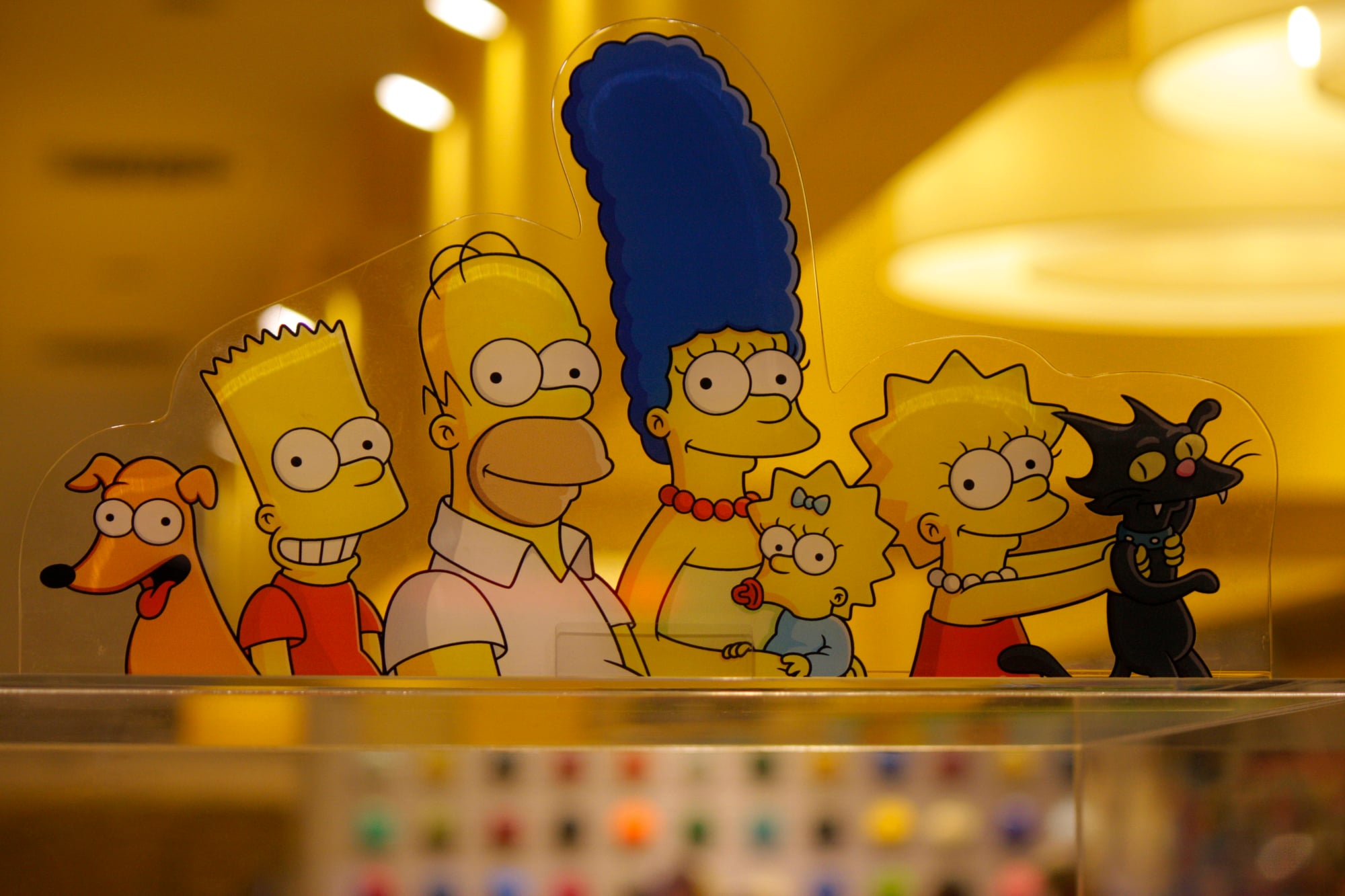
In a 2000 episode titled ‘Bart to the Future,’ The Simpsons depicted Lisa Simpson becoming president after Donald Trump’s administration. Sixteen years later, Trump indeed became the 45th President of the United States.
The writers simply picked what seemed like the most absurd celebrity candidate possible, but reality eventually caught up with their joke. The episode even correctly predicted certain budget issues that would later become talking points.
Black Mirror’s Social Rating System

The ‘Nosedive’ episode had shown a world where people score all social interactions, determining all sorts of things like homeownership and transport choices. Then China launched a social credit system with a few shocking similarities.
The show’s creator, Charlie Brooker, had used existing rating systems like Uber and Yelp to their most extreme application, not realizing that a government would adopt similar practices.
Like Go2Tutors’s content? Follow us on MSN.
Idiocracy’s Dumbed-Down Future

In his 2006 comedy, Mike Judge depicted a future America in which commercialism has severely degraded society. The movie depicted corporations taking over the government and a professional wrestler becoming president—ideas that were implausible at the time.
After ten years, aspects of this satirical dystopia started to show up in actual political debate and media consumption trends.
The Onion’s Diamond Satire

In 2011, The Onion published a piece mocking diamond marketing with the headline ‘Diamond Engagement Rings: Something About Africa.’ Years later, millennials actually began rejecting diamond engagement rings, partly due to ethical concerns about African mining practices.
What started as a commentary on consumer ignorance became an accurate prediction of changing buying habits.
The Daily Show’s Fox News Parody
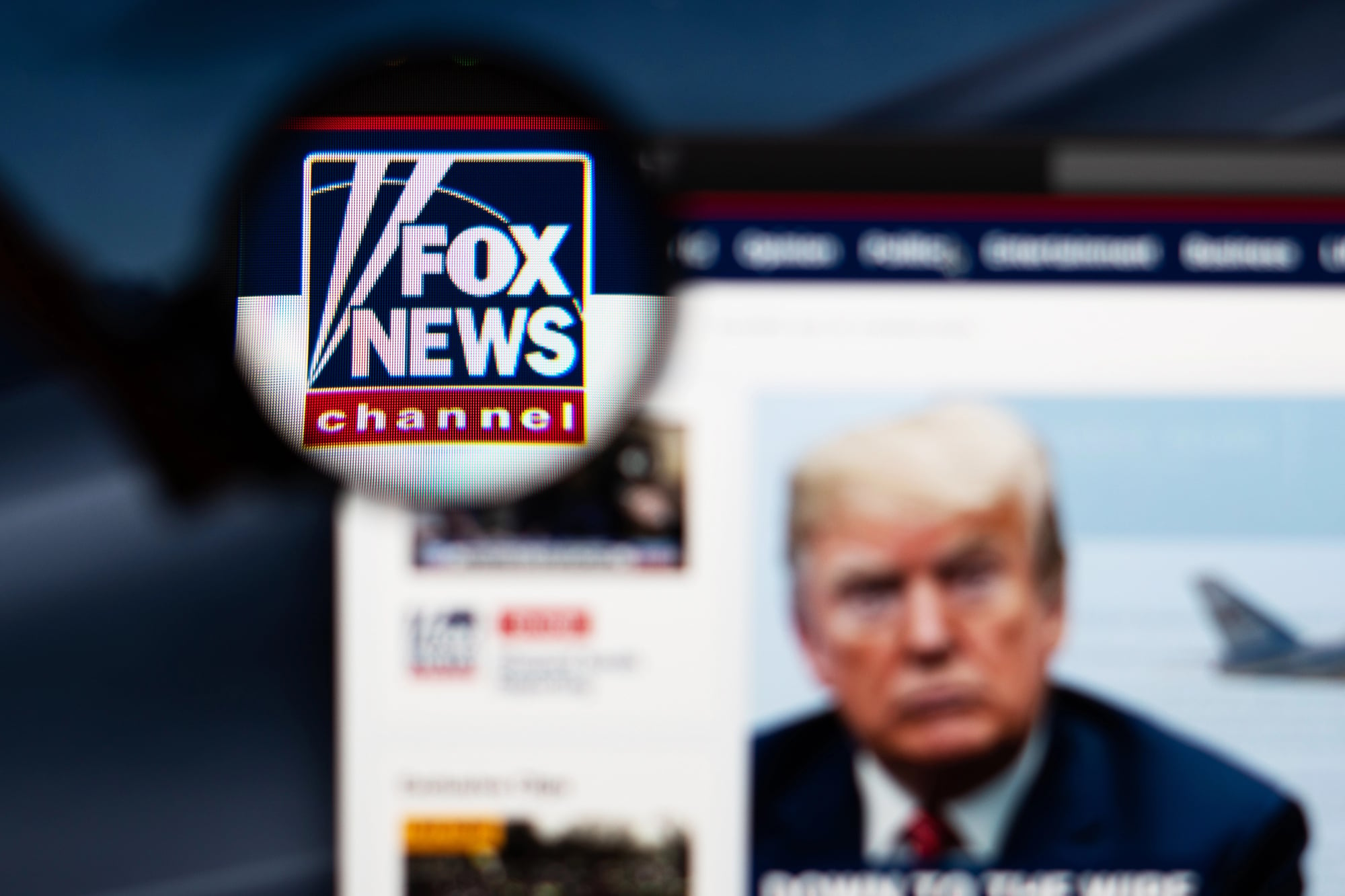
Jon Stewart’s The Daily Show frequently parodied Fox News as an outlet that would eventually abandon journalistic standards altogether in favor of pure opinion. The exaggerated portrayal seemed like comedy overkill until cable news networks indeed began blurring the line between reporting and commentary, with opinion segments taking over primetime slots.
Like Go2Tutors’s content? Follow us on MSN.
Robocop’s Media Landscape
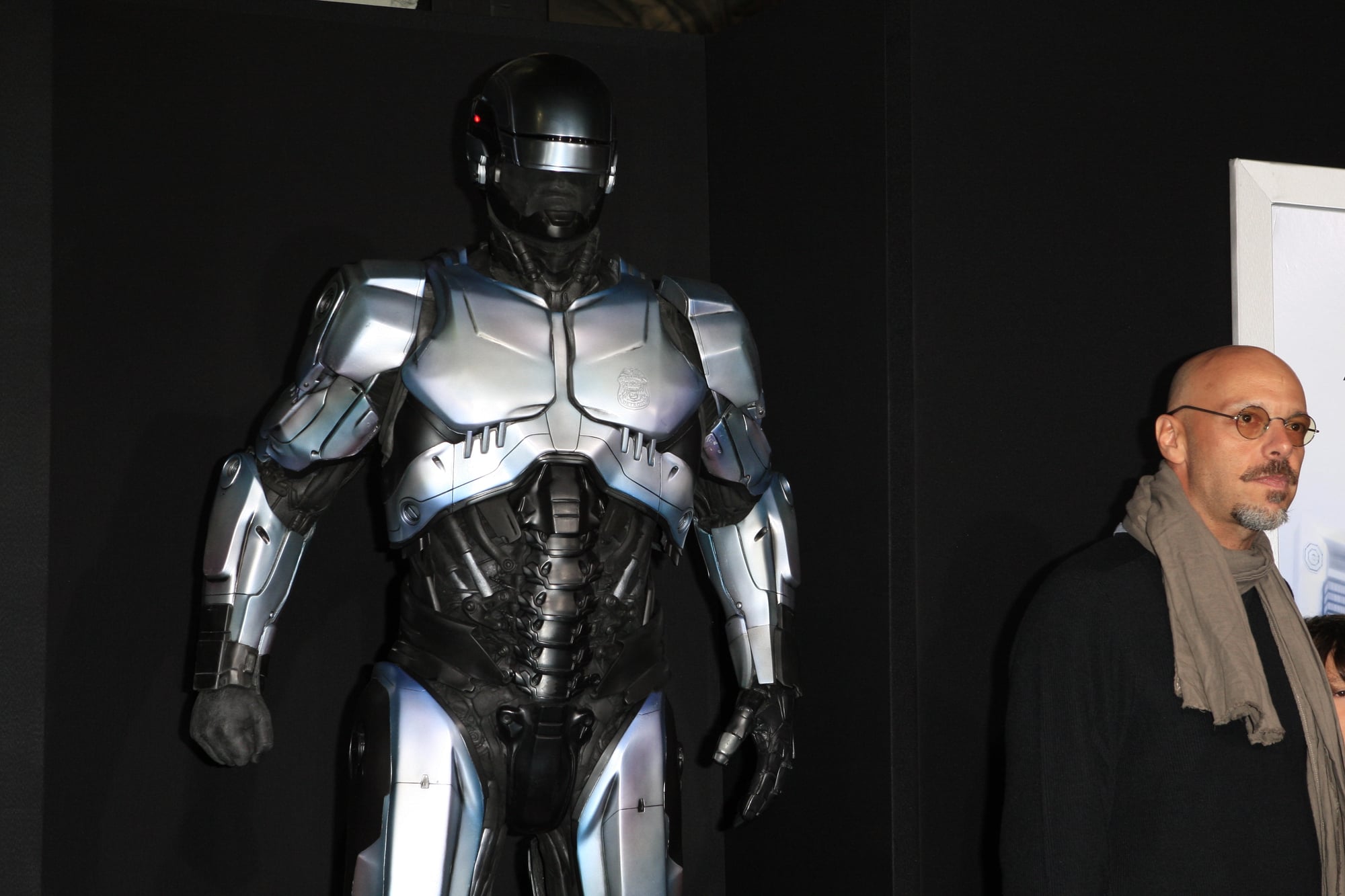
The 1987 film showed brief snippets of sensationalist news reports and vapid entertainment between scenes of ultraviolence. These segments were meant to poke fun at 1980s media trends, but they perfectly predicted the 24-hour news cycle, reality TV explosion, and shortened attention spans of the digital age.
The exaggerated news bites became standard practice decades later.
The Space Merchants’ Corporate Control

This 1952 novel depicted a future where corporations held more power than governments and advertising infiltrated every aspect of life. What seemed like far-fetched satire in the 1950s now appears prophetic, with global companies wielding influence that rivals nations and targeted advertising tracking our every move.
The authors simply extended the advertising boom of their era to its extreme conclusion.
Parks and Recreation’s Gryzzl

The fictional tech firm on the television show Gryzzl scraped users’ data in intrusive manners, sending gifts from private messages and conversations. That satirical story in 2015 was three years prior to Facebook’s data privacy scandals.
The comedians were just hyperbolizing actual data problems that would be front-page news in a matter of time.
Like Go2Tutors’s content? Follow us on MSN.
Infinite Jest’s Video Calling Fatigue

In his 1996 book, David Foster Wallace envisioned a society in which video calls had supplanted audio ones, resulting in “videophony fatigue” and unanticipated anxiety about appearances. ‘Zoom fatigue’ was acknowledged as a problem during worldwide lockdowns twenty years later.
Long before television became our everyday reality, Wallace recognized the new societal constraints that would arise from constantly seeing ourselves on TV.
The Hitchhiker’s Guide’s Digital Assistants
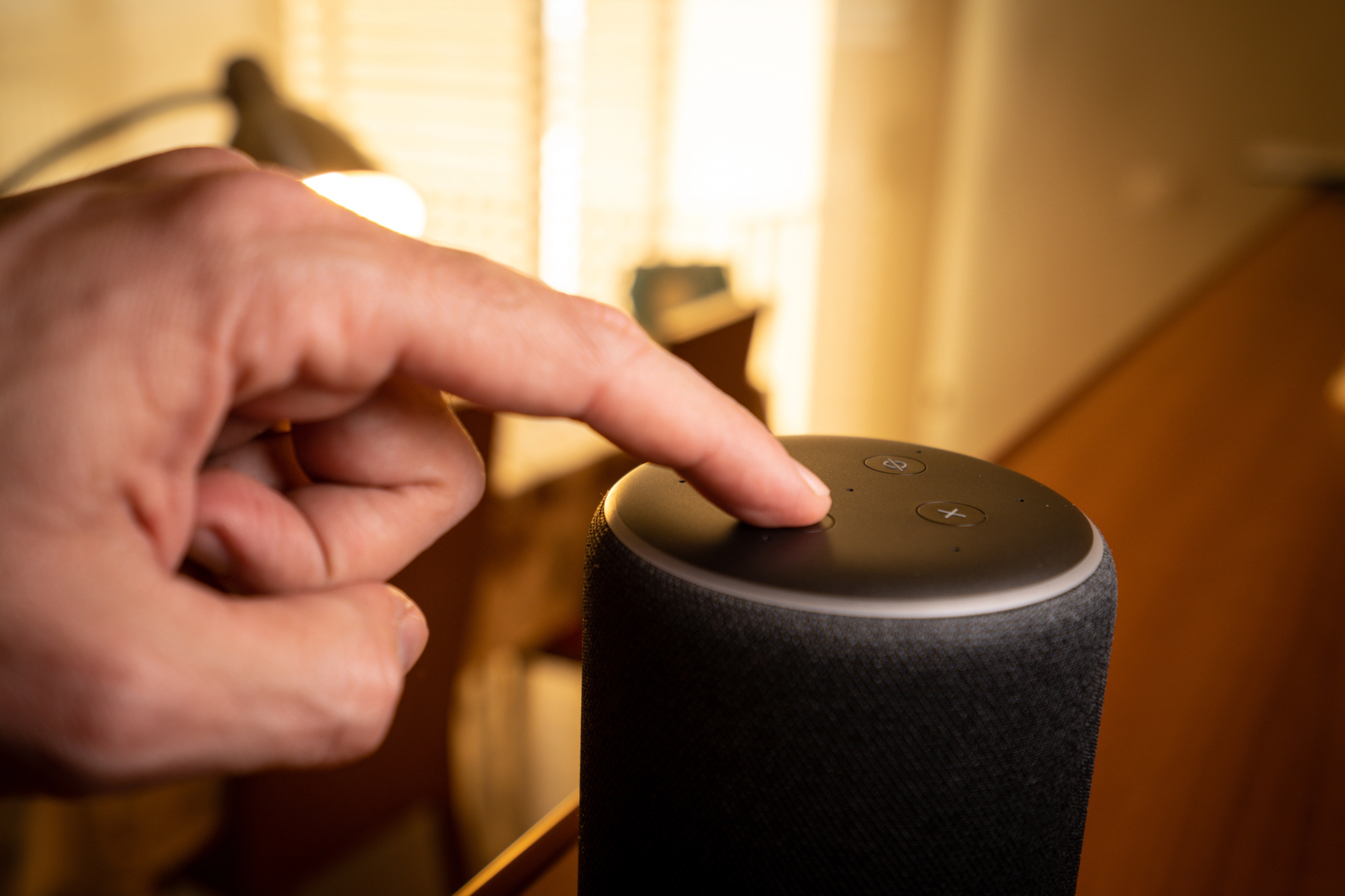
Douglas Adams described the ‘Babel Fish’ translation device and electronic guides as being able to answer any question with varying degrees of accuracy. These satirical inventions from the 1970s bear a striking resemblance to today’s Google Translate and digital assistants like Alexa and Siri.
Adams simply imagined technology solving everyday problems with both helpful and comically frustrating results.
Demolition Man’s Restaurant Monopoly
The 1993 film joked that in the future, all restaurants would be Taco Bell (changed to Pizza Hut in some international versions). While we haven’t reached complete monopolization, the consolidation of restaurant chains under massive parent companies has accelerated dramatically.
What seemed like an absurd punchline has partially materialized through corporate mergers and acquisitions.
Like Go2Tutors’s content? Follow us on MSN.
Veep’s Political Chaos
The HBO comedy portrayed politics as chaotic, petty, and driven by personal vendettas rather than ideology or public service. What initially seemed like an exaggerated view of Washington gradually came to resemble actual political reporting.
The writers were amplifying existing political dysfunctions for comedy, not realizing how quickly reality would catch up.
Gamer’s Virtual Economy

This 2009 film portrayed a world where wealthy players controlled actual humans in a game called ‘Society.’ While we haven’t reached human control, the gig economy and virtual worlds with real money have created similar power dynamics.
Apps where users perform tasks for small payments and virtual world economies worth billions weren’t far behind the film’s satirical vision.
MAD Magazine’s Spy vs. Spy

The long-running comic strip portrayed competing intelligence agencies engaging in increasingly absurd sabotage against each other. What seemed like Cold War parody has found new life in the digital age, with nations engaging in elaborate cyber operations, election interference, and social media manipulation.
The comic simply took the espionage of its era to comical extremes that eventually became reality.
Like Go2Tutors’s content? Follow us on MSN.
Beyond Predictions
Satirical works don’t just accidentally predict the future—they help shape it by highlighting possibilities we might otherwise ignore. These creations serve as both warning and inspiration, showing potential paths forward with enough humor to make them digestible.
The relationship between satire and reality remains one of our most fascinating cultural feedback loops, reminding us that today’s joke might become tomorrow’s headline. Perhaps the most valuable lesson from these predictive satires is that understanding human nature—our desires, fears, and follies—provides surprising insight into where we’re headed next.
More from Go2Tutors!

- 18 Unexpectedly Valuable Collectibles You Might Have Lying Around
- 20 Little-Known Historical Battles That Had Huge Consequences
- 20 Historical Artifacts That Scientists Can’t Explain
- 15 Inventions That Were Immediately Banned After Being Created
- 20 Actors Who Were Almost Cast in Iconic Roles
Like Go2Tutors’s content? Follow us on MSN.


