Strange Laws About Facial Hair That Have Existed Throughout History
Facial hair has been humanity’s most politically charged grooming choice for centuries. Kings have outlawed beards.
Cities have taxed mustaches. Entire governments have fallen over the right to grow a goatee.
What seems like a simple personal choice has somehow managed to topple empires, bankrupt citizens, and land people in prison. These laws weren’t accidents or quirky footnotes in legal codes.
They reflected deep anxieties about class, religion, military readiness, and social control. A beard could mark you as a revolutionary, a tax evader, or a threat to national security.
Sometimes all three at once.
Peter the Great’s Beard Tax
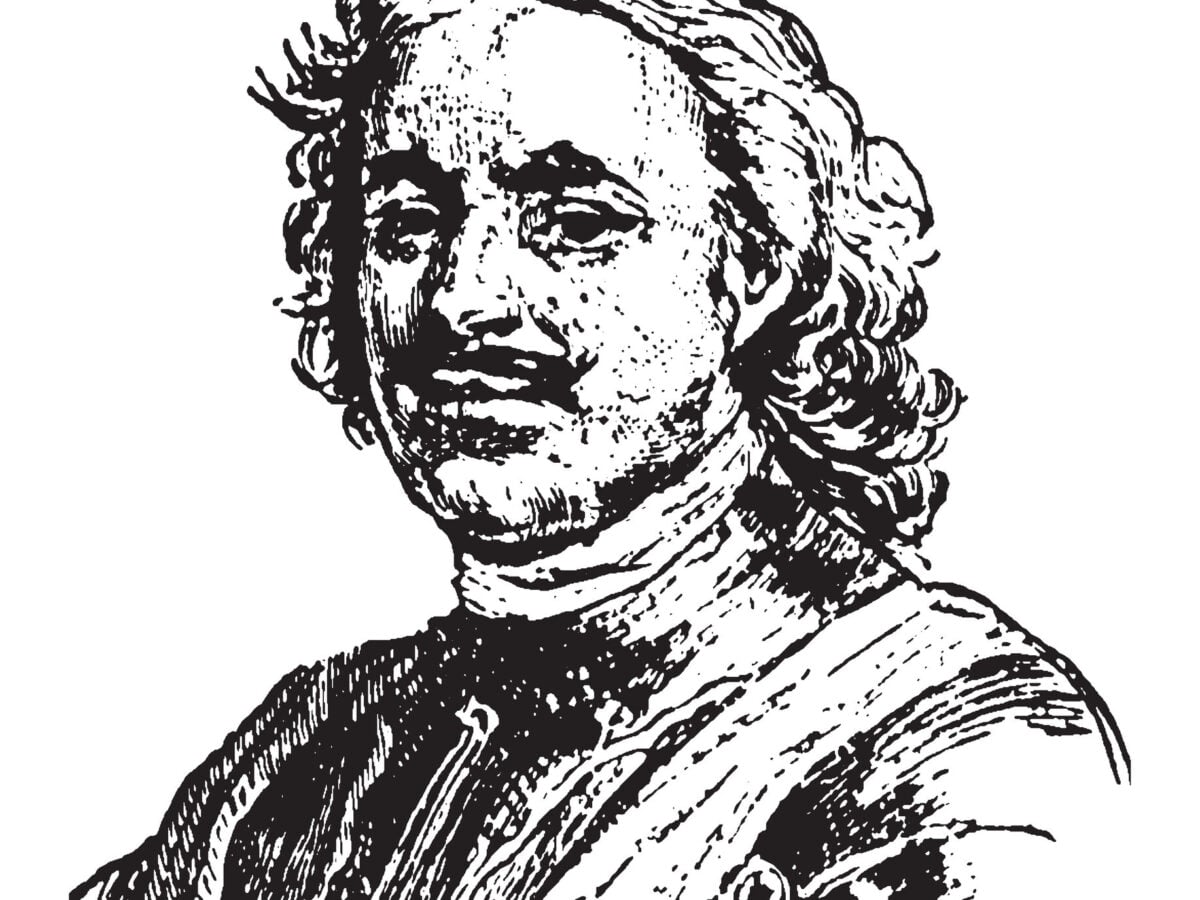
Peter the Great despised beards with the intensity most rulers reserved for enemy nations. In 1698, he imposed a beard tax that turned facial hair into a luxury good only the wealthy could afford.
Nobles paid 100 rubles annually. Merchants paid 60. Peasants got charged a kopeck at city gates.
The tax came with a bronze token you had to carry as proof of payment (because apparently, the beard itself wasn’t evidence enough). Get caught without your token and face immediate shaving by government officials.
Peter believed beards made Russia look backward to European allies. His solution was typically Russian: bureaucratize the problem until it disappeared.
Ancient Roman Beard Bans
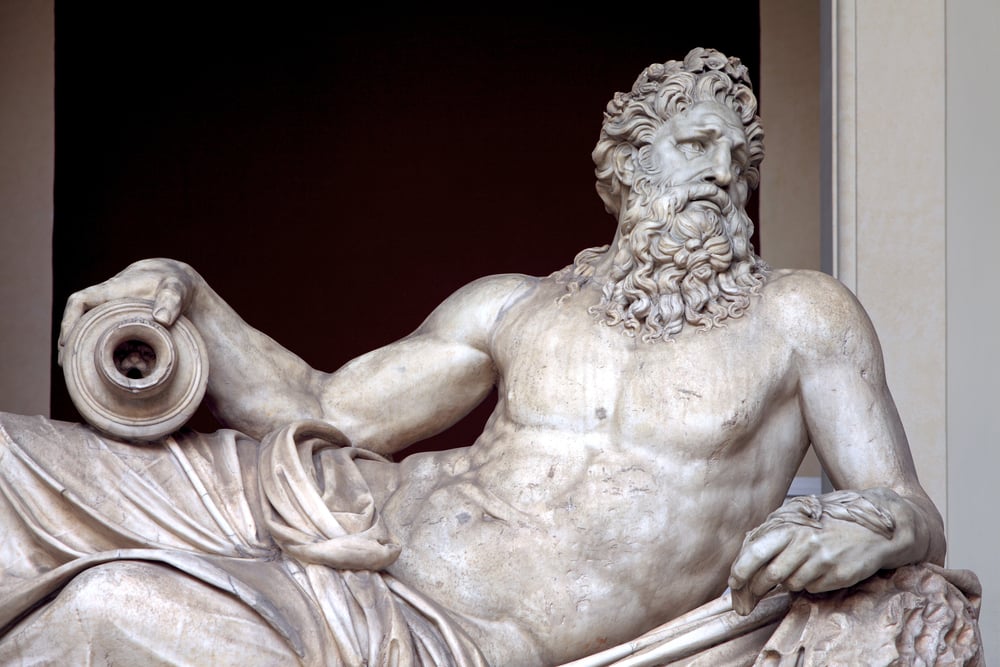
Romans turned facial hair into a political statement through sheer legal force. Clean-shaven faces marked you as civilized, disciplined, properly Roman.
Beards belonged to barbarians, philosophers, and other suspicious characters the state preferred to identify on sight. Soldiers faced court-martial for growing beards.
Citizens could lose voting rights. The law was so embedded in Roman culture that when Emperor Hadrian grew a beard (possibly to hide facial scars), it caused genuine constitutional confusion.
Some historians argue this single grooming choice helped shift imperial fashion for centuries.
English Beard Licensing
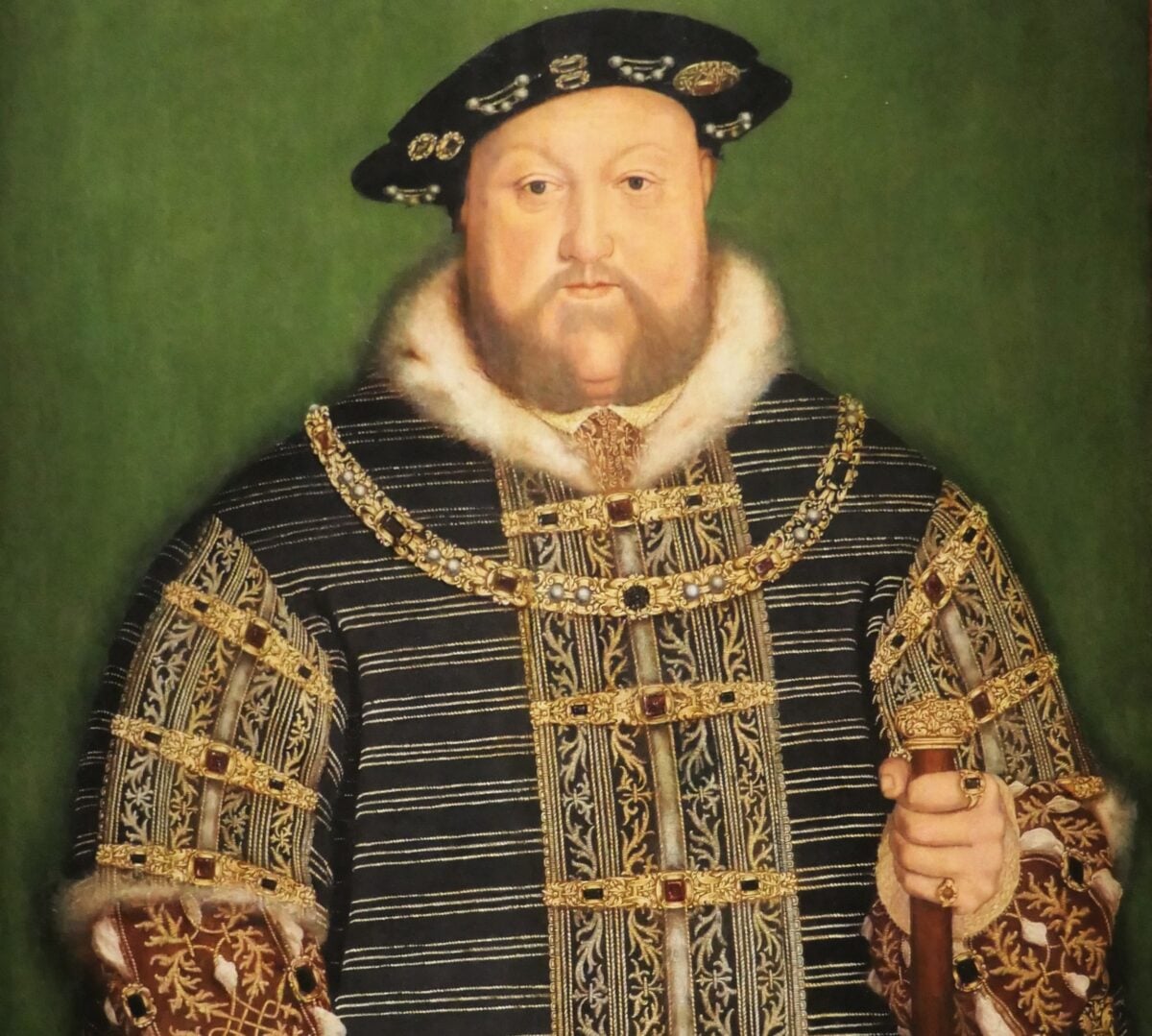
Here’s where bureaucracy meets facial hair in the most English way possible: Henry VIII required licenses for beards longer than two weeks’ growth, and the licensing system was as baroque and frustrating as you’d expect from Tudor-era paperwork. Men had to appear before local magistrates, demonstrate legitimate need for facial hair (medical conditions qualified, vanity did not), and pay fees that scaled with the length and thickness of the intended beard.
The system created an entire class of beard inspectors (whose job titles, regrettably, have been lost to history) and generated enough paperwork that some parish records contain more information about local beards than births, deaths, or marriages. And because this was England, the regulations included subclauses about seasonal beard permits, temporary mustache allowances for actors, and special ecclesiastical exemptions that varied by diocese.
So naturally, people found ways to game the system — fake medical certificates, bribes to inspectors, and an underground economy of counterfeit beard licenses that operated until the law was quietly abandoned under Elizabeth I.
Russian Orthodox Beard Requirements

The Orthodox Church took the opposite approach from Peter the Great. Beards weren’t just allowed — they were mandatory evidence of divine creation.
Shaving was considered mutilation of God’s work. This created a fascinating collision when Peter’s tax system met religious law.
Orthodox believers faced a choice: obey the Tsar or obey God. Many chose God and paid crushing taxes rather than shave.
Some priests went to prison rather than give up their beards. The conflict lasted decades and contributed to multiple religious uprisings.
Chinese Queue Mandates
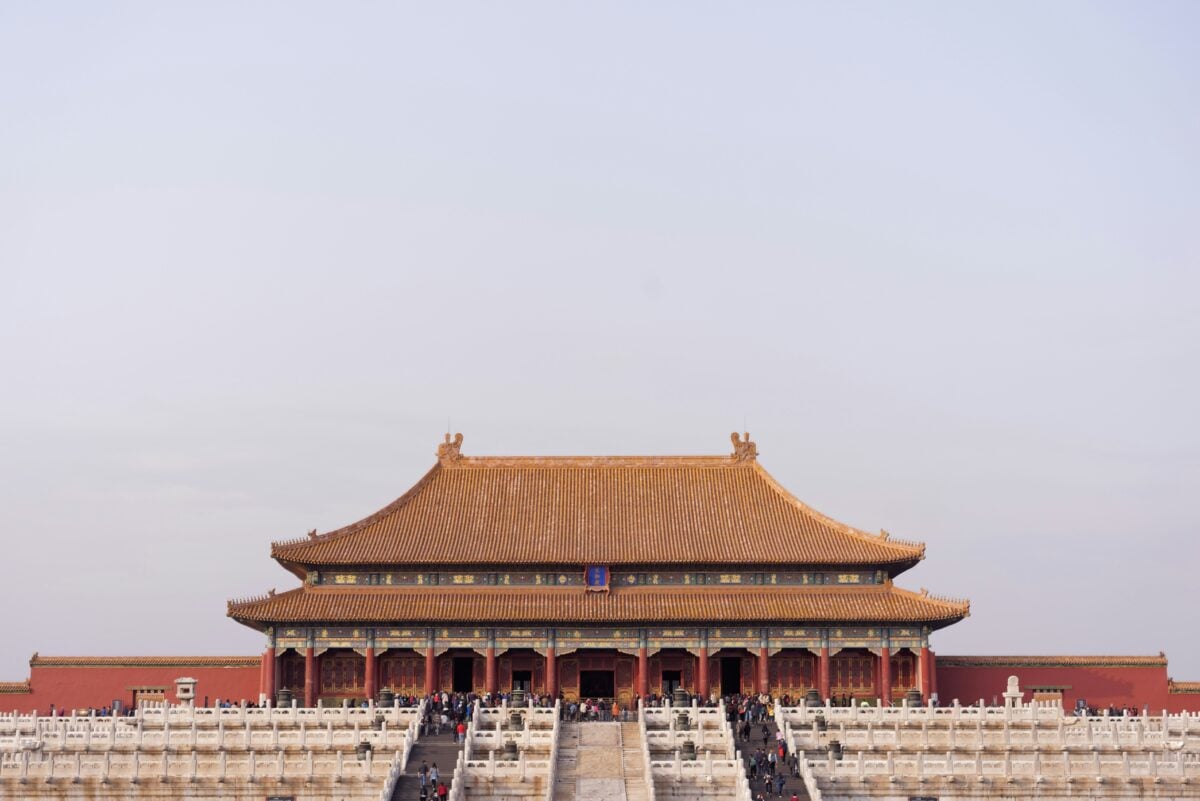
The Qing Dynasty didn’t just regulate beards — they redesigned Chinese men’s entire heads. The queue hairstyle required shaving the front of the head while growing a long braid in back.
Facial hair had to be minimal and precisely trimmed. Refusal could result in severe punishment including death.
The policy was designed to humiliate the conquered Han Chinese and mark them as subjects. It worked exactly as intended, generating resentment that simmered for centuries.
When the Qing fell in 1911 (officially declared 1912), cutting off queues became a revolutionary act. Men celebrated in the streets by burning their braids.
Medieval Guild Restrictions
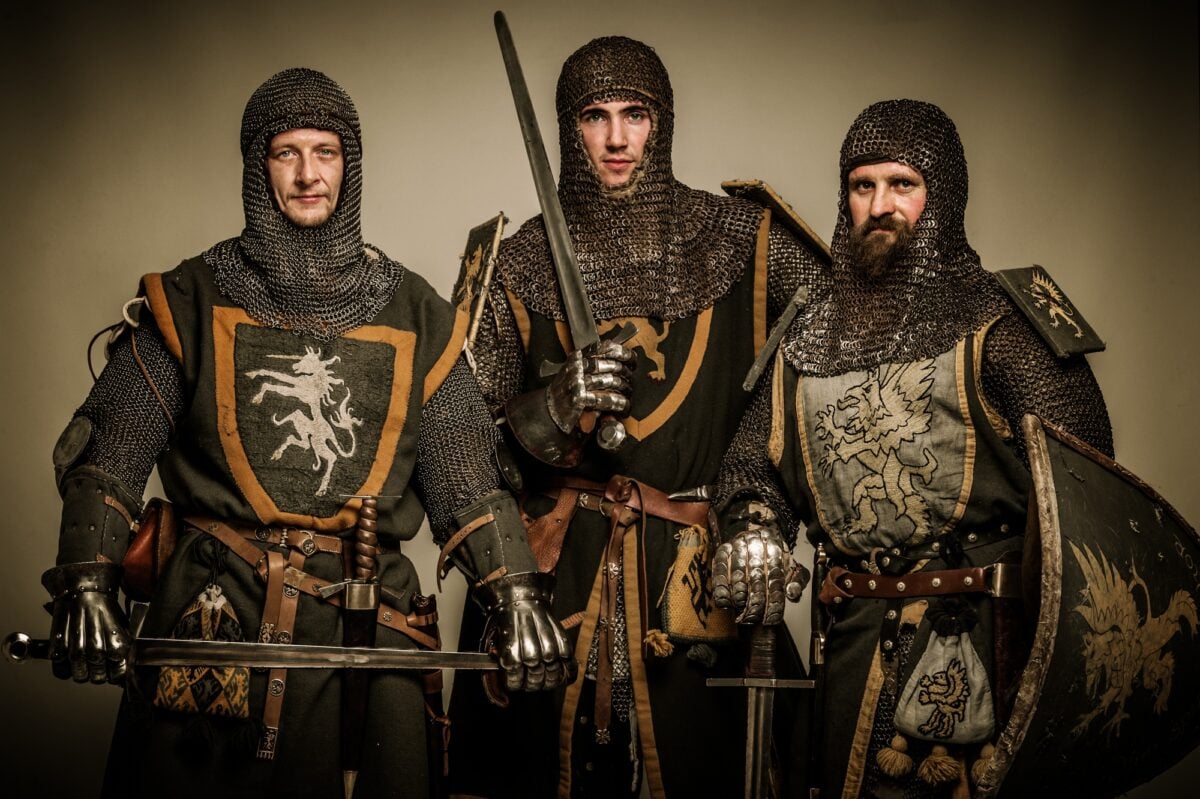
Think about a profession where your mustache could get you fired, and you’re thinking like a medieval guild master who understood that facial hair was really about power, membership, and who got to decide what respectable looked like. Different trades had different rules: bakers couldn’t have beards (health concerns, apparently), while blacksmiths were required to keep their mustaches trimmed short enough that sparks wouldn’t catch them on fire.
Carpenters faced the most complex regulations — seasonal restrictions that required clean faces during winter work (when beards might interfere with precision cuts) but allowed full facial hair during summer months when outdoor construction made beards practical for sun protection. Violate your guild’s facial hair code and face fines, suspension, or complete expulsion from the trade.
Which meant losing not just your job, but your social identity, your economic prospects, and often your housing, since many guilds controlled both employment and living arrangements for their members.
Ottoman Beard Classifications
The Ottoman Empire turned facial hair into an art form with legal requirements. Different beard styles indicated rank, profession, and social standing.
Religious scholars wore full beards. Military officers kept precisely trimmed mustaches.
Civilians fell somewhere between. The system was so detailed that Ottoman legal codes included diagrams showing acceptable beard shapes for different classes.
Court artists became experts at painting facial hair that indicated exactly where someone stood in the imperial hierarchy. Getting your beard wrong wasn’t just unfashionable — it was fraud.
Amish Beard Traditions
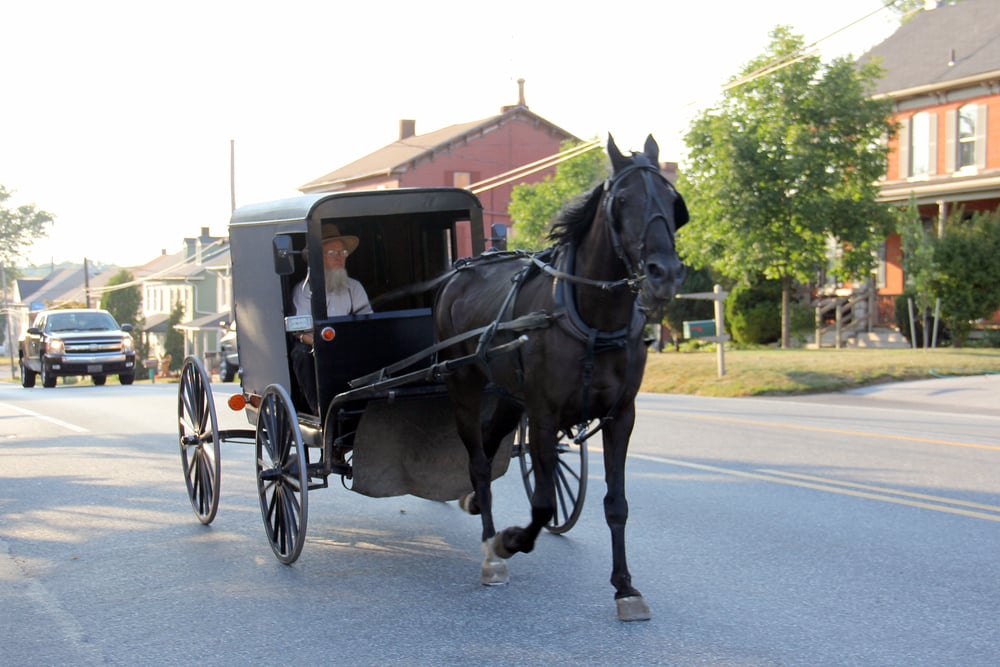
The Amish created perhaps history’s most specific facial hair law: married men must grow beards but cannot have mustaches. This wasn’t arbitrary fashion — mustaches were associated with military service, which the Amish opposed on religious grounds.
The rule applied only after marriage, creating a visual system where you could determine any Amish man’s marital status from across a field. Single men stayed clean-shaven.
Married men grew increasingly impressive beards that marked years of marriage. The system worked so well that Amish communities still follow it today.
French Revolutionary Facial Hair
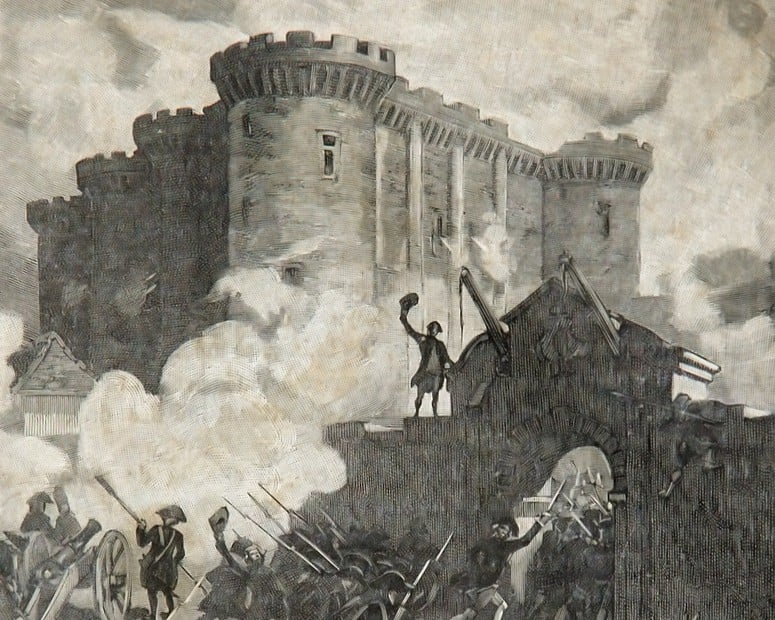
Revolutionary France flipped facial hair politics completely upside down. Under the monarchy, elaborate wigs and clean-shaven faces marked aristocratic status.
During the Revolution, natural hair and rugged beards became symbols of authentic citizenship. The Committee of Public Safety actually tracked facial hair trends as indicators of political loyalty.
Too well-groomed and you risked accusations of aristocratic sympathies. Too wild and you might be labeled a dangerous radical.
Finding the perfect revolutionary beard length became a matter of survival. Some men hired barbers specifically to achieve politically correct stubble.
American Civil War Regulations
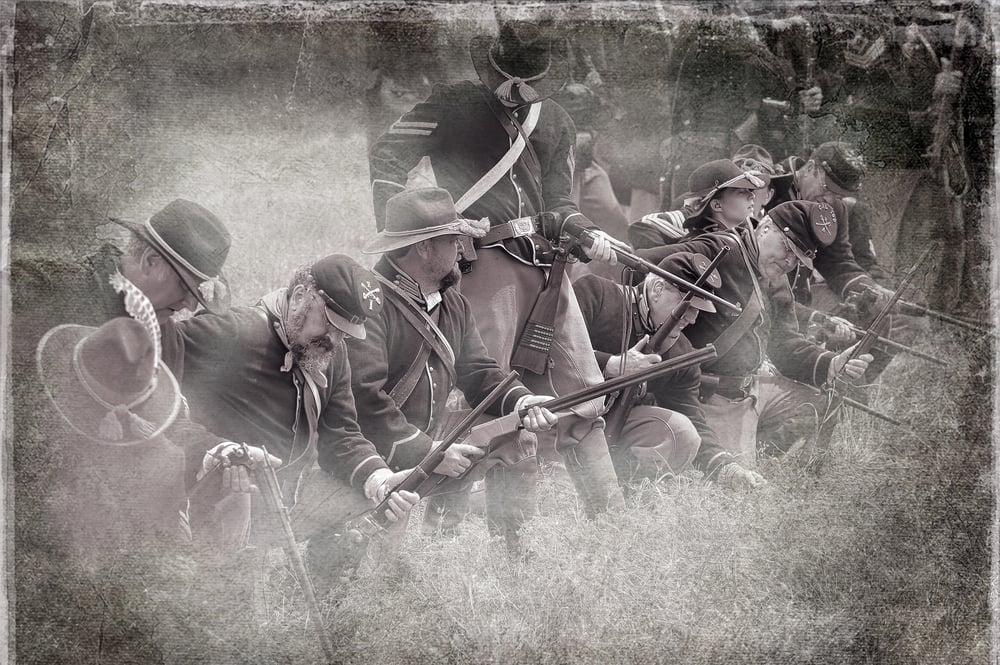
Union and Confederate armies had opposite beard policies that reflected deeper cultural divisions. Union regulations favored clean-shaven discipline — military precision reflected in grooming standards.
Confederate forces allowed more individual expression in facial hair choices. General Ambrose Burnside’s distinctive whiskers (which inspired the word “sideburns,” derived from his name) became associated with Union officers, while some Confederate generals were known for impressive beards.
Photos from the period show clear visual differences between the armies based purely on grooming standards. Facial hair became another way to identify which side a soldier fought for.
Sikh Religious Requirements
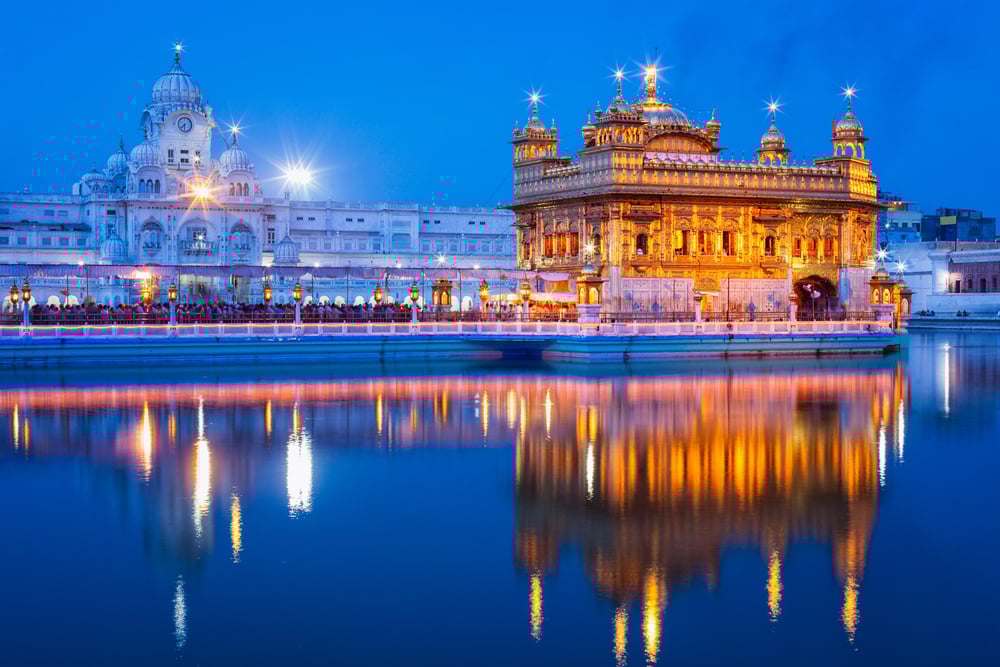
Sikhism requires men to maintain uncut facial hair as one of the Five Ks — religious articles that demonstrate faith commitment. This created legal conflicts in countries with military service requirements or safety regulations.
The turban and beard combination has faced discrimination in multiple legal systems. Some governments created religious exemptions.
Others forced Sikh men to choose between their faith and citizenship privileges. Legal battles continue today over workplace safety requirements versus religious freedom.
The conflicts reveal how personal grooming choices intersect with constitutional rights.
Modern Turkish Beard Laws
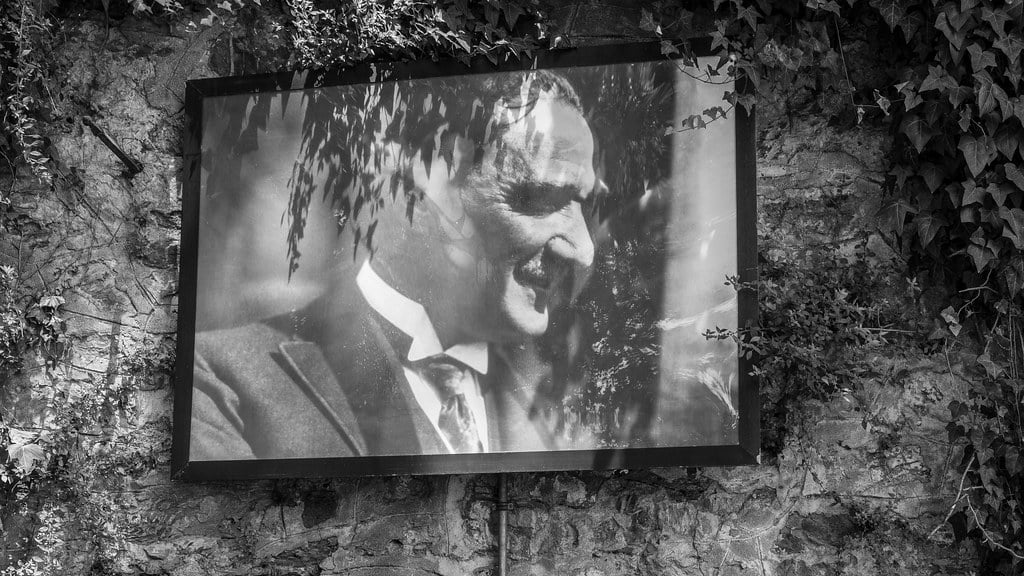
Mustafa Kemal Atatürk banned traditional Ottoman facial hair styles as part of Turkey’s modernization campaign. Religious beards were specifically targeted as symbols of backward-looking traditionalism that interfered with national progress.
The ban lasted decades and created underground beard-growing movements. Men would grow facial hair in secret, shaving only for public appearances.
Some moved to rural areas where enforcement was lighter. When restrictions finally relaxed, Turkish men celebrated by growing elaborate facial hair that had been illegal for generations.
Soviet Grooming Standards
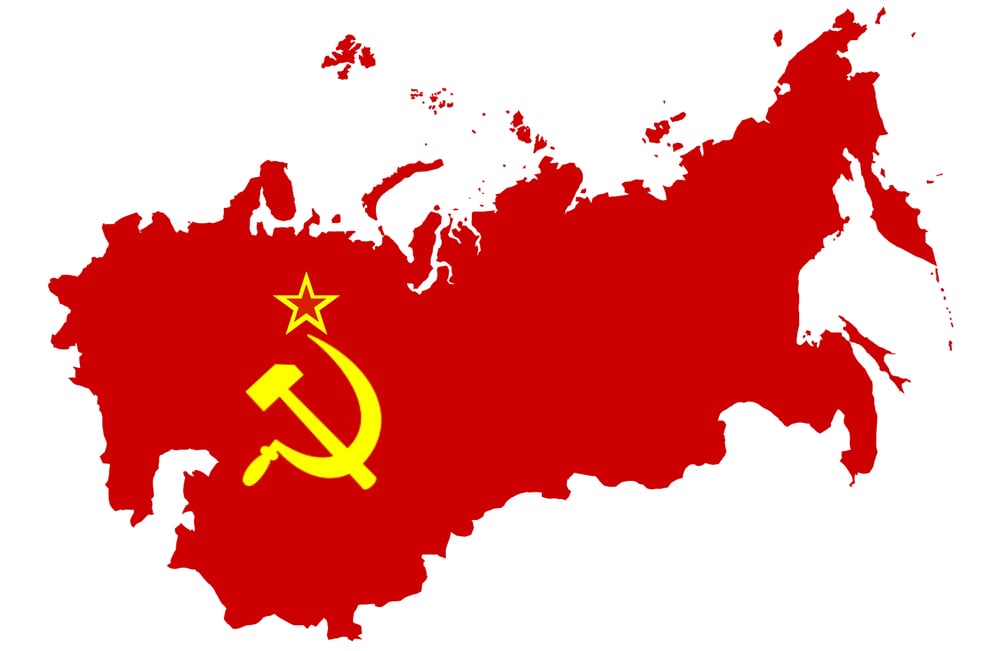
The Soviet Union never formally banned beards, but party membership and career advancement strongly favored clean-shaven faces. Stalin’s mustache was an exception that proved the rule — only the supreme leader could maintain facial hair without political consequences.
Photographs from Soviet-era government meetings show remarkably uniform clean-shaven faces. Men who wanted to advance professionally learned to shave daily.
Beards became associated with dissidents, intellectuals, and other politically suspect categories. The grooming standard was enforced through social pressure rather than legal requirement, making it more effective than formal laws.
The Whiskers That Shaped Nations
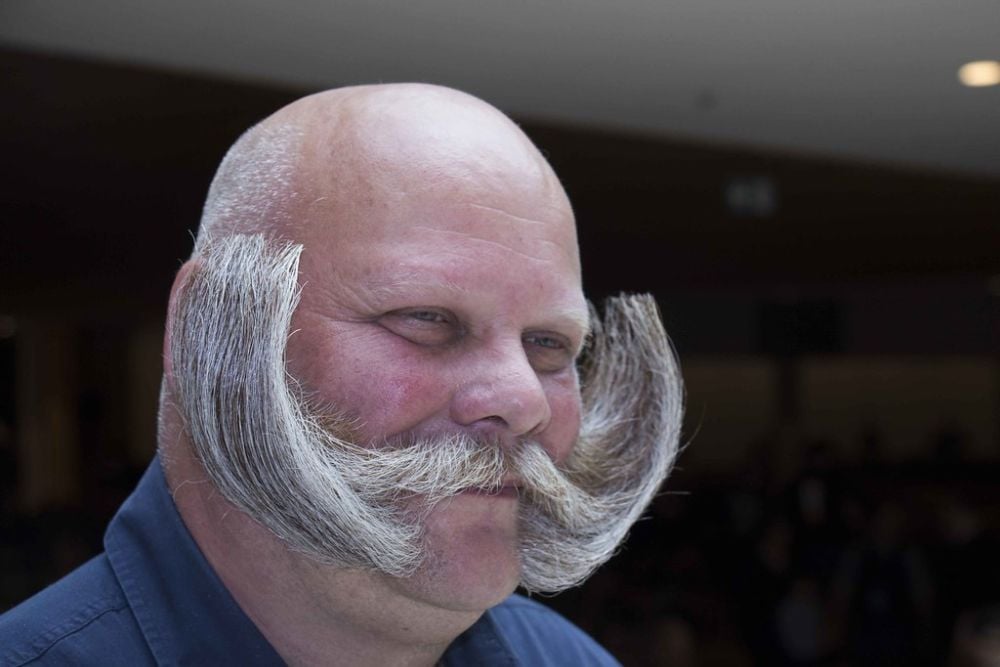
Laws about facial hair reveal something unsettling about power: how quickly the personal becomes political when someone in authority decides your appearance threatens their vision of proper society. These weren’t just rules about grooming — they were tools for sorting populations, enforcing conformity, and marking who belonged where in carefully constructed social hierarchies.
The strangest part isn’t that these laws existed, but how seriously everyone took them. Men risked imprisonment, bankruptcy, and exile rather than shave.
Governments spent enormous resources enforcing beard regulations. Entire bureaucracies developed around monitoring facial hair compliance.
All for something that grows back in a few weeks if you change your mind.
More from Go2Tutors!

- The Romanov Crown Jewels and Their Tragic Fate
- 13 Historical Mysteries That Science Still Can’t Solve
- Famous Hoaxes That Fooled the World for Years
- 15 Child Stars with Tragic Adult Lives
- 16 Famous Jewelry Pieces in History
Like Go2Tutors’s content? Follow us on MSN.



