15 Foods People Tried to Ban (But Everyone Kept Eating Them)
Throughout history, various foods have faced attempts at prohibition for reasons ranging from health concerns to moral panics and political agendas. Despite these efforts to restrict or outlaw certain foods, people have persistently found ways to keep enjoying their favorite forbidden treats.
These attempted bans often backfired, sometimes even increasing the popularity of the targeted foods. Here is a list of 15 foods that faced bans or restrictions but remained stubbornly present on dinner tables around the world.
Coffee

Coffee has faced numerous bans throughout history, starting in Mecca in 1511 when leaders feared its stimulating effects would promote radical thinking. In the 16th century, Italian clergymen labeled it ‘Satan’s drink’ and petitioned Pope Clement VIII to ban it.
After tasting the beverage himself, the Pope reportedly baptized it instead, declaring it a Christian drink and effectively ending the controversy.
Alcohol

Prohibition in the United States from 1920 to 1933 stands as perhaps the most famous food ban in modern history. The nationwide constitutional ban on alcohol production and sales did little to curb consumption, instead giving rise to speakeasies and bootlegging operations.
Americans continued drinking at almost pre-prohibition levels while organized crime flourished, eventually leading to the ban’s repeal.
Margarine
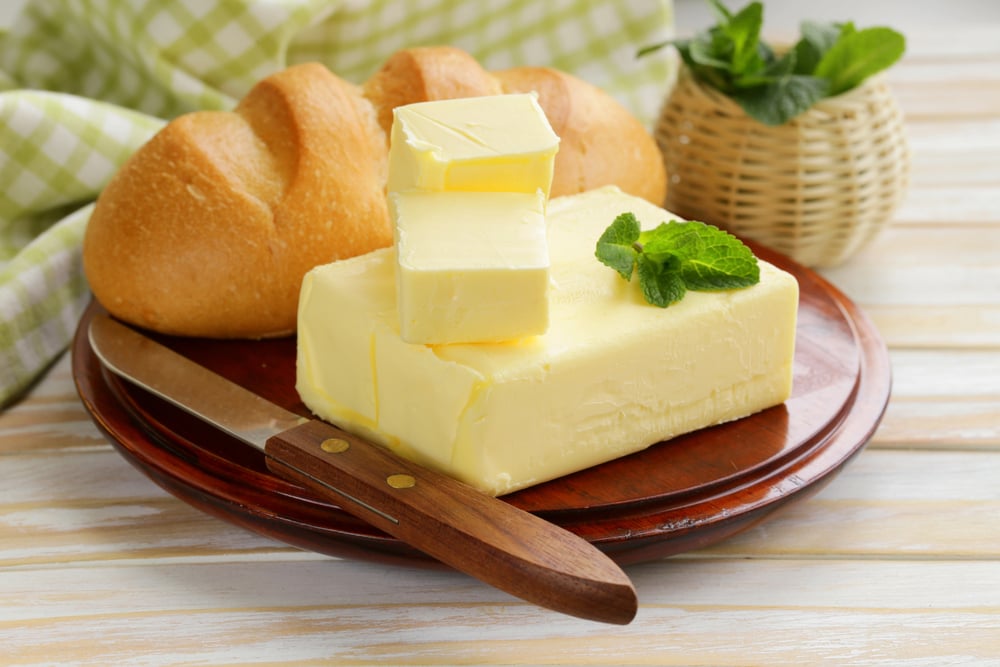
Butter producers in the late 19th century successfully lobbied for restrictions on margarine, which they viewed as unwelcome competition. Several states enacted laws requiring margarine to be dyed pink or black to make it less appetizing, while others imposed heavy taxes.
Wisconsin even banned colored margarine until 1967, leading to a thriving black market of yellow margarine smuggling from neighboring states.
Absinthe
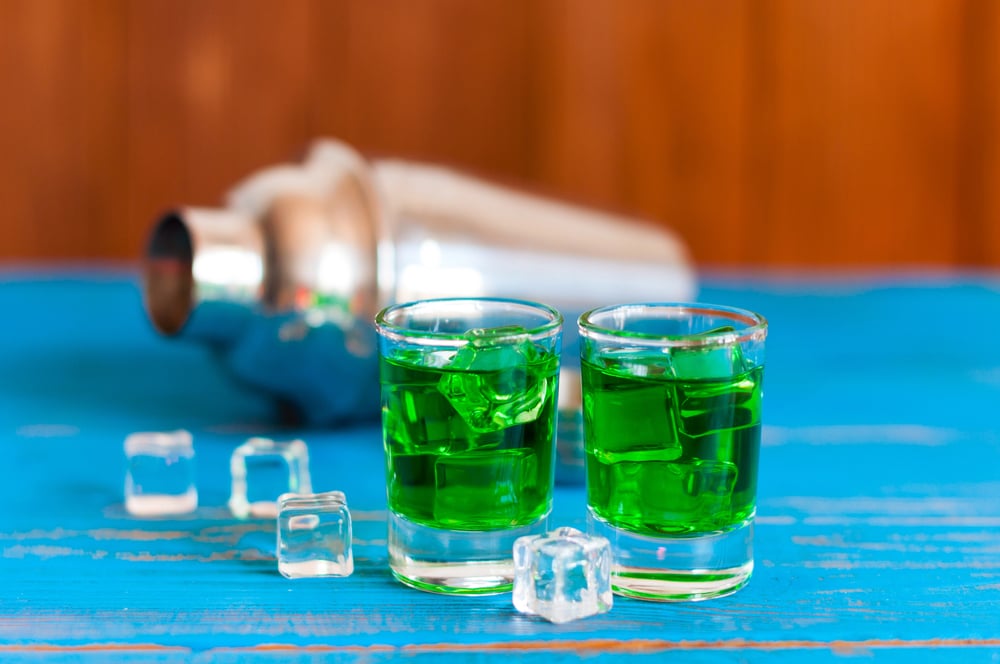
The green spirit gained immense popularity in late 19th-century Europe before facing bans in numerous countries due to fears about thujone, a compound derived from wormwood that was incorrectly believed to cause hallucinations and madness. The moral panic surrounding absinthe didn’t stop enthusiasts from producing and consuming it illegally, and modern scientific analysis has disproven many of the exaggerated claims about its dangers.
Foie Gras
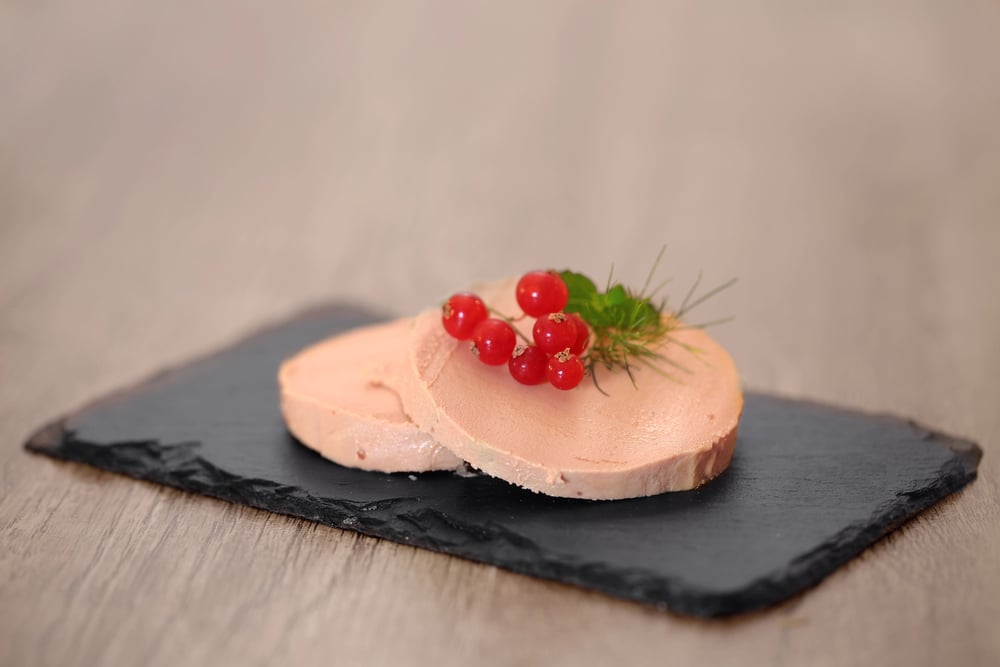
This controversial French delicacy, made from the fattened livers of force-fed ducks or geese, has faced bans in several countries and regions due to animal welfare concerns. California implemented a ban in 2012, repealed it, then reinstated it in 2022, creating a complex legal situation.
Despite the controversy, foie gras remains highly sought after, with enthusiasts traveling to areas where it’s legal or finding underground suppliers.
Horse Meat
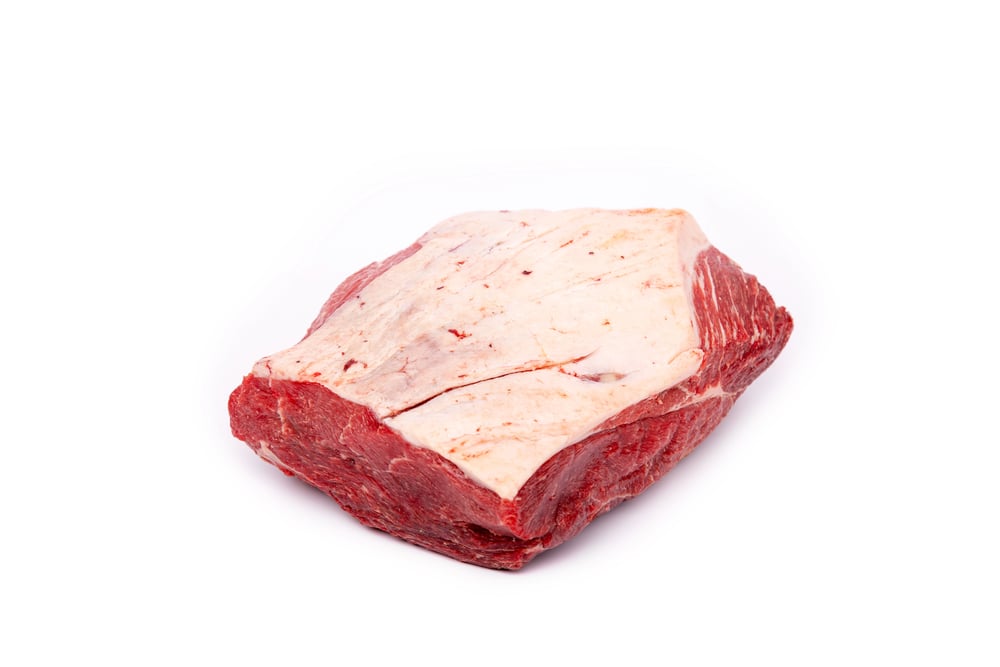
Cultural taboos against eating horse meat have led to various restrictions in English-speaking countries, particularly the United States. Though never completely outlawed for consumption, funding for horse meat inspections was effectively eliminated in 2007, creating a de facto ban.
Nevertheless, horse meat continues to be widely consumed in countries like France, Belgium, and Japan, where it’s considered a delicacy.
Haggis
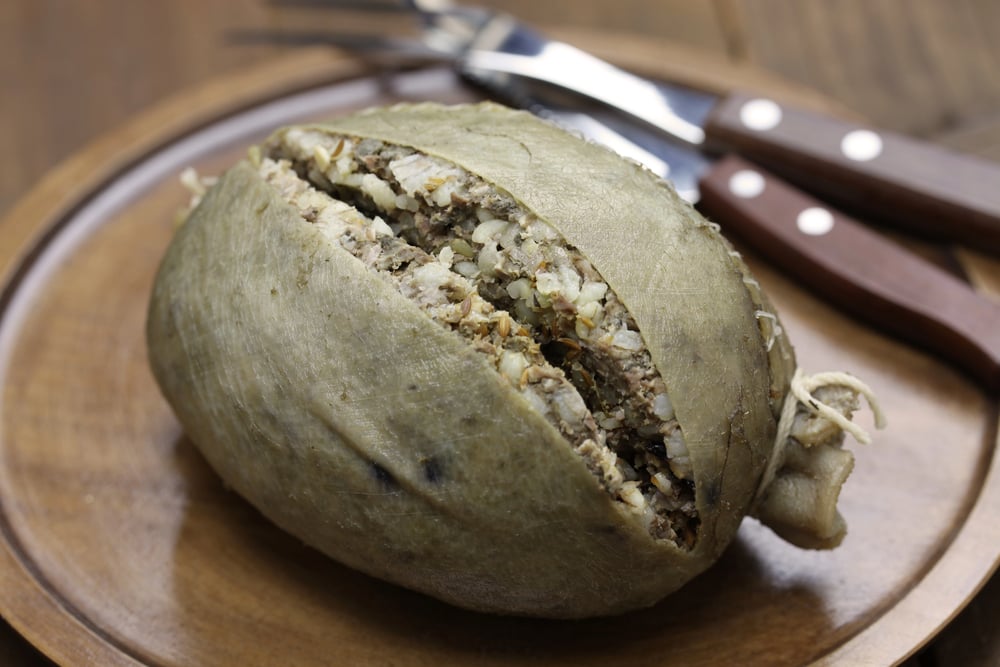
Scotland’s national dish of sheep’s heart, liver, and lungs minced with onion, oatmeal, and spices has been banned in the United States since 1971 due to regulations against consuming sheep lungs. Scottish expatriates and enthusiasts have kept the tradition alive with alternative recipes using permitted ingredients, while visitors to Scotland often make a point of trying authentic haggis.
Kinder Surprise Eggs
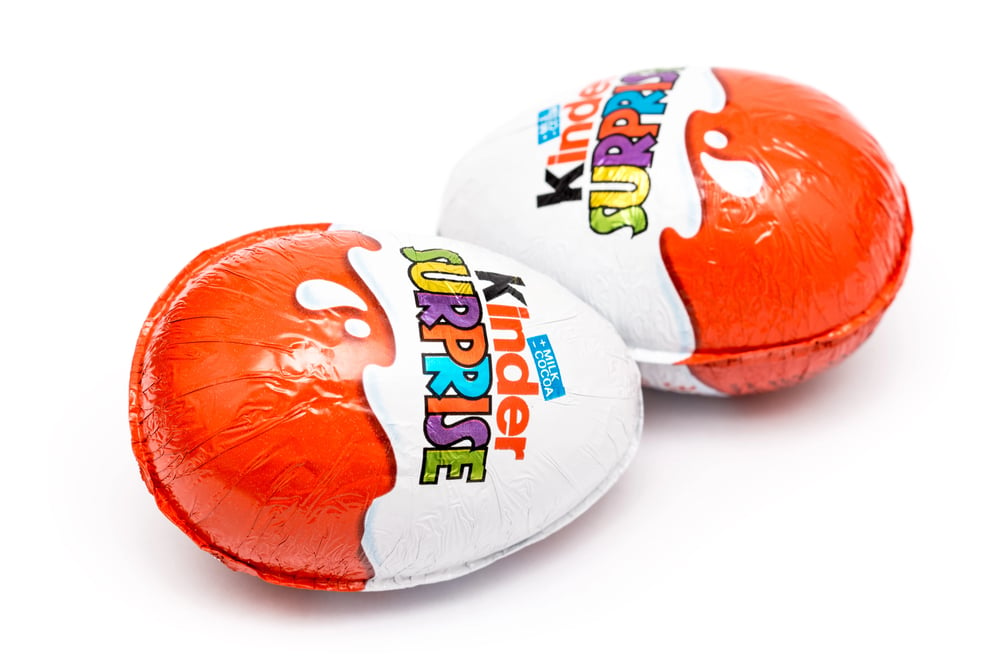
These chocolate eggs containing small toys inside have been banned in the United States since 1938 under a law prohibiting non-nutritive objects embedded in confections. The ban hasn’t diminished their global popularity, and Americans frequently bring them back from international trips despite border restrictions.
A modified version called Kinder Joy eventually entered the U.S. market with the toy packaged separately from the chocolate.
Raw Milk
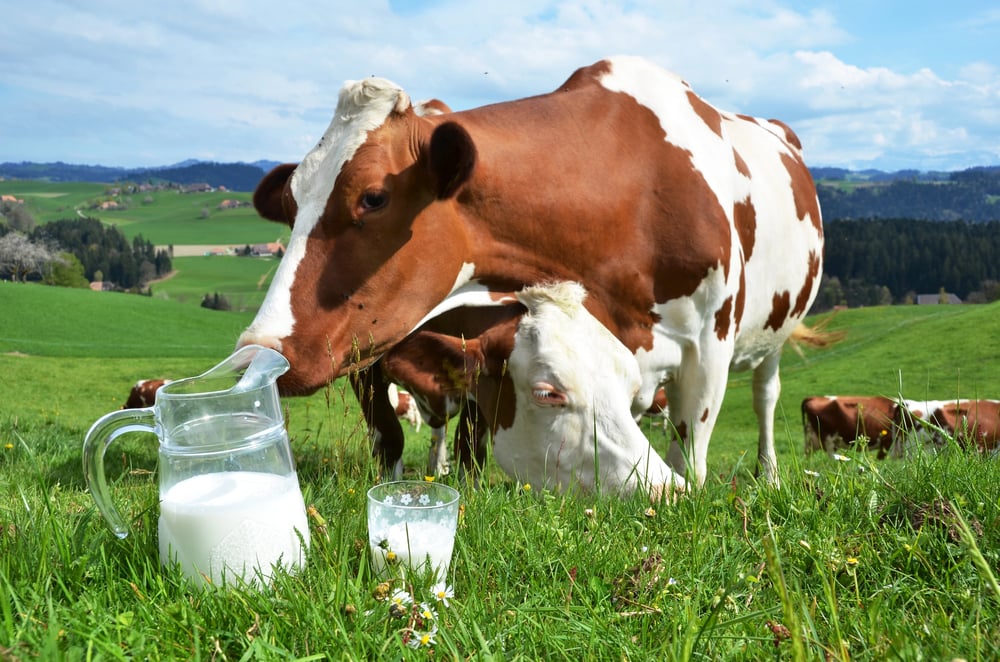
Unpasteurized milk faces restrictions in many countries, including the United States, where interstate sales are prohibited. Advocates claim raw milk offers health benefits and superior taste, leading to creative workarounds like cow-share programs where consumers technically own part of the cow and therefore aren’t ‘buying’ milk.
The underground raw milk market continues to thrive despite regulatory crackdowns.
Unpasteurized Cheese
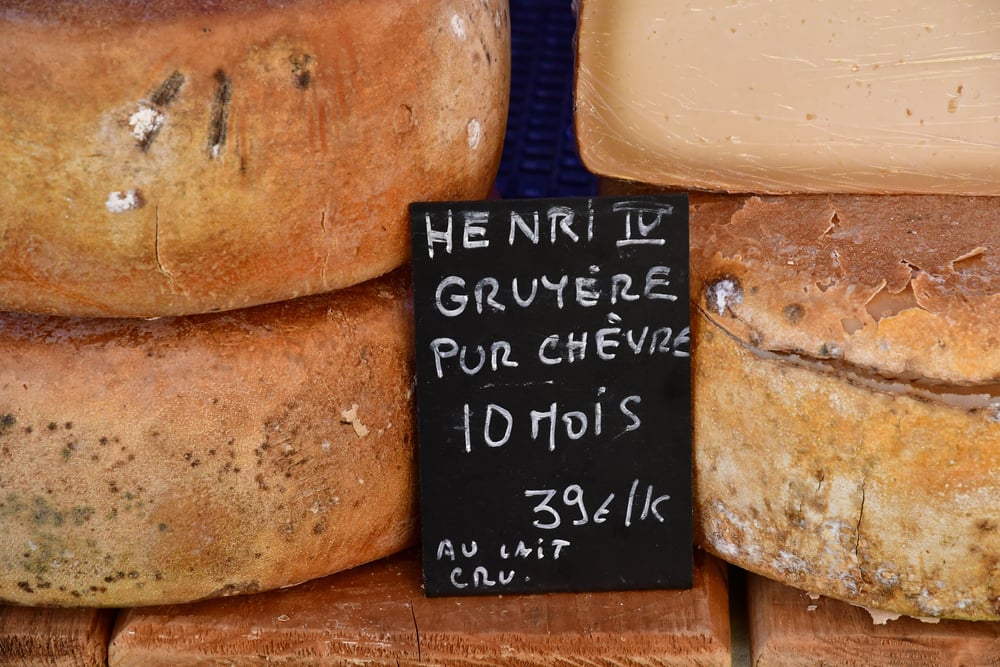
Similar to raw milk, many traditional cheeses made with unpasteurized milk face import restrictions or outright bans in various countries. Cheese enthusiasts regularly smuggle favorites like young raw-milk Brie or Camembert from Europe into the U.S., creating a black market for these traditionally produced delicacies.
Some American cheesemakers have also begun producing raw-milk cheeses aged over 60 days, which is legal under federal regulations.
Ackee
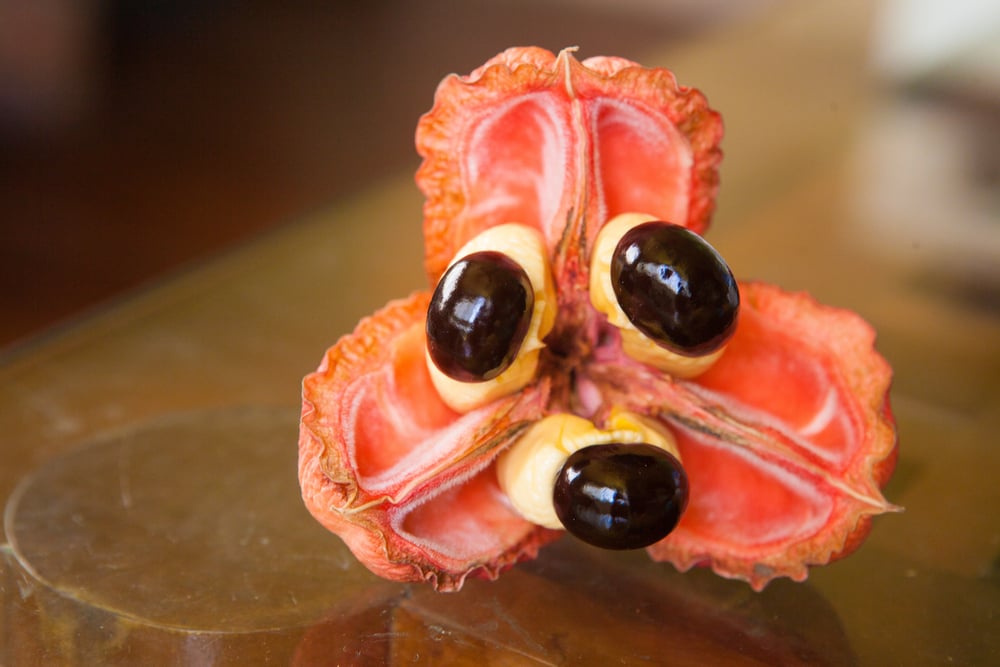
This tropical fruit native to West Africa and popular in Jamaican cuisine contains hypoglycin, which can cause severe illness if the fruit is consumed before it’s fully ripe. The FDA banned its import into the United States in 1973, but Jamaican communities have maintained demand for this cultural staple.
Canned ackee that meets safety standards was eventually permitted for import, though the fresh fruit remains restricted.
Fugu (Pufferfish)
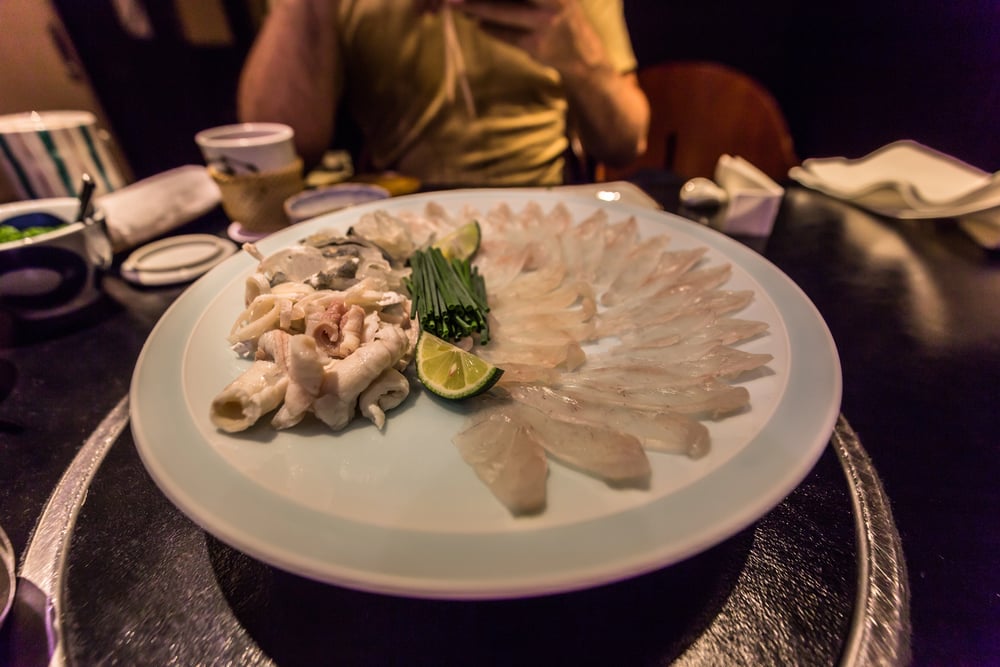
This Japanese delicacy contains tetrodotoxin, a potent neurotoxin that can be fatal if the fish is improperly prepared. Japan strictly regulates fugu preparation, requiring chefs to undergo years of training and certification.
Despite the risks and restrictions, fugu remains highly prized for its unique flavor and the thrill of consuming a potentially dangerous food, with enthusiasts traveling great distances for authentic experiences.
Sannakji
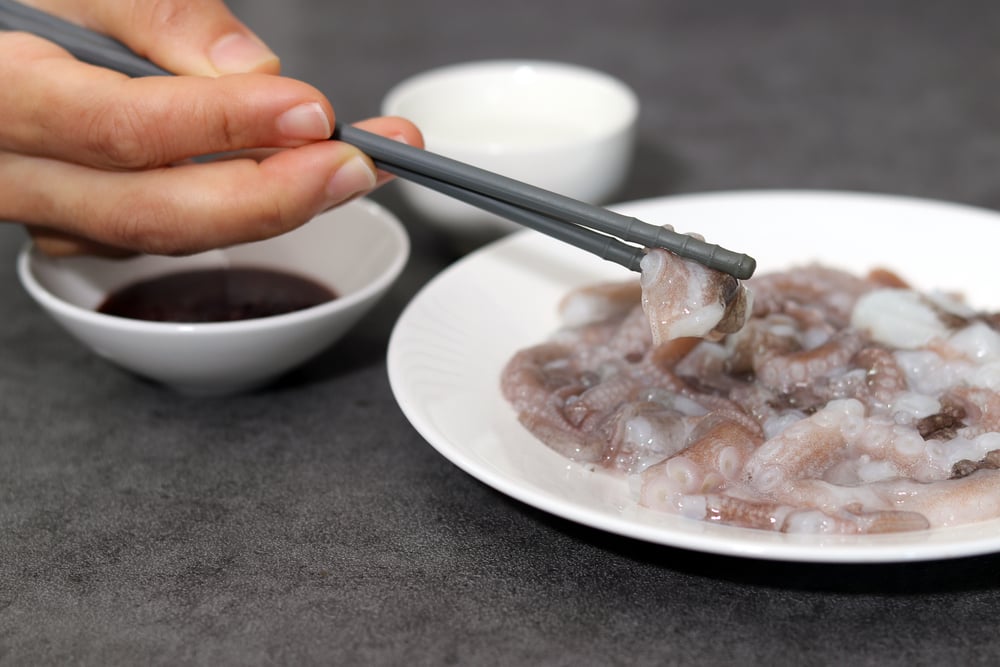
This Korean dish consists of live octopus tentacles seasoned and served immediately after being cut from the animal. The tentacles continue to move on the plate and can pose a choking hazard as the suction cups remain active.
Though banned or restricted in some countries due to both safety and animal welfare concerns, it remains a sought-after delicacy in South Korea, especially among tourists looking for extreme culinary experiences.
Casu Marzu
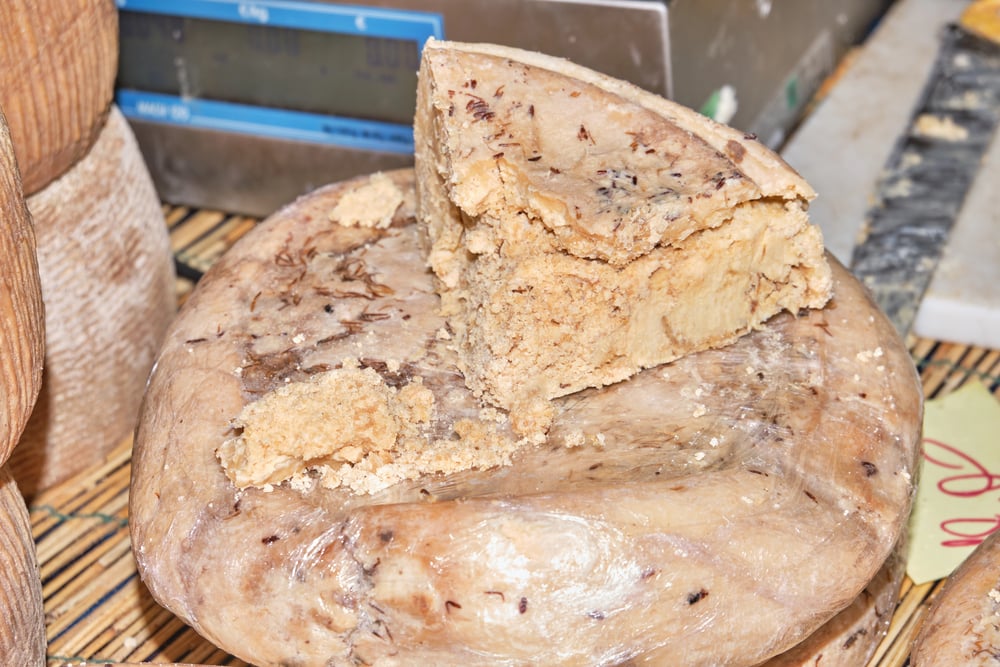
This Sardinian cheese achieves its distinctive flavor through the deliberate introduction of cheese fly larvae, which digest the fats in the cheese. The EU banned it for years due to hygiene regulations prohibiting consuming food containing live insects. Sardinians continued producing it illegally, considering it a cultural heritage food.
The ban was eventually modified to allow limited traditional production, though it remains difficult to obtain outside Sardinia.
Shark Fin Soup
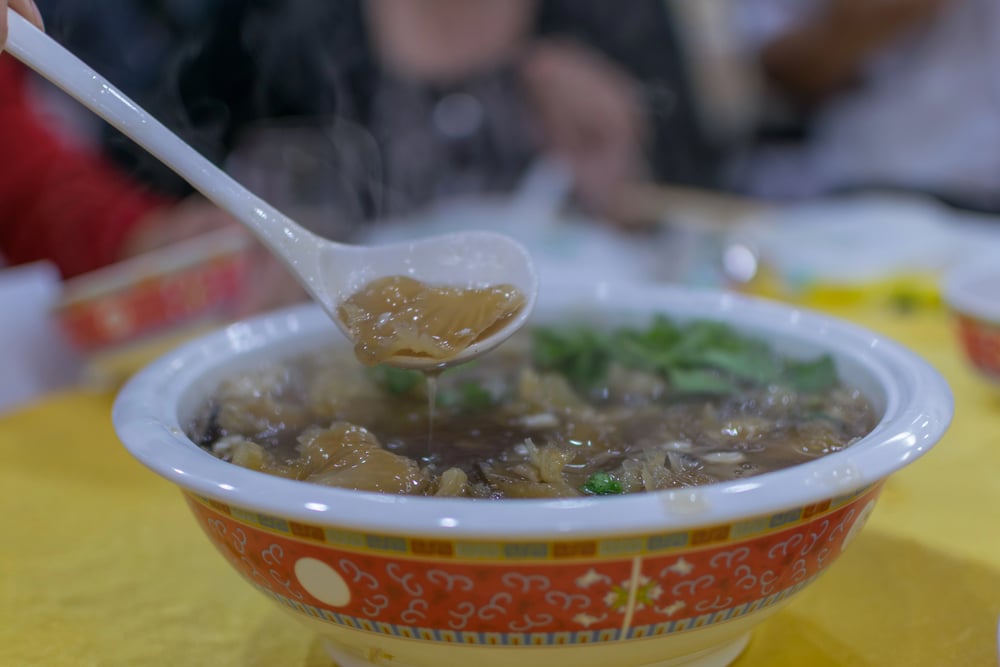
This traditional Chinese delicacy has faced increasing restrictions worldwide due to concerns about cruel harvesting practices and shark conservation. Despite bans in numerous countries and regions, including many U.S. states, underground markets persist, especially for weddings and important cultural celebrations where the soup traditionally symbolizes prosperity and honor.
Food That Never Goes Away
The history of food bans reveals much about human nature and our relationship with controversial cuisine. Foods become intertwined with cultural identity, tradition, and personal freedom, making them remarkably resistant to prohibition.
Most banned foods either find legal paths back to consumers through regulation changes, or persist through black markets and underground production. When authorities attempt to restrict what people eat, they often discover that food preferences run deeper than law.
As with many prohibitions, banning foods frequently backfires, creating mystique that increases demand while driving consumption underground rather than eliminating it. What’s clear is that for many people, the forbidden fruit—or cheese, or beverage—often tastes the sweetest.
More from Go2Tutors!

- The Romanov Crown Jewels and Their Tragic Fate
- 13 Historical Mysteries That Science Still Can’t Solve
- Famous Hoaxes That Fooled the World for Years
- 15 Child Stars with Tragic Adult Lives
- 16 Famous Jewelry Pieces in History
Like Go2Tutors’s content? Follow us on MSN.