14 Places Where ChatGPT Is Restricted
In the realm of technology, ChatGPT has gained a lot of attention. It can discuss nearly anything and is quick and helpful.
However, it’s not welcome—or at least not entirely permitted—in some places. Its use is restricted by regulations set by various governments and organizations.
You may be surprised by some of these limitations. Let’s examine 14 locations where ChatGPT is restricted, blocked, or subject to strict regulations.
China

In China, ChatGPT is not formally accessible. The nation has strict internet regulations and frequently blocks websites and apps from other countries.
Instead, local tech companies provide their own chatbots that adhere to stringent government regulations. Using a VPN to access ChatGPT isn’t always successful.
North Korea
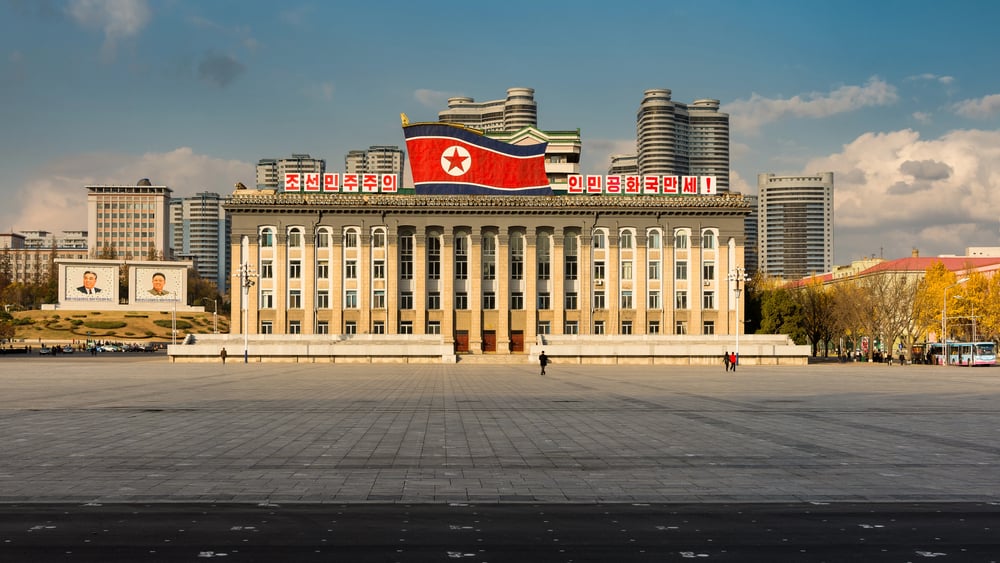
No surprise here—almost all outside internet tools are blocked in North Korea. People don’t have access to global platforms, and ChatGPT is no exception.
Only a small group connected to the government can use the internet, and even that is tightly watched. Most of the population never even sees tools like ChatGPT.
Iran
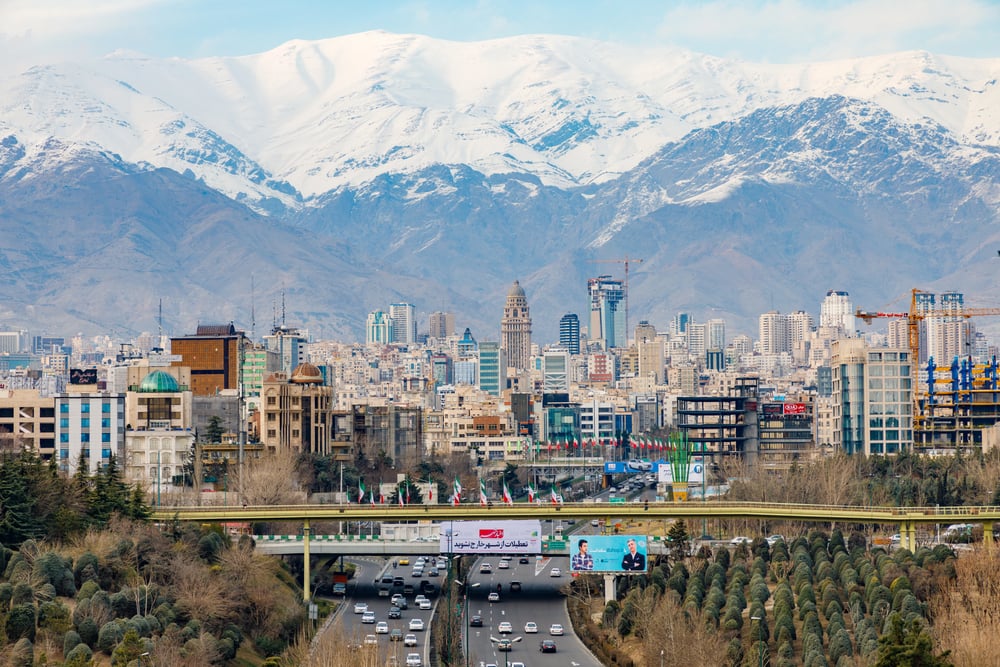
Iran has a long history of internet censorship. ChatGPT is not officially accessible, and many websites related to AI are blocked.
Some people try to use VPNs to get around this, but it’s risky. The government often monitors online activity and can restrict access quickly.
Russia
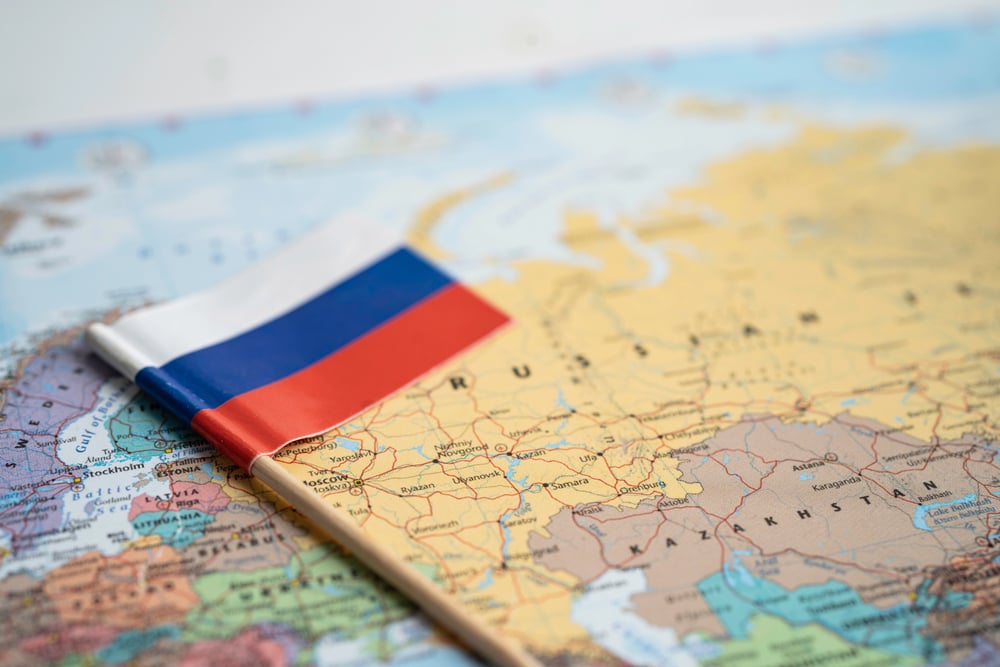
While ChatGPT isn’t fully banned in Russia, it faces heavy restrictions. The government has raised concerns about data privacy and foreign influence.
Some schools and offices are warned not to use it. It’s available in some parts, but under close watch.
Myanmar

After recent political changes, Myanmar has tightened control over the internet. Access to platforms like ChatGPT is limited, especially in rural areas.
Government blocks and unstable service make it hard to use AI tools. The digital divide is growing wider in the region.
Cuba

Cuba allows limited internet access, and most people connect through government-run networks. Tools like ChatGPT are often blocked or don’t function properly.
High data costs and slow speeds add to the challenge. It’s just not a place where AI can easily thrive.
Sudan

In Sudan, political unrest and poor infrastructure lead to frequent internet blackouts. Even when the internet works, many global services like ChatGPT are not reliable.
People struggle to connect, and power issues make it worse. It’s not a safe space for modern tools.
Afghanistan
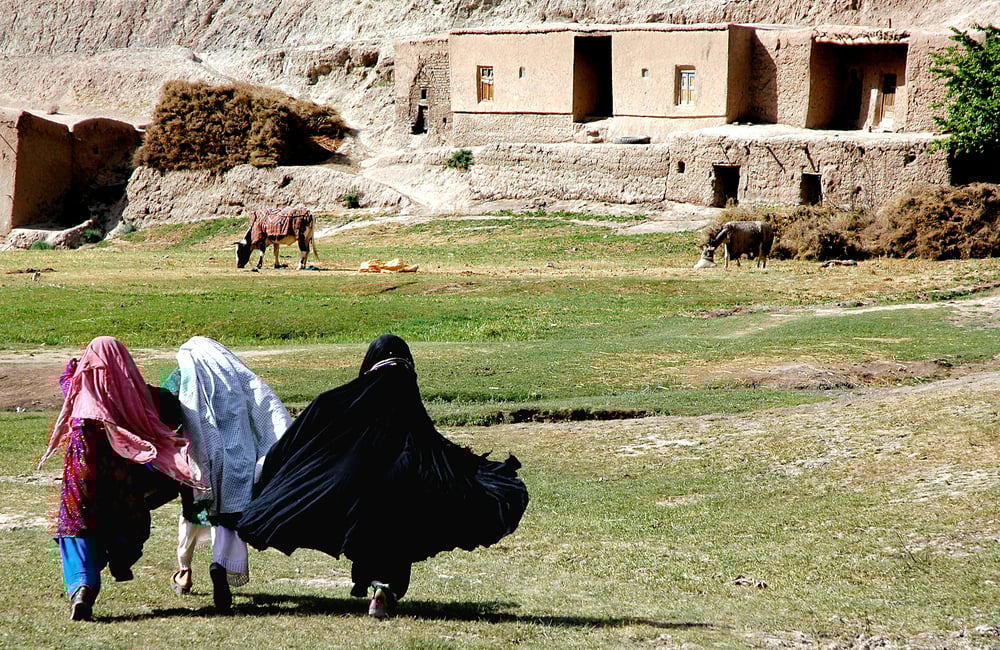
After recent regime changes, Afghanistan’s internet access has become unpredictable. Some parts of the country may still reach ChatGPT, but not for long or reliably.
The lack of digital freedom makes it hard to count on any consistent access. Many services get cut off suddenly.
Belarus
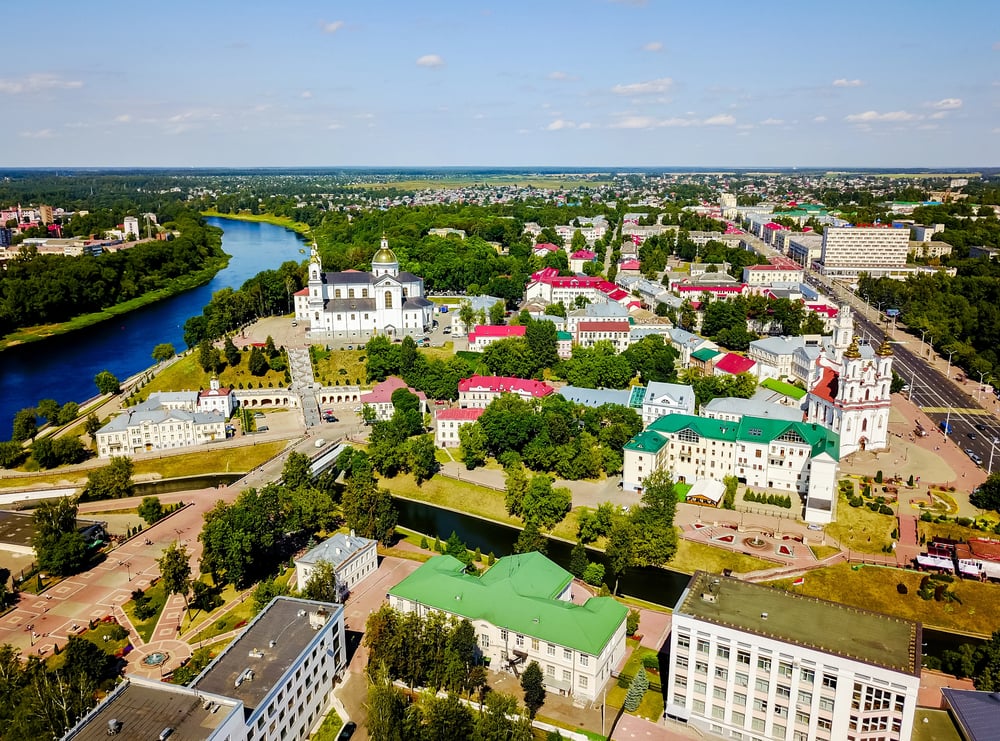
Belarus has a record of controlling online content. ChatGPT is not officially banned, but authorities have spoken out against foreign tech tools.
Public institutions may face pressure to avoid using AI from outside. There’s a sense of being watched when using tools like this.
People were surprised to see a country in Europe take such a step. After updates and new rules, access was restored.
Italy (temporarily)

Italy briefly banned ChatGPT in 2023 over privacy concerns. The ban didn’t last long, but it raised a lot of questions.
People were surprised to see a country in Europe take such a step. After updates and new rules, access was restored.
Schools in New York City

New York City public schools restricted ChatGPT in early 2023. The fear was that students might use it to cheat or skip learning.
Later, the decision was changed as schools began to explore how AI could support teaching. Still, the early ban got a lot of attention.
United Arab Emirates

In the UAE, ChatGPT isn’t blocked outright, but it’s closely watched. Certain government offices and schools have limits on using AI tools.
There’s a strong push for local alternatives. The country wants to build its own systems instead of depending on others.
Public libraries and schools in some U.S. states

Some U.S. libraries and schools have decided to block ChatGPT. These decisions have been influenced by worries about inappropriate content, cheating, and data privacy.
Access may vary based on location because each district sets its own regulations. Across the nation, it’s a mixed bag.
A world still deciding how to use AI

ChatGPT encounters opposition in many places as it expands throughout the world. Some locations ban it to uphold morals, while others do so out of concern for public safety or education.
Its usage is still being figured out, even in nations that permit it. Rules and people often take time to catch up with the rapid advancements in technology.
Ultimately, the way each location responds to ChatGPT reveals a lot about its objectives, concerns, and prospects.
More from Go2Tutors!

- The Romanov Crown Jewels and Their Tragic Fate
- 13 Historical Mysteries That Science Still Can’t Solve
- Famous Hoaxes That Fooled the World for Years
- 15 Child Stars with Tragic Adult Lives
- 16 Famous Jewelry Pieces in History
Like Go2Tutors’s content? Follow us on MSN.