16 Soul Musicians Who Never Got Their Due
Soul music gave birth to some of history’s most transcendent voices and unforgettable songs. For every Aretha Franklin or Marvin Gaye who reached legendary status, though, countless equally gifted artists remained stuck in the shadows. These forgotten voices possessed the same raw emotion, technical mastery, and spiritual depth as their celebrated counterparts—bad timing, weak promotion, or simple industry politics just kept them from the heights they deserved.
Their stories serve as stark reminders that musical brilliance and commercial success rarely walk hand in hand. While we celebrate the undisputed kings and queens of soul, it’s worth shining a light on artists who poured everything into every note but never got proper recognition. Here is a list of 16 soul musicians who never got their due.
James Carr

Most people compared James Carr to Otis Redding because of his devastating emotional power, but Carr’s voice carried something uniquely haunting. His 1967 masterpiece ‘A Losing Game’ delivered gut-wrenching vulnerability that few singers could touch—though personal struggles with bipolar disorder kept his recording output tragically limited. All that remains are a handful of recordings that hint at what could’ve been an absolutely legendary catalog.
Bettye Swann
Born Betty Jean Champion in Louisiana, Bettye Swann brought an elegant sophistication to soul that made her stand apart from everyone else. Her 1967 hit ‘Make Me Yours’ showcased a voice that could shift seamlessly between tender and powerful—earning her a Capitol Records deal. By the late ’70s her career had faded, and she eventually left music altogether to become an educator, robbing the world of one of soul’s most refined voices.
O.V. Wright

Overton Vertis Wright wielded such an influential voice that Otis Redding covered his songs while Al Green openly cited him as major inspiration. His emotional intensity on tracks like ‘That’s How Strong My Love Is’ showed depth that rivaled any soul legend—yet commercial success stayed frustratingly out of reach. Drug addiction cut his life short at 41, ensuring one of soul’s most powerful voices would remain largely unknown.
Lee Dorsey
Despite scoring two Top 10 hits with ‘Ya Ya’ and ‘Working in a Coal Mine,’ Lee Dorsey somehow became the singer time forgot. His collaboration with producer Allen Toussaint—backed by The Meters—created some of the funkiest soul music of the 1960s. The New Orleans native’s playful style helped define the city’s distinctive sound, but he remains criminally underappreciated compared to his peers.
Terry Callier
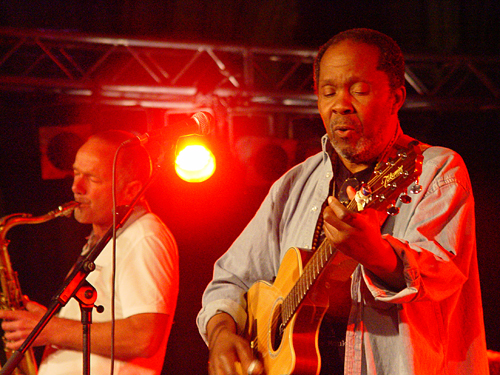
This Chicago native created a unique fusion of jazz, folk, and soul that was decades ahead of its time—though the music industry never figured out how to market his innovative approach. Callier’s intricate guitar work and ethereal vocals influenced countless musicians but remained largely invisible to mainstream audiences. His willingness to experiment across genres may have cost him commercial success, but it created work that sounds fresh decades later.
Solomon Burke
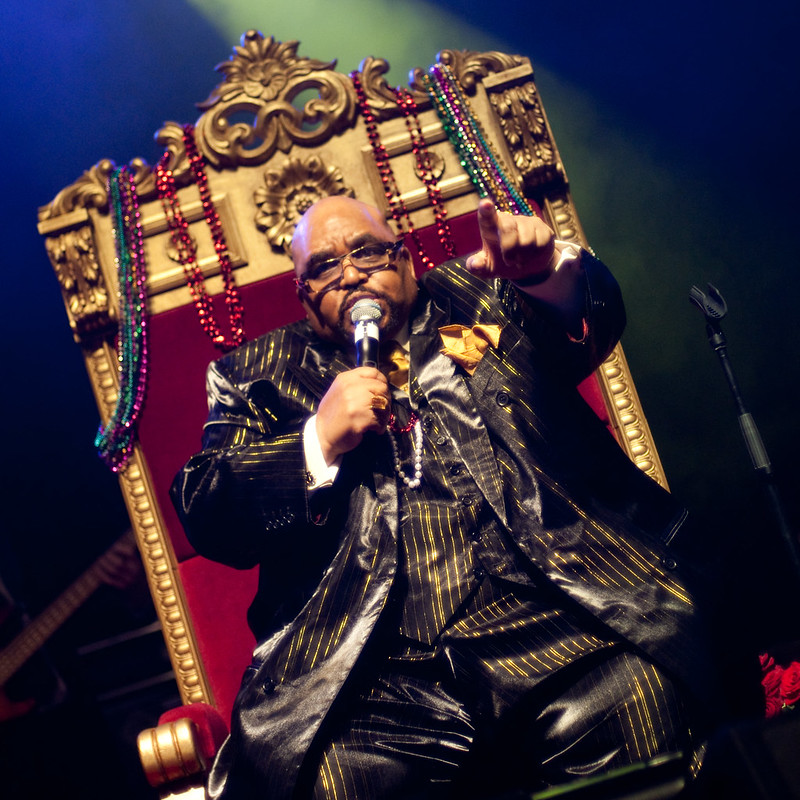
Though crowned ‘The King of Rock and Soul’ in 1963, Solomon Burke never achieved the household name status that title should’ve guaranteed. His theatrical presence and commanding voice on songs like ‘Everybody Needs Somebody to Love’ established him as a soul pioneer—but he was often overshadowed by artists who came after him. Burke’s influence echoes through countless soul legends’ work, making his relative obscurity a true injustice.
Candi Staton
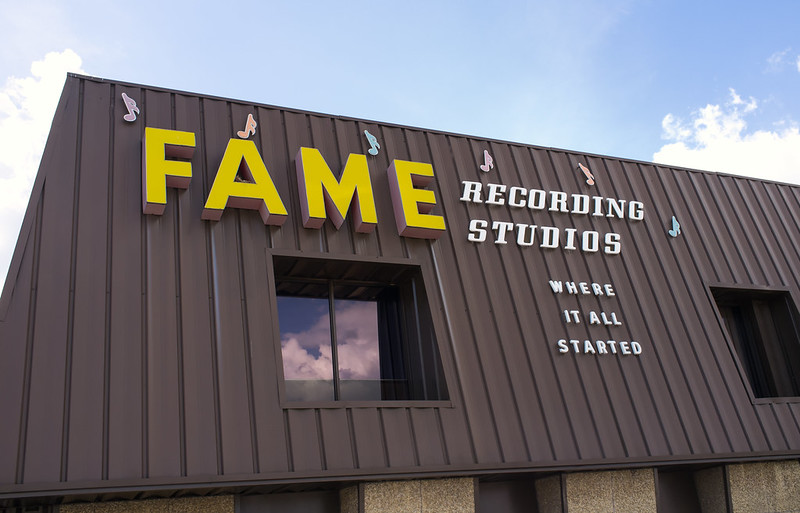
Staton’s powerful voice and emotional range easily rivaled any soul diva of her era—yet she never received widespread recognition that her talent demanded. Her work at Fame Studios in Muscle Shoals produced some of the most moving recordings of the 1970s, including the heartbreaking ‘Young Hearts Run Free.’ Despite critical acclaim and influence on future singers, Staton remained mostly confined to R&B charts while less talented artists crossed over to mainstream success.
Betty Harris

This Florida native possessed a voice that could ‘boom and ache’ with equal power—but industry politics and terrible business deals derailed her career. Harris’s work with producer Allen Toussaint created timeless tracks like ‘Nearer to You,’ which later provided samples for major artists like Christina Aguilera. After leaving music in 1969 due to industry frustration, she didn’t return to performing until 2005, robbing audiences of nearly four decades of potential brilliance.
Arthur Conley
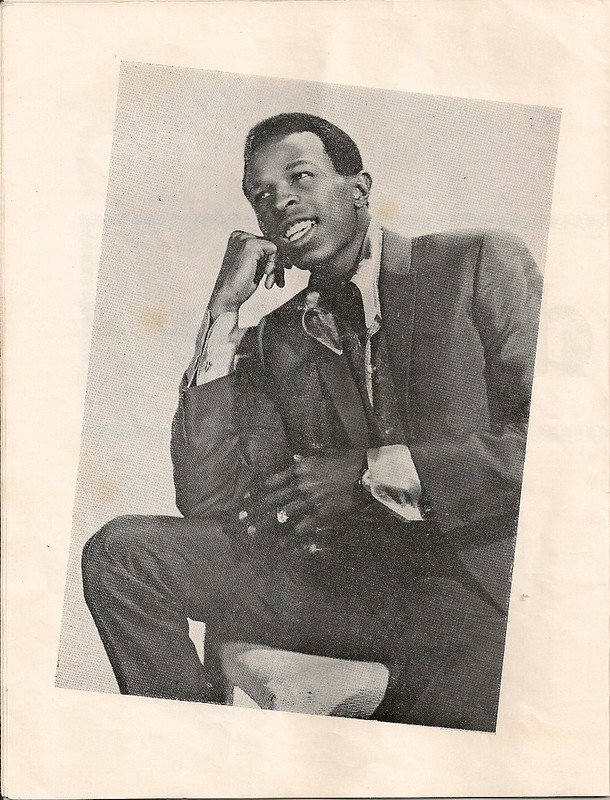
Conley’s bright, energetic voice helped define 1960s soul, particularly through his collaboration with Otis Redding on ‘Sweet Soul Music.’ The song hit number two and sold over a million copies—suggesting big things ahead. Unfortunately, subsequent releases couldn’t match that success, and Conley eventually relocated to Europe where he performed sporadically before dying in 2003.
Darondo

William ‘Darondo’ Pulliam crafted some of the smoothest, most sophisticated funk and soul of the early 1970s from his Bay Area base—then mysteriously vanished from the music scene for three decades. His songs like ‘Didn’t I’ eventually found new life through TV shows like ‘Breaking Bad’ and compilation albums. The fact that such high-quality music could remain virtually unknown for so long shows how many talented artists fell through industry cracks.
Marva Whitney
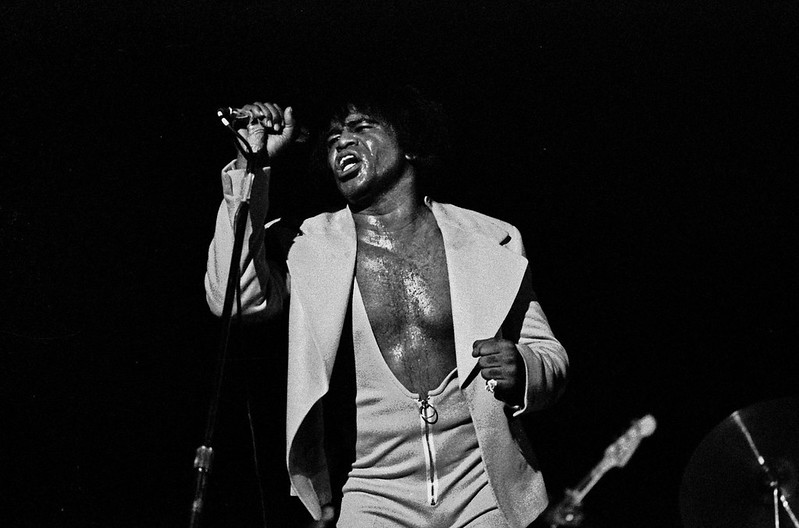
Known as one of James Brown’s ‘Soul Sisters,’ Whitney possessed a commanding voice that could match the Godfather of Soul’s intensity note for note. Her performances of songs like ‘Unwind Yourself’ became so iconic that hip-hop producers have sampled them countless times, yet Whitney herself never achieved the recognition that Brown’s male collaborators received. Despite legendary backing, her contributions to soul music remained largely overlooked by mainstream audiences.
Vicki Anderson

Anderson spent nearly a decade moving in and out of the James Brown Revue, creating response records to Brown’s biggest hits. Her solo tracks like ‘Answer to Mother Popcorn’ demonstrated both vocal prowess and creative songwriting, yet she never escaped Brown’s shadow to establish her own identity. The music industry’s tendency to credit male bandleaders over female vocalists meant Anderson’s contributions were often forgotten.
Justine ‘Baby’ Washington

Despite racking up more than a dozen R&B chart entries between 1959 and 1973, including the Top 10 hit ‘Only Those in Love,’ Washington never achieved diva status like contemporaries Aretha Franklin or Etta James. Her sophisticated vocal style and emotional depth deserved far more recognition than she received. Washington’s ability to convey both vulnerability and strength placed her among the soul’s greatest talents, yet she remains largely unknown to modern audiences.
Lyn Collins
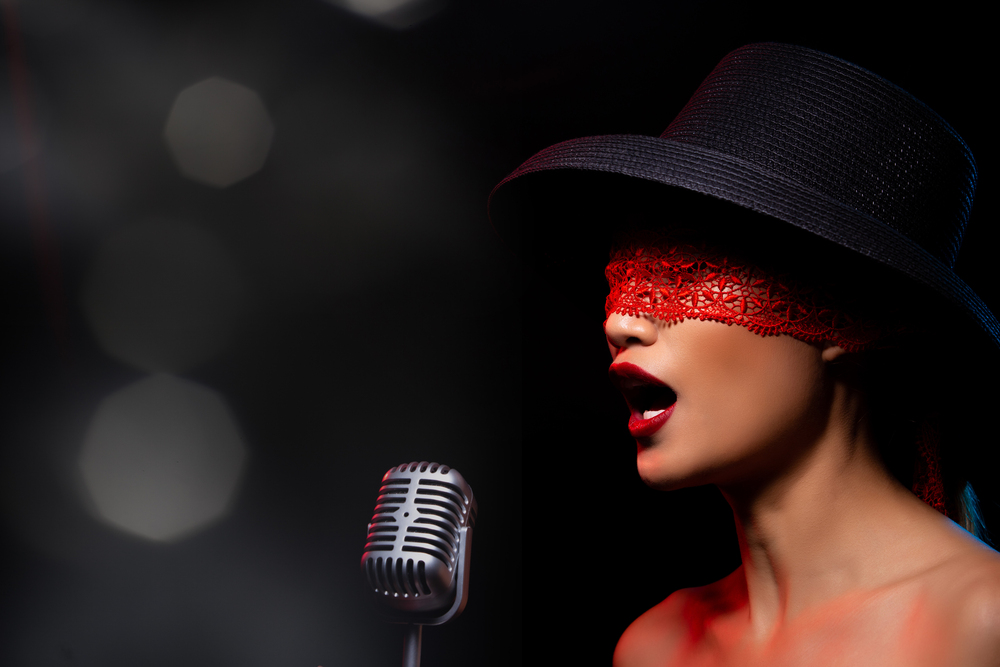
Dubbed ‘The Female Preacher’ for her powerful vocal style, Collins brought a commanding presence to every song she performed with James Brown’s revue. Her version of ‘Think’ became a funk classic, yet like many of Brown’s female collaborators, she struggled to establish recognition outside his organization. Collins’s influence on later generations of female R&B singers was substantial, but her own career never reached the heights her talent warranted.
Lee Fields
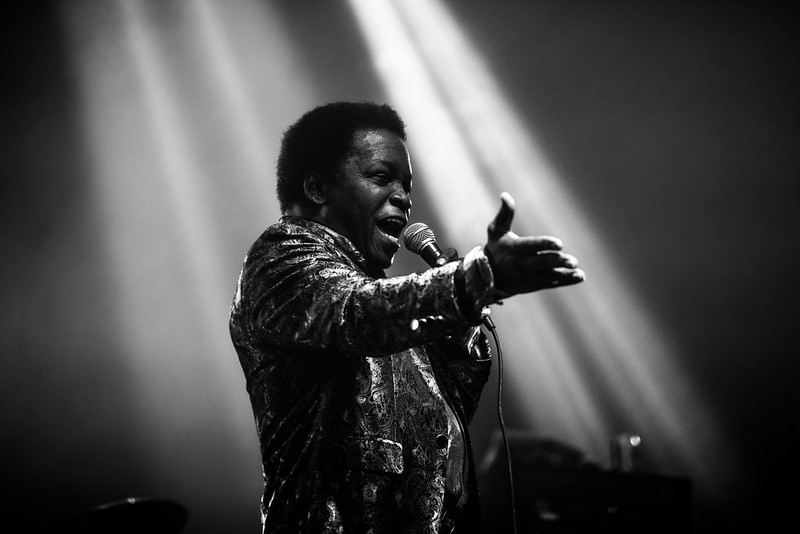
Earning the nickname ‘Little J.B.’ for his similarities to James Brown’s style, Fields possessed the vocal power and stage presence to be a major soul star. His 1979 album ‘Let’s Talk it Over’ showcased a mature artist at his peak, yet commercial success remained elusive. Fields continued performing for decades, building a dedicated following among soul enthusiasts while staying unknown to casual music fans.
Percy Milem
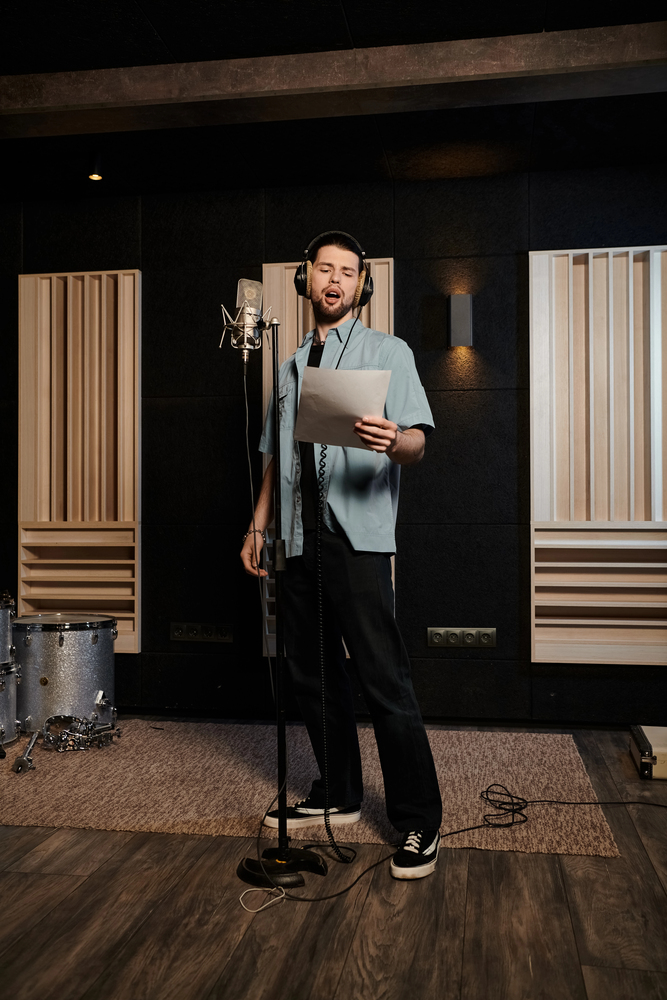
This talented vocalist and songwriter from the South created deeply moving soul music that deserved way more attention than it received. Milem’s emotional approach to storytelling and powerful vocal delivery put him in the same league as more famous soul artists, yet limited promotional support kept his music from reaching wider audiences. His work represents the kind of hidden gem that soul collectors spend years searching for—proof that extraordinary talent doesn’t always translate to fame.
Voices That Time Forgot
These 16 artists remind us that musical history gets written by the winners, but the losers often possessed equal amounts of talent and passion. Their voices carried the same spiritual power and emotional truth that made soul music a transformative force in American culture, yet circumstances beyond their control kept them from achieving deserved recognition. While we can’t change their stories, we can ensure their music lives on, honoring the legacy of artists who gave everything to their craft but received little in return.
More from Go2Tutors!

- 16 Historical Figures Who Were Nothing Like You Think
- 12 Things Sold in the 80s That Are Now Illegal
- 15 VHS Tapes That Could Be Worth Thousands
- 17 Historical “What Ifs” That Would Have Changed Everything
- 18 TV Shows That Vanished Without a Finale
Like Go2Tutors’s content? Follow us on MSN.