15 Scientific Experiments That Accidentally Became Household Products
The laboratory might seem far removed from your kitchen drawer, but science and everyday life intersect more often than you’d think. Some of the most common items we use daily weren’t created with domestic convenience in mind at all.
They emerged from scientists working on completely unrelated problems, military research projects, or even outright mistakes. Here is a list of 15 scientific experiments that accidentally found their way into our homes and changed our daily lives forever.
Super Glue
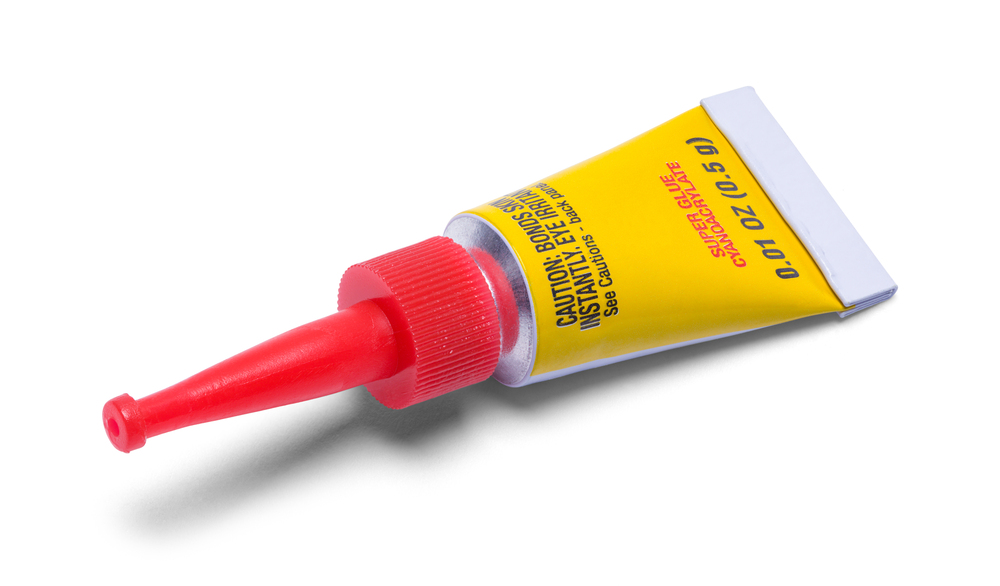
During World War II, scientists were trying to create clear plastic gun sights. Dr. Harry Coover and his team at Eastman Kodak accidentally created a substance that stuck to everything it touched. They initially rejected it as too sticky to be useful.
Years later, in 1958, Coover realized the commercial potential of this adhesive mishap and Super Glue was born. The original formula could bond almost any material with just a drop, making it instantly indispensable in households everywhere.
Microwave Oven
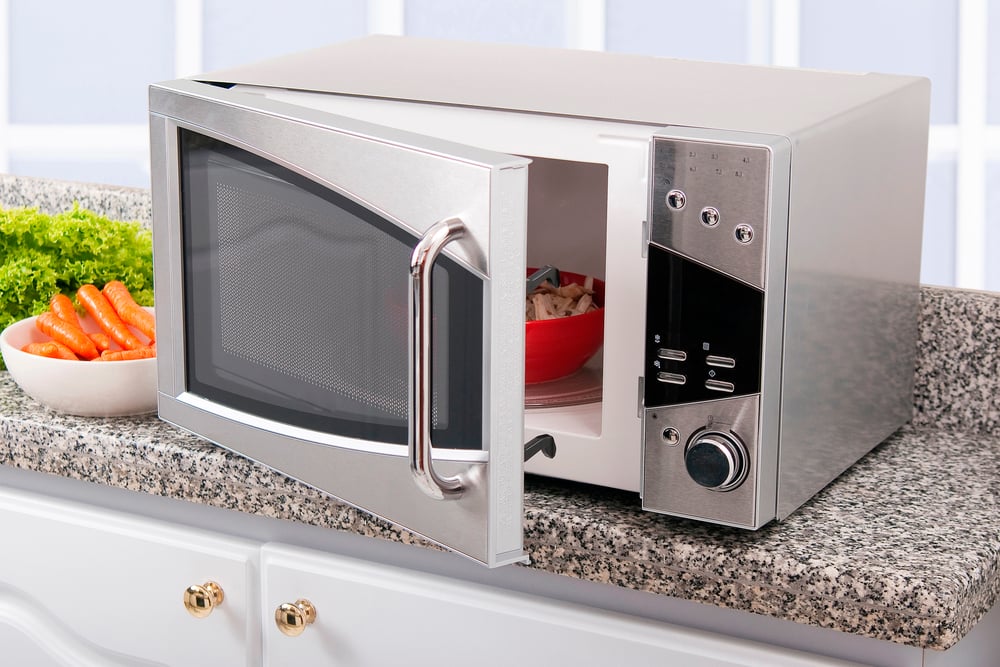
Percy Spencer wasn’t trying to revolutionize cooking when he stood near an active radar set in 1945. He simply noticed the chocolate bar in his pocket had melted.
Spencer, an engineer at Raytheon, began experimenting with the magnetron tubes from radar equipment and soon created the first microwave oven. The original was nearly 6 feet tall and weighed 750 pounds.
Today’s sleek countertop versions heat our leftovers in millions of homes, all because someone happened to have a sweet tooth while working with military equipment.
Like Go2Tutors’s content? Follow us on MSN.
Post-it Notes

A failed attempt at creating a super-strong adhesive led to one of the most ubiquitous office supplies. In 1968, Spencer Silver at 3M developed an adhesive that was weak and seemingly useless because it could be peeled off surfaces without leaving marks.
The breakthrough came when his colleague Art Fry needed bookmarks that wouldn’t fall out of his hymnal. The temporarily sticky paper became the perfect solution.
The distinctive canary yellow color was chosen simply because the lab had scrap yellow paper available for prototypes.
Play-Doh
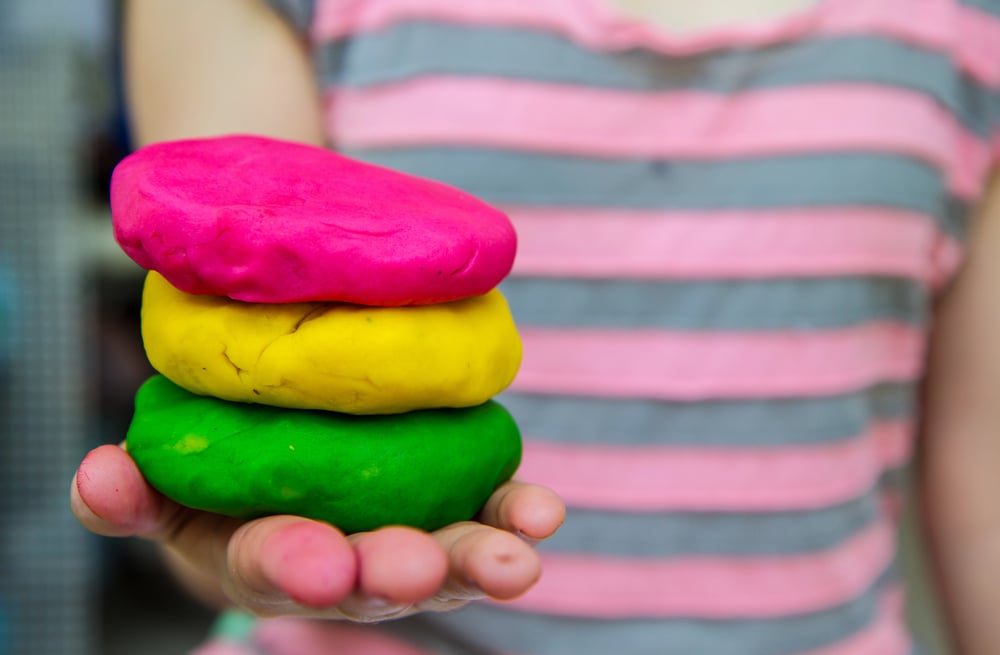
This colorful modeling compound began as a wallpaper cleaner. In the 1930s, Kutol Products created a putty-like substance to remove soot from wallpaper in coal-heated homes.
When heating systems modernized and vinyl wallpapers became washable, demand plummeted. The company faced bankruptcy until they discovered nursery schools were using their product as a modeling clay.
They removed the cleaning chemicals, added colors and a pleasant almond scent, and repackaged it as Play-Doh in 1956. The accidental toy has sold over 3 billion cans since.
Teflon
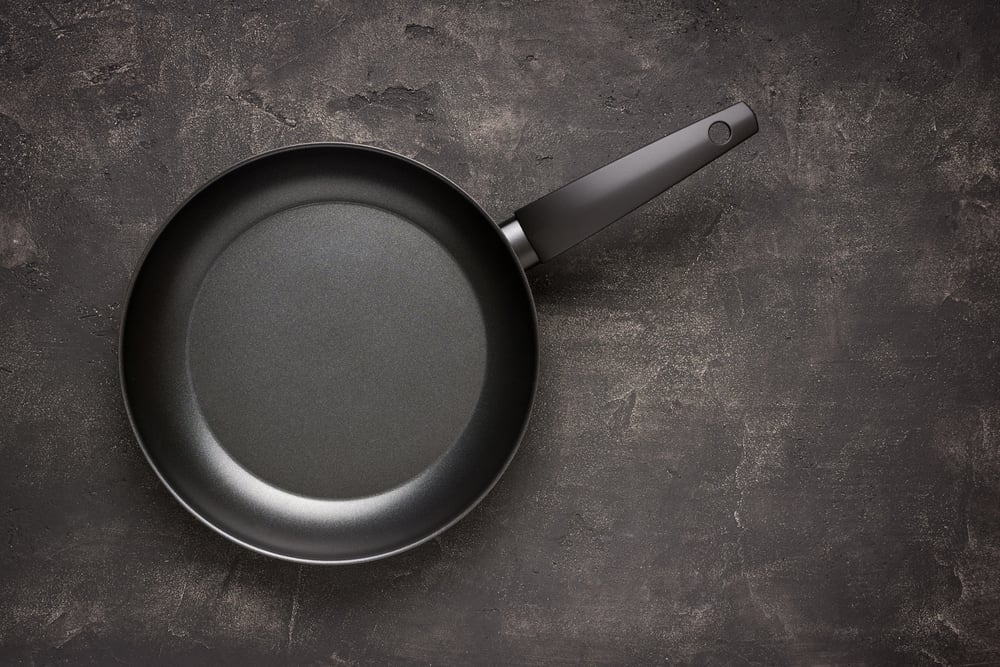
While working on refrigerants in 1938, DuPont chemist Roy Plunkett stored tetrafluoroethylene gas in cylinders and left them overnight. The next morning, the gas had polymerized into a waxy white powder inside the cylinders.
This new substance proved remarkably slippery and resistant to heat and chemicals. Initially used in military and industrial applications, Teflon made its way into kitchens in 1961 when Marion Trozzolo created the first “Happy Pan” with a non-stick coating.
The discovery transformed cooking and cleaning for households worldwide.
Like Go2Tutors’s content? Follow us on MSN.
Saccharin
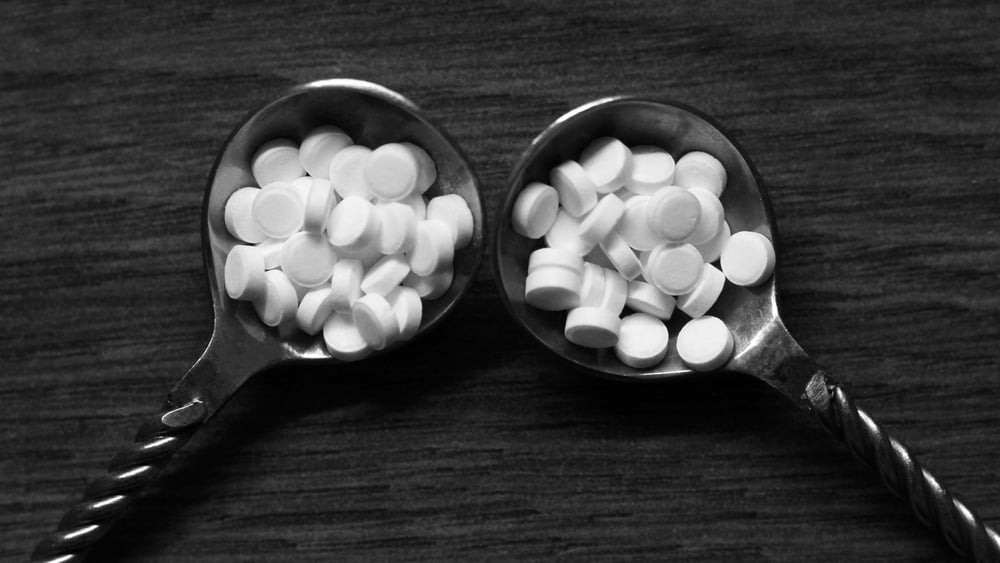
The first artificial sweetener was discovered when Constantin Fahlberg forgot to wash his hands after a day in the lab. While eating dinner, he noticed his bread tasted unusually sweet and traced the flavor back to a compound he’d spilled on his hands earlier.
Fahlberg had been working on coal tar derivatives at Johns Hopkins University in 1879 when he accidentally created saccharin. The substance is 300-400 times sweeter than sugar and became crucial during sugar shortages in both World Wars before becoming a staple for dieters.
Silly Putty
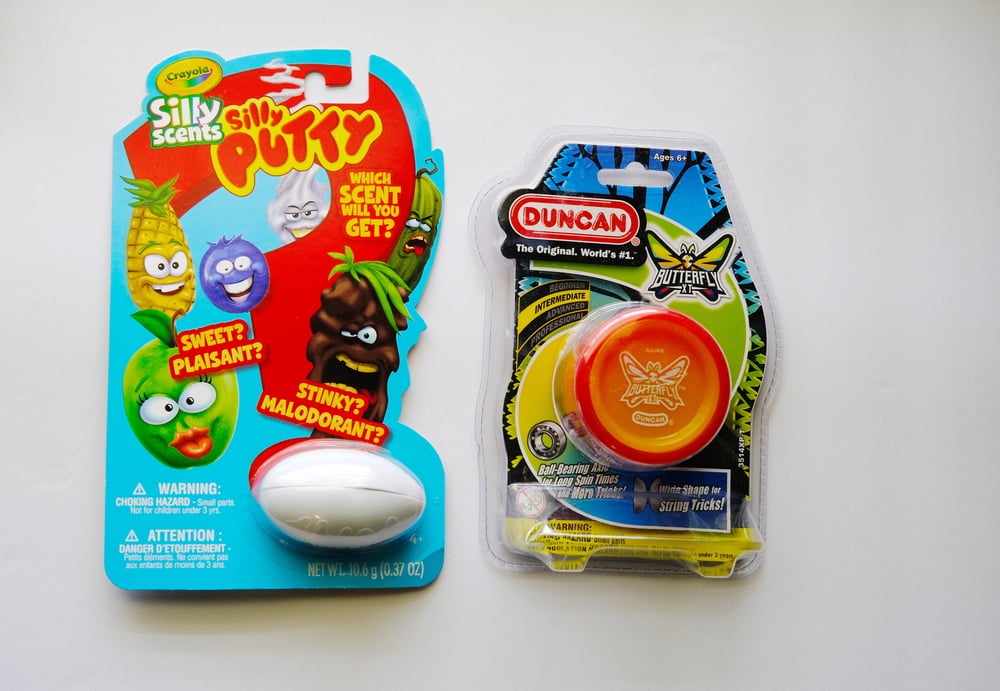
During World War II, the U.S. government needed synthetic rubber for airplane tires and boots. Engineer James Wright combined boric acid and silicone oil, creating a substance that could bounce, stretch, and copy images from newspapers.
It failed as a rubber substitute but found unexpected success as a toy. Peter Hodgson borrowed $147 to market the goo in 1949, packaging it in plastic eggs because Easter was approaching.
This “solid liquid” became one of the most popular toys ever, selling over 300 million units despite its origins as a wartime experiment.
WD-40
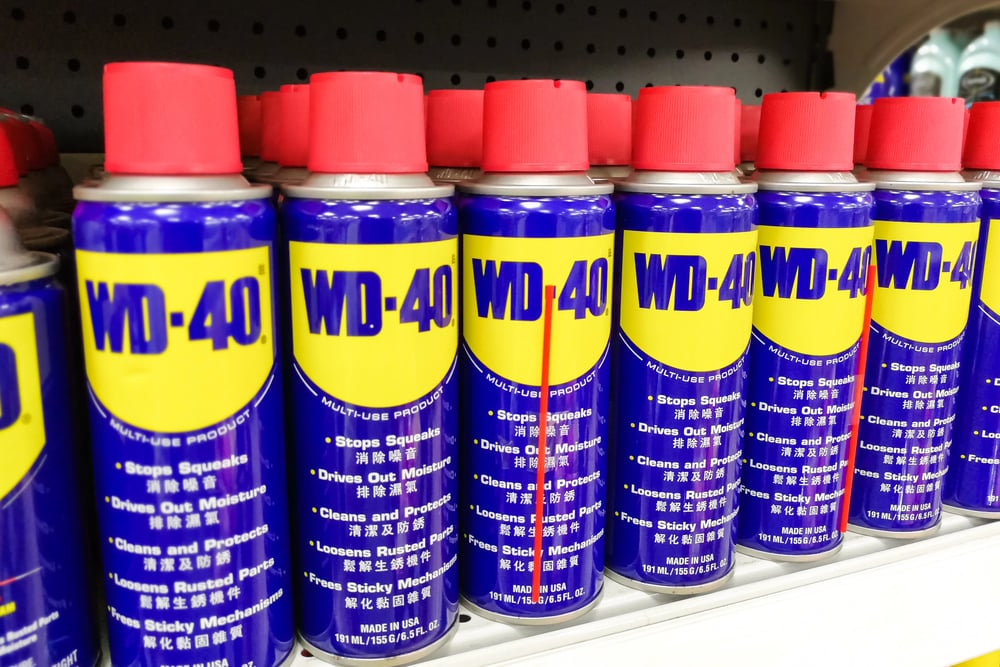
The “Water Displacement, 40th formula” tells the story right in its name. The Rocket Chemical Company spent numerous attempts creating a product to prevent corrosion on Atlas Missile parts.
On their 40th try in 1953, they succeeded with a formula that displaced water and protected metal surfaces. Employees began sneaking cans home to use on household projects.
The company began selling it to consumers in 1958, and the familiar blue and yellow can is now found in approximately 80% of American homes. The formula remains so secret that it’s never been patented to avoid disclosing the ingredients.
Like Go2Tutors’s content? Follow us on MSN.
Velcro
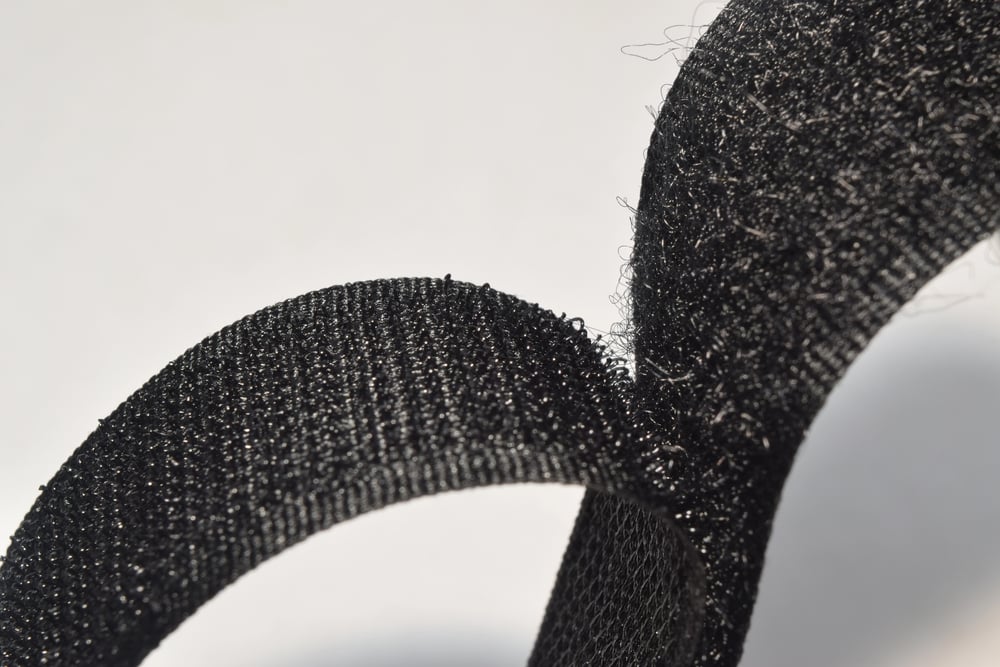
A walk in the woods led to one of the most versatile fasteners ever created. Swiss engineer George de Mestral went hunting with his dog in 1941 and returned covered in burdock burrs.
Under a microscope, he observed how the tiny hooks on the seed pods caught on fabric and fur. Inspired by nature’s design, he created a system of nylon loops and hooks that could be pressed together and pulled apart repeatedly.
Initially dismissed as impractical, Velcro found its first major customer in NASA’s space program before becoming essential in everything from shoes to blood pressure cuffs.
Matches
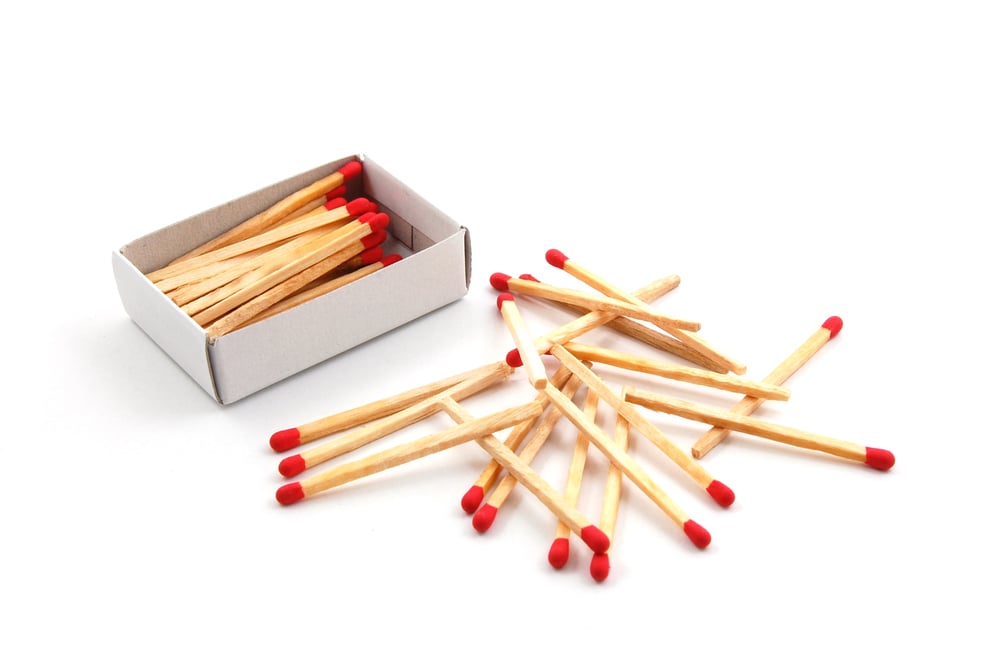
In 1826, English chemist John Walker was stirring a mixture with a wooden stick. When he tried to scrape the dried substance off the stick, it caught fire.
Walker had accidentally created the first friction match by combining potassium chlorate, antimony sulfide, and gum arabic. He began selling his “Friction Lights” without patenting his invention.
While they were initially considered dangerous novelties, matches eventually became so commonplace that we barely notice their ingenious simplicity. Modern safety matches emerged in 1855 when Johan Lundström added red phosphorus to the striking surface rather than the match head.
Penicillin
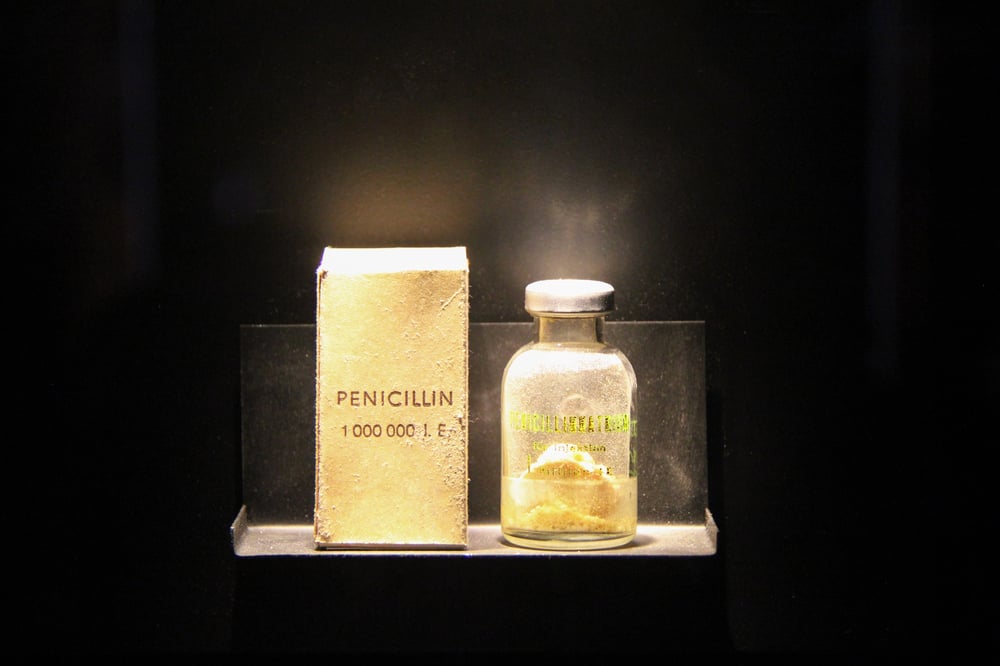
Perhaps the most famous laboratory accident changed medicine forever. Alexander Fleming returned from vacation in 1928 to find a mold contaminating one of his petri dishes of staphylococcus bacteria.
Instead of discarding it, he noticed something remarkable: the bacteria wouldn’t grow near the mold. Fleming had discovered penicillin, the first antibiotic. The discovery wasn’t immediately recognized for its potential, and it took another decade before penicillin was developed for medical use.
This accident has saved countless lives, making it perhaps the most consequential laboratory mistake in history.
Like Go2Tutors’s content? Follow us on MSN.
Corn Flakes
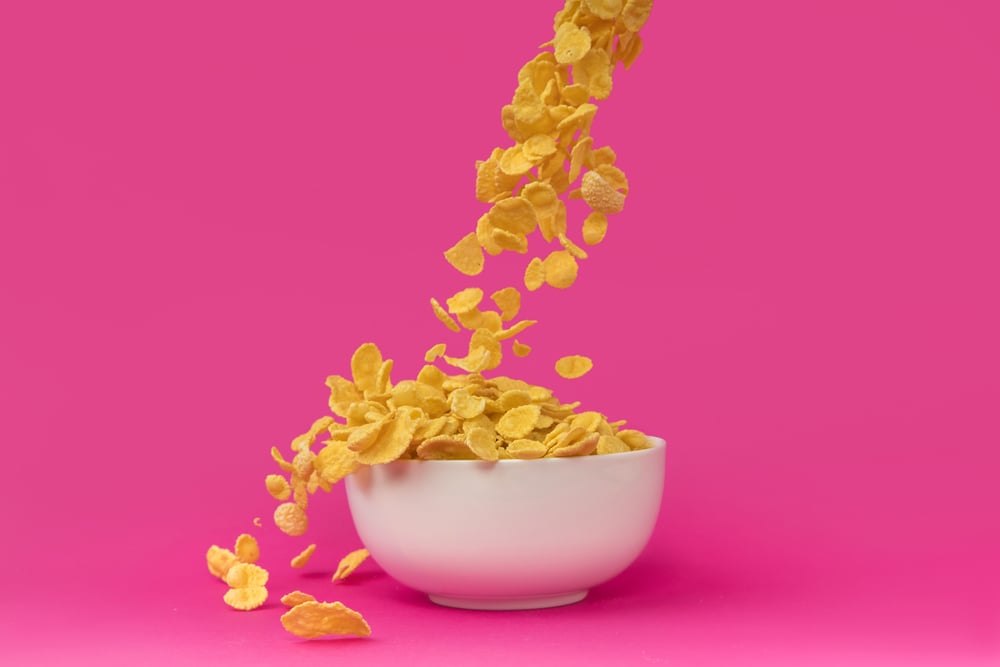
The Kellogg brothers were running a sanitarium in Battle Creek, Michigan, when they accidentally created a breakfast revolution. In 1894, they left some cooked wheat sitting out too long.
When they put it through rollers anyway, they got flakes instead of sheets. After experimenting with different grains, they settled on corn as the perfect flaking grain.
The bland taste was intentional, as Dr. John Kellogg believed plain food would reduce physical passion. His brother Will saw the business potential, added sugar against John’s wishes, and created the Kellogg Company that still dominates breakfast tables today.
Lysol
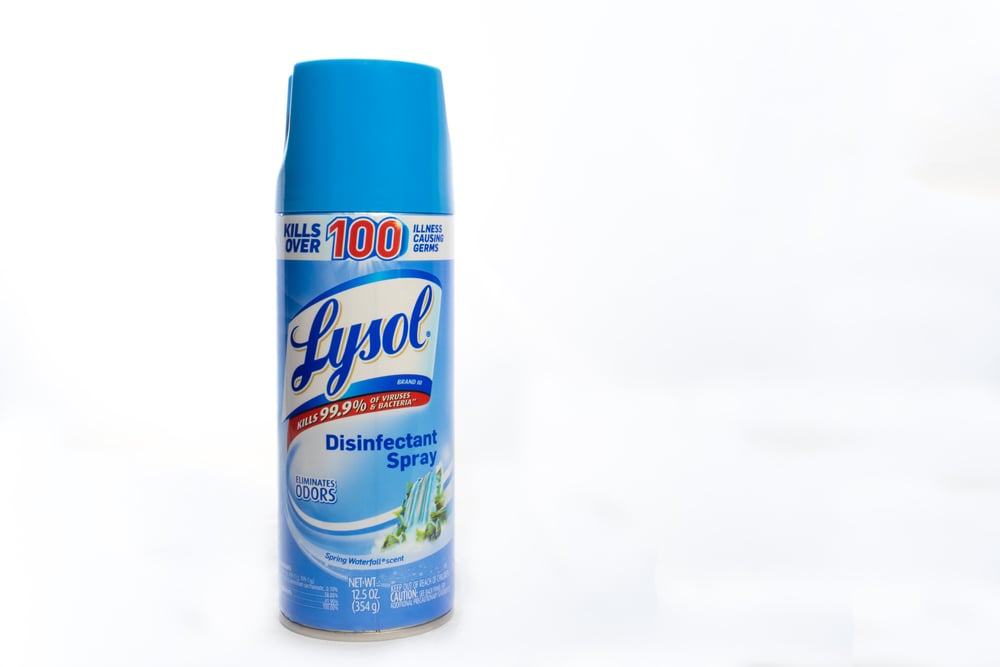
In 1889, German pathologist Gustave Raupenstrauch wanted to end a cholera epidemic in his city. He created a disinfectant mixture of coal-tar derived phenols and named it Lysol, from the Greek word “lysis” meaning to dissolve.
This powerful germ-killer wasn’t initially meant for household cleaning. It was designed to disinfect entire hospital wards during disease outbreaks.
The formula has changed significantly over time to be safer for home use, but Lysol remains synonymous with disinfection, especially during cold and flu season or recent health crises.
Scotchgard
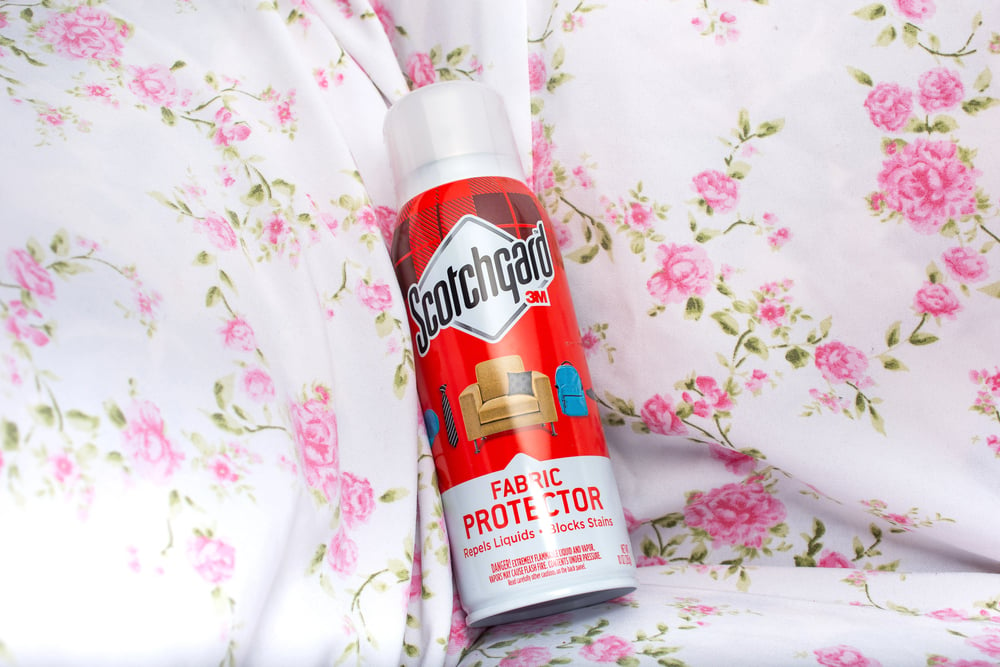
Patsy Sherman was working on a new rubber material for jet fuel lines at 3M when an assistant spilled some of the experimental compound on her canvas tennis shoes. The spill wouldn’t wash off but also didn’t seem to affect the material.
Sherman noticed that the area resisted water, oil and other substances. This 1952 accident led directly to Scotchgard fabric protector, which has been shielding furniture, clothing and carpets from stains ever since.
The original formulation was modified in the early 2000s due to environmental concerns, but the product continues to protect household fabrics worldwide.
Like Go2Tutors’s content? Follow us on MSN.
Popsicles

Eleven-year-old Frank Epperson wasn’t conducting a scientific experiment when he accidentally invented the popsicle. In 1905, he left a cup of powdered soda and water with a stirring stick on his porch overnight.
The temperature dropped, freezing the mixture. Young Frank discovered the frozen treat the next morning and enjoyed his first “Epsicle,” as he initially called it.
He patented his discovery in 1923 as “frozen ice on a stick.” The name “Popsicle” came later when he began commercial production. This childhood accident created a summertime tradition enjoyed by children and adults for generations.
The Sweet Taste of Discovery

Many products we now take for granted emerged from unplanned discoveries rather than intentional innovation. These happy accidents remind us that progress often happens when researchers pay attention to unexpected results.
From cleaning products to food items, these laboratory mishaps demonstrate how scientific curiosity transforms into practical applications. The gap between scientific discovery and household convenience is often smaller than we imagine, with many everyday essentials originating from someone saying “that’s strange” instead of “that’s wrong.”
More from Go2Tutors!

- 18 Unexpectedly Valuable Collectibles You Might Have Lying Around
- 15 Things Every Teenager in the ’70s Did That Teens Today Wouldn’t Understand
- 15 Strange Things People Have Tried to Ban (And Failed)
- 15 Inventions That Were Immediately Banned After Being Created
- 20 Actors Who Were Almost Cast in Iconic Roles
Like Go2Tutors’s content? Follow us on MSN.