Landmarks That Vanished Before Our Eyes
Sometimes the world loses pieces of itself that can never be replaced. These weren’t just buildings or structures – they were witnesses to history, gathering places for communities, and symbols that defined entire cities.
Whether taken by war, fire, or the wrecking orb, their absence leaves gaps in our shared story that photographs and memories can never quite fill. Old Pennsylvania Station in New York City
Completed in 1910, the original Pennsylvania Station was built on an area once known as the Tenderloin District. The impressive building was a Beaux-Arts cathedral celebrating all things transport, with pink marble walls, pale travertine floors and murals by artist Jules Guerin.
The massive structure covered four city blocks and featured soaring vaulted ceilings that made travelers feel they were entering a palace rather than a train station. When it was torn down in 1963 to make room for Madison Square Garden, New Yorkers lost one of their most beautiful public spaces.
London’s Crystal Palace
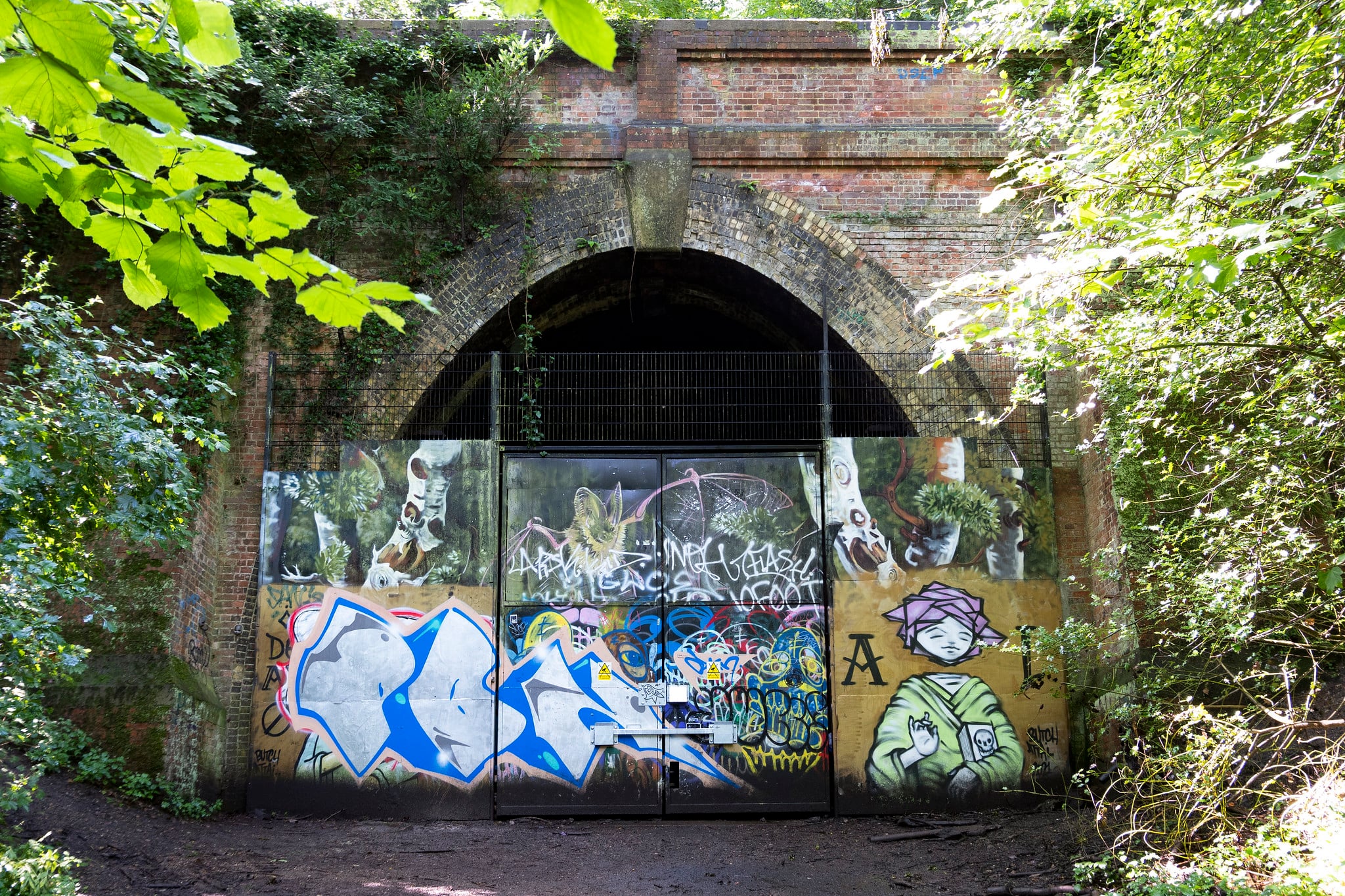
The huge, modular, iron, wood and glass structure was originally erected in Hyde Park in London to house the Great Exhibition of 1851, which showcased the products of many countries throughout the world. After the exhibition ended, the entire building was carefully taken apart and rebuilt on Sydenham Hill in southeast London.
It was designed by Sir Joseph Paxton for the Great Exhibition of 1851 and rebuilt in 1852–54 at Sydenham Hill but was destroyed in 1936. The fire that consumed it could be seen for miles across London, and with it went a symbol of Victorian innovation and progress.
The Colossus of Rhodes
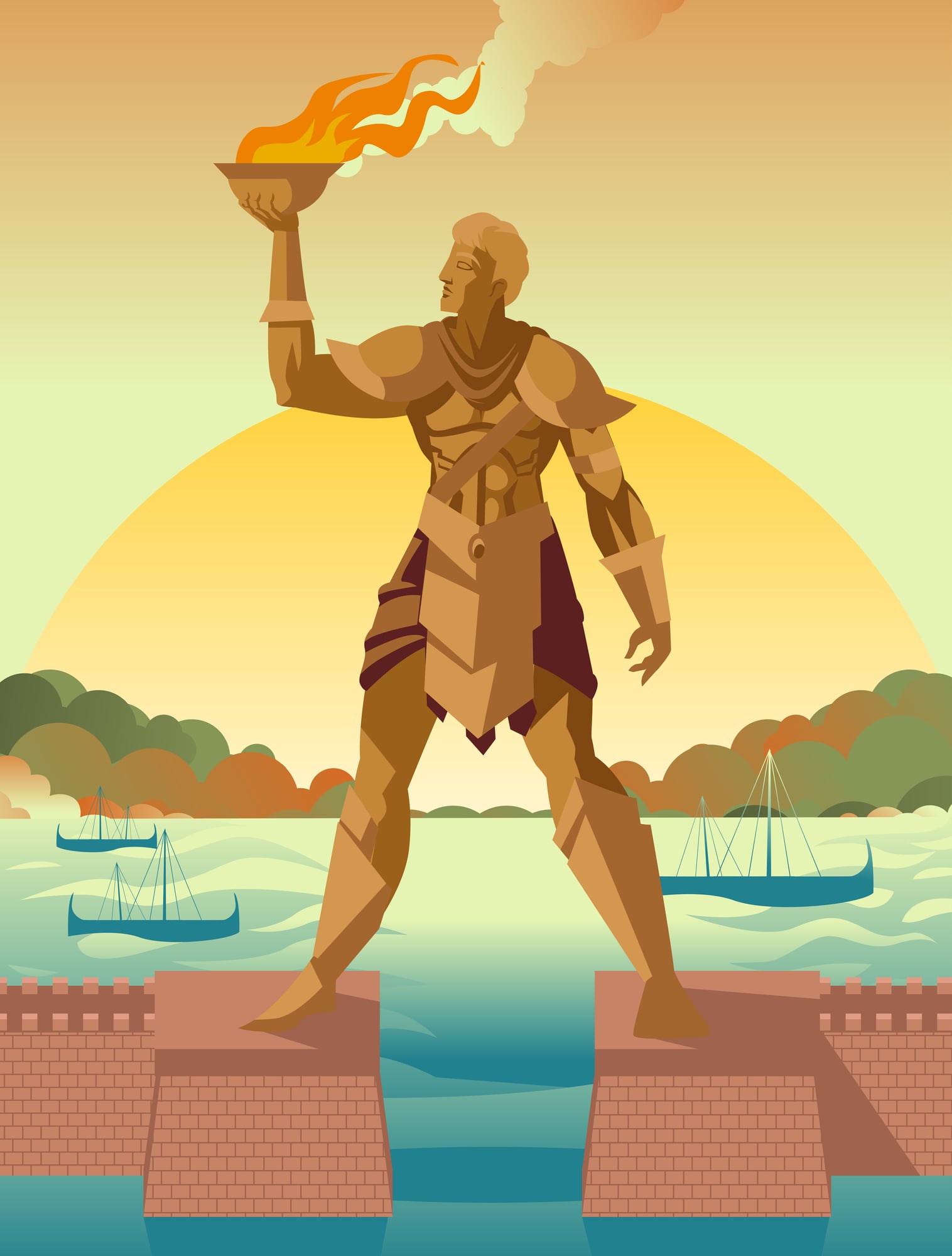
This ancient wonder stood guard over the harbor entrance on the Greek island of Rhodes for only 54 years before an earthquake brought it down in 226 BC. The bronze statue of the sun god Helios stood over 100 feet tall, making it one of the tallest statues of the ancient world.
Ships entering the harbor would sail past its massive legs, which according to legend straddled the harbor entrance. Even after it fell, the broken pieces were so impressive that people would travel from far away just to see the ruins lying on the ground.
Like Go2Tutors’s content? Follow us on MSN.
The Hippodrome Theatre in New York
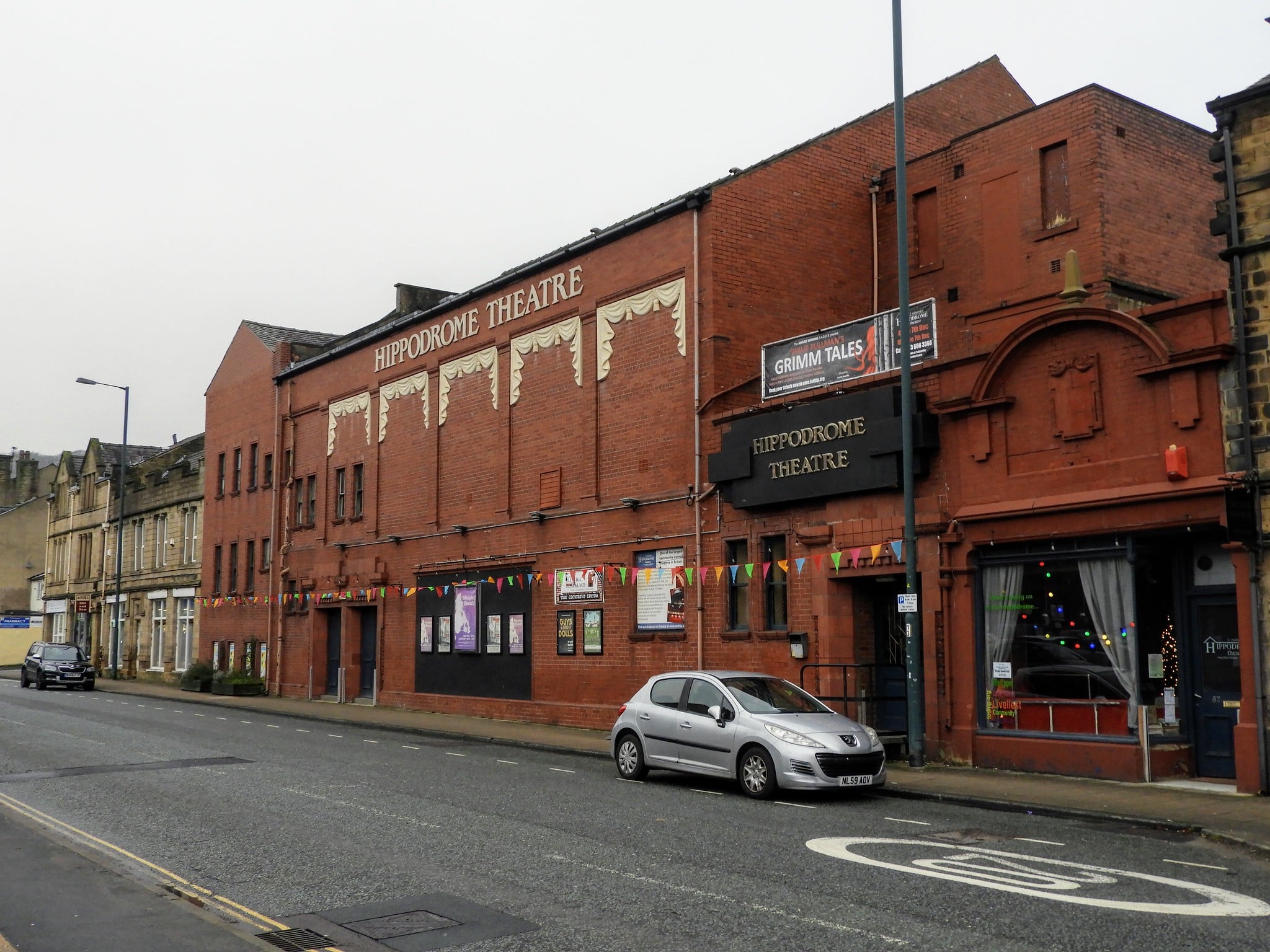
When the Hippodrome Theatre opened in New York City in 1905, it could seat more than 5,000 patrons and played host to everything from live theater and vaudeville to movies. Over the ensuing decades, the space served as a place to hold rallies, circuses, and even a basketball court.
The theater was famous for its elaborate stage shows that featured everything from elephants to swimming pools filled with real water. At its peak, it was the largest theater in the world and the place where many famous performers got their start.
The original Berlin Wall
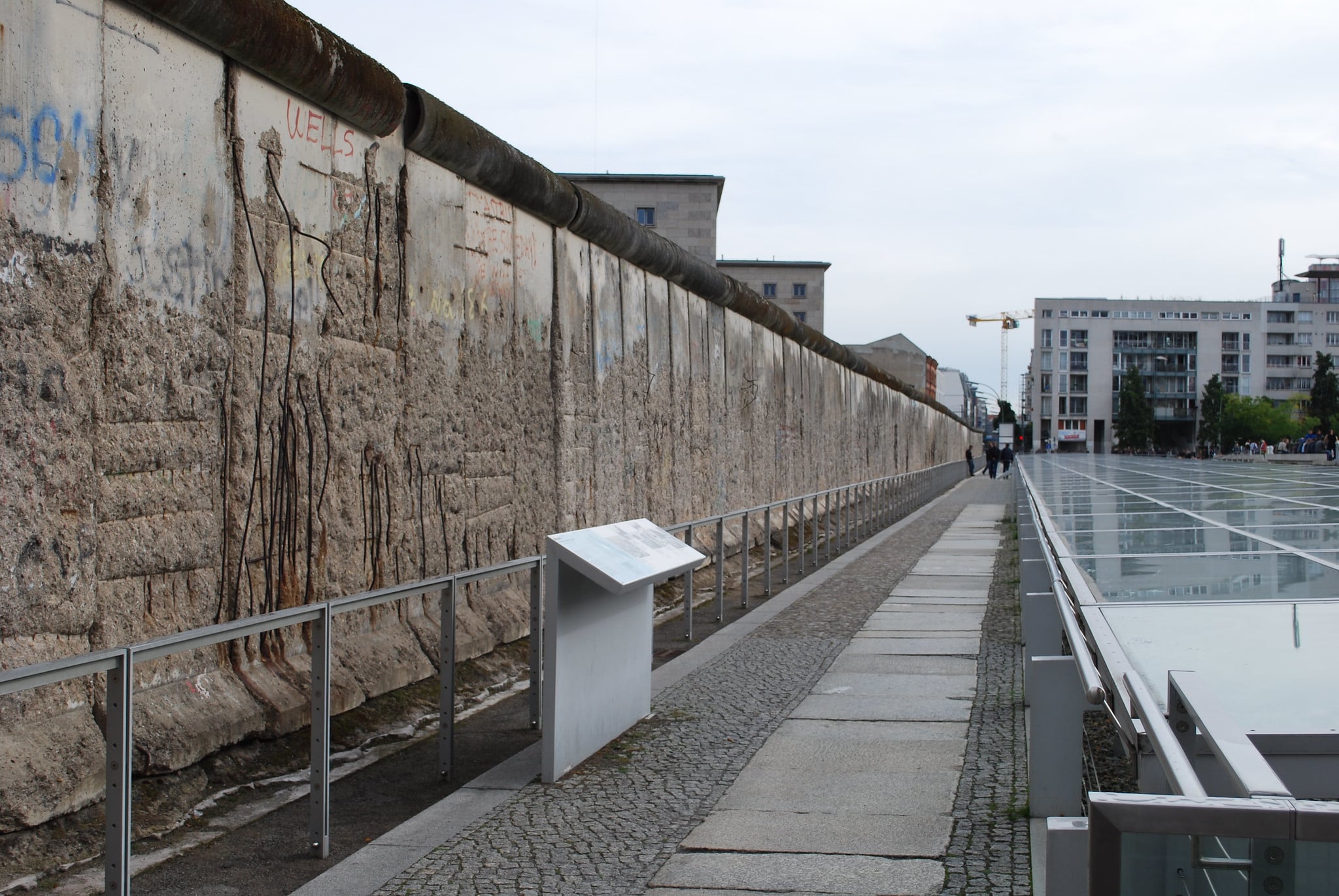
Before it became the symbol of division we remember today, there was an earlier version of barriers that separated East and West Berlin. The first barricades went up overnight in August 1961, starting with barbed wire and temporary fences that evolved into the concrete barrier we know from history books.
What many don’t realize is that the wall went through several versions over its 28-year existence. When it finally came down in 1989, people attacked it with hammers and pickaxes, taking pieces home as souvenirs.
The Bastille fortress in Paris
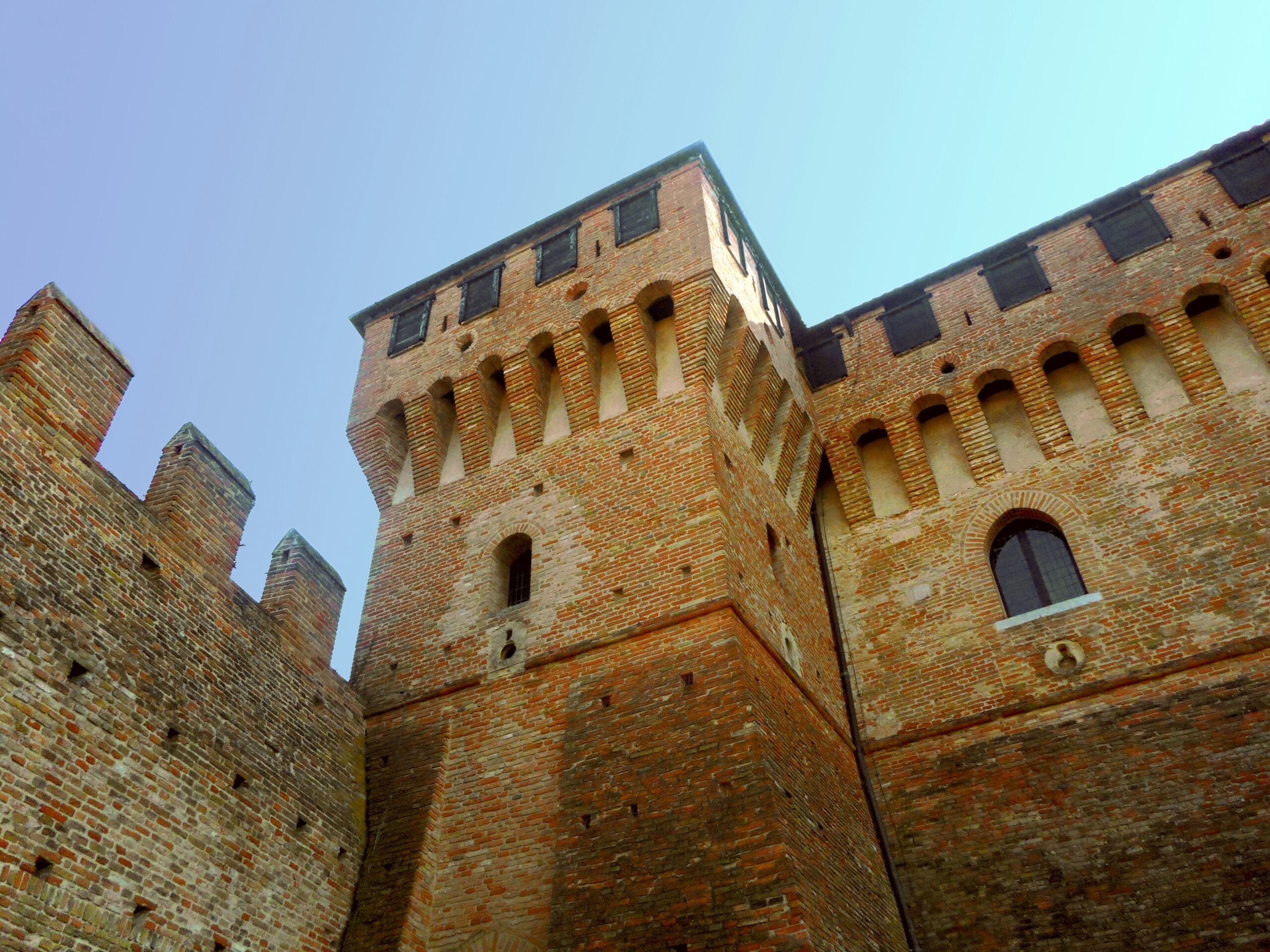
The Bastille was rapidly demolished in 1789 during the French Revolution, but its destruction became more famous than the building itself. The medieval fortress had served as a royal prison and symbol of royal authority for centuries before angry citizens stormed it on July 14, 1789.
The building wasn’t just torn down – it was methodically dismantled stone by stone as a deliberate act of political symbolism. Pieces of the Bastille were carved into small replicas and sold as souvenirs, while the larger stones were used to build bridges across the Seine River.
Like Go2Tutors’s content? Follow us on MSN.
The Library of Alexandria
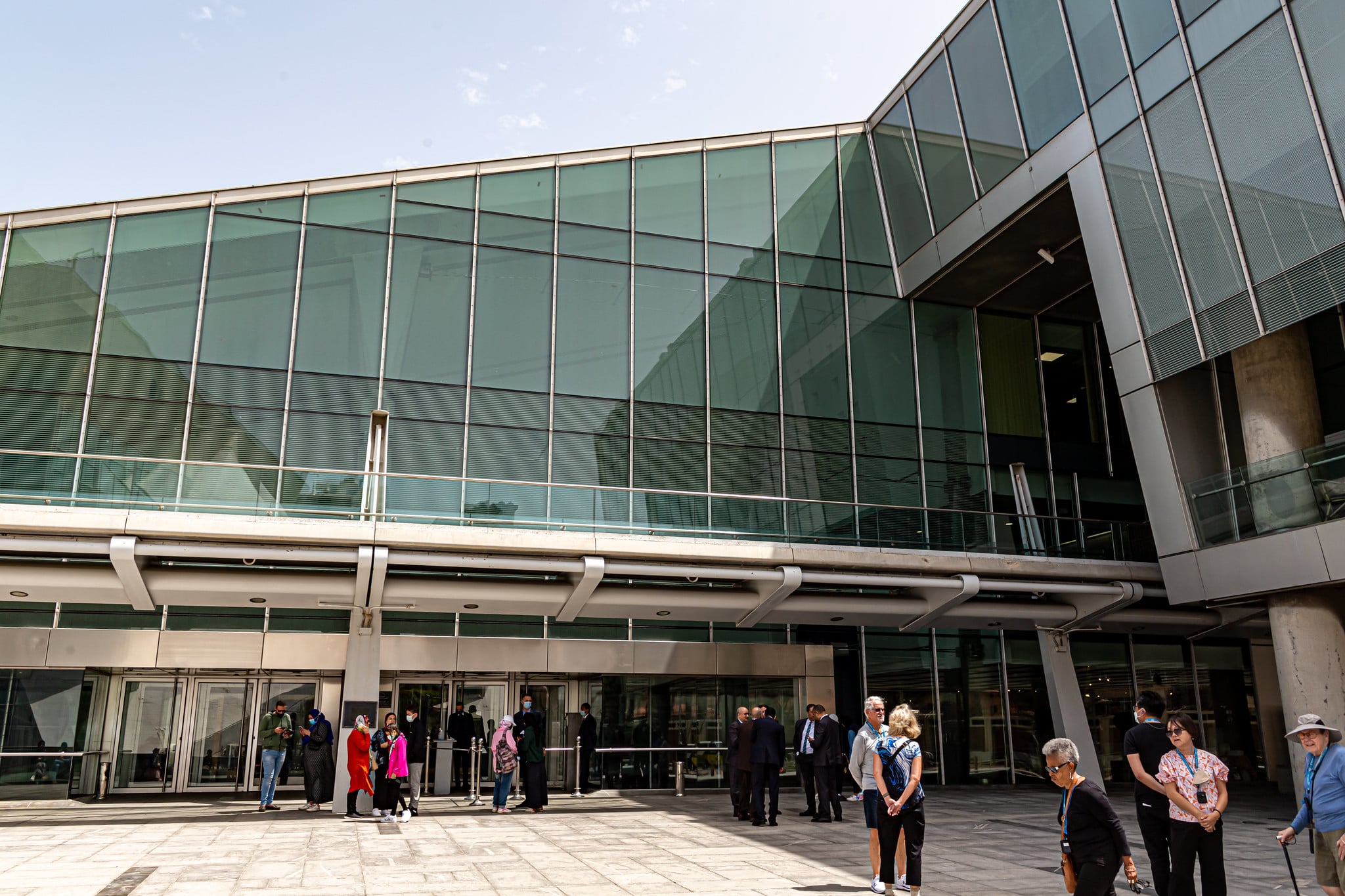
This wasn’t just a library – it was the center of learning for the entire ancient world. Scholars from across the Mediterranean came to study its scrolls, which contained knowledge on everything from mathematics to medicine.
The library’s decline happened gradually over several centuries rather than in a single dramatic fire as many people believe. Political upheavals, budget cuts, and changing priorities slowly reduced its importance until it faded away entirely.
Frank Lloyd Wright’s Imperial Hotel in Tokyo
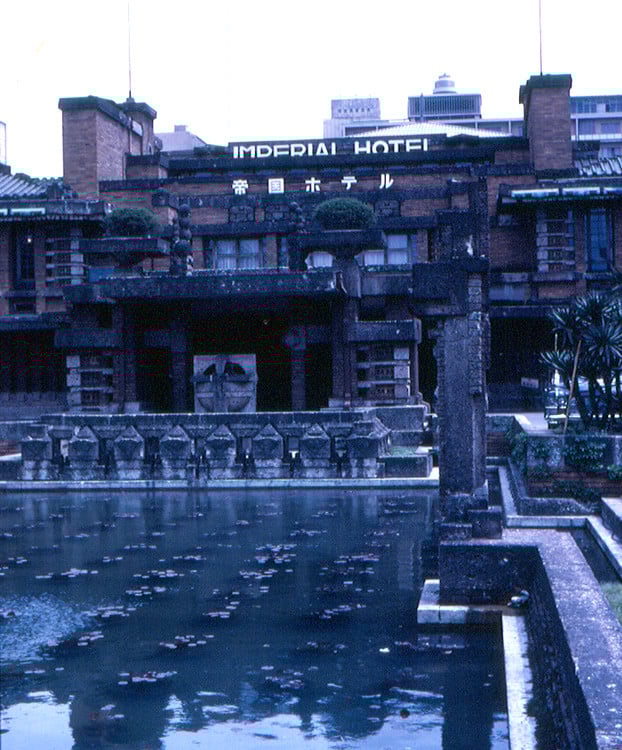
This architectural masterpiece survived the Great Kanto Earthquake of 1923, proving Wright’s innovative design could withstand Japan’s seismic activity. The hotel’s low-lying structure and flexible foundation system kept it standing when buildings all around it collapsed.
Wright had designed it specifically to handle earthquakes, using techniques that were far ahead of their time. Despite this engineering triumph, the hotel was torn down in 1968 to make way for a taller, more modern building.
The original Wembley Stadium twin towers
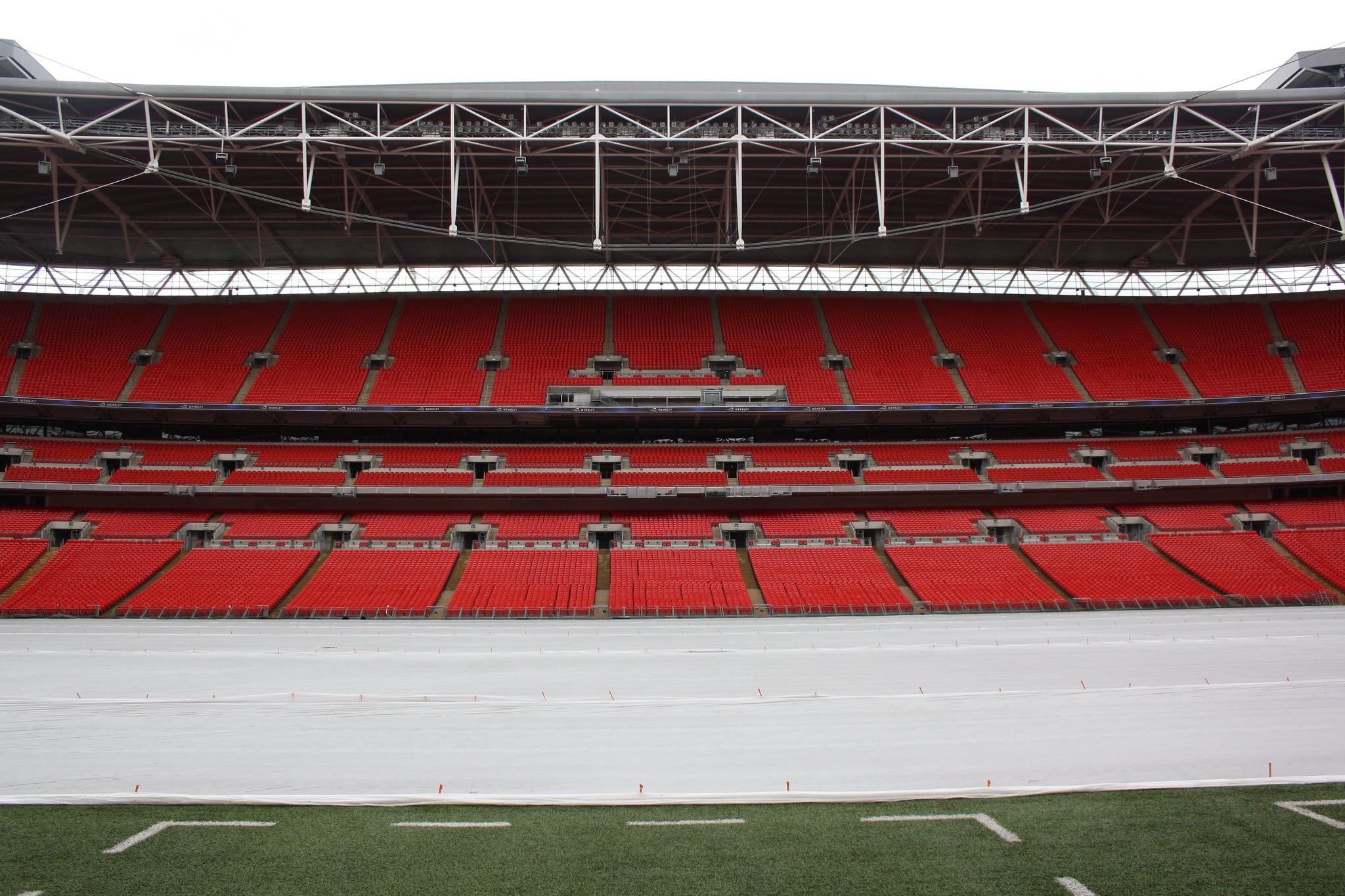
These concrete towers weren’t just part of a stadium – they were London landmarks that appeared in countless movies and photographs. Built in 1923, the towers flanked the entrance to Wembley Stadium and became as recognizable as Big Ben or Tower Bridge.
They stood 126 feet tall and were designed to look impressive and welcoming to the thousands of fans who passed between them on match days. When the old stadium was demolished in 2003 to make way for the new Wembley, many Londoners felt like they were losing old friends.
Like Go2Tutors’s content? Follow us on MSN.
The Singer Building in Manhattan
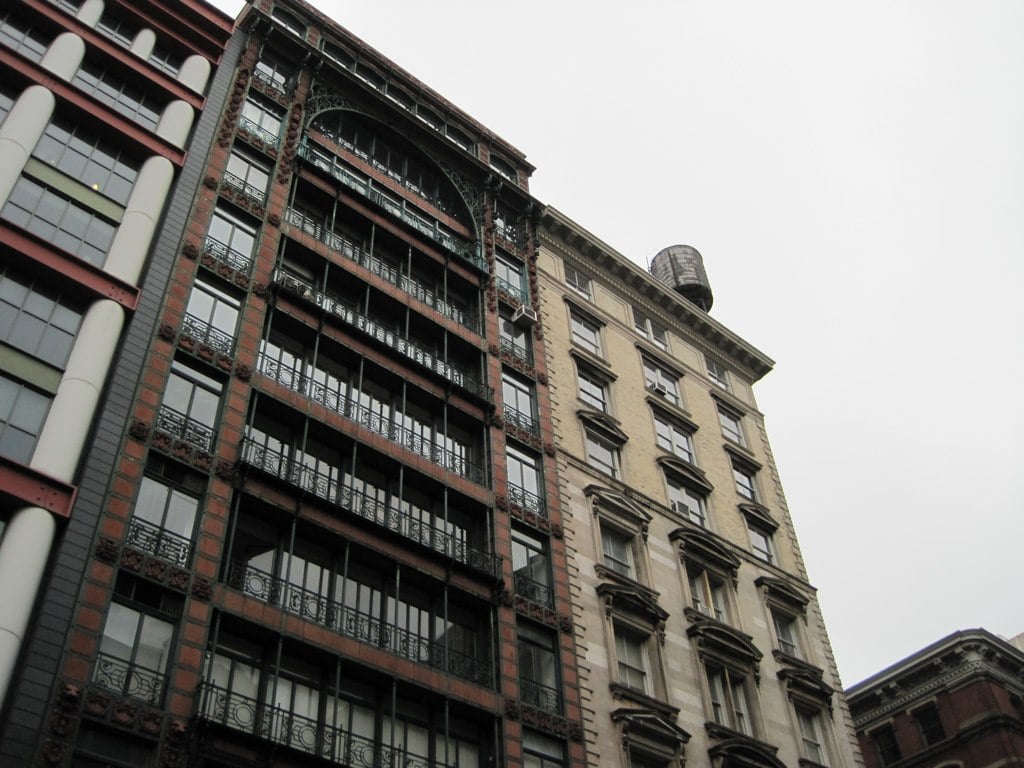
When it opened in 1908, this 47-story skyscraper was briefly the tallest building in the world. The distinctive tower rose elegantly from its base, narrowing as it climbed toward the sky in a design that seemed to defy gravity.
Its demolition in 1968 made it the tallest building ever to be voluntarily torn down, a record it still holds today. The site was needed for a newer office building, but many people questioned whether progress always meant destroying the past.
The original Globe Theatre in London
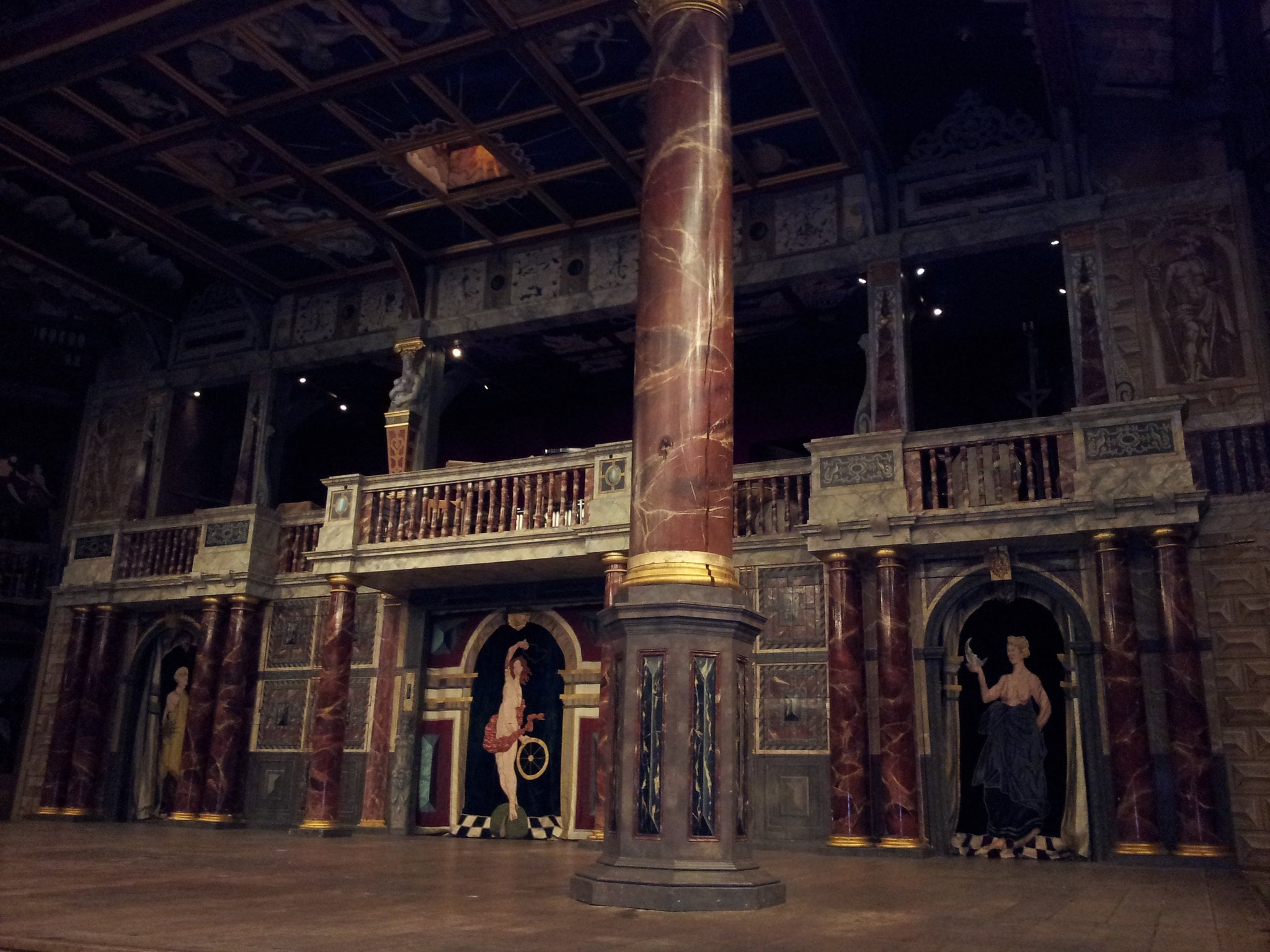
Shakespeare’s own theater burned down during a performance of Henry VIII in 1613 when a stage cannon set the thatched roof on fire. The wooden building went up in flames so quickly that the audience barely had time to escape, though remarkably no one was seriously hurt.
The theater was quickly rebuilt in the same location, but that second version was torn down by Puritan authorities in 1644 who disapproved of theatrical performances. For centuries, no one knew exactly where the original Globe had stood until archaeologists found its foundations in the 1980s.
The Euston Arch in London
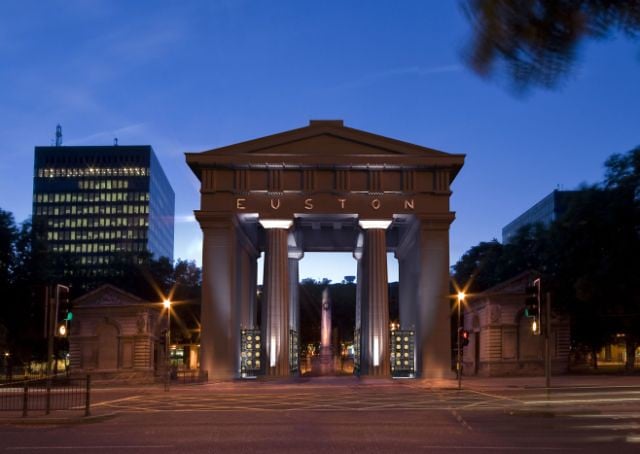
This massive stone archway served as the grand entrance to London’s Euston Station from 1837 until 1962. The arch was 72 feet tall and built from solid Yorkshire stone, designed to impress travelers arriving in the capital city.
When plans were announced to demolish Euston Station, thousands of people protested to save the arch, but their efforts failed. The arch was torn down piece by piece, with promises that it would be rebuilt elsewhere – promises that were never kept.
Like Go2Tutors’s content? Follow us on MSN.
Cluny Abbey in France
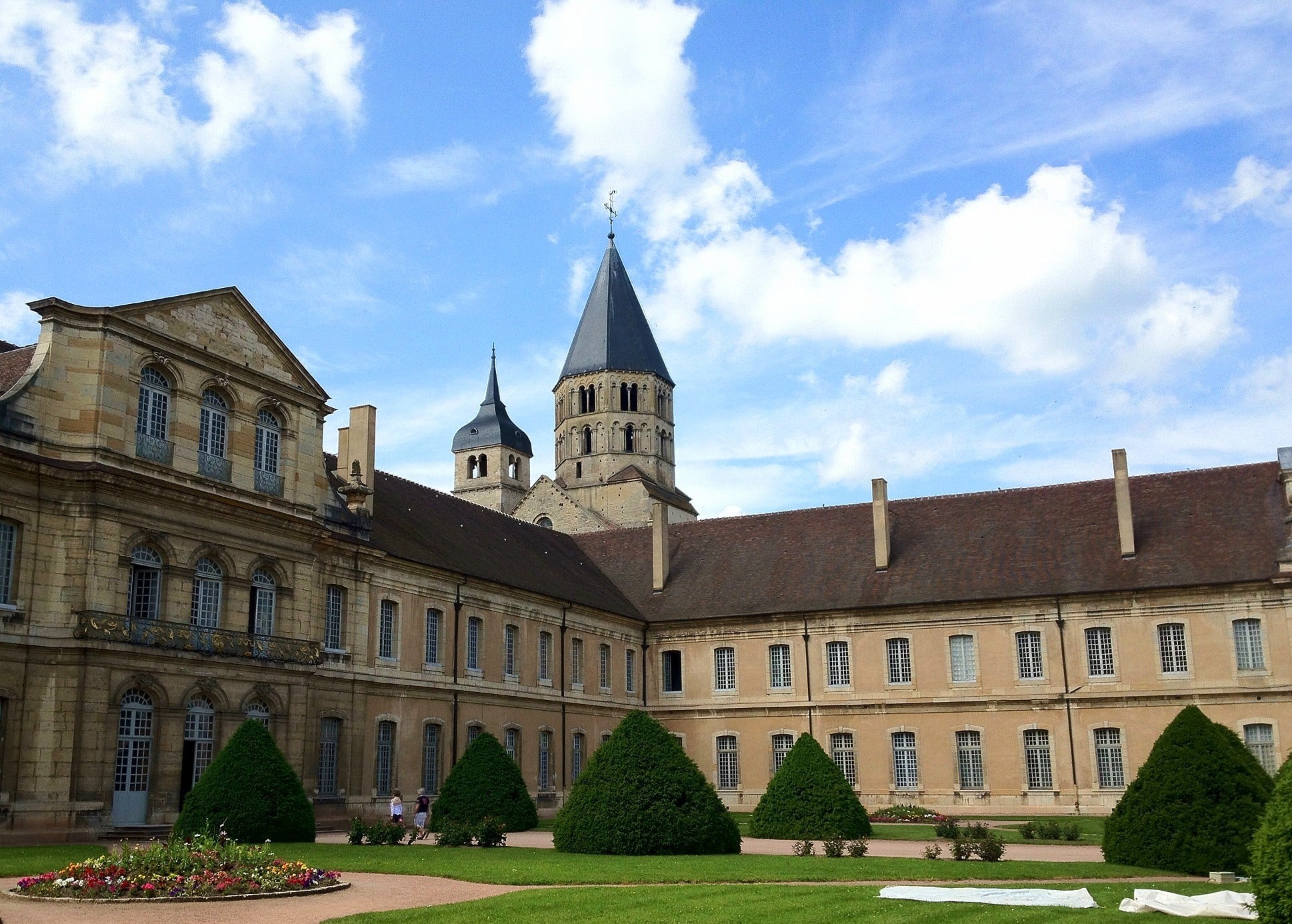
Cluny Abbey was the largest church in Christendom when built, demolished between 1800 and 1810, and quarried for stone thereafter. For centuries, this monastery was the center of religious life in medieval Europe, with a church that stretched over 600 feet long.
Thousands of pilgrims traveled here, and the abbey’s influence spread across France and beyond. After the French Revolution, the building was sold and systematically destroyed for its valuable stone.
The People’s Palace in Glasgow
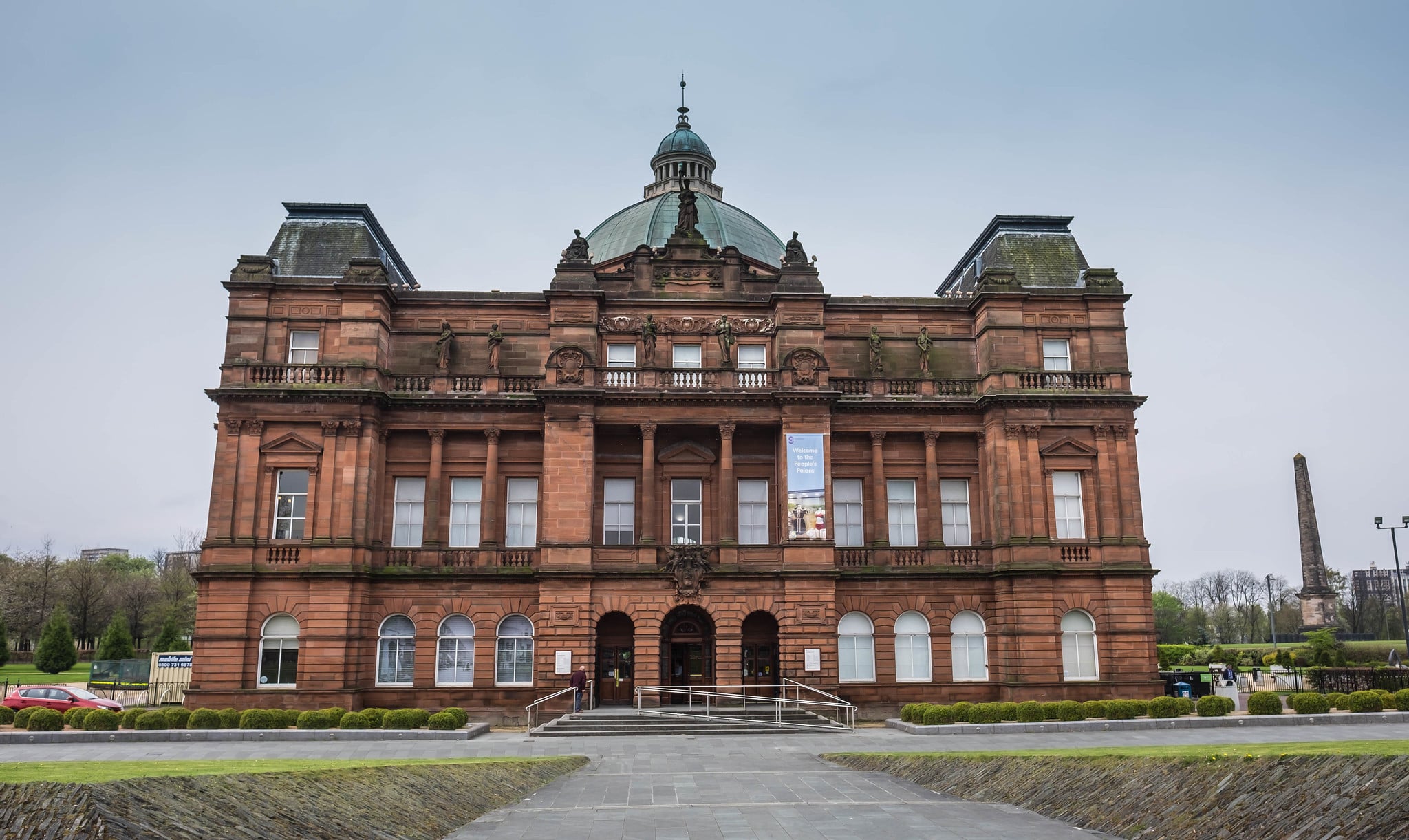
Built in 1898, this grand cultural center was meant to bring art, music, and learning to working-class people in Glasgow’s East End. The building featured a concert hall, library, museum, and even tropical gardens under a massive glass dome.
For decades, it served as a community gathering place where people could attend lectures, concerts, and exhibitions regardless of their social status. The building was demolished in 1987 despite local protests, replaced by a smaller modern facility that lacked the original’s grandeur.
The original Madison Square Garden
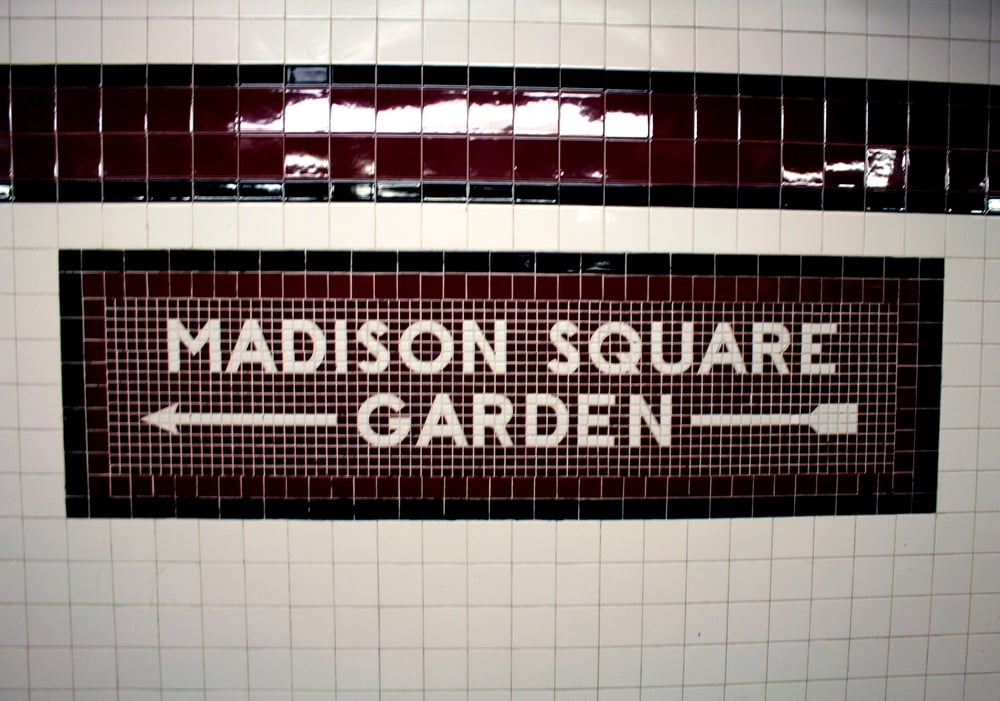
New York’s second Madison Square Garden opened in 1890 at Madison Square Park and became the city’s premier entertainment venue. The building was designed by Stanford White and featured a distinctive tower topped with a statue of the Roman goddess Diana.
Inside, New Yorkers could watch everything from boxing matches to horse shows, concerts to political rallies. The Garden was demolished in 1925 to make way for the New York Life Insurance Building, marking the end of an era in the city’s entertainment history.
Like Go2Tutors’s content? Follow us on MSN.
The Great Wall of China’s lost sections
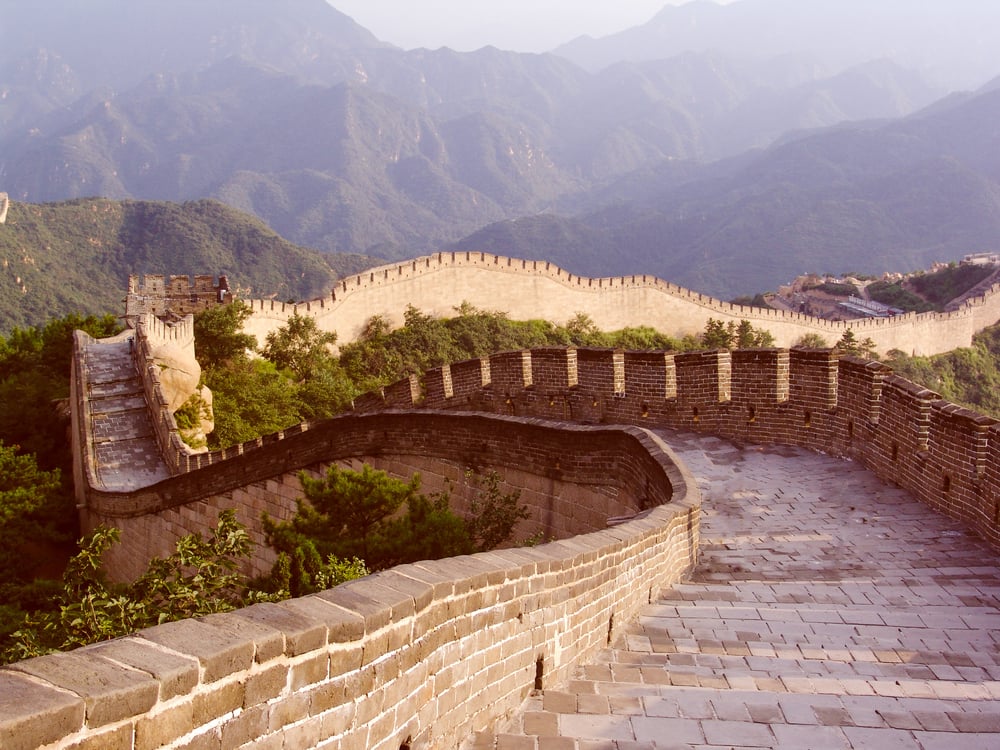
While much of the Great Wall survives today, vast portions have crumbled or been deliberately removed over the centuries. During China’s Cultural Revolution, sections near cities were torn down and their stones used for other construction projects.
Natural erosion has also taken its toll, especially on the older earthen sections that tourists rarely see. Some remote portions have disappeared so completely that archaeologists can only guess where they once stood.
The original Trocadero in Paris
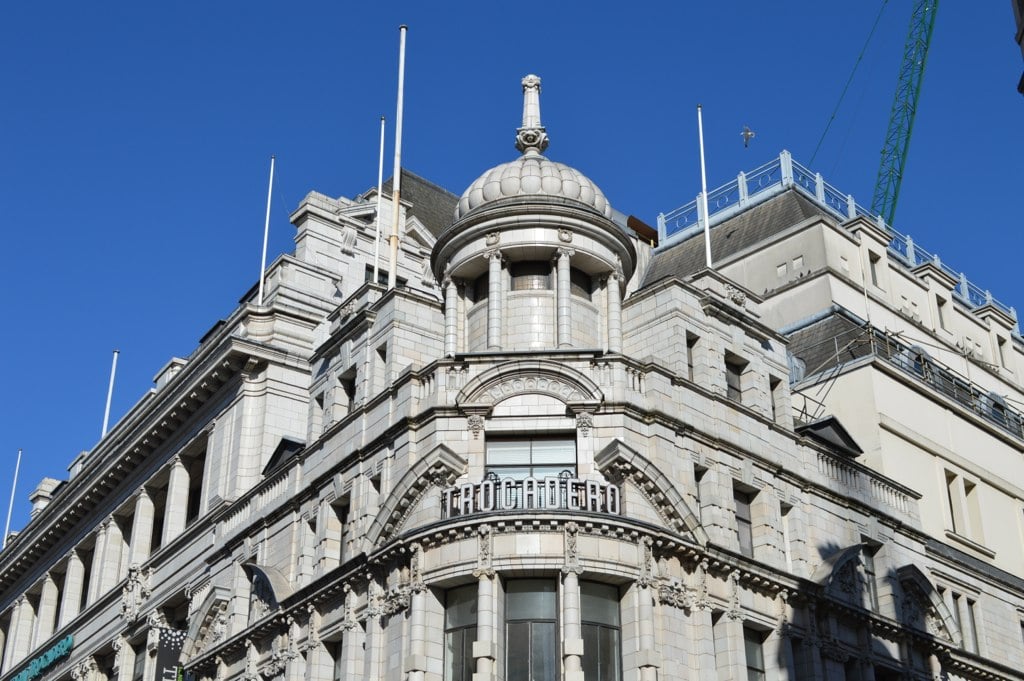
Built for the 1878 World’s Fair, the original Trocadero Palace dominated the hill across from the Eiffel Tower with its distinctive twin towers and Moorish-inspired architecture. The building housed concert halls, exhibition spaces, and even an aquarium, making it one of Paris’s most popular attractions.
Its unusual style made it stand out dramatically against the classical architecture that defined most of Paris.
Where yesterday’s monuments meet today’s memories
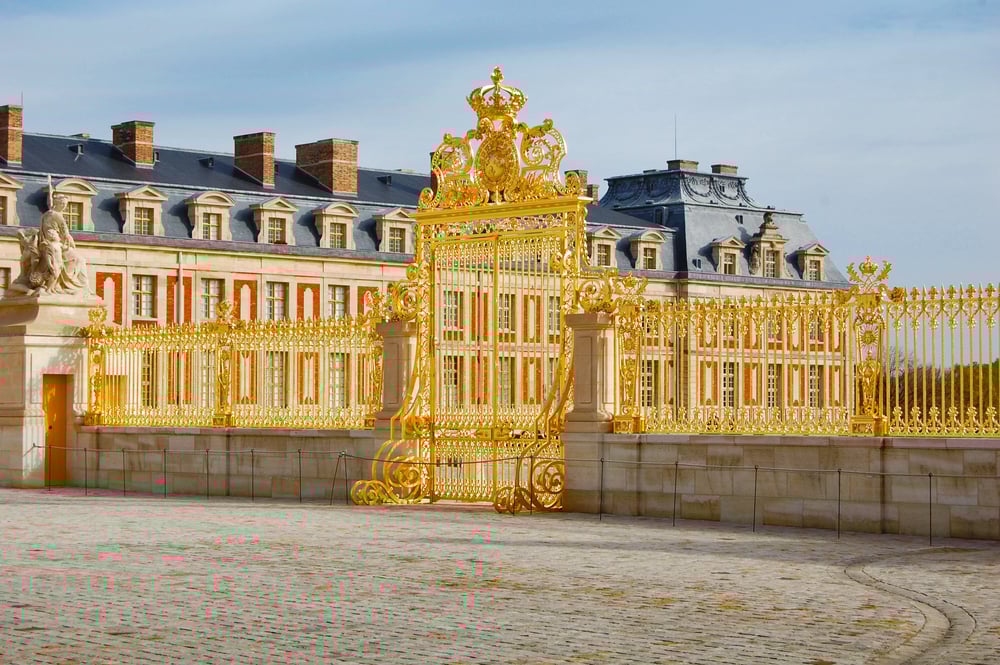
These vanished landmarks remind us that nothing lasts forever, even the structures we think are permanent. We’ve lost many chapters of our history and culture.
Each demolition teaches us something about what we value and what we’re willing to sacrifice for progress. The good news is that their stories live on, inspiring new preservation movements and helping us think more carefully about what we choose to keep.
Like Go2Tutors’s content? Follow us on MSN.
More from Go2Tutors!

- 16 Historical Figures Who Were Nothing Like You Think
- 12 Things Sold in the 80s That Are Now Illegal
- 15 VHS Tapes That Could Be Worth Thousands
- 17 Historical “What Ifs” That Would Have Changed Everything
- 18 TV Shows That Vanished Without a Finale
Like Go2Tutors’s content? Follow us on MSN.



