14 Notable Cannes Film Festival Premieres
The Cannes Film Festival stands as cinema’s most prestigious global showcase, where legendary filmmakers earn recognition and Hollywood stars grace the iconic red carpet. Yet beyond the headline-grabbing winners lies a treasure trove of extraordinary films that somehow slipped through the cracks of widespread recognition.
Here is a list of 14 remarkable hidden gems that first dazzled audiences at Cannes before fading into relative obscurity despite their artistic brilliance.
Hiroshima Mon Amour
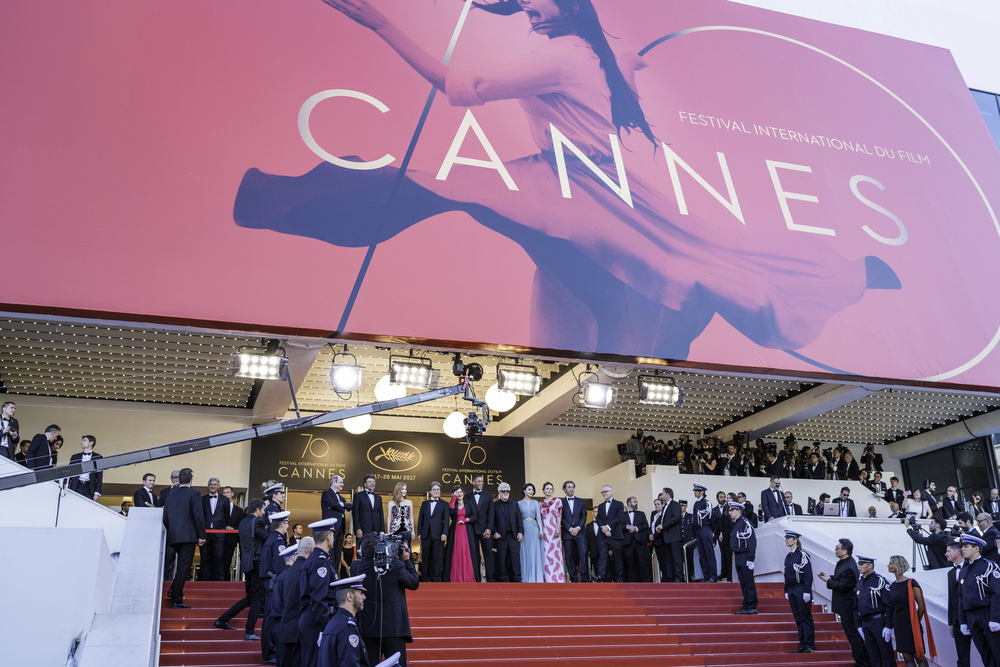
Alain Resnais’ groundbreaking 1959 feature debut was excluded from the main competition for diplomatic reasons – its unflinching portrayal of nuclear devastation deemed too sensitive. Despite this snub, this haunting meditation on memory swept up the International Critics’ Prize and fundamentally altered cinema’s visual language.
The film’s innovative non-linear structure established techniques still studied in film schools worldwide.
Taste of Cherry

The minimalist masterwork by Iranian filmmaker Abbas Kiarostami, which shared the 1997 Palme d’Or, is still largely unknown outside of devoted moviegoers. Across remarkable talks with strangers, the film follows a middle-aged man who has plotted suicide and is driving across the suburbs of Tehran looking for someone to bury him.
Kiarostami’s seemingly straightforward style belies deep intellectual depths that continue to provoke discussion.
Like Go2Tutors’s content? Follow us on MSN.
The Long Day Closes

Despite receiving a standing ovation in the Un Certain Regard section, Terence Davies’ heartbreakingly beautiful 1992 coming-of-age drama quickly disappeared from theaters. In a profoundly personal examination of childhood and the transformational potential of film, Davies masterfully recreates working-class Liverpool in the 1950s.
The film’s incredible visual compositions produce an engrossing experience that is less like a traditional story and more like someone’s dreams.
Blissfully Yours
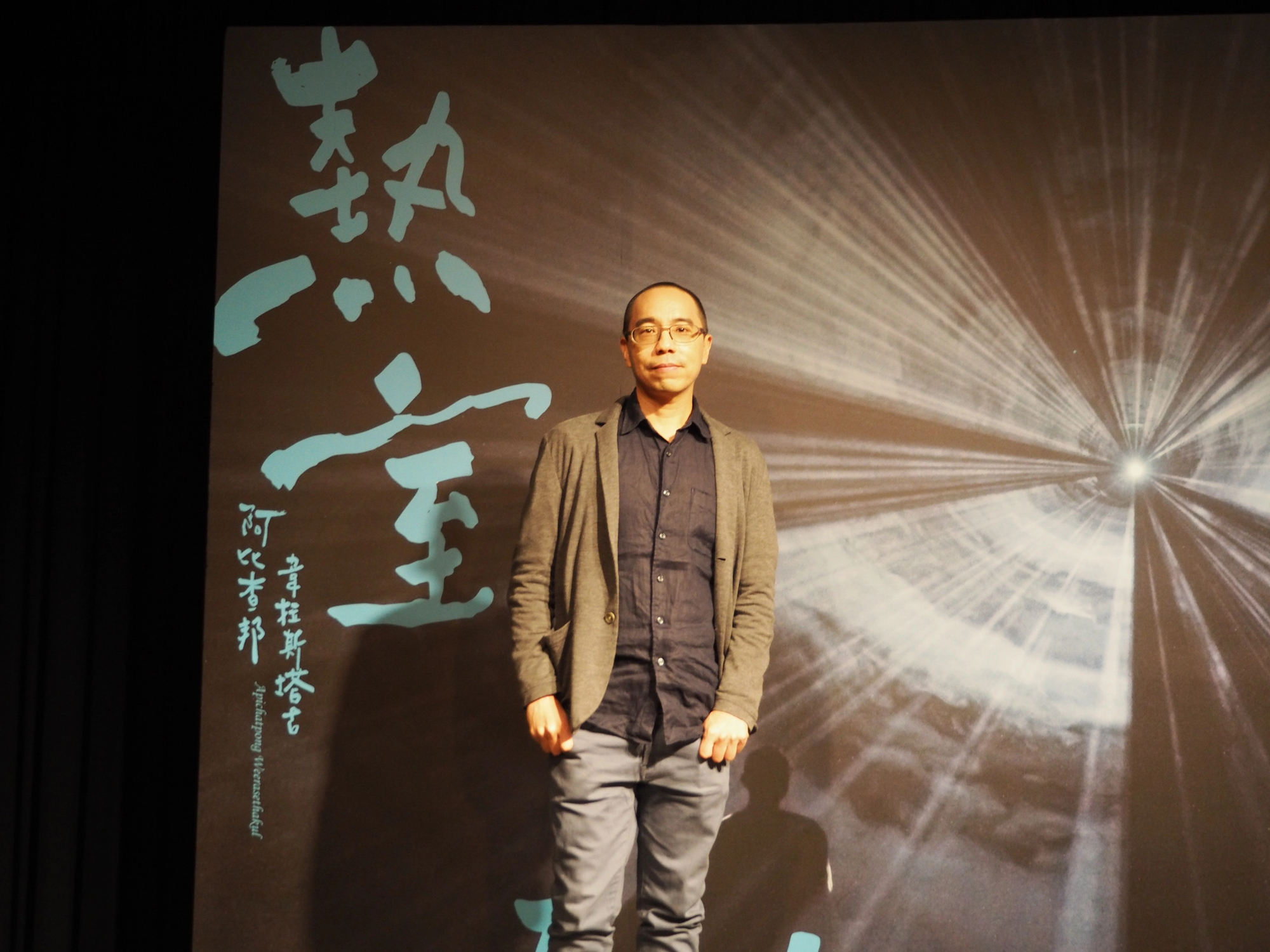
Before becoming Thailand’s most celebrated filmmaker, Apichatpong Weerasethakul stunned Cannes audiences with this languid tale that won the Un Certain Regard prize in 2002. The film’s radical structure – opening credits appearing 45 minutes into the runtime – signals its rejection of conventional storytelling.
Following young lovers escaping to the jungle, the film transforms from social realism into a pure sensory experience that most audiences missed due to minimal distribution.
Jeanne Dielman, 23 Quai du Commerce, 1080 Bruxelles

Without reaching a larger audience, Chantal Akerman’s groundbreaking masterpiece received intense critical acclaim when it debuted in the Directors’ Fortnight section in 1975. Through meticulous observation, its bold analysis of a widow’s mundane daily routine culminates in a startling revelation.
Because of the film’s feminist viewpoint and groundbreaking depiction of household work, Akerman became a prominent character in avant-garde filmmaking.
Like Go2Tutors’s content? Follow us on MSN.
Goodbye, Dragon Inn
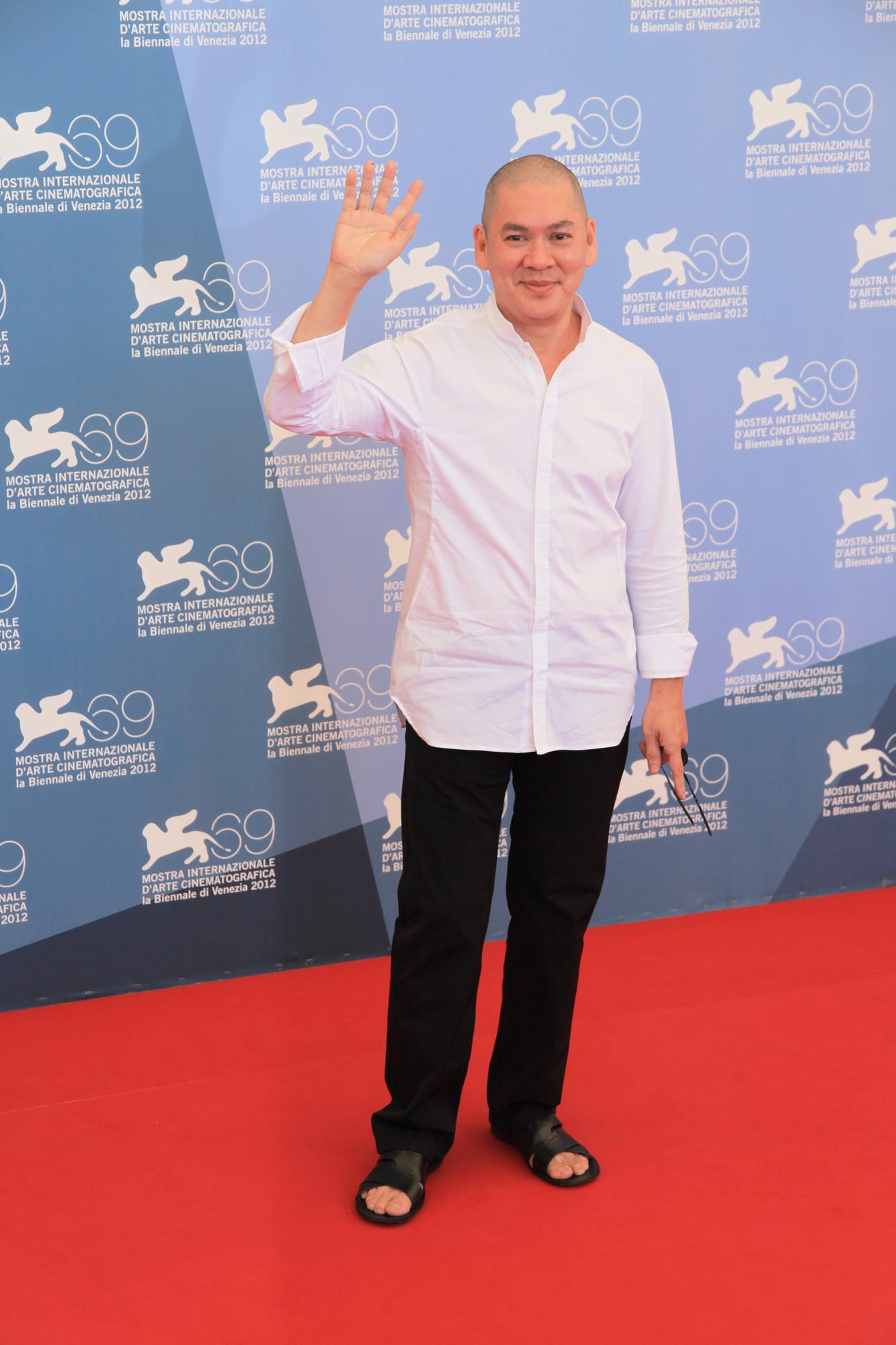
Taiwanese director Tsai Ming-liang’s elegiac love letter to moviegoing premiered in Un Certain Regard in 2003, earning critical adoration without finding substantial distribution. Set during the final screening at a crumbling Taipei movie palace, the film follows the theater’s disabled ticket-taker navigating the building while ghostly patrons watch a martial arts classic.
With minimal dialogue and hypnotic long takes, this meditation on cinema’s fading communal experience rewards patient viewers.
The Fire Within
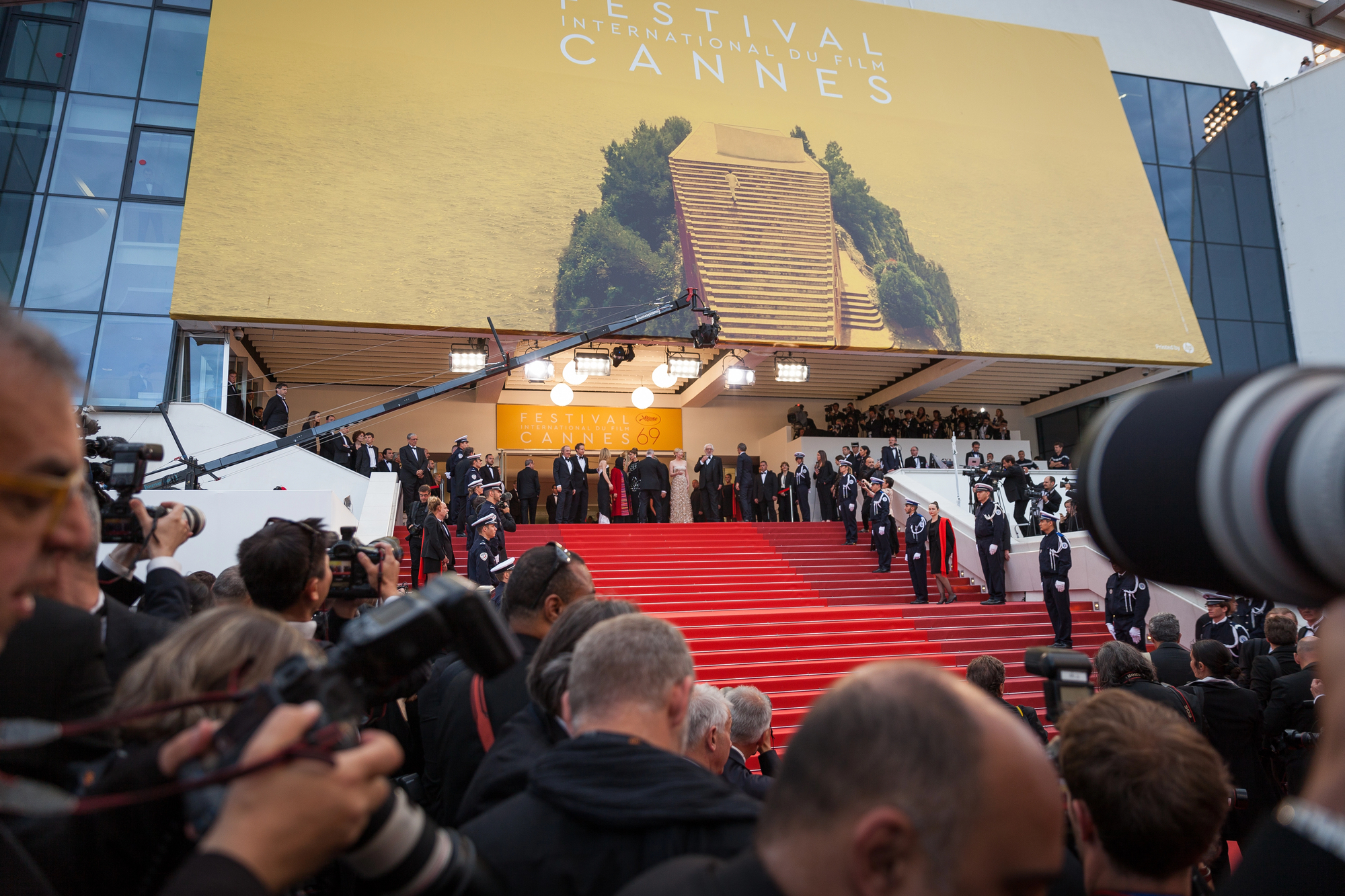
Louis Malle’s devastating portrait of a man’s last day before his planned suicide won the Special Jury Prize at Cannes in 1963 yet remains overshadowed by the director’s later works. Maurice Ronet delivers an extraordinary performance as an alcoholic writer who reconnects with old friends before his self-imposed deadline.
The film’s stark black-and-white cinematography and haunting score create an atmosphere of mounting desperation rarely matched in cinema.
Distant Voices, Still Lives
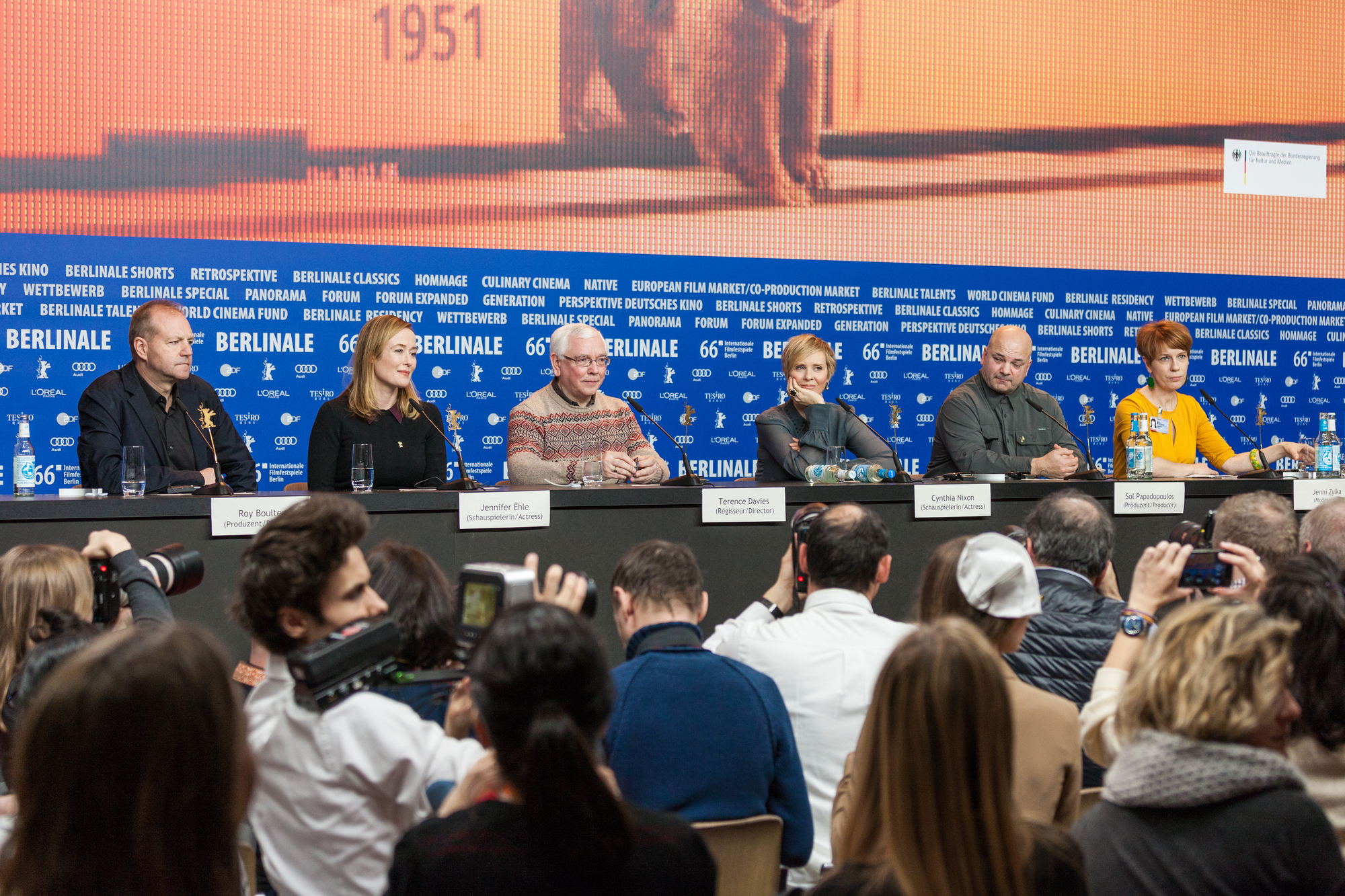
Terence Davies’ first masterpiece screened in the International Critics’ Week in 1988, earning the FIPRESCI Prize while establishing him as Britain’s most poetic filmmaker. Split into two distinct parts examining life under an abusive father and the family’s subsequent attempts at happiness, the film eschews traditional narrative for vivid tableaux linked by shared emotions and music.
Despite universal critical acclaim, its non-commercial approach limited its audience.
Like Go2Tutors’s content? Follow us on MSN.
Illumination

Krzysztof Zanussi’s philosophical drama won the Jury Prize at Cannes in 1973 yet remains virtually unknown outside Poland despite its profound impact. Following a physics student seeking meaning beyond scientific certainty, the film blends documentary techniques with narrative storytelling to create a searching portrait of intellectual crisis.
Zanussi’s background in physics gives the film’s examination of science’s limitations particular authenticity.
Japón

Mexican director Carlos Reygadas made his stunning debut in Critics’ Week in 2002 with this visually breathtaking meditation on death and rebirth. Shot in 16mm CinemaScope with nonprofessional actors against spectacular Mexican landscapes, the film follows a suicidal painter who forms an unexpected connection with an elderly indigenous woman.
Despite winning a special mention, the film’s challenging content limited its commercial prospects despite its undeniable artistic achievement.
La Cienaga
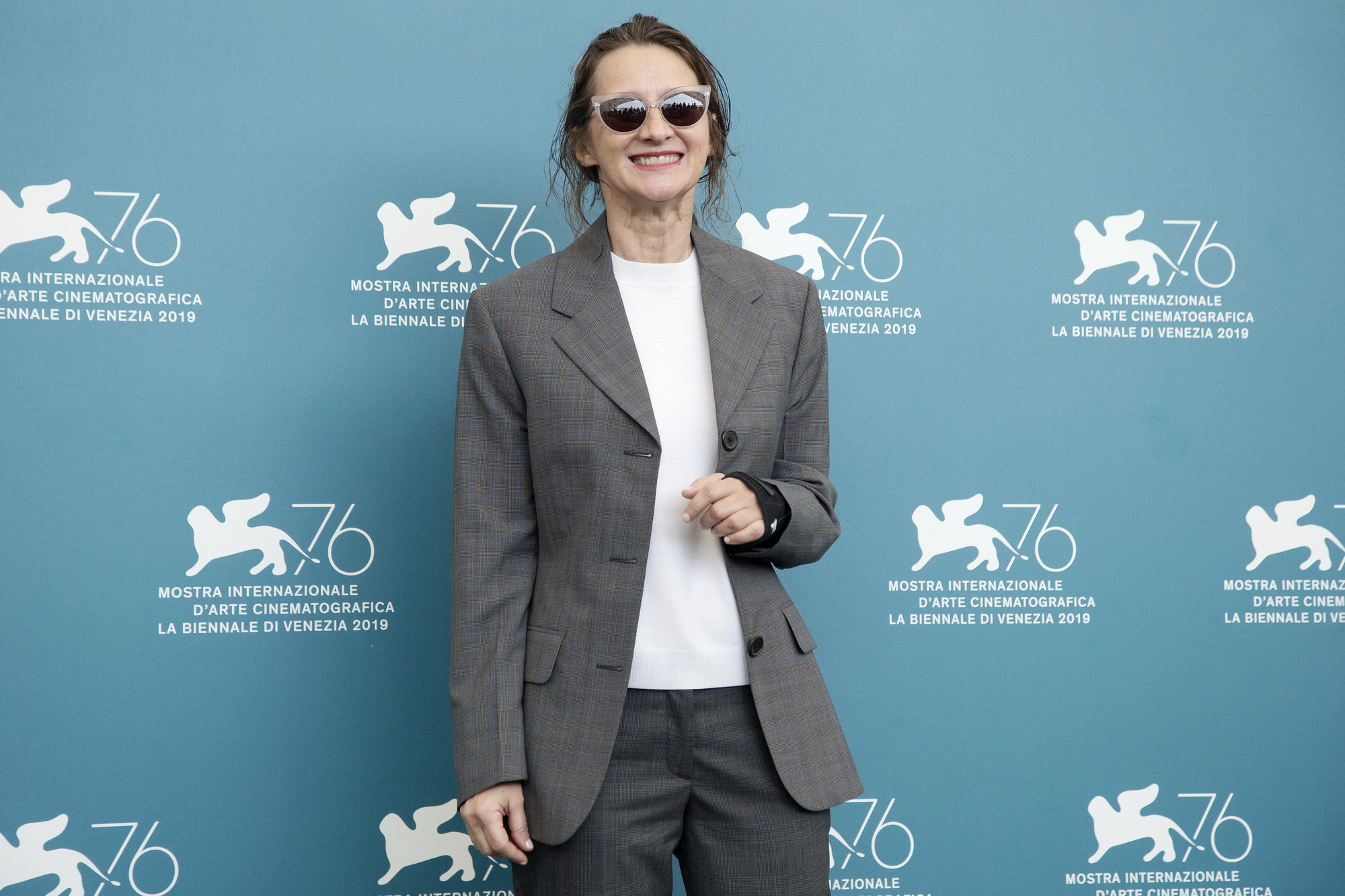
Argentinian filmmaker Lucrecia Martel’s remarkable debut earned recognition at Cannes’ Un Certain Regard section in 2001. Set during a sweltering summer at a decaying country estate, the film observes two dysfunctional bourgeois families with unsettling precision and dark humor.
Martel’s disorienting sound design and fragmented narrative create a palpable atmosphere of entropy and class anxiety that establishes her as Latin America’s most distinctive female director.
Like Go2Tutors’s content? Follow us on MSN.
In the City of Sylvia

José Luis Guerín’s nearly wordless visual poem screened in a Cannes sidebar section in 2007. Following a young artist’s obsessive search through Strasbourg for a woman he briefly met years earlier, the film transforms into a hypnotic meditation on looking, memory, and urban space.
Guerín’s extraordinary eye for composition creates a work of rare beauty that rewards repeated viewings yet has never found its deserved audience.
Tropical Malady
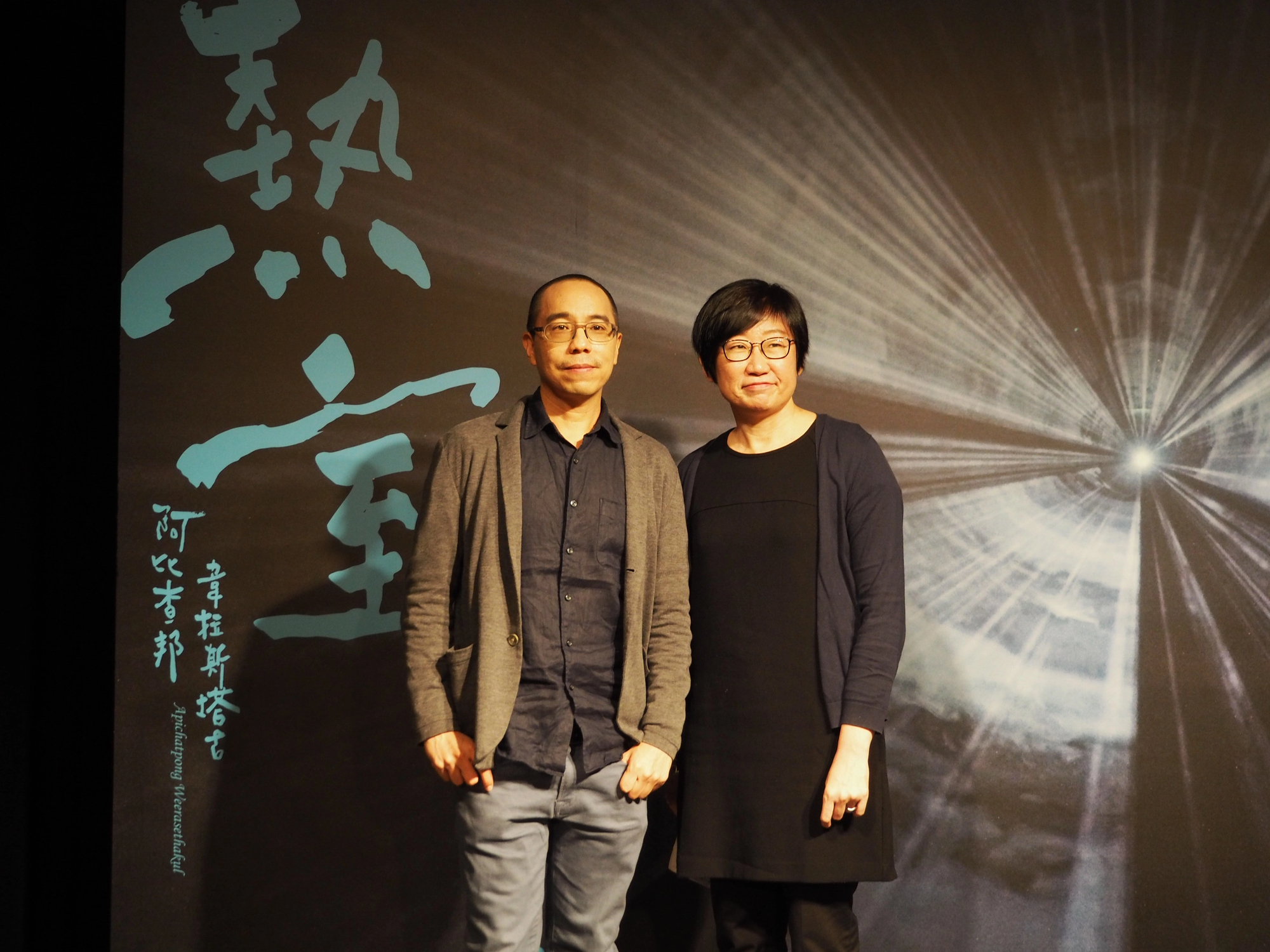
Thai filmmaker Apichatpong Weerasethakul’s structurally daring romance won the Jury Prize at Cannes in 2004 yet remains known primarily to dedicated cinephiles. The film begins as a tender love story before transforming halfway through into a mystical jungle tale where a soldier pursues a shape-shifting tiger shaman.
This radical bifurcated structure challenges viewers’ expectations while creating a hypnotic atmosphere unlike anything in contemporary cinema.
Like Go2Tutors’s content? Follow us on MSN.
The Enduring Power of Hidden Cinema

These extraordinary films remind us that Cannes’ greatest gift isn’t just launching blockbusters but providing a platform for genuinely visionary works regardless of commercial potential. While some hidden gems eventually find their audience through retrospectives and streaming platforms, others remain frustratingly difficult to access.
The thrill of discovering these overlooked treasures remains one of cinephilia’s great pleasures in an age of algorithmic recommendations.
Like Go2Tutors’s content? Follow us on MSN.
More from Go2Tutors!

- 16 Restaurant Chains That Went Too Fast
- 12 Things Sold in the 80s That Are Now Illegal
- 15 Strange Things People Have Tried to Ban (And Failed)
- 16 Collectibles People Tossed Out Too Soon
- 17 Myths from Your Childhood That Were Actually Based on Real Things
Like Go2Tutors’s content? Follow us on MSN.