15 Harshest Living Conditions Ever Recorded
Throughout human history, people have demonstrated remarkable resilience by surviving in environments that push the boundaries of what seems physically possible. From blistering heat to bone-chilling cold, extreme altitudes to crushing depths, these extraordinary places challenge every aspect of human endurance.
The inhabitants who call these harsh environments home have developed unique adaptations and survival strategies that leave scientists and adventurers equally amazed. Here is a list of 15 locations where humans have faced the most extreme living conditions ever documented.
Oymyakon, Russia

This remote Siberian village holds the title for the coldest permanently inhabited place on Earth — with winter temperatures routinely plunging below -60°F. Residents must keep their vehicles running continuously during the winter months to prevent engines from freezing solid.
The ground remains permanently frozen year-round, making conventional agriculture impossible and forcing locals to subsist primarily on reindeer meat, preserved foods, and ice fishing.
Danakil Depression, Ethiopia

Often called “the gateway to hell,” this geological nightmare combines scorching temperatures reaching 125°F with toxic chlorine gas, acid pools, and volcanic activity.
Despite these hellish conditions, the Afar people have inhabited this region for centuries — mining salt from the vast plains and developing unique physiological adaptations to withstand extreme heat.
Like Go2Tutors’s content? Follow us on MSN.
La Rinconada, Peru
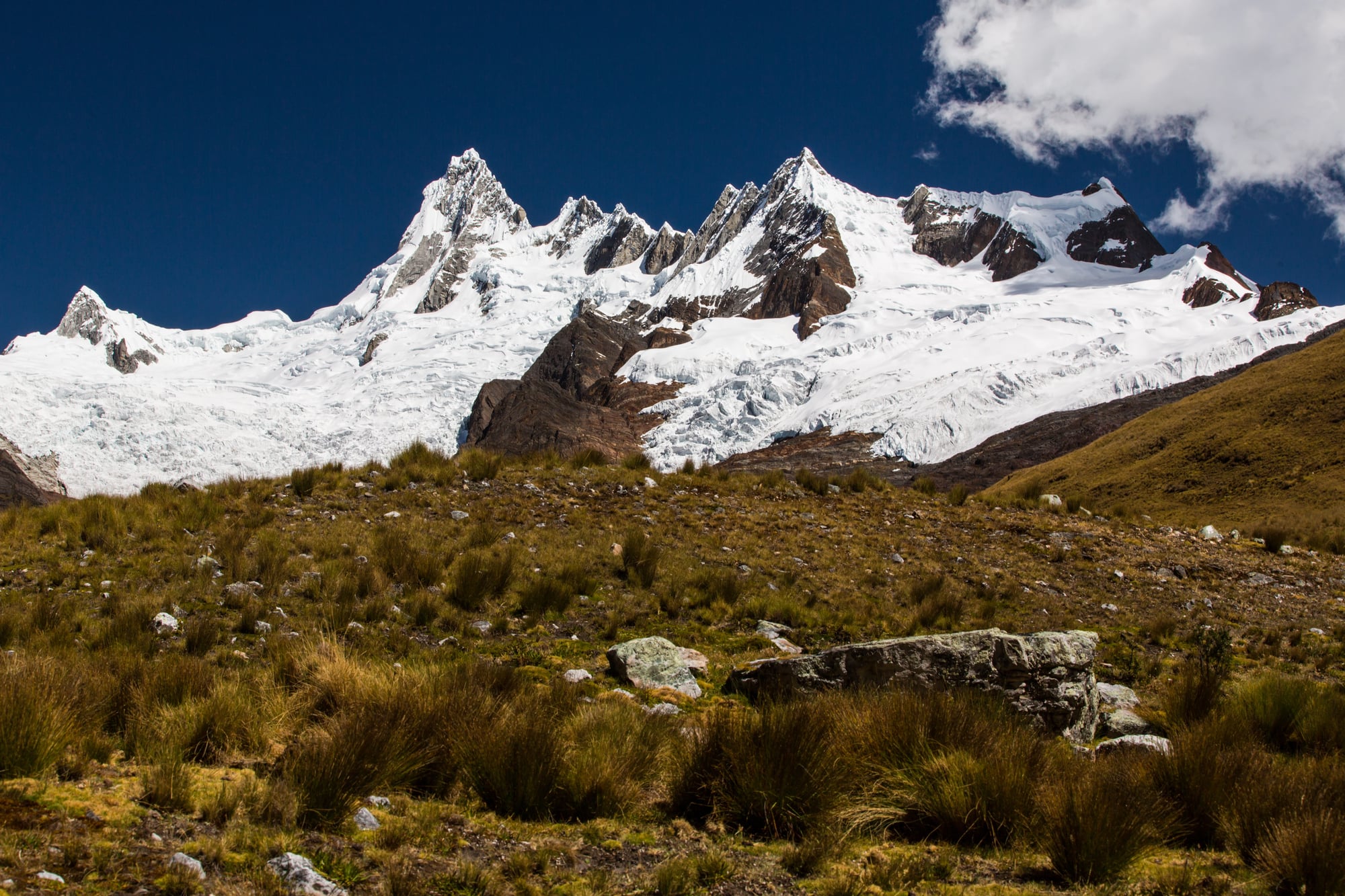
Perched at 16,700 feet above sea level, this gold mining settlement sits higher than any permanent human habitation on Earth. Oxygen levels remain roughly 50% lower than at sea level, causing newcomers to experience severe altitude sickness.
Residents develop enlarged lungs and hearts while producing more red blood cells — adaptations that help them survive where most would struggle to remain conscious.
Aral Sea Region, Kazakhstan

Once thriving fishing communities found themselves stranded in a toxic desert when the Aral Sea — formerly one of the world’s largest lakes — dramatically shrank due to Soviet irrigation projects.
Windstorms now carry pesticide-laden dust across these ghost towns, causing respiratory illnesses and cancer rates far exceeding normal levels.
North Sentinel Island, India

This isolated island in the Bay of Bengal hosts perhaps the most cut-off human population on the planet — the Sentinelese have rejected all contact with the outside world for thousands of years.
Their extreme isolation means zero access to modern medicine, technology, or assistance during natural disasters.
Like Go2Tutors’s content? Follow us on MSN.
Atacama Desert, Chile
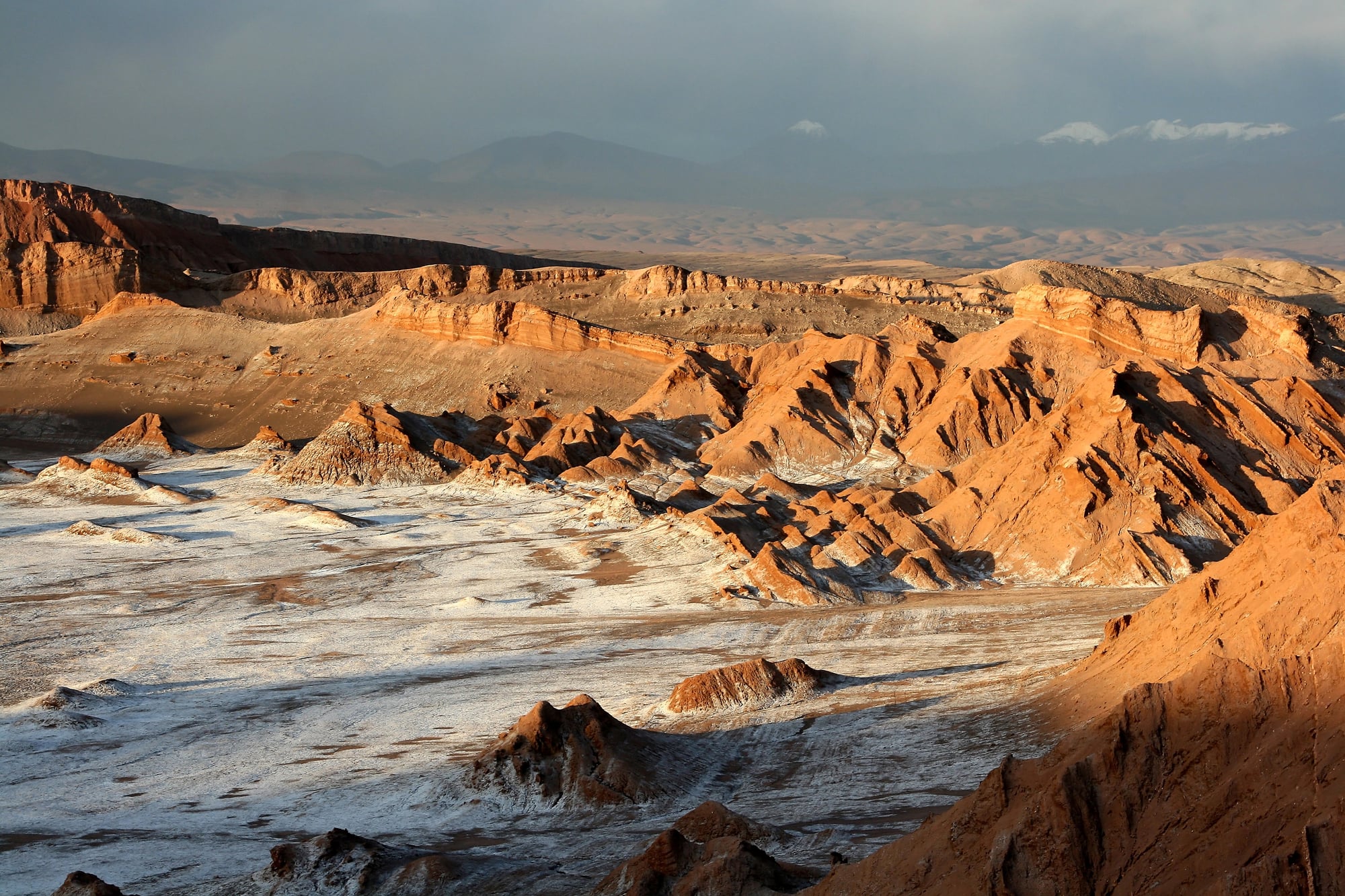
As the driest non-polar desert on Earth, certain regions of the Atacama haven’t received measurable rainfall in over 500 years.
Communities like Calama survive by collecting moisture from occasional fog banks using specialized nets.
Dallol, Ethiopia

This settlement holds records for both the hottest year-round average temperature and some of the most inhospitable chemistry on Earth. Acidic hot springs, toxic gases, and salt formations create an alien landscape where nothing grows.
The handful of residents who extract minerals here must import absolutely everything needed for survival.
Barrow, Alaska

The northernmost American settlement experiences 65 consecutive days of complete darkness during winter months, leading to widespread seasonal affective disorder among residents.
Temperatures remain below freezing for nearly nine months yearly, with wind chill factors regularly reaching -100°F.
Like Go2Tutors’s content? Follow us on MSN.
Kibber, India

Until recently holding the title of world’s highest permanent settlement with electricity, this Himalayan village sits 14,200 feet above sea level in a region prone to devastating avalanches.
Residents face severe iodine deficiencies from the mineral-poor soil, causing widespread thyroid conditions.
Coober Pedy, Australia
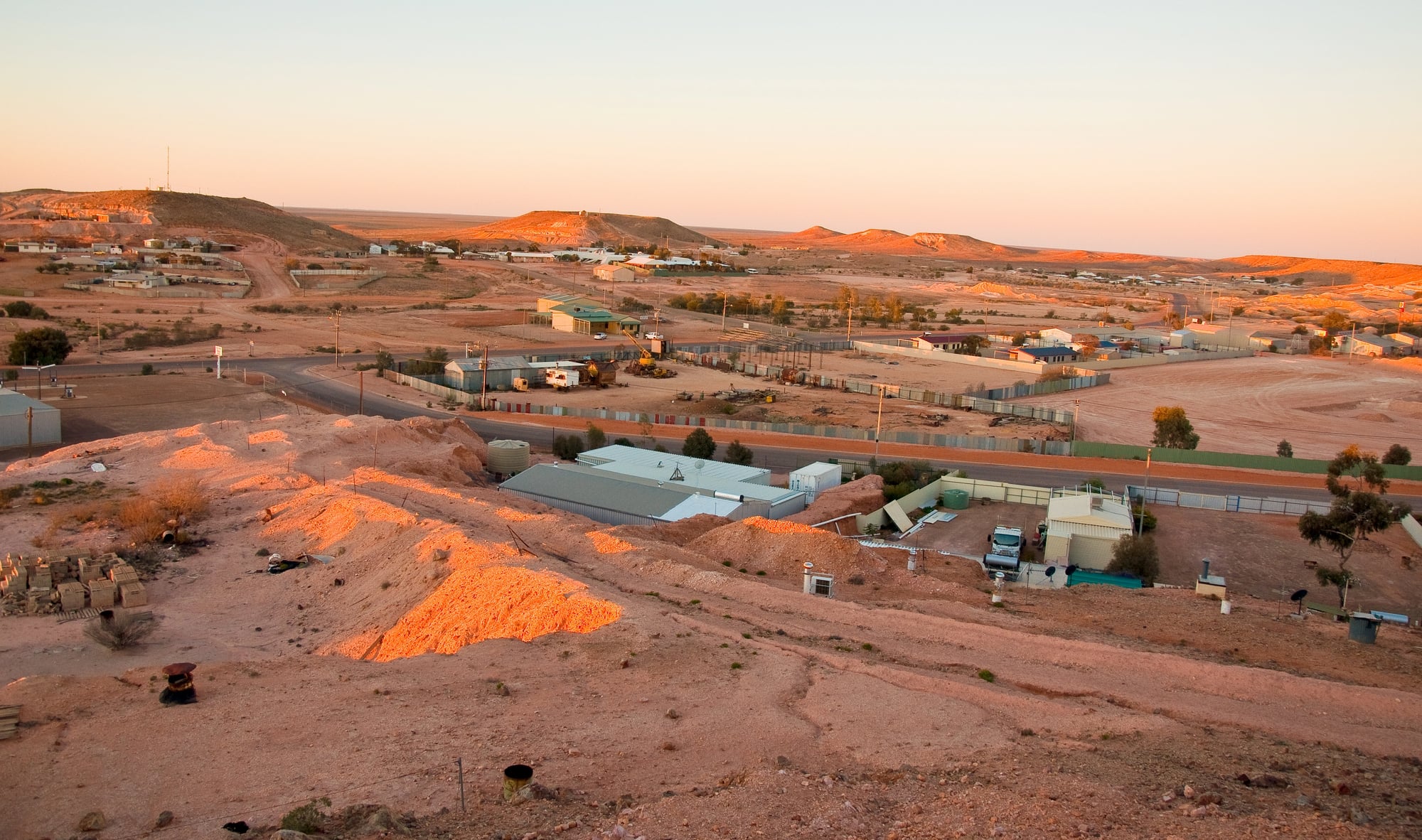
Facing summer temperatures exceeding 120°F, residents of this opal mining town have taken the dramatic step of moving entirely underground.
Roughly 80% of the population lives in subterranean homes carved from the bedrock to escape the punishing heat.
Yakutsk, Russia
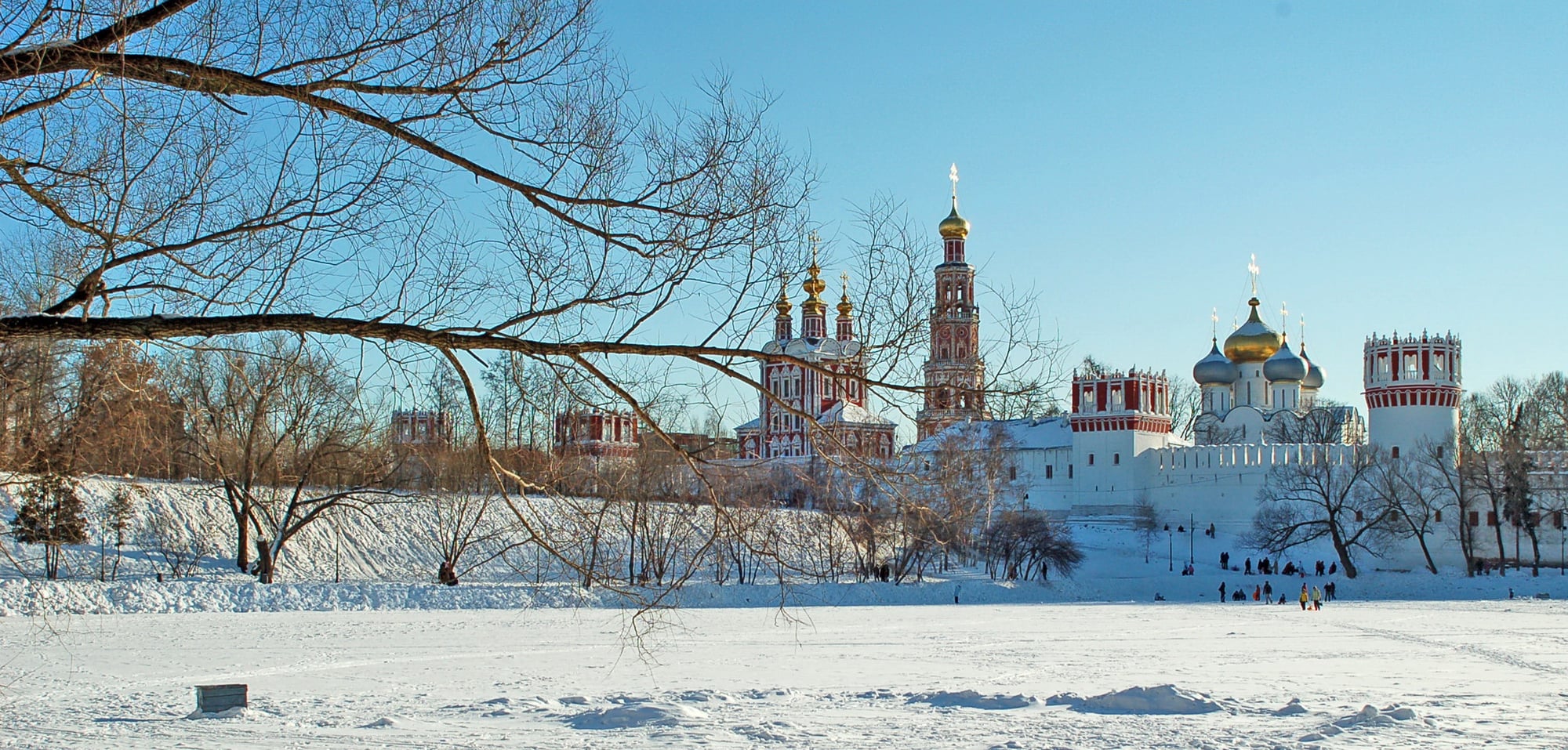
Built on continuous permafrost, this city of 300,000 people experiences temperature swings exceeding 180 degrees annually — from -80°F in winter to 100°F in summer.
Exposed skin can freeze solid in under one minute during winter, when residents must navigate through ice fog so thick that visibility drops to mere feet.
Like Go2Tutors’s content? Follow us on MSN.
Death Valley, USA

Holding the world record for highest reliably recorded air temperature (134°F), the few permanent residents of this California desert basin face extraordinary challenges.
During summer months, daytime outdoor activities become physically impossible without risk of rapid dehydration or heat stroke.
Meghalaya, India

While many harsh environments suffer from a lack of water, the villages in this northeastern Indian state face the opposite extreme — it’s the wettest inhabited place on Earth.
Annual rainfall averages 467 inches, with certain years exceeding 1,000 inches.
McMurdo Station, Antarctica
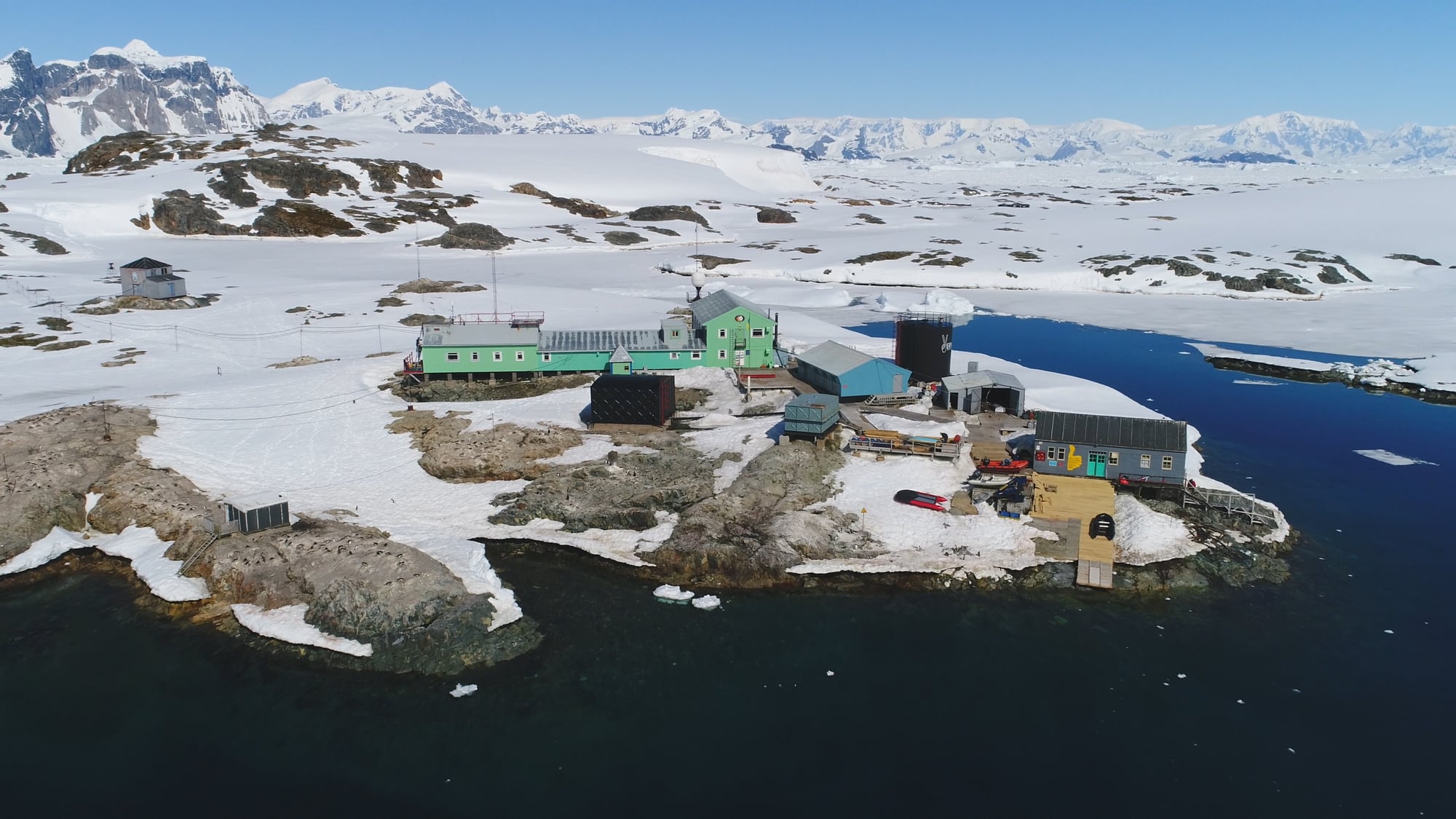
Though not technically permanent in the strictest sense, researchers at this scientific outpost endure some of the harshest conditions humans voluntarily subject themselves to for extended periods.
Winter personnel experience complete darkness for months, temperatures dropping below -100°F, and hurricane-force katabatic winds that can arise without warning.
Like Go2Tutors’s content? Follow us on MSN.
Verkhoyansk, Russia
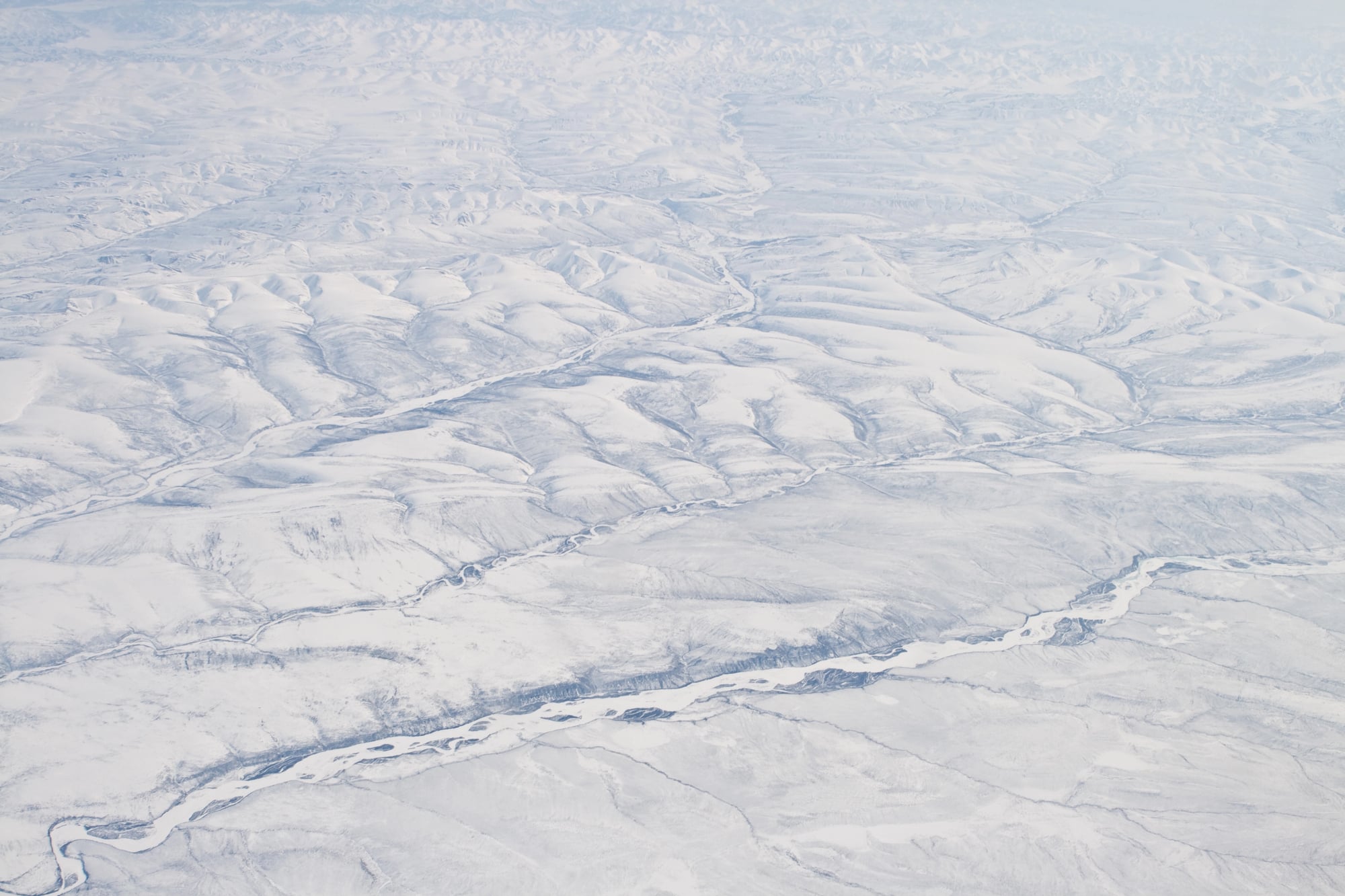
This Siberian town shares the Northern Hemisphere’s cold record (-93.6°F) with nearby Oymyakon, but stands apart for having the most extreme temperature variation on Earth — a 189-degree difference between summer and winter extremes.
The isolation is so complete that until recently, the journey to the nearest major city took over 3 weeks during the winter months.
Surviving The Impossible
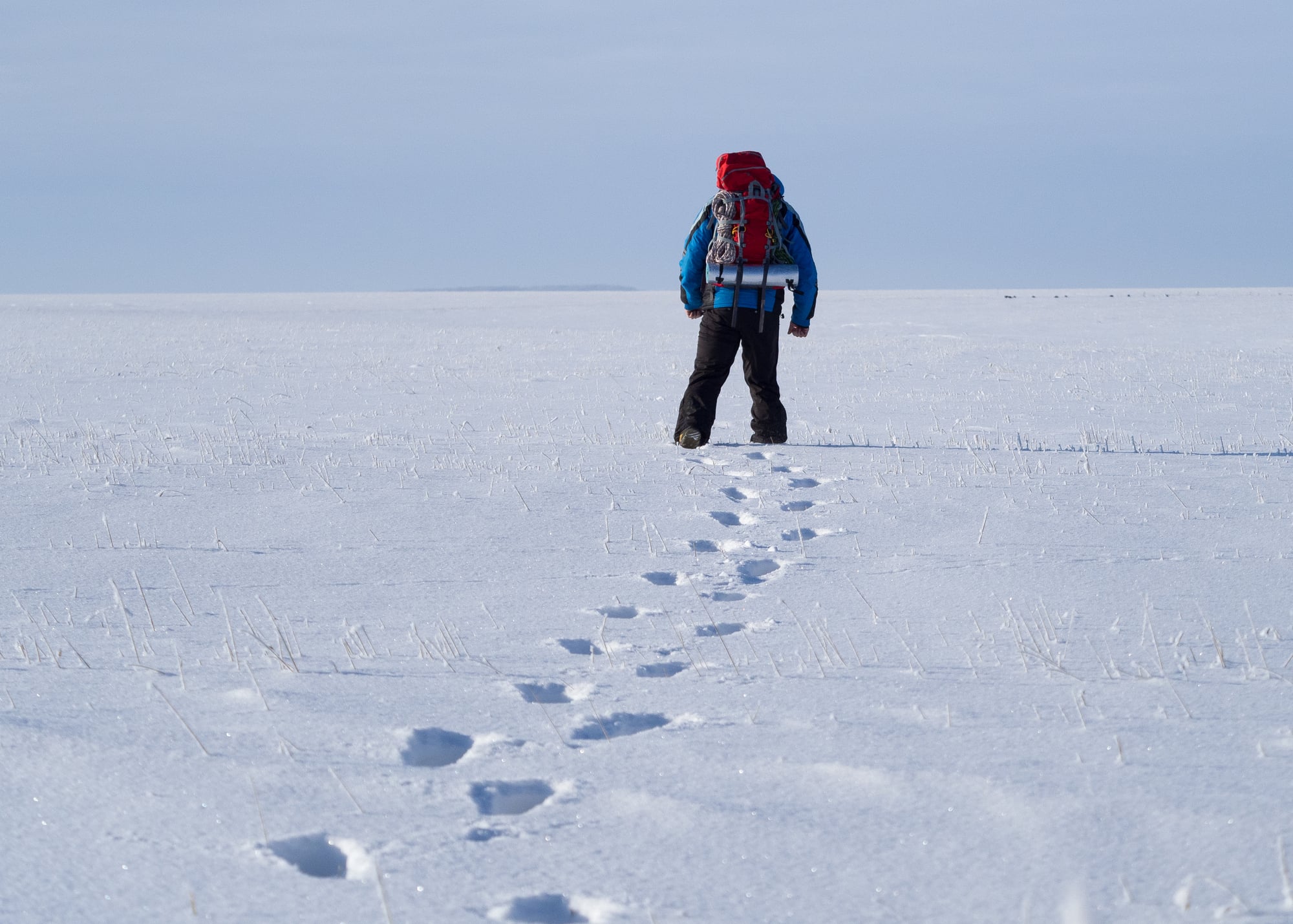
These extraordinary places remind us of humanity’s remarkable adaptability. Communities in these harsh environments have developed specialized knowledge and cultural practices that enable survival where outsiders would quickly perish.
As climate patterns shift globally, these populations often find their hard-won adaptations challenged by new extremes.
The resilience demonstrated in these locations offers valuable lessons about human potential and our capacity to thrive against seemingly impossible odds — though at costs few would willingly accept.
More from Go2Tutors!

- 18 Unexpectedly Valuable Collectibles You Might Have Lying Around
- 20 Little-Known Historical Battles That Had Huge Consequences
- 20 Historical Artifacts That Scientists Can’t Explain
- 15 Inventions That Were Immediately Banned After Being Created
- 20 Actors Who Were Almost Cast in Iconic Roles
Like Go2Tutors’s content? Follow us on MSN.