14 Holidays That Only Exist in One Country
Every nation has a distinct cultural fabric that is woven with customs, history, and holidays that are representative of its identity. Even though Christmas and New Year’s are celebrated all across the world, some events are deliciously unique to certain countries, highlighting their unique traditions and ideals.
Here is a list of 14 intriguing holidays, each with a unique history and customs, that are exclusively observed within the boundaries of one nation.
Whit Monday Cheese Rolling
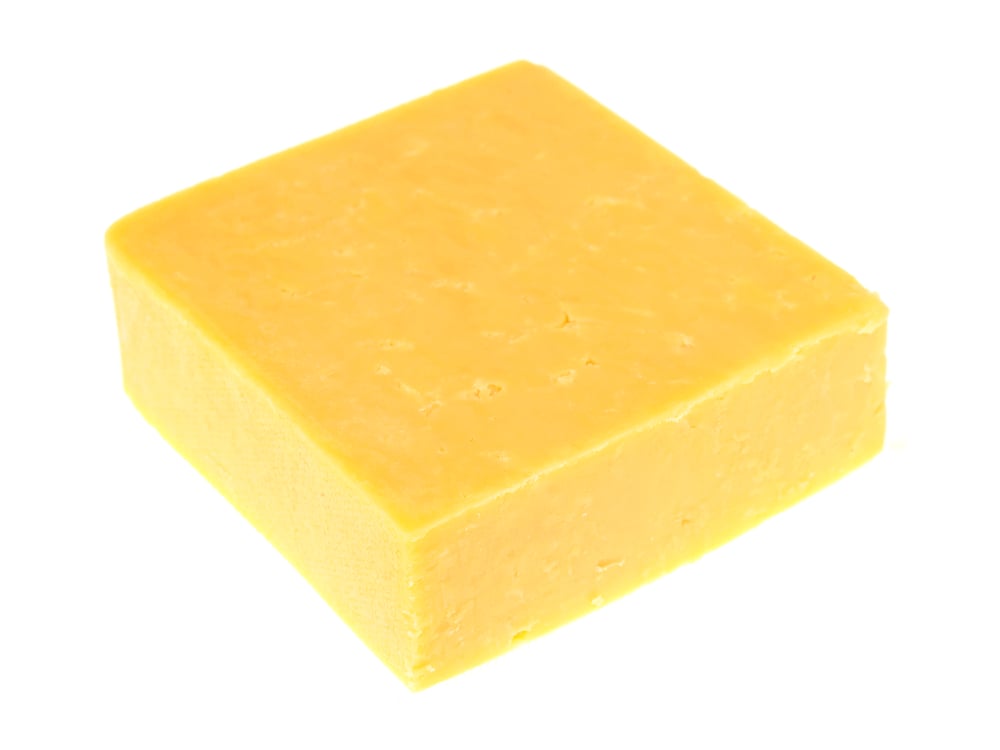
In a small village in Gloucestershire, England, locals gather annually to chase an 8-pound wheel of Double Gloucester cheese down a dangerously steep hill. This centuries-old tradition sees competitors tumbling and somersaulting down Cooper’s Hill, risking injury for the chance to catch the rolling cheese.
The first person across the finish line wins the prized wheel, along with somewhat painful bragging rights.
Monkey Buffet Festival
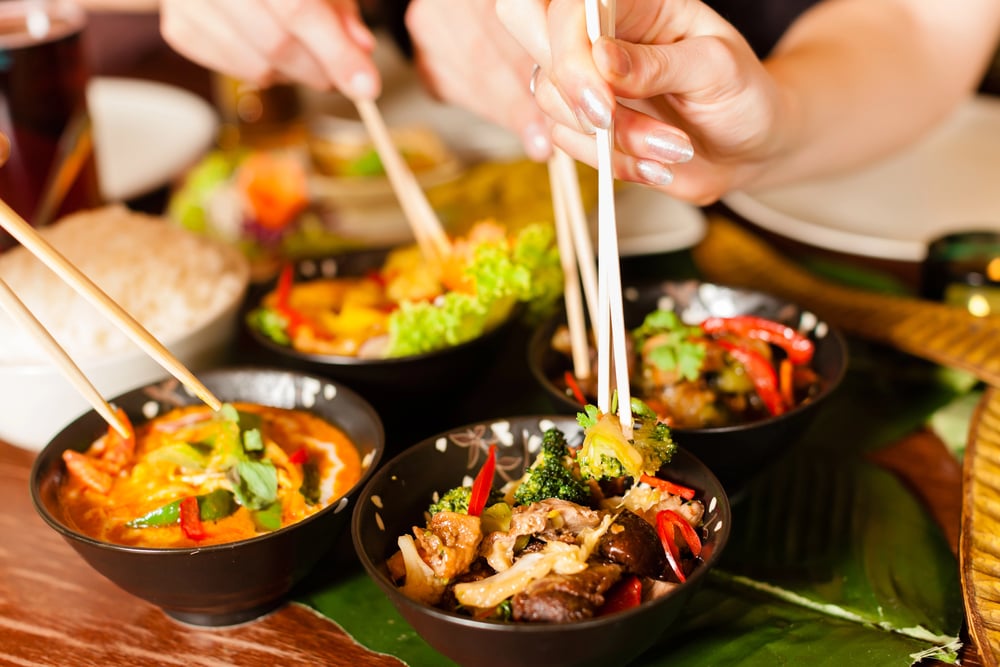
Thailand hosts one of the world’s most unusual festivals in Lopburi province, where over 2,000 monkeys are treated to an elaborate feast. Every November, locals prepare fruits, vegetables, and traditional Thai dishes, arranging them on beautifully decorated tables for the town’s macaque population.
The festival honors these animals who, according to local belief, bring good fortune to the region and attract thousands of tourists annually.
La Tomatina

Spain’s quirkiest holiday involves a massive tomato fight in the streets of Buñol. For one hour on the last Wednesday of August, participants pelt each other with over 150,000 tomatoes, turning the entire town into a sea of red pulp.
The tradition began in 1945 following a spontaneous food fight among friends and has evolved into a government-regulated event that draws participants from around the globe.
Vappu
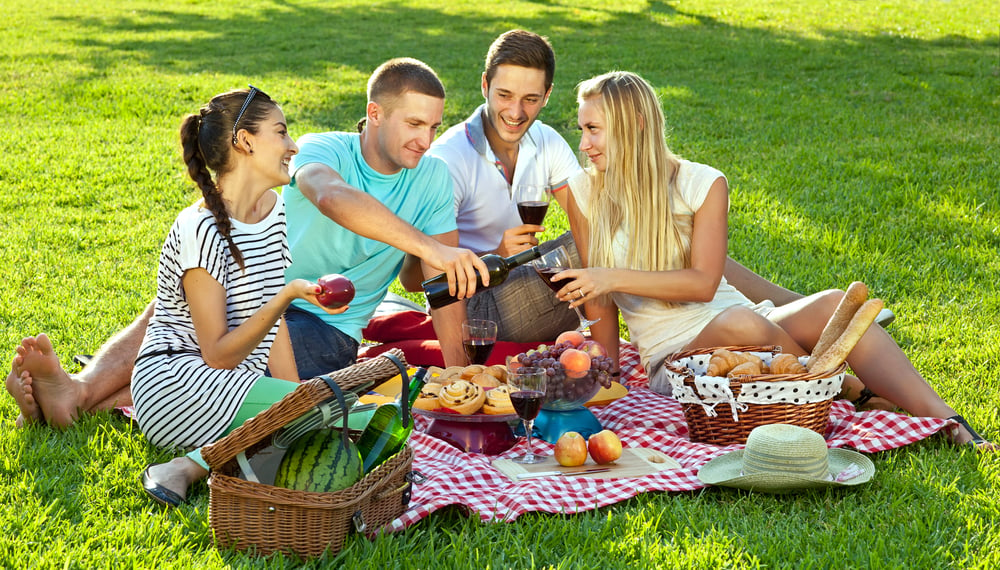
Finland celebrates May Day like nowhere else with Vappu, a carnival-like holiday combining Labor Day festivities with student celebrations. The festivities begin on April 30th when citizens place white caps on prominent statues throughout cities and continue with picnics, sparkling wine, and traditional mead the following day.
University students wear their distinctive colored overalls, creating a nationwide atmosphere resembling a massive college party.
Nyepi
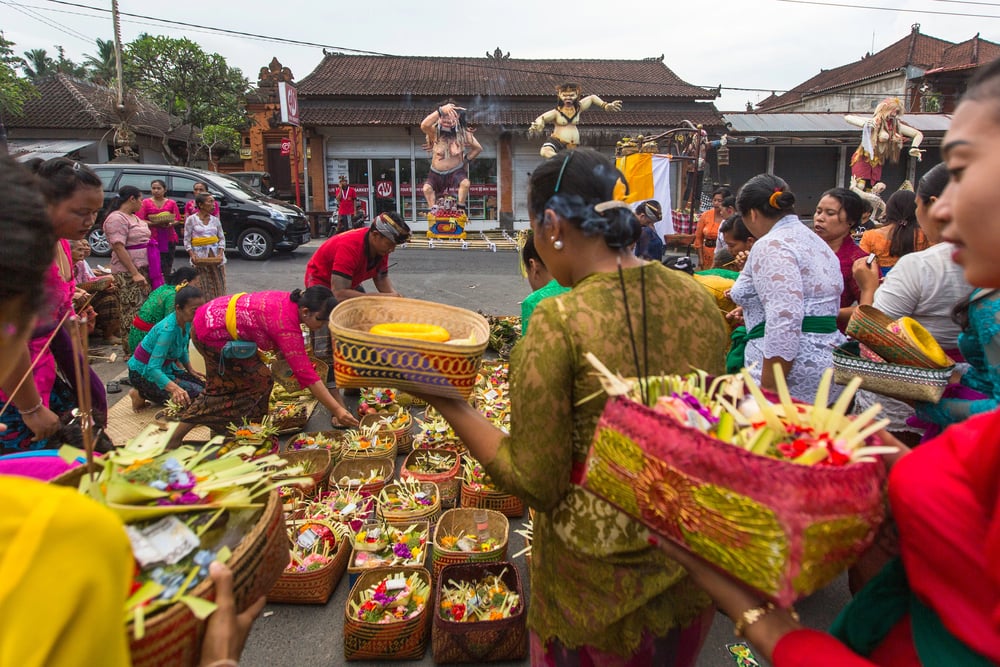
Indonesia’s Bali observes a ‘Day of Silence’ unlike any other holiday in the world. For 24 hours, the entire island essentially shuts down—no work, no travel, no entertainment, and even the airport closes.
Locals stay indoors, refrain from using lights, and maintain silence for reflection and meditation. The day before features colorful parades with large papier-mâché monsters called ‘ogoh-ogoh,’ which represent negative elements to be purged.
Setsubun
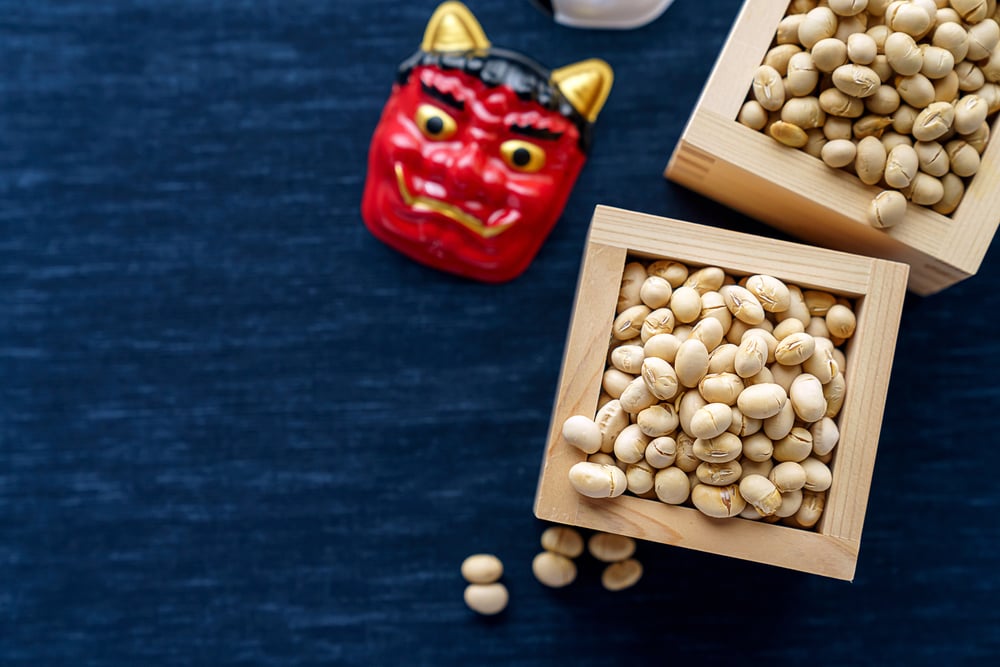
Japan marks the beginning of spring with a bean-throwing festival called Setsubun. Families toss roasted soybeans out their doors or at family members wearing demon masks while chanting ‘Oni wa soto, fuku wa uchi’ (demons out, good fortune in).
Many Japanese also eat a special sushi roll called ‘ehomaki’ in complete silence while facing the year’s lucky direction as determined by the zodiac calendar.
Holi Cow Festival
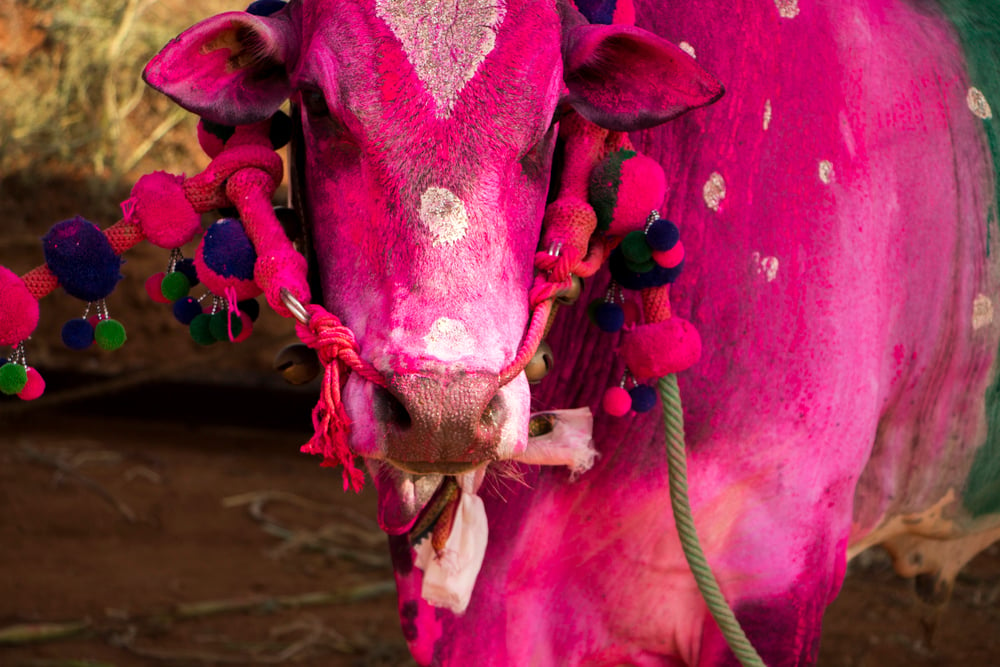
Argentina puts its own spin on the Indian festival of colors with ‘Holi Cow,’ a massive celebration in Buenos Aires featuring colored powder, water fights, and live music. Unlike traditional Holi, this Argentine adaptation incorporates electronic music and art installations, creating a vibrant cultural fusion.
The festival has become a popular way for Argentinians to celebrate diversity and creativity in their own unique style.
Guy Fawkes Night
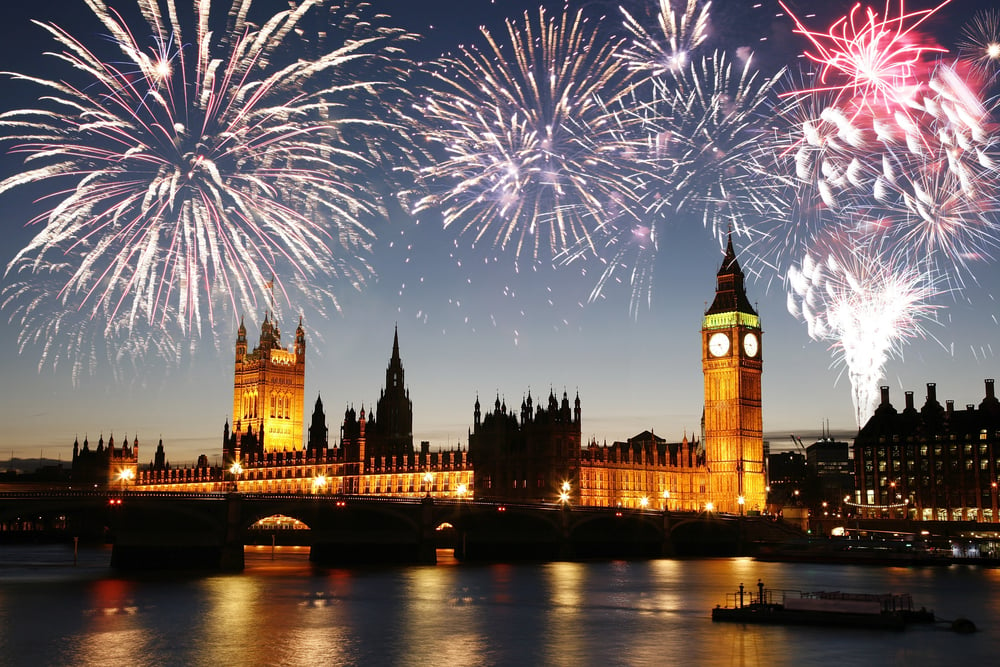
The United Kingdom commemorates a failed assassination attempt with bonfires, fireworks, and the burning of effigies. On November 5th, Brits celebrate the foiling of the Gunpowder Plot of 1605, when Guy Fawkes attempted to blow up the House of Lords and assassinate King James I.
Children traditionally parade homemade ‘guys’ through neighborhoods asking for ‘a penny for the guy’ before the dummy is ceremonially burned atop community bonfires.
Vesak Lantern Festival
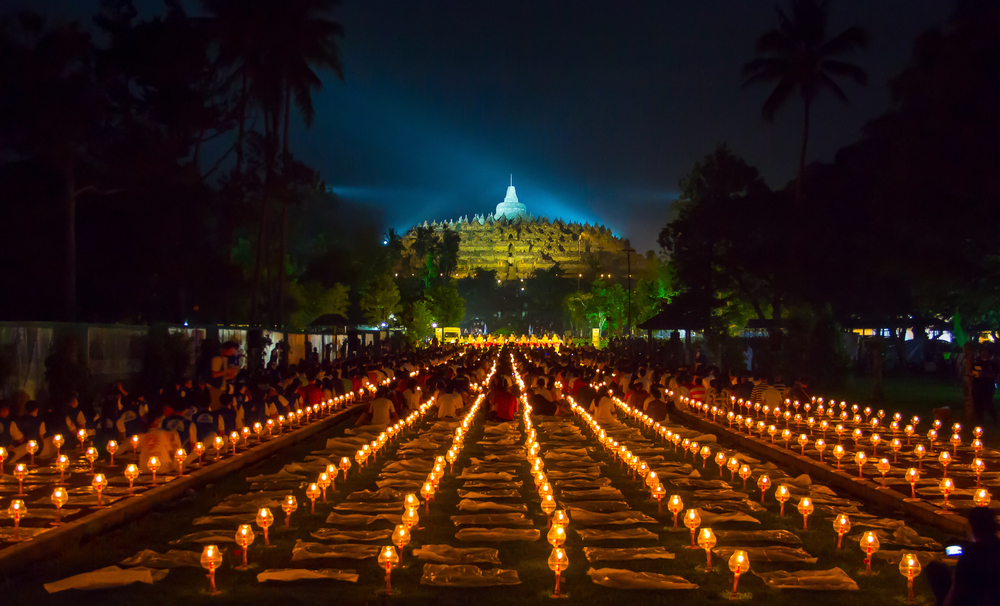
Sri Lanka transforms into a sea of light during Vesak, commemorating Buddha’s birth, enlightenment, and death. While several Buddhist countries observe Vesak, Sri Lanka’s version stands apart with its elaborate paper lanterns crafted by families and displayed outside homes.
These intricate creations range from simple cube shapes to complex revolving lanterns telling stories from Buddha’s life through shadow puppetry as they spin.
King’s Day
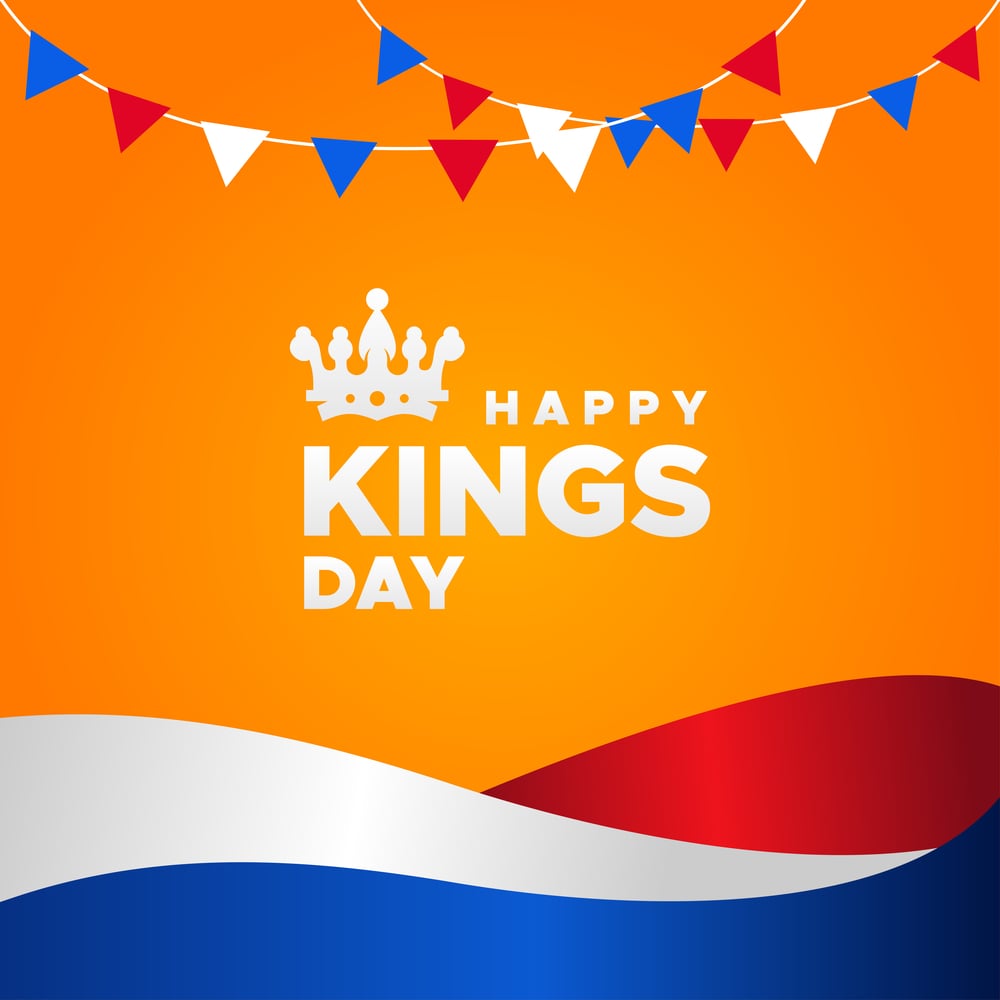
The Netherlands erupts in orange during Koningsdag (King’s Day) on April 27th, celebrating the monarch’s birthday. The entire country transforms into the world’s largest flea market as citizens sell second-hand goods on streets and in parks without needing permits.
Amsterdam’s canals fill with boats packed with revelers dressed in orange, the national color, creating a massive outdoor party with concerts and street performances throughout Dutch cities.
Krampusnacht
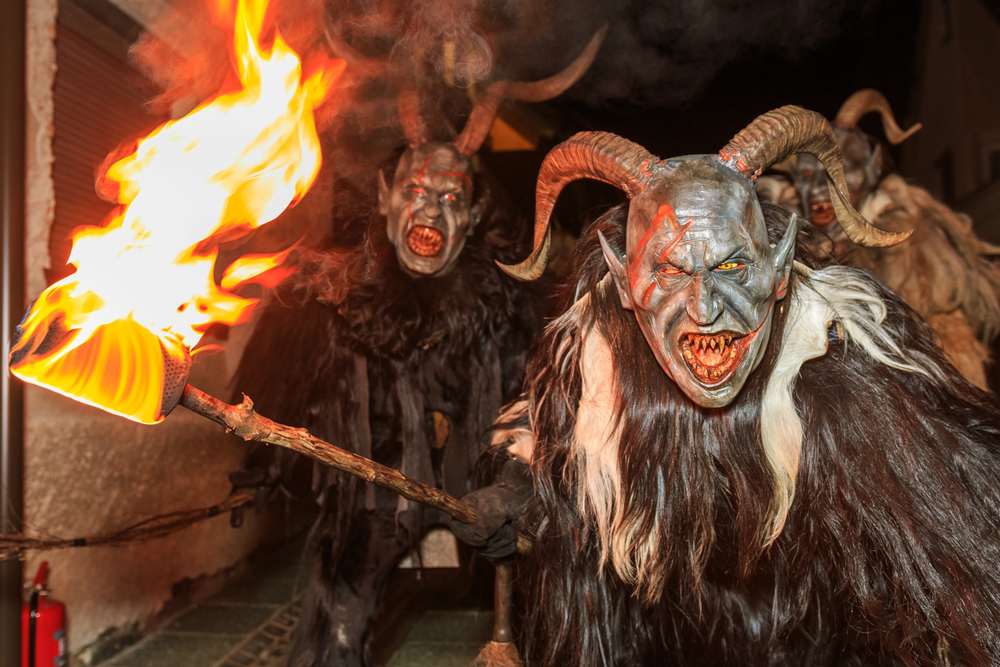
Austria celebrates the darker side of Christmas with Krampusnacht on December 5th. While St. Nicholas rewards good children with gifts, his demonic counterpart Krampus punishes the naughty.
Young men dressed as the horned, hairy creature parade through towns wielding switches and chains, playfully terrorizing onlookers. The tradition provides a fascinating counterbalance to the more commercial aspects of the holiday season.
Double Ninth Festival
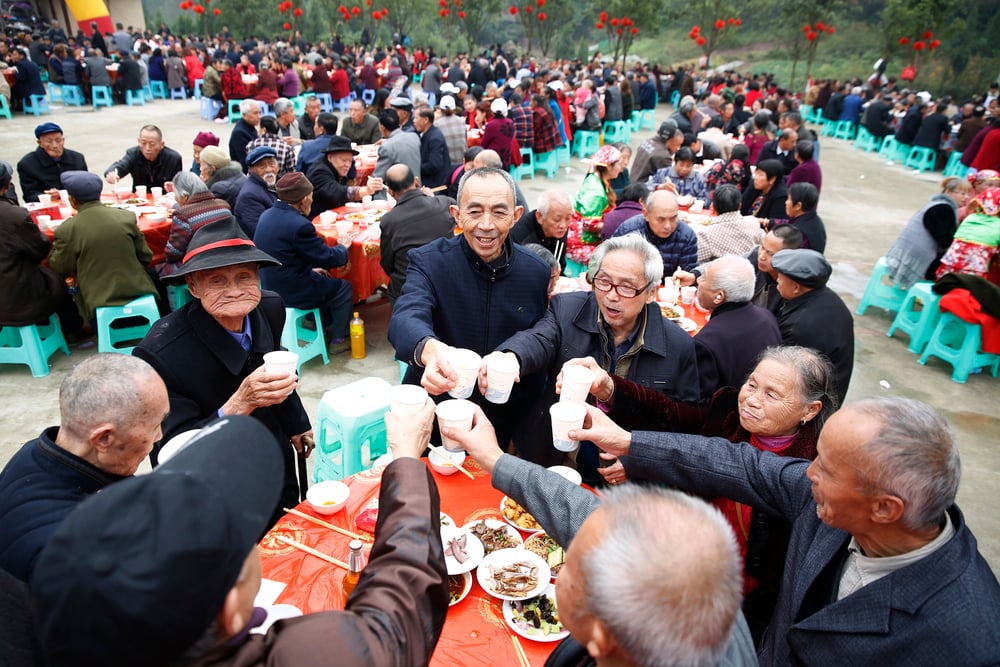
China’s Chongyang Festival occurs on the ninth day of the ninth lunar month, creating a double nine—considered auspicious yet potentially dangerous. Families climb mountains to symbolically ascend to success and safety, while drinking chrysanthemum wine and wearing cornel dogwood.
The day has evolved into Seniors’ Day in modern China, focusing on respect for the elderly with special family gatherings and community events.
Wife-Carrying Championship
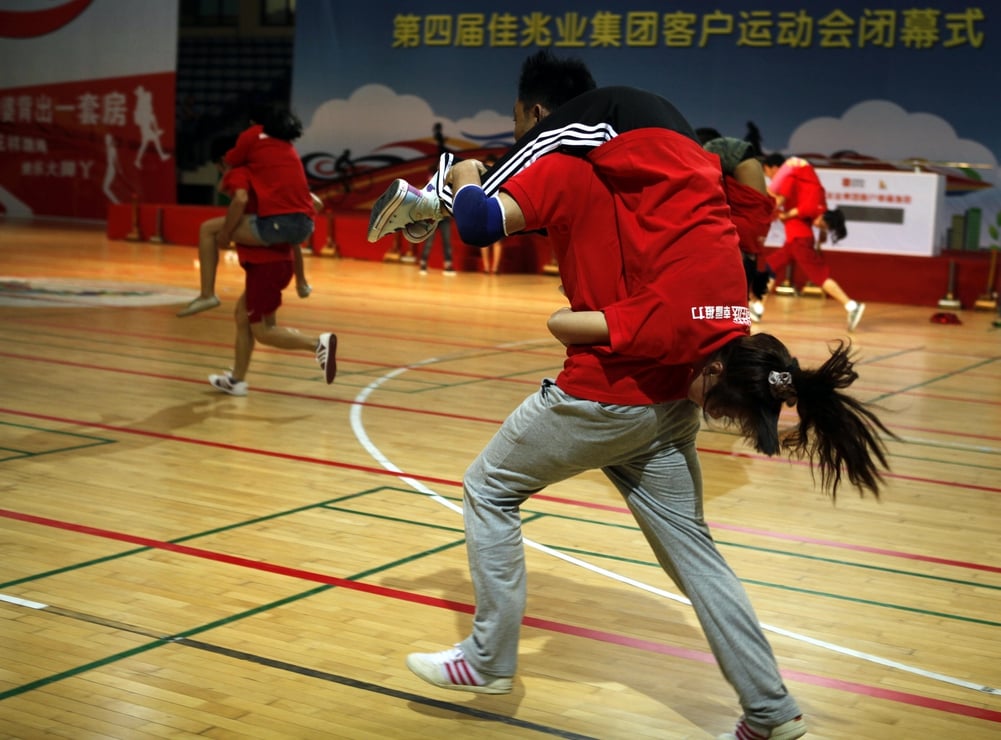
Finland’s quirky sport becomes a national celebration during the annual Wife-Carrying Championship in Sonkajärvi. Men race through an obstacle course while carrying their female partners, competing for the grand prize—the wife’s weight in beer.
The competition originated from the legend of a 19th-century robber named Herkko Rosvo-Ronkainen who allegedly stole women from neighboring villages by carrying them away on his back.
Tinku ‘Punch Your Neighbor’ Festival
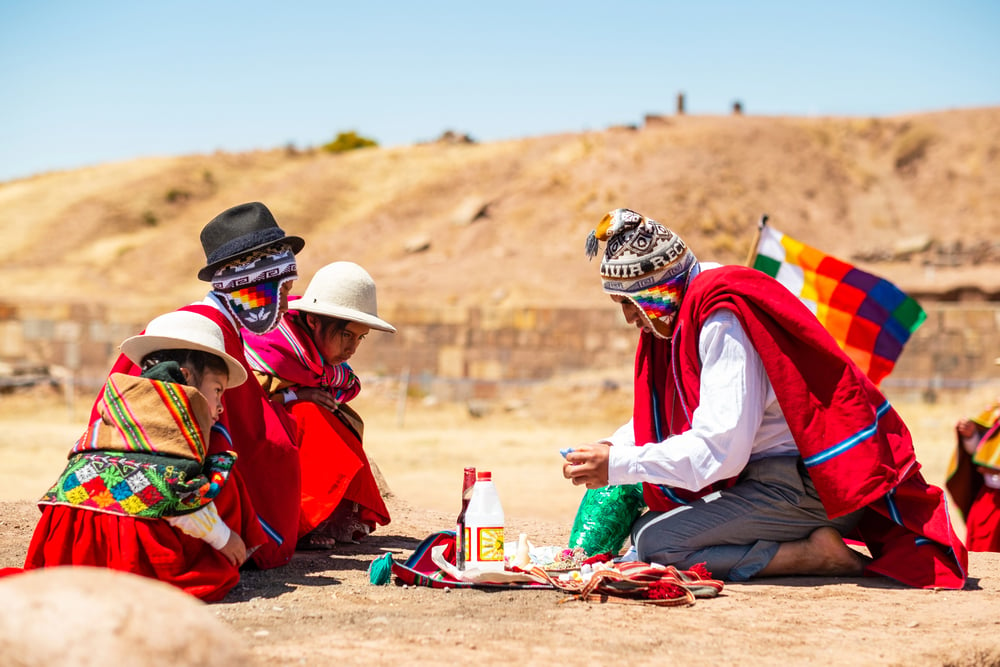
Bolivia hosts this controversial festival where controlled fighting becomes a sacred ritual. In the Potosí region, indigenous communities gather yearly for ritualized combat where participants literally fight their neighbors with fists and feet.
The practice originated from ancient beliefs that blood spilled during these fights would guarantee a good harvest by paying tribute to Pachamama (Mother Earth).
Our Peculiar World
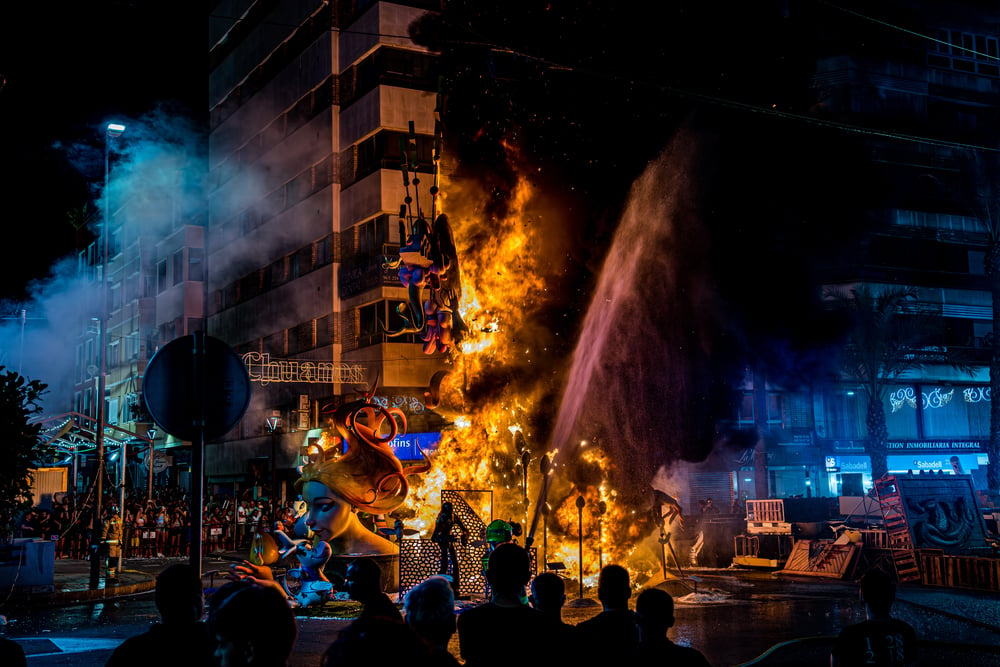
These unusual holidays serve as a reminder that cultural festivities frequently highlight the most distinctive features of a country’s character. For locals, these customs—which range from cheese-chasing in England to monkey banquets in Thailand, represent significant ties to history, the natural world, and their society.
They serve as vibrant illustrations of how some customs are remarkably unique to the locations where they originated, despite our world being more interconnected by the day.
More from Go2Tutors!

- The Romanov Crown Jewels and Their Tragic Fate
- 13 Historical Mysteries That Science Still Can’t Solve
- Famous Hoaxes That Fooled the World for Years
- 15 Child Stars with Tragic Adult Lives
- 16 Famous Jewelry Pieces in History
Like Go2Tutors’s content? Follow us on MSN.



