17 Facts About the 1980s That Will Make You Feel Old
Remember when your biggest worry was whether you’d recorded over your favorite song on the radio? The 1980s feel like they happened just a few years ago, but the math tells a different story.
Those neon-soaked, big-haired days are now further from today than the 1950s were from the 1980s. That realization hits different when you put it that way.
The decade that gave us MTV, personal computers, and the idea that greed might actually be good has left behind a trail of artifacts that now seem as ancient as cave paintings to younger generations. What felt cutting-edge then reads like historical fiction now.
The First MTV Video

“Video Killed the Radio Star” aired at 12:01 AM on August 1, 1981. That moment is now 43 years old.
The song itself was already two years old when MTV launched, making it a vintage track even then.
Pac-Man Fever
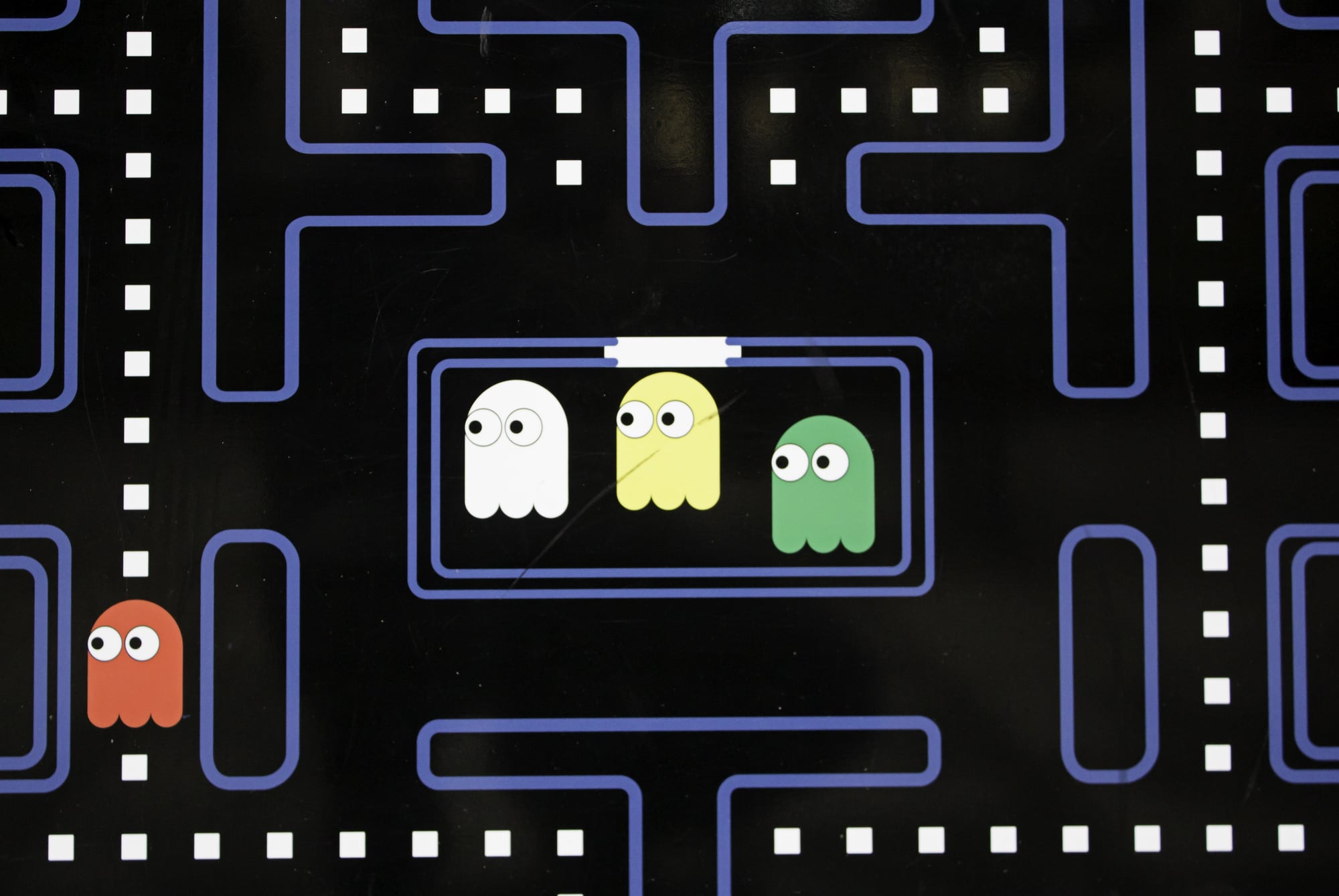
The yellow dot-muncher debuted in 1980 and became the first video game superstar. Your kids probably think retro gaming means the original PlayStation.
Pac-Man is older than most of their parents.
Personal Computers Were Luxury Items
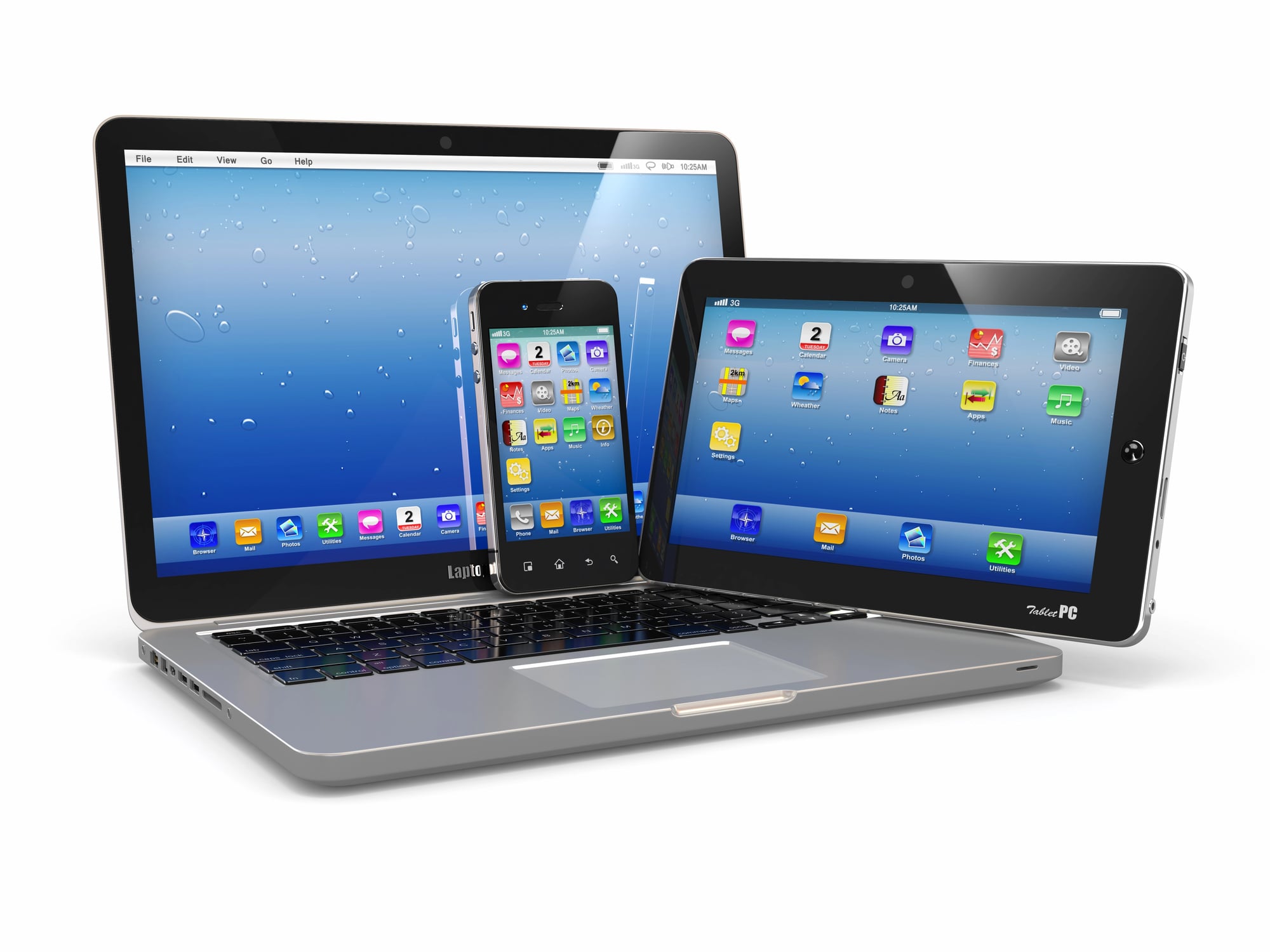
When IBM released their first personal computer in 1981, it cost $1,565 (which translates to about $5,200 today), and the thing couldn’t even display graphics without additional hardware—but somehow this felt revolutionary at the time, this beige box that could maybe, if you were patient enough and willing to learn an entirely new language of commands, help you balance your checkbook or write a letter, though most people just used it to play primitive games where a few pixels represented entire armies, and the excitement of watching those blocky characters move across a green screen was genuinely thrilling because it meant the future had finally arrived in your living room, even if that future looked suspiciously like an expensive calculator.
Most families didn’t own one. And yet here we are.
The Walkman Revolution
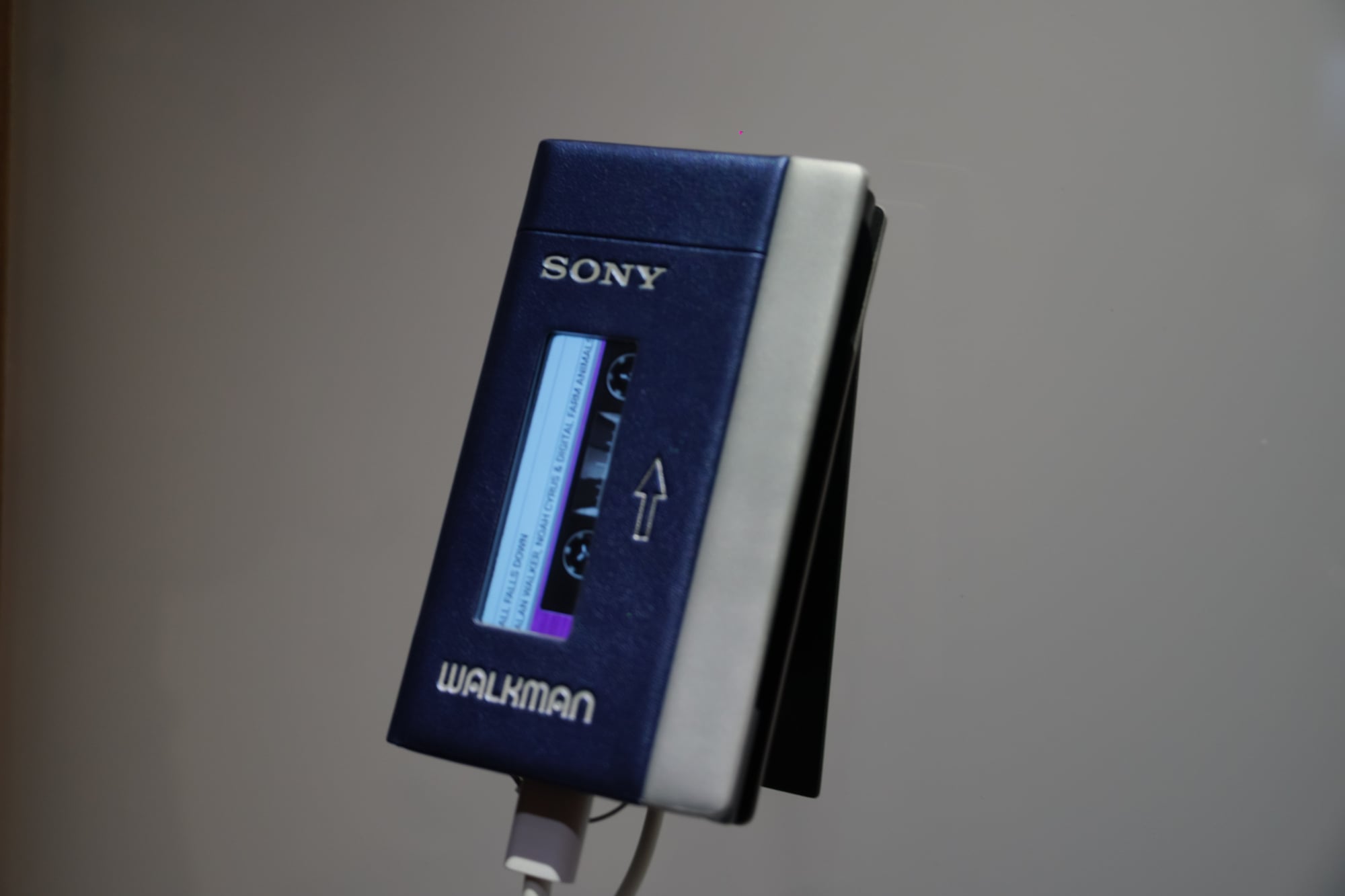
There’s something almost quaint about the idea of being tethered to your music by a pair of foam headphones, carrying around a device the size of a paperback book just to hear ten songs in the order someone else decided they should go.
The Sony Walkman wasn’t just a gadget—it was a declaration of independence from whatever happened to be playing on the radio at that exact moment.
You could disappear into your own soundtrack while walking down the street, though you had to remember to flip the tape over halfway through, and God help you if the batteries died during your favorite song. The ritual of it all mattered more than the convenience.
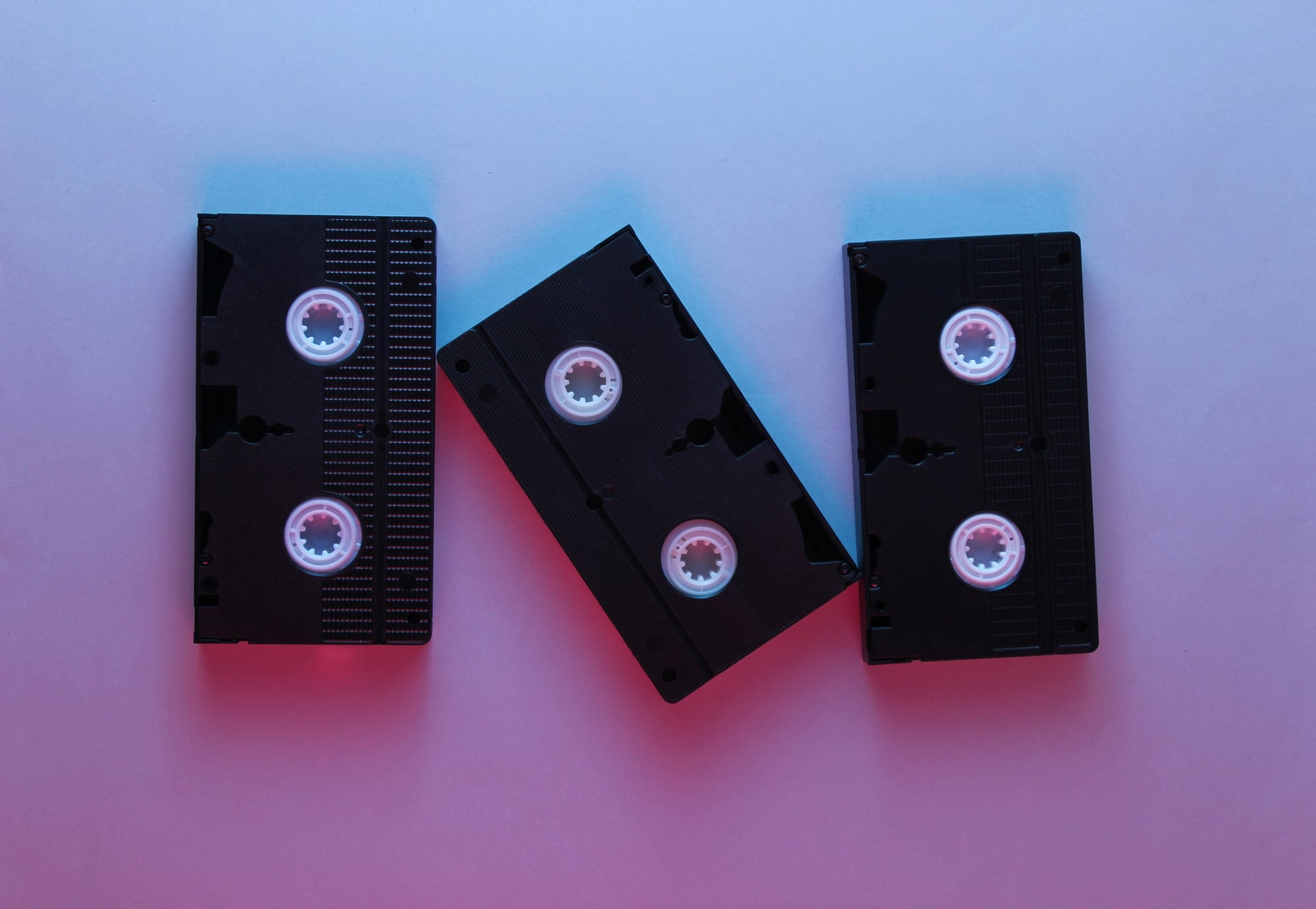
VHS vs. Betamax
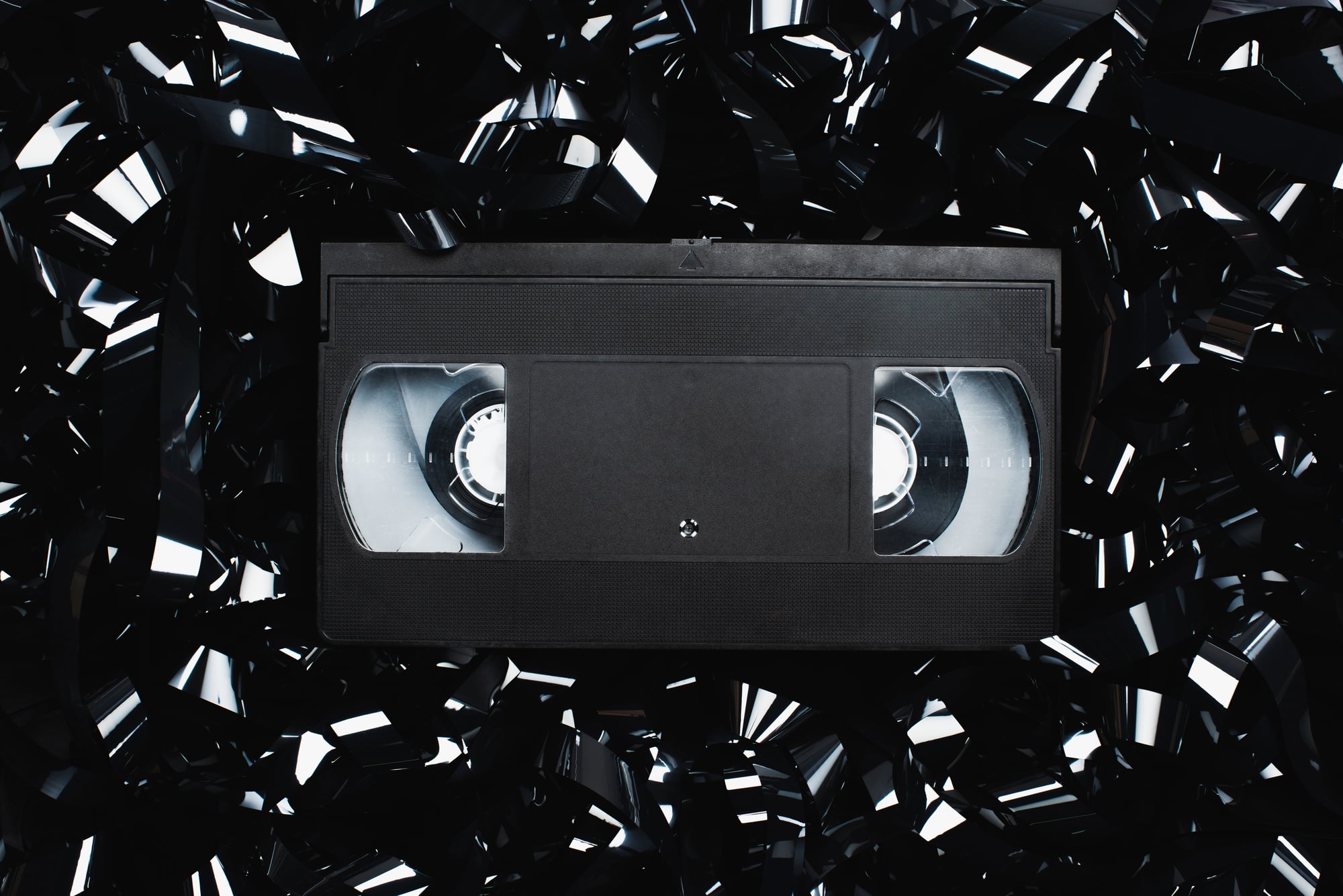
Betamax was technically superior. VHS won anyway.
This battle raged through the entire decade, with families choosing sides like it was a blood feud. The losing format is now a museum curiosity.
Cable TV Was Optional
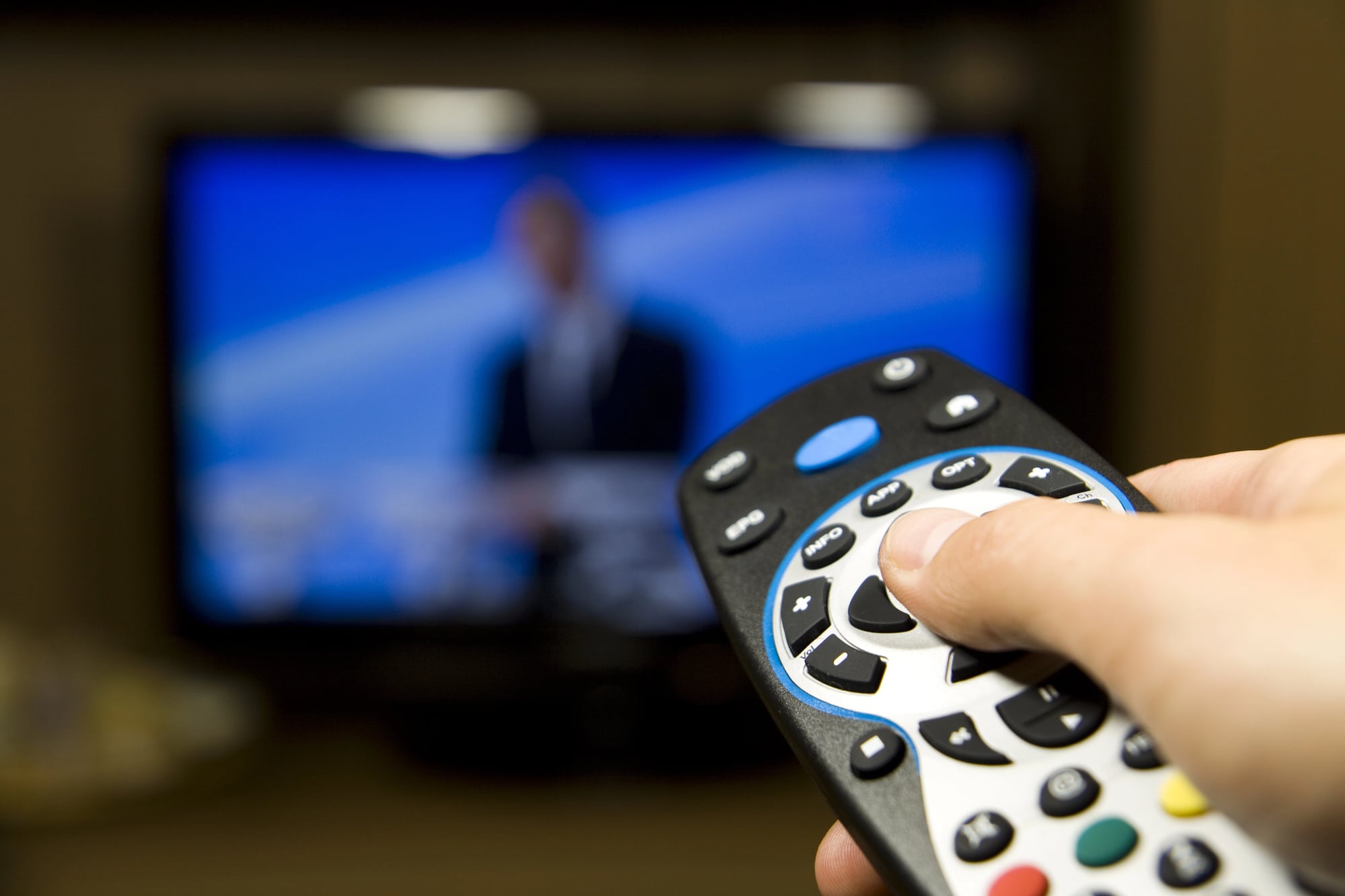
Most households had maybe a dozen channels, and that felt like plenty—you could flip through everything during commercial breaks and still make it back to your show, there was something oddly comforting about the limited choices, about knowing that if nothing good was on, nothing good was on, and you’d have to find something else to do with your evening, maybe read a book or call a friend, radical concepts that didn’t require scrolling through infinite options while paralyzed by choice.
HBO was the premium upgrade that made you feel wealthy.
Computers Had No Internet
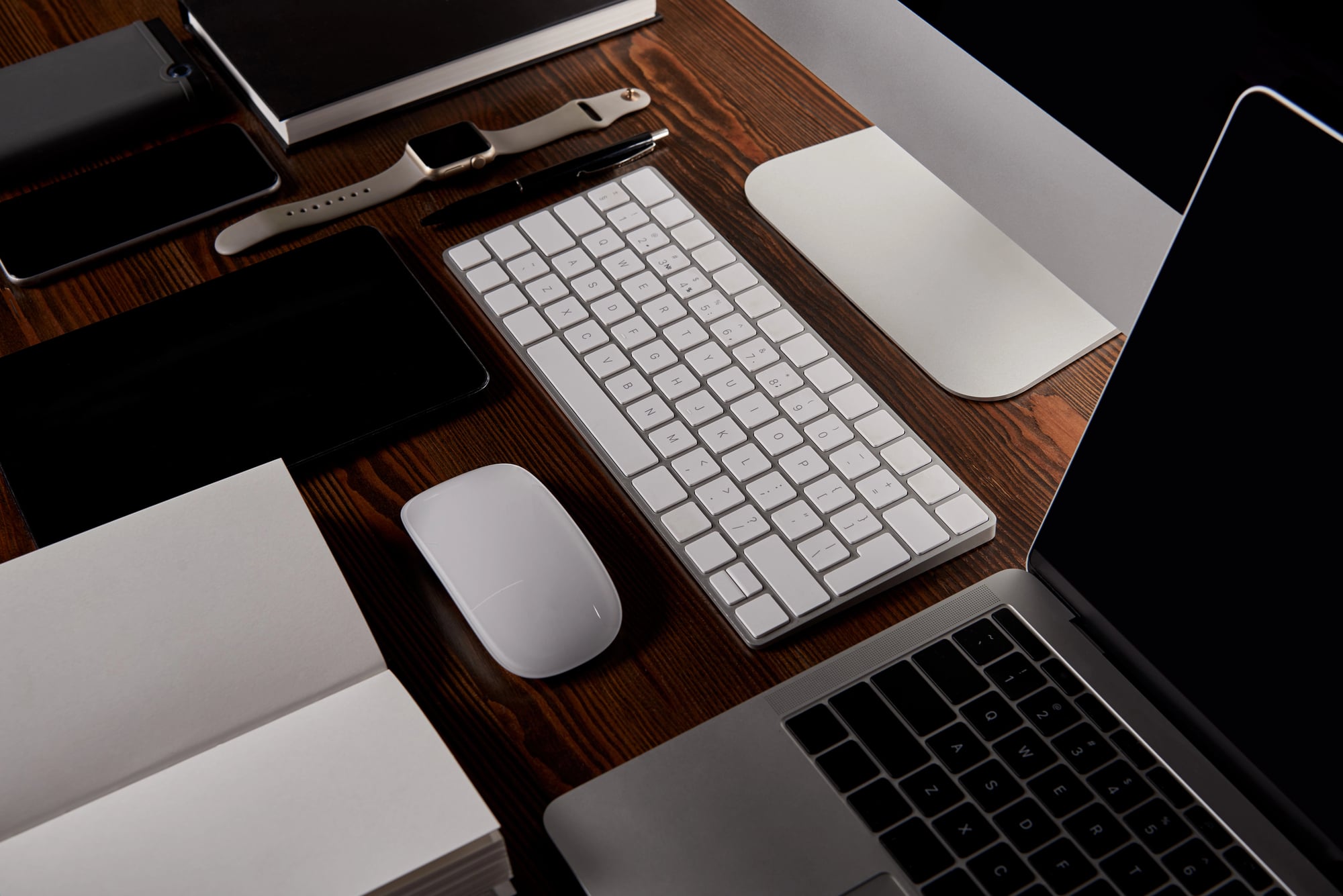
Machines that cost thousands of dollars sat on desks doing word processing and playing text-based adventure games. The idea of connecting every computer on Earth seemed like science fiction.
Those green-screen monitors were the height of technology.
Arcade Games Cost a Quarter
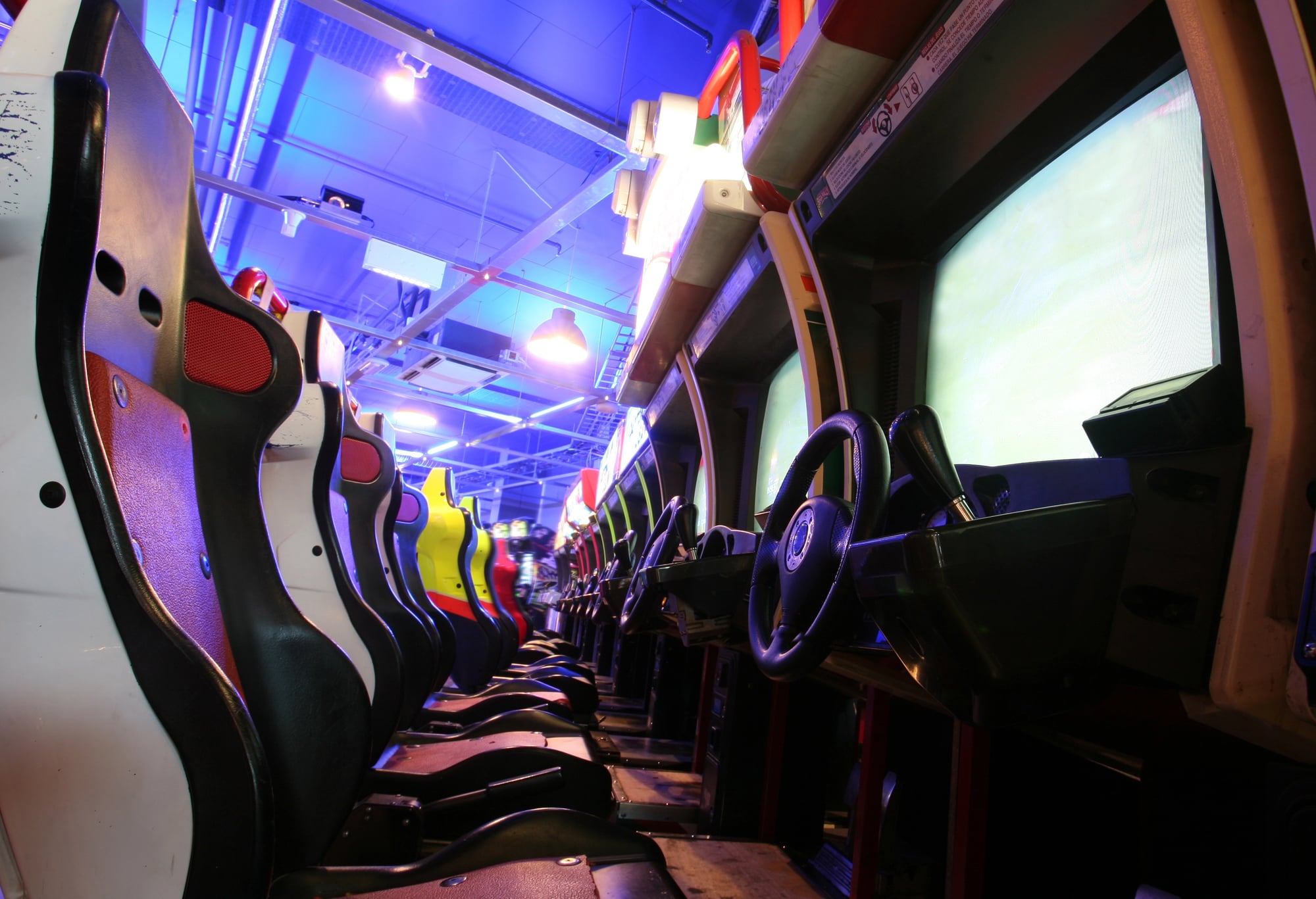
You could spend an entire Saturday at the arcade with five dollars and feel rich. Now that same five dollars might buy you one premium currency pack in a mobile game.
The tactile joy of dropping coins into slots has been replaced by invisible transactions that happen with a tap.
Music Came on Physical Media Only

The weight of an album mattered—not just the music, but the actual heft of the vinyl in your hands, the way the needle found its groove, the large-format artwork you could study while the songs played.
Compact discs arrived mid-decade like visitors from the future, promising perfect sound forever, though they seemed almost too clean, too precise. There was something trustworthy about music you could touch, something that made the investment feel real. You owned twelve songs, not access to twelve songs.
No Cell Phones for Regular People
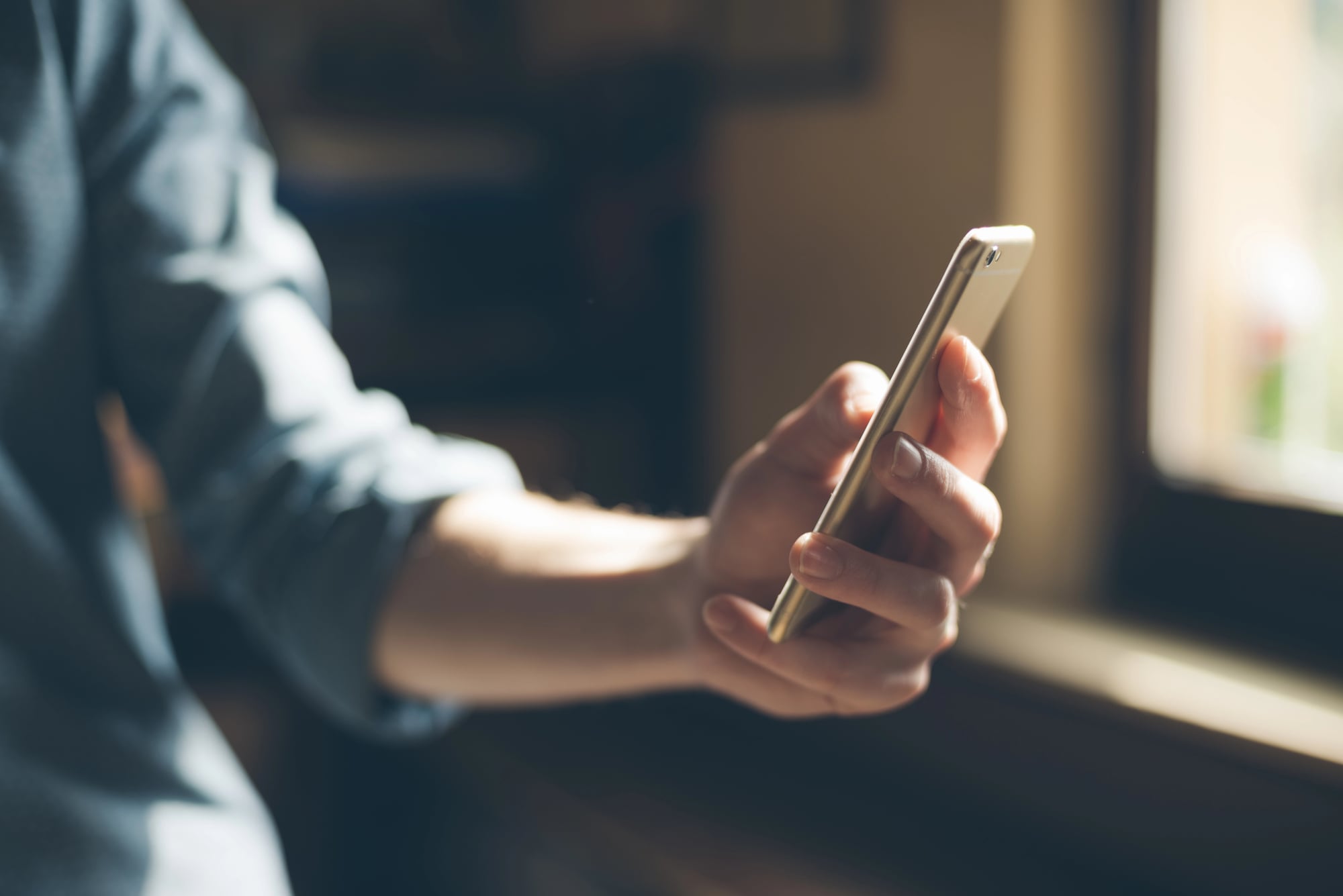
If you needed to make a call away from home, you found a payphone and hoped you had correct change. Missing someone’s call meant actually missing it—no voicemail, no callback number, just the knowledge that somewhere, a phone had rung unanswered into the void.
Typewriters Were Still Common
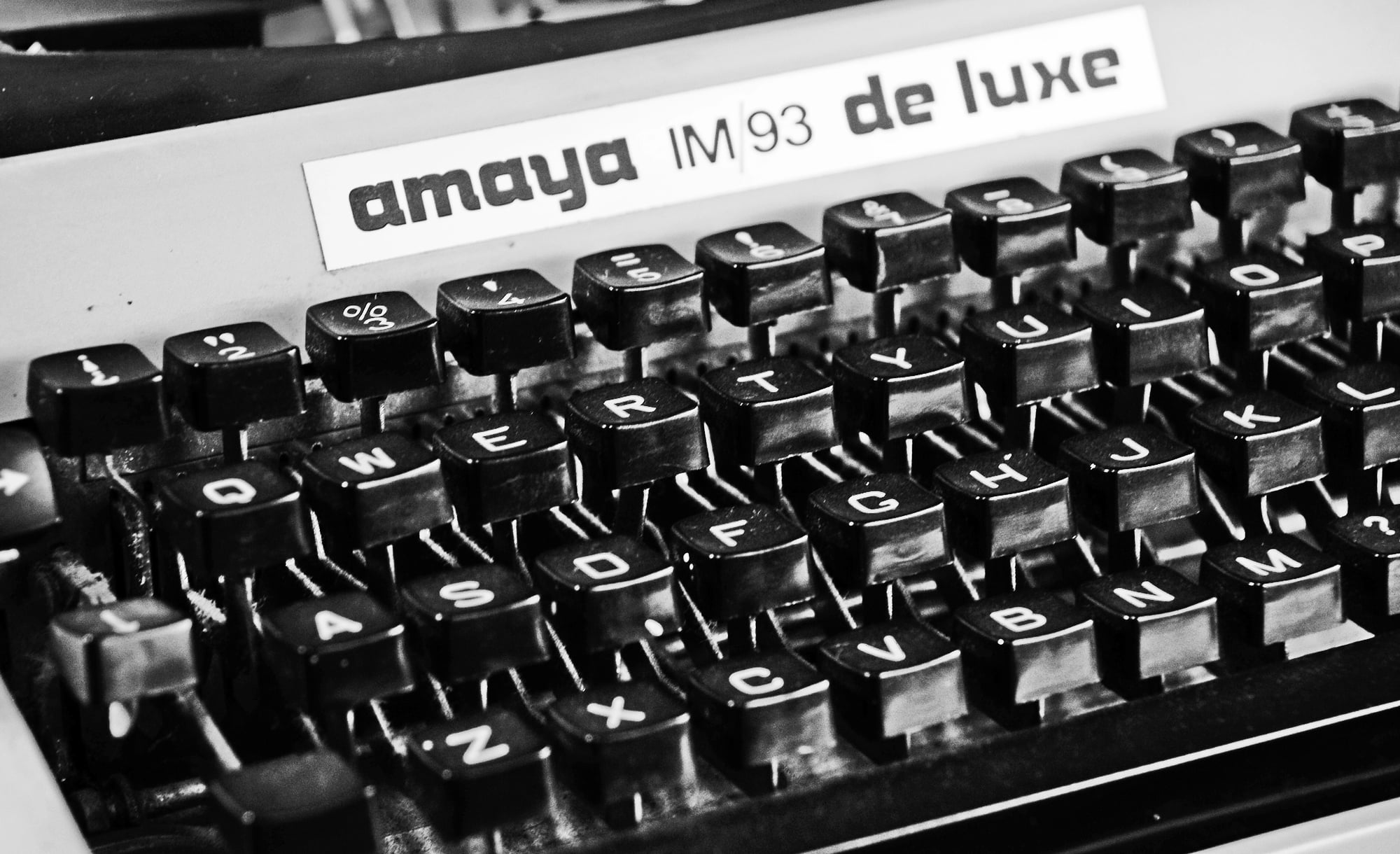
Correcting mistakes meant white-out or starting over completely, which made every keystroke feel consequential in a way that modern writing never quite captures—you had to think before you committed a word to paper, had to live with your first draft more often than not, and there was something almost ceremonial about feeding a fresh sheet into the roller and hearing that satisfying ding when you reached the end of a line, though the real skill was learning to anticipate that ding and break your sentence at just the right moment.
College students owned these machines like laptops today. The sound of typing actually meant something was being created.
Saturday Morning Cartoons Were Sacred
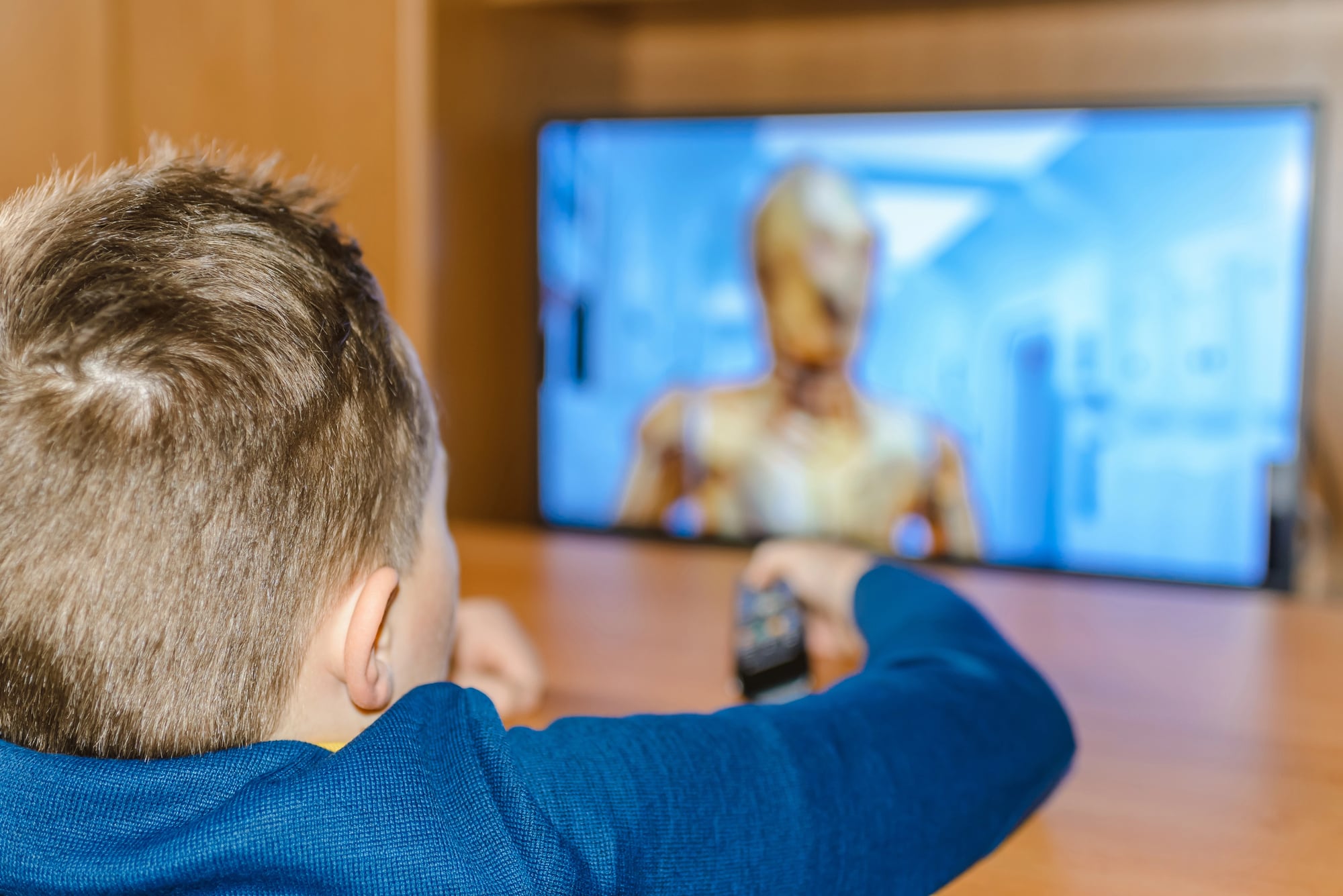
Missing your favorite show meant waiting an entire week for another chance to see it. No streaming, no on-demand, no recording unless your family owned a VCR and someone remembered to set it up.
Children planned their weekends around television schedules.
Blockbuster Movies Stayed in Theaters for Months
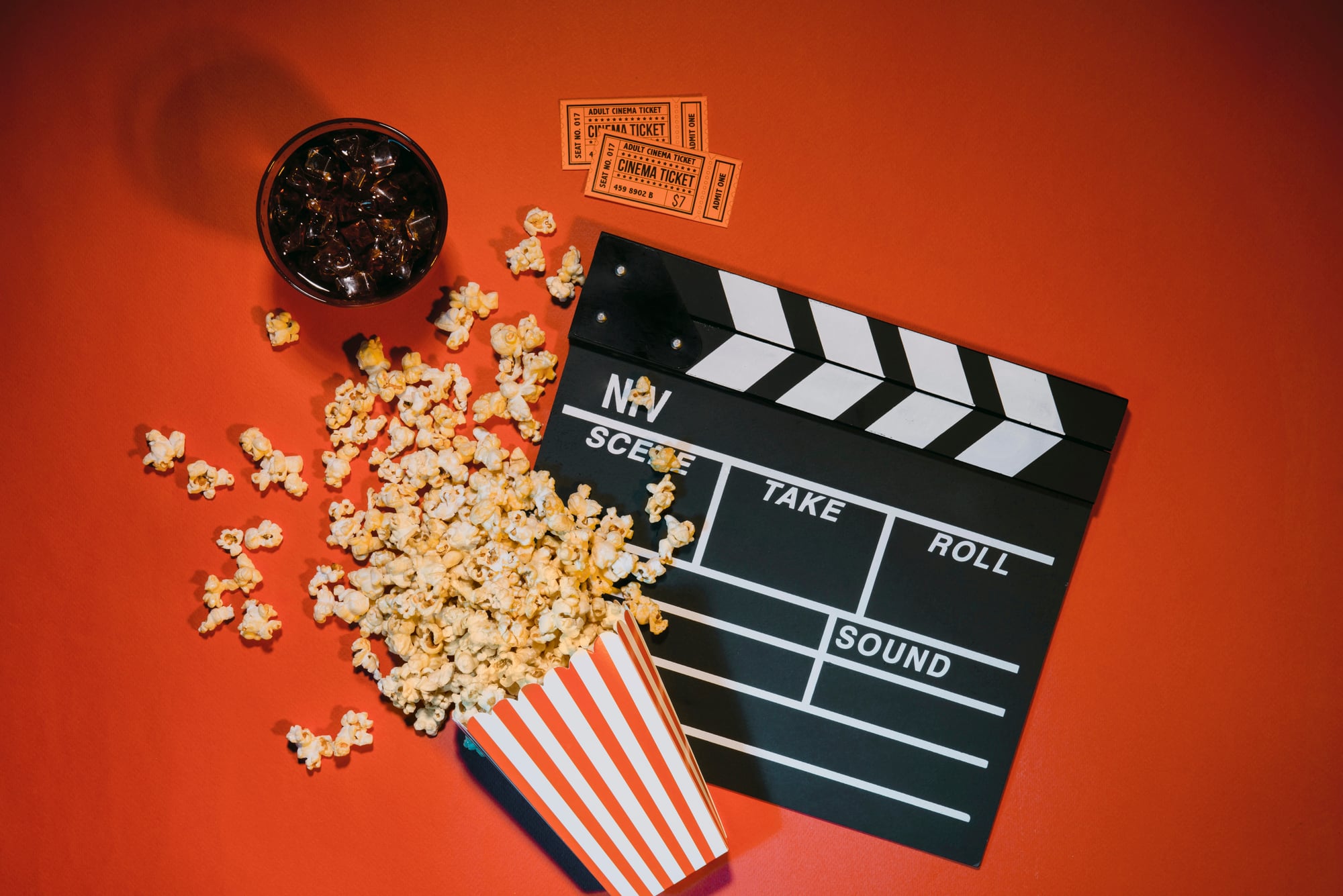
“E.T.” played in theaters for nearly a year, which sounds impossible now—studios kept successful films running because there was nowhere else for them to go, no secondary markets waiting three months later, just the slow, patient business of letting a movie find its audience week by week, city by city, as word-of-mouth spread at the speed of actual conversation rather than viral posts.
People saw the same movie multiple times in theaters because that was the only way to see it again. Going to the movies felt like an event rather than content consumption.
Video Stores Were Social Hubs
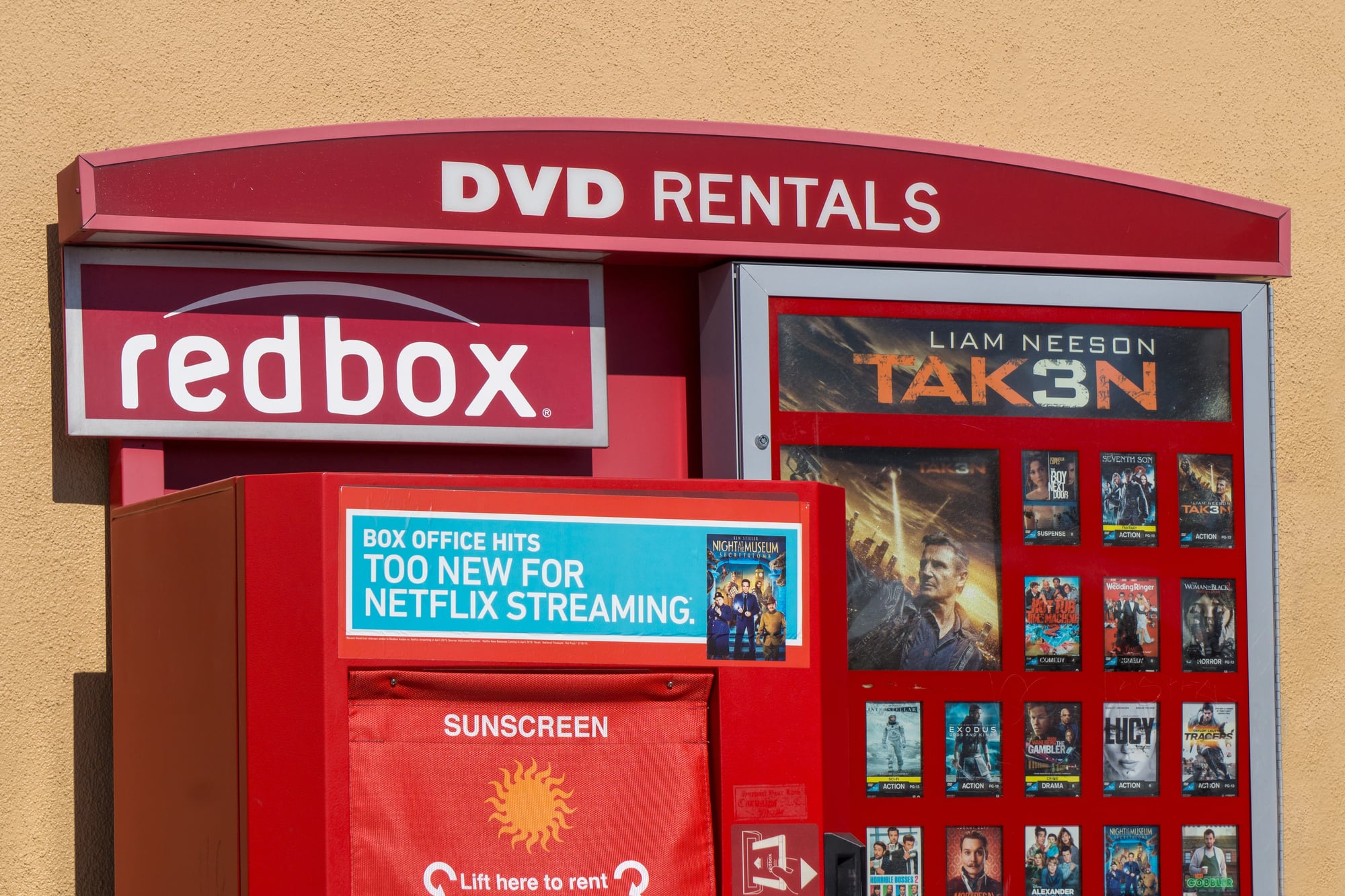
The local video rental shop served as an informal community center where neighbors debated the merits of different films while browsing aisles of VHS boxes, and the clerks behind the counter wielded real cultural authority—they knew what was good, what was terrible, and what you might like based on your rental history, which they somehow remembered without any algorithmic assistance.
Friday nights meant hoping the movie you wanted wasn’t already checked out. The disappointment of finding empty space where your planned evening used to be was a real thing people experienced.
Computers Used Floppy Disks
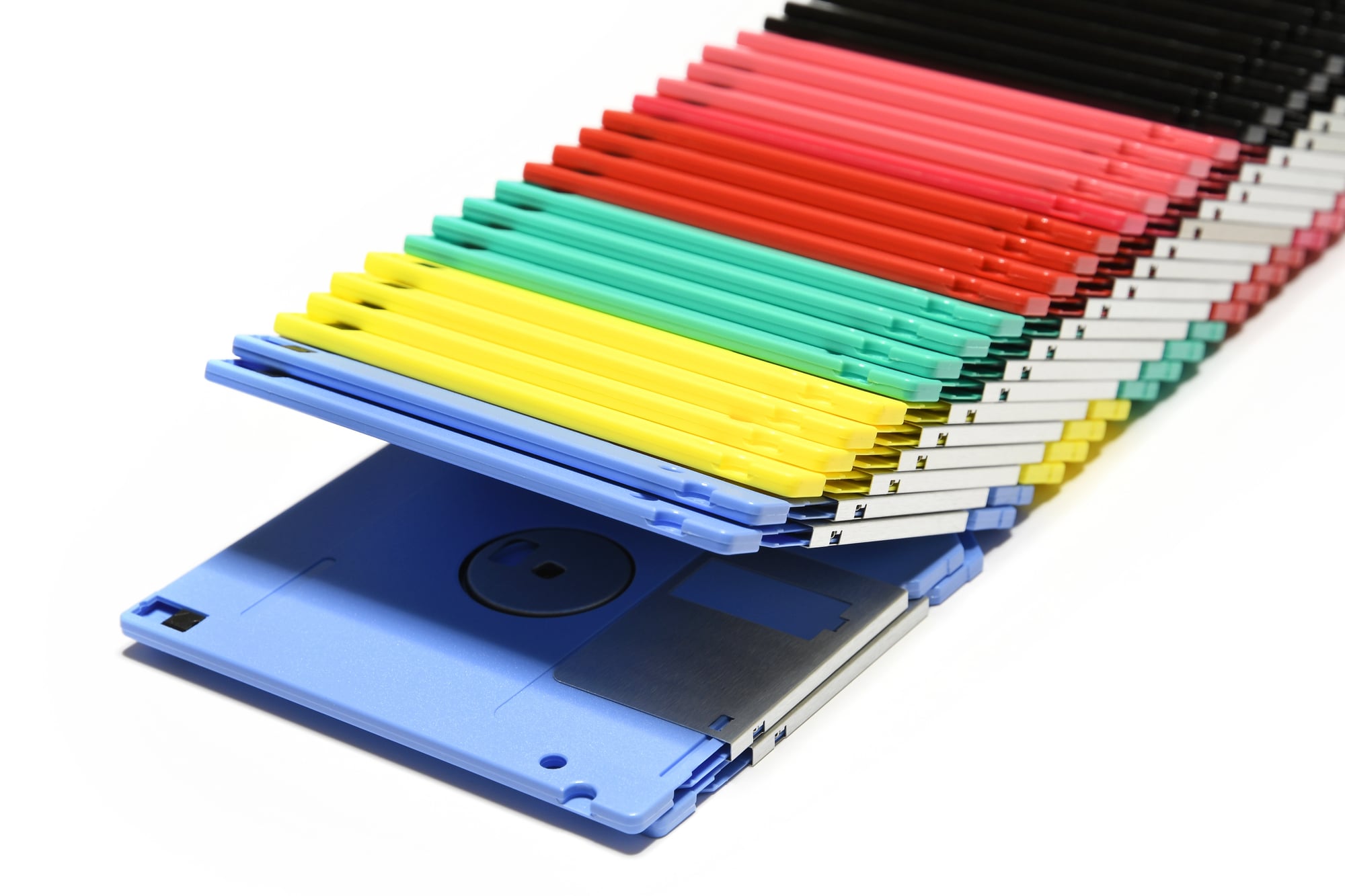
Those weren’t even floppy by 1980s standards—the really floppy ones were enormous and actually bent when you held them.
The hard plastic 3.5-inch disks that followed held 1.44 megabytes of data, which seemed limitless at the time. You could fit maybe two songs on one using today’s file sizes.
Long Distance Calls Cost Real Money

Calling someone in another state meant watching the clock and calculating costs per minute. Families planned important conversations around cheaper evening and weekend rates.
The phrase “this call is costing me money” carried actual weight.
People Made Plans and Kept Them

When you agreed to meet someone at 7 PM at the mall entrance, you showed up at 7 PM at the mall entrance because there was no way to communicate a change of plans once you’d both left your houses—you just had to trust that the other person would be there, and somehow this system worked better than whatever we have now, where making plans has become a fluid negotiation that continues right up until the moment of supposed meeting, if that moment ever actually arrives.
Standing someone up wasn’t just rude—it was devastating because they had no way of knowing what happened. Reliability meant something different when communication required effort.
When Time Slowed Down
The strangest thing about looking back isn’t how primitive the technology seems, but how much more space existed between moments. Waiting didn’t feel like wasted time—it was just part of how things worked.
You waited for photos to be developed, for letters to arrive, for your favorite song to come on the radio. Patience wasn’t a virtue you had to cultivate; it was simply how you moved through the world.
Maybe that’s what really makes these facts sting. Not that the technology has changed, but that the rhythm of life has sped up so dramatically that an entire decade now feels like it happened in fast-forward, even though people who lived through it remember it moving at a perfectly reasonable pace.
More from Go2Tutors!

- The Romanov Crown Jewels and Their Tragic Fate
- 13 Historical Mysteries That Science Still Can’t Solve
- Famous Hoaxes That Fooled the World for Years
- 15 Child Stars with Tragic Adult Lives
- 16 Famous Jewelry Pieces in History
Like Go2Tutors’s content? Follow us on MSN.



