16 Strange Animals That Actually Exist on Earth
The natural world has a talent for creating creatures that seem impossible until you see them with your own eyes. Scientists keep discovering animals that look like they were designed by committee — part bird, part mammal, part something else entirely.
These aren’t mythical beasts or products of imagination. They’re real, breathing, thriving examples of evolution’s most creative experiments, scattered across remote corners of the planet where logic apparently took a holiday.
Blobfish
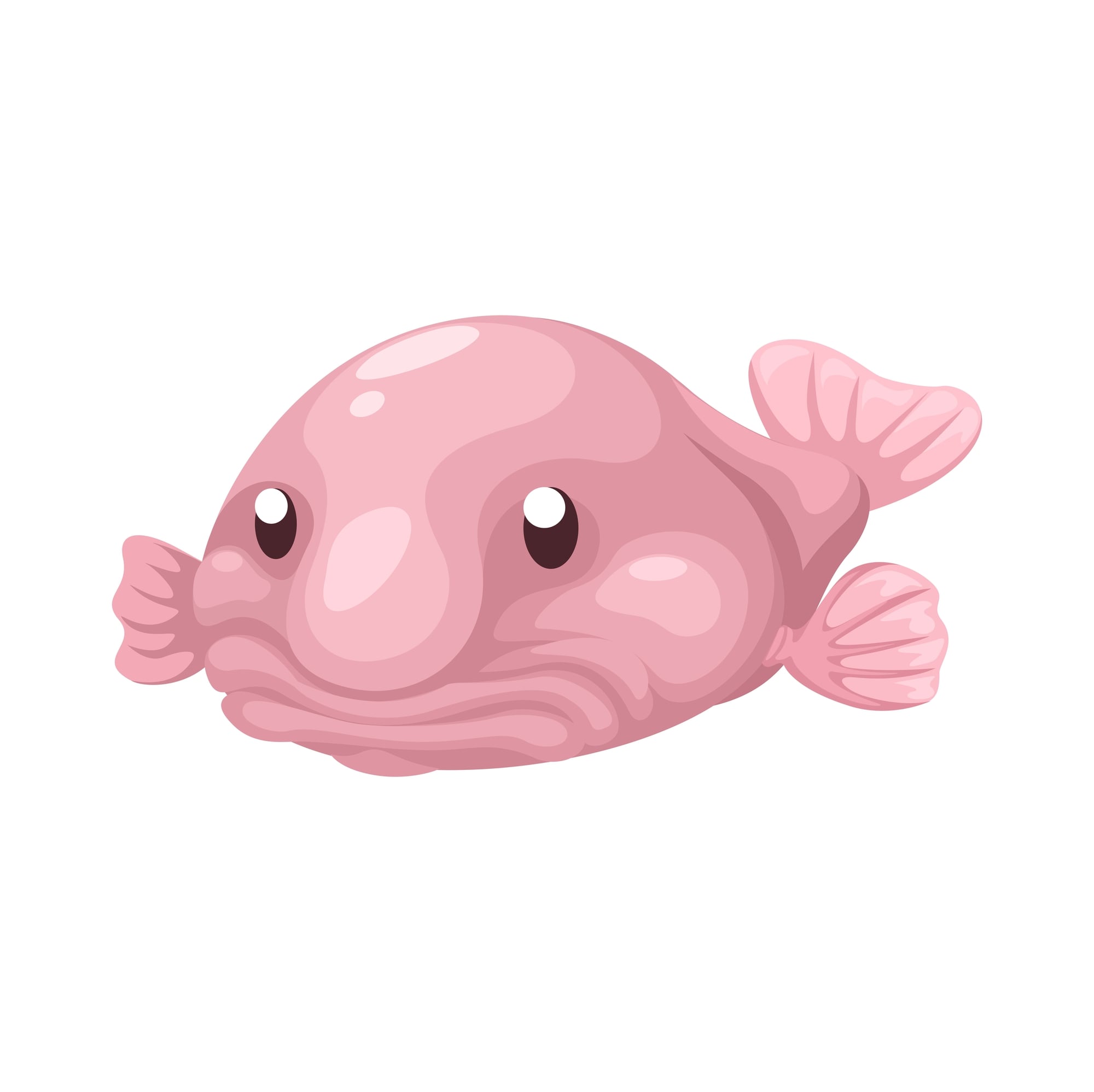
The blobfish earned its reputation as the world’s ugliest animal through a fundamental misunderstanding. Underwater, where it belongs, this deep-sea dweller looks like any other fish — streamlined, purposeful, unremarkable.
But haul it up from the crushing depths of the ocean floor, and the sudden pressure change transforms it into a gelatinous mass that barely resembles a living creature. Its body, designed to withstand pressures 60 times greater than what we experience on land, simply collapses when removed from its natural environment.
Pangolin
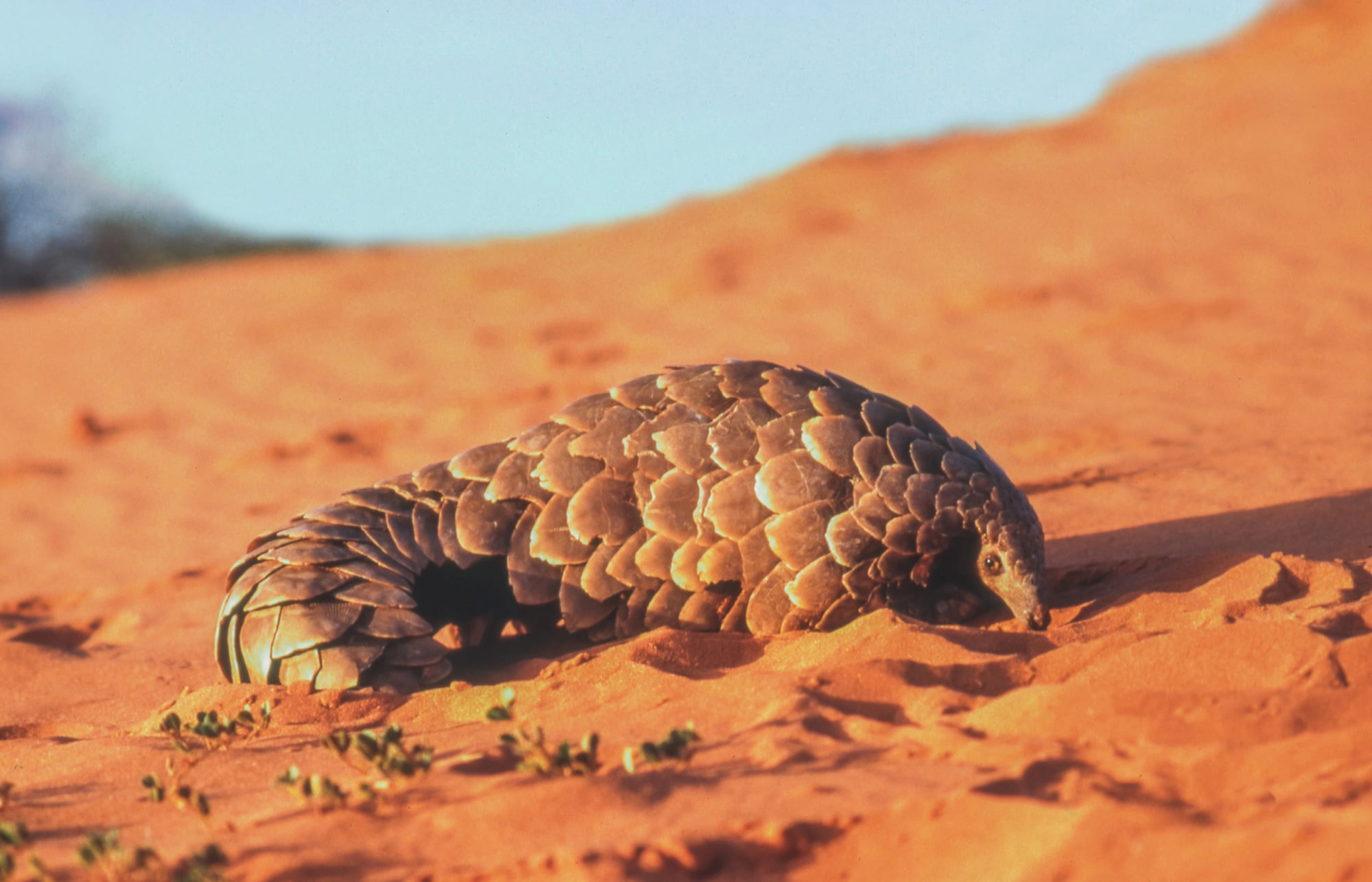
Picture an artichoke that learned to walk. That’s the pangolin — a mammal wrapped in overlapping scales that make it look more like a living pinecone than anything with warm blood.
When threatened, it rolls into a perfect orb, tucking its head and legs inside while those razor-sharp scales point outward like medieval armor. These scales aren’t just for show either; they’re made of keratin (the same stuff as your fingernails) and can slice through skin if you handle them carelessly.
Axolotl
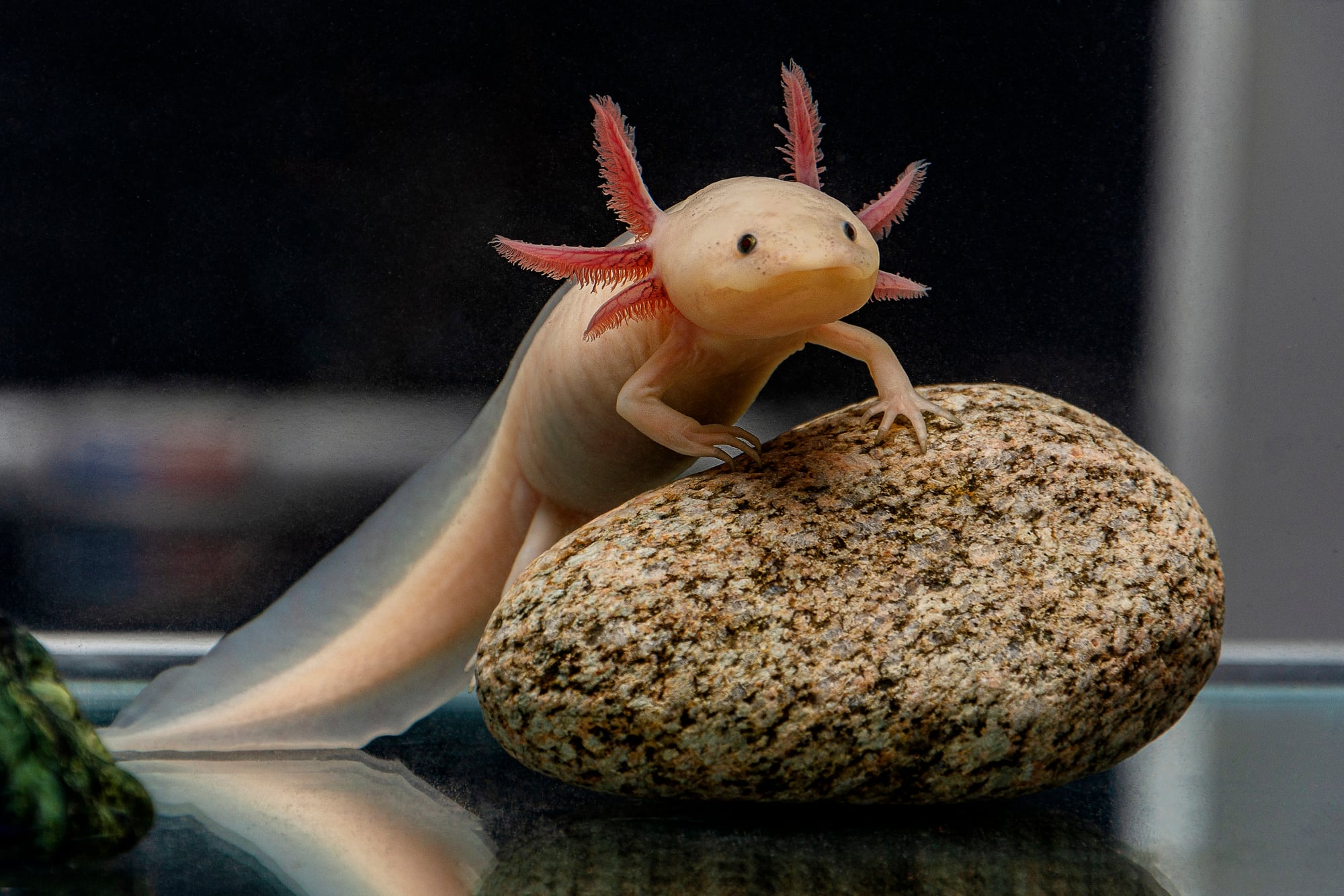
There’s something unsettling about an animal that grins while it regenerates entire limbs. The axolotl, Mexico’s “water monster,” sports a permanent smile that would seem cheerful if not for its supernatural healing abilities (and those feathery gills that flutter like underwater flowers).
Lose a leg, grow it back — complete with bones, muscles, nerves, and blood vessels, all perfectly functional within weeks. Damage its heart, brain, or spinal cord and the same thing happens: flawless reconstruction, no scarring, no loss of function.
Star-Nosed Mole
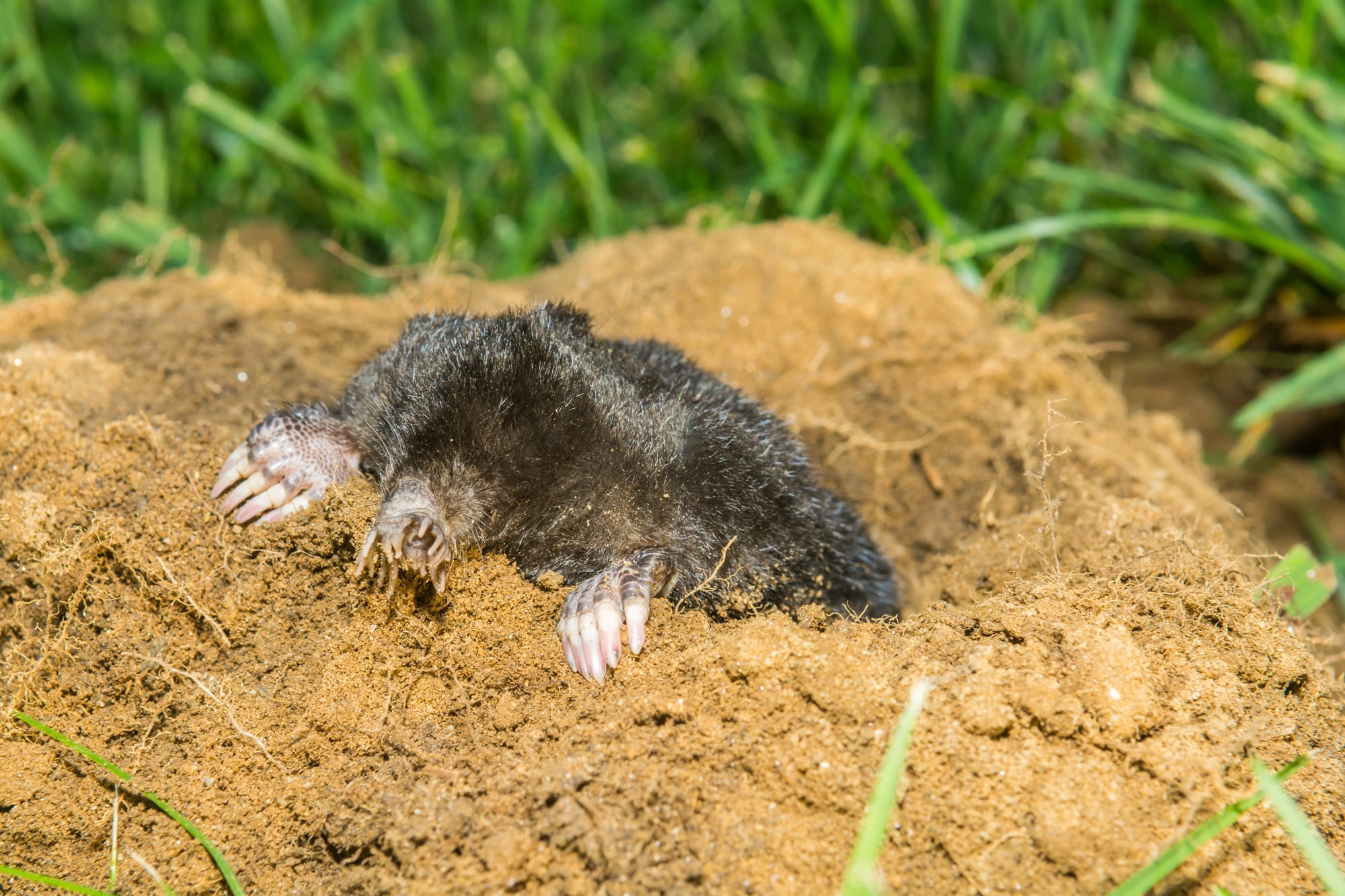
The star-nosed mole’s face looks like a flesh-colored sea anemone that got lost underground. Those 22 fleshy tentacles radiating from its snout aren’t just bizarre decoration — they’re the most sensitive touch organ in the animal kingdom, capable of identifying and consuming prey in milliseconds.
This mole can find, catch, and swallow small invertebrates faster than the human eye can follow, processing sensory information at speeds that make our reflexes look sluggish. It’s essentially a living metal detector with fur, tunneling through wet soil and even diving underwater to hunt aquatic prey, navigating a world of touch that we can barely comprehend.
Platypus
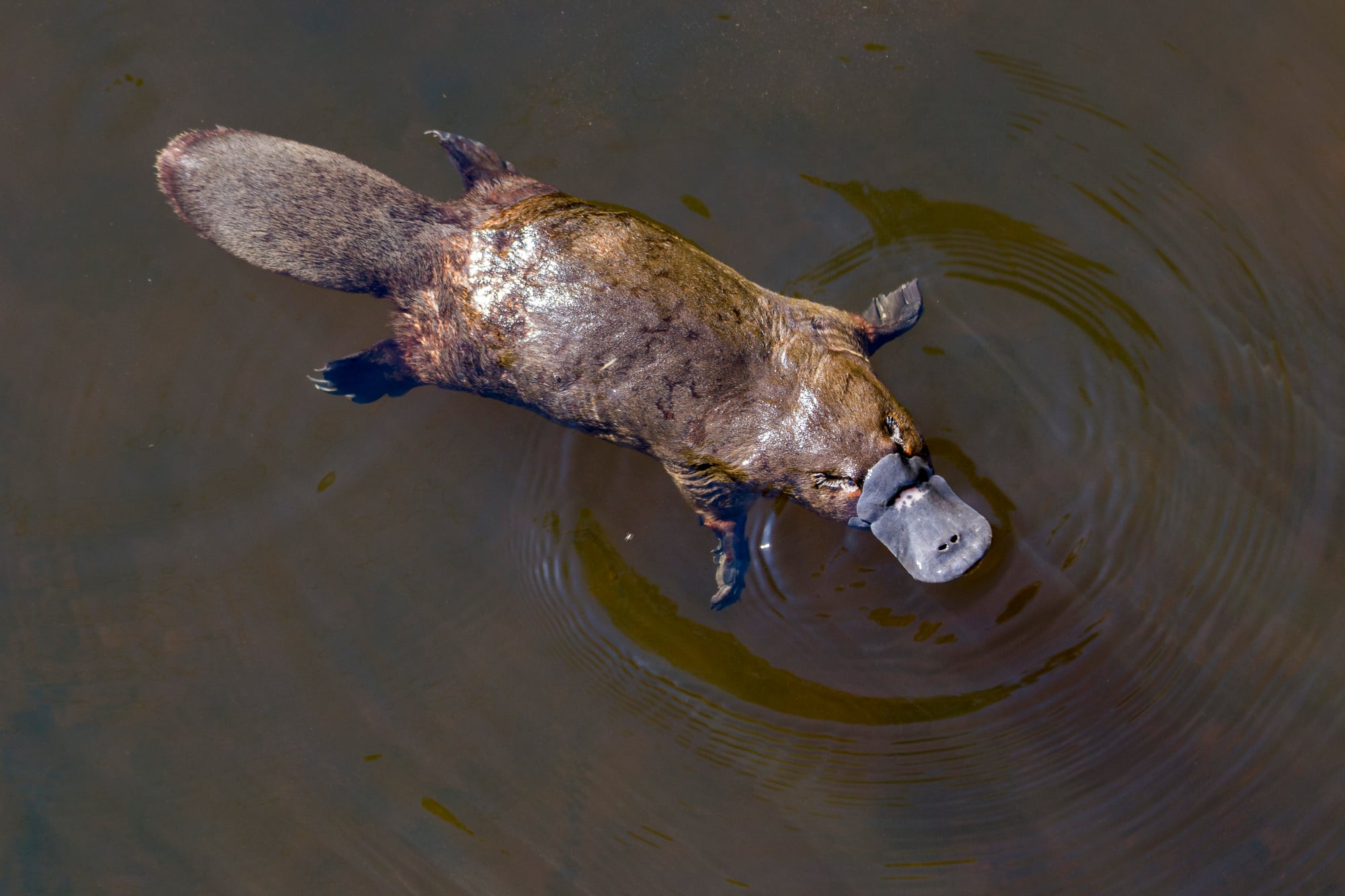
Evolution apparently had a few drinks before designing the platypus. Here’s a mammal that lays eggs (only two animals do this), produces milk without teat (it sweats milk through its skin), has a beaver’s tail, a duck’s bill, webbed feet for swimming, and venomous spurs that can cause excruciating pain in humans.
When European scientists first encountered preserved platypus specimens in 1798, they assumed someone was playing an elaborate prank — stitching parts of different animals together to fool gullible academics. But the platypus turned out to be entirely real, entirely functional, and entirely indifferent to our expectations about how mammals should work.
Leafy Sea Dragon
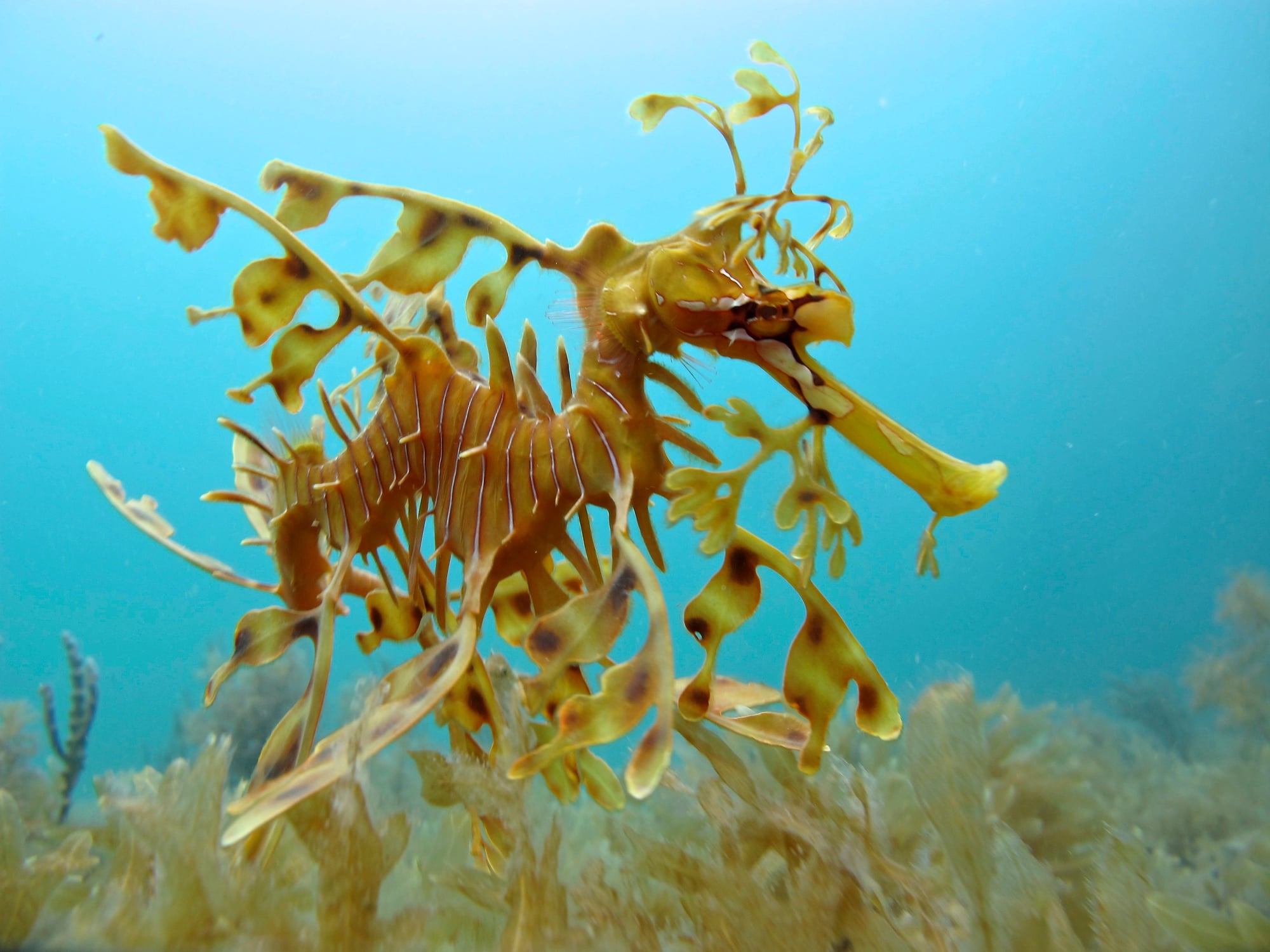
The leafy sea dragon took camouflage and turned it into performance art. Every surface of its body sprouts elaborate appendages that look exactly like floating seaweed — not similar to seaweed, not seaweed-inspired, but identical to the kelp forests where it lives.
These aren’t functional fins; they’re pure deception, evolutionary theater designed to make the dragon invisible to both predators and prey. It moves with the deliberate slowness of drifting vegetation, never breaking character even when hunting (the males also get pregnant and carry the eggs, because apparently conventional gender roles weren’t strange enough for this species).
Aye-Aye
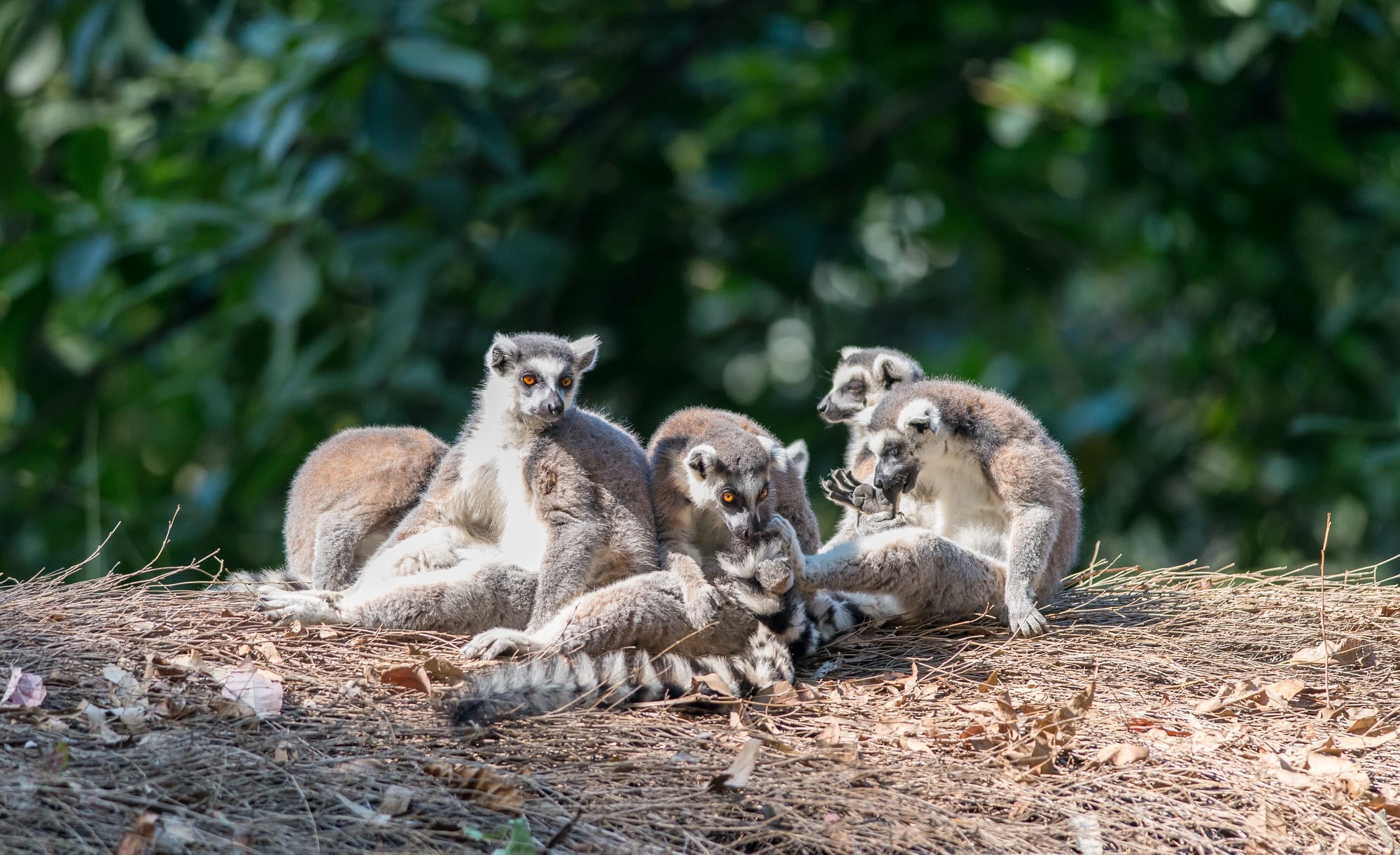
Madagascar’s aye-aye looks like it was assembled from spare parts of other animals. Those enormous eyes belong on a nocturnal primate, which it is.
That bushy tail could have come from a squirrel. Those front teeth keep growing throughout its life, like a rodent’s.
Goblin Shark
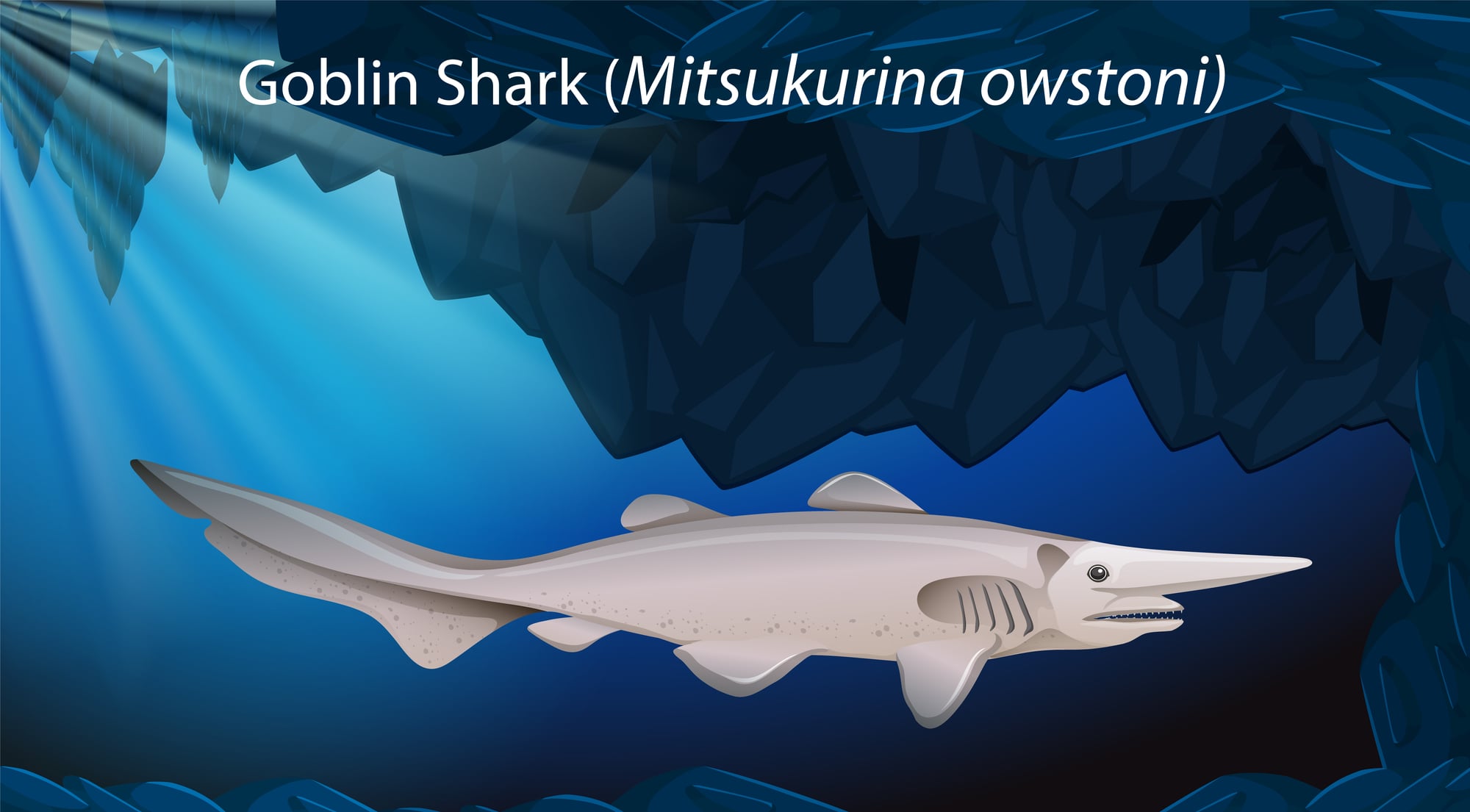
The goblin shark’s jaw shoots out of its mouth like something from a horror movie. This deep-sea predator has spent 125 million years perfecting a feeding mechanism that would look at home in a science fiction film — its entire jaw apparatus can extend forward at lightning speed to snatch prey that thought they were safely out of reach.
The goblin shark’s elongated snout contains electrical sensors that detect the bioelectrical fields of other organisms, allowing it to hunt in the complete darkness of the deep ocean. When it’s not actively hunting, the retracted jaw gives it an almost normal appearance, but that extendable maw reveals the alien engineering that evolution produces in the planet’s most isolated environments.
Saiga Antelope
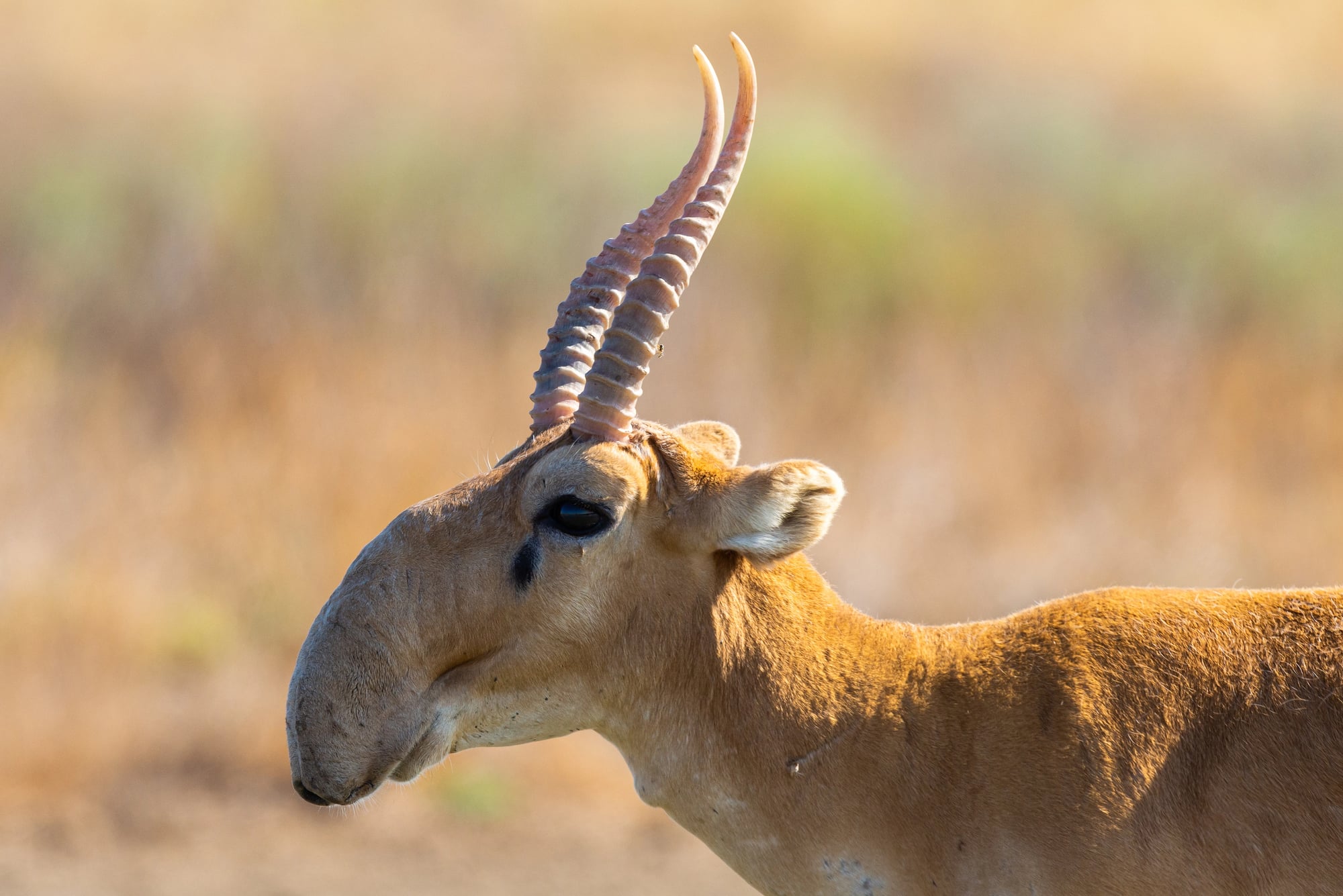
The saiga antelope’s inflated nose looks like it belongs on an elephant seal rather than a creature the size of a small deer. But this isn’t a design flaw — it’s specialized equipment for surviving the extreme temperatures of Central Asian steppes.
That inflated trunk warms frigid winter air before it reaches the lungs and cools overheated air during scorching summers, functioning as a biological air conditioning system. The saiga has survived ice ages, climate shifts, and predators for millions of years using this strategy.
Mantis Shrimp
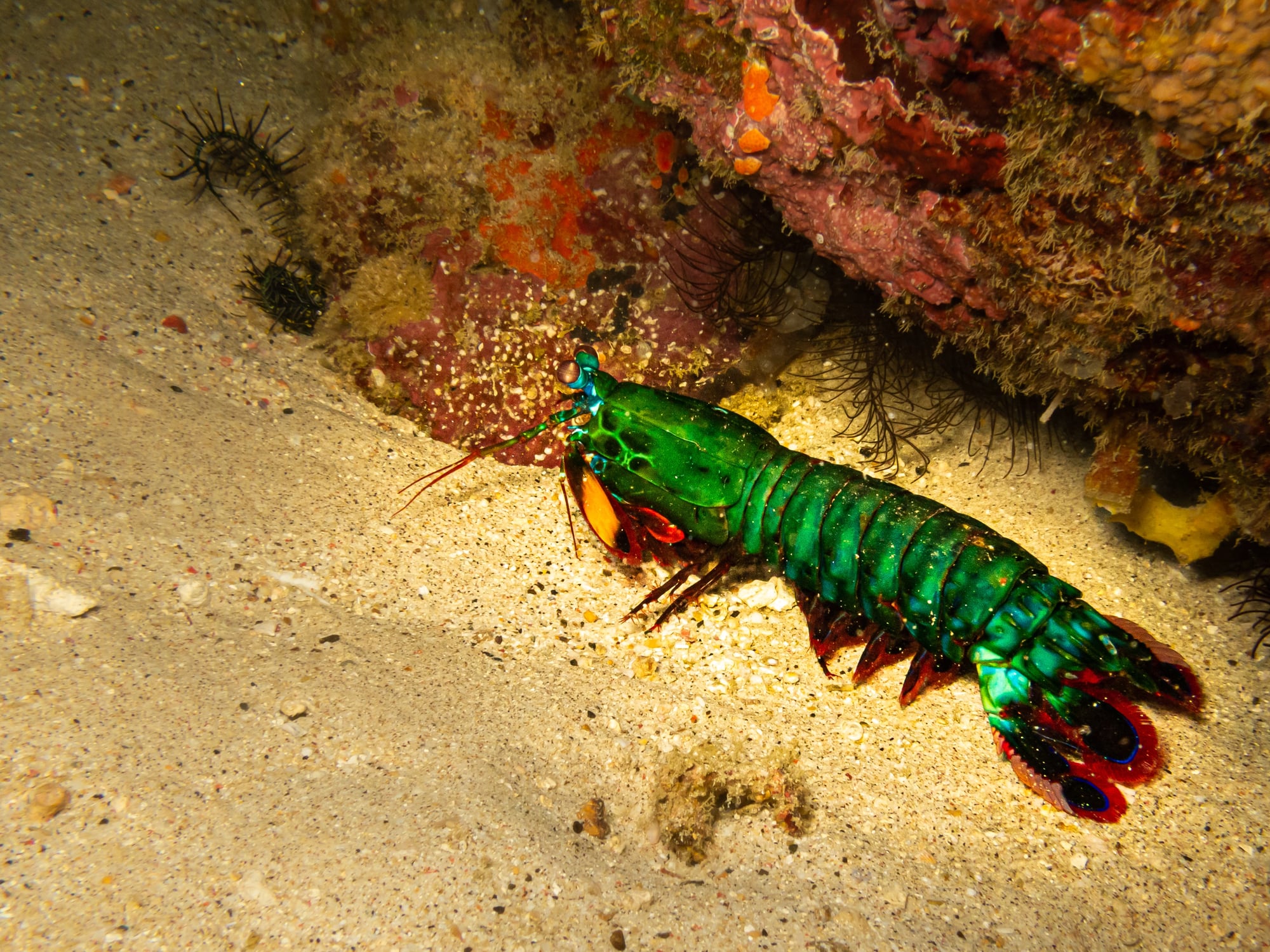
Calling it a “shrimp” undersells the mantis shrimp considerably. This marine predator punches with the force of a bullet, strikes so fast it creates cavitation bubbles that collapse with the heat of the sun’s surface, and sees colors that don’t have names because human eyes can’t perceive them.
Those club-like appendages can shatter crab shells, aquarium glass, and human fingers with equal ease. The mantis shrimp’s eyes move independently and can detect polarized light, ultraviolet radiation, and at least 16 types of color receptors (humans have three).
Mole Rat
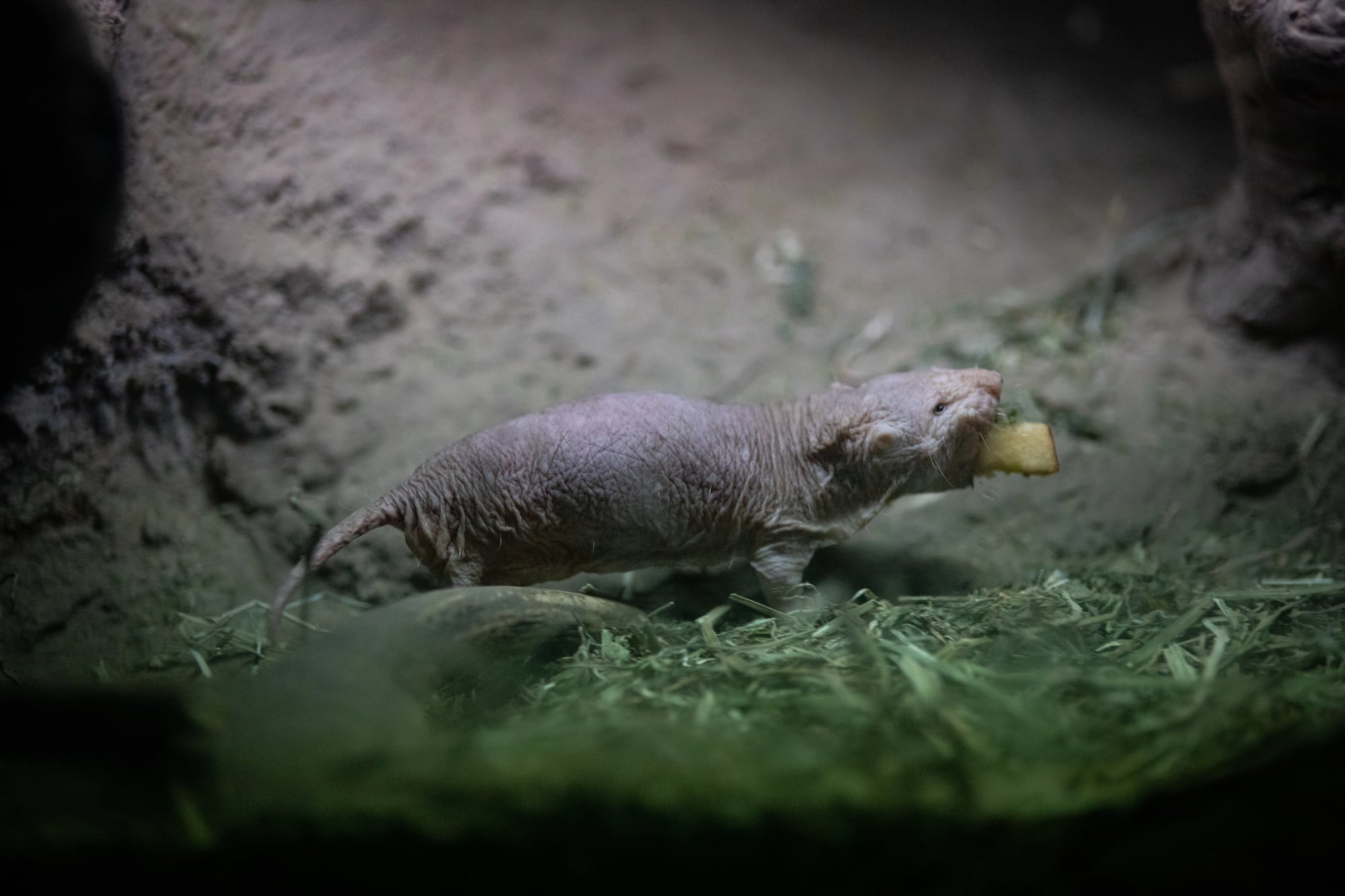
The mole rat organized itself like a colony of insects, which is unprecedented among mammals. One queen produces all the offspring while sterile workers maintain the colony, dig tunnels, and gather food — a eusocial system that was thought to be limited to ants, bees, and termites until scientists discovered these wrinkled, nearly hairless rodents in East African deserts.
But their social structure isn’t even their strangest feature: mole rats don’t seem to age in any meaningful way, rarely develop cancer, can survive without oxygen for extended periods, and feel no pain from acid burns.
Anglerfish
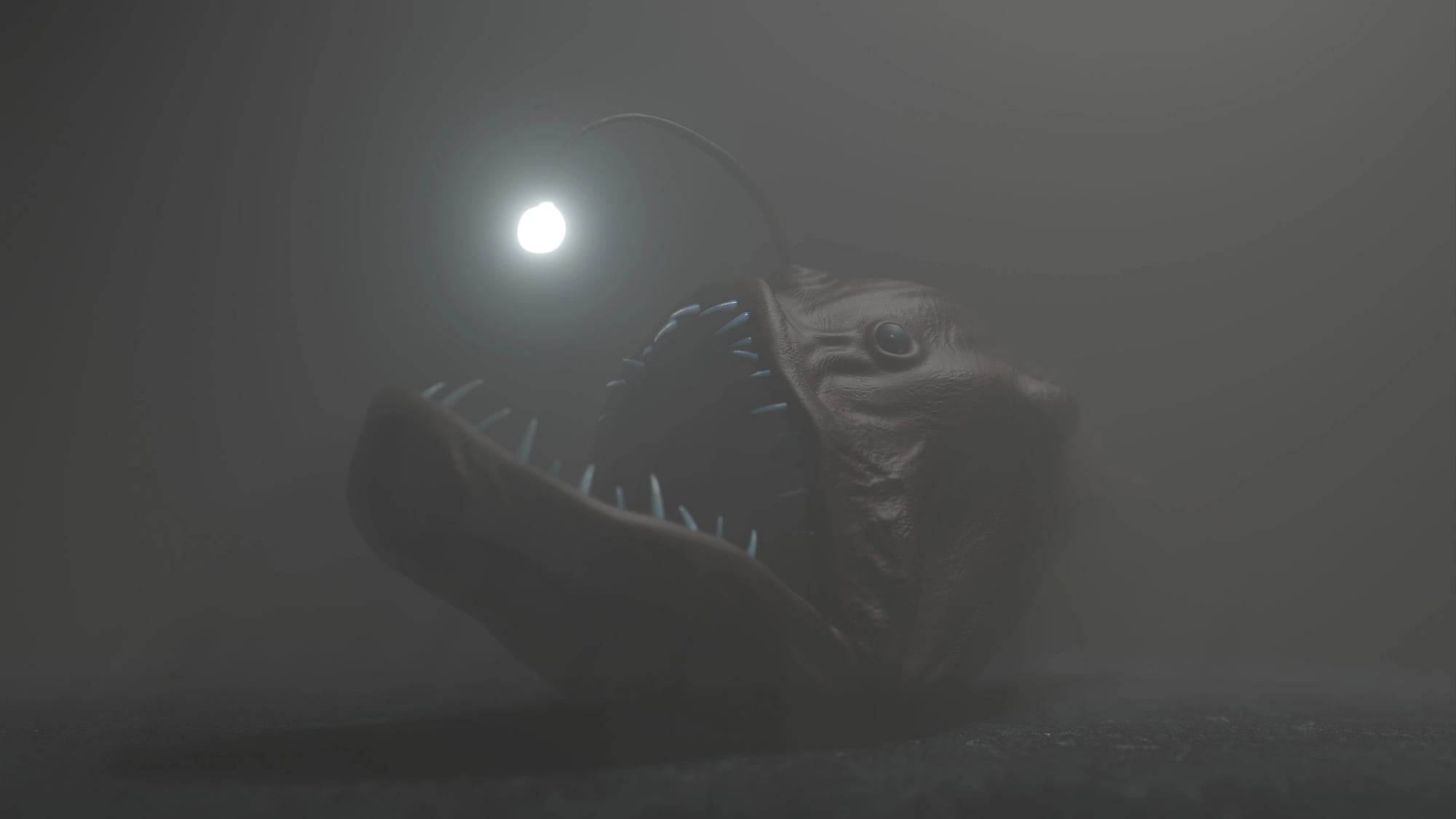
Deep in the ocean where sunlight never reaches, the anglerfish carries its own fishing rod with a built-in lure. That glowing appendage dangling in front of its enormous mouth isn’t just for show — it’s a sophisticated trap that uses bioluminescent bacteria to attract prey in the absolute darkness of the deep sea.
The light is produced by symbiotic bacteria that live in the lure, creating a partnership that benefits both species. Some species take this biological cooperation even further — the tiny male anglerfish fuses permanently with the much larger female.
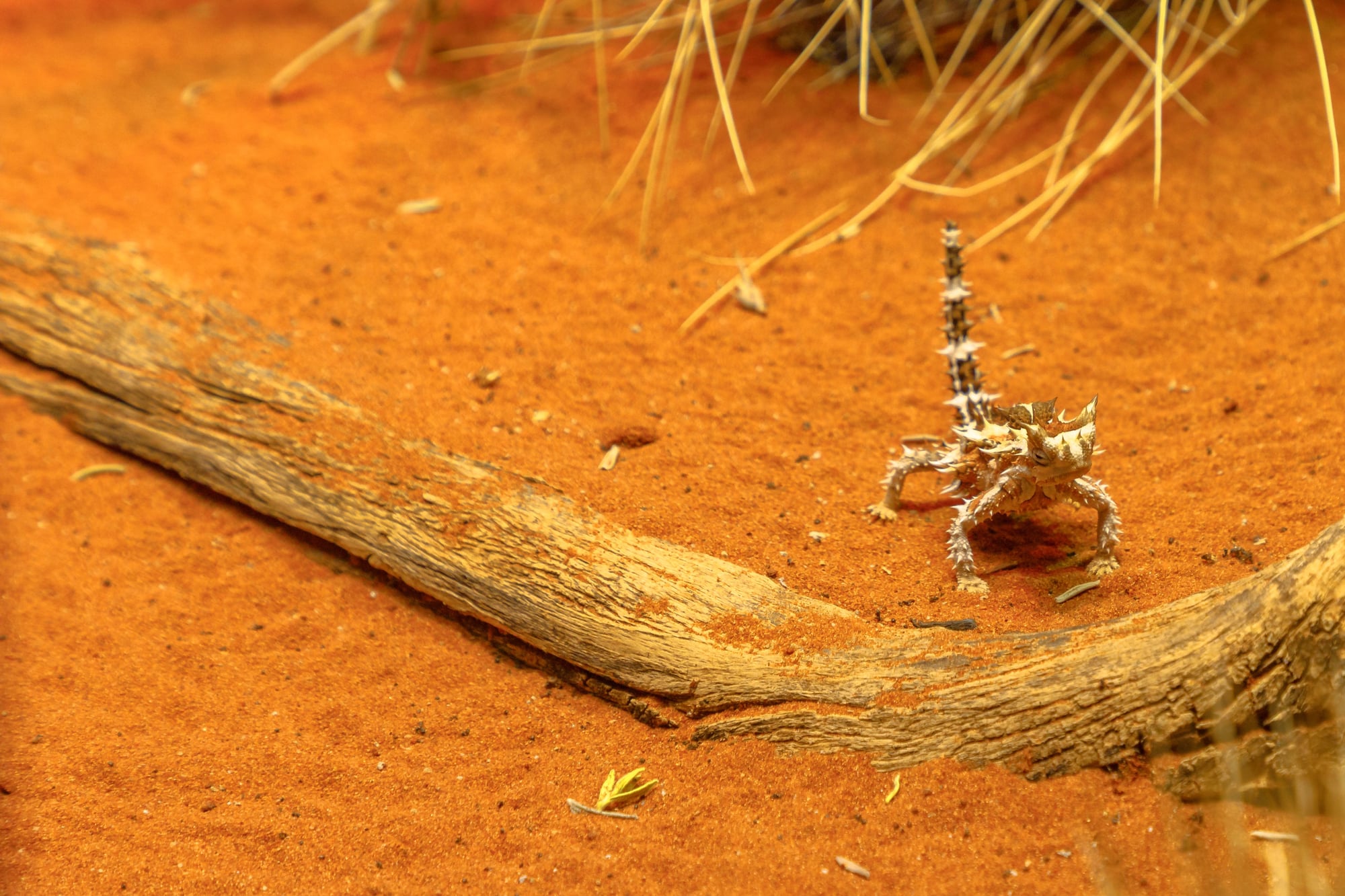
Thorny Devil
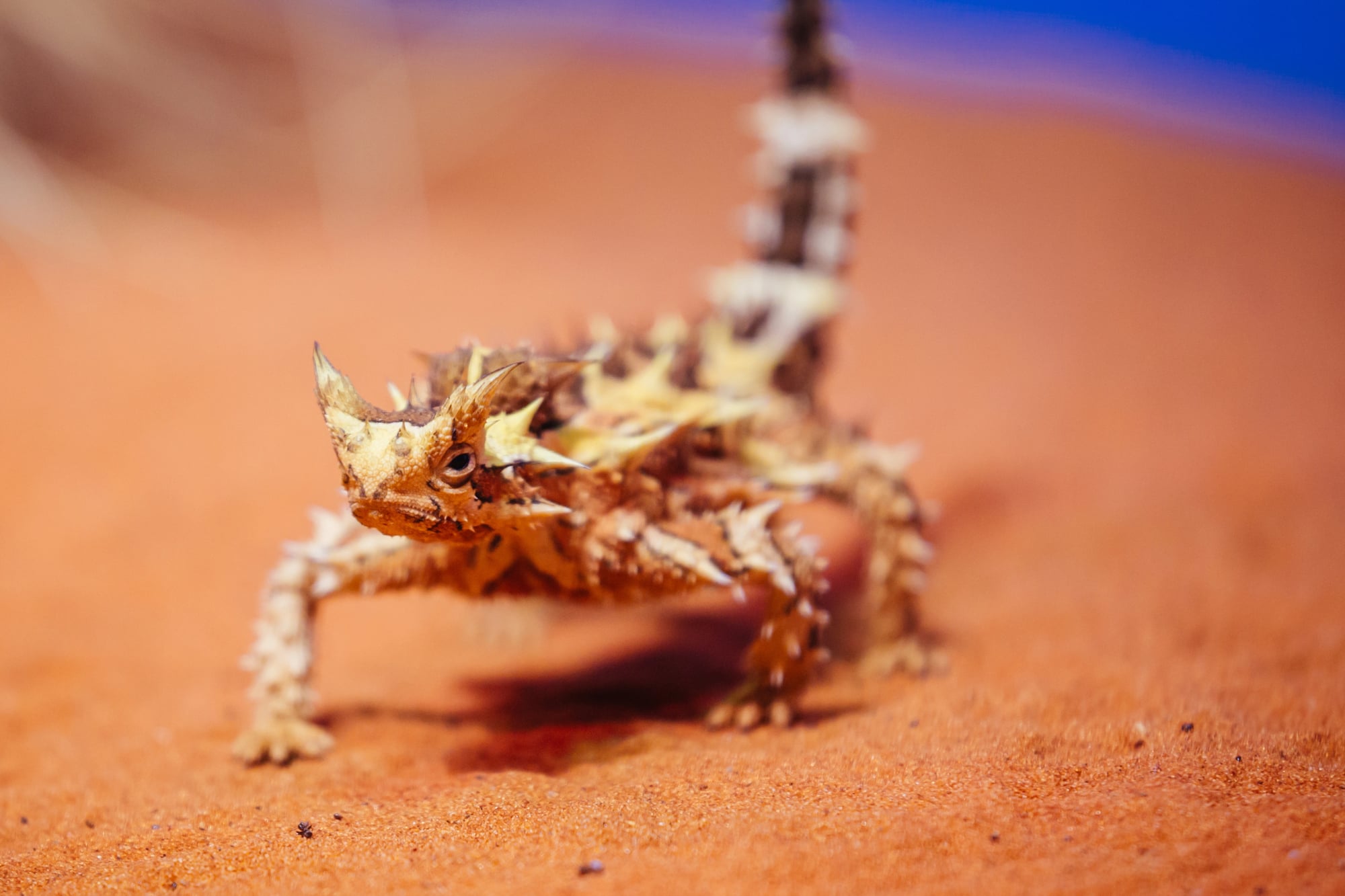
Australia’s thorny devil turned its entire body into a water collection system. Every scale, spine, and groove on this lizard’s skin is designed to channel morning dew and rare rainwater directly to its mouth through an intricate network of microscopic channels.
It can drink through its feet, absorb moisture through its skin, and survive in deserts where other animals would dehydrate within hours. The thorny devil’s spiky appearance serves double duty — those intimidating thorns also function as a sophisticated hydraulic system.
Vampire Squid
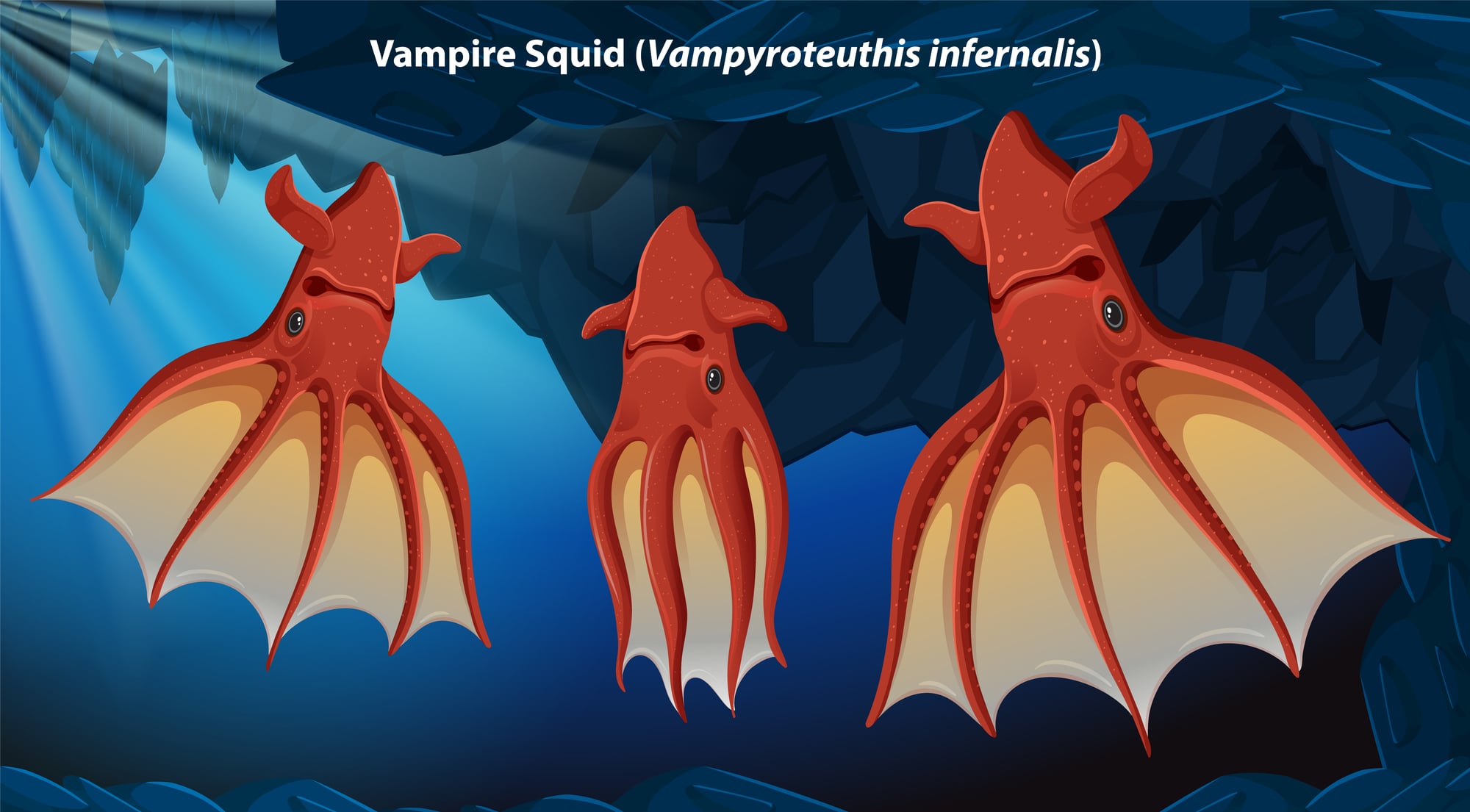
The vampire squid lives in the ocean’s oxygen minimum zones, where most other animals would suffocate. When threatened, it can turn itself inside-out, exposing rows of spines that make it look like a medieval weapon rather than a soft-bodied cephalopod.
Its metabolism runs so slowly that it can survive on the marine equivalent of table scraps. Despite its ominous name, it doesn’t draw blood; it feeds on “marine snow.”
Shoebill Stork
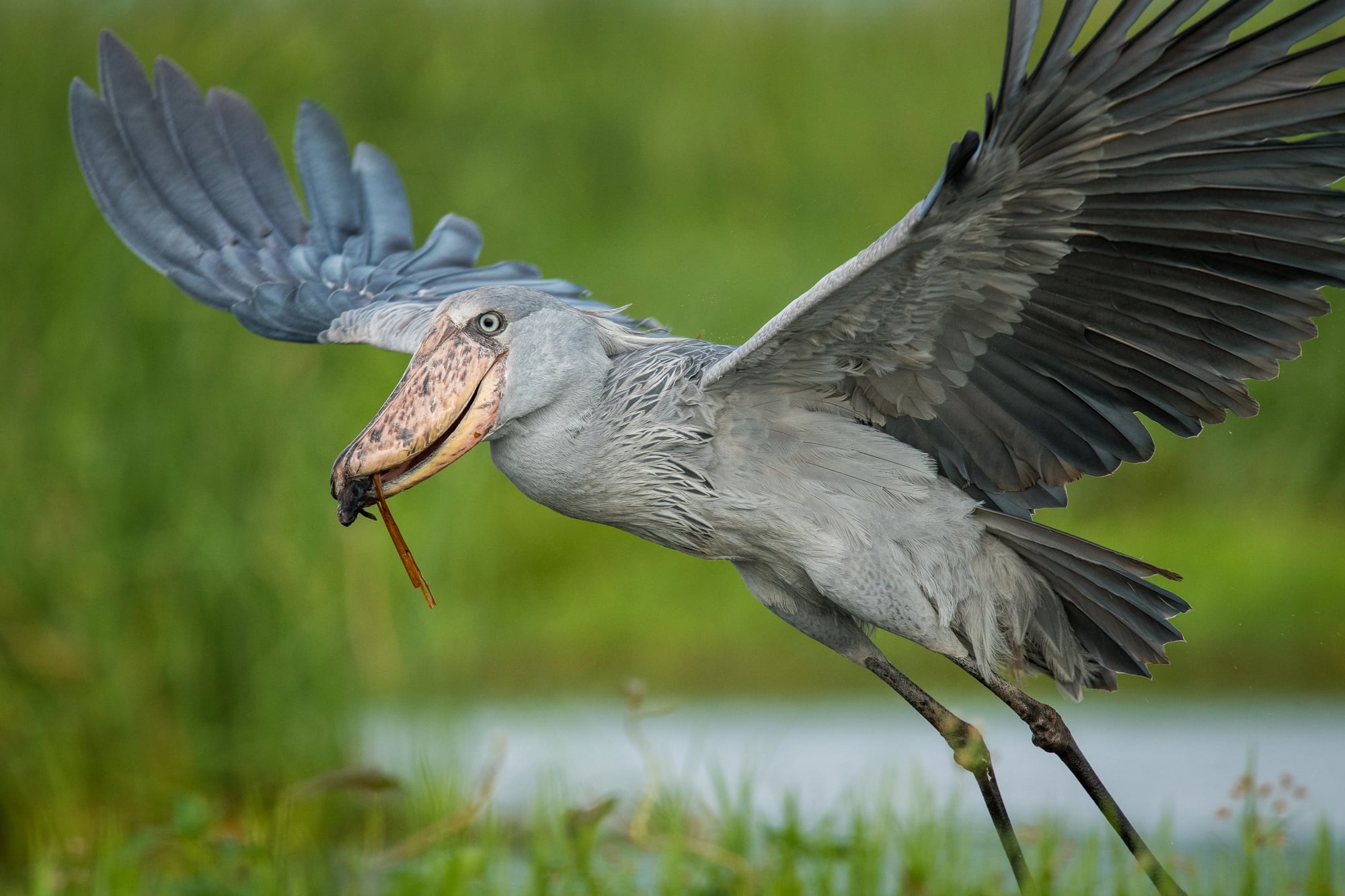
The shoebill stork’s beak looks like it was designed for demolition work rather than fishing. This massive bird stands motionless for hours in African swamps, waiting for lungfish or baby crocodiles to surface within striking distance.
When prey appears, the shoebill attacks with mechanical precision. The sound of a shoebill’s beak snapping shut reportedly carries across miles of wetland.
Geoduck Clam
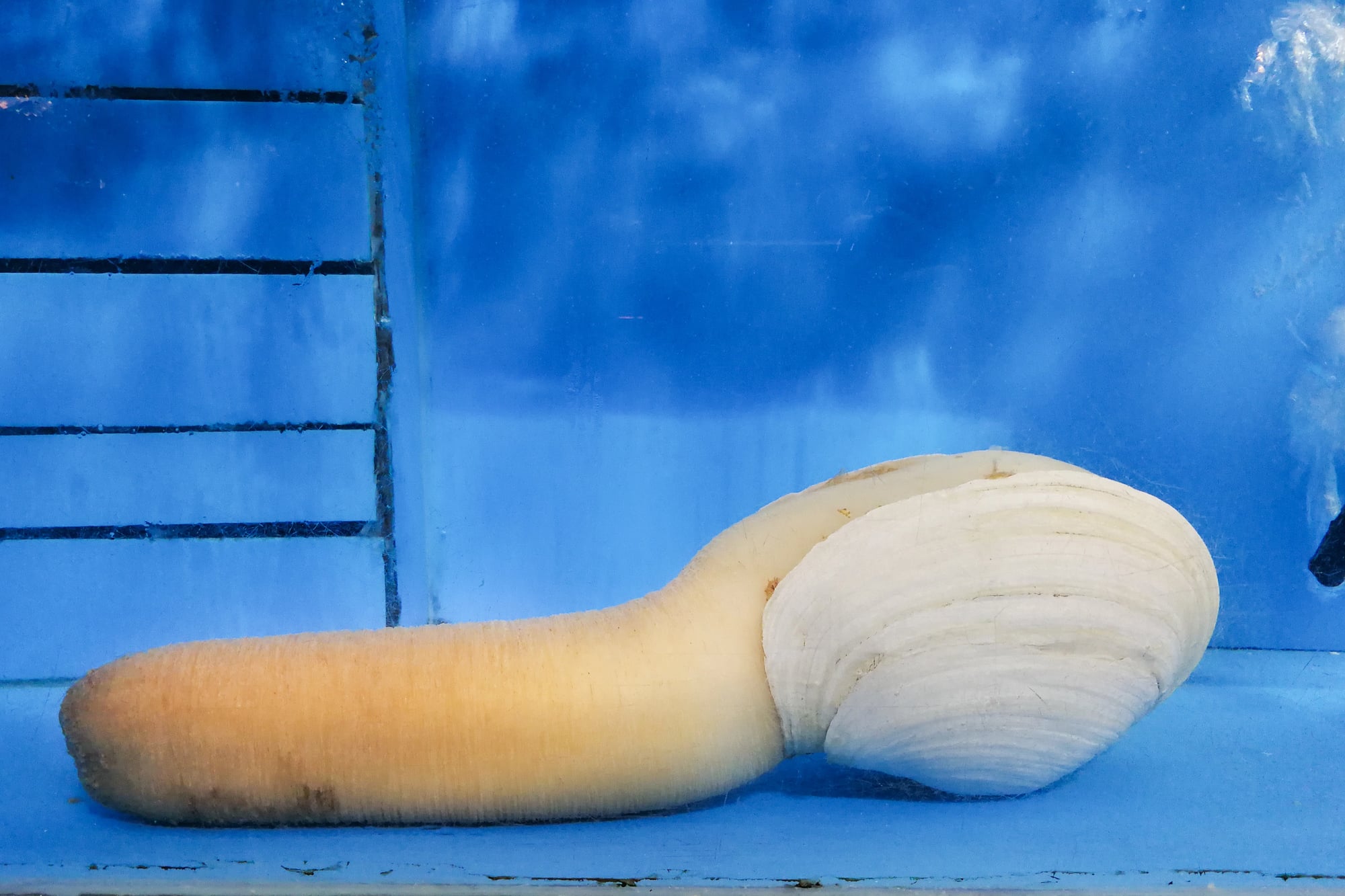
The geoduck clam’s anatomy defies reasonable proportion. This massive Pacific Northwest mollusk can weigh over 10 pounds and live for more than 160 years.
That siphon — which can stretch over three feet long — is how the geoduck feeds, breathes, and reproduces. These clams are living proof that success in the animal kingdom doesn’t require mobility, intelligence, or conventional beauty.
Marvels in Plain Sight
These creatures prove that the extraordinary doesn’t always hide in remote locations or mythical stories. It walks among us, swims in our oceans, and burrows under our feet, wearing forms so unusual that they challenge our assumptions about what’s possible in the natural world.
Each of these animals represents millions of years of evolutionary problem-solving. The planet continues to surprise us with real animals that demonstrate nature’s endless capacity for creativity and adaptation.
More from Go2Tutors!

- The Romanov Crown Jewels and Their Tragic Fate
- 13 Historical Mysteries That Science Still Can’t Solve
- Famous Hoaxes That Fooled the World for Years
- 15 Child Stars with Tragic Adult Lives
- 16 Famous Jewelry Pieces in History
Like Go2Tutors’s content? Follow us on MSN.



