16 Skylines That Redefined Cities
A city’s skyline is more than just a collection of buildings—it’s a visual identity that tells a story of economic power, cultural values, architectural innovation, and historical transformation. When we see the silhouette of New York, Hong Kong, or Dubai, we instantly recognize not just a place, but an entire urban narrative captured in steel, glass, and concrete.
These iconic urban profiles aren’t accidents of history. Here is a list of 16 skylines from around the world that fundamentally transformed their cities, turning them into instantly recognizable global landmarks.
Manhattan, New York
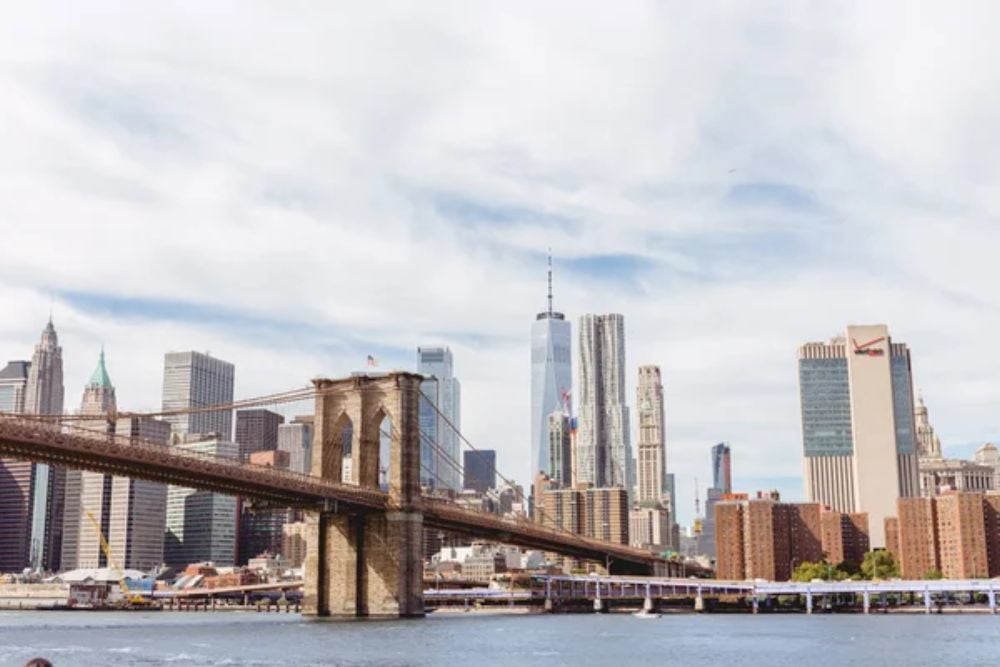
The quintessential skyline that inspired all others, Manhattan’s profile represents the original vertical city. What began with the Flatiron Building and Woolworth Building evolved through the Art Deco masterpieces of the 1930s into today’s supertall luxury towers along Billionaire’s Row.
The skyline has continually reinvented itself through economic booms, depressions, and the devastating loss and subsequent rebuilding after 9/11.
Hong Kong
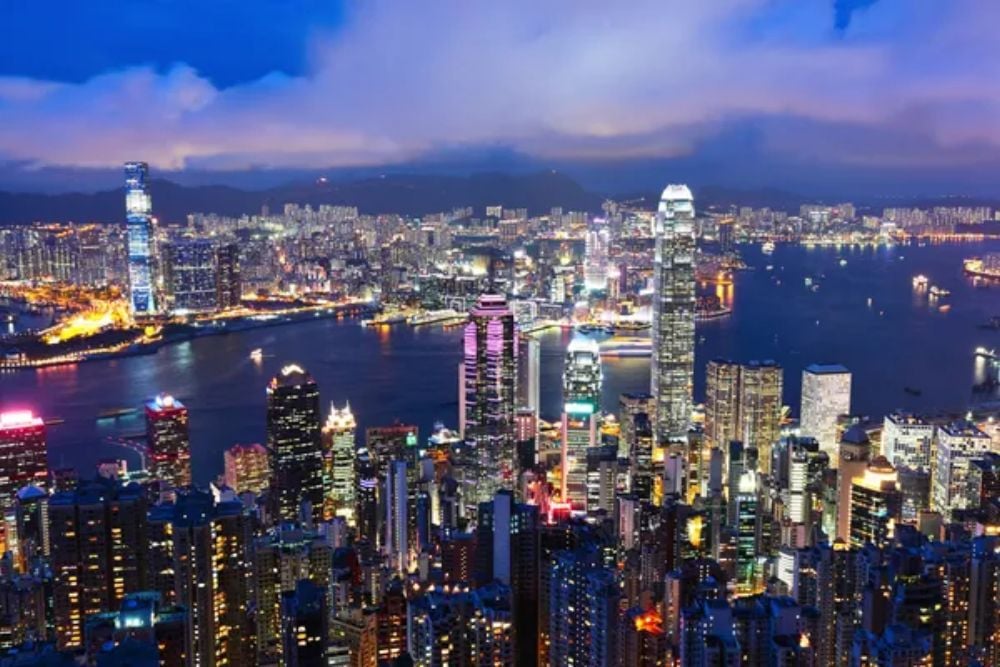
Perhaps the most densely packed skyline in existence, Hong Kong represents the perfect marriage of geographic constraints and economic ambition. Squeezed between Victoria Harbor and steep mountains, the city had nowhere to go but up, resulting in over 300 buildings exceeding 490 feet.
The nightly Symphony of Lights show transforms this forest of skyscrapers into the world’s largest permanent light and sound show, visible from miles away.
Chicago
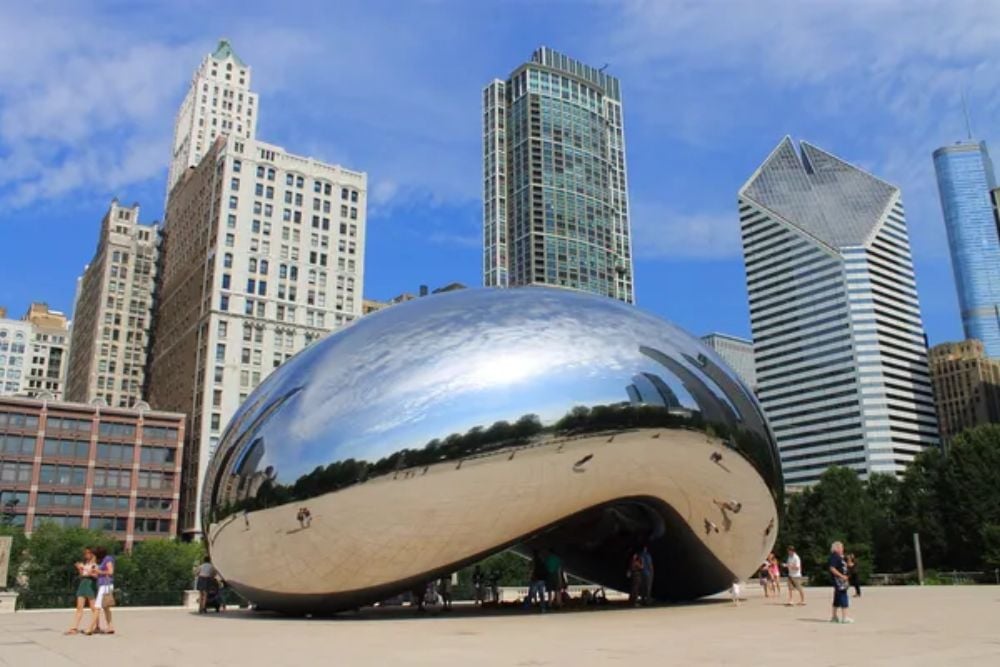
The birthplace of the modern skyscraper, Chicago pioneered many of the architectural and engineering innovations that made today’s super-tall buildings possible. After the Great Fire of 1871 cleared much of the city, architects like Louis Sullivan and Daniel Burnham reimagined what urban architecture could be.
The Willis Tower (formerly Sears Tower) stood as the world’s tallest building for nearly 25 years, cementing Chicago’s reputation as a city that builds toward the heavens.
Shanghai
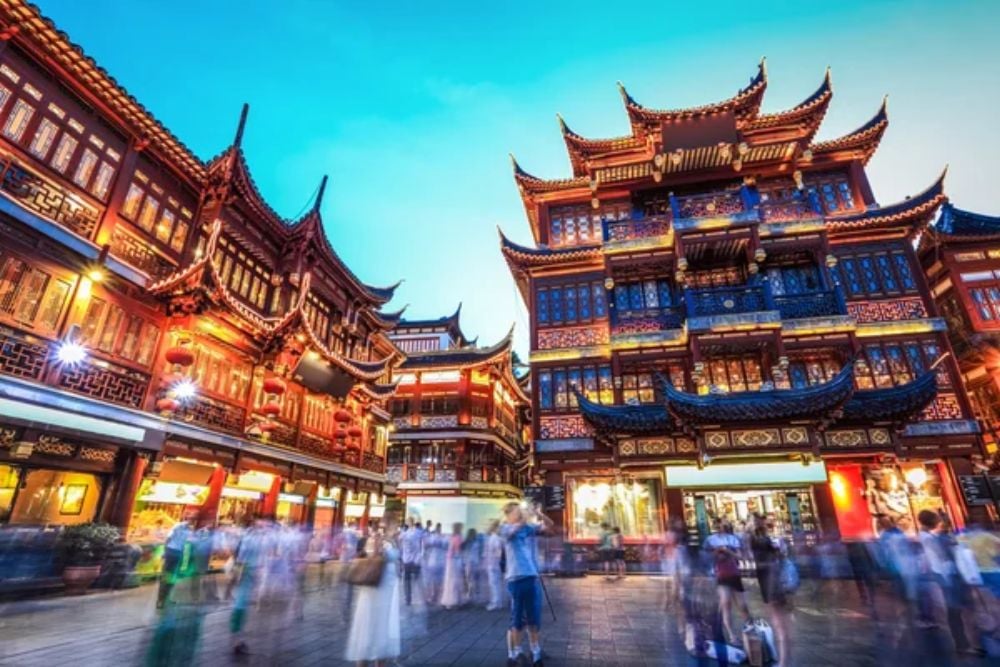
In just three decades, Shanghai transformed from a relatively low-rise former colonial port into one of the world’s most futuristic cityscapes. The development of the Pudong district from farmland to financial center represents one of history’s most rapid urban transformations.
The Oriental Pearl Tower, Jin Mao Tower, and Shanghai Tower create an instantly recognizable profile that symbolizes China’s economic rise on the world stage.
Dubai
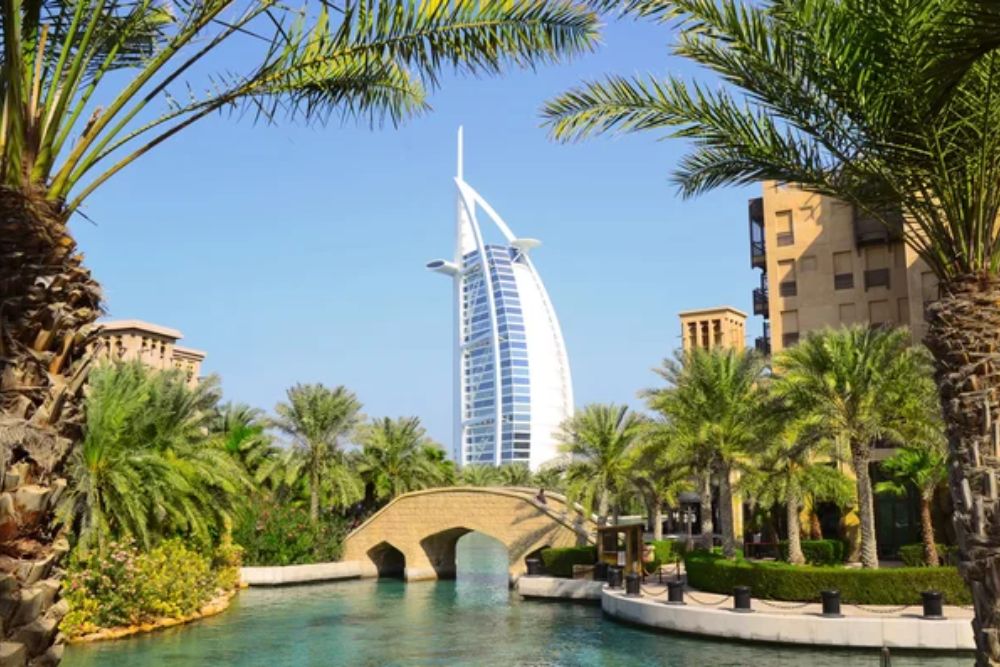
Prior to the 1990s, Dubai was largely a low-rise desert town. Today, it boasts over 75 buildings taller than 650 feet, crowned by the 2,717-foot Burj Khalifa—currently the world’s tallest structure.
This vertical explosion occurred in roughly a single generation, creating a skyline that looks more like a science fiction movie set than a traditional city. The Palm and World Islands extend this vertical ambition horizontally into the Persian Gulf.
Singapore
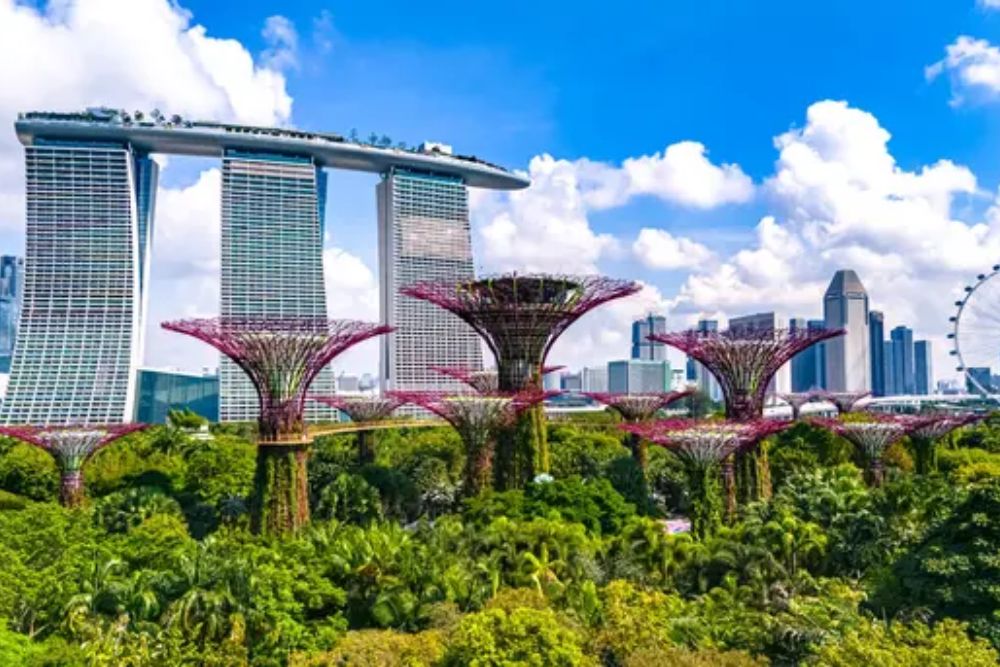
Singapore’s skyline combines tropical and futuristic elements in a way no other city has managed. The iconic Marina Bay Sands hotel—three towers supporting what looks like a floating ship—has become the city-state’s signature structure.
Gardens by the Bay, with its massive Supertree Grove structures, integrates vertical greenery into the urban profile, creating a skyline that feels alive and organic rather than merely imposing.
Tokyo
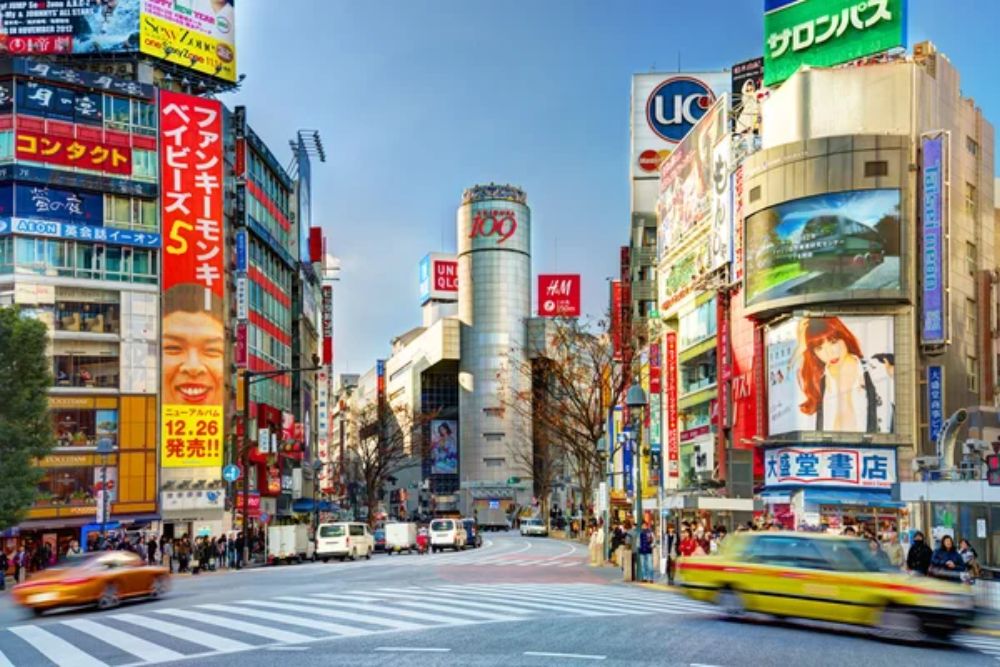
Tokyo’s skyline reflects Japan’s unique blend of ultra-modernity and tradition. Rather than clustering its tallest buildings in a single downtown, Tokyo spreads multiple skylines across different districts.
The Tokyo Skytree and iconic Tokyo Tower provide visual anchors to a sprawling megalopolis. At night, the city transforms into a seemingly infinite ocean of lights, creating what might be the world’s most extensive illuminated skyline.
Toronto
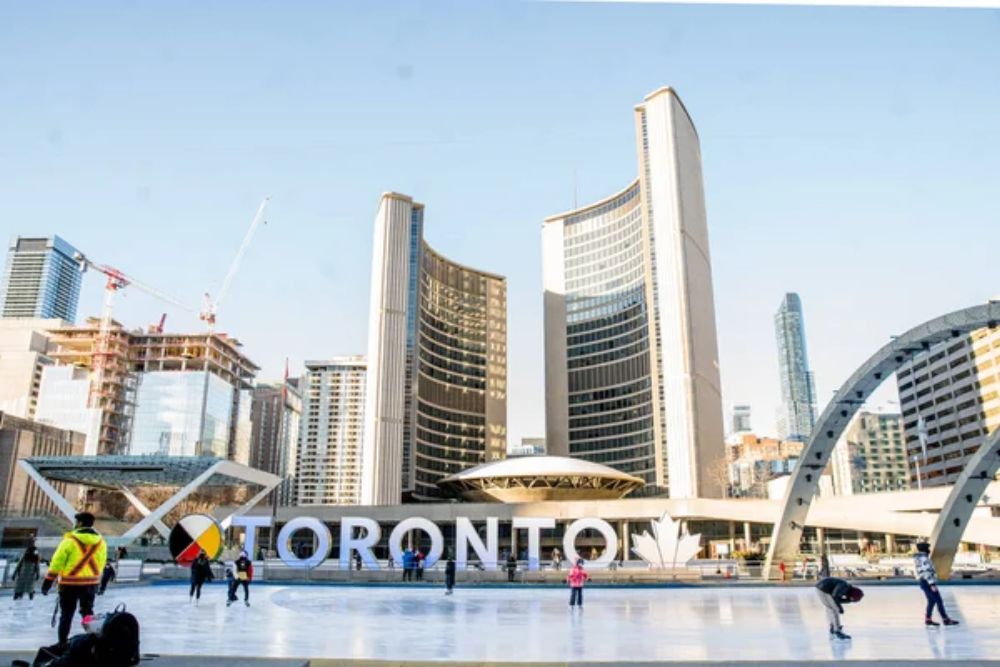
The CN Tower dominated Toronto’s skyline in relative isolation for decades after its 1976 completion. However, the early 2000s building boom transformed the city with gleaming residential towers and distinctive structures like the “crystal” addition to the Royal Ontario Museum.
Toronto now adds roughly 120 high-rises annually, creating a rapidly evolving skyline that reflects Canada’s growing economic and cultural significance.
Kuala Lumpur
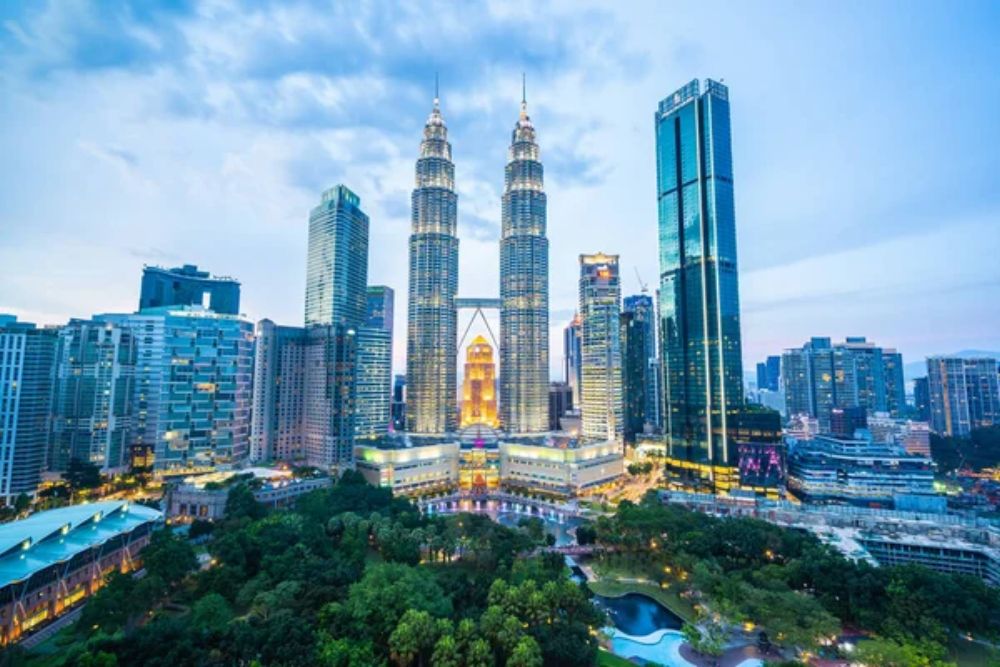
Before 1998, few people worldwide could identify Kuala Lumpur’s skyline. The completion of the Petronas Towers—then the world’s tallest buildings—instantly put the Malaysian capital on the global map.
The distinctive twin towers, with their sky bridge and Islamic-inspired design elements, created an unmistakable profile that announced Malaysia’s arrival as an economic force in Southeast Asia.
Seattle
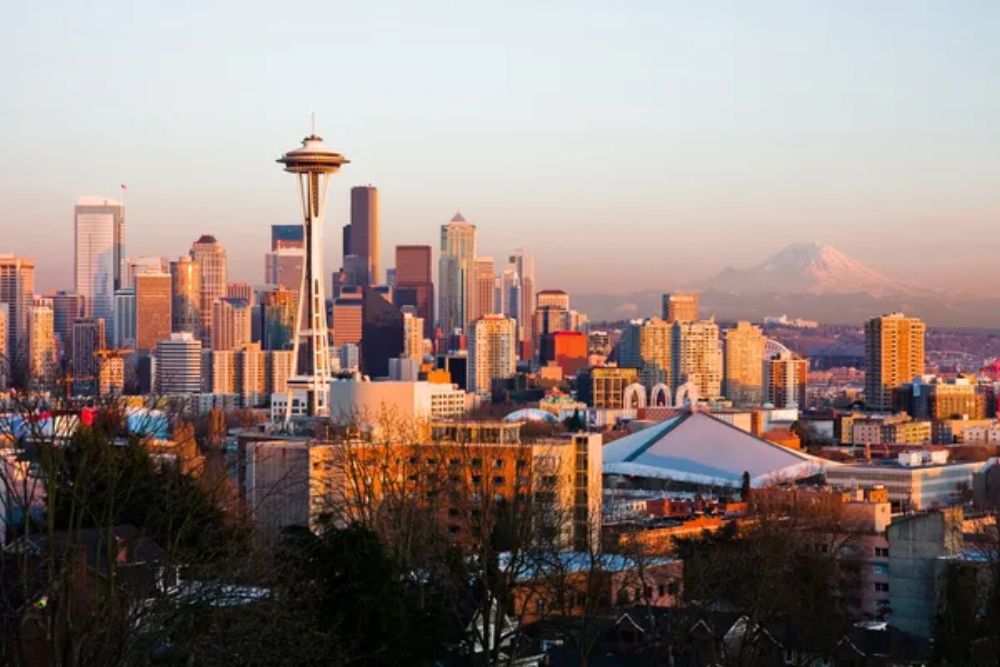
The Space Needle has given Seattle an instantly recognizable skyline element since the 1962 World’s Fair. More recently, Amazon’s explosive growth has reshaped downtown with dozens of new towers and the distinctive spherical conservatories at the company’s headquarters.
Mount Rainier providing a dramatic backdrop on clear days makes this skyline uniquely integrated with nature despite its technological associations.
Sydney
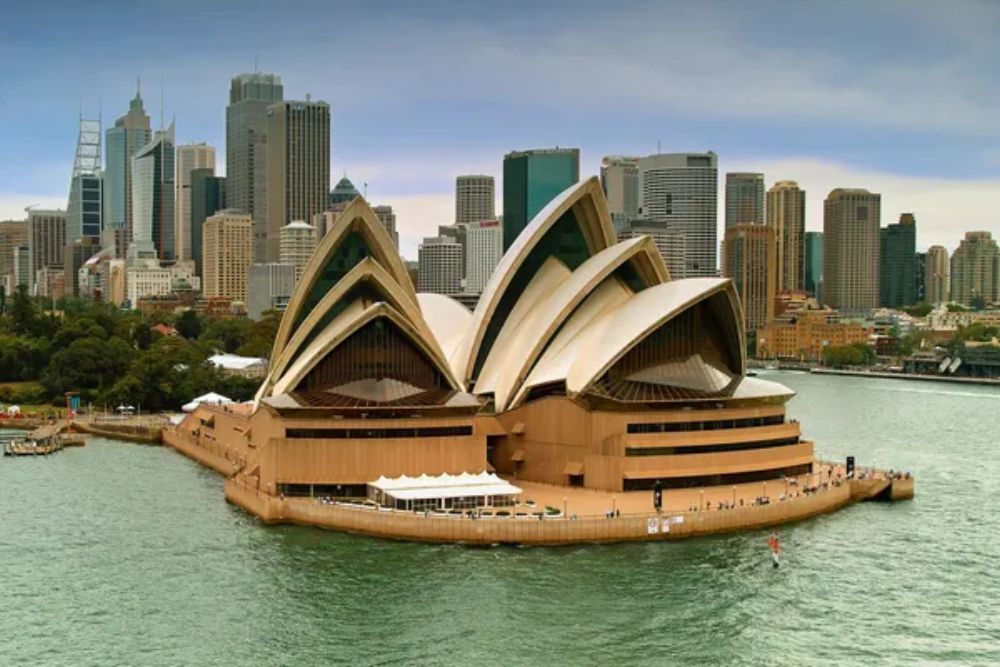
The Sydney Opera House single-handedly created one of the world’s most distinctive urban profiles. Its sail-like forms, set against the harbor bridge, make Sydney instantly identifiable even to people who’ve never visited Australia.
Unlike most cities where commercial skyscrapers define the skyline, Sydney’s most recognizable element is a cultural institution, reflecting Australia’s priorities and values.
London
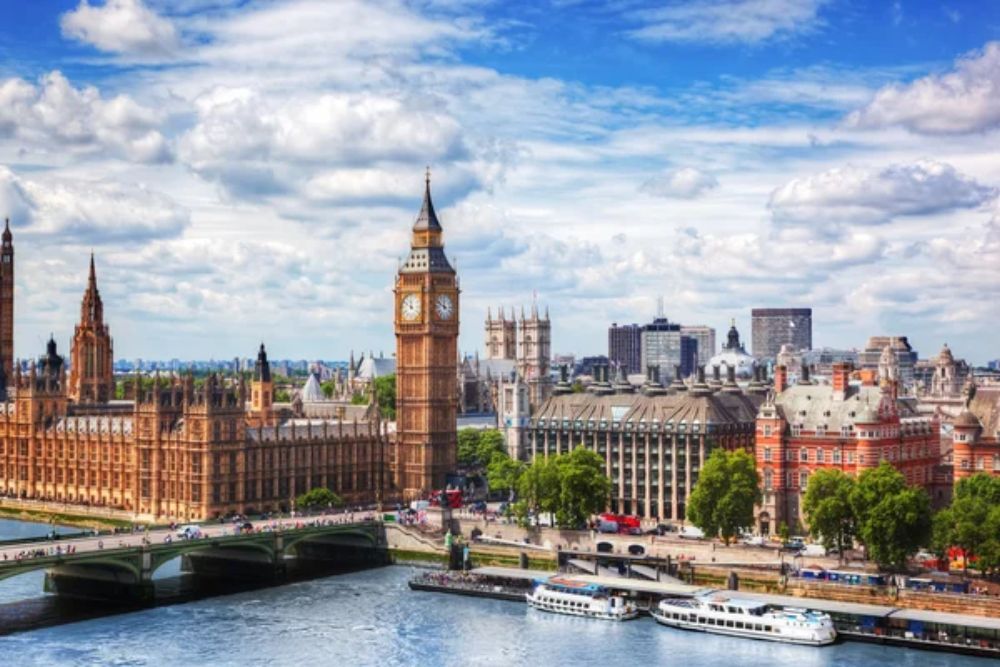
Historically a low-rise city defined by church spires rather than commercial towers, London’s skyline has transformed dramatically since the new millennium. The Gherkin, Shard, and Walkie-Talkie buildings introduced bold contemporary forms while carefully preserving protected views of St. Paul’s Cathedral.
This juxtaposition of ultra-modern and historic elements creates a visual narrative of London’s evolution from imperial capital to global financial hub.
Moscow
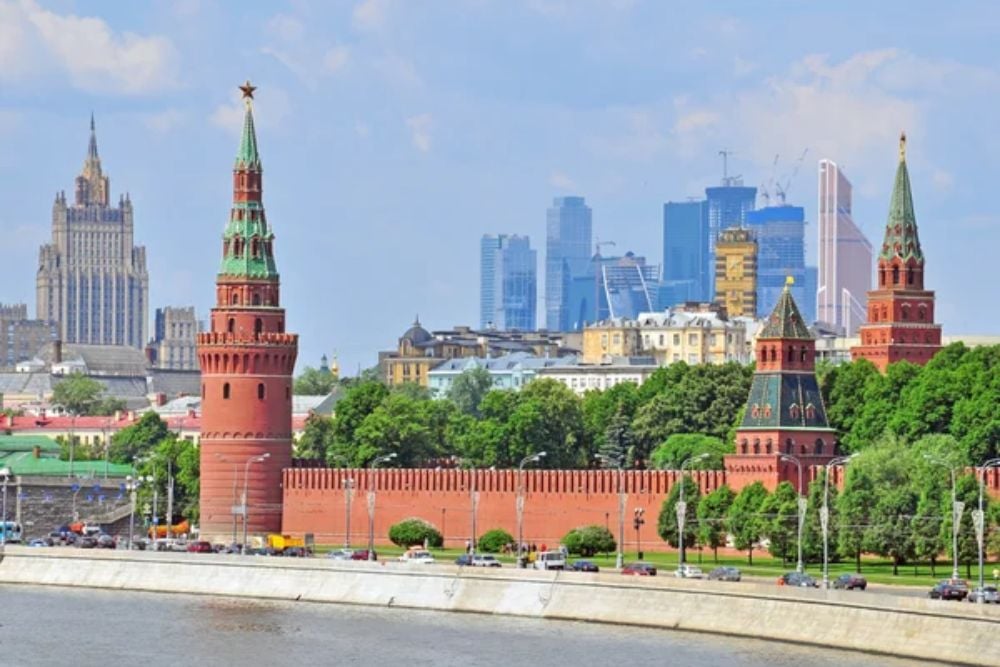
The distinctive onion domes of St. Basil’s Cathedral and the Kremlin towers defined Moscow’s skyline for centuries. The Soviet era added the imposing “Seven Sisters” skyscrapers with their distinctive wedding-cake silhouettes.
More recently, the Moscow City business district has introduced glassy supertall towers, creating a three-layered skyline that visually tells the story of Russia’s complex history and rapid economic transformation.
Vancouver
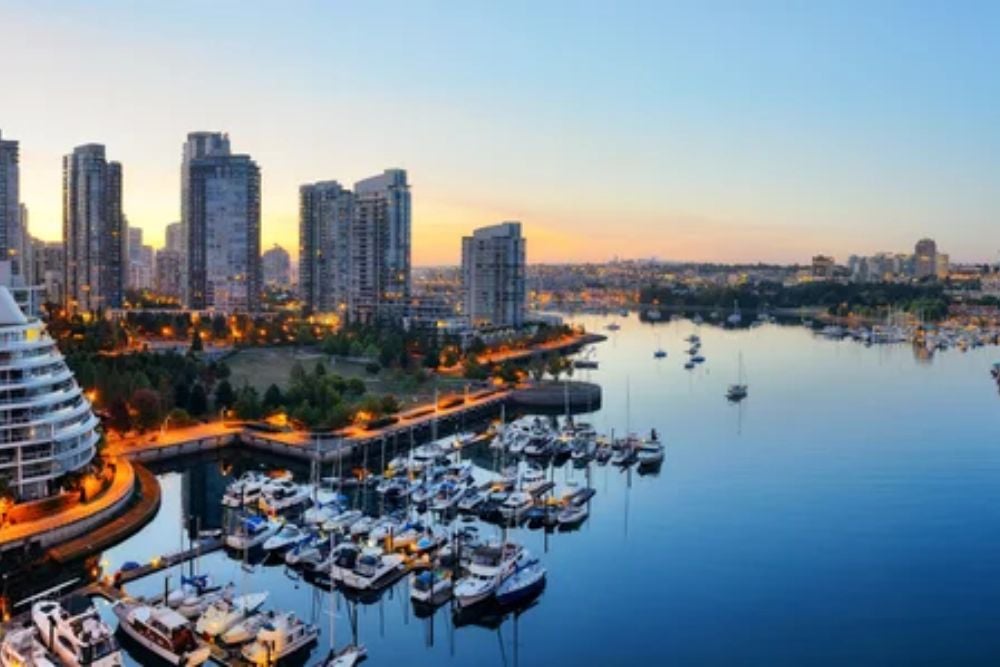
Set against the dramatic backdrop of the North Shore Mountains, Vancouver pioneered the “Vancouverism” style of urban planning—slender residential towers with wider bases containing commercial space. The result is a uniquely livable downtown skyline of needle-like towers that preserve mountain views and maximize natural light.
This approach has influenced urban planning worldwide, making Vancouver’s skyline as influential as it is beautiful.
Doha
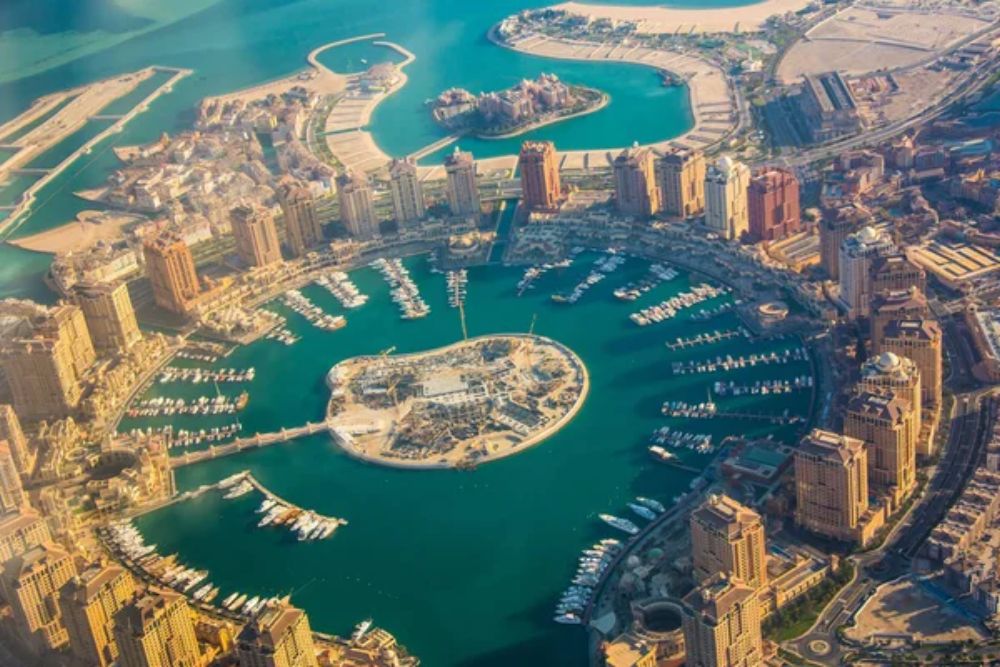
Qatar’s capital has emerged from obscurity to architectural prominence in record time. The skyline’s centerpiece, the 980-foot torch-inspired Aspire Tower, was built for the 2006 Asian Games.
The distinctive Museum of Islamic Art and the spiraling Qatar Tower complete a skyline that combines Islamic architectural traditions with cutting-edge design. The 2022 World Cup brought further architectural ambition, cementing Doha’s place among the world’s most distinctive urban profiles.
San Francisco
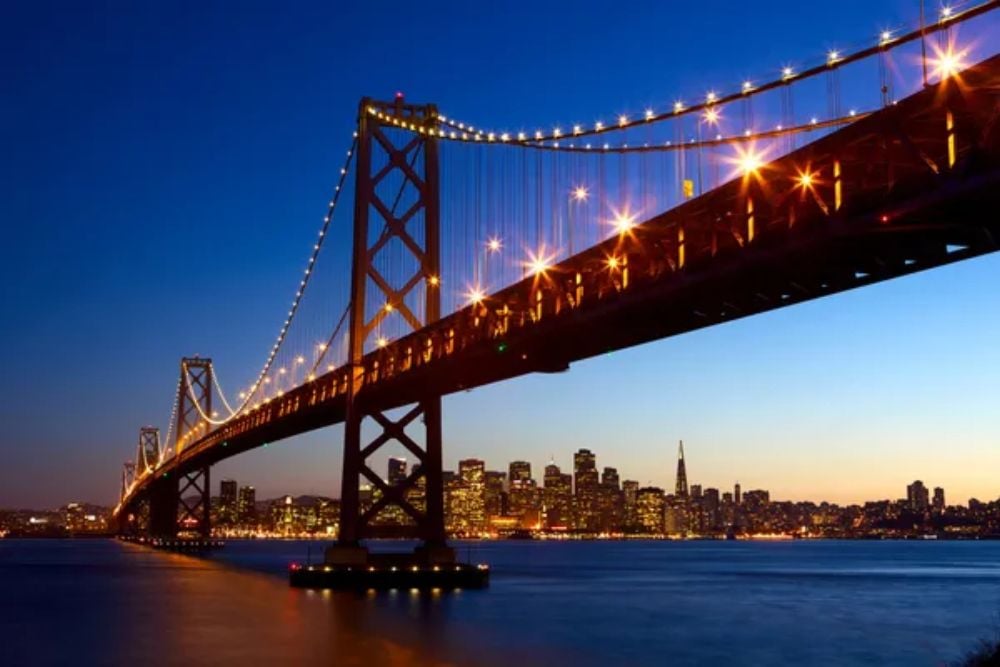
San Francisco’s skyline combines natural drama with architectural innovation. The iconic Transamerica Pyramid dominated this profile for decades, while the controversial Salesforce Tower now stands as its tallest building.
The Bay Bridge, with its LED light installation, has become an integral part of this skyline, especially at night. Recent additions like the “sinking” Millennium Tower remind us that even the most impressive skylines face engineering challenges in complex environments.
The Vertical Legacy

From Manhattan’s century-long evolution to Dubai’s twenty-year explosion of supertall buildings, skylines reflect humanity’s perpetual quest to push boundaries. These distinctive urban profiles don’t just house people and businesses—they embody cultural values, economic aspirations, and technological capabilities.
As cities continue competing for talent, investment, and tourism, their skylines will remain powerful symbols of identity in our increasingly urbanized world.
More from Go2Tutors!

- The Romanov Crown Jewels and Their Tragic Fate
- 13 Historical Mysteries That Science Still Can’t Solve
- Famous Hoaxes That Fooled the World for Years
- 15 Child Stars with Tragic Adult Lives
- 16 Famous Jewelry Pieces in History
Like Go2Tutors’s content? Follow us on MSN.



