16 Art Movements That Changed How We See Beauty
Art has this fascinating way of reshaping our understanding of what’s beautiful. Throughout history, different movements have challenged conventional ideas about aesthetics, forcing us to reconsider everything from color and form to subject matter and technique. Each revolution in artistic thinking didn’t just change how artists worked—it transformed how entire societies viewed the world around them.
What started as rebellions against established norms eventually became the foundation for new standards of beauty. Here is a list of 16 art movements that fundamentally altered our perception of aesthetic value.
Renaissance
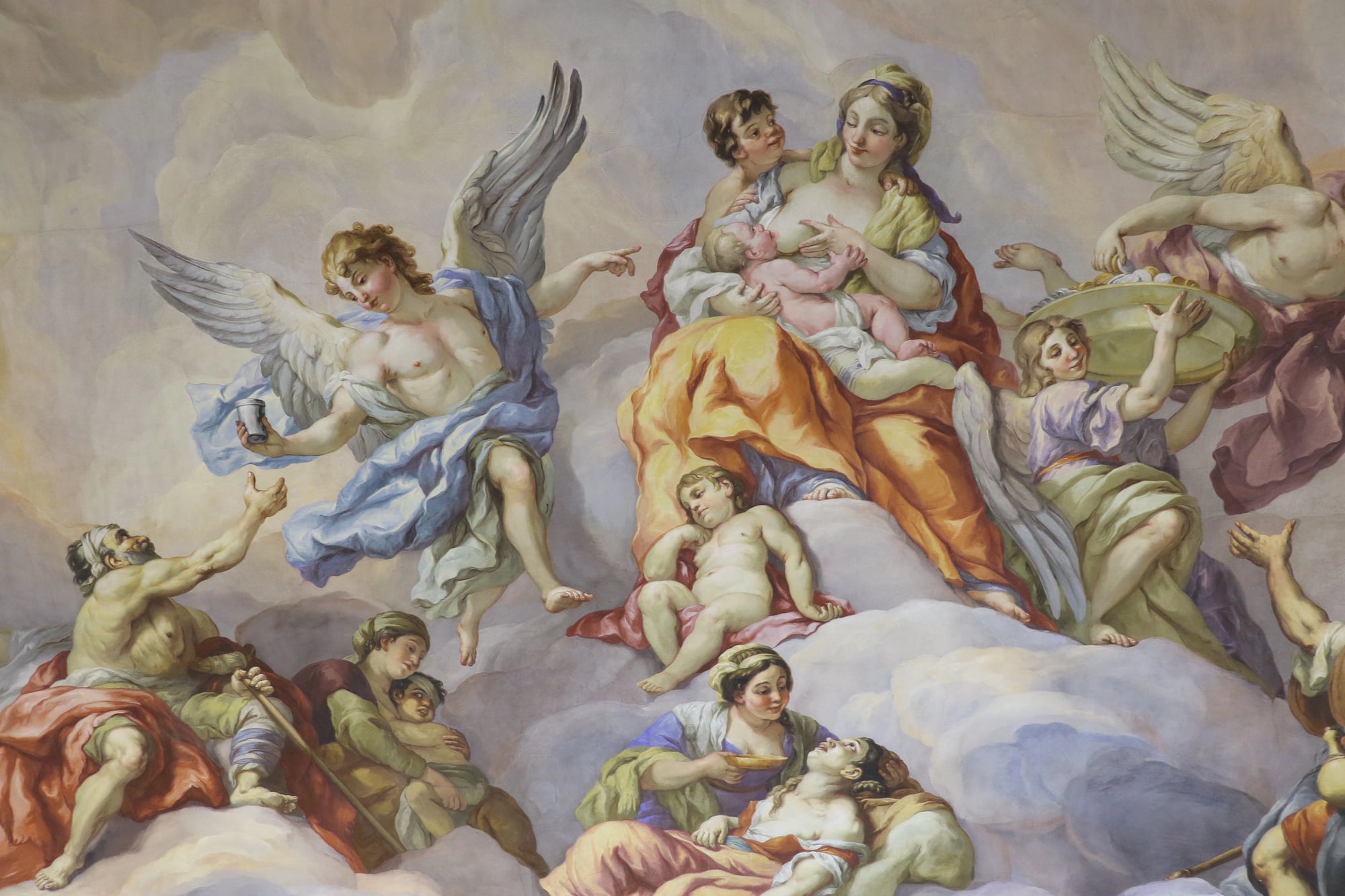
The Renaissance brought art back to life after centuries of rigid medieval conventions. Artists like Leonardo da Vinci and Michelangelo rediscovered classical proportions and introduced revolutionary techniques like linear perspective, making paintings feel three-dimensional for the first time.
This movement established the idea that beauty could be found in realistic human forms and natural landscapes, setting standards that influenced art for centuries.
Baroque
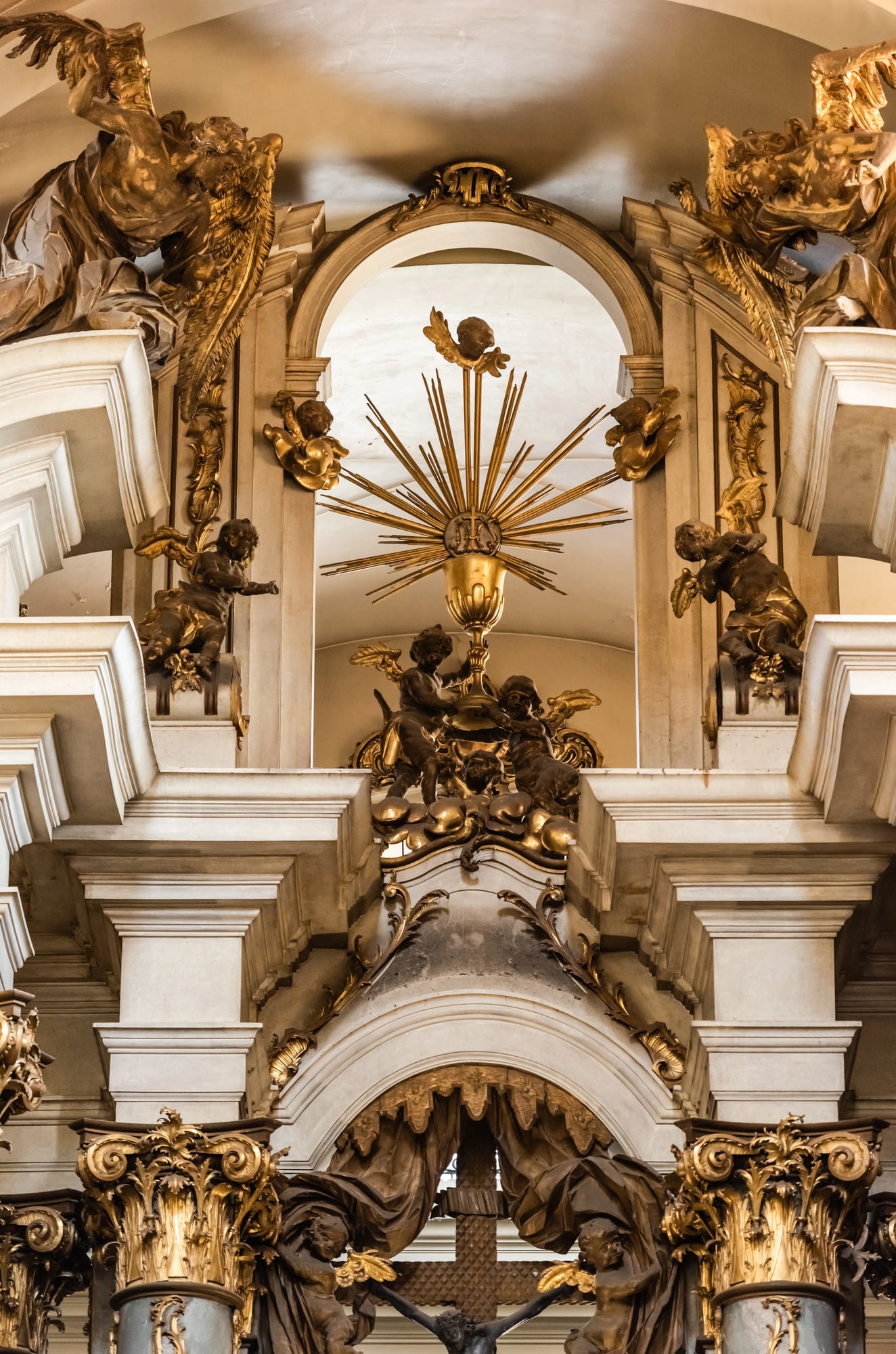
Baroque art turned drama into beauty, embracing intense emotions and theatrical lighting. Artists like Caravaggio used stark contrasts between light and shadow to create paintings that seemed to pulse with life.
The movement showed that beauty didn’t have to be calm or balanced—it could be passionate, dynamic, and even a little overwhelming.
Impressionism
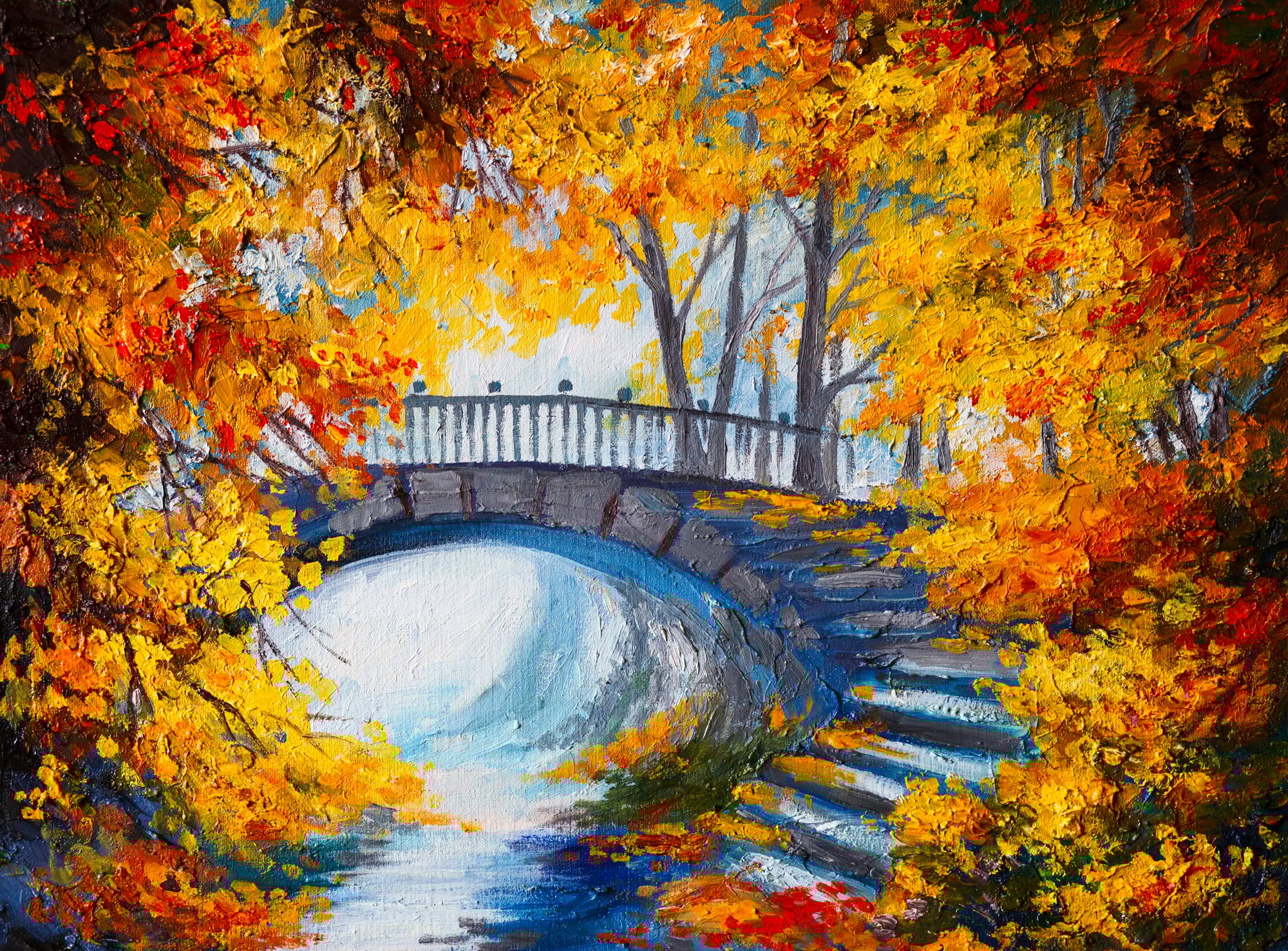
Impressionism changed everything by suggesting that a fleeting moment could be more beautiful than a perfectly polished painting. Artists like Monet and Renoir painted outdoors, capturing how light danced across water or filtered through leaves.
They proved that loose brushstrokes and bright colors could convey emotion and atmosphere better than precise details ever could.
Like Go2Tutors’s content? Follow us on MSN.
Post-Impressionism
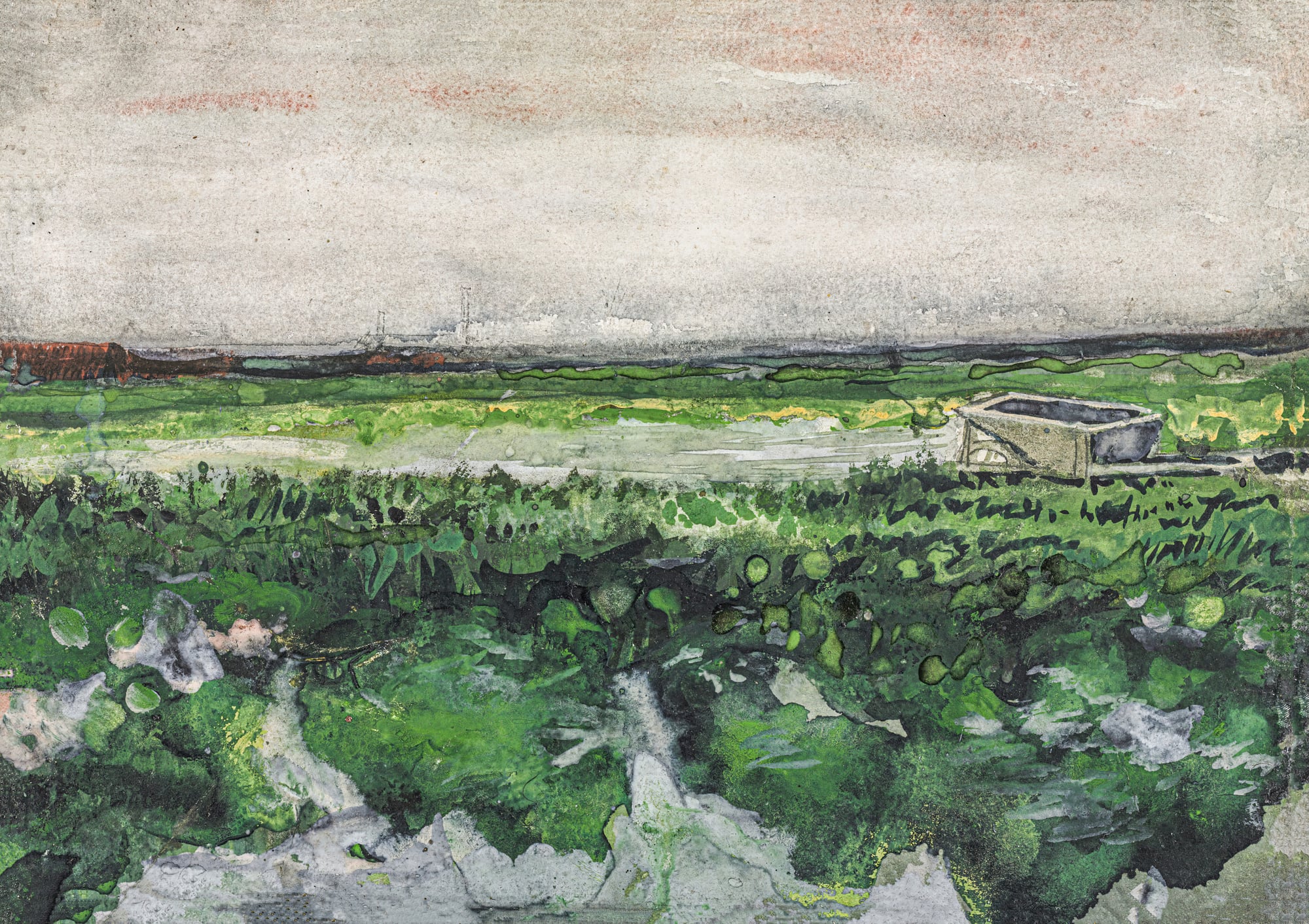
Post-Impressionism took the bold colors of Impressionism and pushed them even further into the realm of personal expression. Van Gogh’s swirling skies and Gauguin’s vibrant tropical scenes showed that beauty could be found in an artist’s unique vision rather than in faithful representation.
This movement opened the door to the idea that emotional truth could be more beautiful than visual accuracy.
Fauvism
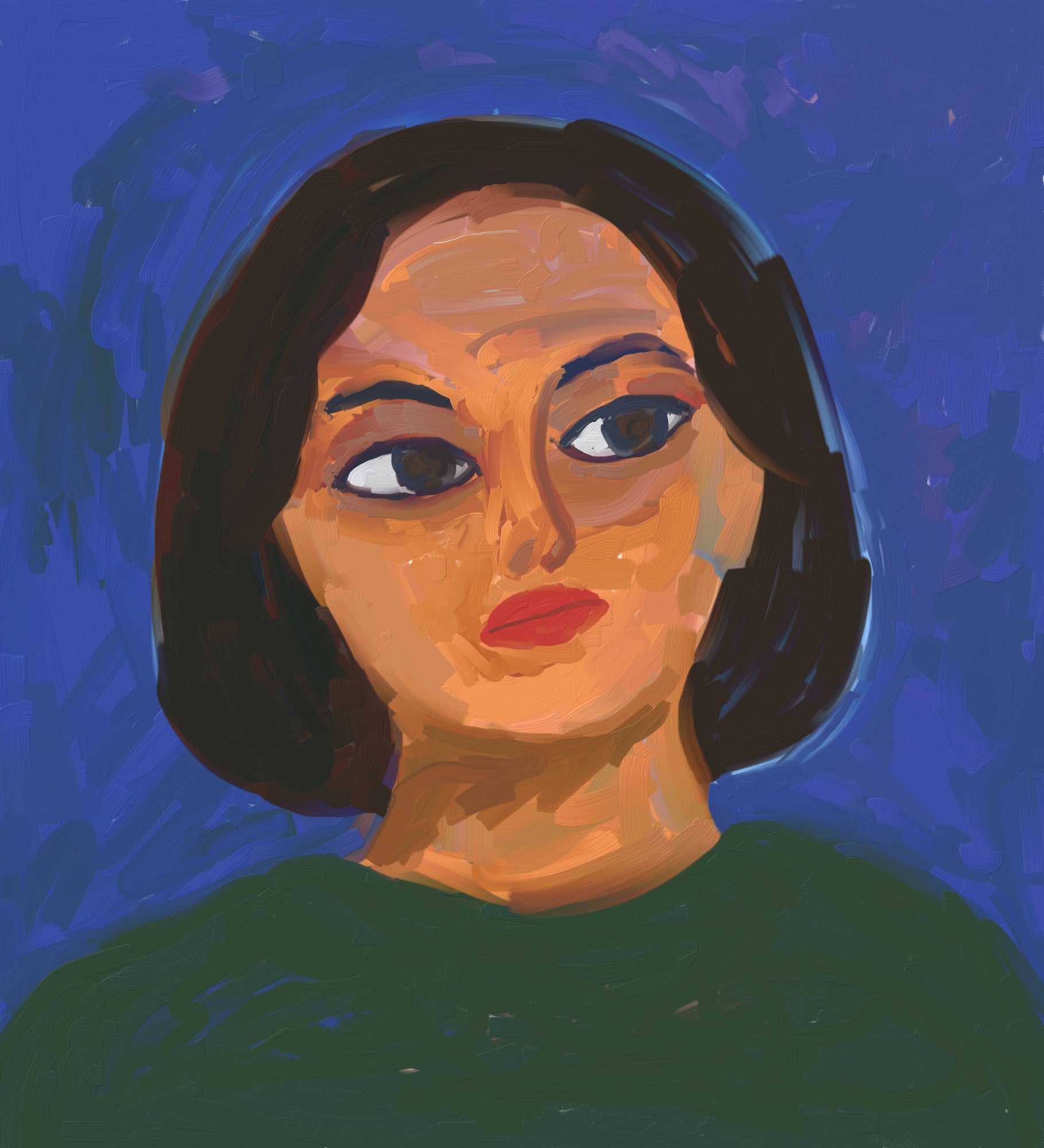
The Fauves, or ‘wild beasts,’ shocked the art world by using colors that had nothing to do with reality. Matisse painted faces green and trees purple, proving that color could express feelings rather than just describe objects.
Their work demonstrated that beauty could be bold, instinctive, and completely divorced from what we see in nature.
Expressionism
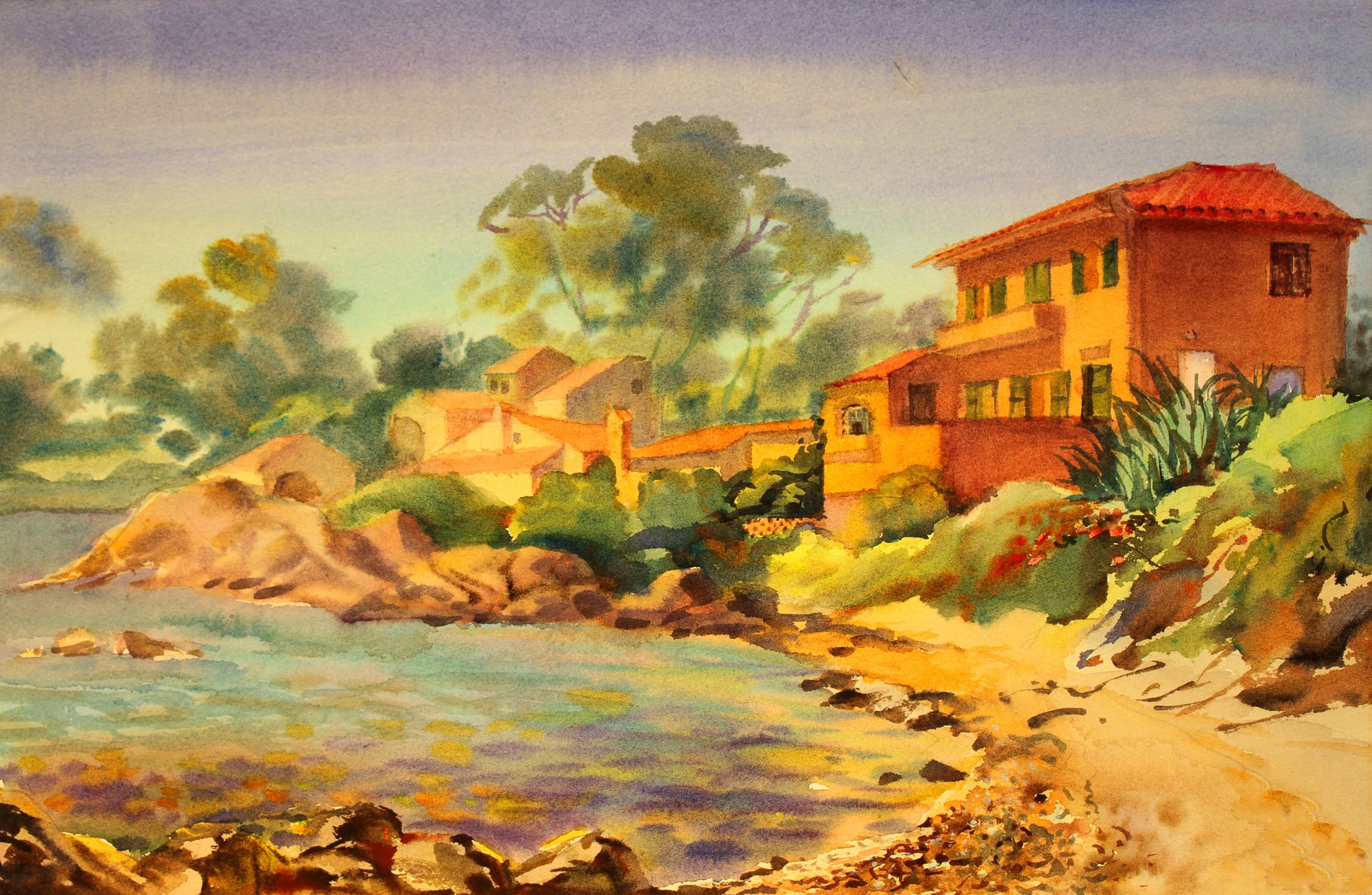
Expressionism made inner turmoil beautiful by giving it visual form. Artists like Edvard Munch and Ernst Ludwig Kirchner used distorted figures and jarring colors to express anxiety, fear, and other intense emotions.
The movement showed that even uncomfortable feelings could have their own kind of aesthetic power.
Like Go2Tutors’s content? Follow us on MSN.
Cubism
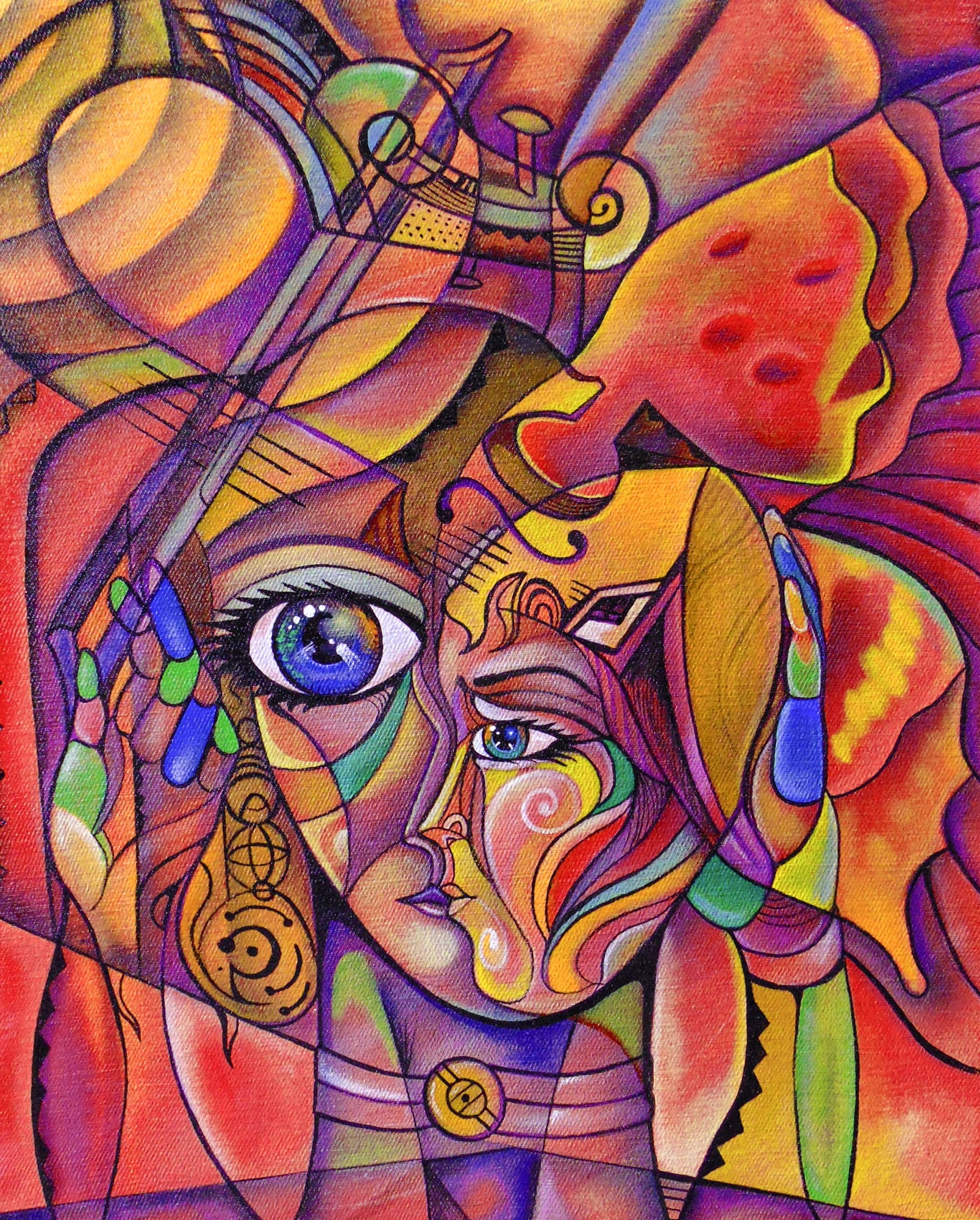
Cubism shattered traditional perspective and rebuilt it in revolutionary ways. Picasso and Braque broke objects into geometric fragments, showing multiple viewpoints simultaneously.
Their fractured portraits and still lifes proved that beauty could exist in complexity and abstraction, not just in realistic representation.
Futurism
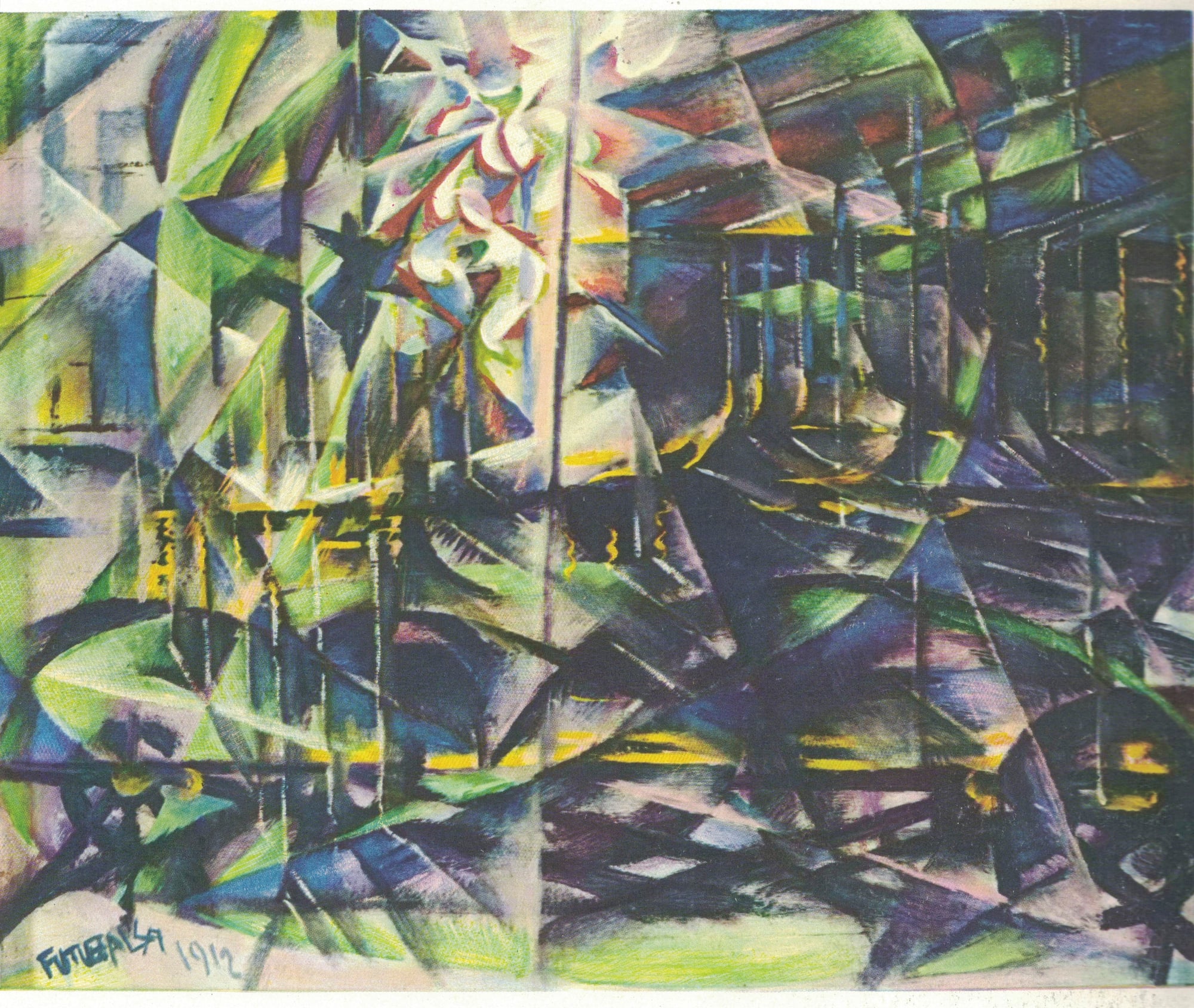
Futurism found beauty in speed, technology, and modern life. Italian artists like Umberto Boccioni painted blurred figures that seemed to move across the canvas, celebrating the energy of the industrial age.
The movement showed that beauty could be found in motion and change rather than in static perfection.
Dadaism
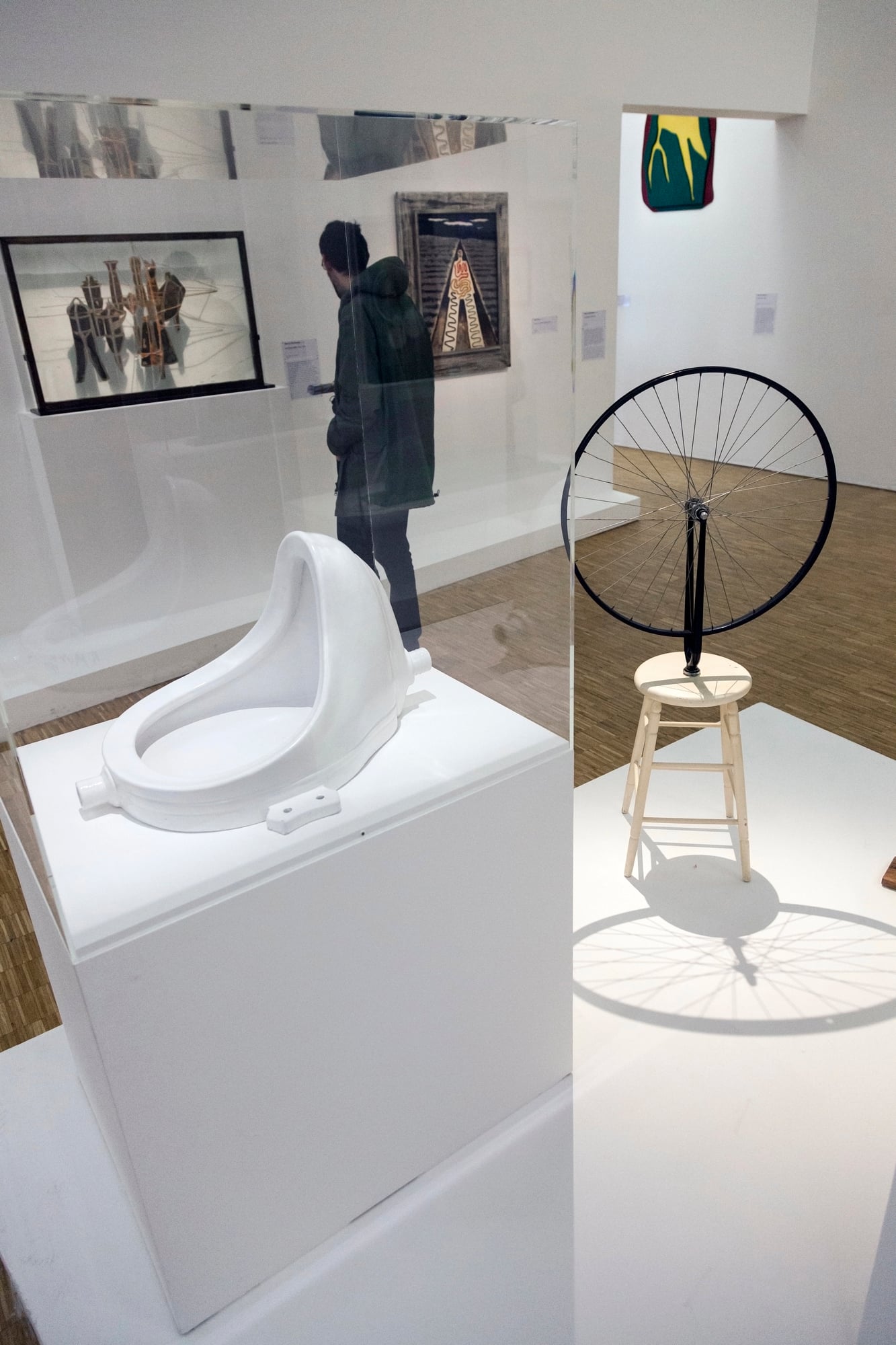
Dadaism challenged every assumption about what art could be by embracing chaos and absurdity. Marcel Duchamp’s famous urinal turned upside down and called ‘Fountain’ forced people to question whether beauty was inherent in objects or created by context.
Dadaists proved that sometimes the most beautiful thing about art is how it makes you think.
Like Go2Tutors’s content? Follow us on MSN.
Surrealism
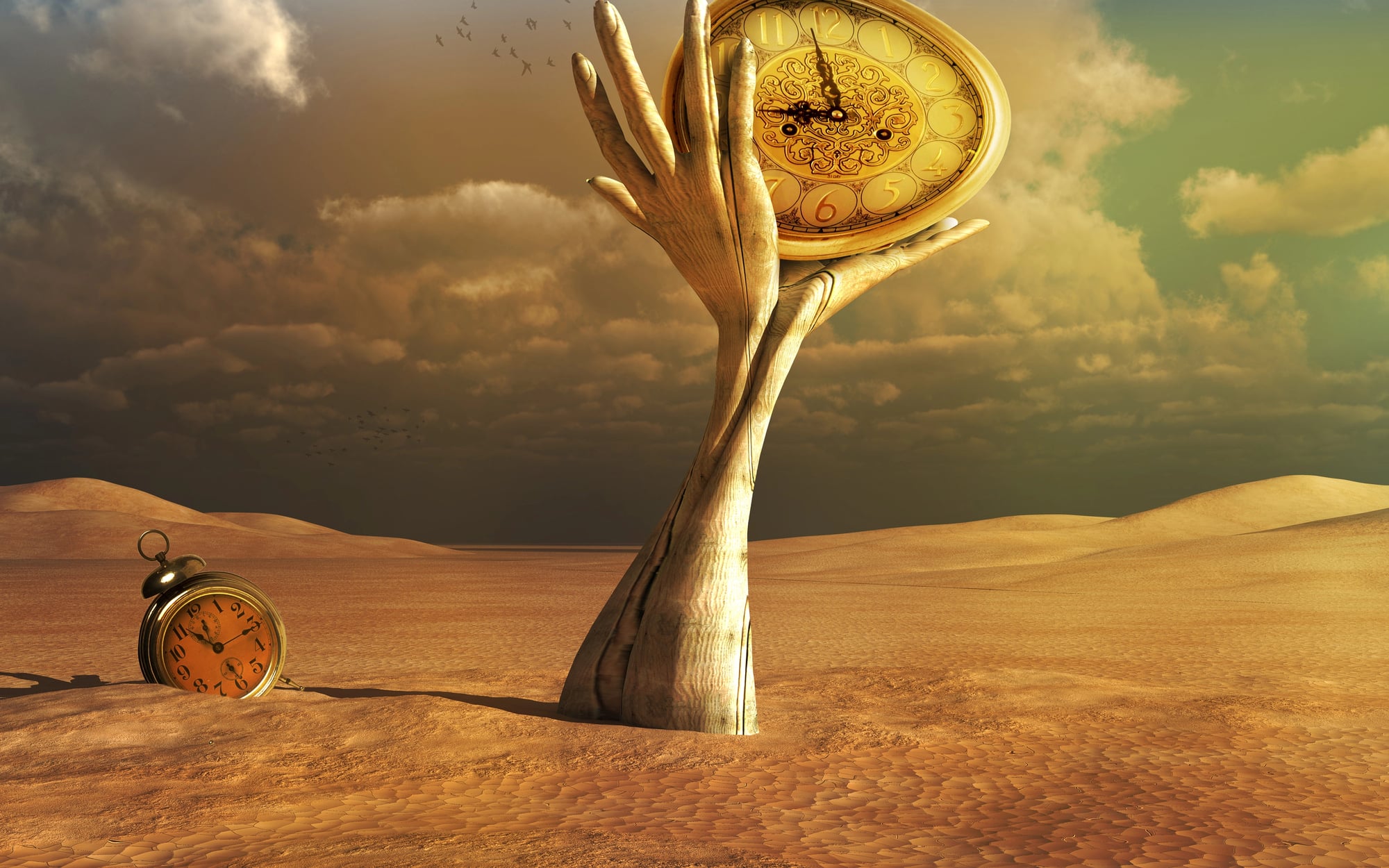
Surrealism revealed the strange beauty of dreams and the unconscious mind. Salvador Dalí’s melting clocks and René Magritte’s impossible scenes created a visual language for the irrational.
The movement demonstrated that beauty could be found in the mysterious and the inexplicable, not just in what made logical sense.
Abstract Expressionism
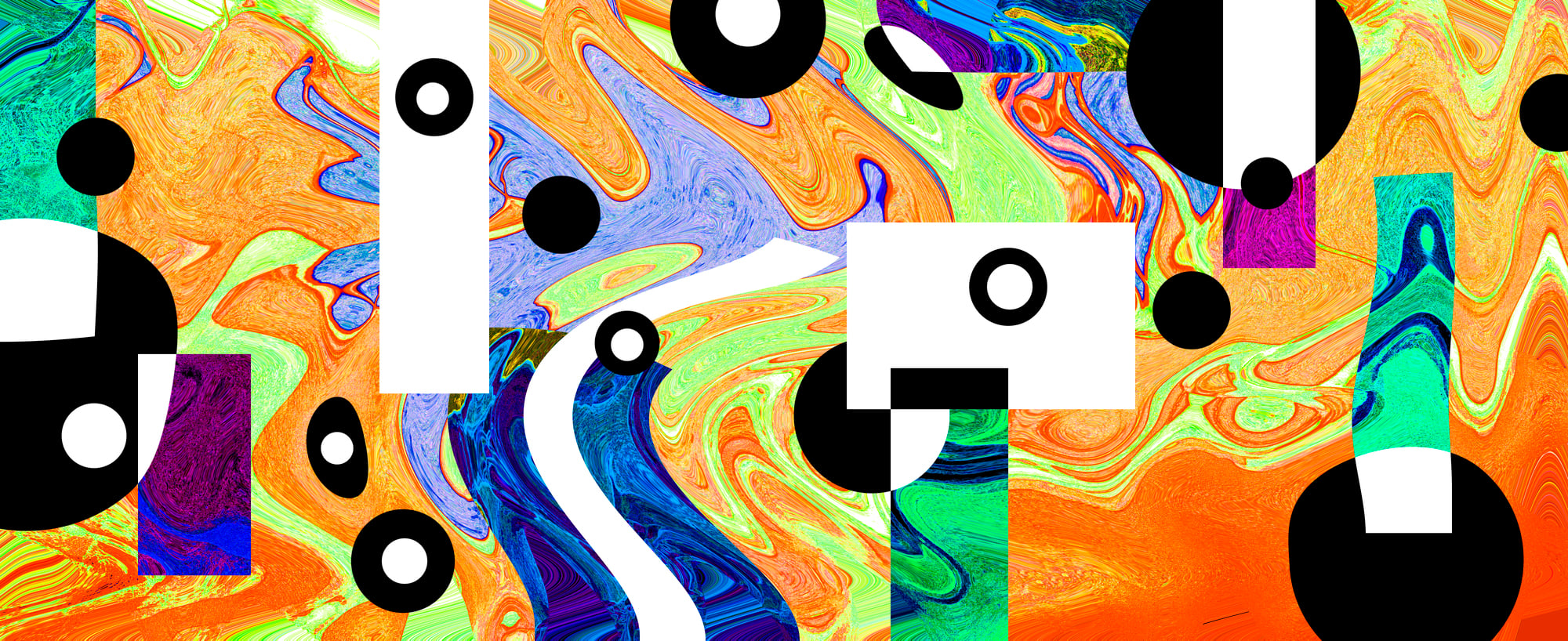
Abstract Expressionism found beauty in pure emotion and gesture. Jackson Pollock’s paint splatters and Mark Rothko’s color fields showed that art didn’t need to represent anything to be deeply moving.
These artists proved that beauty could exist in the act of creation itself, in the raw expression of human feeling.
Pop Art

Pop Art discovered beauty in everyday consumer culture. Andy Warhol’s soup cans and Roy Lichtenstein’s comic book panels elevated mass-produced images to fine art status.
The movement showed that beauty wasn’t just found in museums or nature—it was all around us in advertisements, packaging, and popular media.
Like Go2Tutors’s content? Follow us on MSN.
Minimalism
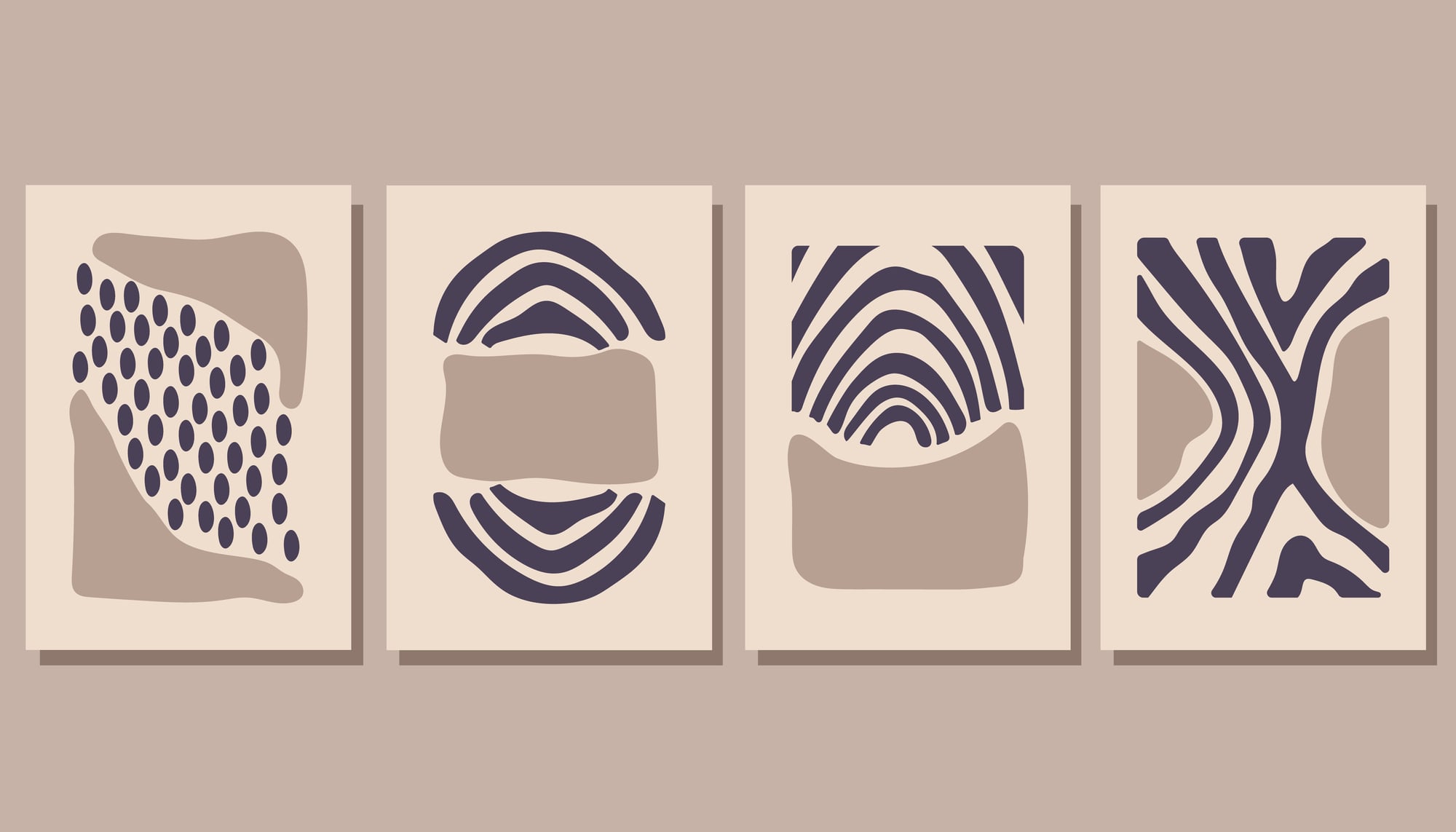
Minimalism stripped away everything unnecessary to reveal beauty in simplicity. Artists like Donald Judd created sculptures with clean lines and basic geometric forms.
The movement proved that sometimes the most beautiful thing is what’s left unsaid, that space and emptiness could be just as powerful as elaborate decoration.
Street Art
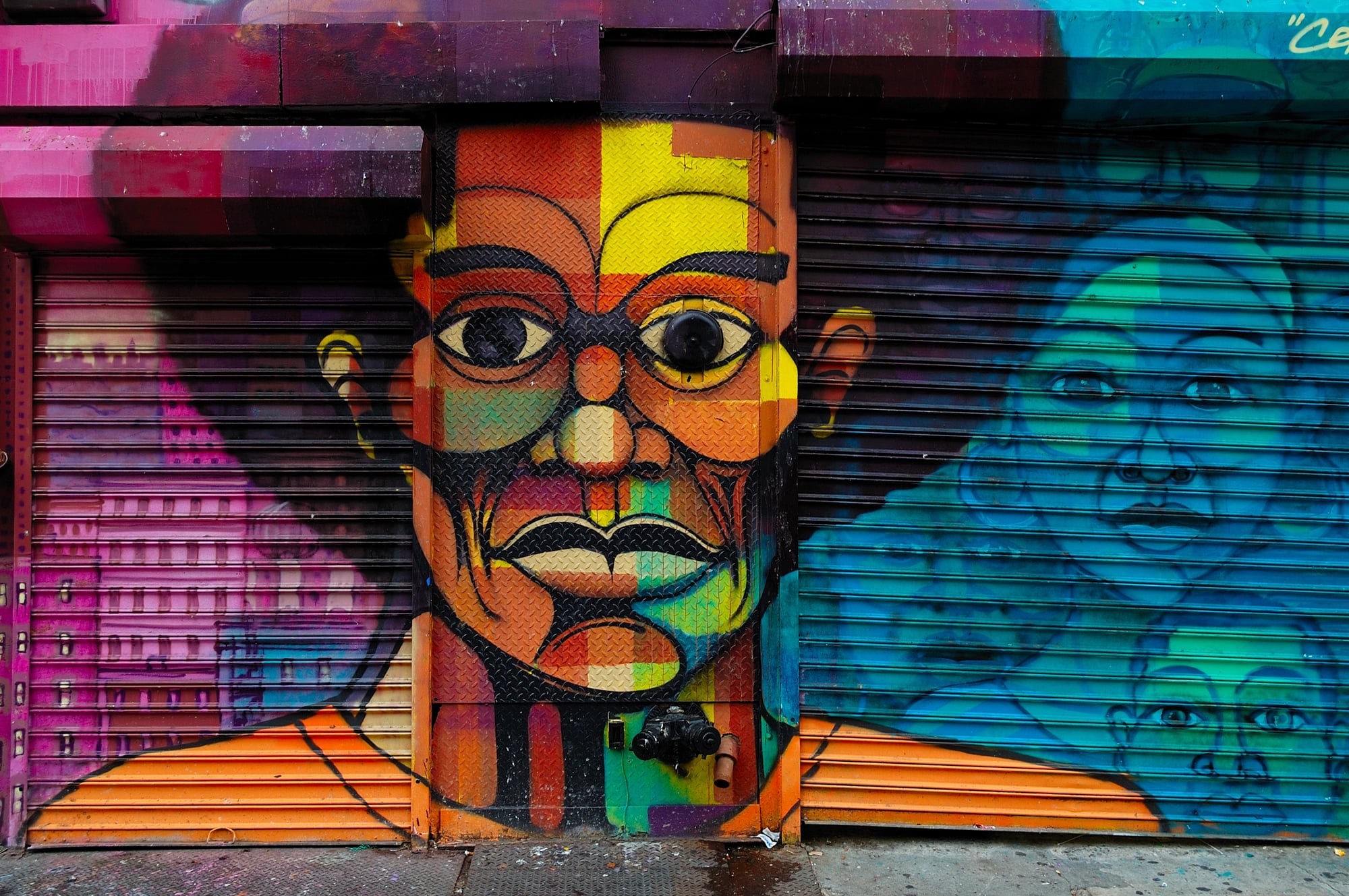
Street art brought beauty out of galleries and onto city walls. Artists like Banksy and Jean-Michel Basquiat transformed urban decay into canvases for social commentary and visual poetry.
The movement showed that beautiful art could exist anywhere, that walls and subway cars could be just as valid as traditional canvases.
Digital Art

Digital art opened up entirely new possibilities for creating beauty through technology. Artists began using computers, software, and digital tools to create works that would be impossible with traditional media.
The movement demonstrated that beauty could evolve with technology, that pixels and algorithms could be just as expressive as paint and brushes.
Like Go2Tutors’s content? Follow us on MSN.
Contemporary Conceptual Art
Contemporary conceptual art finds beauty in ideas themselves rather than in physical objects. Artists like Yves Klein created experiences and concepts that exist primarily in the mind.
This movement shows that the most beautiful art might be the kind that changes how we think rather than just what we see.
Beauty’s Evolution Continues

These movements prove that our understanding of beauty is never fixed—it’s constantly evolving as artists push boundaries and challenge expectations. What seemed shocking or ugly to one generation often becomes the standard of beauty for the next.
Today’s art continues this tradition, using new technologies and addressing contemporary issues while building on centuries of artistic revolution. The next movement that changes how we see beauty might be happening right now, in studios and streets around the world.
More from Go2Tutors!

- 18 Unexpectedly Valuable Collectibles You Might Have Lying Around
- 20 Little-Known Historical Battles That Had Huge Consequences
- 20 Historical Artifacts That Scientists Can’t Explain
- 15 Inventions That Were Immediately Banned After Being Created
- 20 Actors Who Were Almost Cast in Iconic Roles
Like Go2Tutors’s content? Follow us on MSN.



