15 TV Cliffhangers That Kept Viewers Waiting
Television has a special talent for leaving audiences hanging at the worst possible moments. Those final seconds before the credits roll can turn a casual viewer into someone refreshing social media at midnight, desperately searching for spoilers or theories about what comes next.
The art of the cliffhanger transforms ordinary TV episodes into cultural events that dominate water cooler conversations for months. Here is a list of 15 TV cliffhangers that had viewers counting down the days until the next season.
Who Shot J.R.?
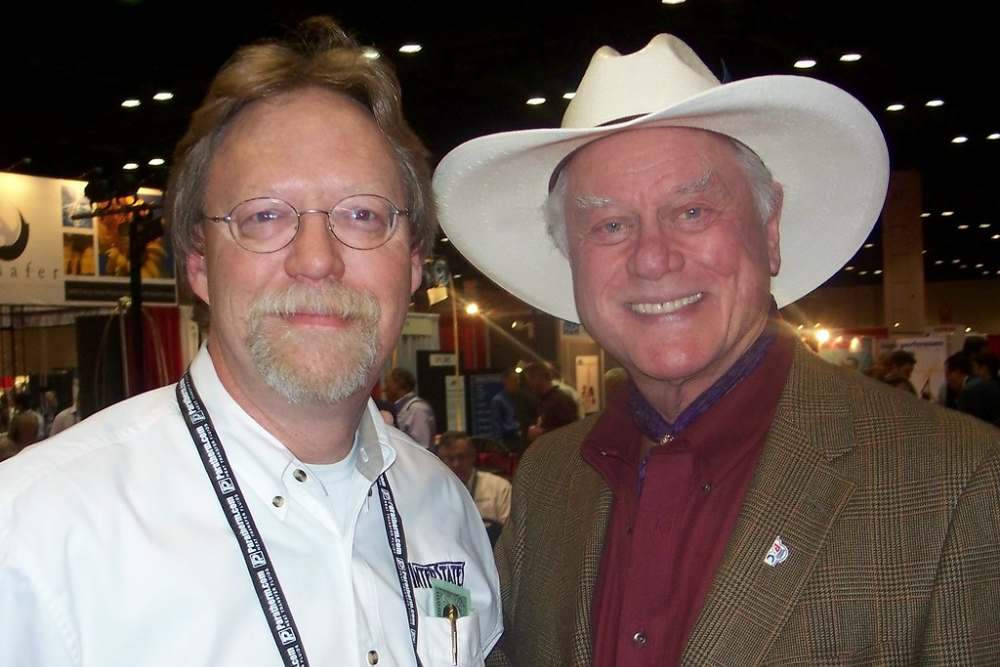
Dallas created the template for appointment television with this legendary 1980 cliffhanger that had an entire nation guessing. The show’s writers kept the answer so secret that even the actors didn’t know who pulled the trigger until filming began for the next season.
When the reveal finally came eight months later, it drew over 83 million viewers and became one of the most-watched episodes in television history.
The Hatch Discovery
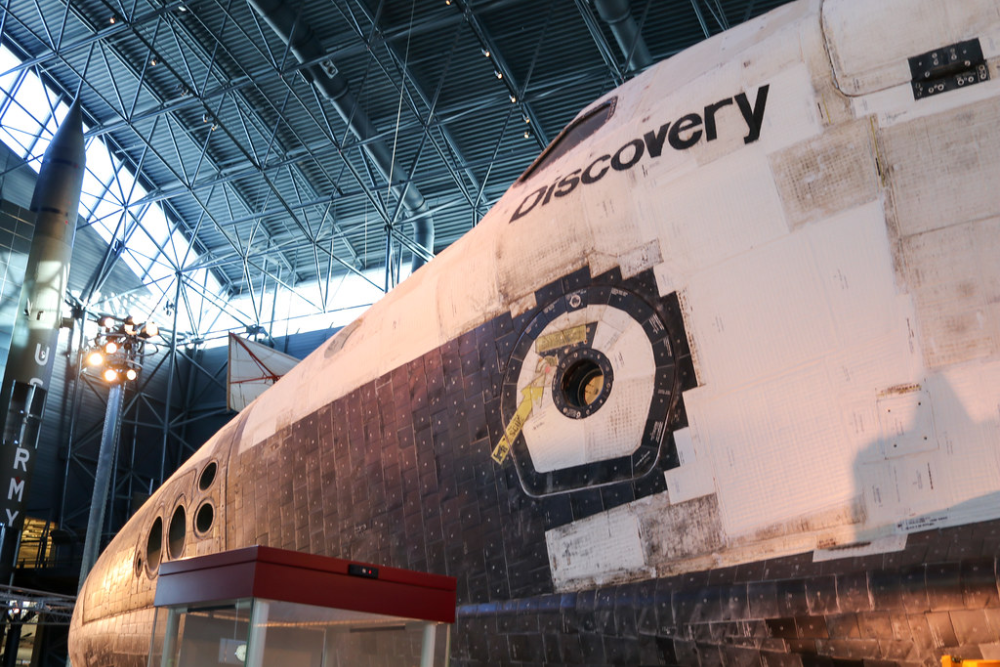
Lost ended its first season by blowing open a mysterious metal hatch buried in the jungle, complete with a ladder descending into darkness. Viewers spent the entire summer break theorizing about what lay beneath the island, spawning countless online forums and wild speculation.
The discovery perfectly captured the show’s ability to answer one question while raising ten more.
Like Go2Tutors’s content? Follow us on MSN.
Jon Snow’s Fate
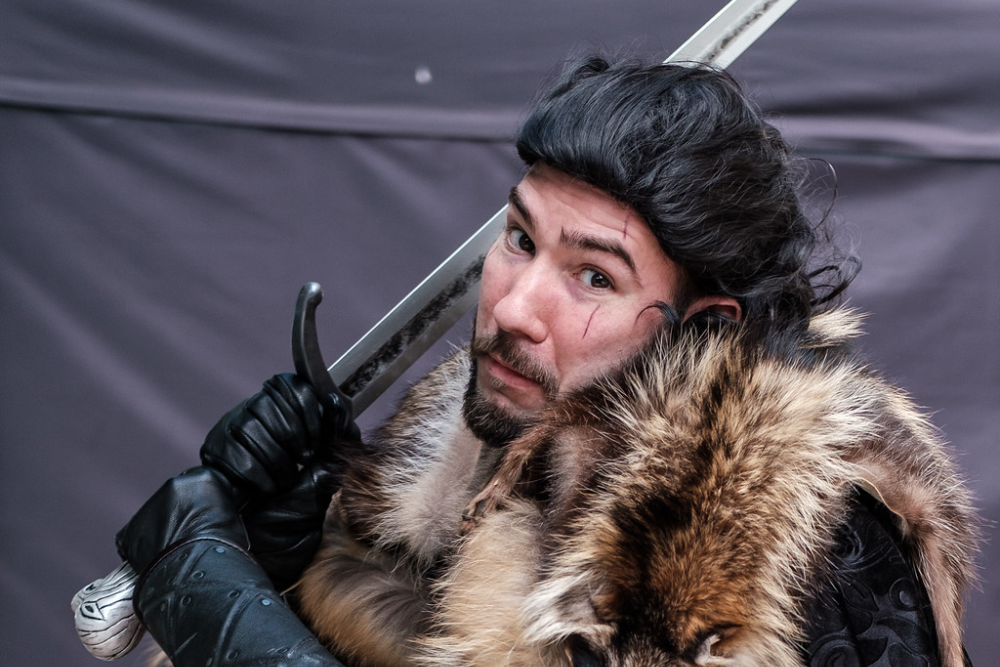
Game of Thrones fans experienced collective trauma when Jon Snow was stabbed multiple times by his Night’s Watch brothers in the season five finale. The show had already proven that no character was safe from death, making his survival genuinely uncertain for nearly a year.
Social media exploded with theories, leaked photos, and desperate attempts to decode cast interviews for hints about his return.
The Red Wedding Setup
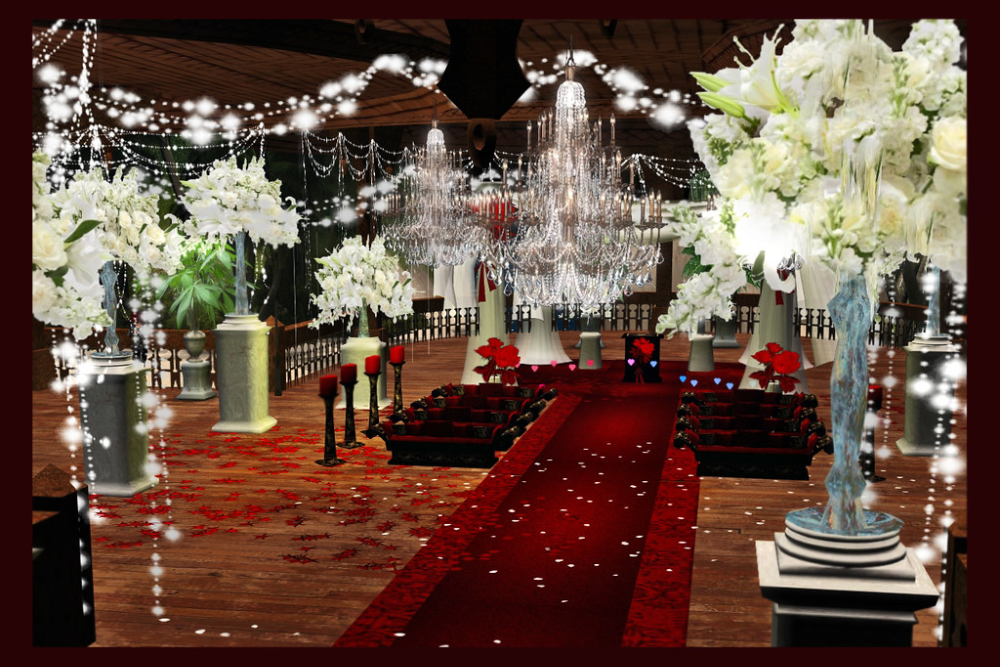
While the Red Wedding itself was shocking, the season two finale of Game of Thrones set up this devastating betrayal by having Catelyn Stark discover Talisa was pregnant. The episode ended with ominous music and knowing looks that suggested something terrible was coming.
Fans who hadn’t read the books spent months with a growing sense of dread about what Walder Frey might be planning.
Tony Soprano’s Final Moment
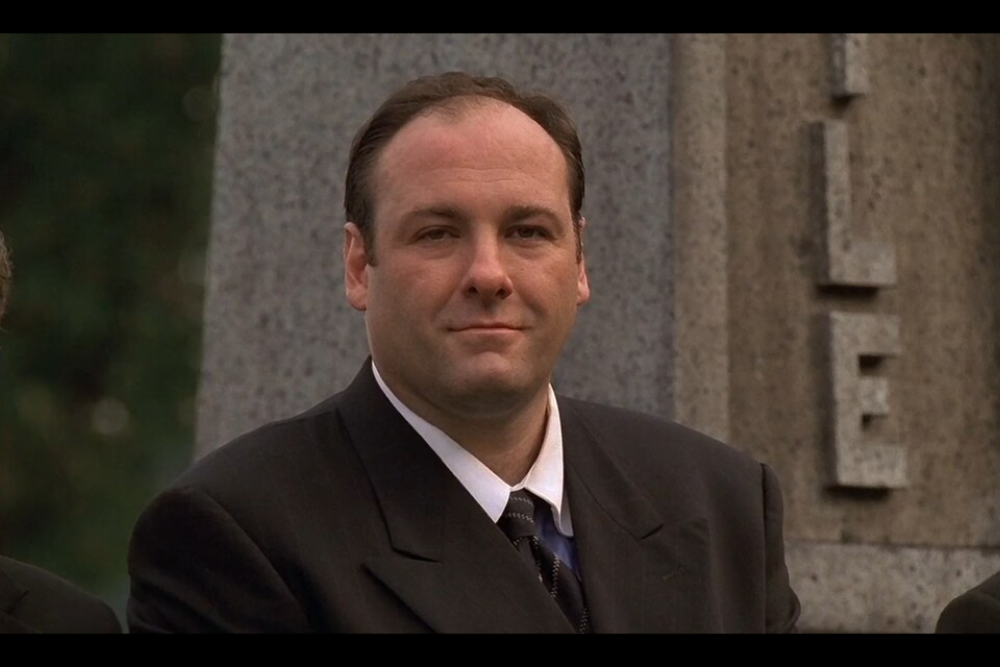
The Sopranos created perhaps the most divisive cliffhanger in television history by cutting to black mid-scene during what appeared to be a normal family dinner. Creator David Chase deliberately left Tony’s fate ambiguous, with the abrupt ending sparking debates that continue today.
The technique was so jarring that many viewers initially thought their cable had gone out.
Like Go2Tutors’s content? Follow us on MSN.
Pam’s Dream Season
Dallas pulled off one of the most audacious retcons in television by revealing that an entire season had been Pam Ewing’s dream. The show brought a dead character back to life and undid major plot developments with this explanation.
While controversial, it demonstrated how far writers would go to keep audiences guessing about what was real versus imagined.
The Island Moves

Lost’s fourth season finale took the show’s mysterious elements to a new level by having Ben literally move the entire island through space and time. The cliffhanger left viewers wondering not just where the island had gone, but when it had gone.
This moment perfectly embodied the show’s willingness to embrace increasingly complex sci-fi concepts.
Laura Palmer’s Killer
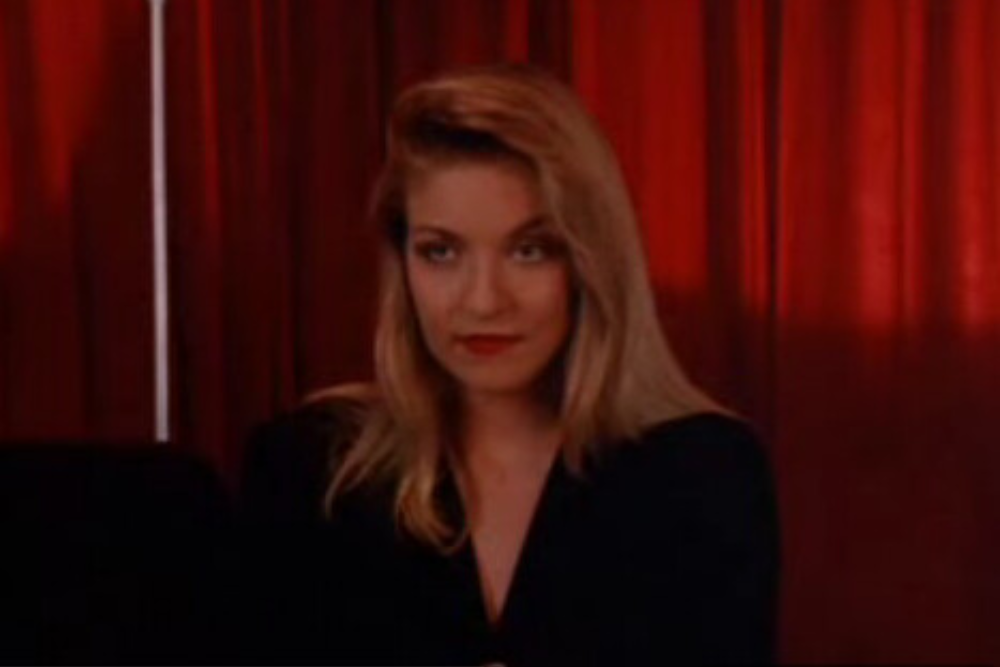
Twin Peaks built an entire season around the central mystery of who killed Laura Palmer, with nearly every character becoming a potential suspect. The reveal was delayed so long that it became a cultural phenomenon, with viewers analyzing every detail for clues.
When the answer finally came, it opened up even stranger mysteries about the supernatural forces at work in the town.
Like Go2Tutors’s content? Follow us on MSN.
The Blackout
This Is Us mastered the art of the emotional cliffhanger by ending season one with a house fire that threatened the Pearson family. The show had spent the entire season building deep connections between viewers and these characters, making the potential tragedy feel personal.
Fans spent months dreading which beloved character might not survive.
Buffy’s Death
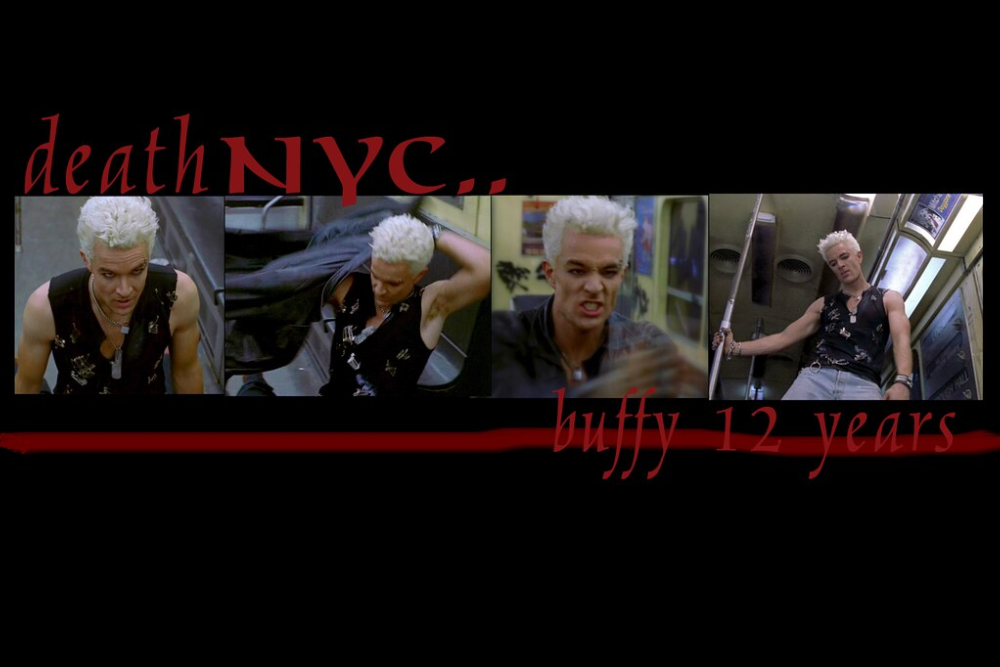
Buffy the Vampire Slayer shocked viewers by actually killing off its title character at the end of season five, with Buffy sacrificing herself to save the world. The show had established that Slayers eventually die in the line of duty, making her death feel both surprising and inevitable.
The cliffhanger worked because it honored the show’s mythology while still leaving room for resurrection.
The Flash Forward
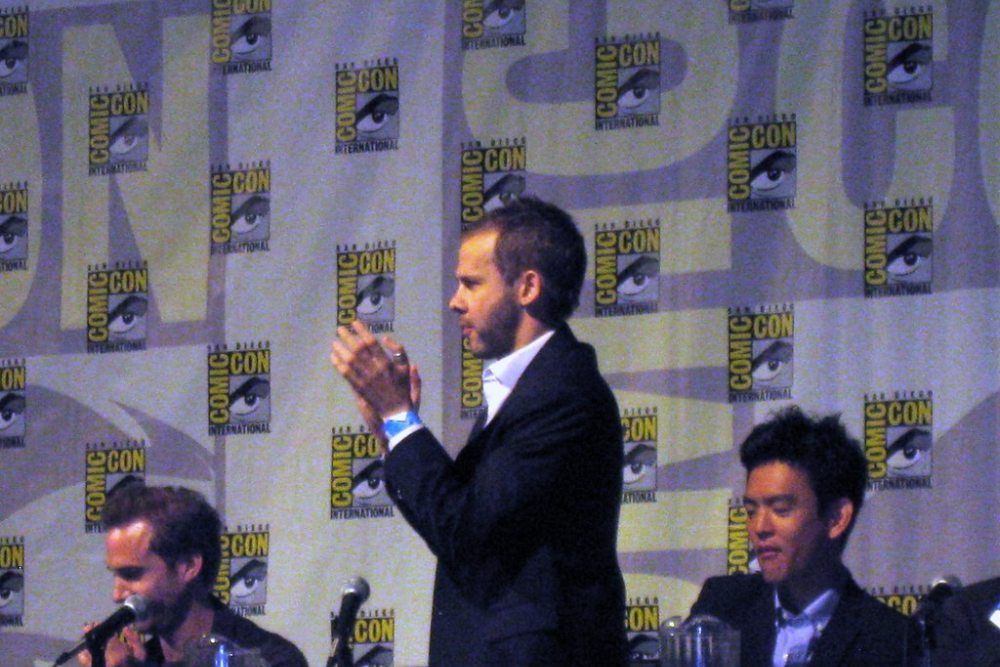
Lost’s third season finale introduced the revolutionary concept of flash-forwards, revealing that some characters had actually escaped the island. The twist completely recontextualized everything viewers thought they knew about the show’s timeline.
This narrative technique became so influential that other shows began incorporating similar time-jumping elements.
Like Go2Tutors’s content? Follow us on MSN.
Ross Says Rachel’s Name
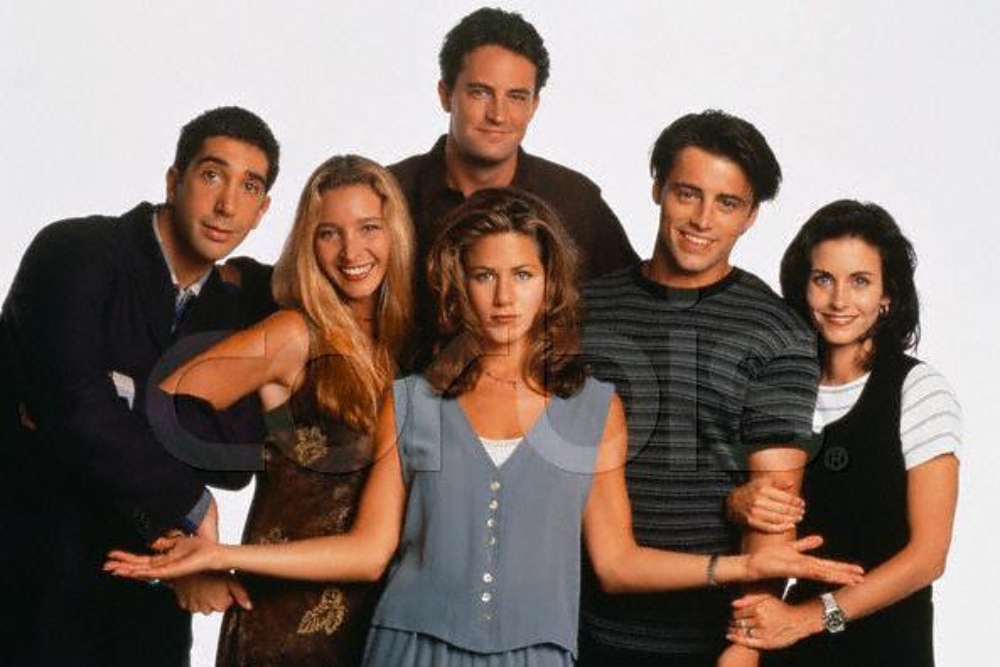
Friends created one of sitcom history’s most memorable cliffhangers when Ross accidentally said Rachel’s name during his wedding vows to Emily. The moment was perfectly set up by the season’s romantic tension and delivered with impeccable comedic timing.
Viewers spent the summer wondering how the show would resolve this catastrophic wedding disaster.
The Walking Dead’s Victim
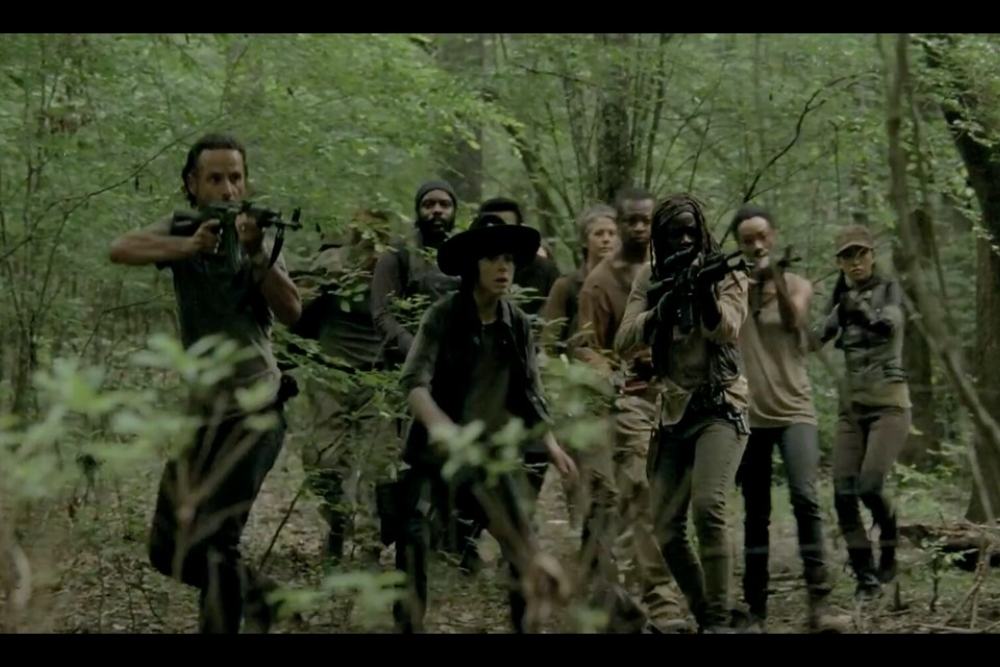
The Walking Dead ended season six with Negan’s brutal introduction, showing him selecting a victim for his baseball bat execution without revealing who died. The camera’s perspective from the victim’s point of view created a uniquely unsettling cliffhanger experience.
Fans analyzed every detail of the scene for clues, from the camera angle to the characters’ final words.
The Fugitive’s Real Killer
The original series finale of The Fugitive drew massive audiences eager to learn whether Dr. Richard Kimble would finally prove his innocence. The show had spent four seasons building toward this moment, with viewers emotionally invested in clearing an innocent man’s name.
The resolution became appointment television that united the entire country around a single storyline.
Like Go2Tutors’s content? Follow us on MSN.
Sherlock’s Survival
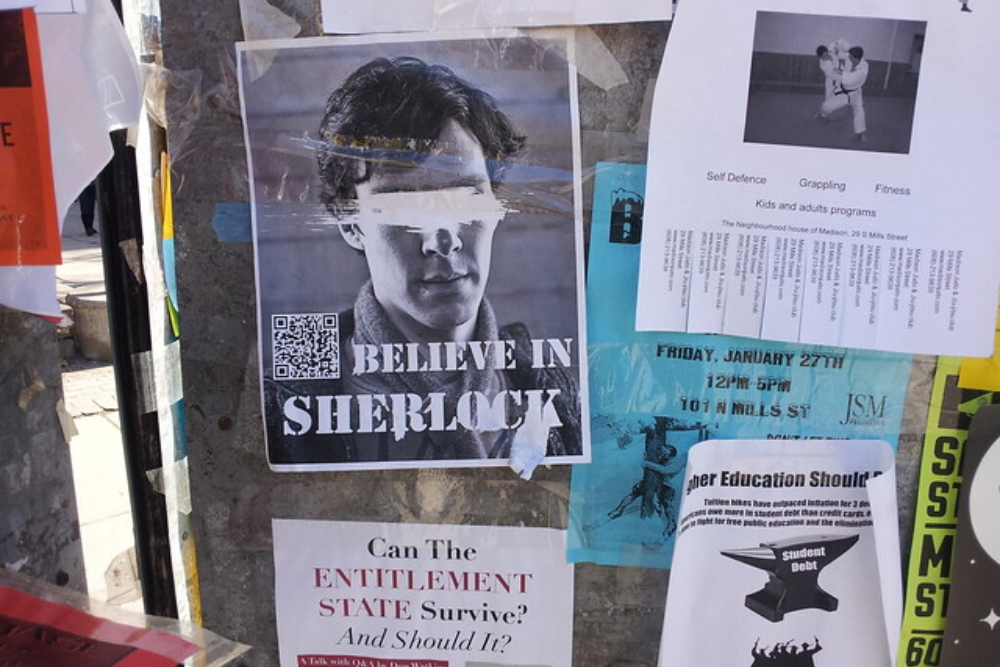
Sherlock ended its second season with the detective’s apparent suicide jump from a hospital rooftop, seemingly confirming his death to both Watson and viewers. The show had established that Sherlock was genuinely brilliant enough to fake his own death, but the method remained completely mysterious.
Fans spent two years developing increasingly elaborate theories about how he could have survived such an impossible situation.
When Cliffhangers Shaped Television Culture
These moments demonstrate how cliffhangers evolved from simple plot devices into cultural phenomena that united viewers in shared anticipation. They transformed television from casual entertainment into appointment viewing that dominated social conversations and online discussions.
The best cliffhangers didn’t just leave audiences wanting more—they created communities of fans who spent months analyzing every detail together. Today’s binge-watching culture may have changed how we consume television, but these legendary moments prove that sometimes the wait between episodes made the story even more powerful.
More from Go2Tutors!

- 16 Restaurant Chains That Went Too Fast
- 12 Things Sold in the 80s That Are Now Illegal
- 15 Strange Things People Have Tried to Ban (And Failed)
- 16 Collectibles People Tossed Out Too Soon
- 17 Myths from Your Childhood That Were Actually Based on Real Things
Like Go2Tutors’s content? Follow us on MSN.