18 Psychological Tricks Your Brain Plays on You
Your brain is amazing at keeping you alive, but it’s also a master of deception. Every day, it makes shortcuts, fills in gaps, and creates illusions that feel completely real even when they’re not.
These mental tricks happen so automatically that you rarely notice them, yet they shape how you see the world and make decisions. Understanding these psychological quirks can help you recognize when your mind is playing games with you.
Here is a list of 18 psychological tricks your brain uses to navigate daily life, often without you realizing it.
Confirmation Bias

Your brain loves being right so much that it actively seeks information that confirms what you already believe while ignoring evidence that contradicts it. This mental shortcut helps you feel confident in your decisions, but it also means you might miss important facts that could change your mind.
When you’re browsing news or research online, notice how you tend to click on articles that support your existing views rather than challenge them.
The Availability Heuristic

Your brain judges how likely something is based on how easily you can remember examples of it happening. If plane crashes get lots of media coverage, flying feels more dangerous than driving, even though statistically you’re much safer in the air.
This trick makes rare but memorable events seem more common than boring, everyday occurrences that actually happen far more frequently.
Like Go2Tutors’s content? Follow us on MSN.
Anchoring Effect
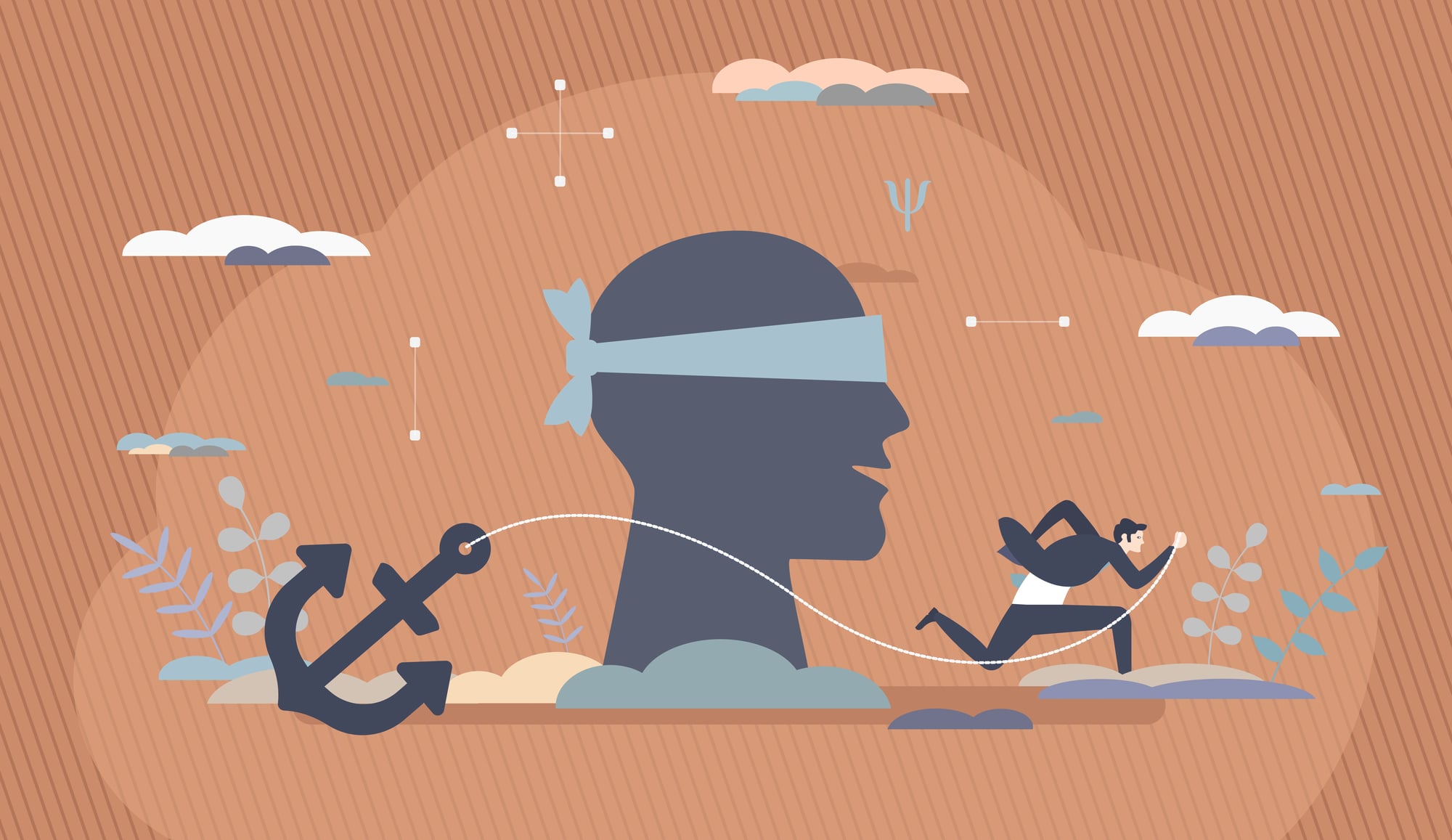
The first piece of information you hear about something becomes an anchor that influences all your future judgments about it. If a car salesman starts negotiations at $30,000, that number stays in your head even if the car is only worth $20,000.
Your brain uses this initial reference point to evaluate everything else, making you think a $25,000 offer is reasonable when it’s actually overpriced.
Sunk Cost Fallacy

Your brain hates admitting that time, money, or effort was wasted, so it tricks you into continuing bad situations just because you’ve already invested in them. You might stay in a boring movie because you paid for the ticket, or stick with a failing project because you’ve already spent months working on it.
This mental trap keeps you throwing good resources after bad ones instead of cutting your losses.
The Halo Effect
When you like one thing about a person or product, your brain automatically assumes everything else about them must be good too. If someone is attractive, you might also think they’re smarter, funnier, and more trustworthy without any real evidence.
This trick works in reverse too—one negative trait can make you view everything else about someone unfavorably.
Like Go2Tutors’s content? Follow us on MSN.
Loss Aversion

Your brain feels the pain of losing something about twice as strongly as the pleasure of gaining the same thing. This is why you’ll drive across town to save $10 on a $50 purchase but won’t bother saving $10 on a $500 purchase.
The fear of missing out or losing what you have often outweighs rational cost-benefit analysis, making you hold onto things longer than you should.
The Planning Fallacy

Your brain is terrible at estimating how long tasks will take, consistently underestimating the time needed while ignoring past experiences of similar projects running late. You think you can clean your house in two hours when it always takes four, or finish a work project in a week when similar ones took three weeks.
This optimistic bias helps you start new projects but leaves you constantly running behind schedule.
Survivorship Bias

Your brain focuses on success stories while ignoring all the failures you don’t see, creating a distorted view of how easy success really is. You hear about entrepreneurs who became millionaires but not the thousands who went bankrupt trying the same thing.
This selective attention makes risky ventures seem more promising than they actually are because the casualties aren’t visible.
Like Go2Tutors’s content? Follow us on MSN.
The Dunning-Kruger Effect
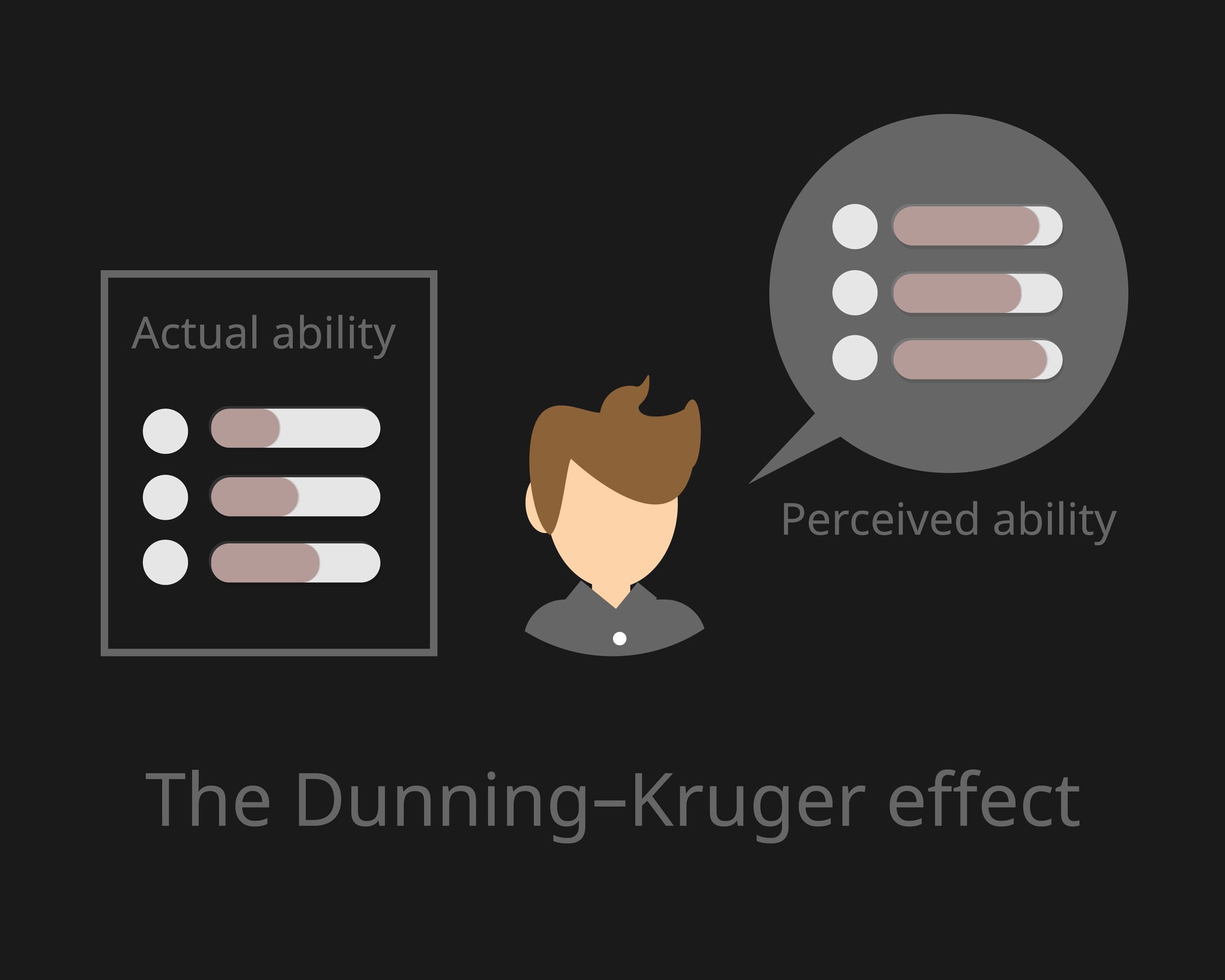
When you know just a little about something, your brain tricks you into thinking you know way more than you actually do. People with minimal knowledge often feel the most confident because they don’t know enough to realize how much they don’t know.
This overconfidence peaks right after you learn the basics, then drops as you discover how complex the subject really is.
Recency Bias
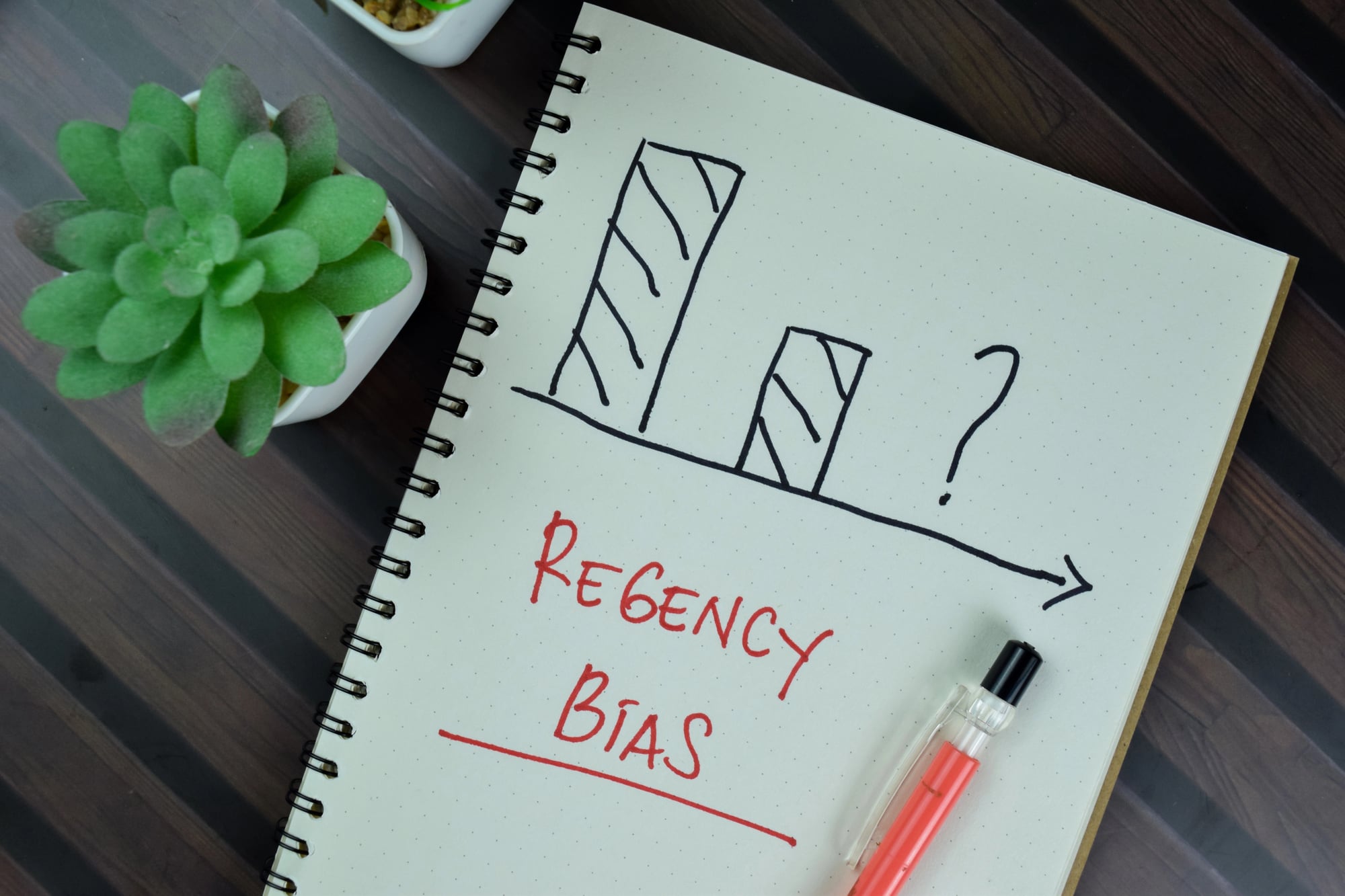
Your brain gives extra weight to things that happened recently, making them seem more important or likely to happen again than they really are. If your favorite sports team won their last three games, you might bet on them winning the next one even if their overall season record is poor.
Recent events feel more relevant and predictive than they usually are, skewing your expectations about future outcomes.
The Bandwagon Effect
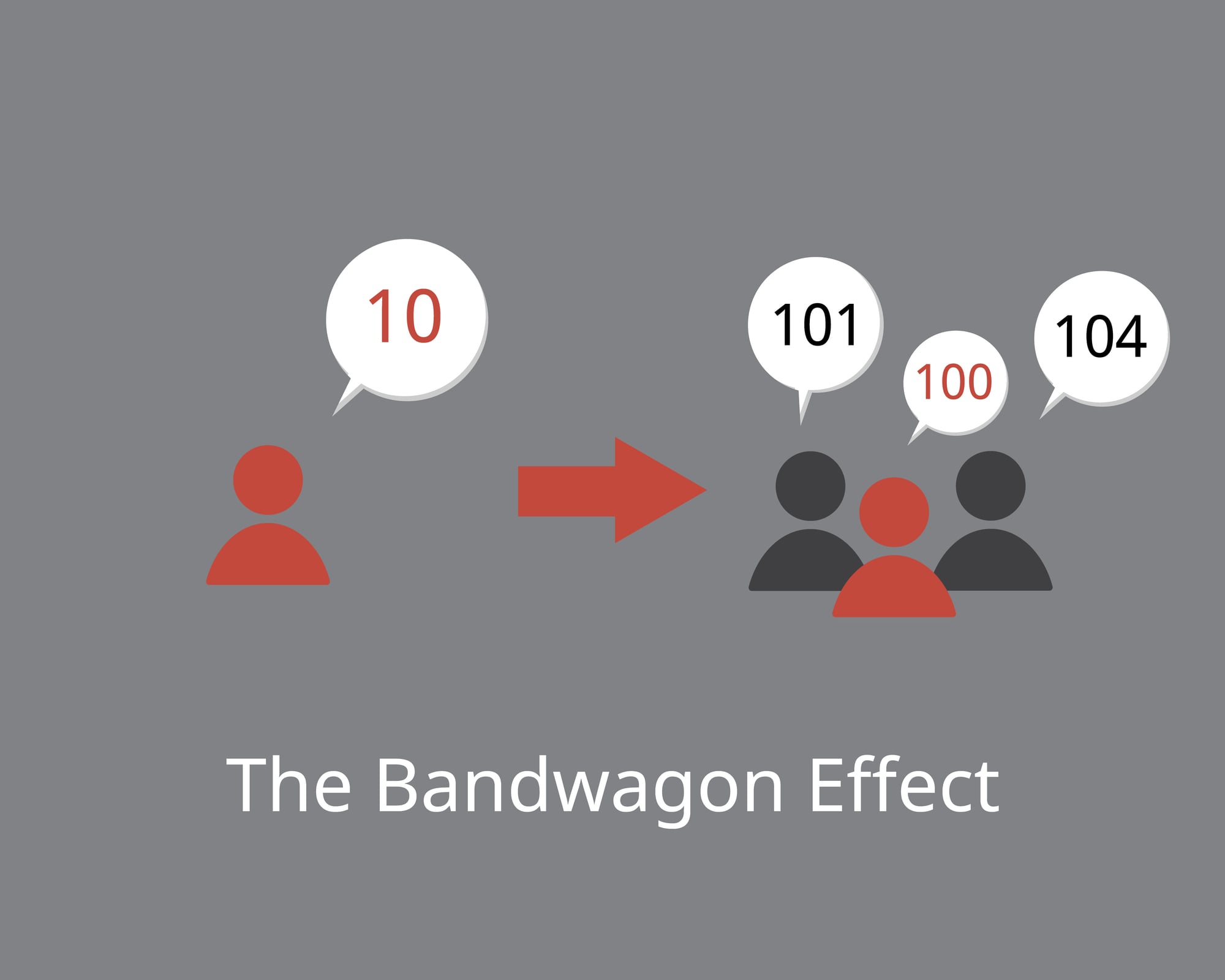
Your brain assumes that if lots of other people are doing something, it must be the right choice, even when you have no other information to go on. This mental shortcut helped our ancestors survive by following the group, but now it makes you buy popular products, support trending opinions, or choose crowded restaurants without evaluating whether they’re actually good.
Like Go2Tutors’s content? Follow us on MSN.
Framing Effect

The same information can make you feel completely different depending on how it’s presented, and your brain doesn’t always notice this manipulation. A medical treatment with a ‘90% success rate’ sounds much better than one with a ‘10% failure rate,’ even though they’re identical.
The context and wording around facts can completely change your emotional response and decisions.
Hindsight Bias
After something happens, your brain rewrites your memories to make it seem like you knew it would happen all along, even when you were completely surprised at the time. This ‘I knew it’ feeling makes you overconfident about your ability to predict future events.
You might remember being certain that your team would win the championship, when actually you were nervous and unsure beforehand.
The Contrast Effect

Your brain doesn’t judge things in isolation—it compares everything to whatever you experienced right before it. A lukewarm shower feels scalding after you’ve been in cold water, or freezing after a hot bath.
This relative comparison system means your satisfaction with anything depends heavily on what came before it, not just its objective qualities.
Like Go2Tutors’s content? Follow us on MSN.
False Consensus Effect
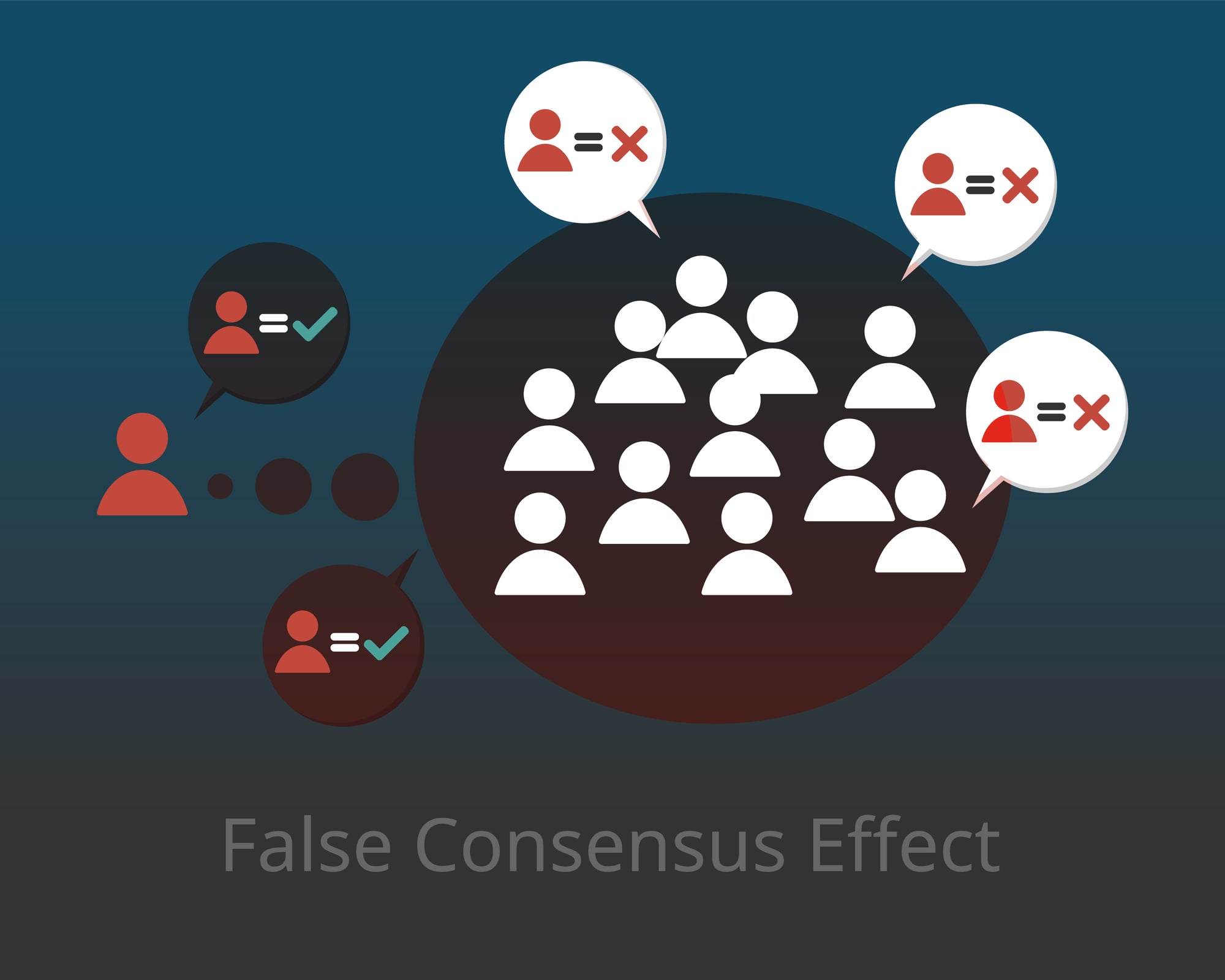
Your brain assumes that other people think and feel the same way you do about most things, leading you to overestimate how many people share your opinions and preferences. If you love spicy food, you might think most people do too, or if you find something obvious, you assume everyone else sees it the same way.
This projection makes you less aware of how diverse human perspectives really are.
The Mere Exposure Effect

Your brain develops preferences for things simply because you encounter them frequently, regardless of their actual quality or usefulness. Songs that you hear repeatedly on the radio start sounding better, faces you see often become more attractive, and brands you recognize feel more trustworthy.
This familiarity breeding comfort rather than contempt influences everything from your food choices to your political views.
Optimism Bias

Your brain consistently overestimates the likelihood of good things happening to you while underestimating the chances of bad things, creating an unrealistic positive outlook about your future. You might think you’re less likely to get divorced, have health problems, or experience financial difficulties compared to the average person.
This rosy prediction helps maintain mental health but can lead to inadequate preparation for potential problems.
Like Go2Tutors’s content? Follow us on MSN.
The Focusing Illusion

Your brain dramatically overestimates how much any single factor will affect your overall happiness or life satisfaction. You might think getting a promotion, moving to a new city, or buying a particular item will transform your entire existence, when research shows these changes typically have much smaller long-term impacts.
This tunnel vision makes you chase specific goals while overlooking the complex mix of factors that actually determine well-being.
Your Mind’s Greatest Magic Show

These mental tricks reveal that your brain is less like a computer processing objective reality and more like a creative storyteller making sense of incomplete information. While these shortcuts often serve you well by speeding up decisions and protecting your mental energy, recognizing them gives you the power to pause and think more deliberately when it matters.
The goal isn’t to eliminate these biases—they’re hardwired into human nature—but to become aware of when they might be leading you astray. Understanding your brain’s favorite illusions is the first step toward making clearer, more intentional choices in both small daily decisions and major life changes.
More from Go2Tutors!

- 18 Unexpectedly Valuable Collectibles You Might Have Lying Around
- 20 Little-Known Historical Battles That Had Huge Consequences
- 20 Historical Artifacts That Scientists Can’t Explain
- 15 Inventions That Were Immediately Banned After Being Created
- 20 Actors Who Were Almost Cast in Iconic Roles
Like Go2Tutors’s content? Follow us on MSN.