16 Locations Known for Strange Compass Failures
For centuries, magnetic compasses have been the trusted companions of explorers venturing into uncharted territories and across endless oceans. However, certain places on our planet completely mess with this reliable technology.
Compass needles start spinning wildly, point in completely wrong directions, or just give up entirely in these bizarre locations. These navigational nightmares happen because of Earth’s unpredictable magnetic fields, weird geological formations, and sometimes even man-made interference.
Here is a list of 16 locations known for strange compass failures.
Magnetic Hill, Moncton
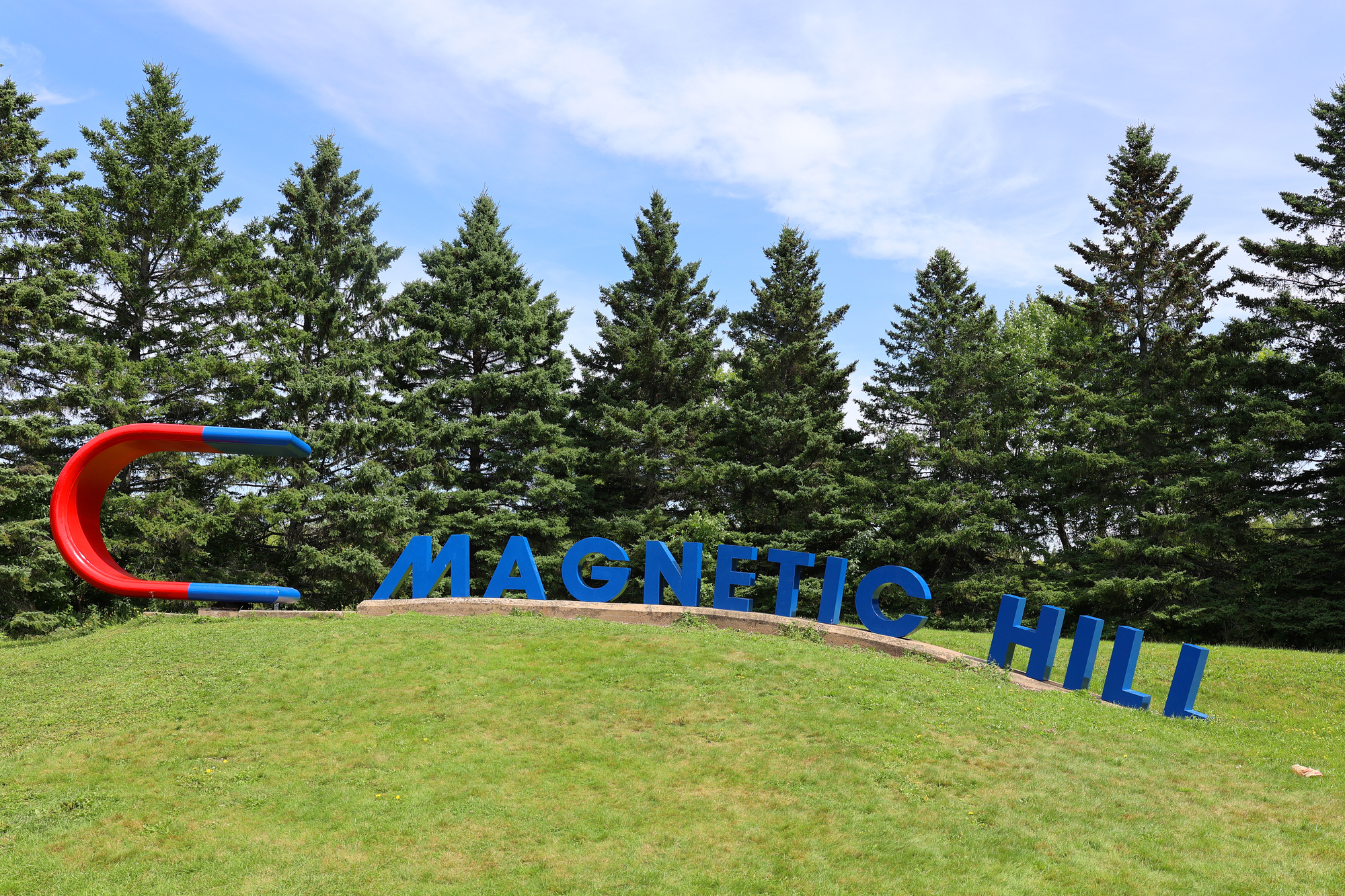
This New Brunswick spot creates one heck of an optical illusion — cars appear to roll uphill defying gravity itself. Compasses go absolutely bonkers here, often pointing anywhere except true north.
Local geology packed with magnetic minerals is thought to cause these head-scratching disruptions.
Sedona Energy Vortexes
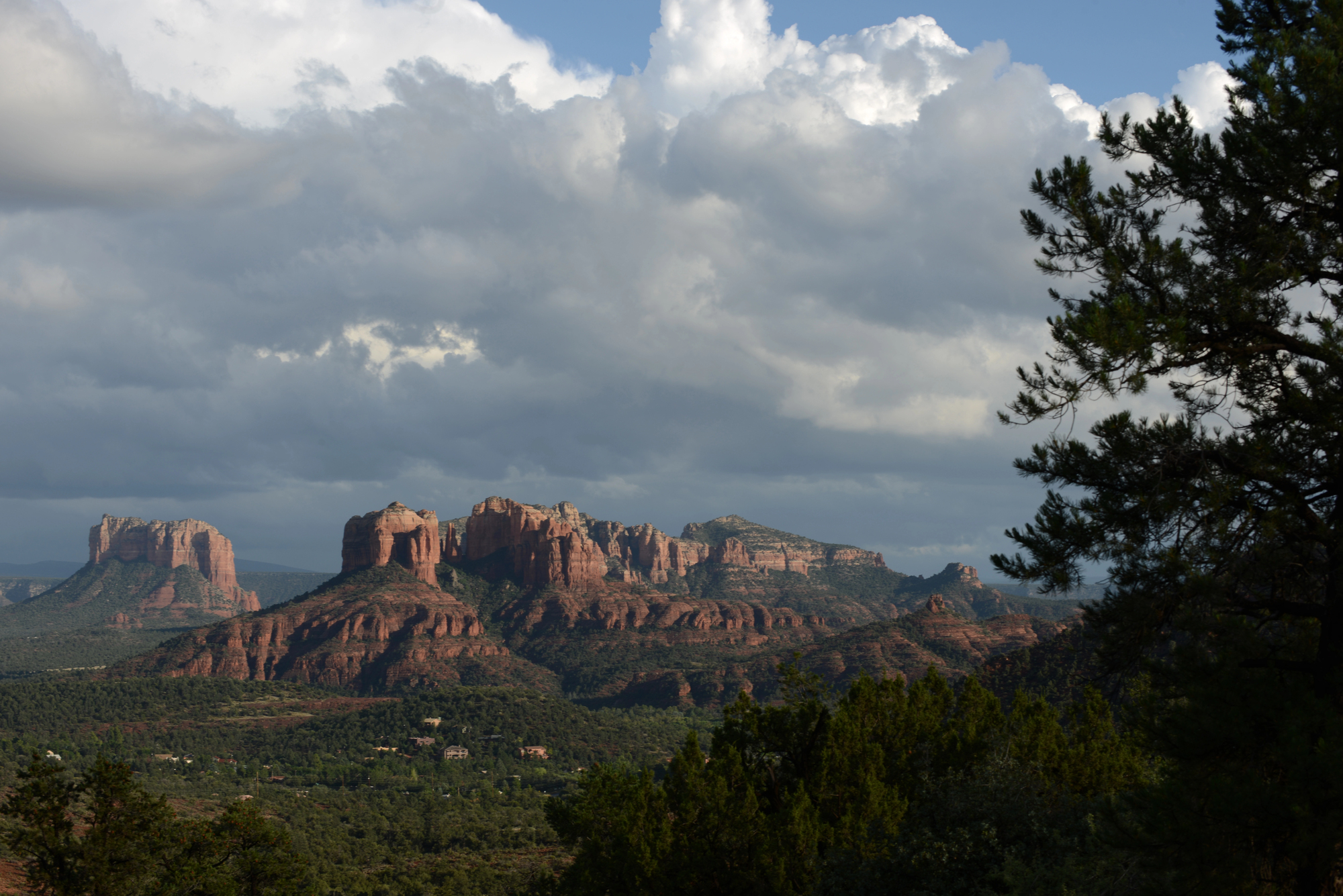
Arizona’s breathtaking red rock country hosts famous “energy vortexes” at places like Bell Rock and Cathedral Rock. Visitors constantly report compass needles doing wild spins in these areas, though scientists blame localized magnetic variations caused by unique geological structures rather than mystical forces.
Like Go2Tutors’s content? Follow us on MSN.
Gobi Desert Anomaly

Mongolia’s massive Gobi Desert turns compasses into expensive paperweights. Nomadic peoples learned long ago to navigate by stars instead of relying on magnetic instruments, since underground magnetite deposits create chaotic magnetic fields throughout the region.
Bermuda Triangle
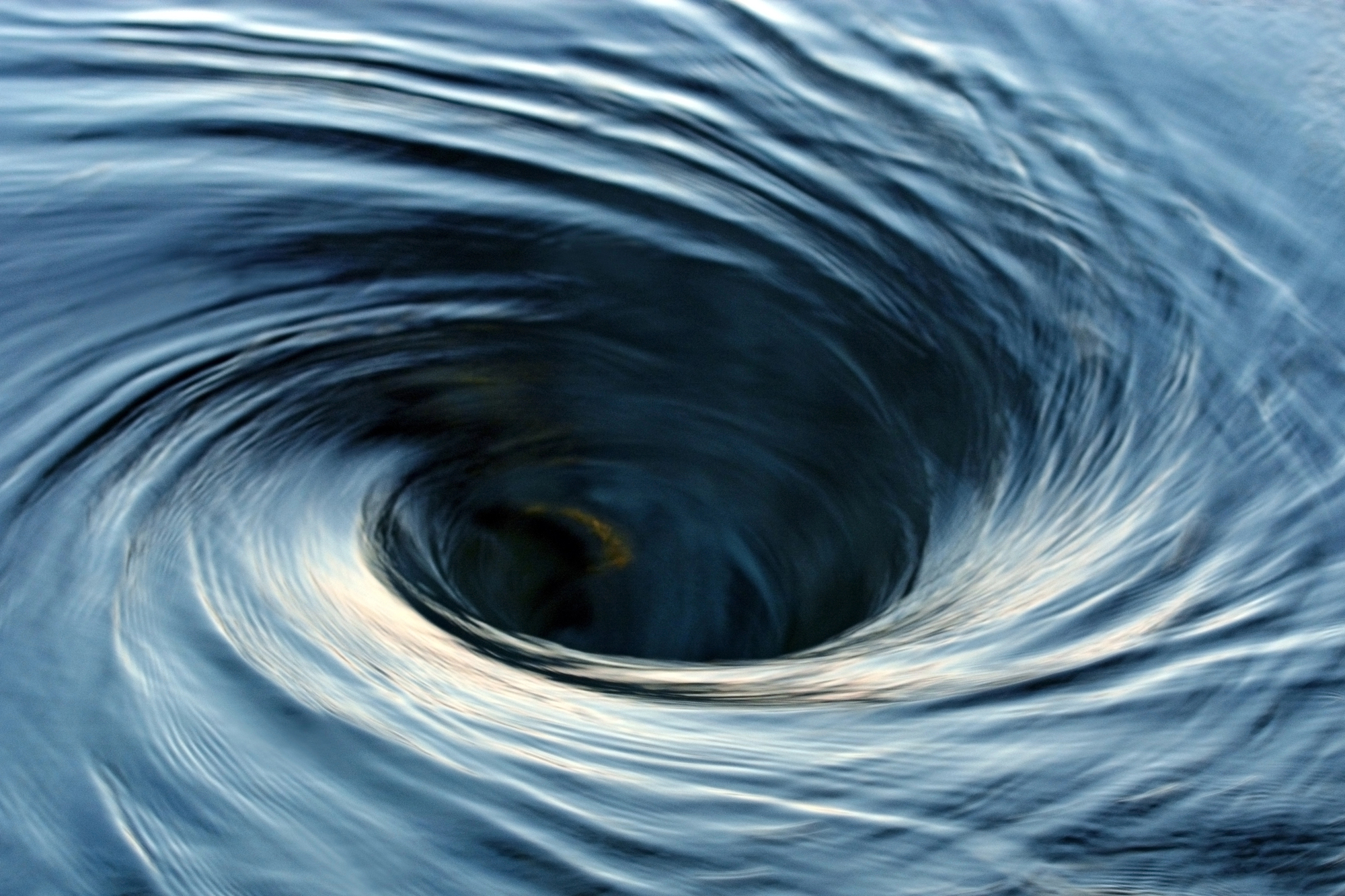
This legendary stretch of ocean between Florida, Bermuda, and Puerto Rico has earned its reputation for navigational chaos. Ships and aircraft report instruments going haywire for reasons that might include magnetic anomalies or underwater methane gas releases — though theories vary wildly.
Oregon Vortex
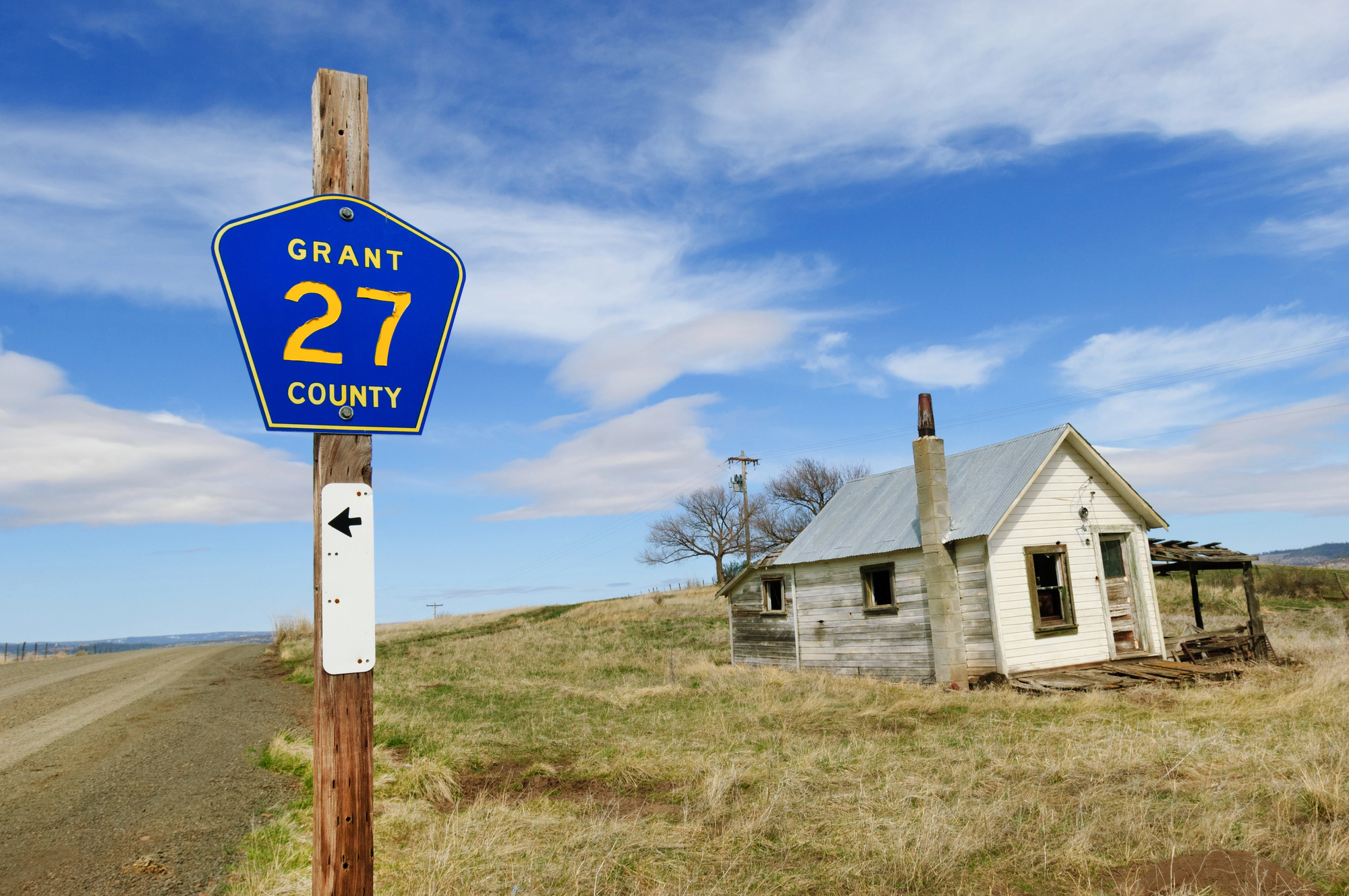
Gold Hill’s commercial attraction draws visitors with gravity-defying tricks and spinning compass needles within a roughly 165-foot circle. Skeptics and believers continue arguing about what causes these phenomena, while compasses keep misbehaving regardless of the explanations offered.
Like Go2Tutors’s content? Follow us on MSN.
Hudson Bay Magnetic Anomaly
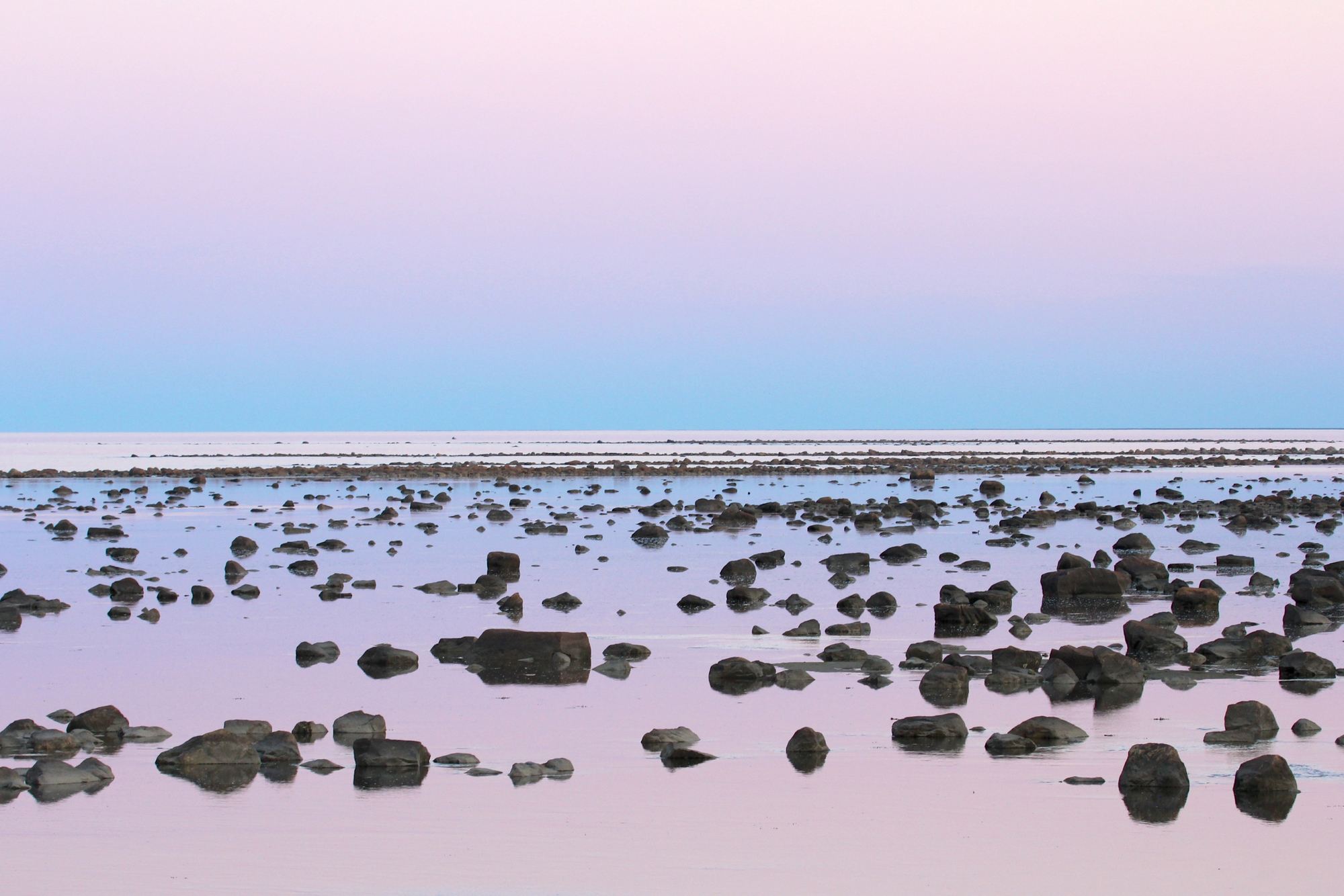
Canada’s Hudson Bay contains one of Earth’s largest weak magnetic zones where compasses deviate significantly from true north. Geologists think variations in crustal thickness combined with underground molten iron flows, create this massive navigational headache for anyone relying on magnetic instruments.
Devil’s Sea (Dragon’s Triangle)
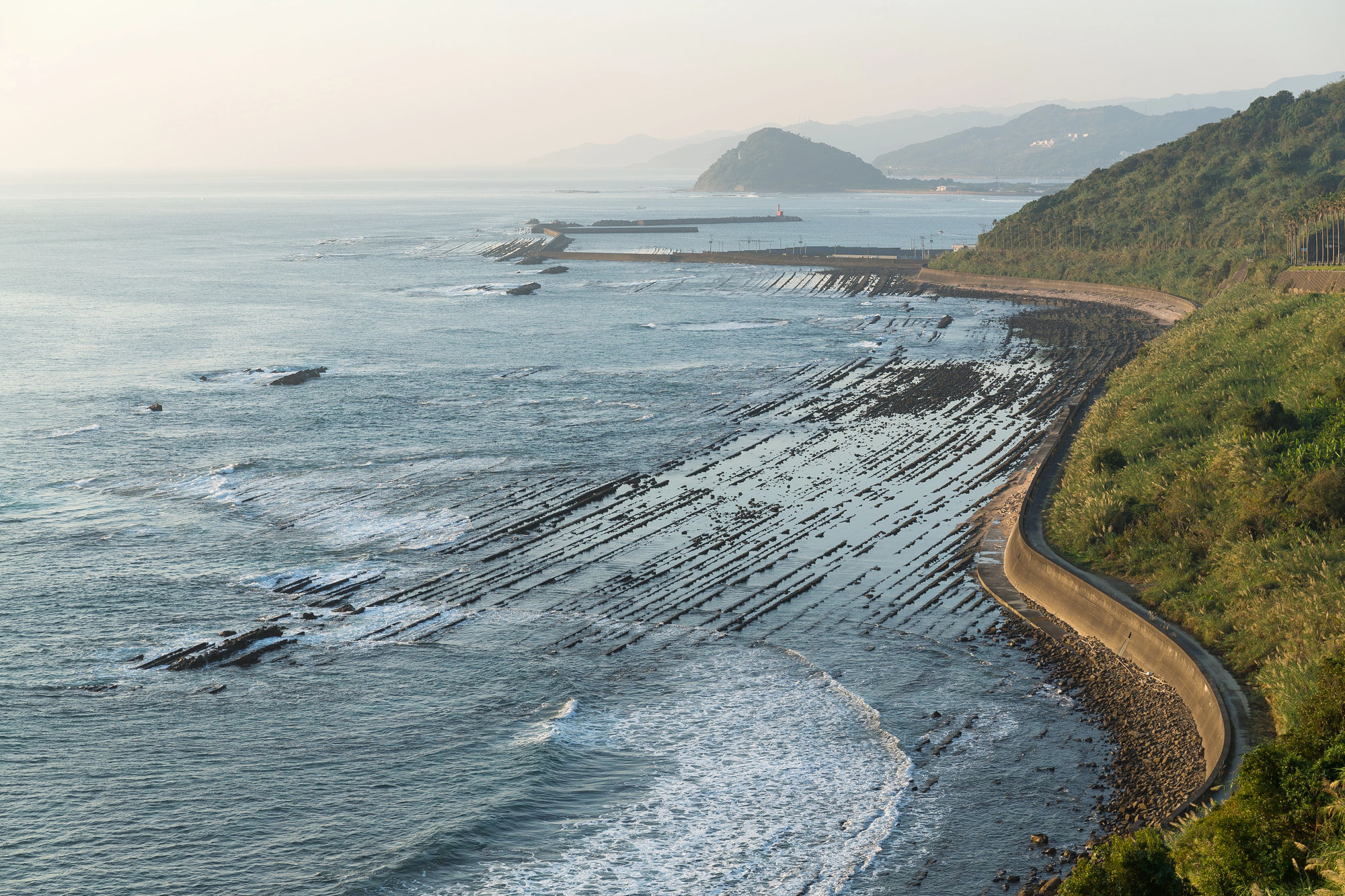
Japan’s coastal waters mirror the Bermuda Triangle’s unsettling reputation for compass failures. Japanese sailors have dealt with inexplicable navigational errors for generations, likely caused by frequent underwater volcanic activity that disrupts magnetic fields in this seismically active region.
Great Zimbabwe Ruins
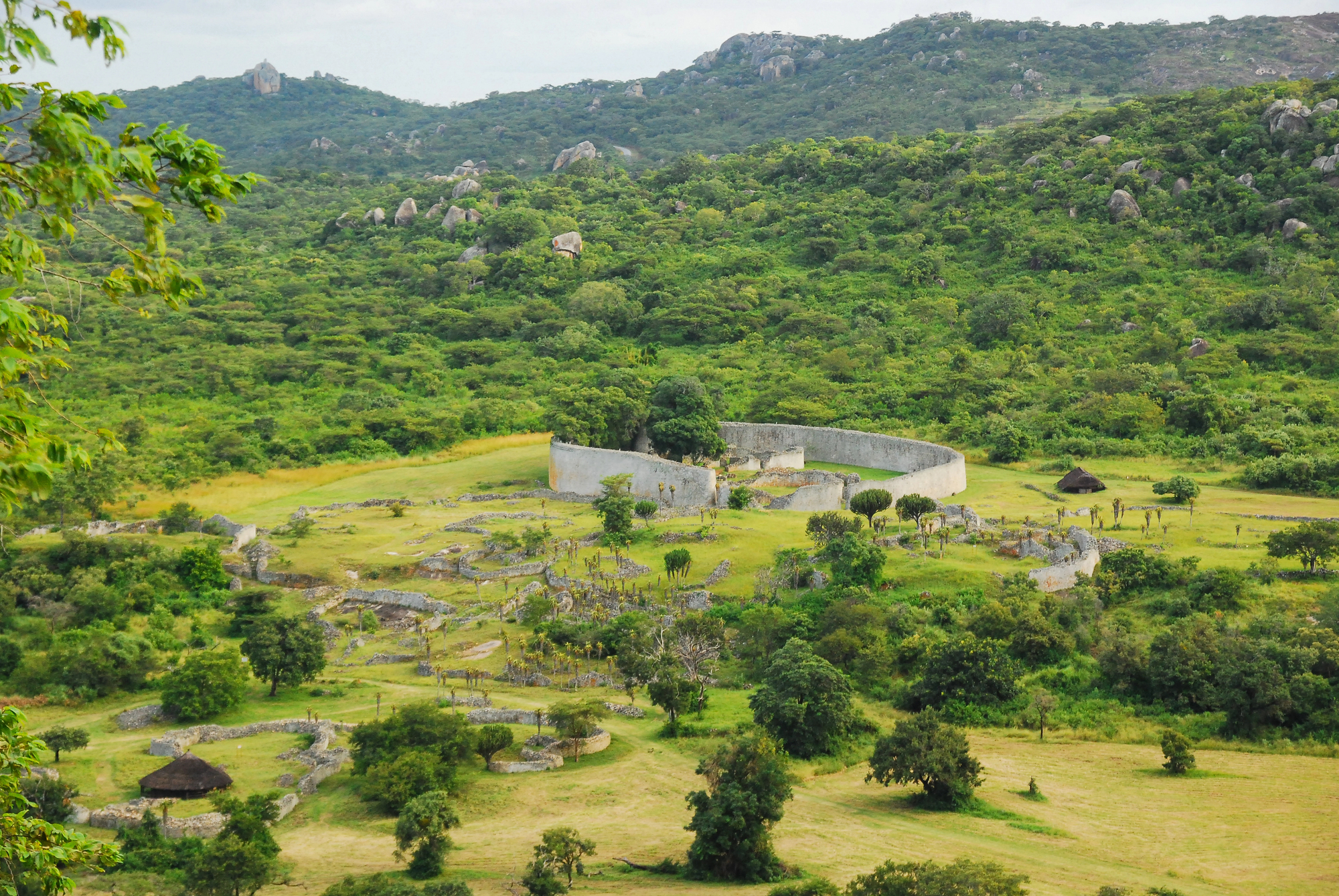
These ancient African ruins cause compasses to behave inconsistently within just a few feet of each other. Researchers attribute the strange readings to magnetized minerals embedded in the massive granite blocks that make up this archaeological wonder.
Like Go2Tutors’s content? Follow us on MSN.
Bannock Point, Manitoba
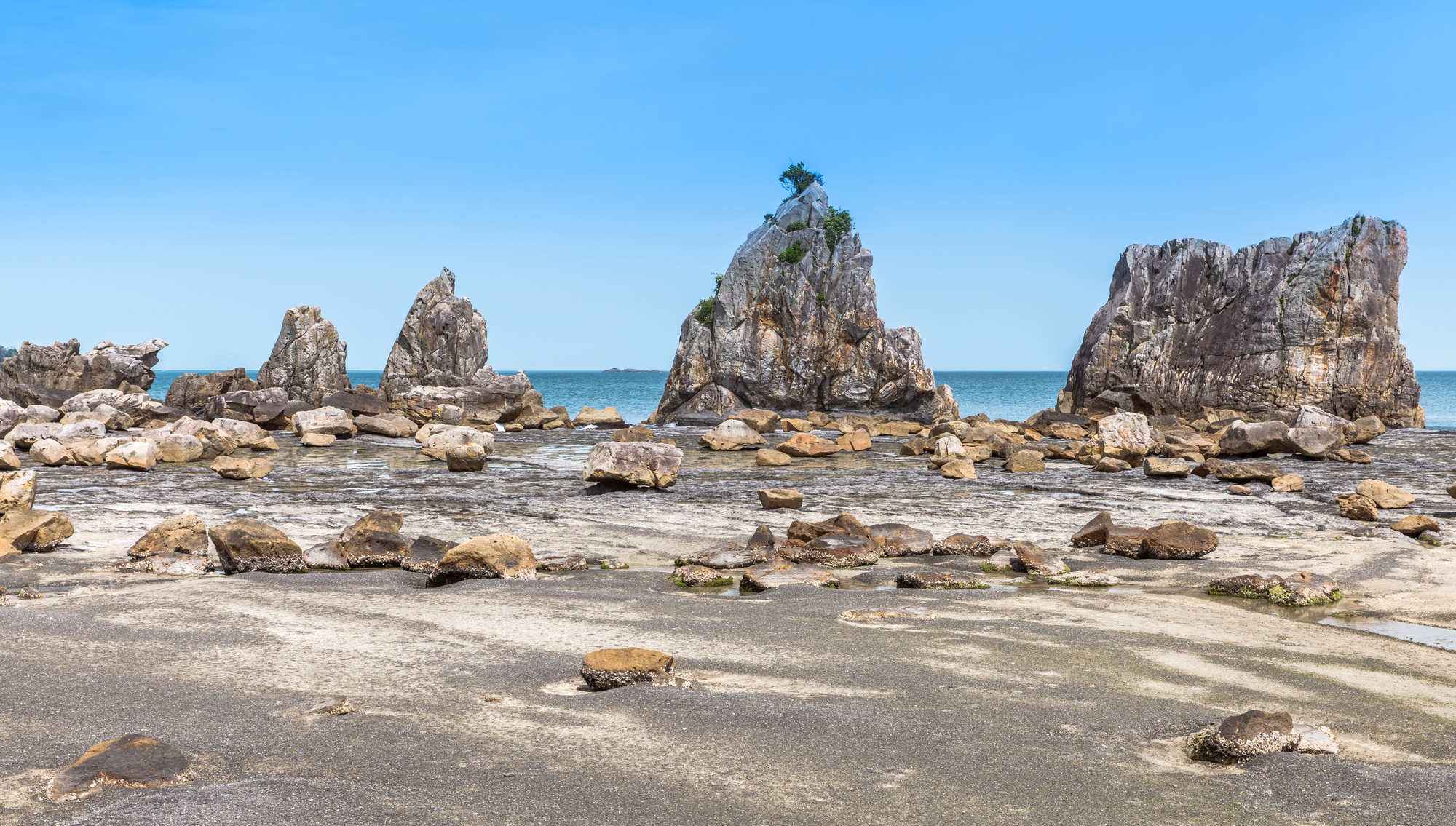
Indigenous rock formations called petroforms at Manitoba’s Bannock Point create puzzling compass behavior that combines geological anomalies with ancient human arrangements. Compasses near these culturally significant patterns either spin frantically or stop working altogether.
Moeraki Boulders

New Zealand’s coast features these mysterious spherical rocks containing high magnetite concentrations that individually mess with compass readings. Hikers find their navigational instruments pulled in different directions when walking among the boulders, especially during foggy conditions that reduce visibility.
Lake Vostok, Antarctica
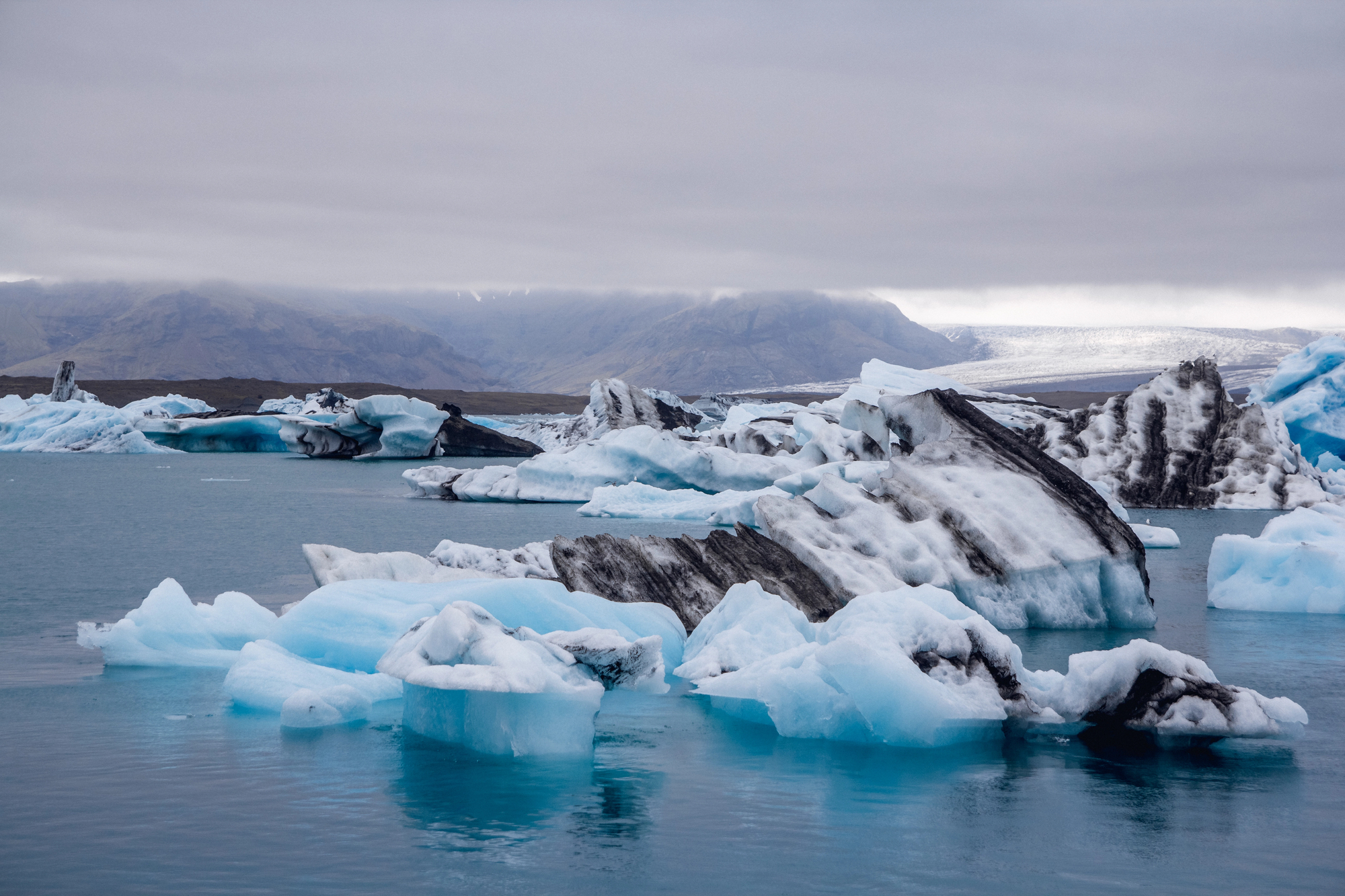
Buried beneath Antarctica’s ice sheet, Lake Vostok generates magnetic anomalies so powerful they affect compass readings through over 13,000 feet of solid ice. Scientists suspect hydrothermal vents on the lake bottom create complex electromagnetic fields that penetrate upward through the frozen barrier.
Like Go2Tutors’s content? Follow us on MSN.
Patomskiy Crater
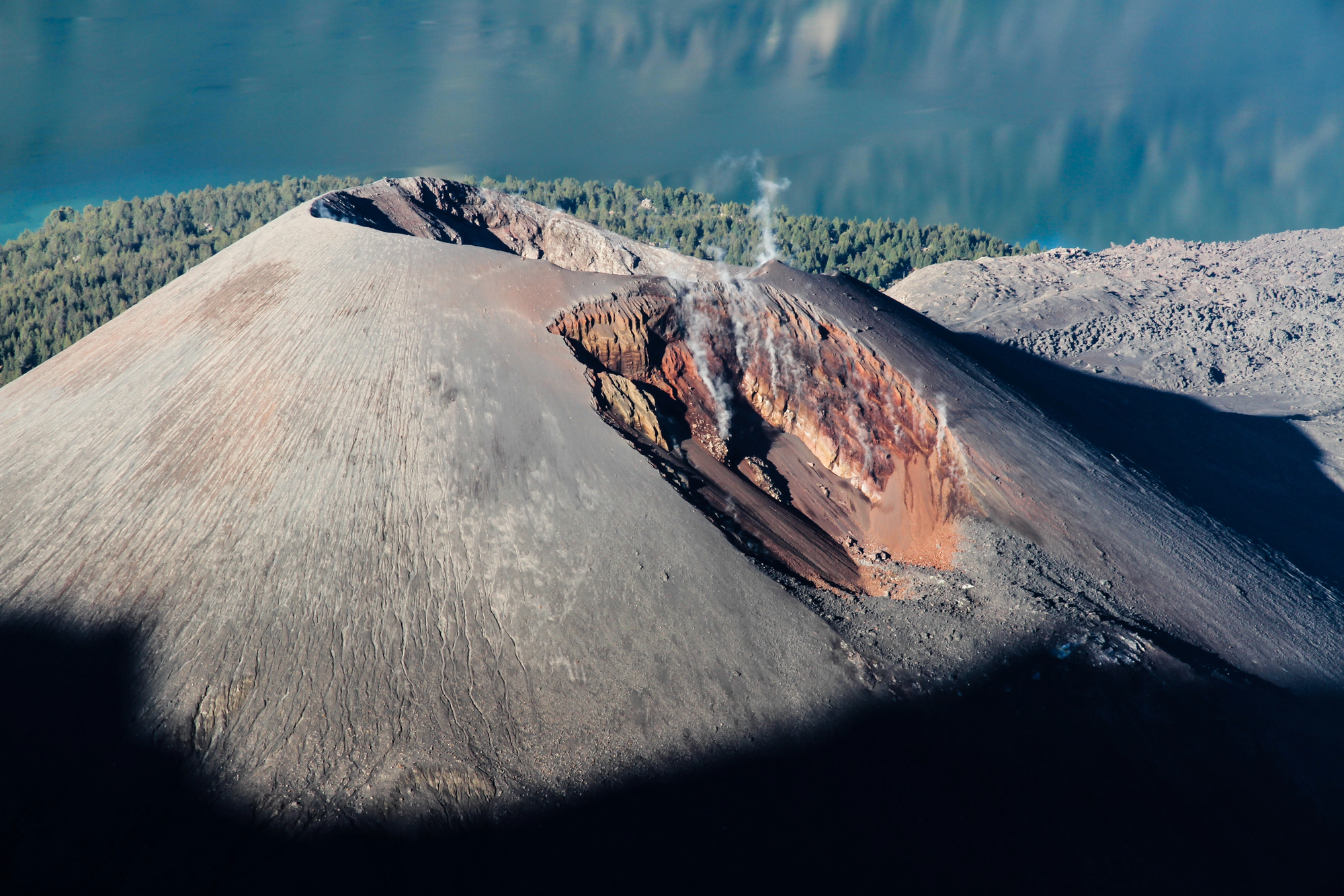
Siberia’s enigmatic Patomskiy Crater makes compasses completely useless across a wide area surrounding the 40-meter limestone formation. Since this mysterious structure predates modern technology, expeditions must rely entirely on GPS systems or traditional celestial navigation techniques instead.
Hessdalen Valley
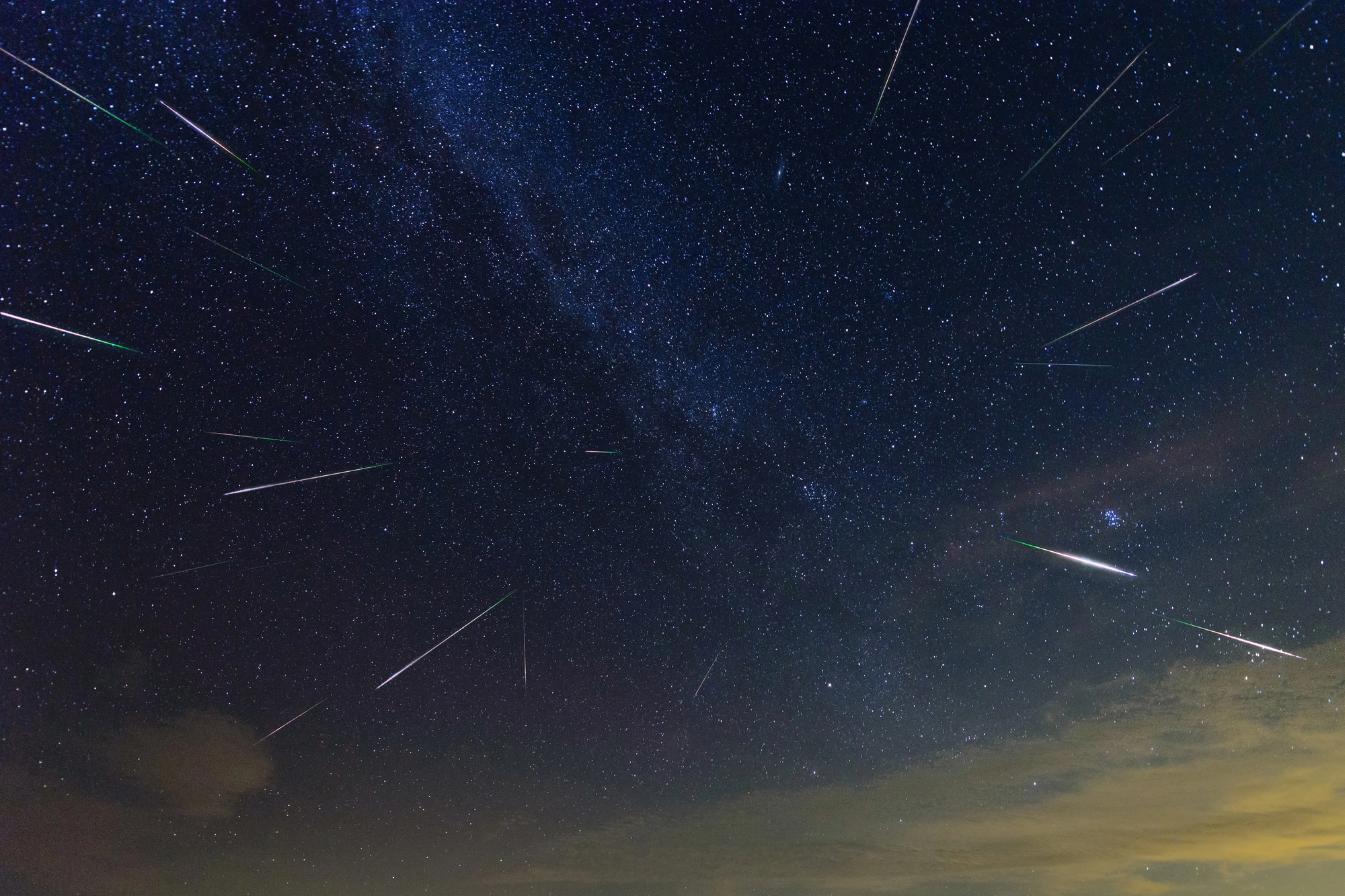
Norway’s Hessdalen Valley combines unexplained light phenomena with bizarre compass fluctuations that puzzle researchers and visitors alike. Geological formations rich in copper, zinc, and iron sulfides may function like natural batteries, generating electromagnetic disturbances that create these fascinating anomalies.
Skeleton Coast
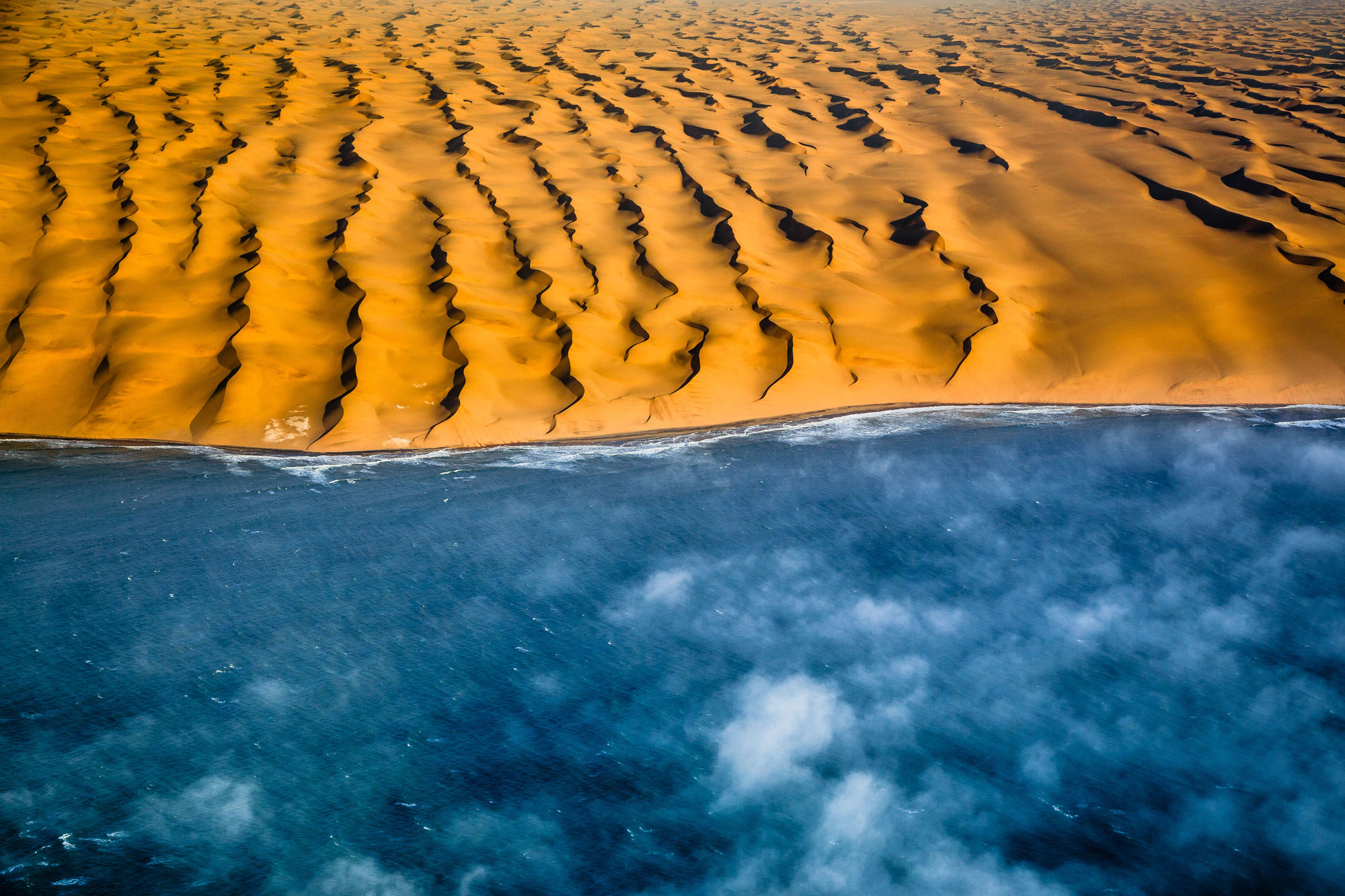
Namibia’s treacherous Atlantic shoreline has claimed countless ships, partly because compass readings become unreliable along this dangerous stretch. Iron-rich coastal sands mixed with dense fog create shifting magnetic anomalies that confuse even experienced mariners familiar with the area.
Like Go2Tutors’s content? Follow us on MSN.
Richat Structure (Eye of Africa)
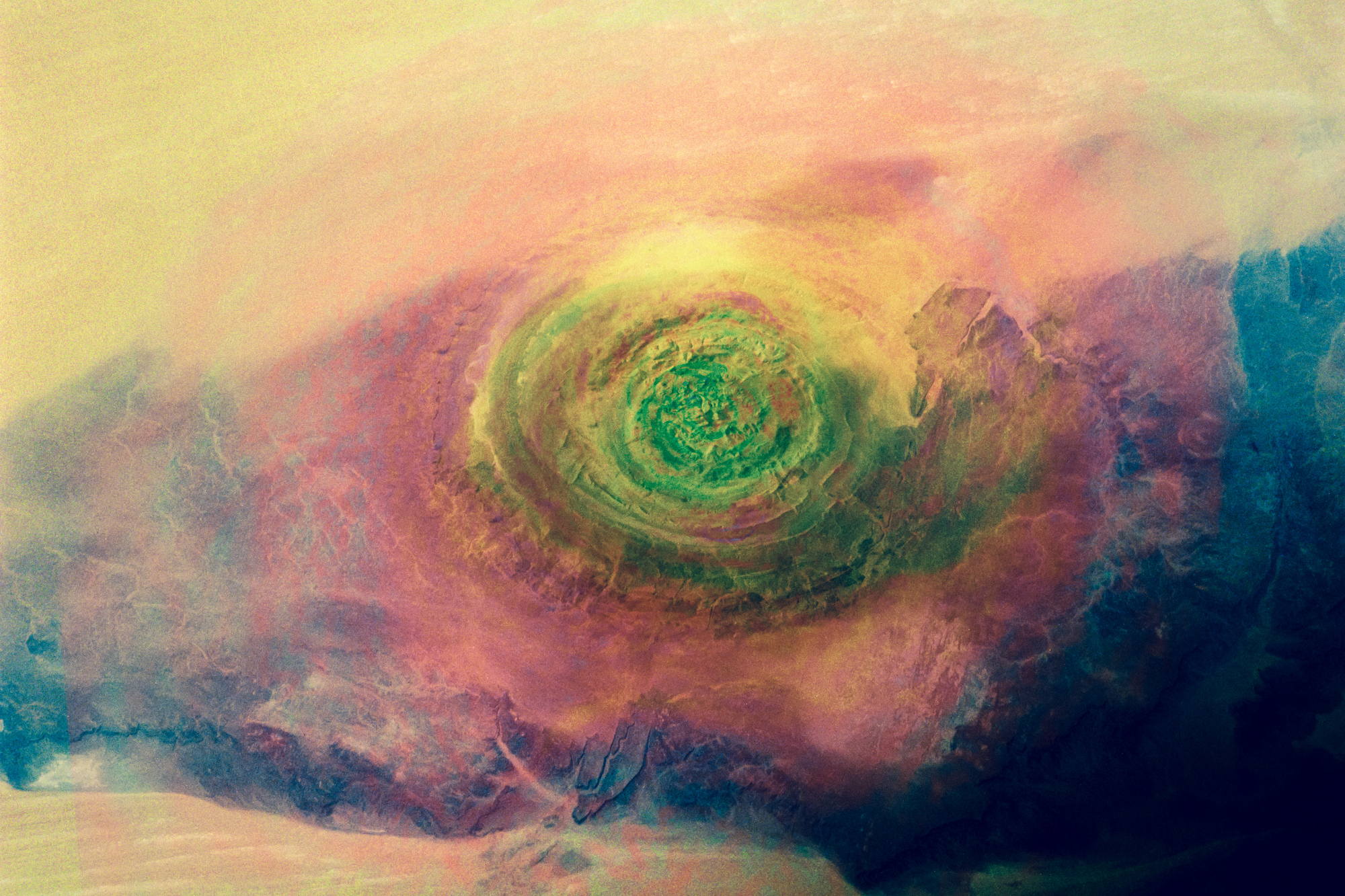
Mauritania’s enormous circular Richat Structure subtly interferes with compass accuracy across its concentric rings visible from space. Different mineral compositions within each ring affect local magnetic fields, forcing travelers to use celestial navigation methods rather than trusting magnetic instruments.
Yellowstone Caldera
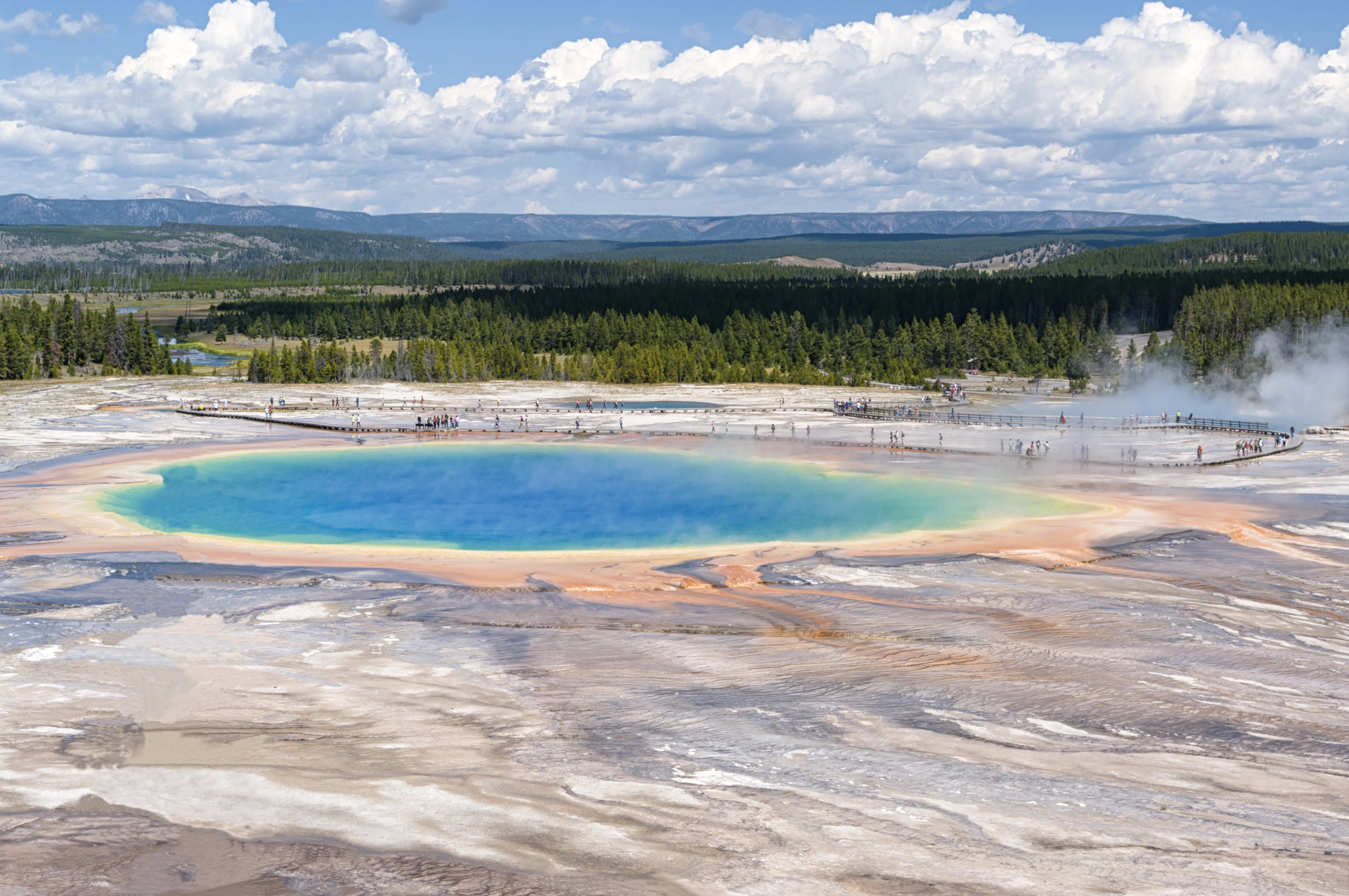
America’s famous supervolcano creates widespread magnetic chaos throughout Yellowstone National Park. Geothermal features and the underlying magma chamber disrupt compass readings so extensively that park authorities officially recommend using multiple navigation methods when exploring backcountry areas.
When Magnets Fail Us
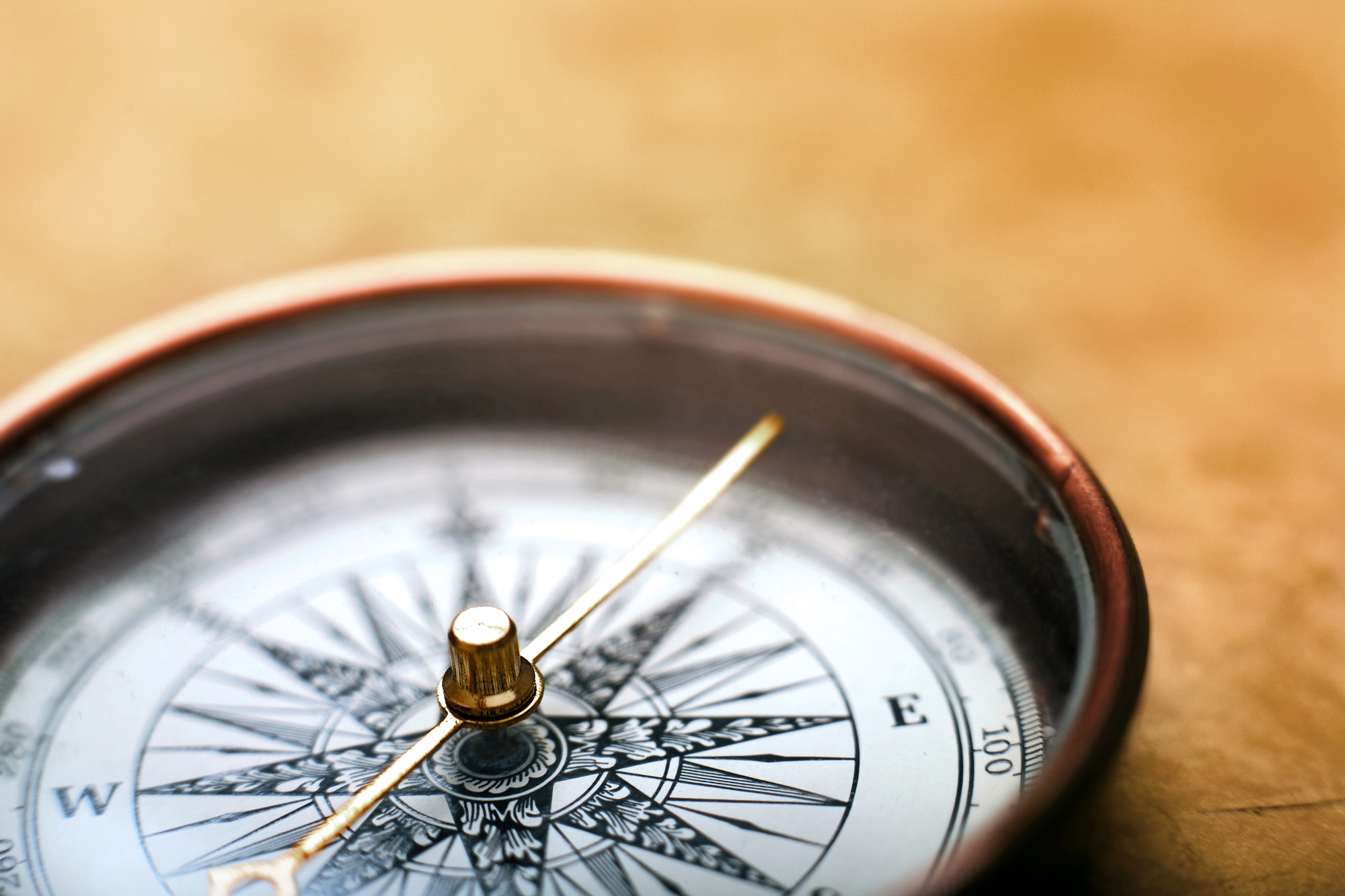
These magnetic mysteries demonstrate just how complex and unpredictable our planet really is. While GPS technology has largely replaced traditional compasses for navigation, these locations serve as humbling reminders of Earth’s dynamic nature and the ongoing geological processes that continue shaping our world.
They also highlight why smart travelers always carry backup navigation methods when venturing into unfamiliar territory.
More from Go2Tutors!

- 16 Restaurant Chains That Went Too Fast
- 12 Things Sold in the 80s That Are Now Illegal
- 15 Strange Things People Have Tried to Ban (And Failed)
- 16 Collectibles People Tossed Out Too Soon
- 17 Myths from Your Childhood That Were Actually Based on Real Things
Like Go2Tutors’s content? Follow us on MSN.