17 Human Reflexes That Exist for Mysterious Reasons
The human body contains dozens of automatic responses that happen without conscious thought, many of which seem to serve clear survival purposes like pulling your hand away from heat or blinking when something approaches your eyes. These reflexes make perfect sense from an evolutionary standpoint, helping our ancestors avoid danger and stay alive long enough to reproduce.
However, buried within our neurological programming are numerous reflexes that appear to serve no obvious purpose in modern life, leaving scientists scratching their heads about why we still have them. Some of these mysterious reflexes might be evolutionary leftovers from our distant past, while others could serve functions that we simply haven’t discovered yet.
Here is a list of 17 human reflexes that continue to puzzle researchers and make us wonder about the strange quirks of human biology.
The Startle Reflex
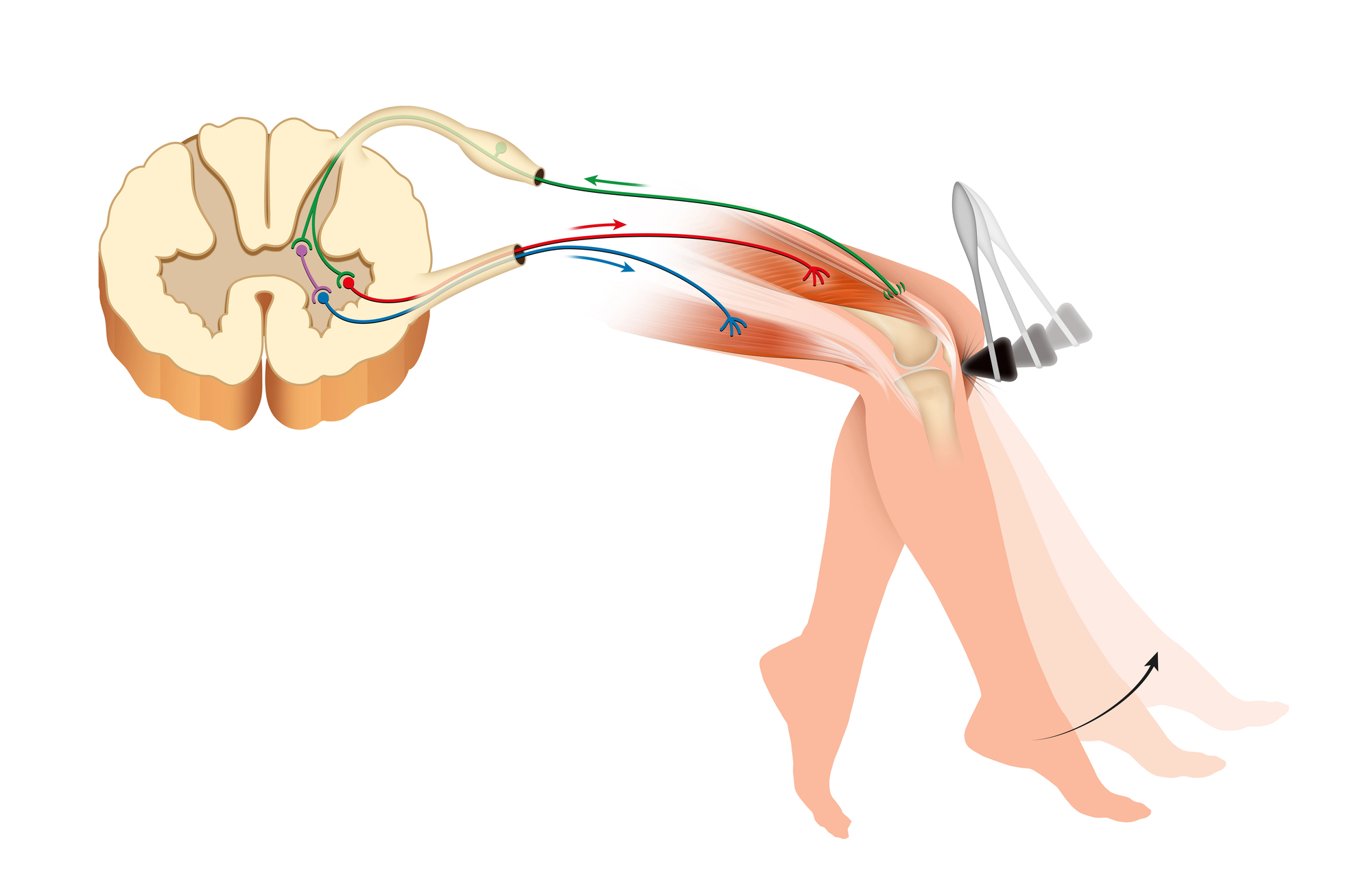
The startle reflex causes your entire body to jerk and your arms to flail outward when you’re suddenly surprised by a loud noise or unexpected movement. This full-body response happens faster than conscious thought and involves nearly every muscle group simultaneously, creating a dramatic reaction that seems far more intense than necessary for most modern surprises.
While some scientists theorize it might have helped our ancestors prepare for immediate physical threats, the reflex often leaves us looking foolish when we overreact to harmless surprises like someone walking around a corner.
Goosebumps from Music

Goosebumps triggered by emotional music or inspiring moments create the same physical response as being cold, causing tiny muscles around hair follicles to contract and create that distinctive bumpy texture on your skin. This response seems completely unrelated to temperature regulation and offers no apparent survival advantage, yet it happens to most people when they hear certain melodies or experience powerful emotions.
The fact that music can trigger the same physical response as a survival mechanism suggests some deep connection between emotional processing and ancient biological systems that scientists are still trying to understand.
Like Go2Tutors’s content? Follow us on MSN.
The Dive Response

When your face hits cold water, your body automatically triggers the dive response, which slows your heart rate and redirects blood flow away from your extremities to preserve oxygen for vital organs. This reflex is so powerful that it can dramatically extend how long someone can hold their breath underwater, yet most humans rarely find themselves in situations where this response would be lifesaving.
The dive response seems like it belongs in marine mammals rather than land-dwelling humans, leading researchers to wonder whether our ancestors spent more time in water than previously thought.
Photic Sneeze Reflex

About one-third of people automatically sneeze when they look at bright lights, particularly when moving from darkness into sunlight, for reasons that remain completely mysterious to medical science. This photic sneeze reflex has no apparent connection to allergens or irritants and seems to serve no useful purpose beyond occasionally embarrassing people when they step outside.
The genetic component of this reflex suggests it’s been passed down through generations despite offering no obvious survival advantage, making it one of evolution’s more puzzling quirks.
Palmar Grasp Reflex
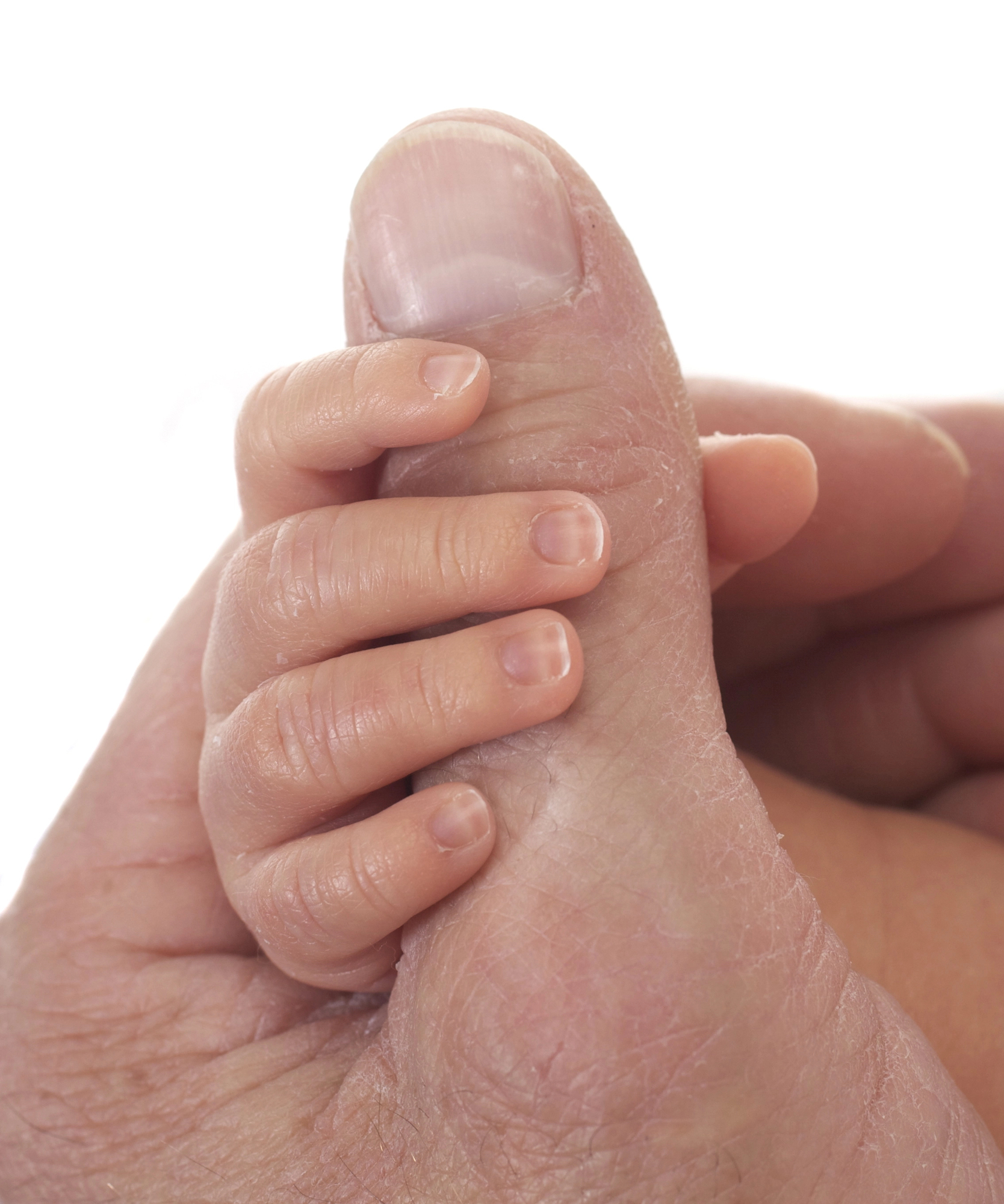
Newborn babies instinctively grip anything placed in their palms with surprising strength, often strong enough to support their own body weight for brief moments. This palmar grasp reflex disappears after the first few months of life, leading scientists to believe it’s a leftover from our primate ancestors who needed to cling to their mothers’ fur for survival.
The reflex seems oddly powerful and persistent for something that serves no purpose in modern human development, suggesting our evolutionary programming hasn’t quite caught up with our current lifestyle.
Like Go2Tutors’s content? Follow us on MSN.
Vestigial Hiccup Reflex

Hiccups appear to serve no useful function in modern humans and actually represent a malfunction of the breathing system that can be both annoying and occasionally dangerous. The rhythmic spasms of the diaphragm that cause hiccups closely resemble the gill ventilation patterns found in fish and the breathing movements of amphibians, suggesting this reflex might be an ancient remnant from when our distant ancestors lived in water.
The fact that hiccups can sometimes last for hours or even days with no apparent benefit makes them one of the most puzzling reflexes we still carry.
Ear Wiggling Reflex
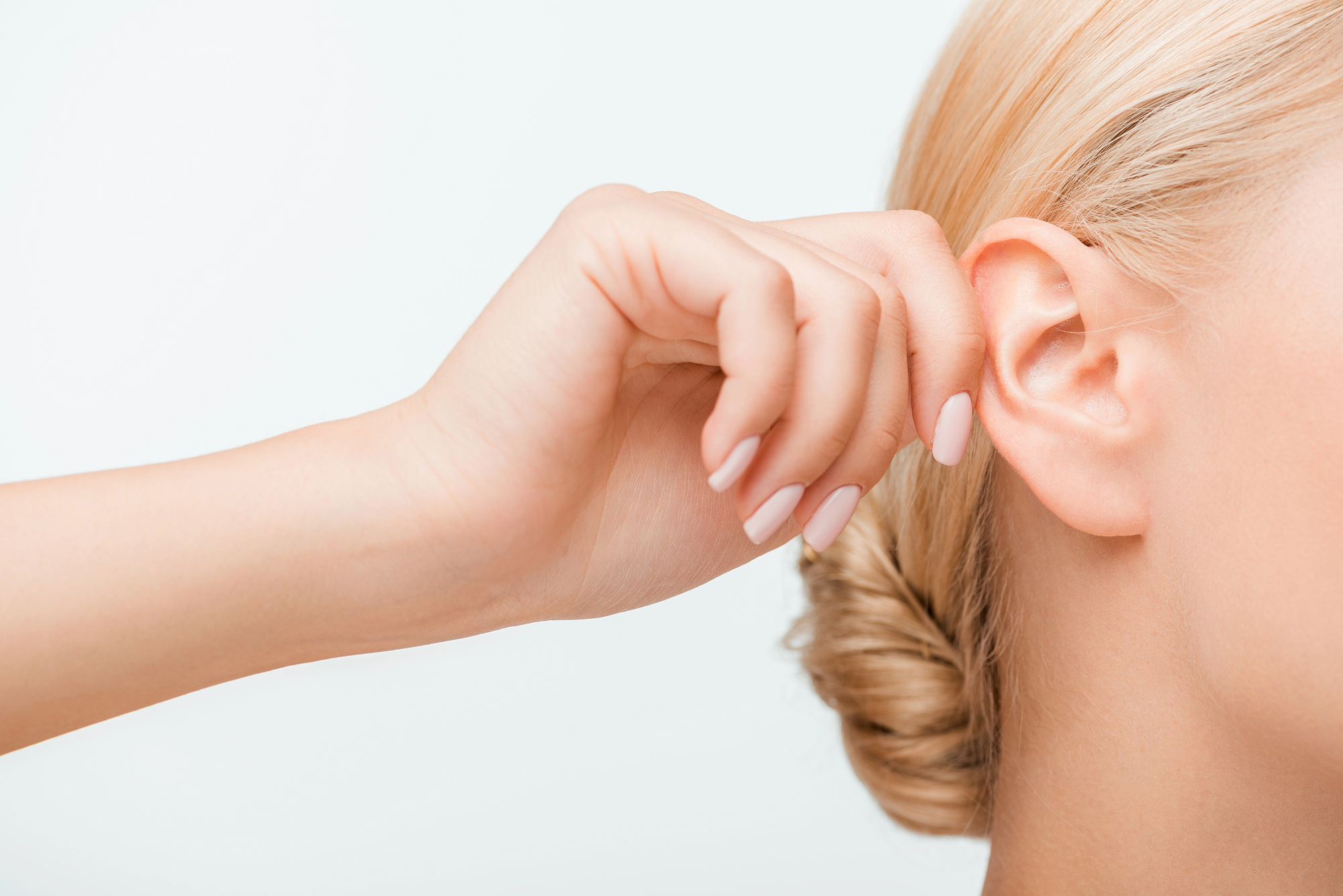
Some people can voluntarily wiggle their ears using muscles that most humans can’t consciously control, while others experience involuntary ear movements in response to certain sounds or emotions. These muscles appear to be evolutionary leftovers from ancestors who could move their ears to better locate sounds or express emotions, similar to how dogs and cats use ear positioning for communication.
The reflex serves no apparent purpose in modern humans since our ears are fixed in position and we rely on head movement to improve hearing, yet the muscular capability persists in many people.
Pupillary Light Reflex Delay
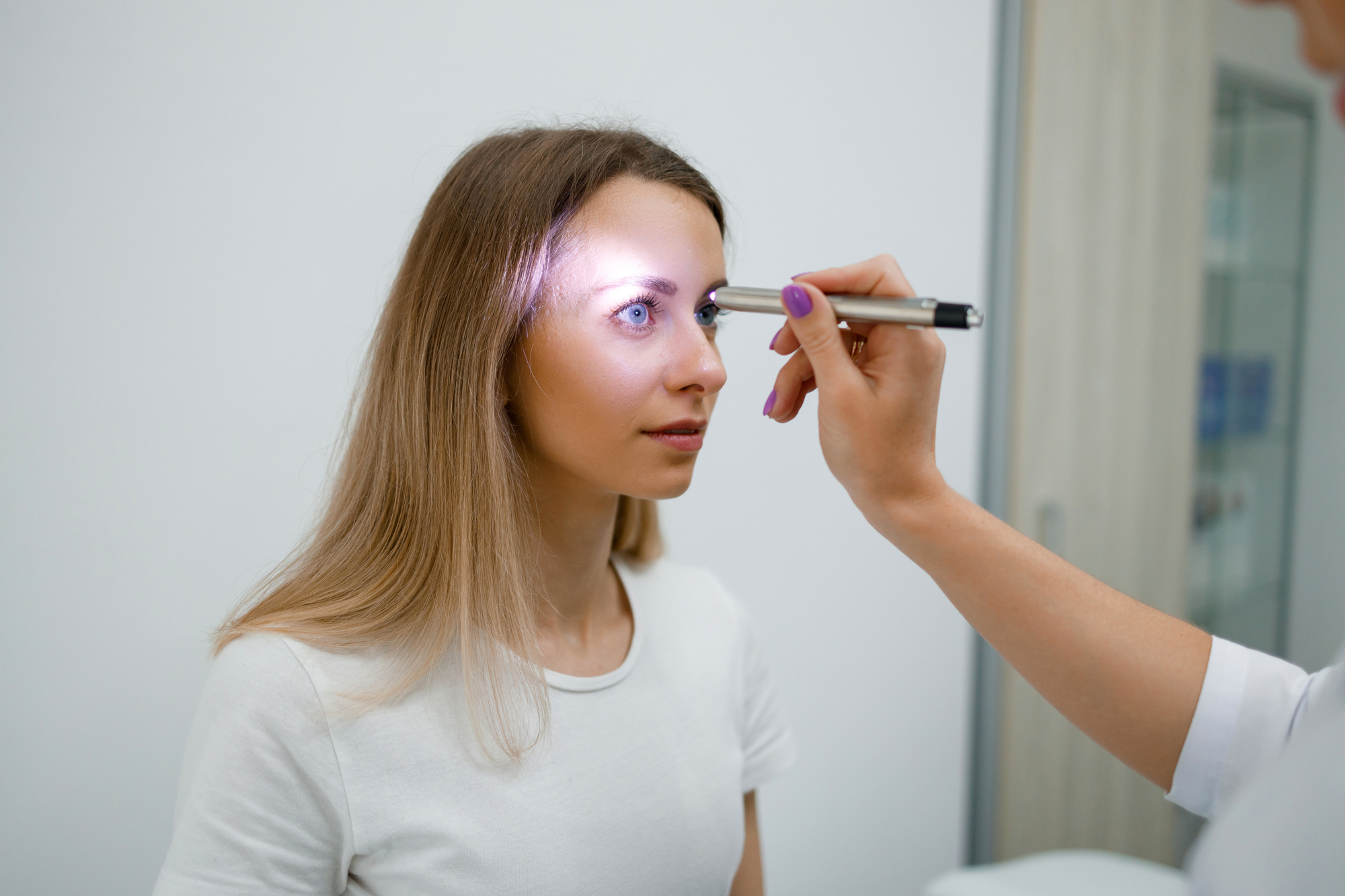
Your pupils automatically contract when exposed to bright light, but there’s often a brief delay and oscillation that seems unnecessarily complex for such a simple function. This pupillary response sometimes includes a slight dilation before contraction and occasional ‘hunting’ movements where the pupil size fluctuates before settling, behaviors that don’t seem optimal for light protection.
The complexity of this reflex suggests it might have additional functions beyond simple light regulation that we haven’t yet discovered or that it’s influenced by other neurological processes.
Like Go2Tutors’s content? Follow us on MSN.
Automatic Stepping Reflex
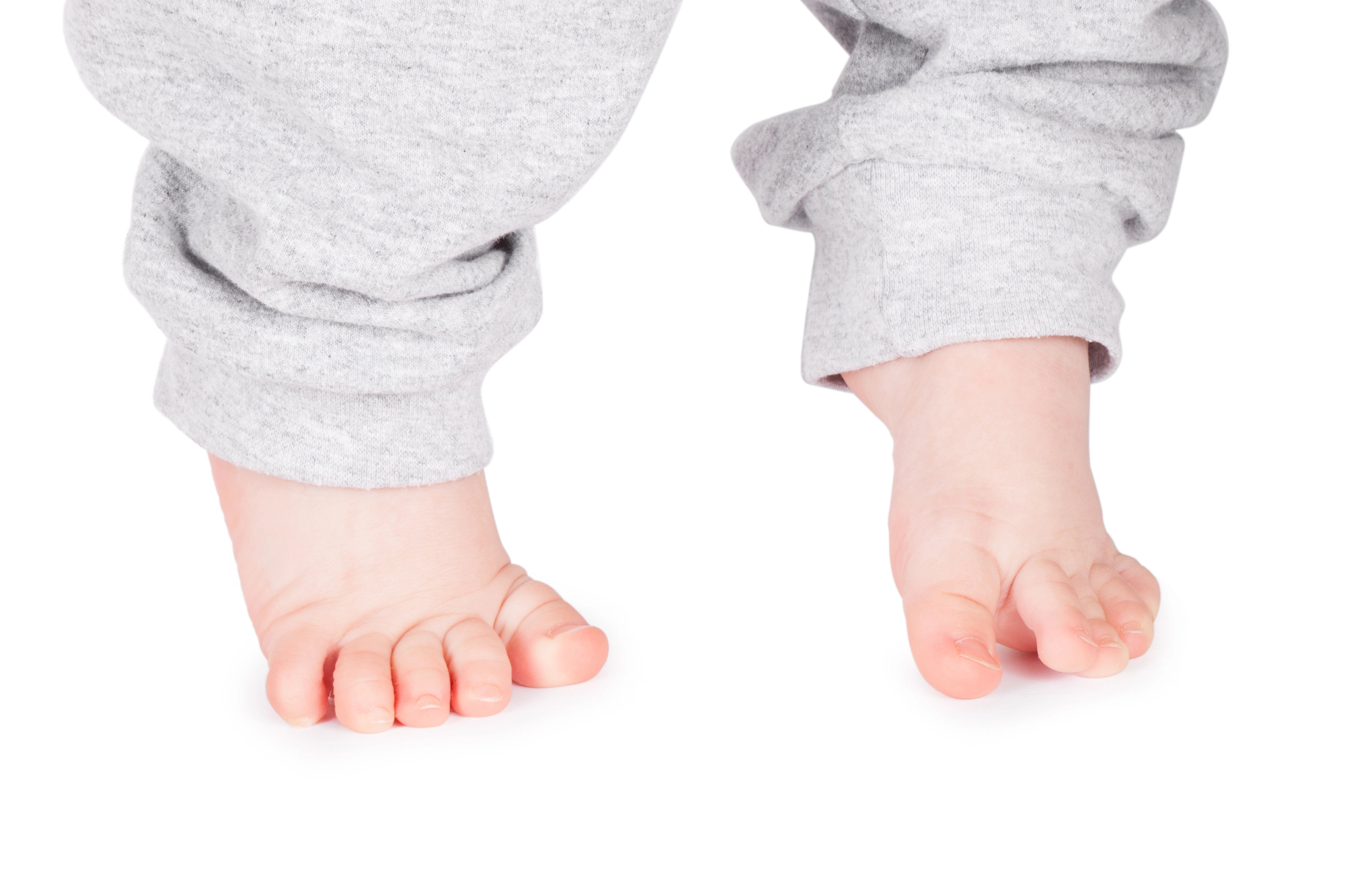
Newborns will automatically make walking motions when held upright with their feet touching a surface, despite being months away from actual walking ability. This stepping reflex disappears after the first few months and then reappears when babies are actually ready to walk, creating a puzzling gap in what seems like it should be continuous development.
The temporary disappearance and reappearance of this reflex suggests complex neurological programming that we don’t fully understand, particularly since the reflex seems to serve no immediate purpose during its initial manifestation.
Asymmetric Tonic Neck Reflex

When babies turn their heads to one side, they automatically extend the arm on that side while flexing the opposite arm, creating a ‘fencing’ position that serves no apparent modern purpose. This asymmetric tonic neck reflex typically disappears around six months of age, but its initial presence and specific positioning suggest it once served an important function that we can only guess at.
The precision and consistency of this reflex across all human babies indicate it’s deeply programmed into our nervous system despite having no obvious benefit.
Rooting Reflex Persistence

The rooting reflex causes babies to turn their heads and open their mouths when their cheeks are touched, helping them find food sources for nursing. While this reflex clearly serves a survival purpose in infants, some adults retain a vestigial version that causes slight head turning or mouth movements when their faces are unexpectedly touched.
The persistence of this reflex past its useful period suggests our nervous systems hold onto programming much longer than necessary, possibly because there’s no evolutionary pressure to eliminate harmless but useless responses.
Like Go2Tutors’s content? Follow us on MSN.
Crossed Extension Reflex

When one leg is stimulated or pulled away from a painful stimulus, the opposite leg automatically extends and pushes away, creating a coordinated response that seems designed for situations that rarely occur in normal life. This crossed extension reflex appears to be preparation for escaping while one limb is trapped or injured, but the specific coordination required suggests our ancestors regularly encountered situations where this exact response was lifesaving.
The reflex remains remarkably strong and precise despite most modern humans never experiencing scenarios where it would be useful.
Babinski Reflex in Adults

The Babinski reflex causes toes to fan out and the big toe to curl upward when the sole of the foot is stroked, a response that’s normal in babies but considered abnormal in adults. When this reflex persists or reappears in adulthood, it usually indicates neurological problems, yet the reflex itself seems to serve no clear purpose even in infants.
The fact that this reflex disappears in healthy adults but can return during illness suggests it represents some kind of primitive neurological state that our brains normally suppress.
Moro Reflex Variations
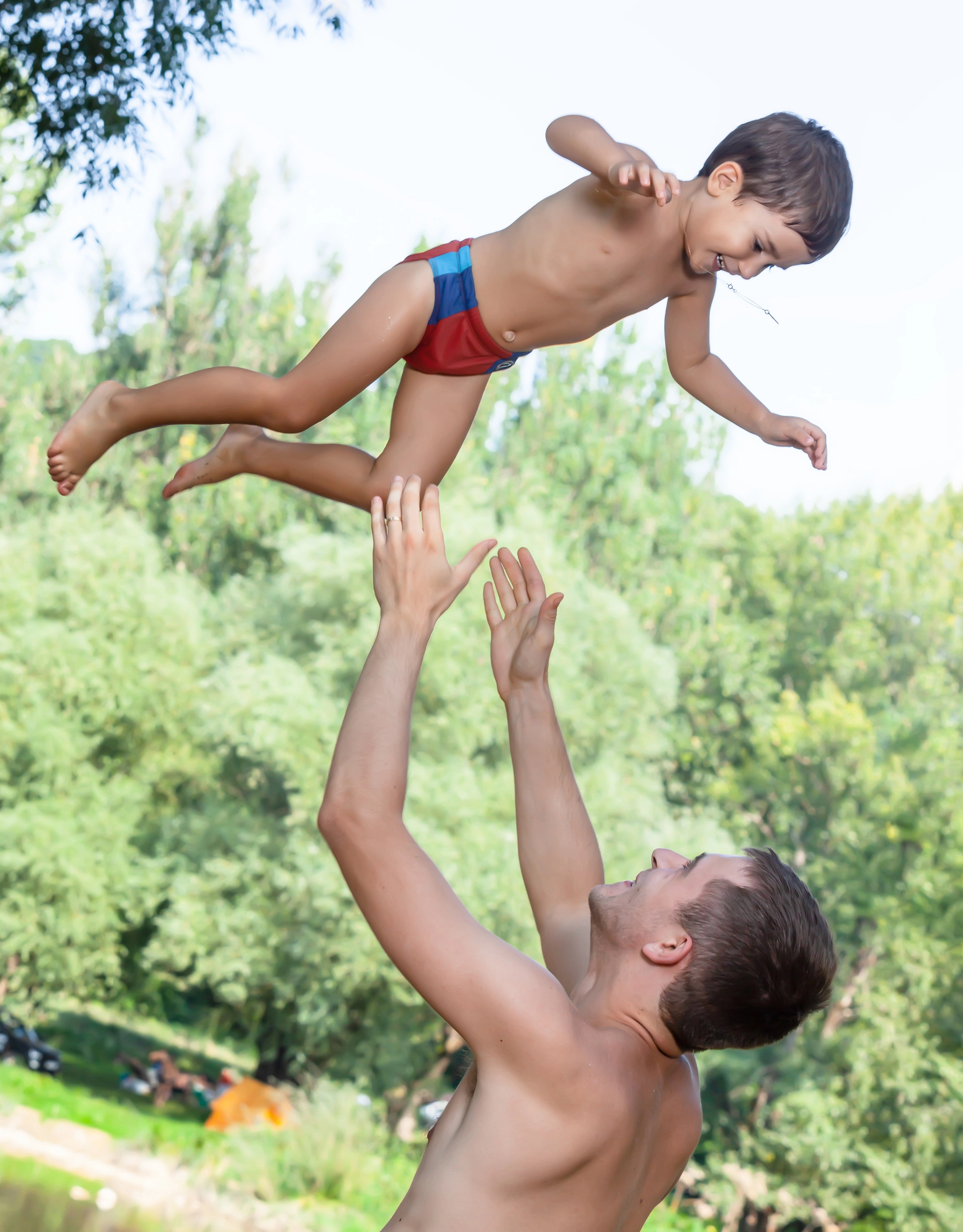
The Moro reflex causes babies to throw their arms out and then bring them back toward their bodies when they feel like they’re falling, but variations of this response sometimes appear in adults during sudden drops or unexpected movements. While the basic falling response makes sense, the specific arm movements and the occasional adult manifestations suggest this reflex has components that we don’t fully understand.
The persistence of Moro-like responses in some adults during activities like amusement park rides indicates this programming runs deeper than simple infant development.
Like Go2Tutors’s content? Follow us on MSN.
Galant Reflex Mystery

The Galant reflex causes babies to curve their spines when the skin along their backs is stroked, creating a distinctive sideways bending motion that serves no apparent purpose. This reflex typically disappears after the first few months of life, but its initial presence and the specific spinal curvature it produces suggest it once had an important function that we can only speculate about.
Some researchers theorize it might have helped with the birth process or early movement patterns, but the exact purpose remains unclear.
Parachute Reflex Timing

The parachute reflex causes babies to extend their arms forward when they feel like they’re falling face-first, but this protective response doesn’t appear until around 8-10 months of age, well after other reflexes have developed. The delayed onset of this seemingly important safety reflex puzzles researchers, especially since babies are capable of the arm extension movements much earlier in their development.
The specific timing suggests this reflex is tied to neurological development in ways that aren’t immediately obvious, possibly related to spatial awareness or balance systems.
Automatic Walking Coordination

Some people exhibit automatic walking adjustments when they encounter certain visual patterns or environmental cues, such as unconsciously altering their gait when walking past vertical stripes or specific architectural features. These subtle coordination changes happen without conscious awareness and seem to serve no obvious purpose, yet they’re consistent enough to suggest underlying neurological programming.
The reflex appears to be related to visual processing and motor control systems, but why our brains make these automatic adjustments to harmless environmental features remains mysterious.
Like Go2Tutors’s content? Follow us on MSN.
The Puzzle of Our Programming
These mysterious reflexes offer fascinating glimpses into the complexity of human neurology and the long evolutionary journey that shaped our bodies and minds. While some of these responses might simply be evolutionary baggage that we haven’t yet discarded, others could serve subtle functions that modern science hasn’t yet discovered or appreciated.
The persistence of apparently useless reflexes suggests that our nervous systems are far more conservative than we might expect, holding onto ancient programming long after its original purpose has disappeared. Understanding these reflexes not only satisfies our curiosity about human biology but might also provide insights into neurological disorders and the fundamental ways our brains process and respond to the world around us.
More from Go2Tutors!

- 16 Restaurant Chains That Went Too Fast
- 12 Things Sold in the 80s That Are Now Illegal
- 15 Strange Things People Have Tried to Ban (And Failed)
- 16 Collectibles People Tossed Out Too Soon
- 17 Myths from Your Childhood That Were Actually Based on Real Things
Like Go2Tutors’s content? Follow us on MSN.