Photos Of 15 Iconic Hairstyles Through the Decades and Their Influence
Hair tells stories. Throughout history, the way people style their hair has revealed everything from social status to political beliefs, and some looks have become so famous that they define entire eras.
These styles didn’t just change how people looked in the mirror each morning—they shifted culture, inspired movements, and gave generations their visual identity. Here are some of the most memorable hairstyles that left their mark on the world.
Each one carries its own slice of history.
The bob cut of the 1920s
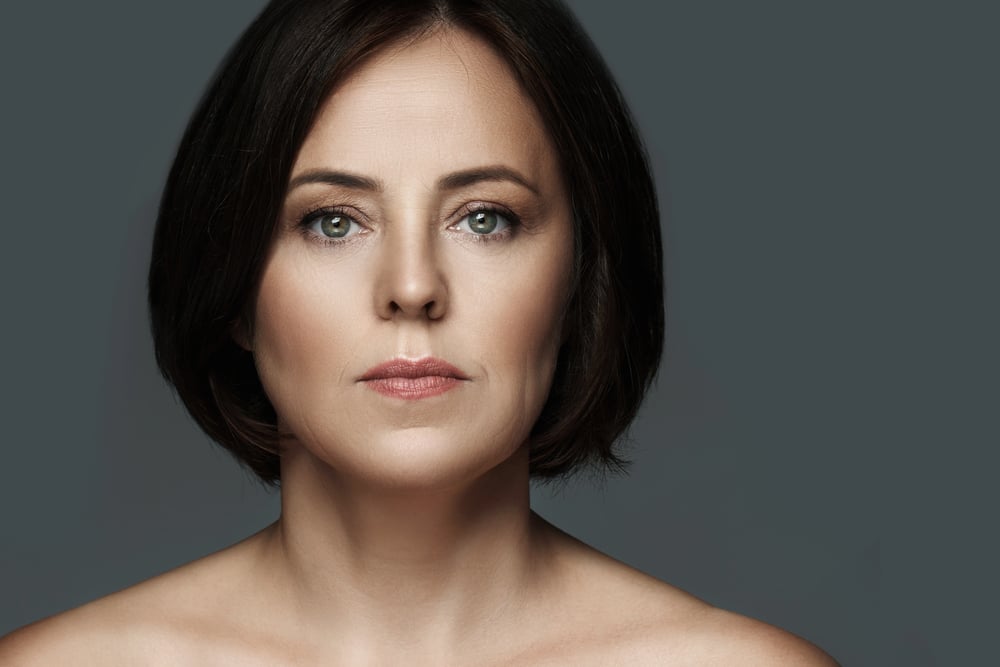
When women started chopping off their long locks in the roaring twenties, it wasn’t just about fashion. The bob represented freedom and rebellion against old-fashioned ideas about how women should look and behave.
Flappers wore their hair short and sleek, often paired with cloche hats that sat snug on their heads. This simple cut shocked conservative society and signaled that a new generation of women was taking charge of their own choices.
The style spread like wildfire across America and Europe, making barbershops suddenly popular with female customers who’d never set foot in one before.
Victory rolls from the 1940s
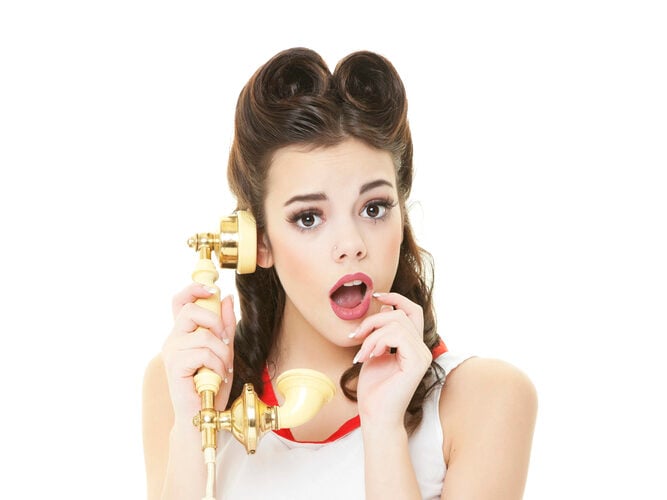
During World War II, women working in factories needed hairstyles that looked good but stayed out of the way while they built planes and assembled weapons. Victory rolls solved that problem with thick rolls of hair pinned above the forehead or on the sides of the head.
The name itself came from the barrel roll maneuver that fighter pilots performed, connecting the style directly to the war effort. Women felt patriotic wearing these rolls, and the look became synonymous with strength and determination during tough times.
Even after the war ended, the style stuck around as a symbol of that era’s resilience.
The pompadour and greaser look of the 1950s
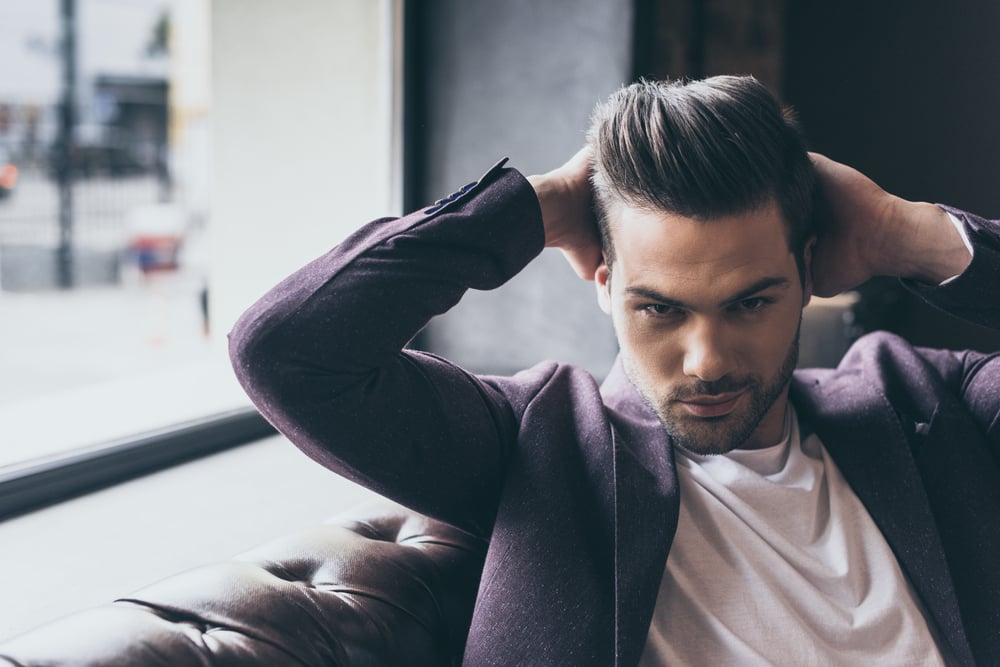
Elvis Presley didn’t invent the pompadour, but he sure made it famous. Young men slicked their hair back with pomade, creating a high wave in front that defied gravity and parents’ expectations.
The greaser subculture adopted this look as their uniform, pairing it with leather jackets and an attitude that scared adults across suburban America. This wasn’t just hair—it was a statement about rejecting the clean-cut conformity that dominated the decade.
The amount of product required to maintain these styles probably kept hair companies in business single-handedly.
The beehive of the 1960s
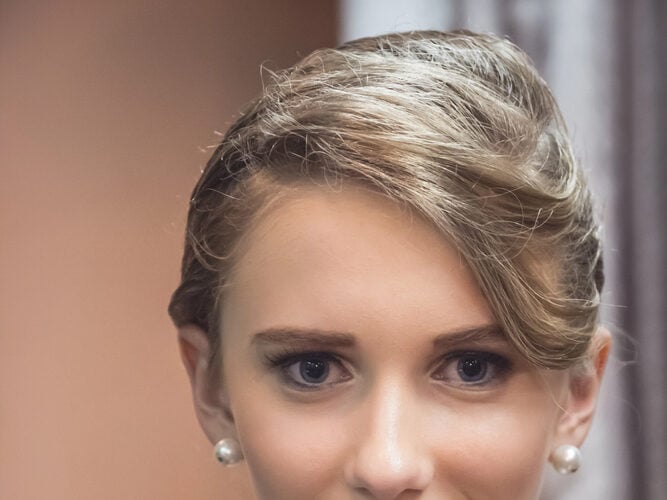
Picture a hairstyle so tall it added several inches to someone’s height, and you’ve got the beehive. Women teased and sprayed their hair into towering domes that required serious engineering skills to construct. The bigger the beehive, the better, and women competed to see who could build the most impressive structure on their head.
This style took hours to create and often lasted several days because nobody wanted to go through that process daily. The beehive showed up everywhere from Hollywood to regular neighborhoods, proving that ordinary folks embraced high-maintenance glamour just as much as movie stars did.
Long, straight hippie hair
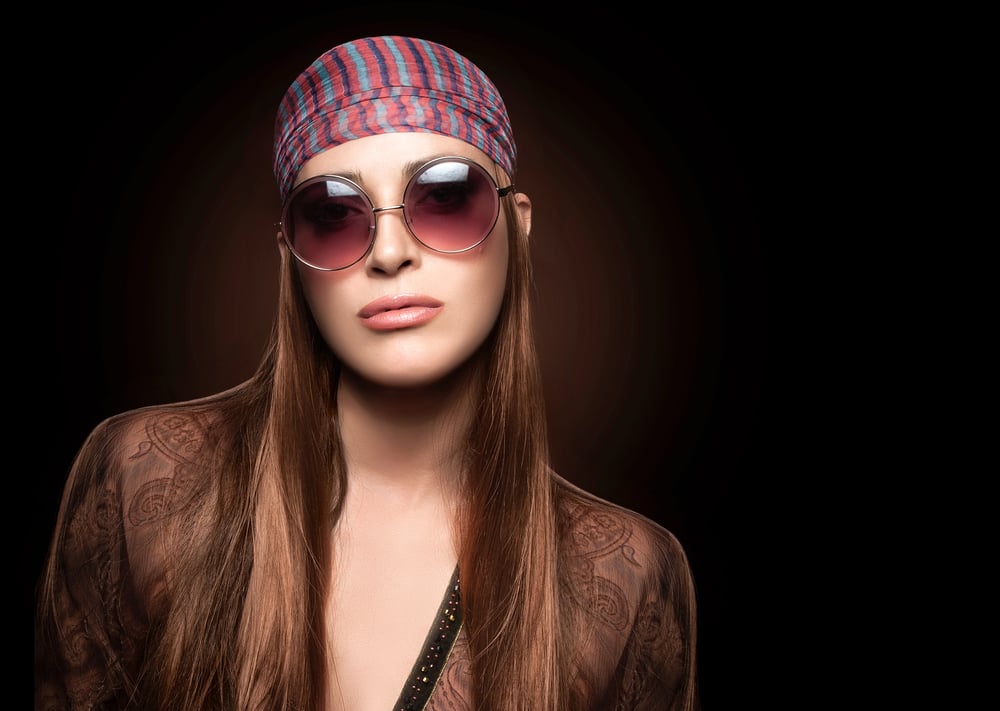
The counterculture movement of the late 1960s and early 1970s rejected everything artificial, including complicated hairstyles. Both men and women grew their hair long and wore it straight and natural, often adding flowers or headbands as simple decorations.
This look opposed the structured, sprayed styles of the previous decade and connected to ideas about peace, nature, and freedom. Parents hated it, which made young people love it even more.
The length itself became political—long hair on men especially challenged traditional ideas about masculinity and respectability.
The afro of the 1970s
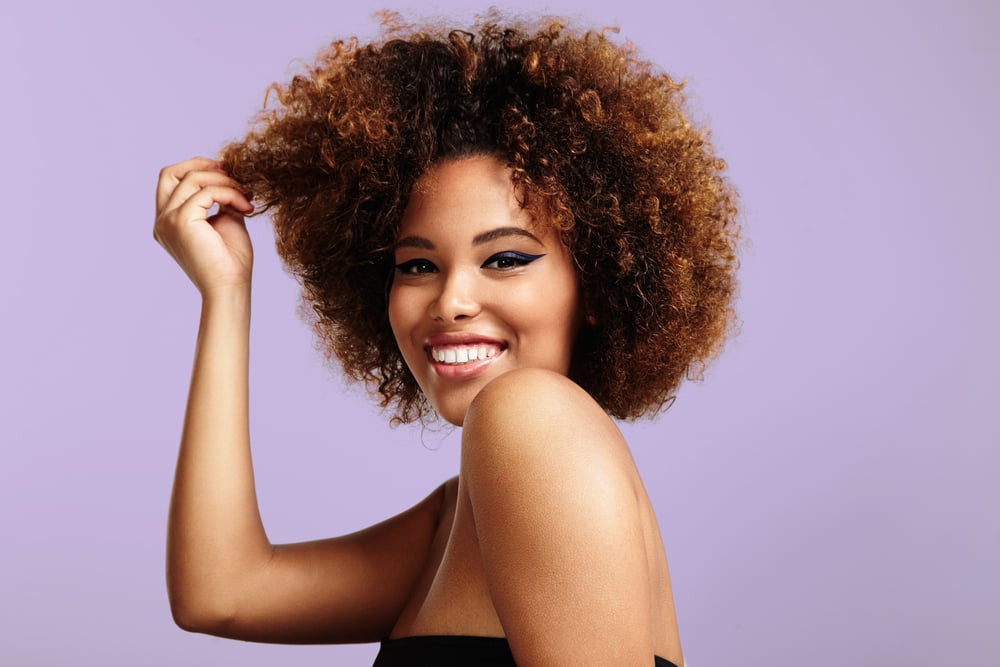
The afro transformed from a natural hairstyle into a powerful symbol of Black pride and identity during the civil rights movement. Instead of straightening or hiding natural hair texture, people let their hair grow out into full, round shapes that celebrated African heritage.
Icons like Angela Davis wore afros that became instantly recognizable and tied to activism and social change. The style required care and maintenance but rejected European beauty standards that had dominated for centuries.
Picking out an afro became a daily ritual that connected people to a larger movement toward self-acceptance and cultural pride.
Farrah Fawcett’s feathered layers
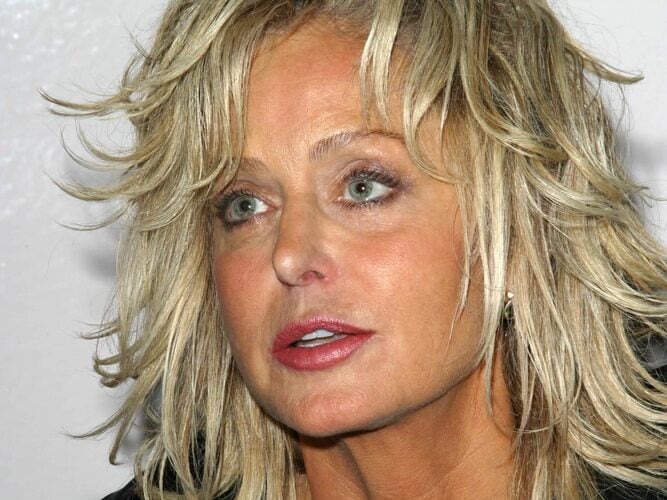
— Photo by s_bukley
When Farrah Fawcett’s poster hit bedroom walls across America in 1976, her feathered, blow-dried hair became the most copied style of the decade. The look featured layers that flipped back from the face in perfect waves, creating a windswept effect that somehow stayed in place.
Salons couldn’t keep up with demand as women brought in photos of Fawcett and asked for the exact same cut. Achieving this style at home required a round brush, a blow dryer, and patience that not everyone possessed.
The feathered look softened the structured styles of earlier years and introduced a more casual, California-inspired approach to beauty.
Punk mohawks and liberty spikes
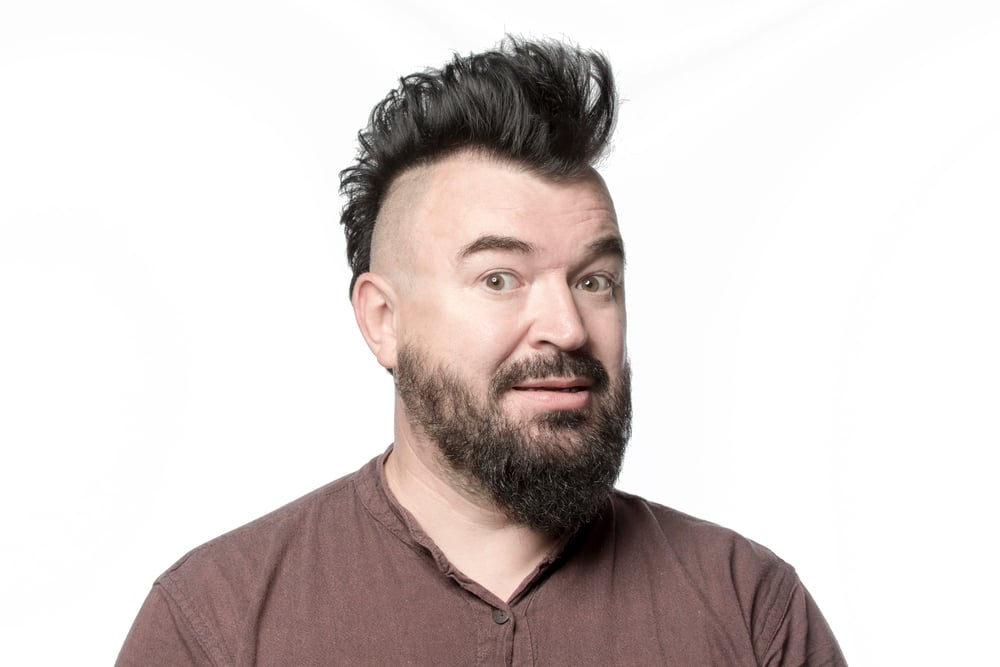
Punk rockers in the late 1970s wanted hair that shocked people and made statements about rejecting mainstream society. The mohawk, with shaved sides and a strip of hair running down the center of the head, fit that goal perfectly.
Some punks took it further with liberty spikes—hair stiffened with glue, gel, or egg whites and shaped into sharp points sticking straight up. These styles required commitment and often prevented people from fitting through doorways or lying down comfortably.
The looks communicated rebellion, aggression, and a total rejection of conventional beauty standards, which was exactly the point.
The mullet’s business-and-party combination
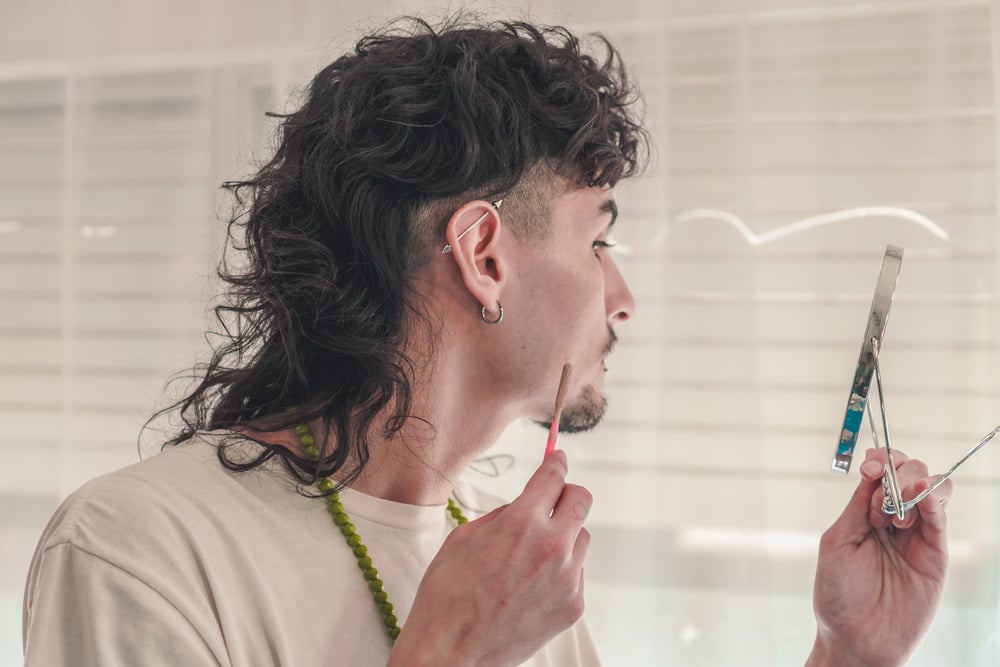
Short in front, long in back—the mullet somehow convinced people it offered the best of both worlds. This style dominated the 1980s among everyone from rock stars to regular folks in small towns across America.
The front kept things professional enough for work, while the back let people party and show their wild side. At least that’s what supporters claimed.
The mullet has become a joke in recent decades, but during its heyday, people wore it with genuine pride and saw nothing funny about the drastic length difference.
Big hair and perms of the 1980s
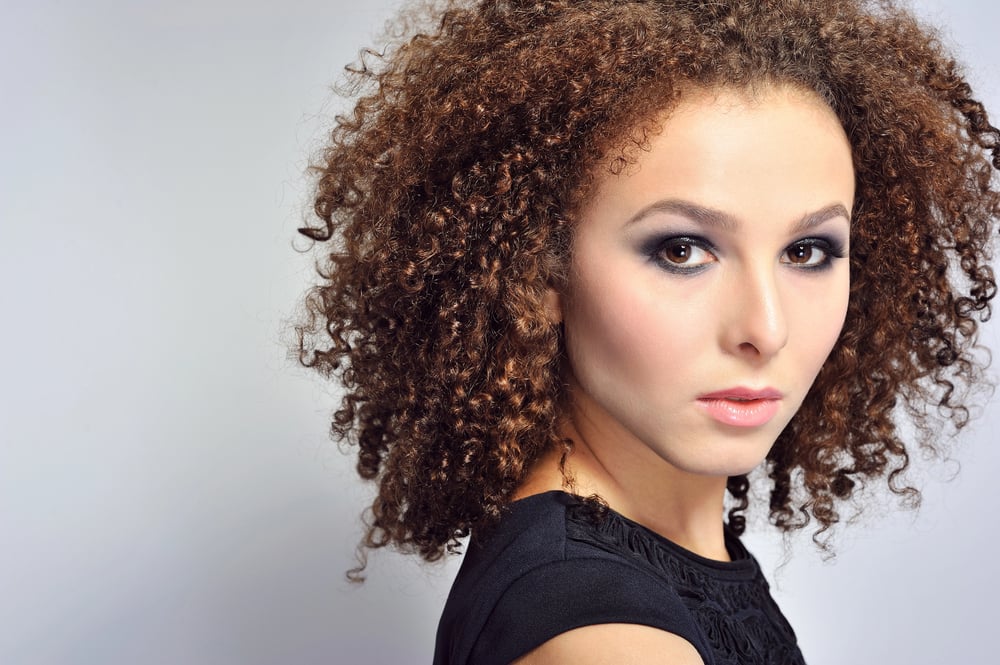
Volume exploded in the 1980s, pushed beyond reason. Curls ruled – perms turned smooth strands into thick spirals, built higher with brushing and spray stacked on top.
Size mattered most; tiny hairstyles disappeared like outdated rules. Bigger wasn’t just preferred – it defined fashion, power dressing, even dreams.
Chemicals reshaped hair daily, heated tools curled, fine-toothed rakes lifted at the root, clouds of aerosol sealed each creation. That foggy mist? It did more than hold styles – it stirred real fears about air safety when scientists raised alarms.
The Rachel From Friends

A haircut worn by Jennifer Aniston on Friends caught fire back then. Known later as The Rachel, it had uneven layers that curled outward slightly, giving off a relaxed yet tidy vibe.
Though it looked low effort, keeping it neat took real work – something Aniston apparently disliked. During the 1990s, countless people walked into hair studios asking for that very shape. It spread beyond television, becoming part of everyday talk and fashion.
Before that time, big, puffy styles ruled; this was different – softer, closer to how hair actually grows.
Zigzag parts and face-framing pieces of the 1990s
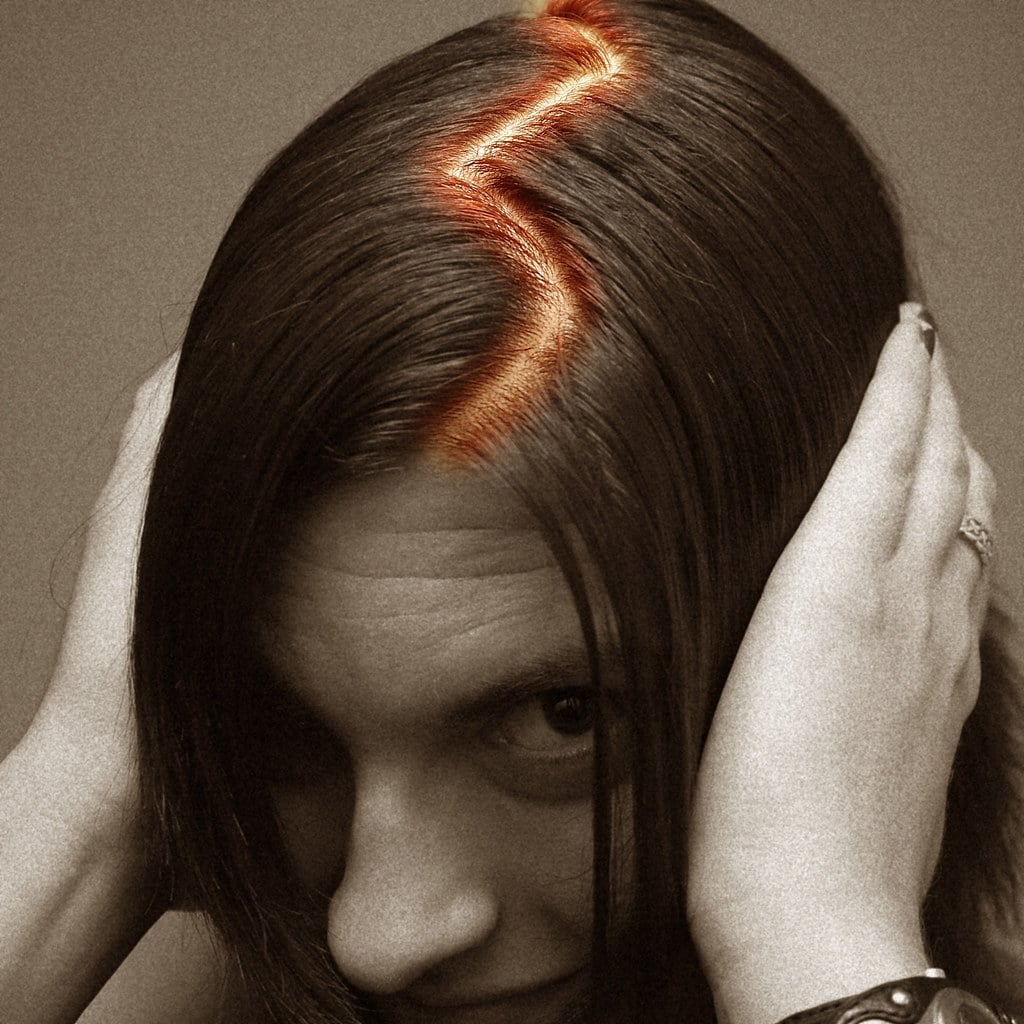
Back then, a single comb could define an entire hairstyle. Zigzag lines carved straight down the middle marked countless teenage heads throughout that decade.
A pair of slender locks dangled near each ear, separate from the rest which vanished into tight pulls at the crown. Pop icons flashed it first – soon copycats filled classrooms everywhere.
Looking back now, it feels odd, almost theatrical. Yet during those years, it was simply how things were done.
Supposedly, the strands softened facial shapes, maybe even slimmed them slightly. Truth is, they mainly signaled belonging – to a moment ruled by dial-up tones and scrunchies.
That tiny flourish said more than words: you lived in the nineties.
Flat-ironed scene hair of the 2000s
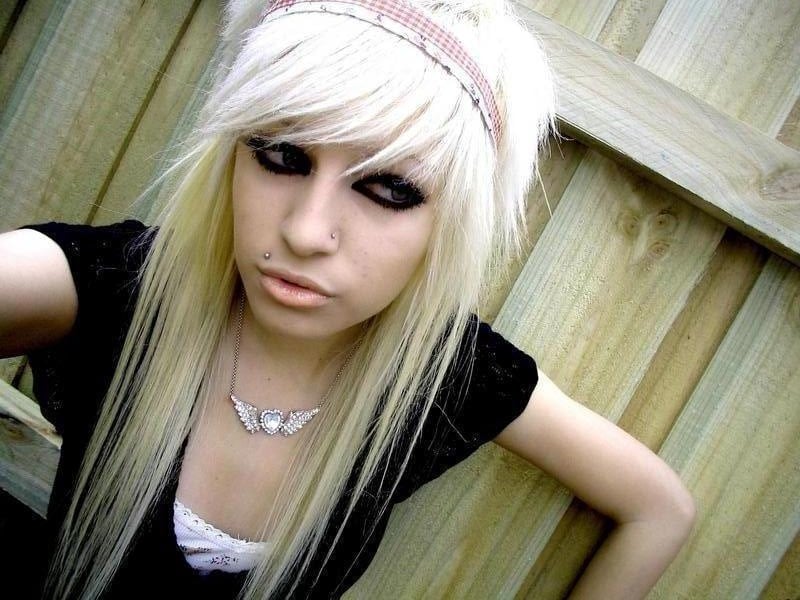
Haircuts in the early 2000s emo and scene scenes meant straight locks swept hard across one eye. Hours went into ironing out any wave until nothing curled left.
Bangs landed at a sharp tilt after all that smoothing work. Volume built in the back through teasing, standing against the sleek fronts.
Most chose black dye, yet hidden flashes of bold color showed beneath when light hit right. Fixing them again and again happened daily because they never stayed put long.
Seeing clearly? Not really part of the plan. Standing apart did matter – everything else just tagged along.
The man bun trend
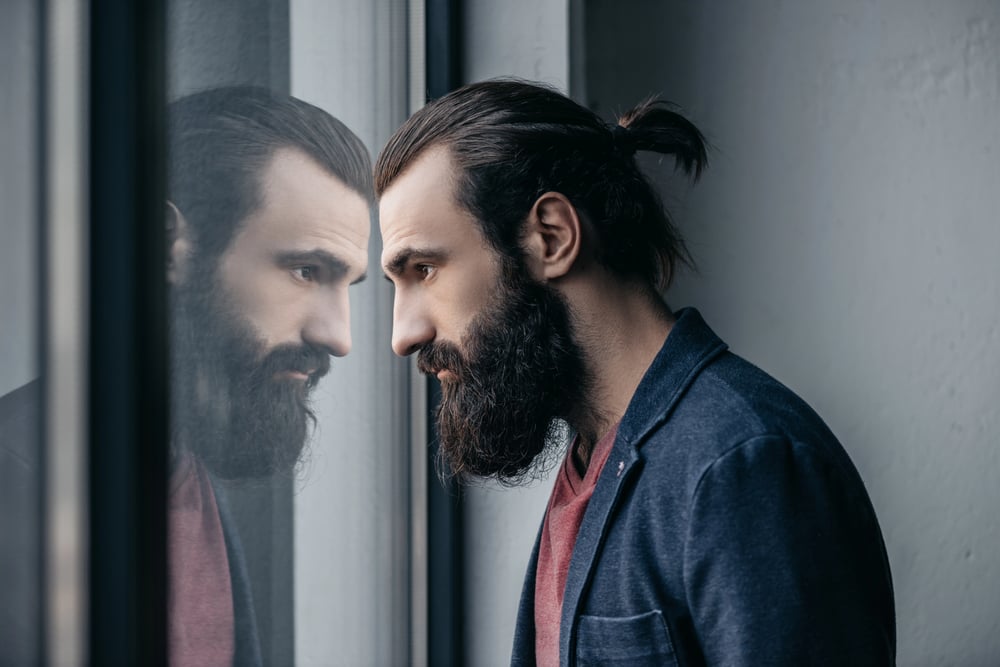
Top knots on men began turning heads when guys in the 2010s twisted their lengthy locks into neat bundles above the scalp. That shift stirred loud arguments over what counts as masculine, especially in clothing choices.
A fair number welcomed the relaxed ease of the look, whereas mockery poured in just as fast from those convinced it was a flash-in-the-pan fad. Yet, far from vanishing, the trend stuck around – seen on runners in LA, musicians in London, even dads at playgrounds across Europe.
It gave fellas with mid-length strands a solid option during summer heat or slow growth phases. Old beliefs about proper male grooming habits took a quiet hit without fanfare.
Whether praised or ridiculed, that clump of tied-up hair became one unmistakable symbol of the era.
Colored hair and creative dyes
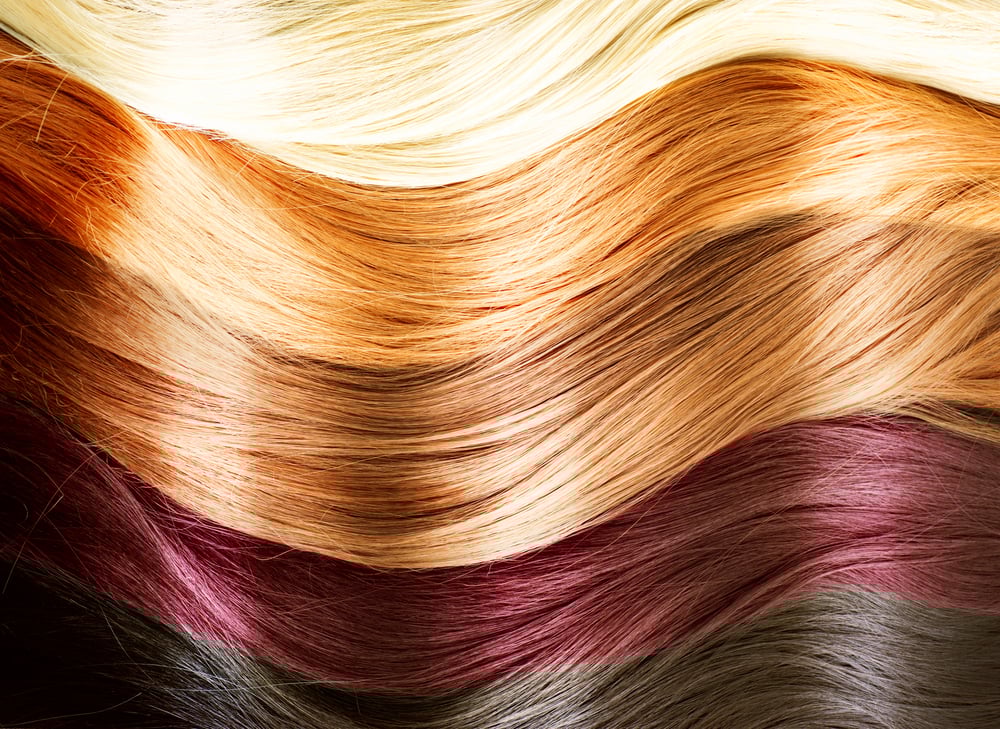
Bright hair stopped being just for rebels once social media took off in the 2010s. Purple, pink, even neon green – people wore them openly, no longer concerned with seeming too bold at work or school.
Instead of marking underground scenes, these hues showed up on commuters, teachers, parents. Temporary sprays gave way to long-lasting formulas, so testing a new look carried little risk.
Choosing an unusual color said more about who you were than which group you belonged to. Appearance began mirroring inner traits instead of old rules about what was appropriate.
What stood out before now blended into everyday life, quietly reshaping norms from within.
Where hair is heading now
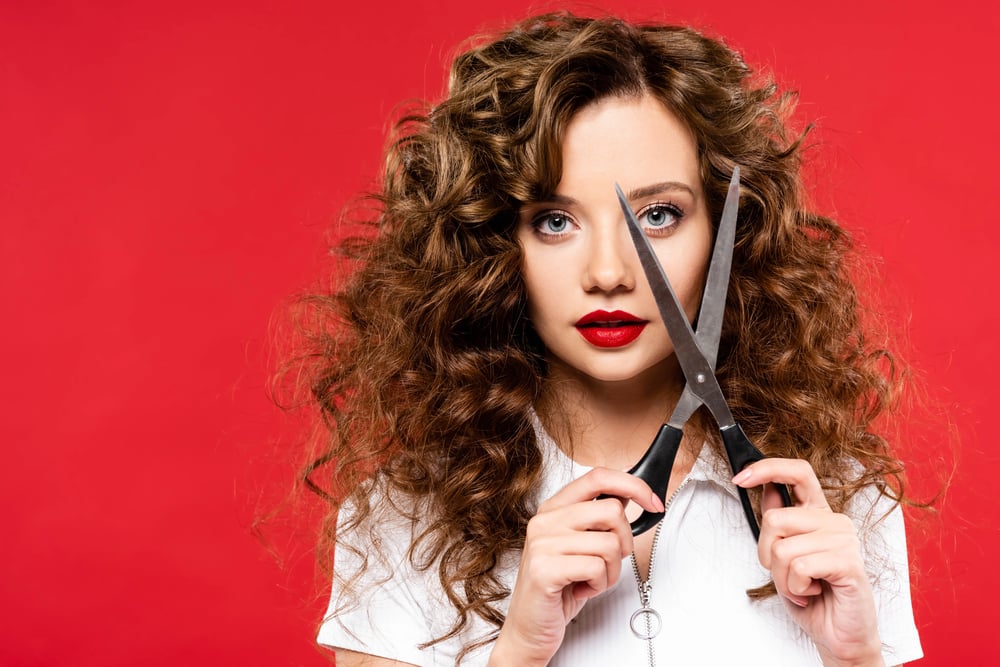
Right now, hair changes quicker than most things, thanks to videos flying across phones everywhere overnight. Think of it this way – what used to take decades shows up on screens globally by tomorrow morning.
People pick and choose how they want to look, pulling ideas from old movies, faraway places, or childhood memories. Gone is the need to straighten or cover up what grows naturally; curls, kinks, coils – all welcome now.
Tools and dyes let you test bold colors for a week, then switch again if you feel like it. Wearing your hair a certain way still says something, maybe about who you are or where you stand.
But these days, two people in the same crowd might rock totally different vibes, both perfectly fine. Uniformity? Not so much anymore.
More from Go2Tutors!

- The Romanov Crown Jewels and Their Tragic Fate
- 13 Historical Mysteries That Science Still Can’t Solve
- Famous Hoaxes That Fooled the World for Years
- 15 Child Stars with Tragic Adult Lives
- 16 Famous Jewelry Pieces in History
Like Go2Tutors’s content? Follow us on MSN.



