Insect Snacks Eaten Around the World
Most people in Western countries recoil at the thought of eating insects. But step outside that bubble and you’ll find billions of people who consider bugs a normal part of their diet.
These aren’t desperate survival foods either—many insect snacks rank among the most prized delicacies in their respective cultures. The crunch, the flavor, the nutrition all make sense once you get past the initial mental hurdle.
Grasshoppers in Mexico
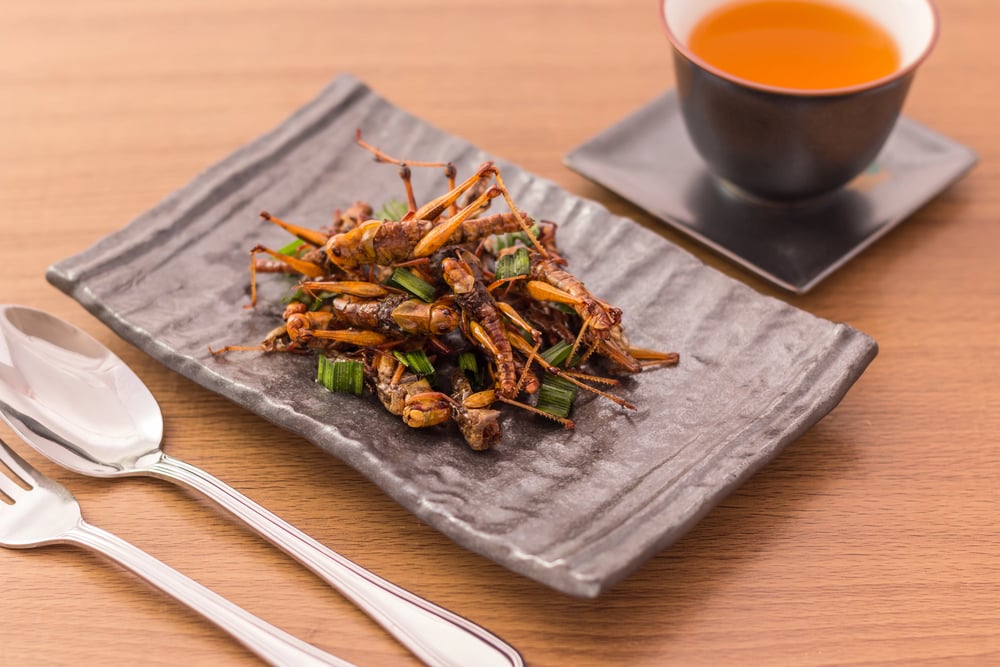
Chapulines have been part of Mexican cuisine since before the Spanish arrived. You’ll find them toasted and seasoned with garlic, lime juice, and salt, then sold in markets throughout Oaxaca.
Street vendors pile them high in baskets, and restaurants serve them as appetizers with a cold beer. The texture hits somewhere between popcorn and nuts.
They’re crunchy on the outside with a softer interior, and the seasoning does most of the heavy lifting for flavor. People eat them by the handful, often mixed into tacos or sprinkled on top of guacamole.
The protein content beats beef gram for gram, which probably explains why this snack has stuck around for thousands of years.
Fried Crickets in Thailand
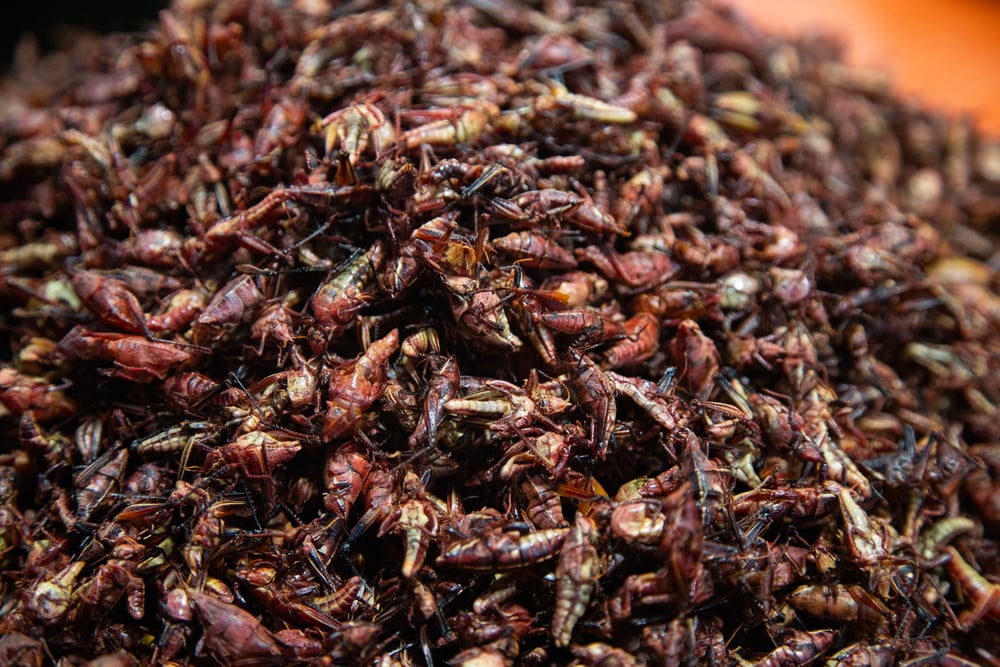
Thailand’s street food scene wouldn’t be complete without fried crickets. Vendors fry them in woks with oil until they turn golden brown, then toss them with soy sauce and sometimes a bit of pepper.
The crickets come in different sizes, from tiny ones you pop like peanuts to larger specimens that require more commitment. The taste leans nutty with hints of whatever seasoning the vendor used.
Kids grow up eating these as casually as Western kids eat chips. Night markets in Bangkok, Chiang Mai, and other cities always have at least one stall dedicated to fried insects, and crickets usually outsell the competition.
Witchetty Grubs in Australia
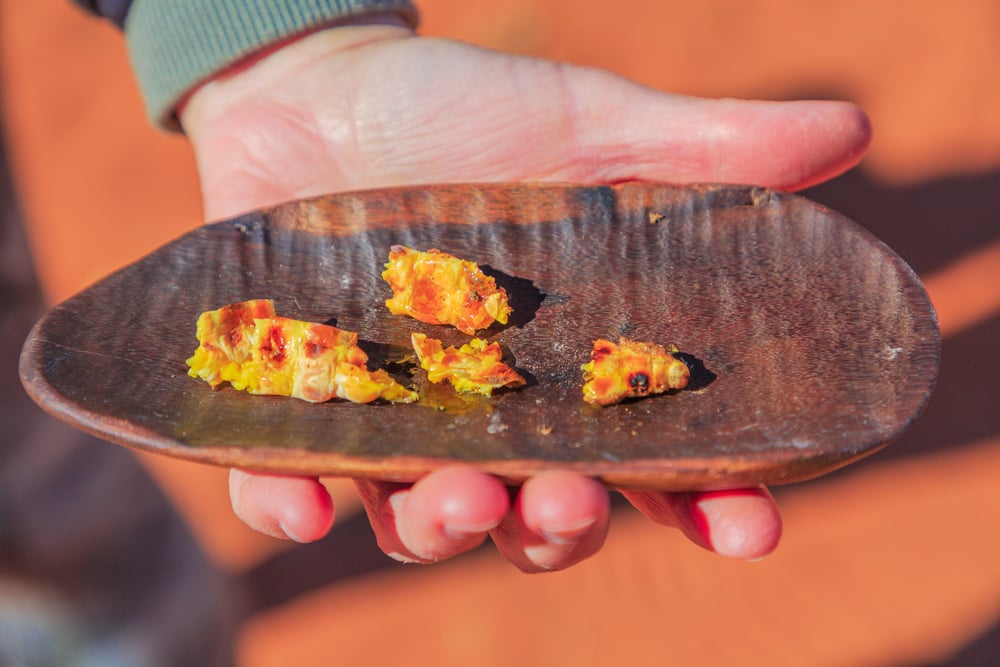
Aboriginal Australians have eaten witchetty grubs for over 60,000 years. These fat, white larvae of the cossid moth live in the roots of witchetty bushes and other plants.
You can eat them raw or cooked, though most people prefer them lightly roasted over coals. Raw grubs taste like almonds with a custard-like texture.
Cooked ones develop a crispy skin while the inside stays creamy, almost like scrambled eggs. The grubs pack significant protein and fat, which made them a crucial food source for people living in harsh desert environments.
Today, both Indigenous Australians and adventurous tourists seek them out.
Mopane Worms in Southern Africa
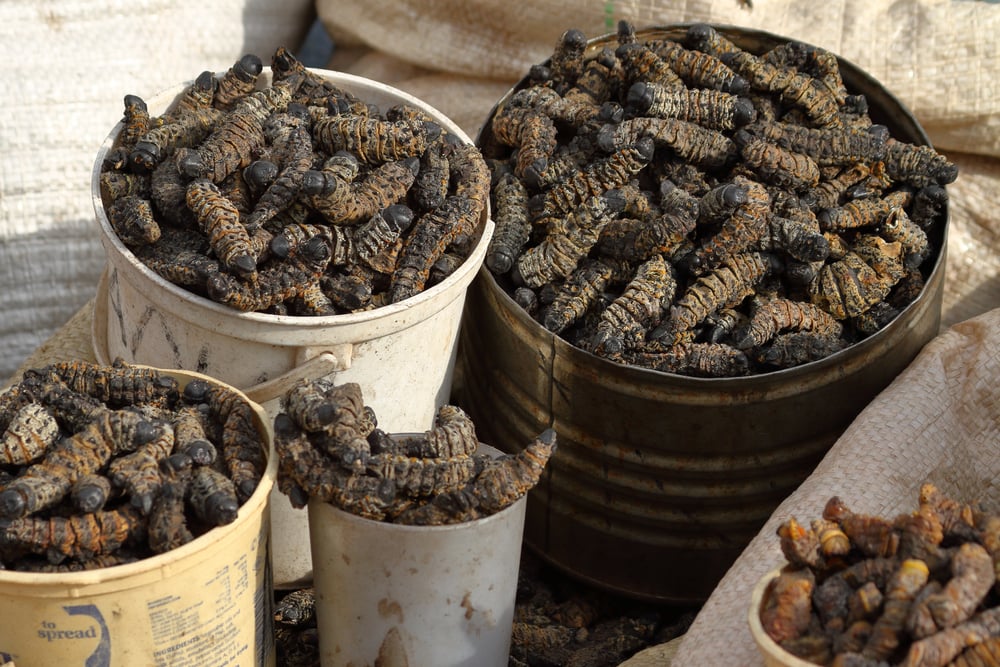
Mopane worms dominate the edible insect market across Zimbabwe, Botswana, and South Africa. These caterpillars feed on mopane tree leaves and grow to about four inches long.
Harvesters squeeze out the guts, then dry the worms in the sun or smoke them over fires. The dried worms have a woody, earthy flavor that intensifies when you fry them with onions and tomatoes.
Some people rehydrate them in water before cooking, while others eat them straight from the bag like jerky. Markets sell them by the sack, and families stockpile them for protein during lean times.
The annual harvest provides income for thousands of rural women who collect and sell the worms.
Silkworm Pupae in Korea
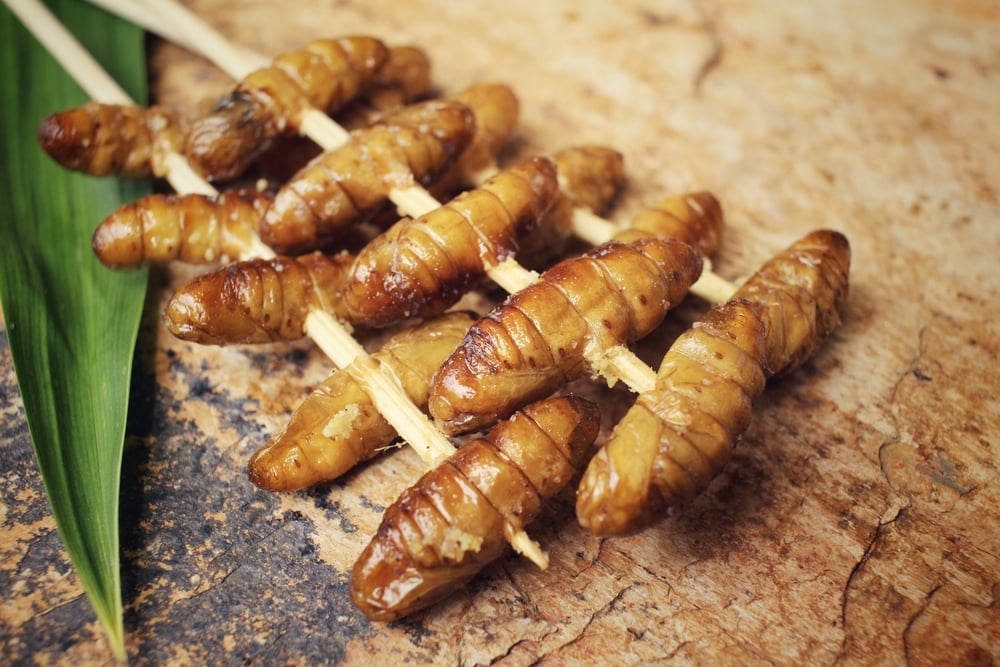
Beondegi refers to steamed or boiled silkworm pupae, sold from street carts throughout South Korea. After silk producers extract the silk from cocoons, the leftover pupae become food.
Vendors simmer them in a seasoned broth, then serve them hot in paper cups with toothpicks. The smell hits you first—nutty and slightly fermented.
The taste follows with an earthy, almost woody flavor and a chewy texture that some people compare to edamame. Older Koreans remember eating beondegi as a protein source during harder times, and the snack carries nostalgic weight.
Younger generations eat them more for novelty, though the street vendors stay busy.
Bamboo Worms in Southeast Asia
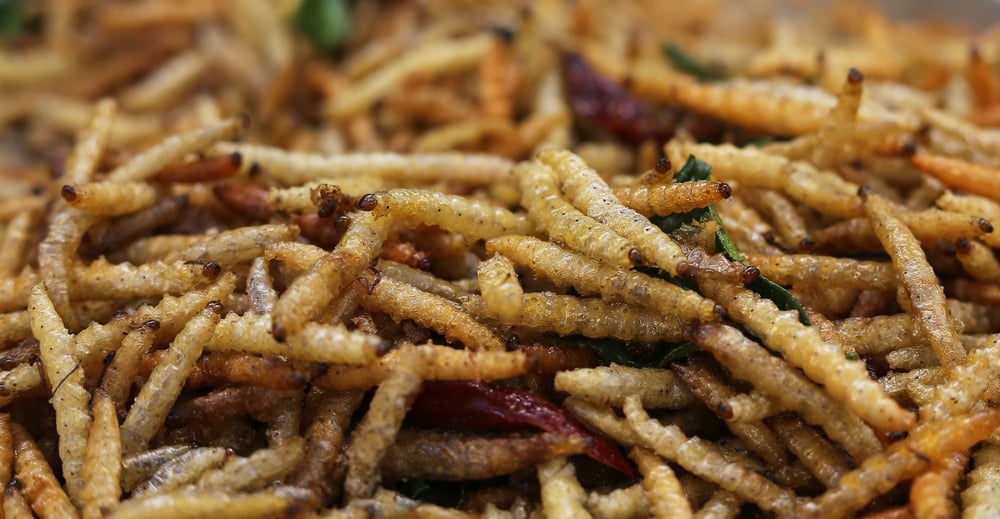
Bamboo worms, actually the larvae of bamboo boring beetles, have become trendy snacks across Thailand, Laos, and Vietnam. Farmers collect them from bamboo stalks, then fry them until crispy.
The worms puff up during cooking and turn golden brown. They taste surprisingly mild—sort of like corn puffs with a slight nutty undertone.
The light, airy texture makes them easy to eat by the handful. Bars in Bangkok serve them alongside beer, and they’ve started appearing in fancy restaurants as garnishes on upscale dishes.
The farming process is relatively simple, which keeps prices low and availability high.
Escamoles in Mexico
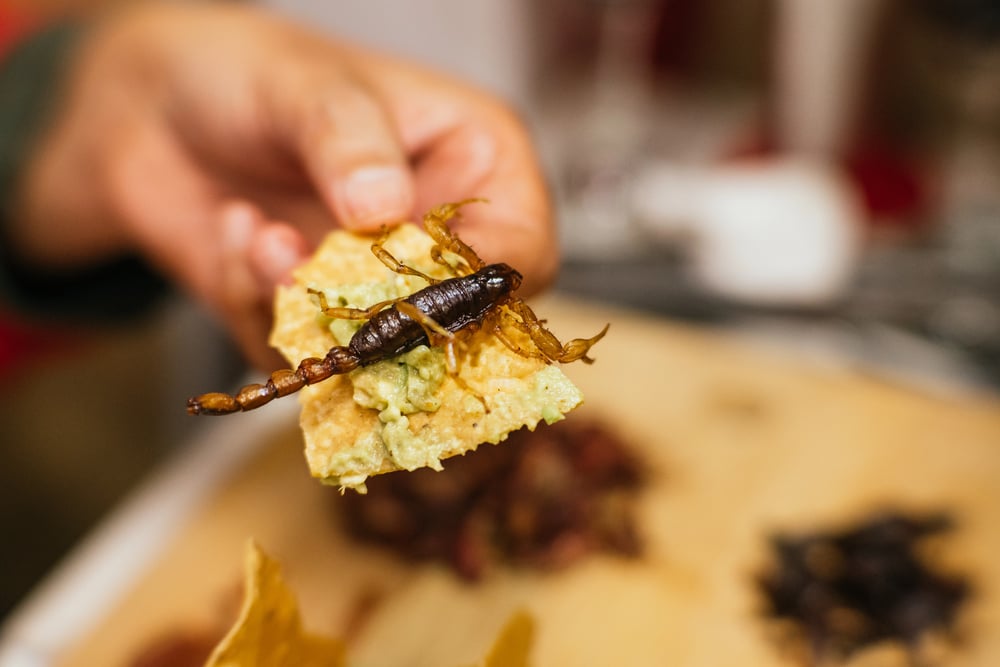
Escamoles might be the world’s most expensive insect food. These ant larvae and pupae come from specific species that nest at the base of agave and other plants.
Harvesters dig them out carefully during a narrow collection window each spring. The flavor resembles cottage cheese or butter with a nutty finish.
Mexican chefs sauté them with butter, garlic, and chilies, then serve them in tacos or as a standalone dish. The texture stays soft and slightly grainy.
A single plate can cost as much as premium steak in Mexico City restaurants. Collectors risk ant bites to gather them, and the limited harvest season drives up the price even further.
Water Bugs in Thailand
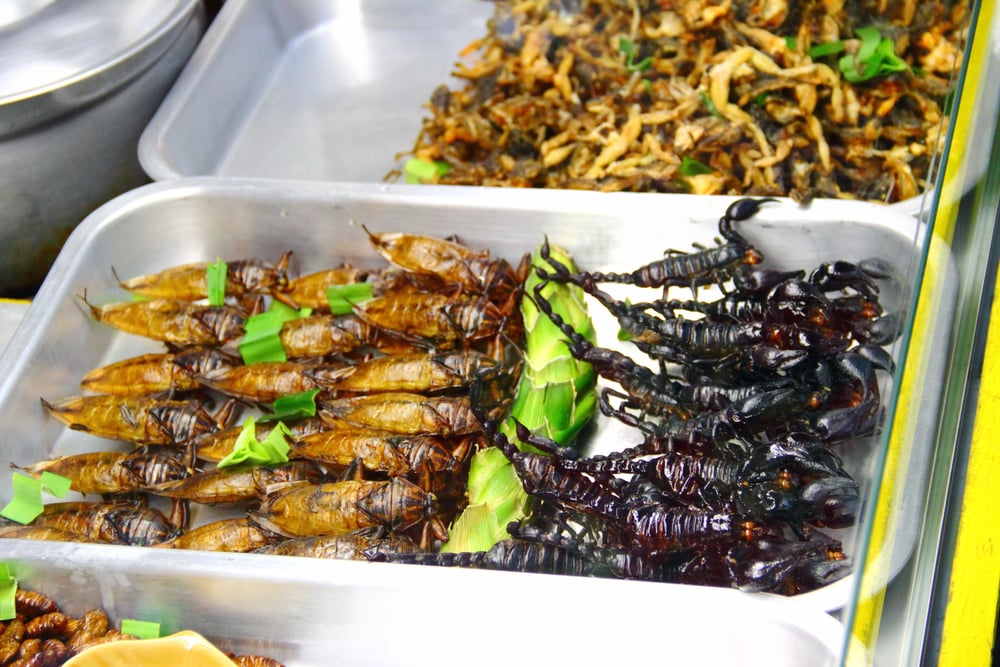
Giant water bugs, known as maeng da in Thai, grow to about three inches long and live in rice paddies and ponds. People eat the bodies after removing the wings and legs, and they also extract an essence from the bugs to use as a flavoring agent in sauces and chili pastes.
The bugs taste strongly of anise or black licorice, which polarizes opinions. Some people love the distinctive flavor, while others find it overwhelming.
Markets sell them whole for cooking at home, or you can buy the extracted essence in small bottles. Male water bugs carry eggs on their backs, and in some regions, the egg-bearing males command higher prices because the eggs add extra flavor and texture.
Locusts in the Middle East
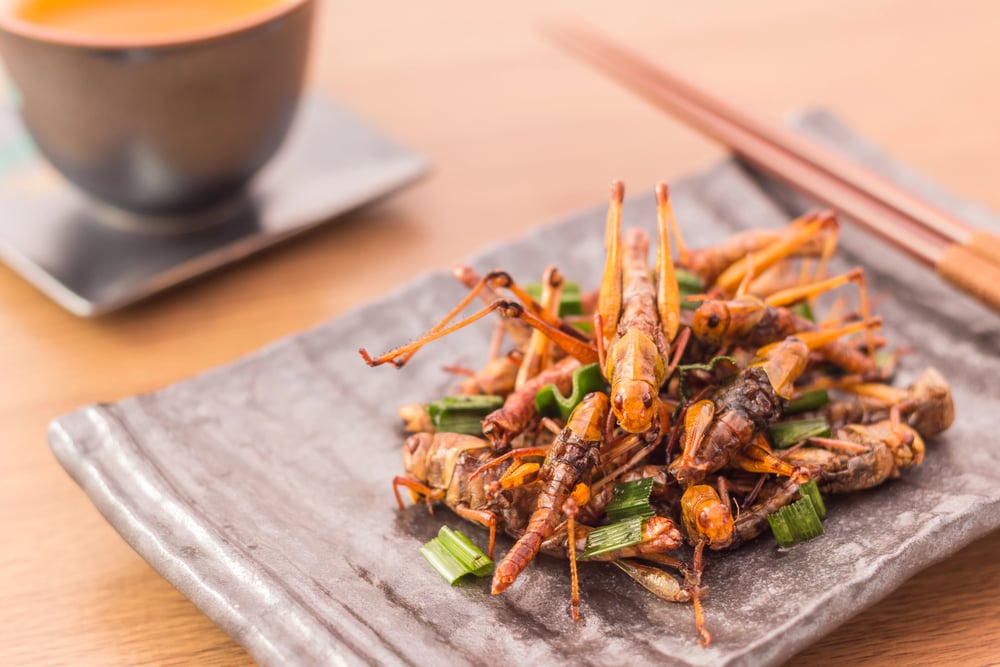
Locusts have fed people across the Middle East and North Africa for millennia. When swarms descend on crops, farmers collect the locusts and turn disaster into dinner.
The insects get roasted, fried, or boiled, often with simple spices. The meat tastes mild and slightly sweet, with a texture that falls somewhere between shrimp and chicken.
Religious texts in Judaism and Islam specifically permit eating certain locust species, which helped establish them as acceptable food. Modern chefs in countries like Israel have started incorporating locusts into contemporary dishes, moving them from survival food to culinary ingredient.
Palm Weevil Larvae in Latin America
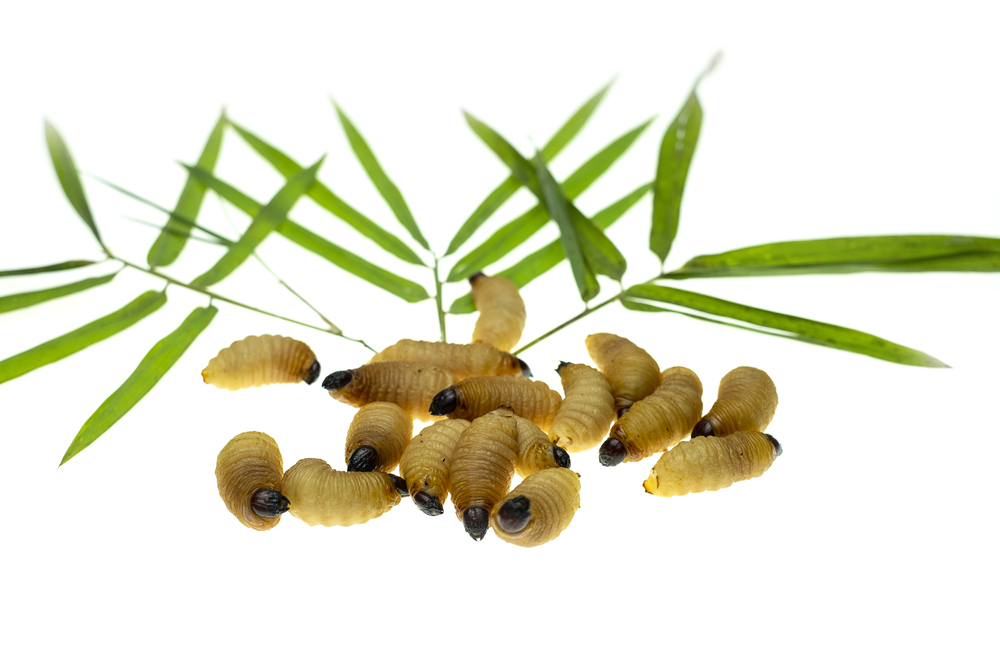
Palm weevil larvae, called suri in Peru and chontacuros in Ecuador, live inside palm trees and grow to about four inches long. Indigenous communities have eaten them for generations, and they remain a delicacy in the Amazon region.
Roasted larvae develop a crispy skin while the inside stays creamy and rich, almost like foie gras. The flavor is surprisingly delicate—slightly nutty with a hint of bacon fat.
Each larva contains as much protein as a small piece of meat, plus healthy fats. Restaurants in Lima and other cities have started featuring them on menus, though they cost significantly more than in jungle communities where people still harvest them regularly.
Stink Bugs in Southern Africa
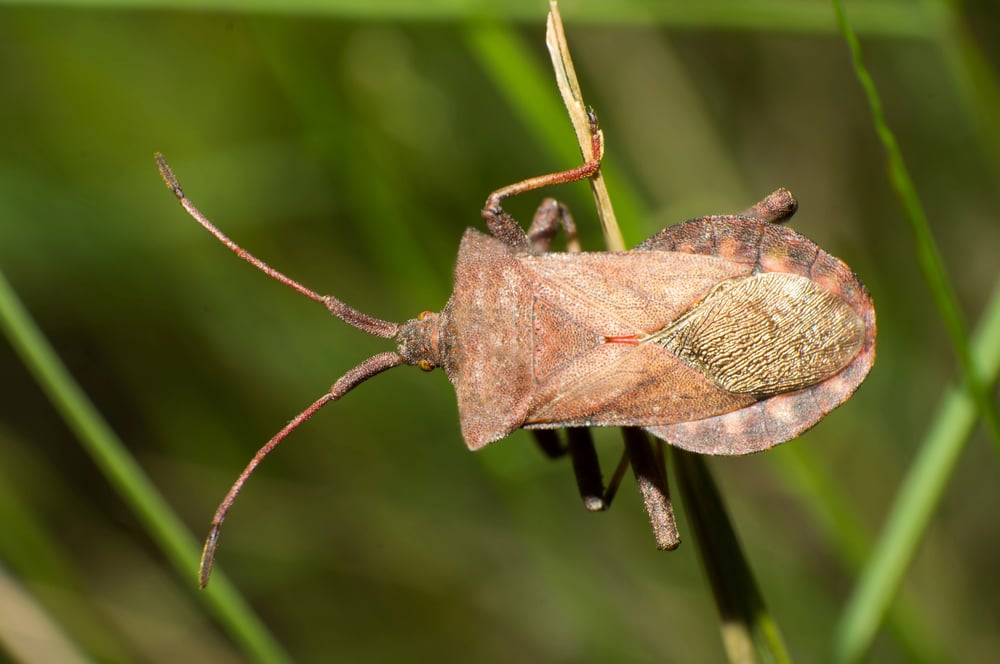
Certain stink bug species in South Africa and neighboring countries get harvested, boiled, and sun-dried for snacking. The preparation process removes the distinctive smell that gives these bugs their name.
Once dried, they have a crunchy texture and a flavor that people describe as somewhere between dried apple and herbs. Children often sell dried stink bugs along roadsides, packaged in small plastic bags.
The bugs provide vitamins and minerals that supplement diets in areas where fresh produce isn’t always available. People eat them plain or rehydrate them to add to stews and vegetable dishes.
Tarantulas in Cambodia
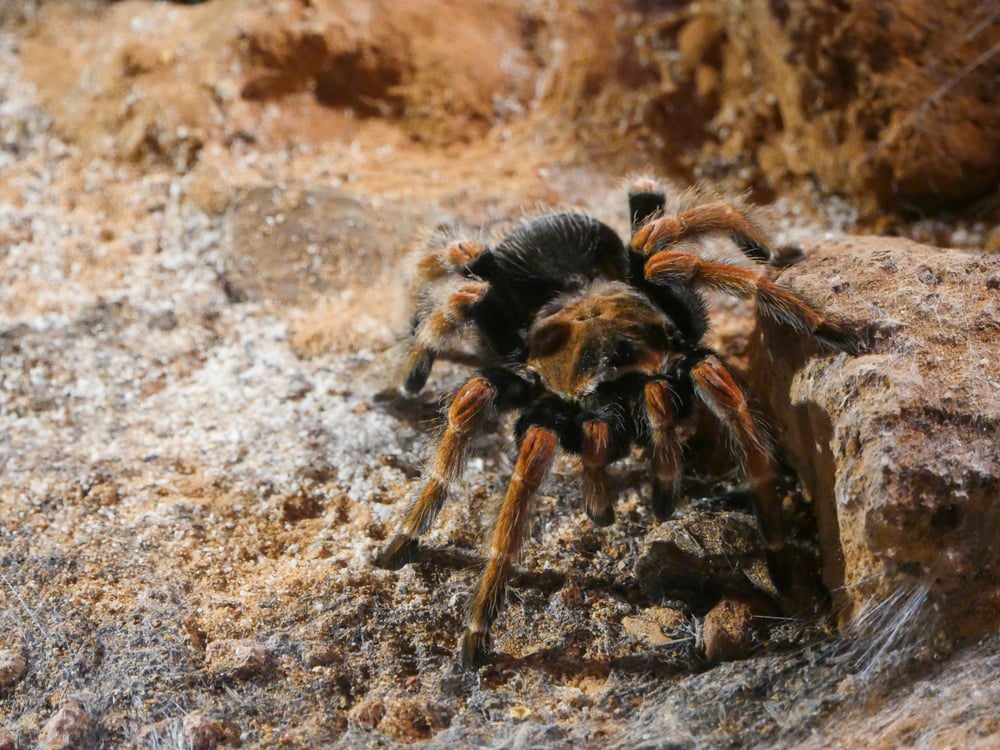
Fried tarantulas became popular in Cambodia during the Khmer Rouge era when food shortages forced people to find alternative protein sources. The tradition stuck, and now the town of Skuon has become famous for its spider vendors.
Sellers fry the tarantulas in oil with garlic and salt until the legs turn crispy and the body cooks through. The legs have a crunchy texture similar to fried crab legs, while the abdomen contains a soft, white paste that tastes like a mix of chicken and cod.
Most of the flavor comes from the garlic and oil rather than the spider itself. Tourists stop in Skuon specifically to try them, and locals treat them as a normal snack.
Termites in Africa
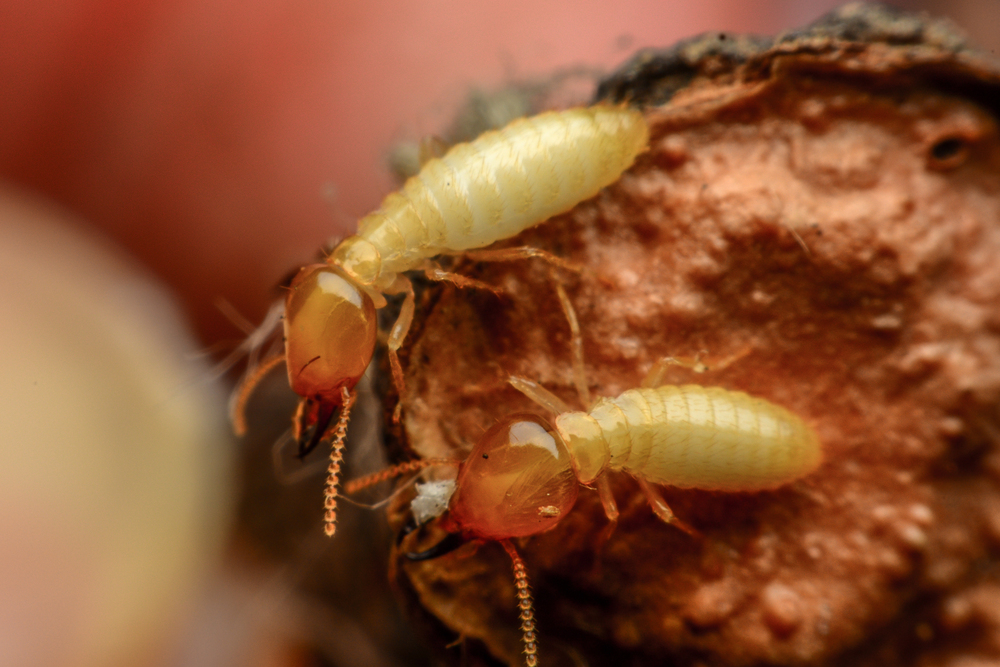
Across many African countries, the termite season brings excitement. When the rains come, winged termites emerge from their mounds for mating flights.
People gather around the mounds with buckets, collecting thousands of termites in minutes. The insects get fried or roasted, often with nothing more than a pinch of salt.
They taste nutty and slightly sweet, with a texture that’s crispy when cooked right. Children compete to see who can catch the most, and families feast on them while they’re fresh.
Some people sun-dry termites for later use, storing them as a protein-rich snack that lasts for months.
Mealworms in Modern Cuisine
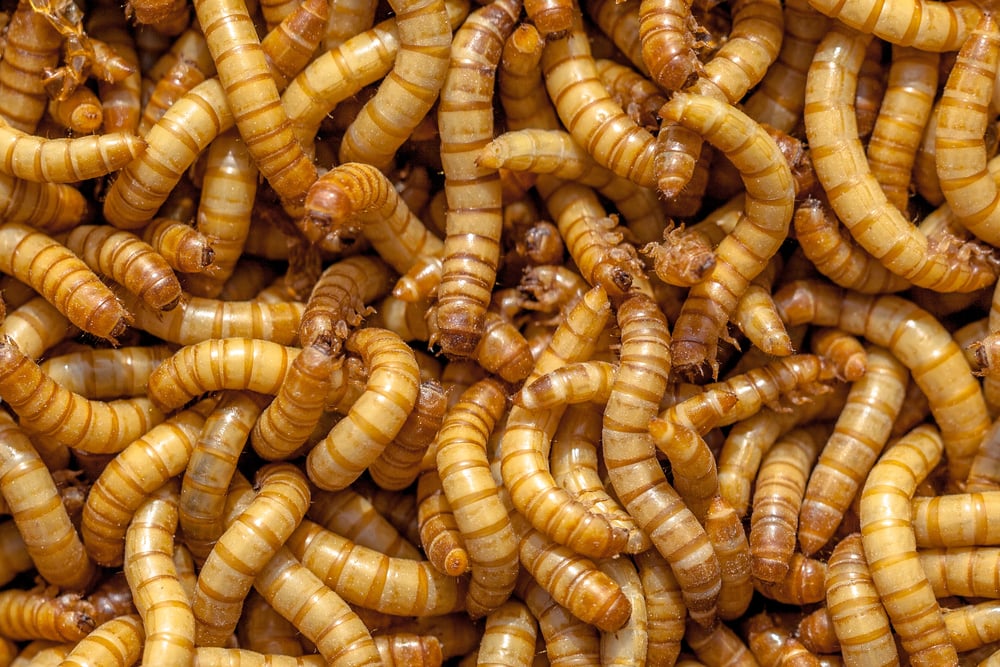
Mealworms have moved from pet food to human food, particularly in Europe and North America. Farms now raise them specifically for consumption, and restaurants use them in everything from burgers to desserts.
They taste mild and slightly nutty, which makes them easy to incorporate into familiar dishes. The texture works well when fried crispy or ground into flour.
Environmental concerns about meat production have pushed mealworms into the spotlight—they require far less water, land, and feed than traditional livestock. Several companies sell roasted mealworms seasoned with flavors like barbecue or sour cream, marketed like chips.
What Keeps the Practice Alive
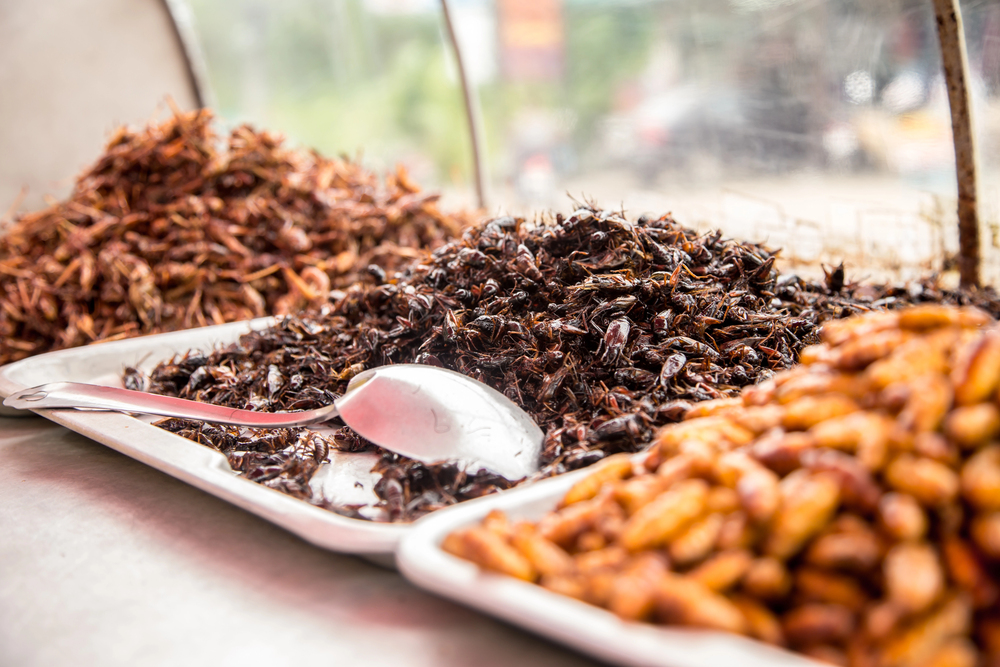
Few folks munch on bugs out of necessity today – at least not across much of the world. Taste keeps the tradition alive, along with cultural roots that run deep.
Money talks too; raising insects costs little. They multiply fast, demand almost nothing to grow, turning scraps into high-quality protein better than livestock ever could.
What feels normal around food often comes down to what came before. If your family always ate a certain way, that just makes sense to you.
Questioning those habits rarely happens when they are all you know. In places where bugs on plates aren’t strange, there’s nothing to accept – just daily life.
Now, even some Western kitchens begin shifting, nudged by eco-awareness and new tastes. Elsewhere, forks have long moved without hesitation toward insect-based bites.
More from Go2Tutors!

- The Romanov Crown Jewels and Their Tragic Fate
- 13 Historical Mysteries That Science Still Can’t Solve
- Famous Hoaxes That Fooled the World for Years
- 15 Child Stars with Tragic Adult Lives
- 16 Famous Jewelry Pieces in History
Like Go2Tutors’s content? Follow us on MSN.



