16 Political Movements That Lasted Only Months
While certain revolutions in politics are spectacular, powerful, and fleeting, others travel like meteors across the landscape. Some political causes take decades to get traction, while others gain enormous intensity and then fade away in a matter of months.
These fleeting political occurrences frequently highlight the erratic character of public opinion and the difficult task of maintaining grassroots momentum. From radical uprisings to reform movements that promised to change everything, history is littered with political causes that burned bright and fast.
Here is a list of 16 political movements that captured public attention yet lasted only months before disappearing into the history books.
The Know-Nothing Party Presidential Campaign
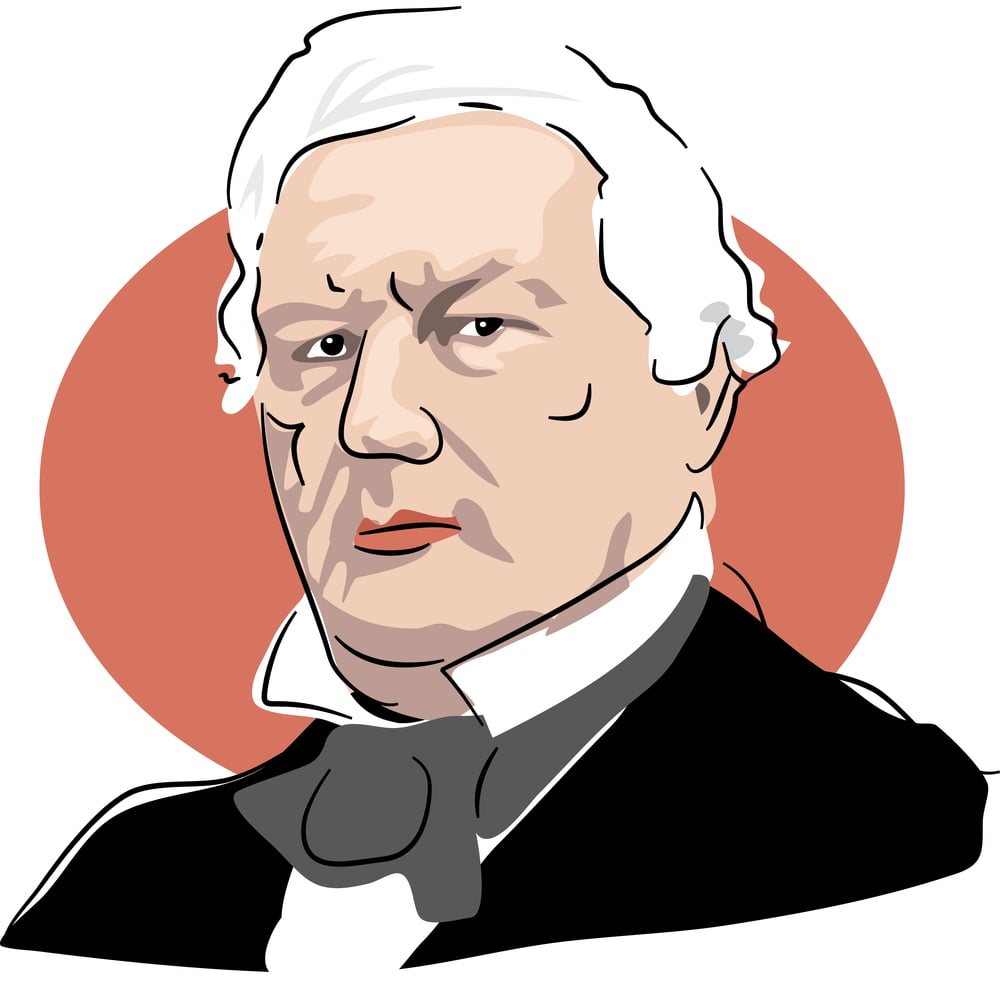
The American Party—better known as the Know-Nothings—had their moment of national prominence during the 1856 presidential election cycle. Former President Millard Fillmore carried their anti-immigrant, anti-Catholic banner for about eight months of serious campaigning, though the movement’s secretive nature couldn’t sustain national interest.
They quickly dissolved after Fillmore’s poor showing at the polls.
The Paris Commune
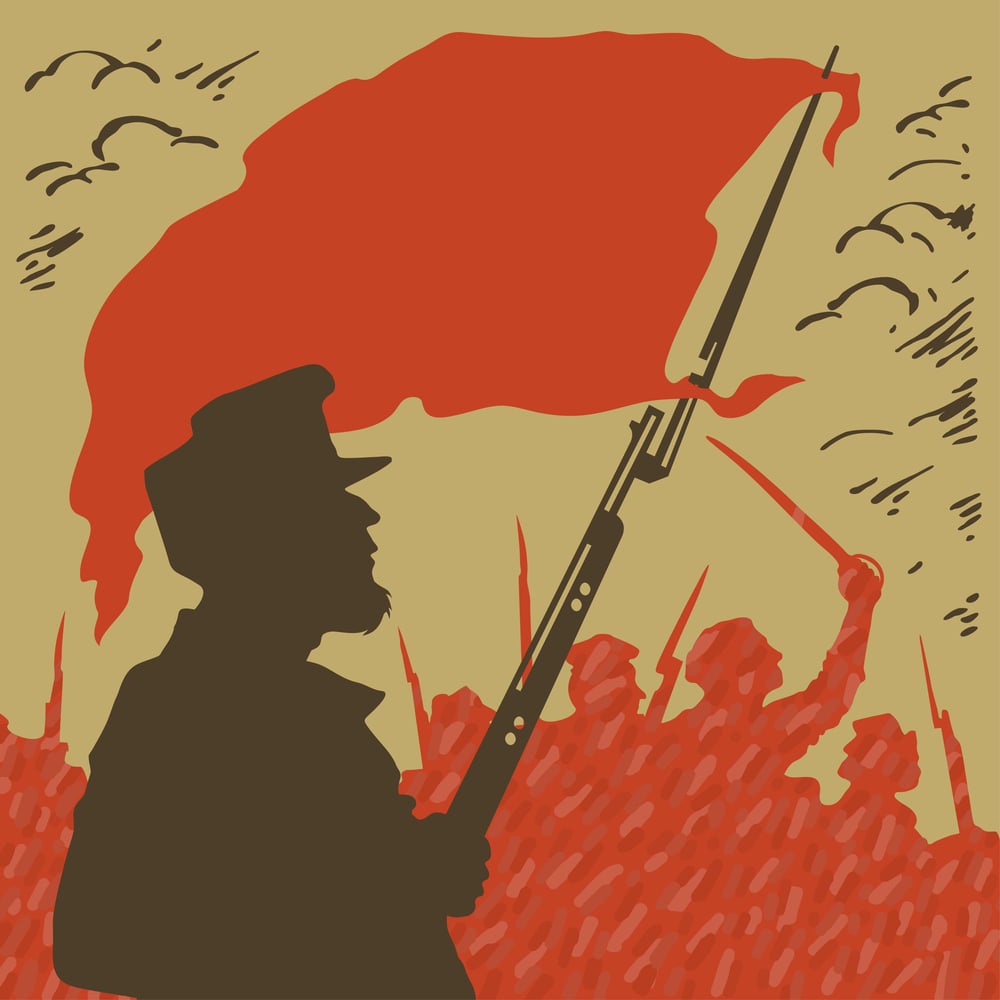
For just 72 days in 1871, the Paris Commune represented one of history’s most radical experiments in democratic governance. This revolutionary government took control of Paris following France’s defeat in the Franco-Prussian War—implementing progressive policies like worker cooperatives and women’s rights.
The movement ended violently when French government forces retook the city, yet its brief existence influenced socialist movements worldwide.
Like Go2Tutors’s content? Follow us on MSN.
Occupy Wall Street
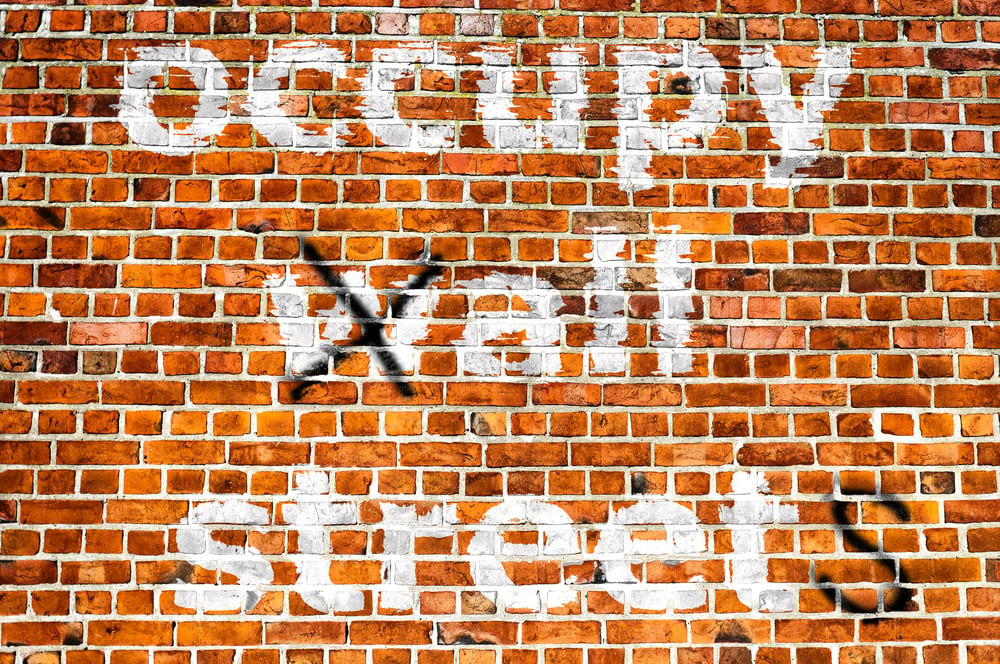
Occupy Wall Street, which began in September 2011, attracted international attention by focusing on corporate power in politics and economic injustice. Although it inspired similar demonstrations around the world, the movement’s encampment in Zuccotti Park lasted for roughly two months before police removed the demonstrators.
It was challenging to keep the momentum going after the first spike in enthusiasm due to a lack of clear leadership and defined demands.
The Tea Party Express

Though the broader Tea Party movement lasted years, the specific Tea Party Express bus tours that dominated headlines occurred in concentrated bursts throughout 2009 and 2010. Each tour lasted only weeks yet generated massive media coverage and political energy—their ability to capture attention came from theatrical cross-country rallies.
Individual tours burned out quickly due to logistical challenges and evolving political focus.
Hungary’s Revolution of 1956
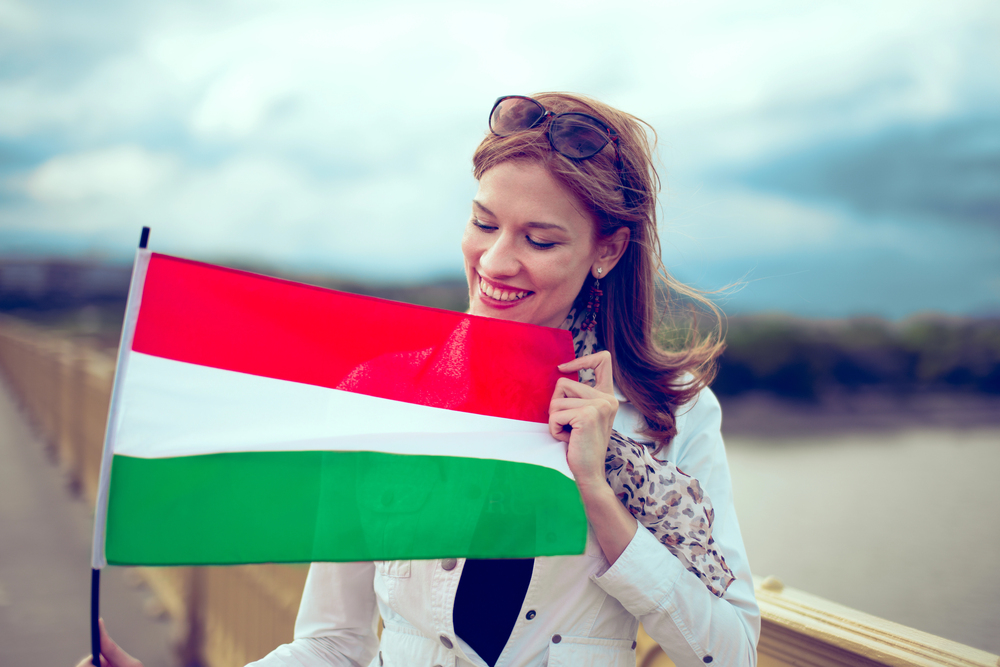
The Hungarian Revolution began in October 1956 and lasted just three months before Soviet tanks crushed the uprising. Students and workers initially succeeded in overthrowing the communist government—establishing a multi-party system under Imre Nagy.
The brief period of freedom ended when the Soviet Union intervened militarily, though the revolution became a symbol of resistance against authoritarian rule.
Like Go2Tutors’s content? Follow us on MSN.
The Bonus Army March
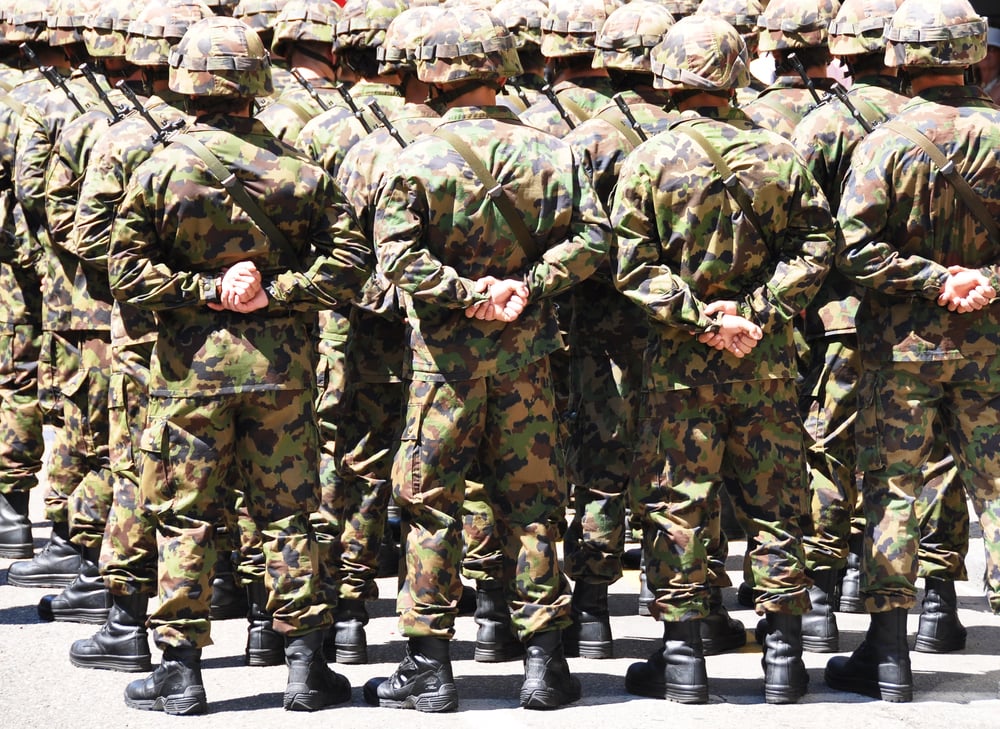
In the summer of 1932, approximately 43,000 veterans and their families marched on Washington demanding early payment of their World War I service bonuses. The protest lasted about four months before President Hoover ordered the military to clear the encampments—creating a dramatic end that contributed to Hoover’s electoral defeat.
General MacArthur leading troops against veterans became a defining moment of that era.
Czechoslovakia’s Velvet Revolution
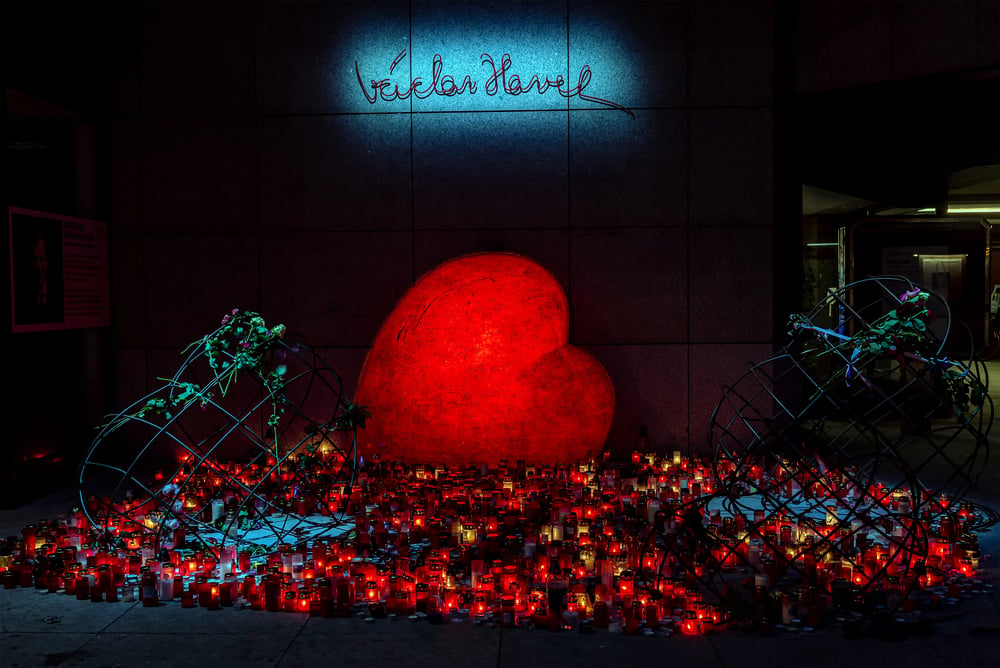
The Velvet Revolution of 1989 transformed Czechoslovakia from a communist state to a democracy in just six weeks. Student protests in November quickly snowballed into massive demonstrations across the country, forcing the communist government to negotiate—though the movement’s remarkable speed came from decades of suppressed opposition suddenly finding voice.
Its brief duration reflected the rapid collapse of communist authority across Eastern Europe.
The Orange Revolution in Ukraine
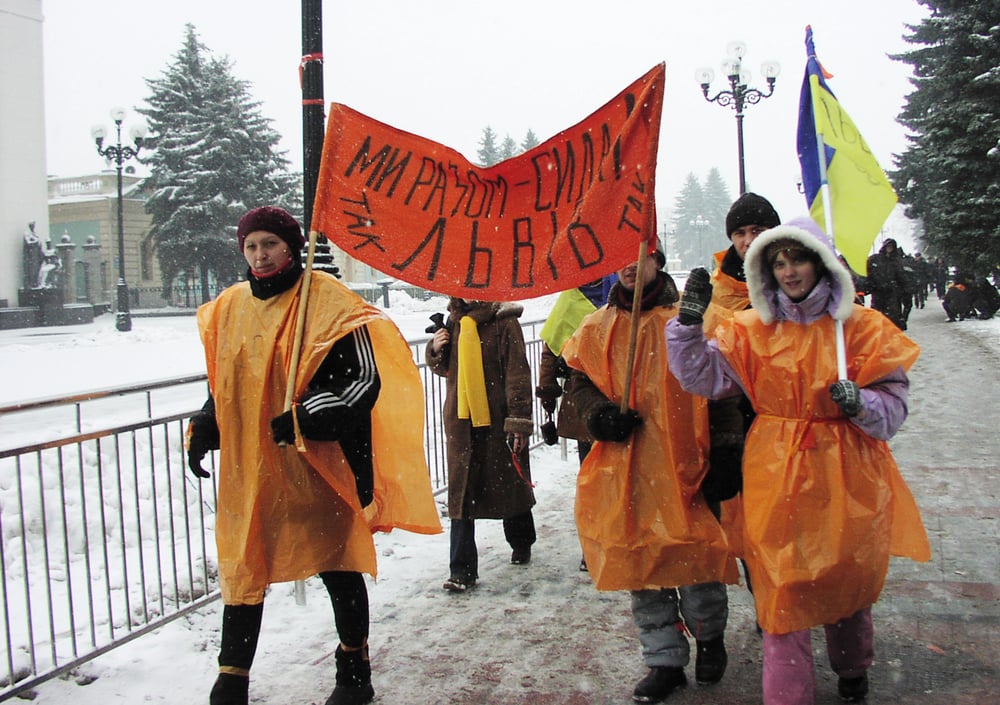
Ukraine’s Orange Revolution lasted from late November 2004 through January 2005, triggered by allegations of electoral fraud in the presidential election. Protesters wearing orange clothing filled Kiev’s Independence Square for about two months until new elections were held—achieving their immediate goal of fair elections.
The movement struggled to maintain unity afterward, highlighting how single-issue movements often lose direction once their primary objective is met.
Like Go2Tutors’s content? Follow us on MSN.
Spain’s 15-M Movement
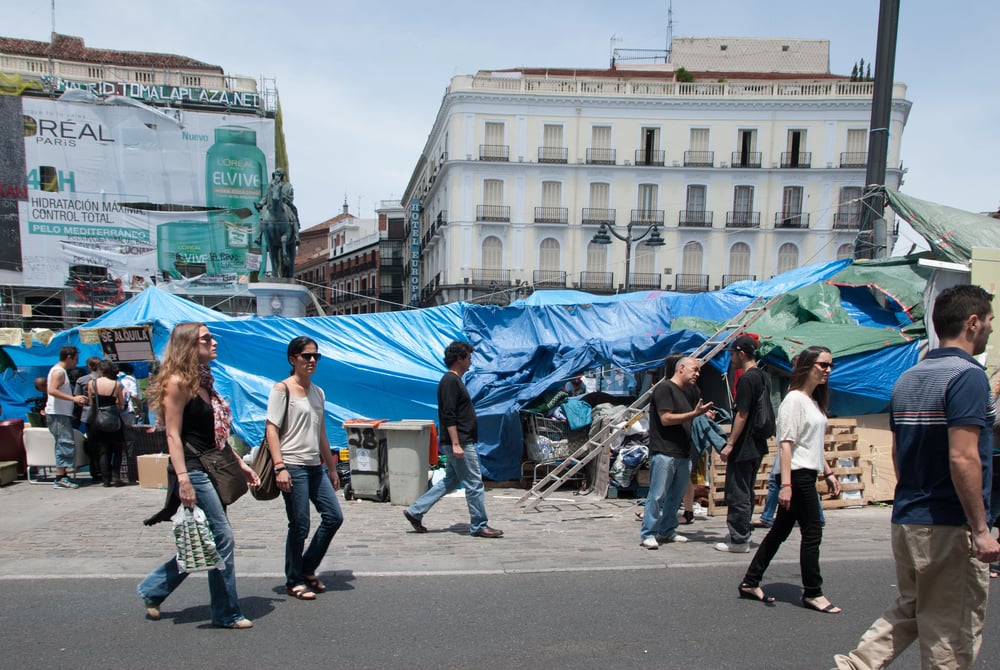
Spain’s 15-M Movement, also known as the Indignados, occupied public squares across the country from May to August 2011. The protests began 15 days before municipal elections—focusing on economic inequality and political corruption.
While the movement lasted only a few months, it successfully challenged Spain’s two-party system and influenced the creation of new political parties like Podemos.
The Prague Spring
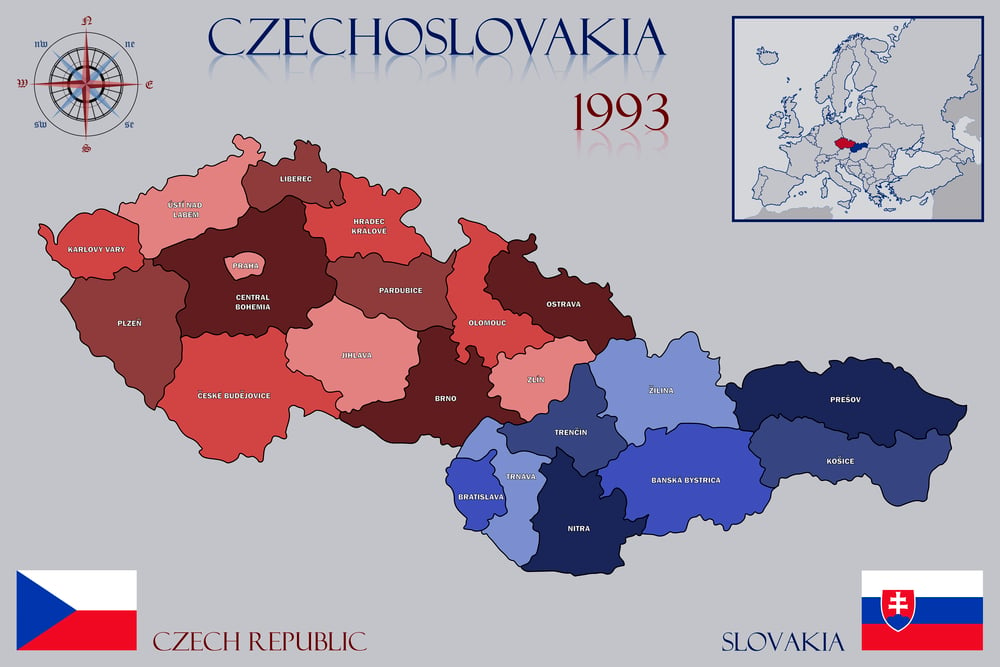
Czechoslovakia’s Prague Spring lasted from January to August 1968, representing eight months of political liberalization under Alexander Dubček. The movement promoted ‘socialism with a human face’—relaxing censorship while allowing greater political freedom.
The experiment ended abruptly when Warsaw Pact troops invaded in August, yet its brief flowering demonstrated the possibility of reforming communist systems from within.
Germany’s Spartacist Uprising
The Spartacist Uprising in Berlin lasted just nine days in January 1919, though it nearly toppled Germany’s newly established Weimar Republic. Led by Rosa Luxemburg and Karl Liebknecht, the communist revolutionaries attempted to seize power following World War I’s end.
The movement’s quick defeat by government forces and the execution of its leaders effectively ended the immediate threat of communist revolution in Germany.
Like Go2Tutors’s content? Follow us on MSN.
The Canadian Convoy Freedom Movement
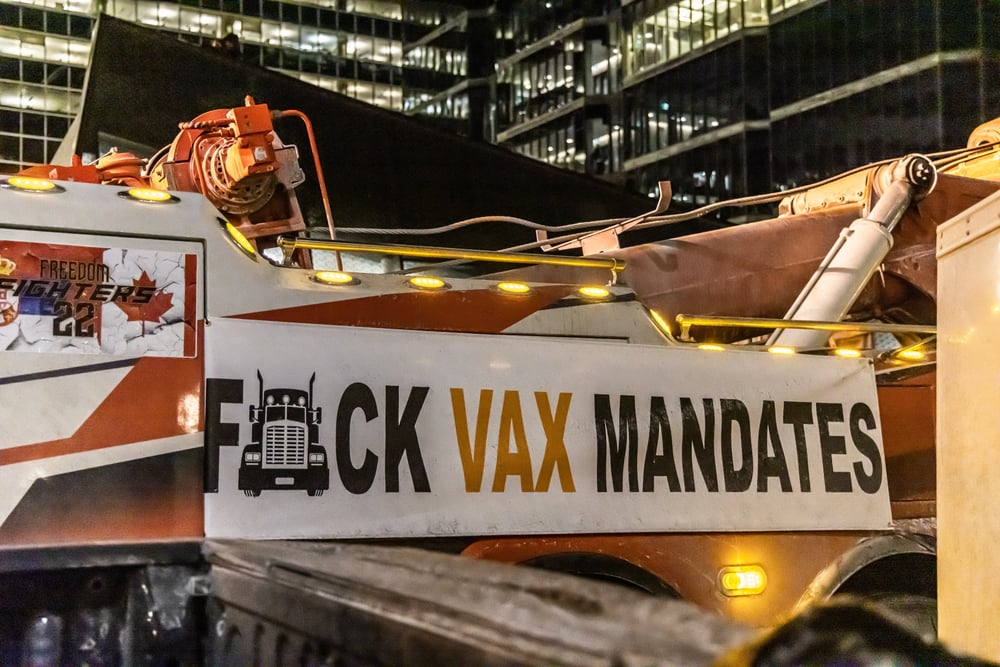
The Freedom Convoy protests in Ottawa began in late January 2022 and lasted about three weeks before police cleared the demonstrators. Truck drivers and supporters protested COVID-19 vaccine mandates, occupying downtown Ottawa while blocking border crossings.
The movement’s rapid rise and fall reflected the intense yet short-lived nature of pandemic-related political activism.
The Kapp Putsch
The Kapp Putsch attempted to overthrow Germany’s Weimar Republic government in March 1920, lasting just four days. Right-wing paramilitaries led by Wolfgang Kapp seized Berlin but couldn’t maintain control when civil servants and workers went on strike.
The putsch collapsed so quickly that it became more of a historical footnote than a serious threat to German democracy, yet it highlighted the republic’s early instability.
Tunisia’s Jasmine Revolution
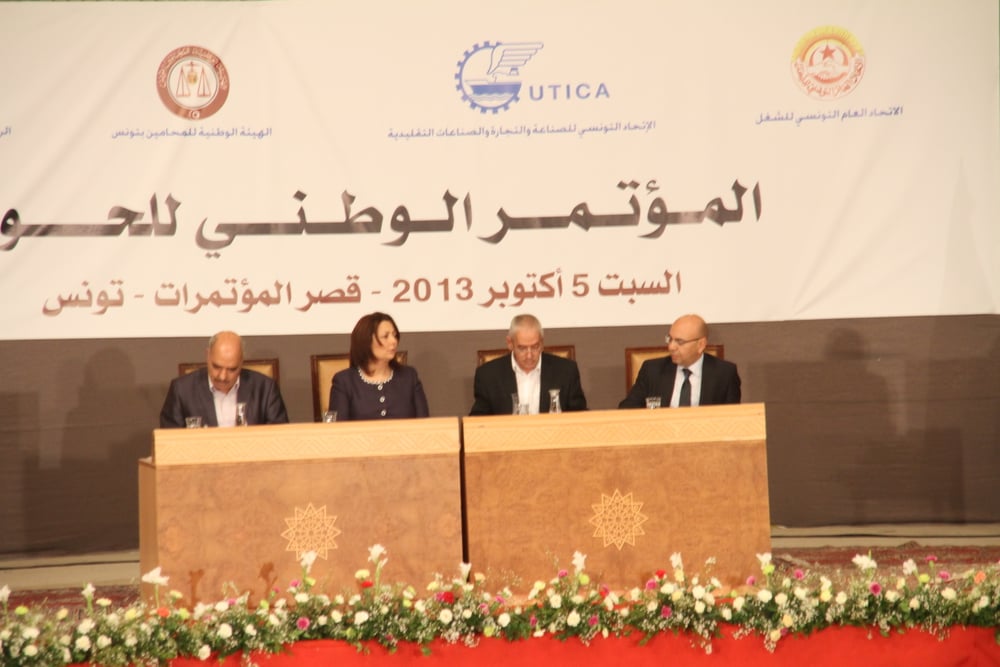
The Jasmine Revolution in Tunisia lasted roughly a month, starting in December 2010 and ending in January 2011 with President Ben Ali’s departure. Beginning in rural areas, street protests swiftly expanded to larger cities, completely overpowering security forces.
Although Tunisia’s revolution accomplished its objectives more quickly than comparable uprisings elsewhere, its quick success startled observers around the world and ignited the larger Arab Spring.
Like Go2Tutors’s content? Follow us on MSN.
The Greek Anti-Austerity Protests
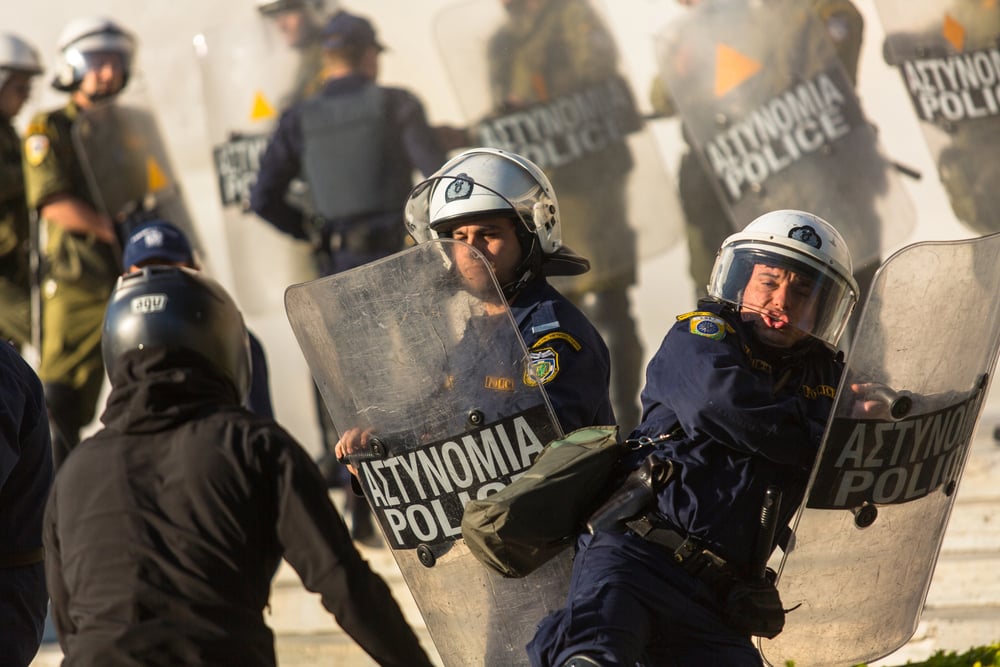
Greece’s anti-austerity protests peaked during the summer of 2011, with the most intense period lasting about three months. Demonstrators occupied Syntagma Square in Athens, protesting harsh economic measures imposed as conditions for international bailouts.
The movement gradually lost steam as protesters faced police crackdowns while the government implemented austerity measures regardless of public opposition.
The Iranian Green Movement
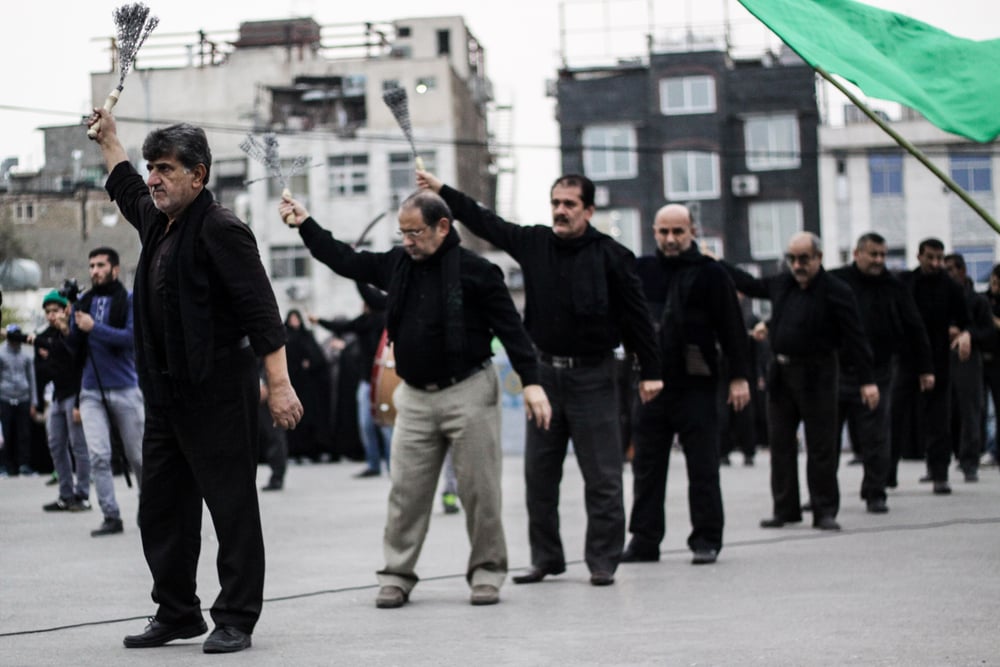
Iran’s Green Movement emerged after the disputed 2009 presidential election and maintained momentum for about six months before government crackdowns effectively ended large-scale protests. Supporters of opposition candidate Mir-Hossein Mousavi challenged the election results through massive street demonstrations, though the movement’s decline came as authorities arrested leaders and used increasing violence against protesters.
Its impact on Iranian civil society continued long after the visible protests ended.
When Movements Meet Reality

These brief political explosions remind us that timing, organization, and external circumstances matter as much as popular support in determining a movement’s lifespan. Many of these causes addressed real grievances while attracting genuine enthusiasm, yet they couldn’t navigate the complex challenge of translating street energy into lasting political change.
The most successful short-term movements often achieved specific, concrete goals, whereas those with broader, more abstract aims struggled to maintain focus and momentum. Today’s political movements can learn from both the successes and failures of these historical examples—understanding that sustainable change requires more than just initial passion and media attention.
Like Go2Tutors’s content? Follow us on MSN.
More from Go2Tutors!

- 16 Restaurant Chains That Went Too Fast
- 12 Things Sold in the 80s That Are Now Illegal
- 15 Strange Things People Have Tried to Ban (And Failed)
- 16 Collectibles People Tossed Out Too Soon
- 17 Myths from Your Childhood That Were Actually Based on Real Things
Like Go2Tutors’s content? Follow us on MSN.