Places women are banned from visiting
Travel should be about freedom and exploration, but some places around the world still don’t allow women to enter. These restrictions exist for various reasons, from religious traditions to old customs that haven’t changed in centuries.
While many of these bans spark debate and criticism, they remain in place, creating destinations that half the world’s population simply cannot visit.
Here are the places where women still face entry restrictions today. Some might surprise you.
Mount Athos

This peninsula in northern Greece has banned women for over 1,000 years. Mount Athos houses 20 Eastern Orthodox monasteries and follows strict religious rules that date back to the Byzantine era.
The monks believe keeping women out helps them focus on spiritual life without distractions. Even female animals are prohibited, though some cats have somehow managed to stick around.
The Greek government officially recognizes this ban, making it one of the few legally protected gender restrictions in Europe.
Haji Ali Dargah inner sanctum
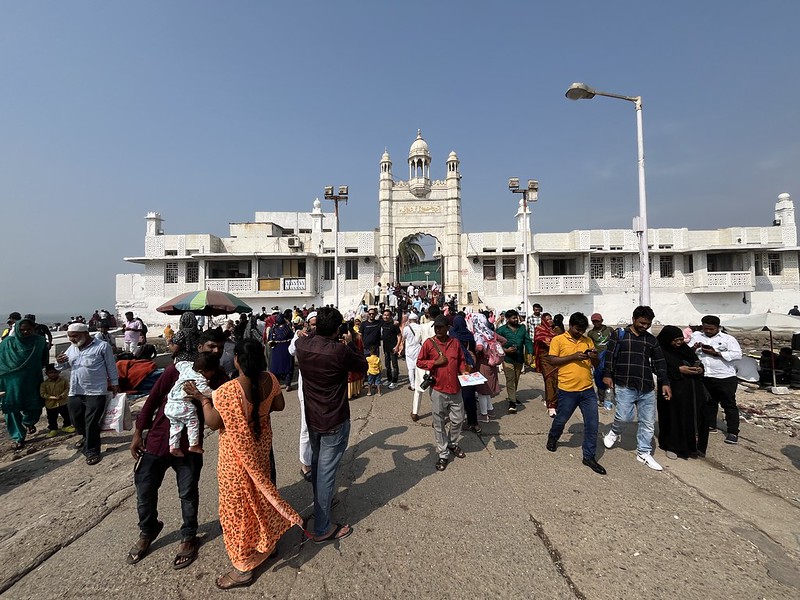
This famous shrine in Mumbai, India, sits on an island connected to the mainland by a narrow walkway that floods during high tide. For years, women couldn’t enter the inner sanctum where the main tomb is located.
The restriction came from religious interpretations suggesting women shouldn’t be near the grave. After a major legal battle in 2016, the ban was lifted, but the case shows how these restrictions can persist in popular tourist sites until someone challenges them in court.
Okinoshima Island

Japan declared this entire island a UNESCO World Heritage Site, but women still cannot set foot on it. The island serves as a sacred Shinto site where priests perform rituals in complete isolation.
Ancient beliefs held that women would anger the resident goddess, who supposedly doesn’t want other females on her territory. Even men who visit must strip down and perform purification rituals in the ocean before landing.
The island remains so restricted that only about 200 men can visit each year on one specific day.
Some Saudi Arabian mosques

While Saudi Arabia has made recent changes to women’s rights, including allowing them to drive and attend sporting events, certain mosques still prohibit female entry entirely. The Prophet’s Mosque in Medina has areas where women cannot go, particularly near the prophet’s tomb.
These restrictions stem from conservative interpretations of Islamic law. Other mosques in the country have designated women’s sections, but some smaller, older mosques simply don’t allow women inside at all.
Mount Omine

This mountain in Japan’s Kii Peninsula has kept women out for about 1,300 years. The ban comes from Shugendo, a religion that mixes Buddhism and Shinto beliefs.
Practitioners believe the mountain is so sacred that female presence would disrupt the spiritual training happening there. Signs at the base of the mountain politely ask women not to climb beyond certain points.
Men who hike to the top often do so as part of religious pilgrimages that involve challenging trails and physical endurance tests.
Lihue Calel National Park caves

These caves in Argentina’s La Pampa province are off-limits to women due to indigenous Mapuche traditions. The Mapuche people consider certain caves sacred spaces where only men can perform ceremonies and rituals.
Park authorities respect these cultural practices and enforce the restriction. The ban applies to specific caves within the park, not the entire area, so women can still visit other parts of this scenic national park.
Snake temple during menstruation

The Mannarasala Temple in Kerala, India, welcomes women most of the time but prohibits them during menstruation. This Hindu temple is dedicated to snake gods and sits in a grove filled with thousands of snake images and idols.
The restriction follows traditional beliefs about ritual purity that are common in some Hindu temples. Many Indian women have challenged these menstruation-based bans in recent years, leading to heated debates about tradition versus equality.
Some Japanese sumo tournaments

Women cannot enter the sumo ring at professional tournaments because Shinto beliefs consider the ring a sacred space. This became international news when female officials were asked to leave the ring during medical emergencies.
The ban even applies to female politicians who would traditionally present awards to winners. Sumo wrestling deeply connects to Japanese cultural identity, and many fans defend the tradition, while others argue it’s simply outdated discrimination.
Athos monasteries on Chalkidiki

Beyond Mount Athos itself, the entire Athos region in Greece maintains strict rules about female visitors. The autonomous monastic state issues special permits that only men can obtain.
Getting permission requires advance planning, and visitors must prove they have legitimate reasons for visiting, usually religious or academic. The restriction covers roughly 130 square miles of the peninsula.
Some monks argue that changing the rule would fundamentally alter a tradition that has survived for a millennium.
Some Ethiopian monasteries

Several ancient monasteries in Ethiopia don’t allow women past their gates. Monasteries like Debre Damo, perched on a flat-topped mountain, require visitors to climb up a rope, and the monks simply won’t let women make the climb.
These restrictions come from Ethiopian Orthodox Christian traditions. The monasteries house ancient manuscripts and religious artifacts that historians would love to study, but female researchers cannot access them.
Some Ethiopian religious leaders have started questioning whether these bans align with modern interpretations of their faith.
Ayyappa temple during certain years

The Sabarimala Temple in Kerala, India, traditionally banned women between ages 10 and 50 from entering. The temple honors Lord Ayyappa, a deity the priests believed should not see women of childbearing age.
In 2018, India’s Supreme Court overturned the ban, calling it discriminatory. However, the decision sparked massive protests and even violence, with devotees blocking women who tried to enter.
The case became one of India’s most divisive religious and social issues.
Upper chamber of Songzanlin Monastery
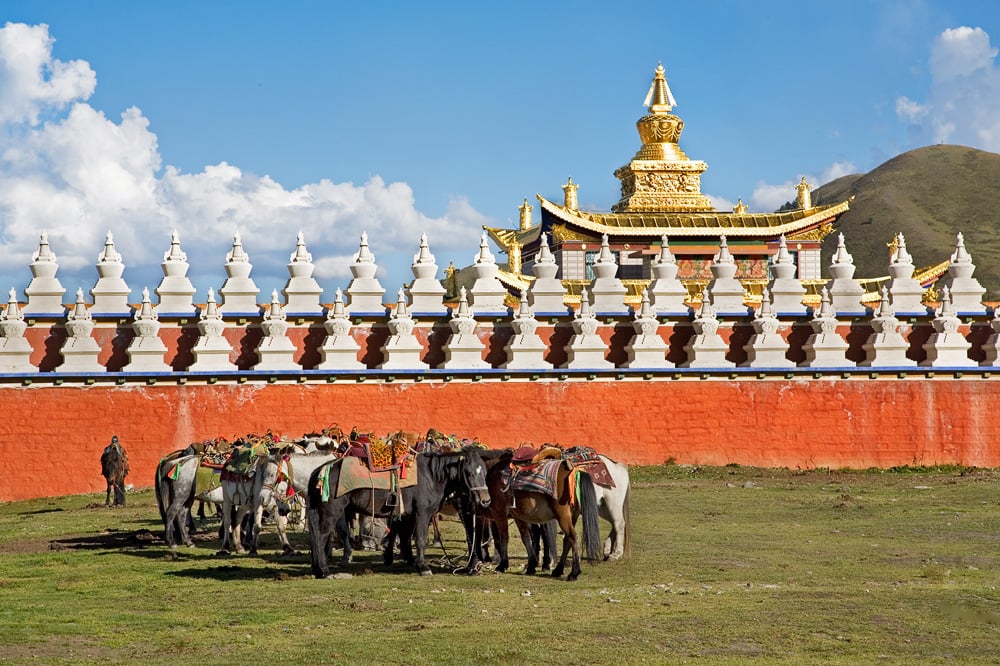
This Tibetan Buddhist monastery in Yunnan, China, restricts women from certain prayer halls and upper chambers. The ban comes from Tibetan Buddhist traditions about maintaining the purity of specific religious spaces.
Monks in training use these areas for meditation and study. Women can visit other parts of the monastery and participate in some ceremonies, but the most sacred spaces remain closed to them.
The monastery is one of the largest in the region and looks like a smaller version of the Potala Palace in Lhasa.
Some areas of Masjid al-Haram

The Grand Mosque in Mecca allows women to perform pilgrimage rituals, but certain areas near the Kaaba have restrictions during specific times. Women can participate in most Hajj and Umrah activities, but they face more rules about where they can pray and when.
These restrictions have loosened somewhat in recent years as Saudi Arabia modernizes. The mosque accommodates millions of pilgrims annually, and managing the crowds means different groups get access to different areas at different times.
Select sections of Meteora monasteries
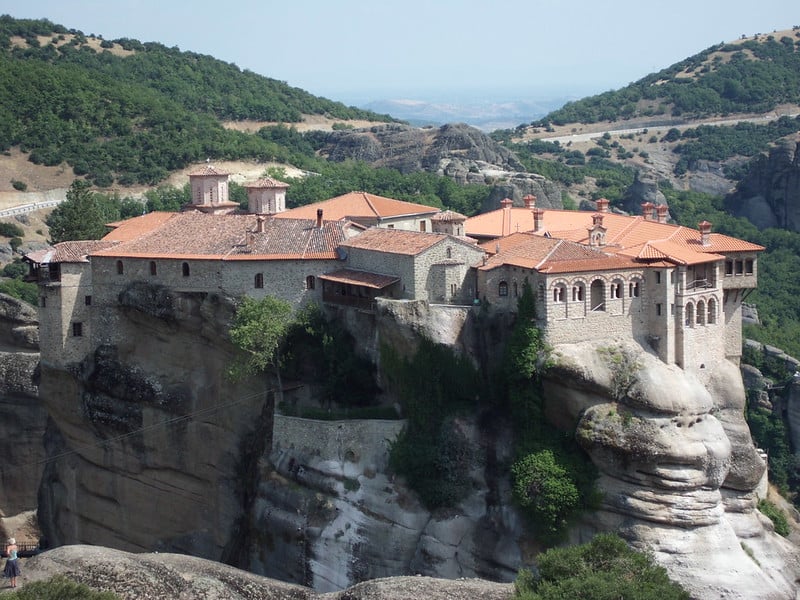
These stunning monasteries sit atop rock pillars in central Greece, and while most now welcome women, some maintained bans until quite recently. The Great Meteoron monastery didn’t allow women inside until the 1970s.
Even today, both men and women must follow strict dress codes to enter, and certain chapels within the monasteries may have restricted access. The monks who built these structures in the 14th century wanted complete isolation from society, and the difficult access naturally kept most people away.
Parts of Ciudad Perdida

This ancient city in Colombia’s Sierra Nevada mountains has some areas that the indigenous Kogi people ask women not to enter. The Kogi consider certain sites sacred for male-only ceremonies.
Tour guides who lead visitors to the ruins inform guests about these restrictions beforehand. The trek to Ciudad Perdida takes several days through dense jungle, and respecting indigenous customs is part of visiting this archaeological site responsibly.
The Kogi people have maintained their traditions despite centuries of outside pressure to change.
Parts of the Cave of Machpelah
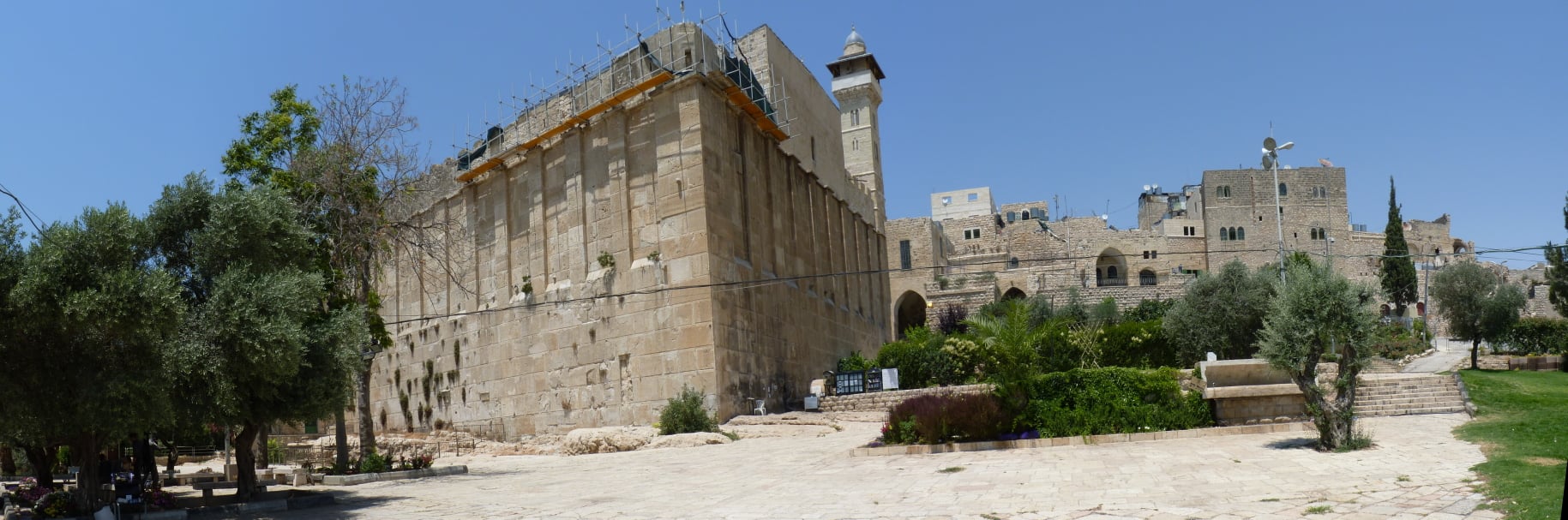
Ancient stones here in Hebron carry weight for Jews and still more for Muslims – each honoring ancestors laid to rest within. Over centuries, some rulers barred women from certain rooms at one time or another.
Today, walls separate a mosque on one side, a synagogue on the other, each holding spaces where only men enter. Shifts in access stir deep reactions because politics clings tight to sacred ground.
Built long before modern borders, this structure has weathered disputes over prayer rights since empires rose and fell.
Certain Zoroastrian Fire Temples
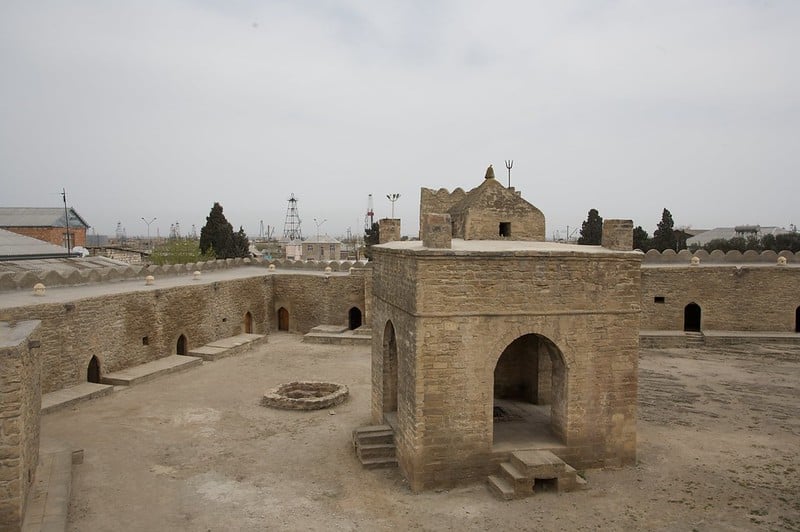
Not every woman can enter certain Zoroastrian fire temples in India or Iran when menstruating – old rules about cleanliness still hold sway there. Burning inside those temples are flames said by priests to have stayed alive for hundreds of years.
One of Earth’s earliest faiths, Zoroastrianism now faces questions over keeping such customs. A few temples have let go of the old limits.
Others stick with them tightly. Though followers number only a fraction compared to major religions, the issue strikes close to home for many who live by its teachings.
When tradition meets today

Where people are allowed to go now often makes folks wonder why gender still matters at all. Legal fights have knocked down some barriers, yet many stay up thanks to tradition or being cut off from outside pressure.
Talking about these spots gets messy fast – old ways pull one direction, fairness pulls another. One thing sticks out: these rules will keep pushing us to ask what old habits serve us, and which just belong in the past.
More from Go2Tutors!

- The Romanov Crown Jewels and Their Tragic Fate
- 13 Historical Mysteries That Science Still Can’t Solve
- Famous Hoaxes That Fooled the World for Years
- 15 Child Stars with Tragic Adult Lives
- 16 Famous Jewelry Pieces in History
Like Go2Tutors’s content? Follow us on MSN.



