18 Relationships That Keep Ecosystems Running
Nature operates like a complex web where every species depends on others to survive. These partnerships, competitions, and interdependencies create the delicate balance that keeps entire ecosystems functioning. Without these connections, forests would collapse, coral reefs would crumble, and grasslands would turn into barren wastelands.
The relationships between different species often seem like something out of a science fiction movie, yet they’re happening all around us every day. Here is a list of 18 relationships that prove nature’s survival depends on teamwork.
Bees and Flowering Plants
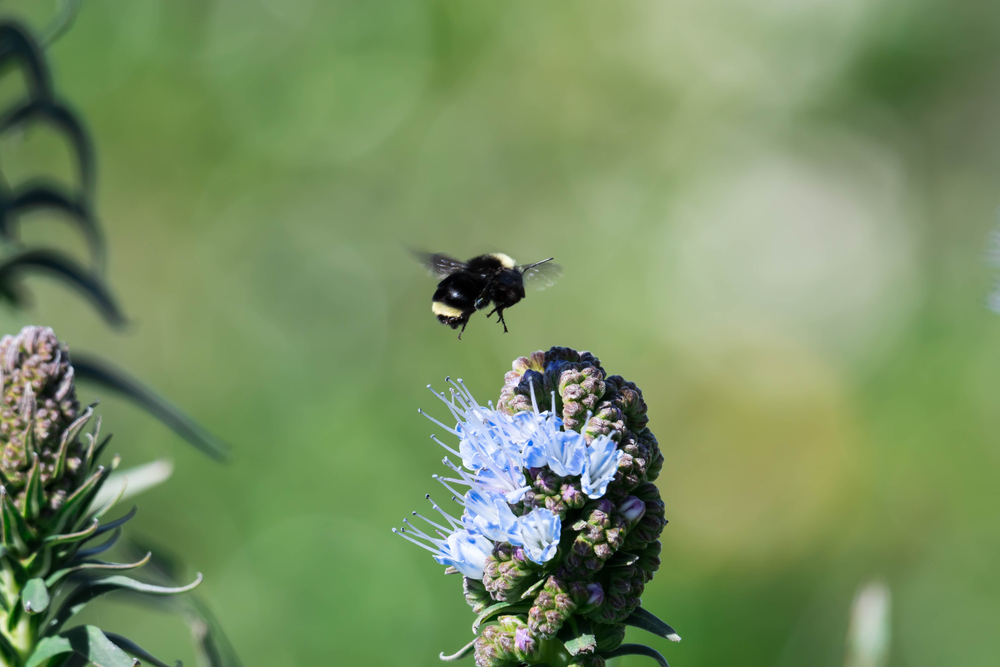
Bees collect nectar from flowers to make honey, while flowers get their pollen spread to other plants for reproduction. This partnership has been so successful that about one-third of everything we eat depends on bee pollination.
Without bees, apple orchards would be empty and coffee shops would have nothing to serve.
Cleaner Fish and Large Marine Animals
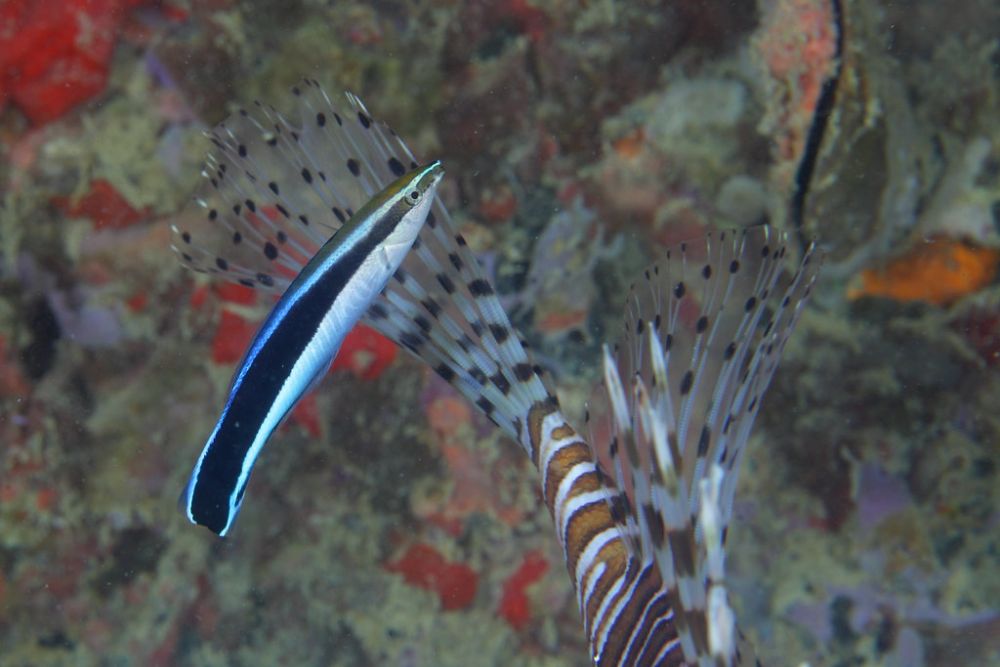
Small cleaner fish set up ‘stations’ on coral reefs where larger fish come to get parasites removed from their skin and gills. The big fish get a health spa treatment while the cleaner fish enjoy a steady meal.
Even fierce predators like sharks will patiently wait their turn at these underwater car washes.
Like Go2Tutors’s content? Follow us on MSN.
Mycorrhizal Fungi and Tree Roots
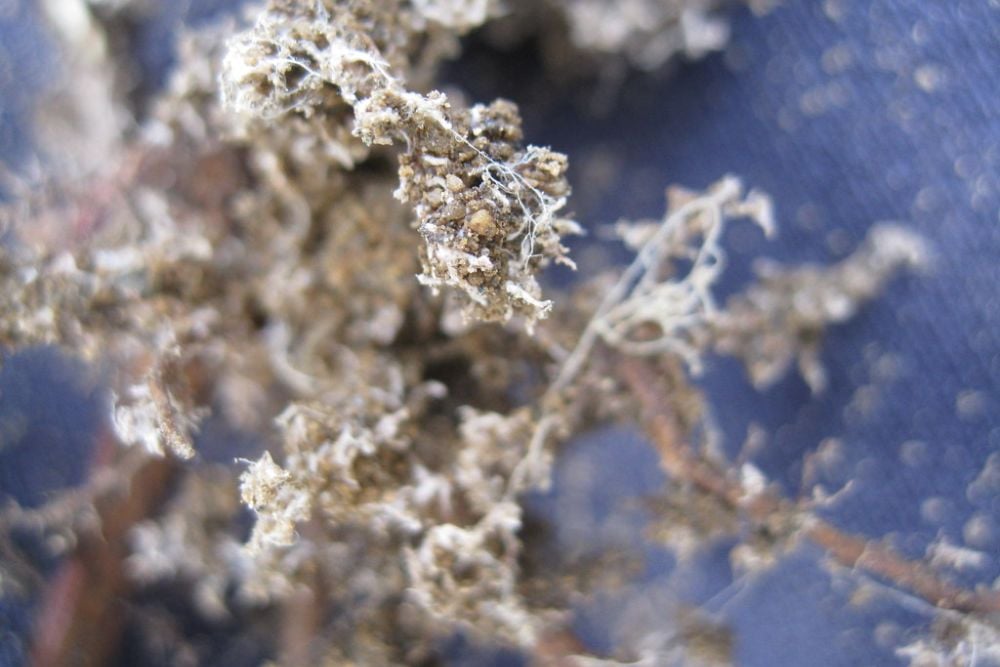
Underground fungi form vast networks that connect tree roots across entire forests, sharing nutrients and information between different species. Trees can send carbon to the fungi, while fungi provide minerals and water that the trees can’t reach on their own.
This ‘wood wide web’ helps forests communicate about drought, disease, and insect attacks.
Oxpeckers and Large African Mammals
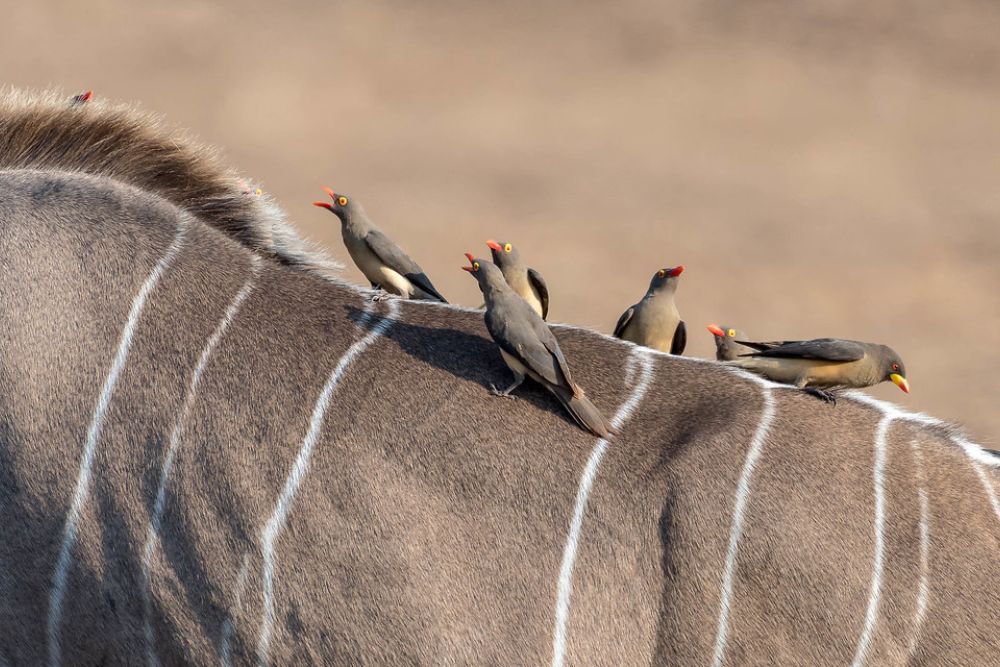
Red-billed oxpeckers perch on rhinos, buffalo, and other large mammals to feast on ticks and other parasites. The birds get a reliable food source while their hosts get pest control services.
These feathered pest controllers can consume over 100 ticks per day from a single animal.
Clownfish and Sea Anemones
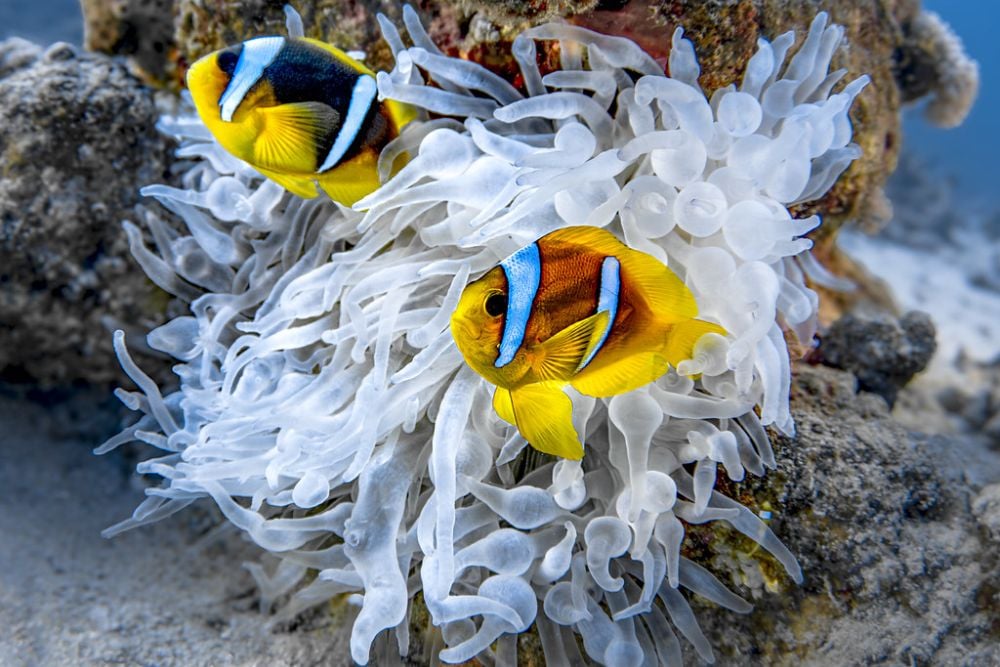
Clownfish live safely among the stinging tentacles of sea anemones, protected from predators by their host’s venomous embrace. In return, clownfish chase away butterfly fish that would otherwise eat the anemone.
The clownfish also provides nutrients through their waste, essentially fertilizing their underwater home.
Like Go2Tutors’s content? Follow us on MSN.
Wolves and Scavenger Species
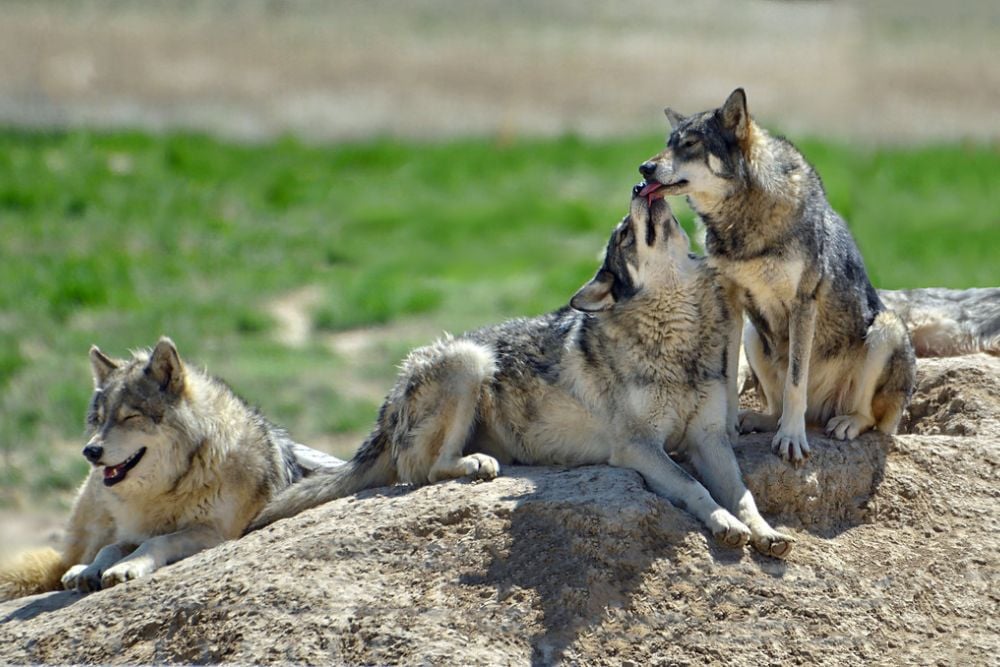
When wolves hunt large prey like elk or deer, they create feeding opportunities for ravens, eagles, and bears who scavenge the leftovers. This relationship helps control herbivore populations while supporting multiple predator and scavenger species.
The presence of wolves in Yellowstone even changed how rivers flow by affecting where deer graze.
Leafcutter Ants and Fungi
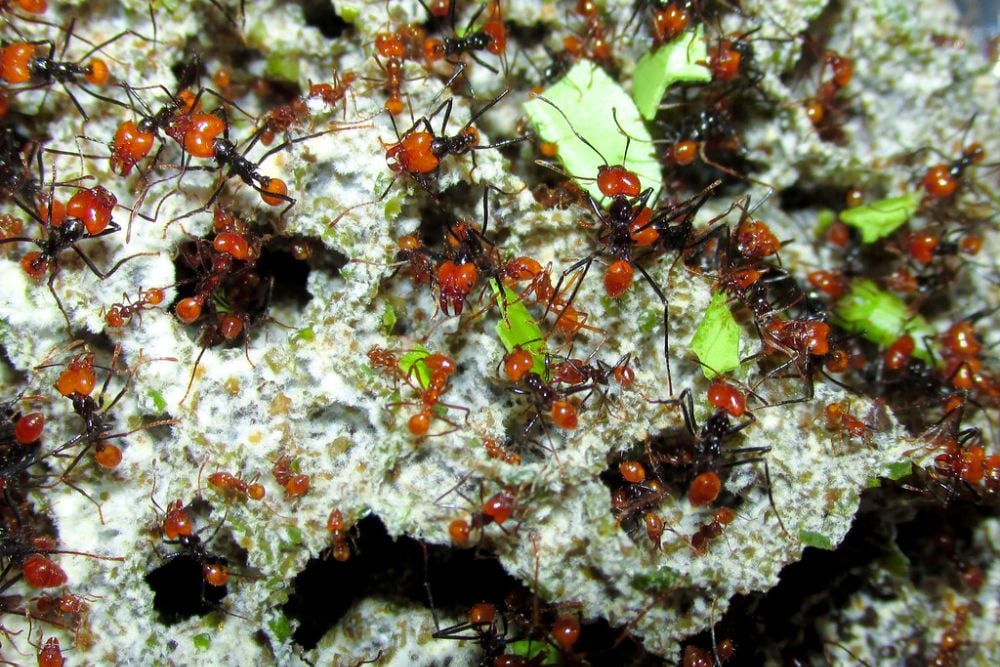
Leafcutter ants don’t actually eat the leaves they harvest—they use them to grow fungus gardens in their underground colonies. The ants carefully tend their fungus crops, which provide all the nutrition needed for the entire colony.
This agricultural system has been so successful that some leafcutter colonies contain over 8 million individuals.
Hummingbirds and Tubular Flowers
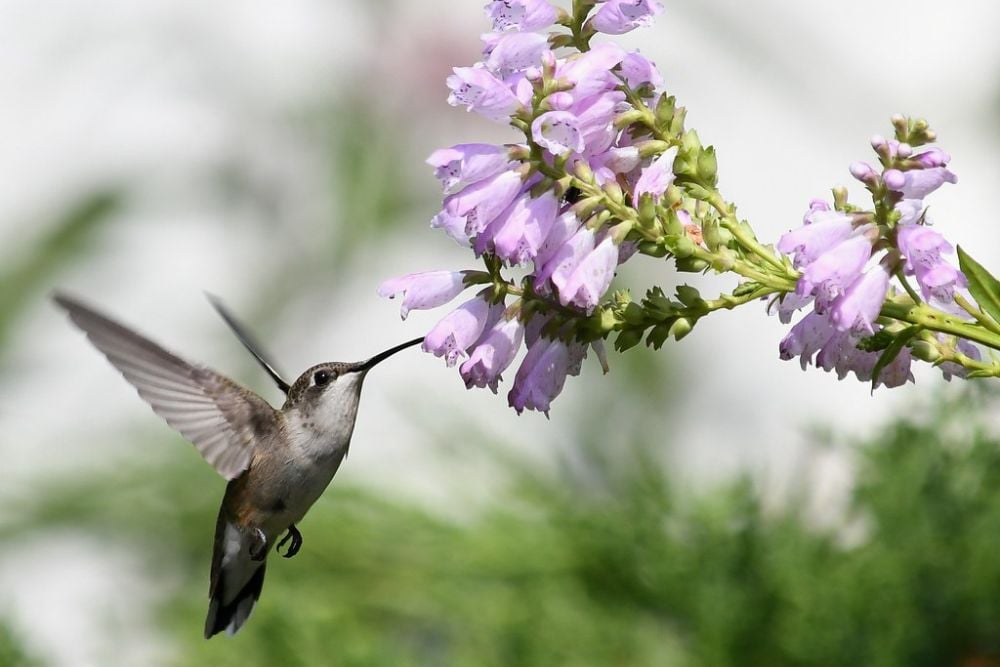
Hummingbirds have evolved long, thin beaks that perfectly match the shape of certain flowers, allowing them to reach nectar that other animals can’t access. The flowers benefit from having a dedicated pollinator that visits many blooms in a single day.
Some flowers have even evolved to bloom at specific times when their hummingbird partners are most active.
Like Go2Tutors’s content? Follow us on MSN.
Prairie Dogs and Grassland Ecosystems
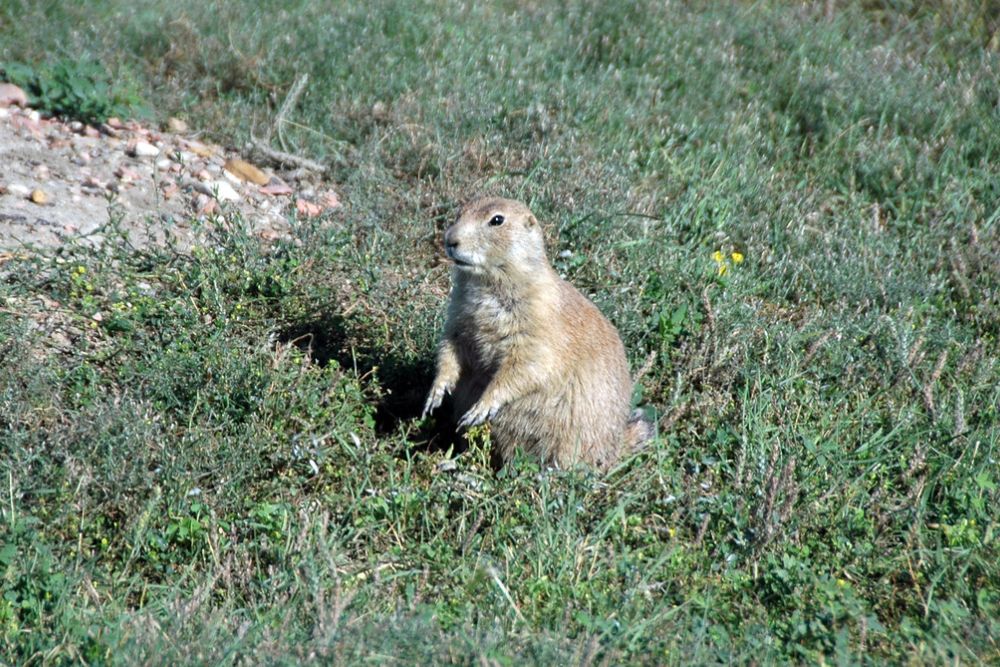
Prairie dogs create extensive burrow systems that aerate soil and provide homes for dozens of other species, from burrowing owls to black-footed ferrets. Their constant grazing and digging activities maintain the open grassland habitat that supports bison, pronghorn, and countless bird species.
These rodent engineers literally reshape entire landscapes with their underground cities.
Sharks and Pilot Fish
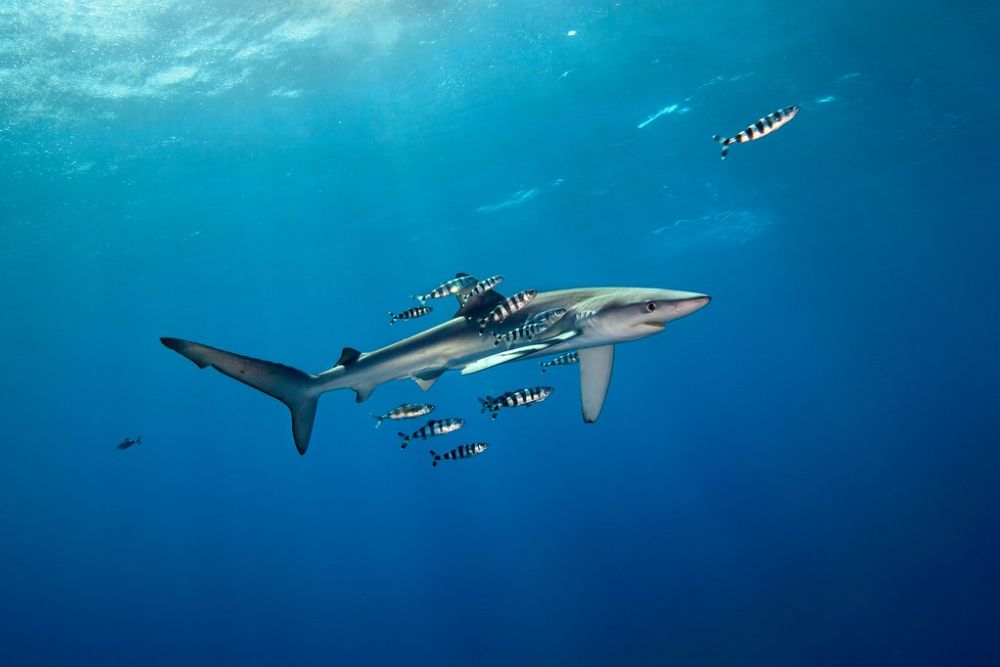
Pilot fish swim alongside sharks, feeding on scraps from the predator’s meals and parasites on the shark’s skin. The small fish get protection from larger predators while providing cleaning services to their massive companions.
This partnership allows pilot fish to travel safely across vast ocean distances.
Carpenter Ants and Aphids
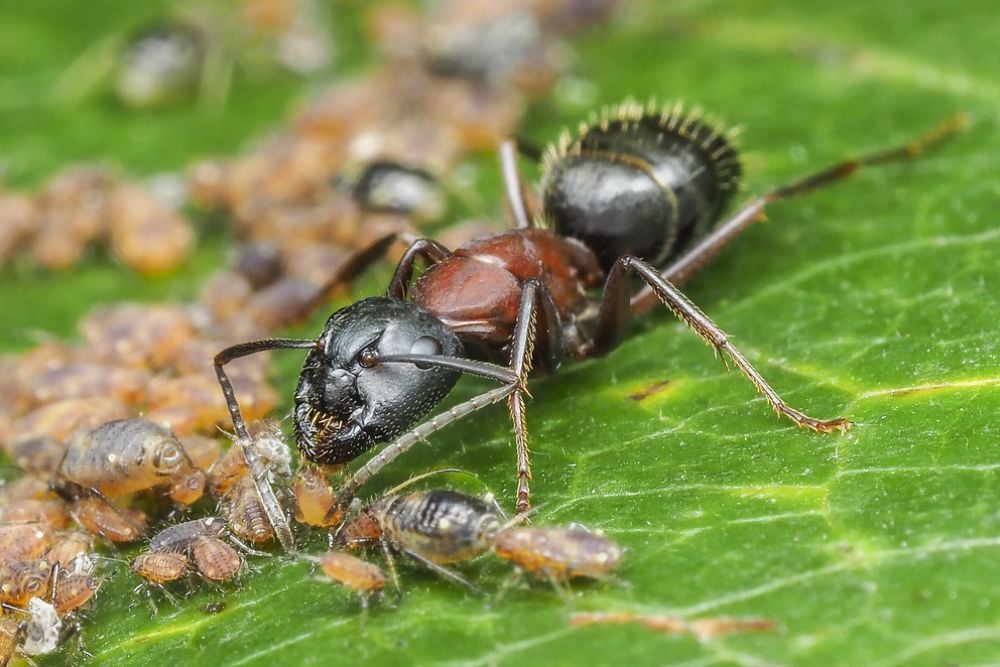
Carpenter ants protect aphids from predators and even move them to better feeding locations on plants. In exchange, aphids produce a sweet substance called honeydew that ants harvest like farmers milking cows.
Some ant species have become so dependent on aphid farming that they’ve lost the ability to hunt for other food.
Like Go2Tutors’s content? Follow us on MSN.
Seed-Dispersing Animals and Fruit Trees
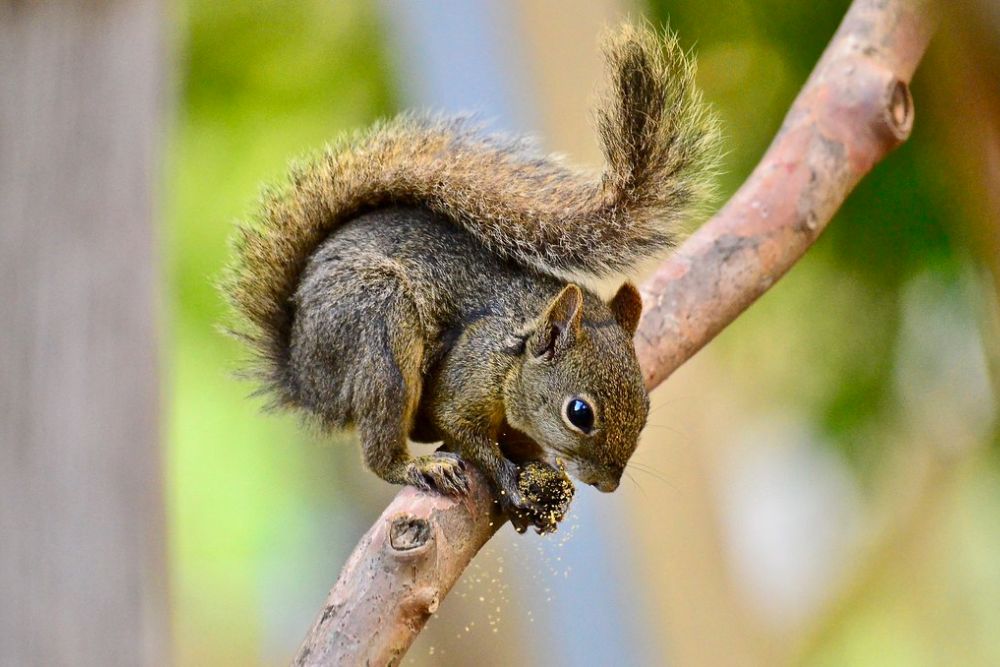
Many animals eat fruits and then spread the seeds through their droppings, often miles away from the parent tree. The animals get a nutritious meal while plants get their offspring transported to new locations with a built-in fertilizer packet.
Some seeds actually require passage through an animal’s digestive system before they can germinate.
Coral Polyps and Zooxanthellae Algae
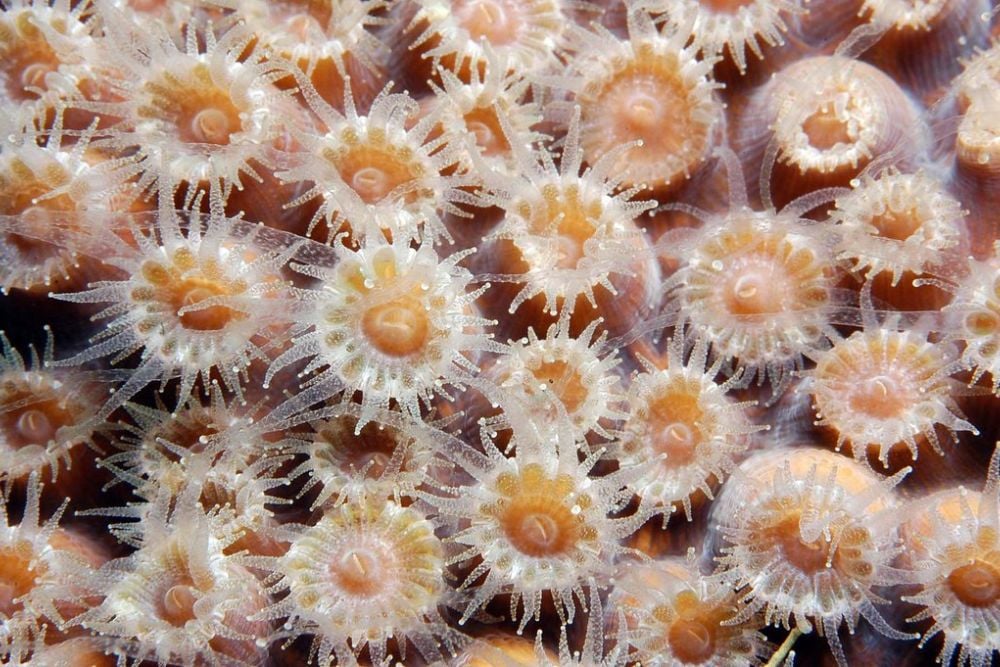
Tiny algae live inside coral polyps, using sunlight to produce food through photosynthesis and sharing nutrients with their hosts. The coral provides the algae with a safe home and the raw materials needed for photosynthesis.
This partnership creates the vibrant colors of coral reefs and supports the incredible biodiversity of tropical marine ecosystems.
Honeyguide Birds and Honey Badgers
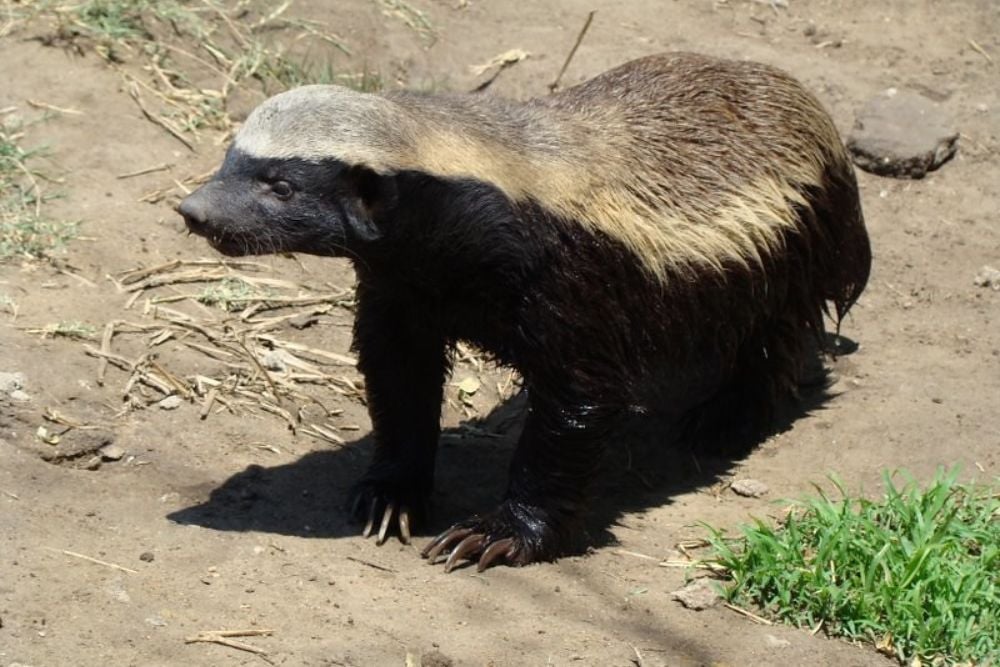
Honeyguide birds in Africa lead honey badgers to bee colonies by flying ahead and calling until the badger follows. The badger tears open the hive to get the honey, while the bird feeds on the beeswax and larvae left behind.
This cooperation between a bird and a mammal represents one of nature’s most unusual hunting partnerships.
Like Go2Tutors’s content? Follow us on MSN.
Remora Fish and Large Marine Predators
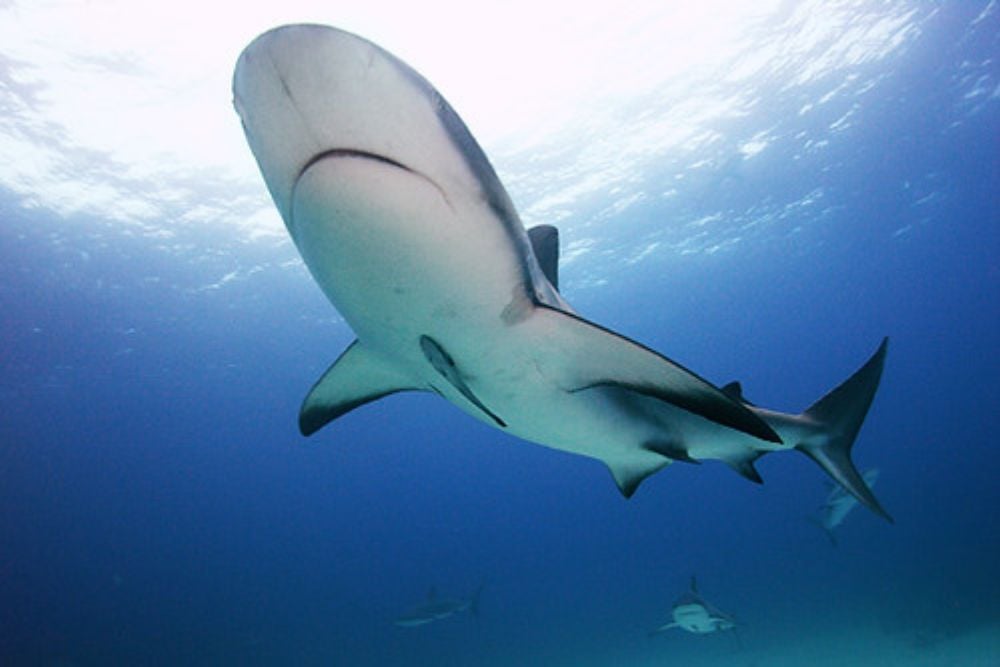
Remora fish attach themselves to sharks, whales, and other large marine animals using specialized sucker discs on their heads. They get free transportation and feed on scraps from their host’s meals, while providing cleaning services by removing parasites.
These living hitchhikers can travel thousands of miles without expending any energy.
Nitrogen-Fixing Bacteria and Legume Plants
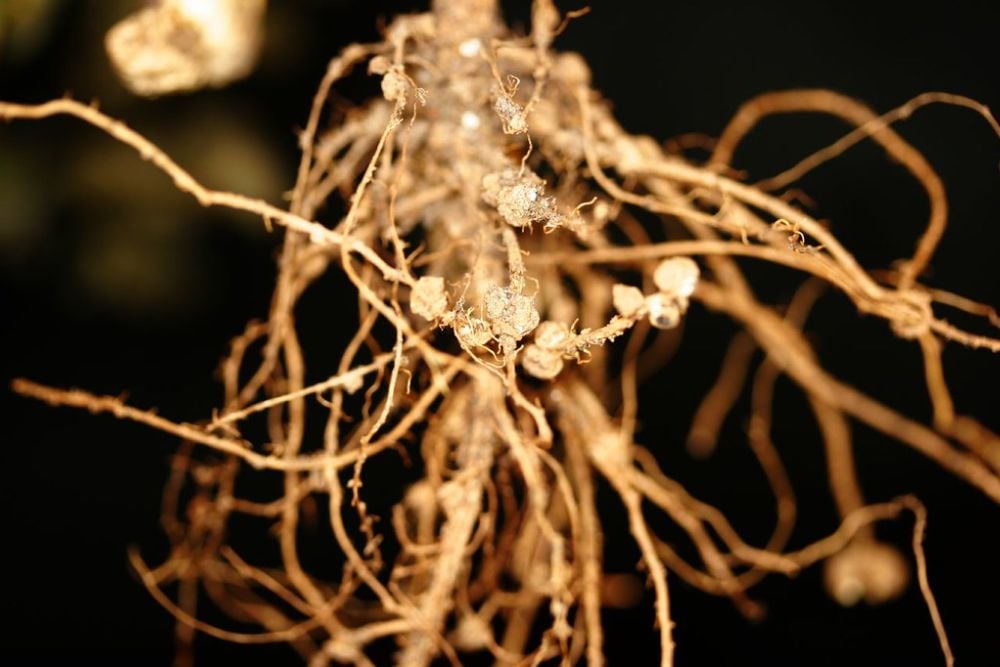
Special bacteria live in nodules on the roots of beans, peas, and other legume plants, converting atmospheric nitrogen into a form that plants can use. The plants provide the bacteria with carbohydrates and a protected environment.
This partnership is so important that farmers often plant legumes to fertilize their soil naturally.
Yucca Moths and Yucca Plants
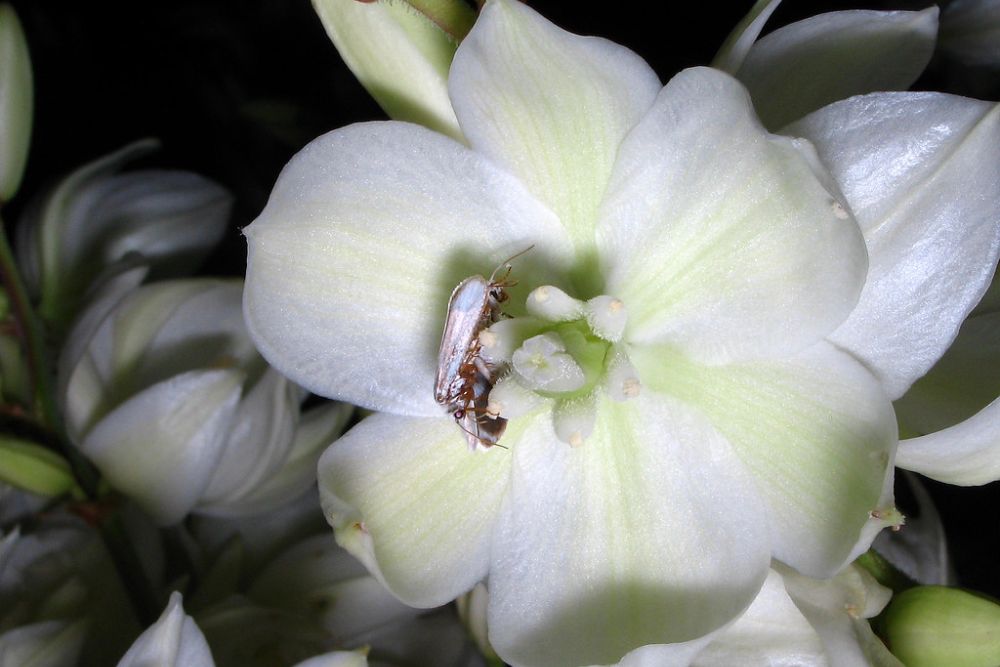
Yucca moths are the only insects that can pollinate yucca flowers, while yucca plants are the only place these moths can reproduce. Female moths collect pollen from one flower and deliberately place it on another flower’s stigma before laying their eggs.
The developing moth larvae eat some of the seeds, but enough remain to ensure the plant reproduces.
Like Go2Tutors’s content? Follow us on MSN.
Badgers and Coyotes
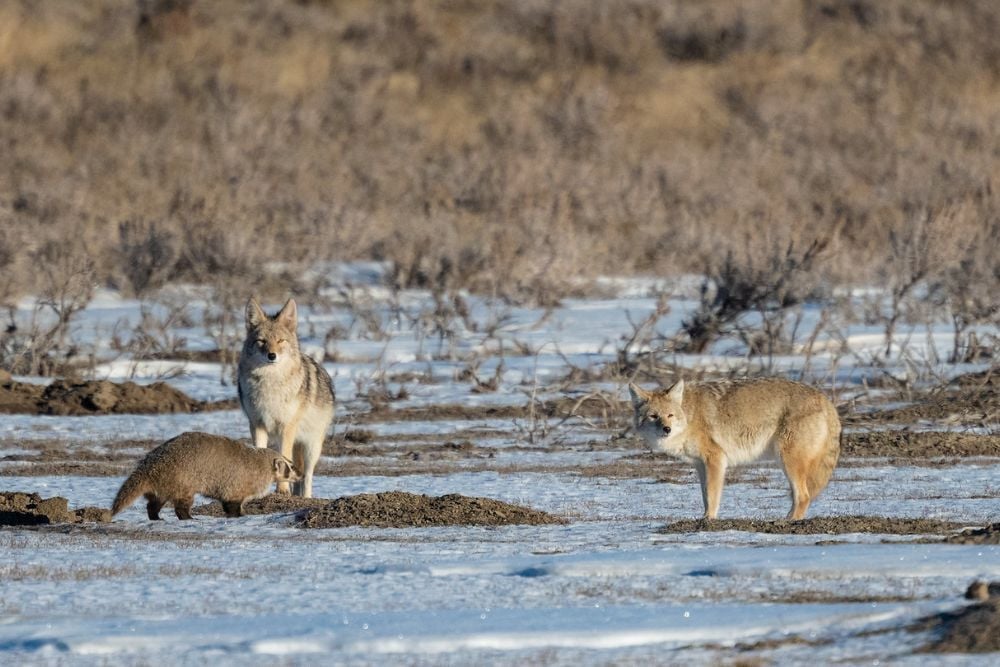
Badgers and coyotes sometimes hunt together for ground squirrels and other small mammals, with each predator covering the other’s weaknesses. Badgers excel at digging prey out of burrows, while coyotes are better at catching animals that try to escape across open ground.
This unlikely partnership increases hunting success for both species.
Nature’s Unbreakable Contracts
These relationships demonstrate that cooperation often trumps competition in the natural world. Species that learn to work together rather than against each other gain access to resources, protection, and opportunities they could never achieve alone.
Understanding these partnerships helps us appreciate how removing even one species from an ecosystem can cause the entire system to unravel. The next time you see a bee visiting a flower or a bird following a larger animal, remember that you’re witnessing millions of years of evolutionary teamwork in action.
More from Go2Tutors!

- 16 Restaurant Chains That Went Too Fast
- 12 Things Sold in the 80s That Are Now Illegal
- 15 Strange Things People Have Tried to Ban (And Failed)
- 16 Collectibles People Tossed Out Too Soon
- 17 Myths from Your Childhood That Were Actually Based on Real Things
Like Go2Tutors’s content? Follow us on MSN.