Remarkable Facts About How Animals Communicate
The natural world hums with constant conversation. Animals send messages through flashes of light, electrical pulses, chemical trails, and sounds we can’t even hear. Some species have developed communication systems so sophisticated they rival human language in complexity.
From prairie dogs describing the color of your shirt to elephants chatting across more than 100 miles, the animal kingdom proves that you don’t need words to have plenty to say. Here is a list of 14 remarkable facts about how animals communicate.
Prairie Dogs Have One of the Most Complex Languages

Prairie dogs possess communication abilities that surpass even dolphins and chimpanzees in sophistication. These small rodents can describe threats in remarkable detail, including the color of clothing a person wears, their height, how fast they’re moving, and whether they’re carrying a weapon.
Researcher Con Slobodchikoff has studied prairie dog communication for over three decades and confirmed that a single vocalization can translate to something like “There’s a tall skinny guy in green a few yards away and he’s sprinting toward us!” The complexity rivals what linguists call syntax, where different units combine to create detailed sentences.
Dolphins Use Signature Whistles Like Names
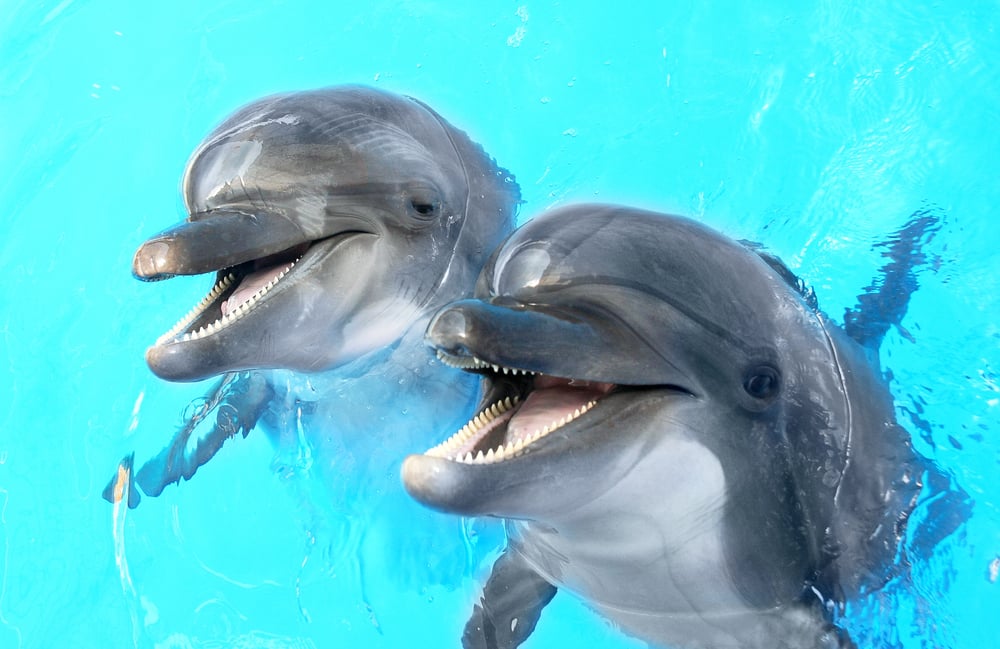
Bottlenose dolphins can recognize identity information from signature whistles even when stripped of the caller’s voice characteristics, making them one of the only animals besides humans that transmit identity information independent of the caller’s voice or location. Each dolphin develops its own unique whistle early in life, essentially giving itself a name.
Mothers even inflect their signature whistle differently when their dependent calf is nearby. Think of it like how you might say someone’s name with different tones depending on the situation—dolphins do the same thing.
Like Go2Tutors’s content? Follow us on MSN.
Honeybees Perform Dances That Give GPS Coordinates

Karl Von Frisch won the Nobel Prize in 1973 partly for discovering that honeybees use a waggle dance to inform other bees about the direction and distance to food sources. The angle and duration of the dance tell other bees exactly where to find nectar, with more fervent dancing indicating closer and richer sources.
Research shows honeybees can even modify their dance in response to environmental factors like wind speed and obstructions between the food source and the hive. It’s nature’s version of dropping a pin on a map.
Elephants Communicate Over 100 Miles Away
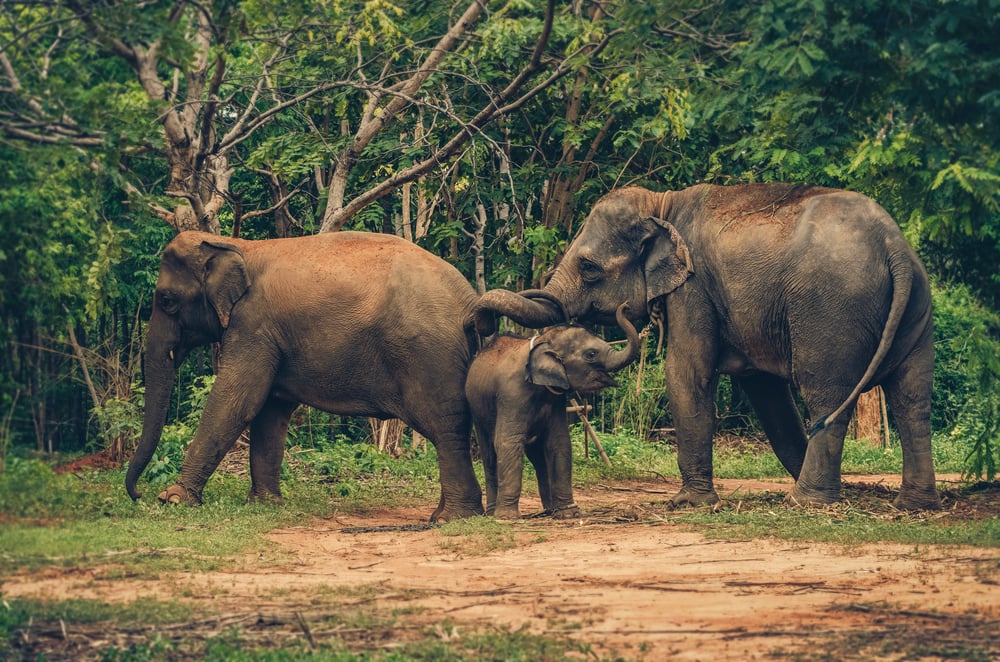
African elephants produce sounds so low that humans can’t detect them as anything more than vibrations, called infrasound at frequencies below 20 hertz. These deep rumbles can be heard by other elephants more than 175 miles away.
The sound waves travel through the ground as well as the air, and elephants also use their trunks to trumpet and their body language—flapping ears or swishing tails—to convey different emotions. This long-distance communication helps herds coordinate movements and warn each other of danger across vast territories.
Mantis Shrimp Use Invisible Light Signals
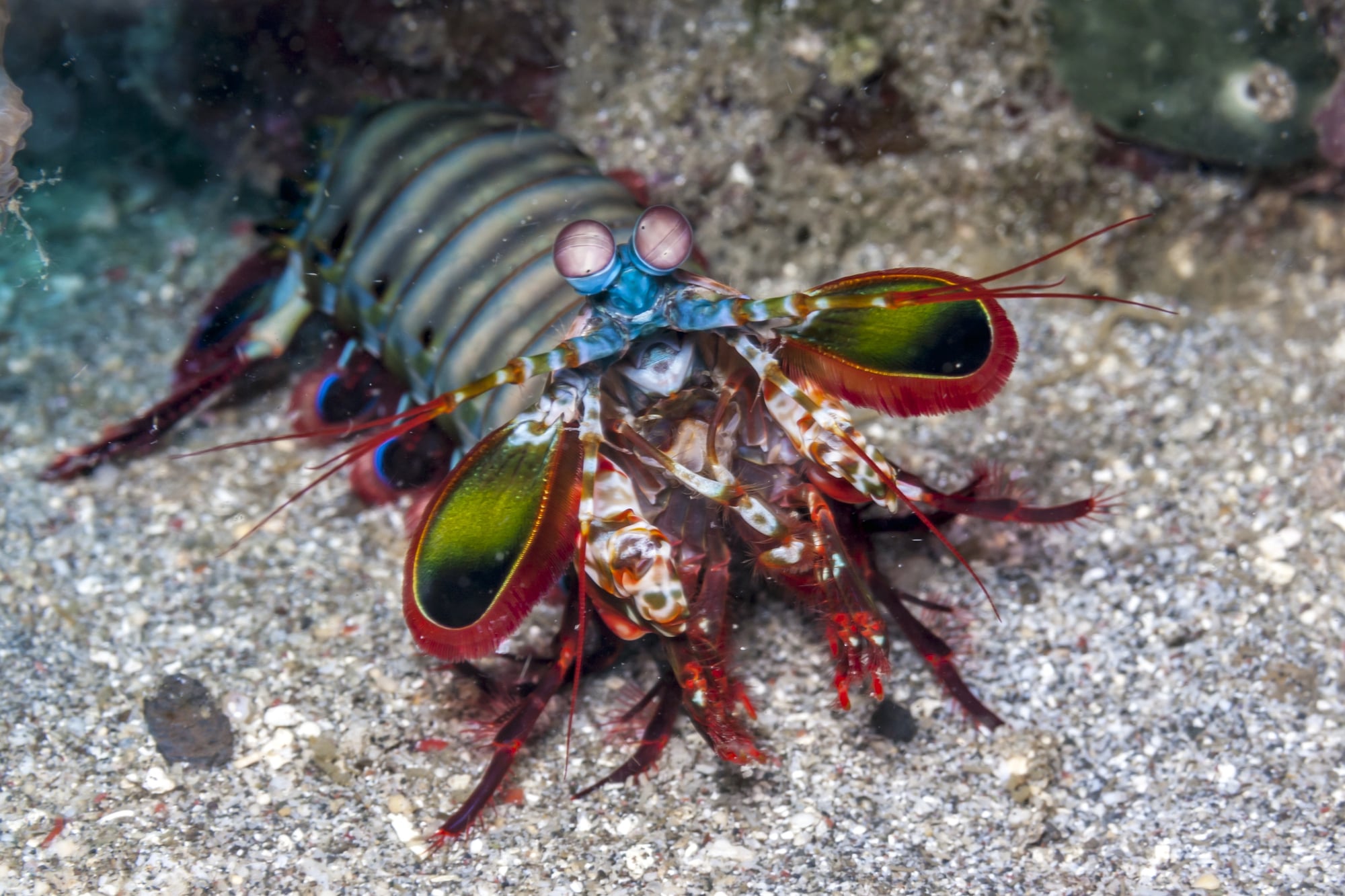
The mantis shrimp has some of the most complex eyesight in the animal kingdom with 16 color receptors compared to our three, and they communicate using polarized light that other animals cannot see. They bounce light off blue spots on their appendages called maxillipeds, scattering and arranging the light in ways that convey information only to other mantis shrimp.
It’s like having a secret language written in colors nobody else can perceive—the ultimate private messaging system.
Like Go2Tutors’s content? Follow us on MSN.
Fireflies Flash Species-Specific Morse Code

Each firefly species has its own signaling system, with males flying at the right height and time of night while flashing signals unique to their kind. Females watching from the ground or vegetation flash back with a species-appropriate response when they see a male doing it well, then the two reciprocally signal as the male flies down to her.
Some species like Photinus carolinus in the Appalachian Mountains even synchronize their flashes when many males are around, so everyone gets a chance to signal females. The timing is so precise that whole forests can light up in coordinated waves.
White Rhinos Read Messages in Communal Dung Piles

White rhinos have terrible eyesight, so they maintain communal dung heaps called middens that act like a community bulletin board. These piles contain chemical cues that reveal detailed information about who’s sick, who’s ready to mate, and whether a dominant male has recently passed through.
The dominant male often poops directly in the middle of the midden and kicks his waist around to spread his scent and get it on his feet so others can recognize him wherever he goes. It’s essentially a rhinoceros Facebook page, just significantly less digital.
Sperm Whales Have Regional Dialects
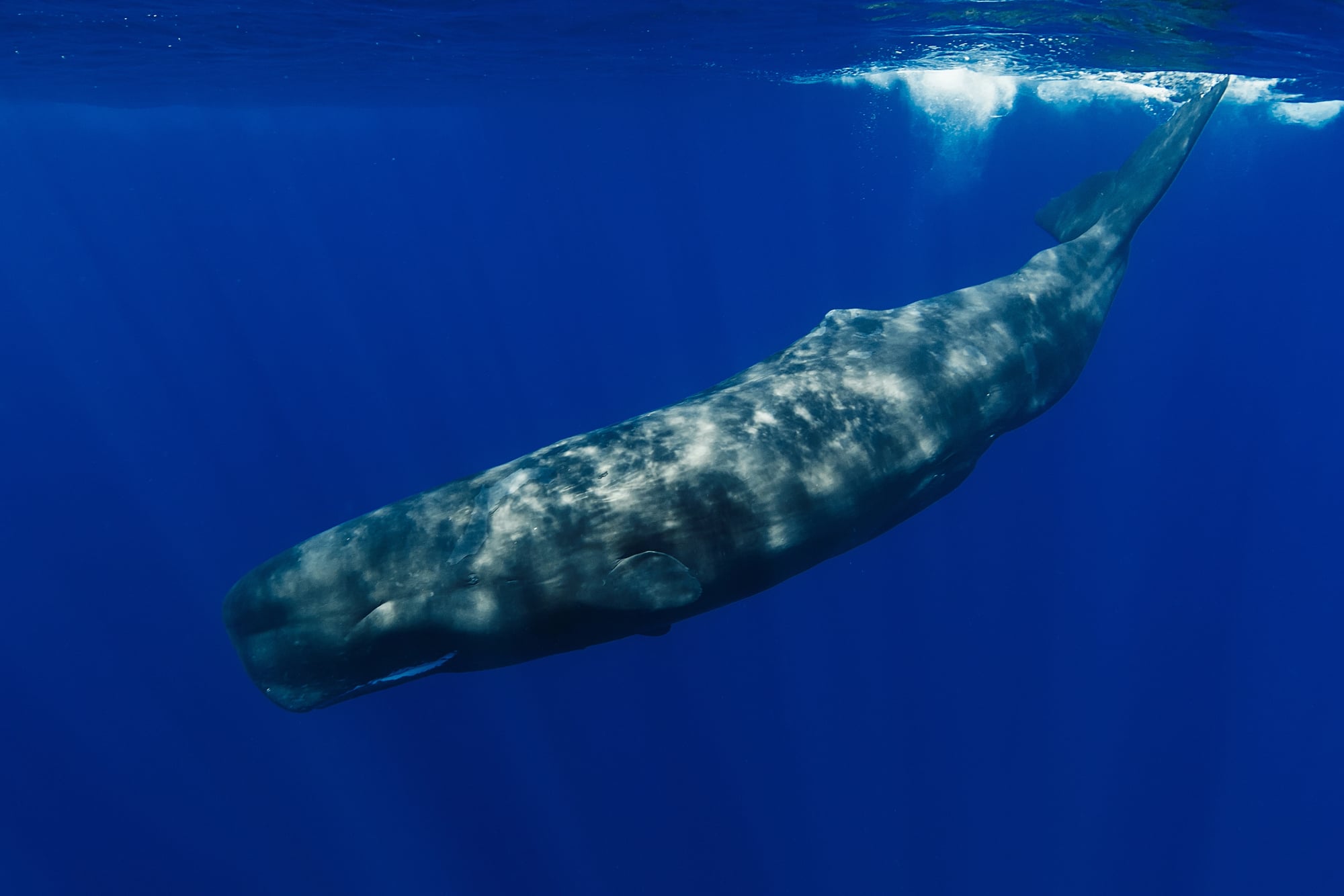
Sperm whales use clicking sounds called codas to communicate, and whales in different ocean regions use different clicking patterns—sort of like regional dialects. Caribbean sperm whales sound different from those in other parts of the ocean, with researchers particularly interested in groups near the island of Dominica that may even have variations between different family groups.
This suggests cultural transmission of communication styles, where young whales learn their local dialect from elders rather than being born knowing it.
Like Go2Tutors’s content? Follow us on MSN.
Gorillas Hum While Eating Their Favorite Foods

Male gorillas enjoy good meals by humming tunes, combining varied hums into continuous melodies. These melodies ring louder when a gorilla encounters his favorite foods, and researchers can discern primate social structure based on the most vocal members during meals.
Gorillas also use vocalizations, body language, facial expressions, and touch like hugging or grooming to communicate affection and build social bonds. The humming is essentially a dinner review system—the louder the hum, the better the meal.
Bison Vote on Where to Go by Walking
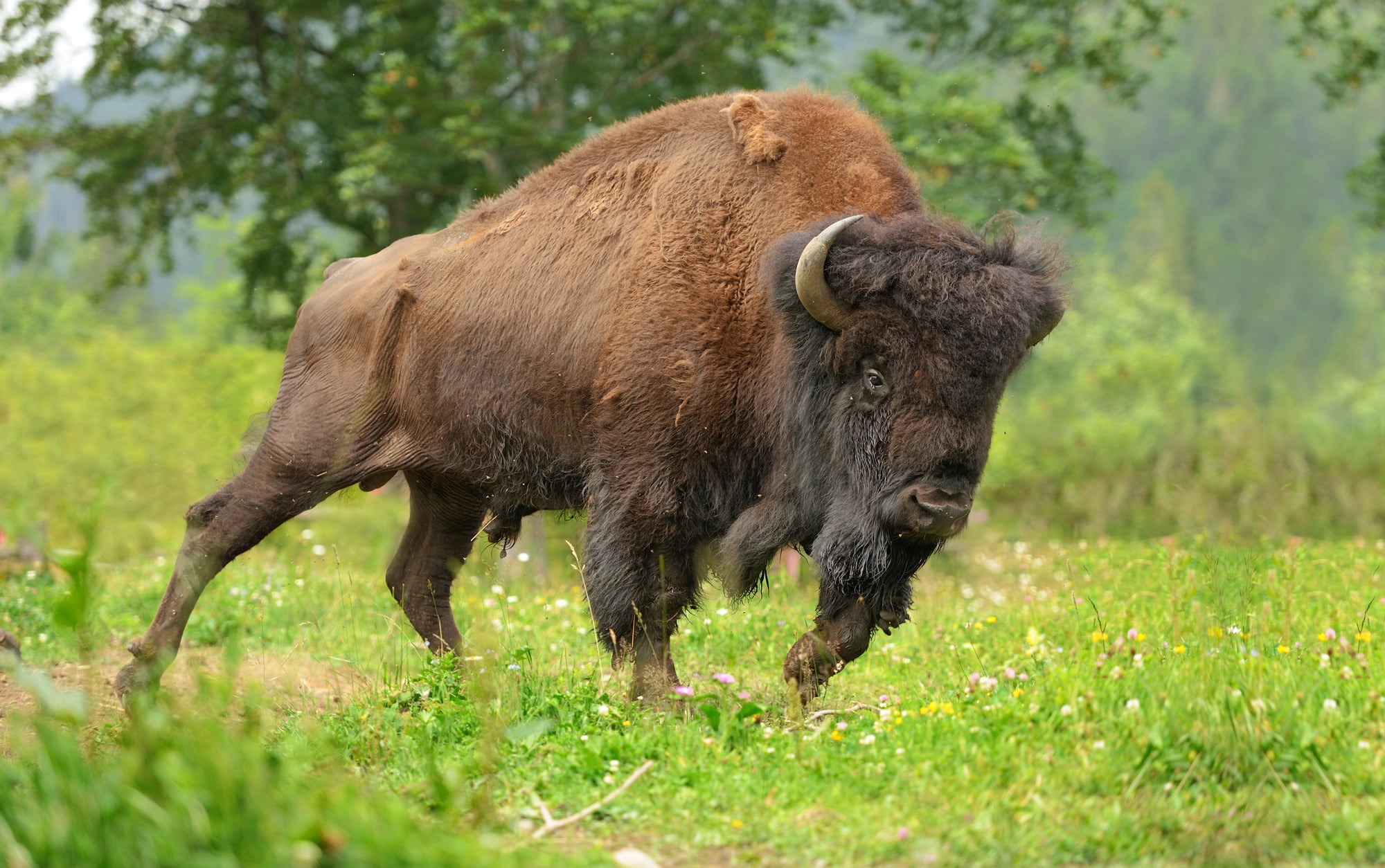
When bison herds need to move, they don’t follow a single leader but use a democratic process where any member—male, female, young, or old—can walk 20 or more steps in a particular direction without stopping to graze. If others trust the decision, they follow along, and that leading animal becomes the herd’s temporary leader until the process restarts.
It’s a surprisingly egalitarian system where leadership gets passed around based on who has the best idea at the moment.
Day Geckos Order Food from Treehoppers

Day geckos in Madagascar approach treehopper insects and nod their heads methodically, and the treehopper responds by shaking around and firing a translucent honeydew pellet directly into the gecko’s mouth. Treehoppers drill into trees to drink sap, then excrete a sugary liquid called honeydew that the geckos love.
The head-nodding functions like pressing a button on a vending machine—specific communication that triggers a specific response. Scientists think the geckos might protect treehoppers from other predators in exchange for the sweet treat.
Like Go2Tutors’s content? Follow us on MSN.
Dholes Whistle Instead of Howl
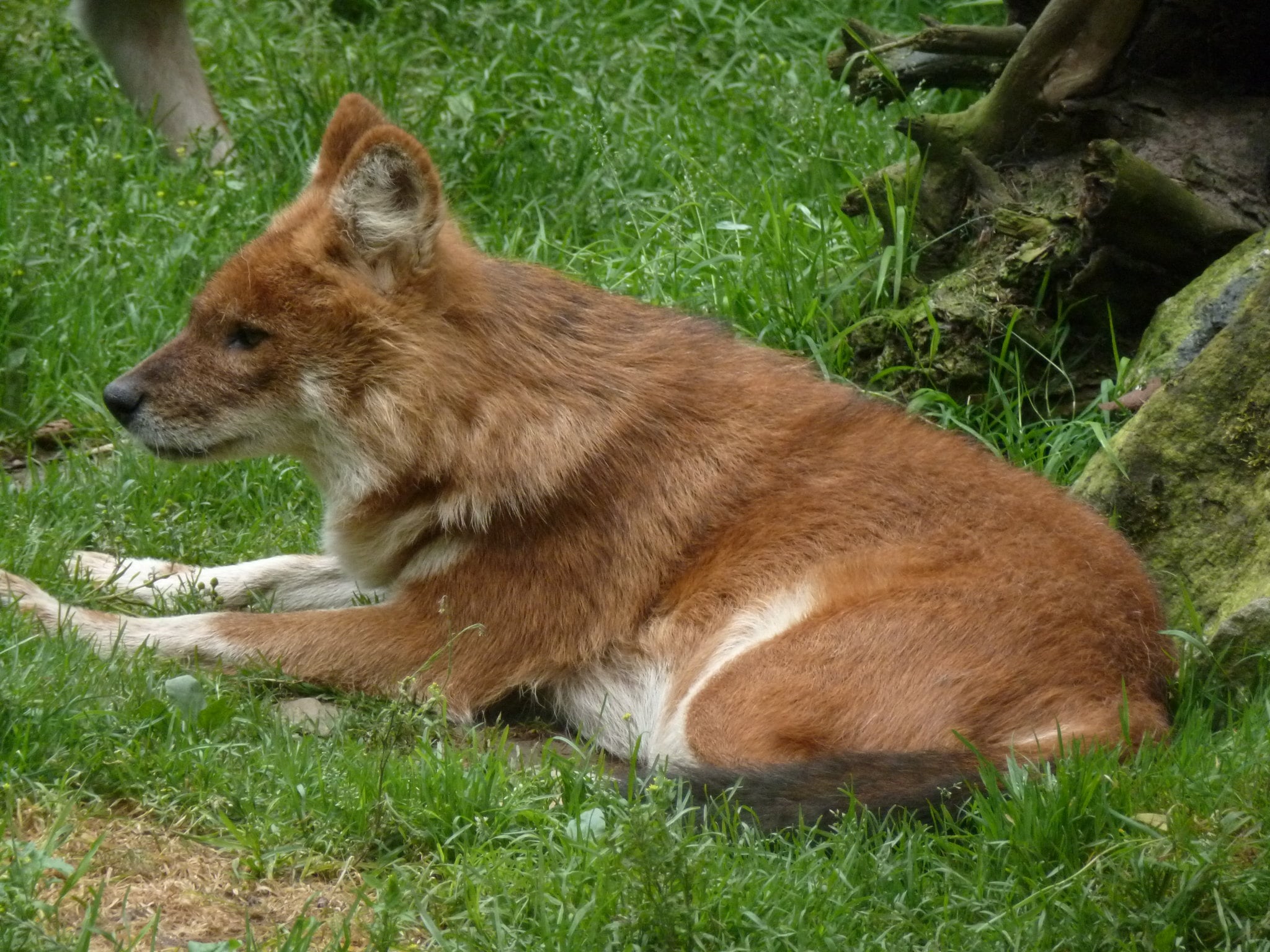
Dholes, also known as Asiatic wild dogs, use whistling to communicate rather than typical canine vocalizations like their wolf and fox relatives. Since each animal commands up to 35 square miles of territory, they rely on whistles that travel well to communicate across great distances.
Their verbal arsenal includes an assortment of whistles, clucks, and high-pitched shrieks used to coordinate cooperative hunts on much larger prey like buffalo and reindeer. The whistling allows pack members to stay coordinated even when spread across enormous hunting territories.
Seahorses Growl to Startle Predators

Tiny seahorses produce growling sounds that are difficult for human ears to detect but serve as a stress response to threats. Researchers and seahorse owners report that seahorses vibrate when handled, and scientists believe the growling combined with vibrating startles predators enough to give the seahorse a chance to flee.
Male seahorses also click during courtship with females, though females click much more softly. Who knew something so small and delicate could sound so fierce when threatened?
Great Apes Use Over 80 Gestures

Researchers have isolated at least 80 distinct gestures that great apes use to communicate, and many of these significantly overlap with gestures human toddlers use. Human toddlers use 52 discrete gestures including clapping, hugging, stomping, raising arms, and shaking heads, often stringing moves together to convey complex ideas.
Chimps signal to young chimps by extending their feet to alert them to climb on for travel. The overlap suggests these gestures may be part of our shared evolutionary heritage, predating spoken language.
Like Go2Tutors’s content? Follow us on MSN.
The Conversation Never Stops

Animals communicate through vocalizations, body language, chemical signals, bioluminescence, scent marking, tactile cues, visual signals, and postural gestures. Species in different regions often develop distinct dialects, with blue whales producing different patterns of pulses depending on where they’re from, and border-dwelling birds becoming bilingual to communicate with neighbors on both sides.
The sophistication goes far beyond simple warnings and mating calls—animals gossip, lie, negotiate, and express preferences in ways that challenge our assumptions about what communication requires. Understanding these systems not only reveals the incredible complexity of animal minds but also reminds us that conversation existed long before the first word was ever spoken.
More from Go2Tutors!

- 16 Historical Figures Who Were Nothing Like You Think
- 12 Things Sold in the 80s That Are Now Illegal
- 15 VHS Tapes That Could Be Worth Thousands
- 17 Historical “What Ifs” That Would Have Changed Everything
- 18 TV Shows That Vanished Without a Finale
Like Go2Tutors’s content? Follow us on MSN.