17 Military Weapons That Backfired Spectacularly
Military history is filled with brilliant innovations that changed warfare forever. It’s also packed with weapons that seemed like great ideas on paper but turned into disasters when soldiers actually tried to use them.
Some failed because of poor engineering, others because generals didn’t understand basic physics. A few were just plain ridiculous from the start.
Here is a list of 17 military weapons that backfired spectacularly and became cautionary tales instead of game-changers.
The Tsar Bomba
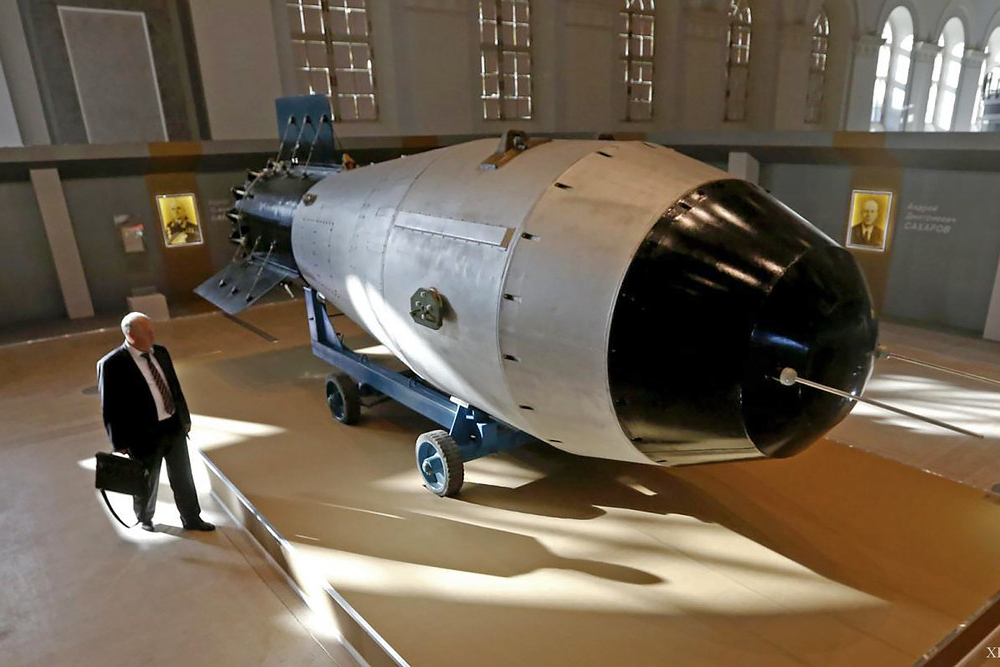
The Soviet Union’s Tsar Bomba was the most powerful nuclear weapon ever detonated—and also proof that bigger isn’t always better. Tested in 1961, this 50-megaton monster was so large it couldn’t fit in any existing bomber without major modifications.
The blast was visible from 600 miles away and broke windows in Finland. Even the Soviets realized they’d created something too destructive to actually use in war.
Project Habakkuk
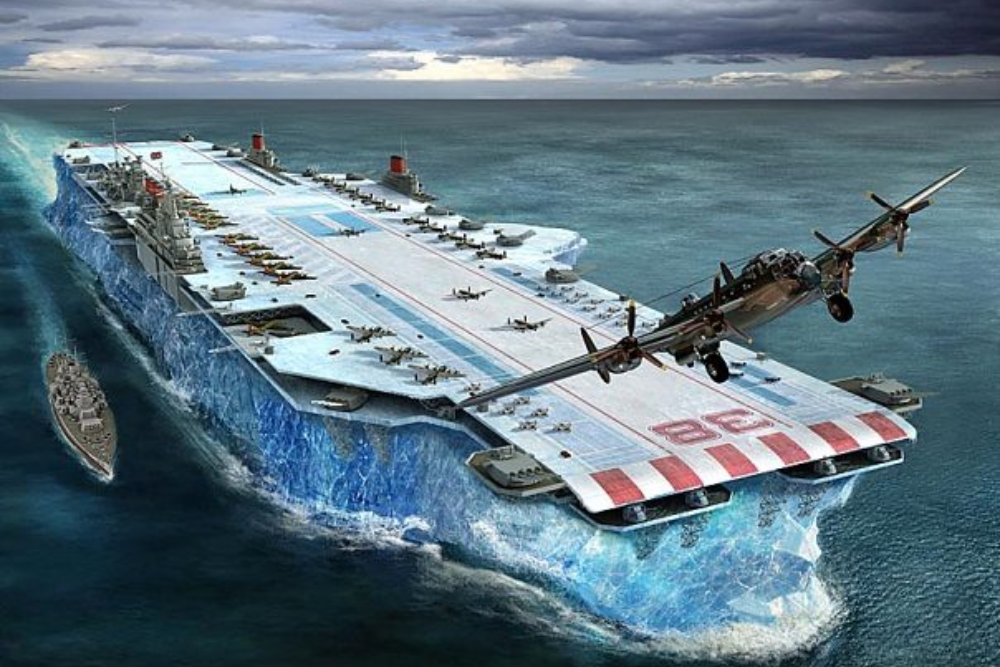
British engineer Geoffrey Pyke convinced Winston Churchill that aircraft carriers made of ice would be unsinkable and cheap to build. Project Habakkuk called for massive ships constructed from pykrete—a mixture of ice and wood pulp that was surprisingly strong.
The plan fell apart when engineers realized the ships would melt in warm water and require constant refrigeration. The prototype melted in a Canadian lake during testing.
Like Go2Tutors’s content? Follow us on MSN.
The Novgorod
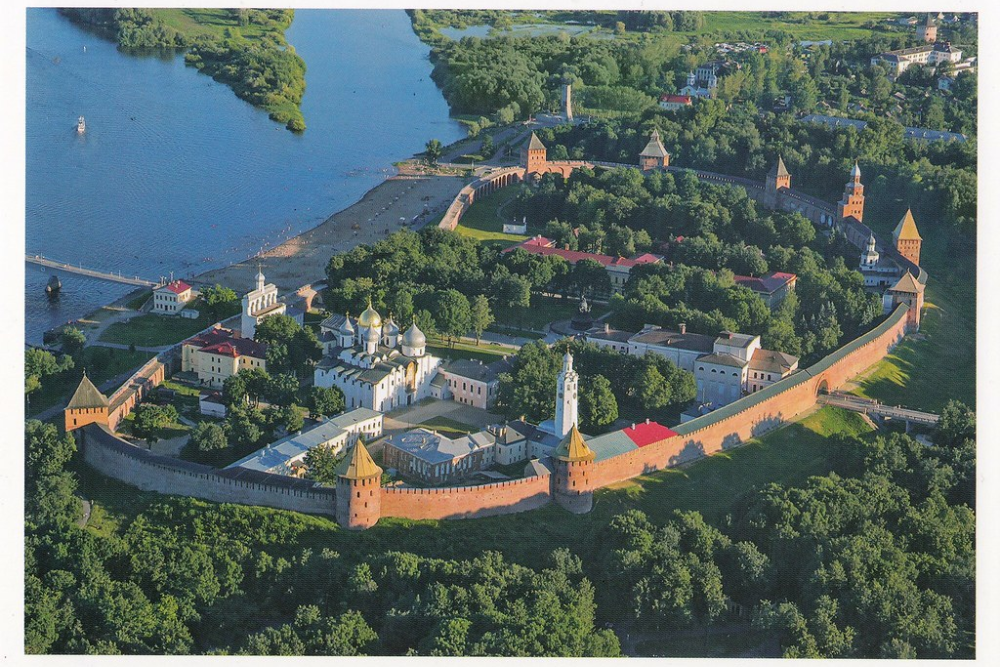
The Russian Imperial Navy’s circular warship looked like someone had decided a floating pancake could win naval battles. Built in 1873, the Novgorod was supposed to be stable and unsinkable—instead, it spun uncontrollably whenever it fired its main guns.
The ship’s round design created so much drag that it could barely move through water. After a few embarrassing trials, it spent most of its career as a floating gun platform.
Bat Bombs
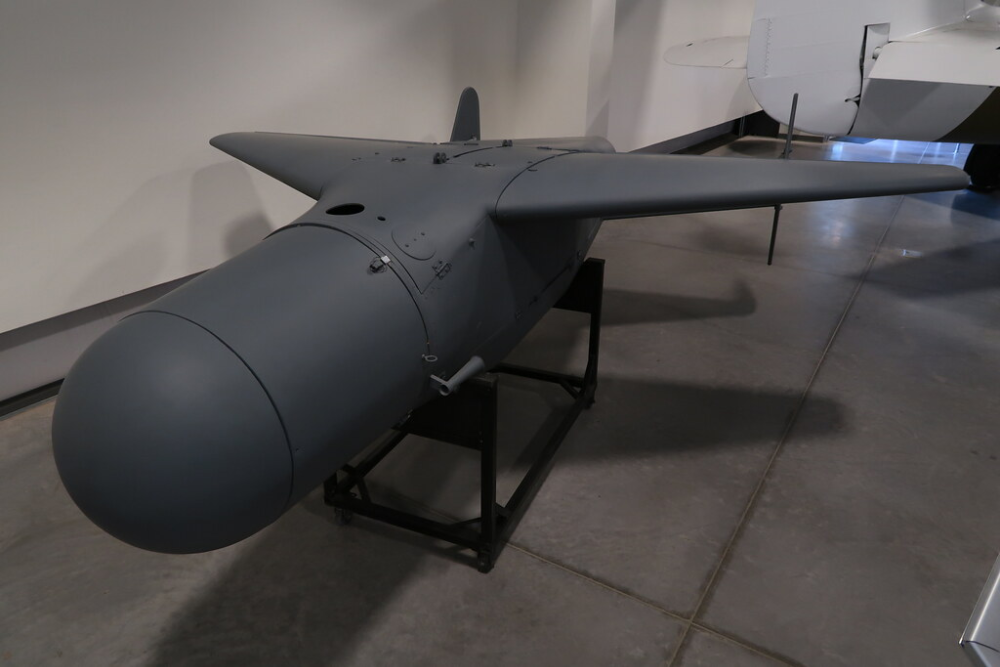
The U.S. military spent serious money developing bombs carried by bats during World War II. The plan involved attaching tiny incendiary devices to Mexican free-tailed bats and releasing them over Japanese cities.
During testing, some armed bats escaped and burned down part of the Carlsbad Army Airfield in New Mexico—including a general’s car. The project was scrapped when the atomic bomb proved more practical.
The Panjandrum

Britain’s Great Panjandrum looked like a giant Catherine wheel designed by someone who’d never seen actual combat. This rocket-powered wheel was supposed to roll up beaches and blast through German fortifications during D-Day.
Instead, it careened wildly during tests—chasing spectators, changing direction randomly, and generally behaving like an out-of-control carnival ride. The weapon was abandoned after it nearly killed several British officers.
Like Go2Tutors’s content? Follow us on MSN.
Krummlauf
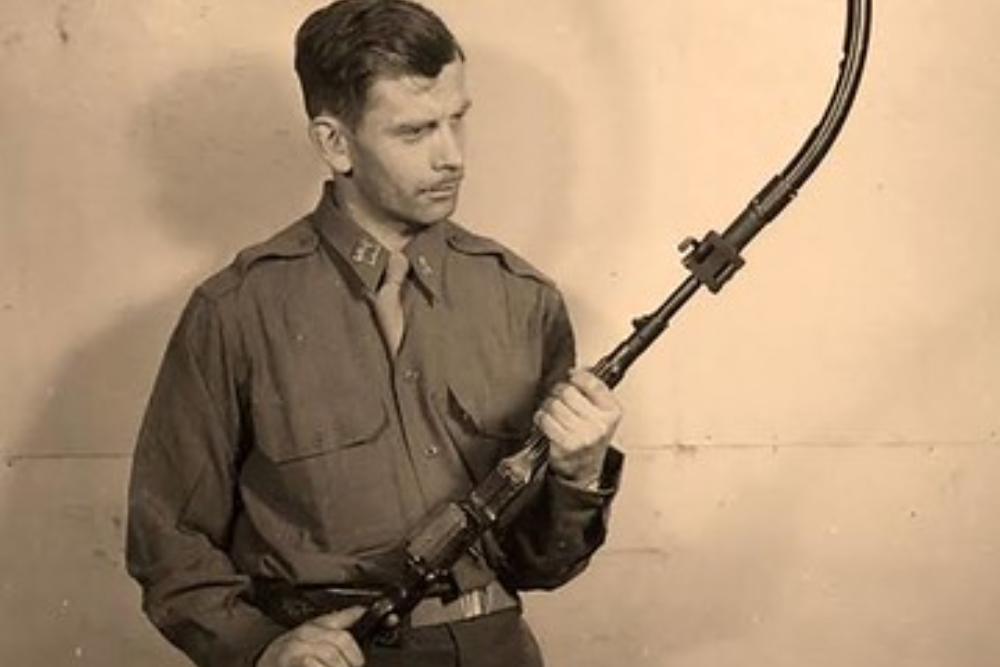
German engineers developed the Krummlauf—a curved barrel attachment that let soldiers shoot around corners without exposing themselves. The concept made sense until physics got involved.
Bullets shattered against the barrel’s curve, creating dangerous fragments that often injured the shooter. The few that made it through the bend were so inaccurate that they posed more danger to civilians than enemies.
The Paris Gun
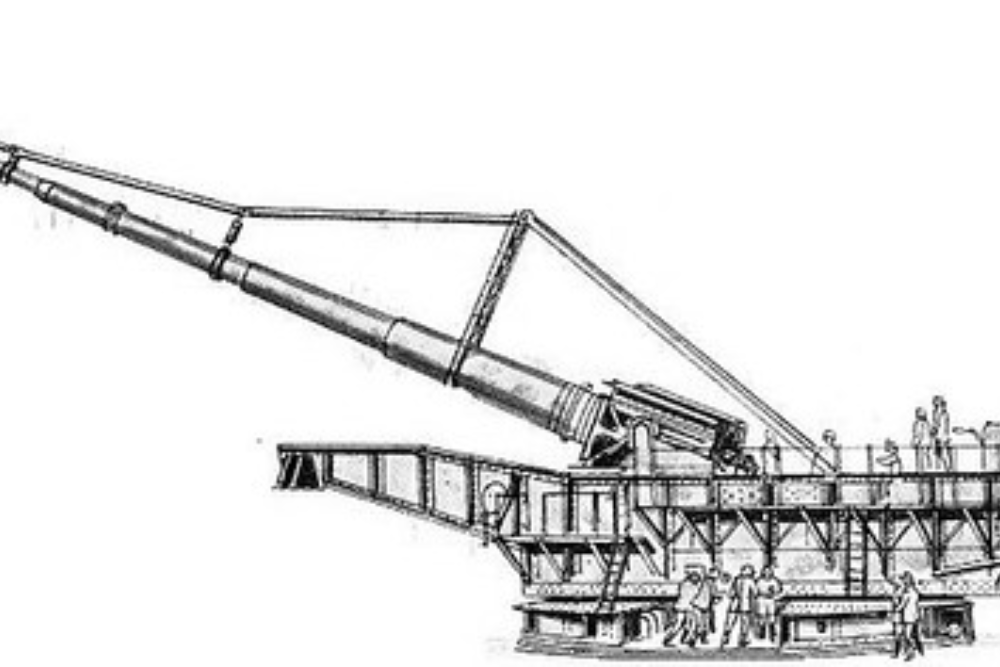
Germany’s Paris Gun could shell the French capital from 75 miles away—an impressive feat that accomplished almost nothing militarily. The massive artillery piece required a specially built railway car and took hours to aim and fire.
Each shot wore out the barrel so much that shells had to be numbered and sized differently. After firing 183 rounds that killed 256 people, the gun was scrapped because it consumed more resources than it was worth.
Sticky Bombs
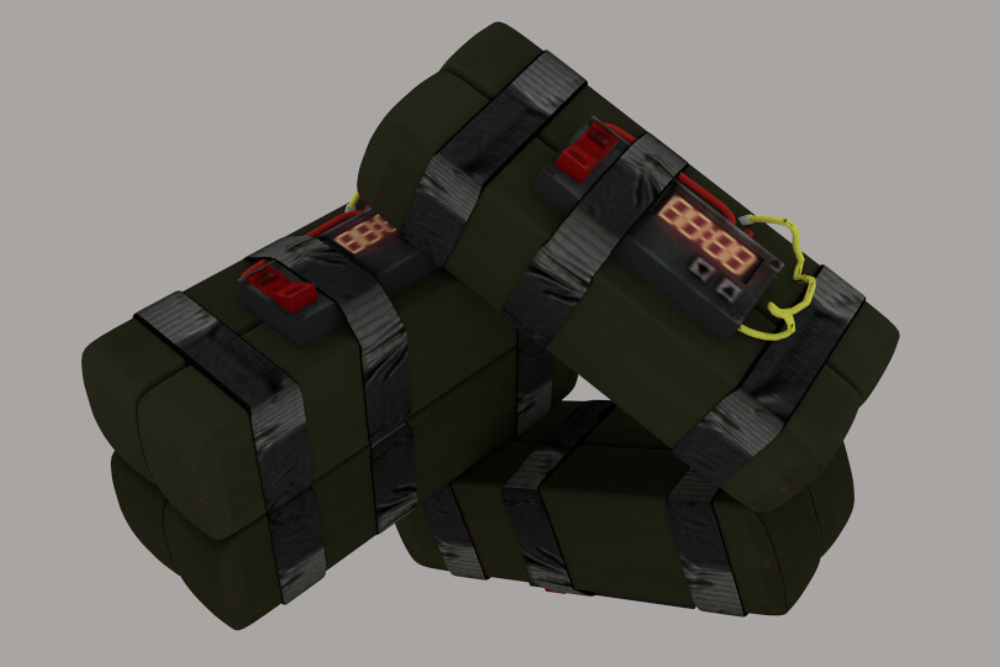
British sticky bombs were supposed to stick to enemy tanks and explode—simple enough in theory. In practice, the adhesive worked too well, often sticking to the thrower’s uniform or equipment instead of the intended target.
The bombs frequently failed to stick to dirty or wet tank surfaces but adhered perfectly to unlucky soldiers. Training accidents were so common that many units refused to use them.
Like Go2Tutors’s content? Follow us on MSN.
The Goblin Parasite Fighter
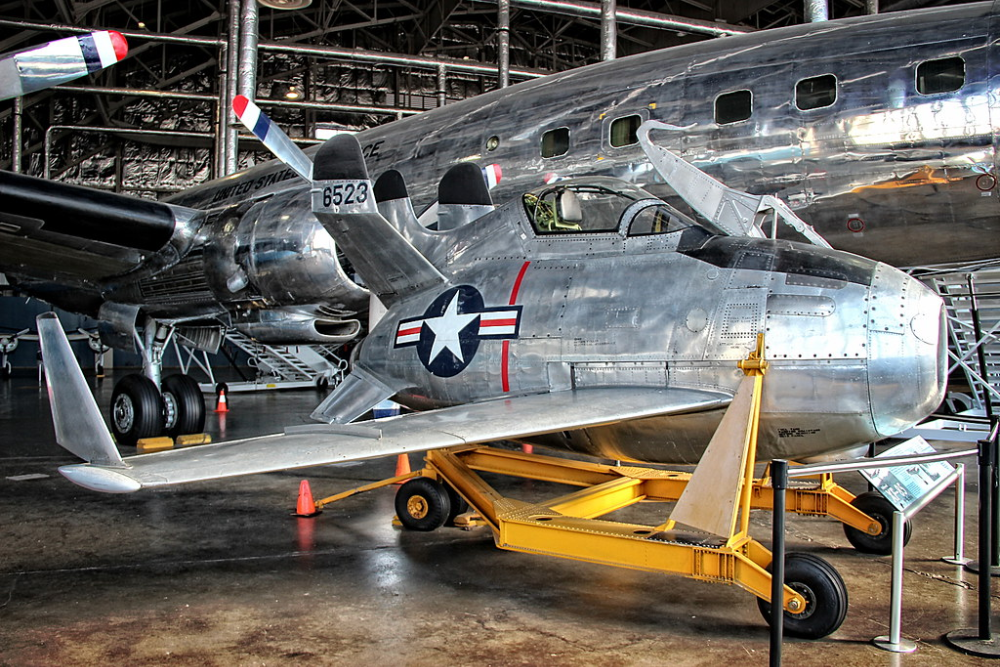
The McDonnell XF-85 Goblin was designed to be carried inside bombers and deployed like a parasite to fight off enemy interceptors. The tiny fighter had no landing gear because it was supposed to hook back onto its mother ship using a trapeze system.
Test pilots found the aircraft nearly impossible to control and even harder to reconnect mid-flight. After several near-fatal accidents, the program was terminated.
Explosive Rats

British Special Operations Executive agents stuffed explosives into dead rats, planning to place them in German boiler rooms where workers would shovel them into furnaces. The plan backfired when the Germans discovered the first shipment and used the explosive rats to train their troops in spotting similar devices.
Instead of sabotaging German facilities, the weapons became training aids for the enemy.
The Antonov A-40
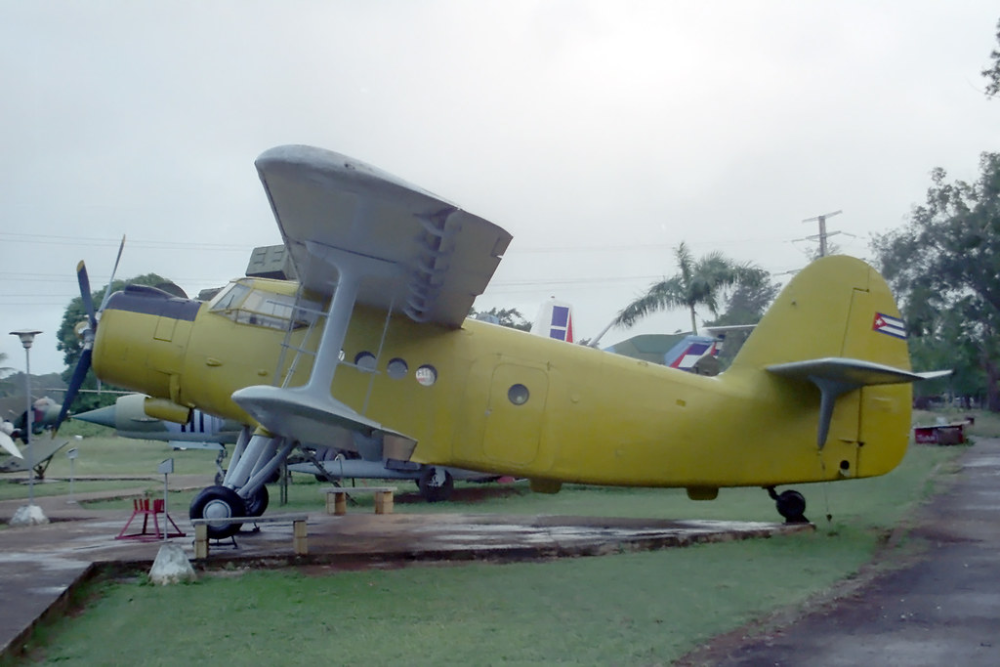
The Soviet Union tried to create flying tanks by attaching wings to their T-60 light tanks. The Antonov A-40 was supposed to glide behind enemy lines where crews could detach the wings and drive into battle.
The only test flight ended with the towing aircraft struggling to maintain altitude and the tank landing so hard it was damaged beyond repair. The concept was abandoned after this single disastrous attempt.
Like Go2Tutors’s content? Follow us on MSN.
Davy Crockett Nuclear Weapon
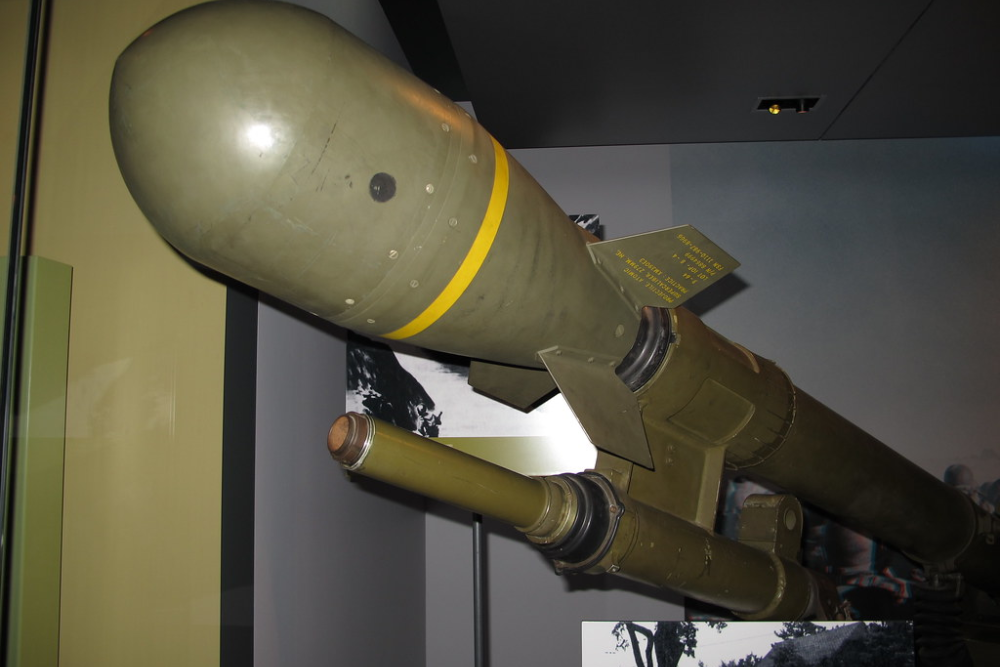
The Davy Crockett was a recoilless rifle that fired nuclear warheads—the smallest atomic weapon ever deployed by the U.S. military. With a range of just 1.25 miles, the weapon’s radiation could easily affect the soldiers firing it.
Training exercises showed that crews would likely receive lethal doses of radiation from their own weapon. Military strategists realized they’d created a nuclear weapon more dangerous to its operators than the enemy.
The Sword Breaker
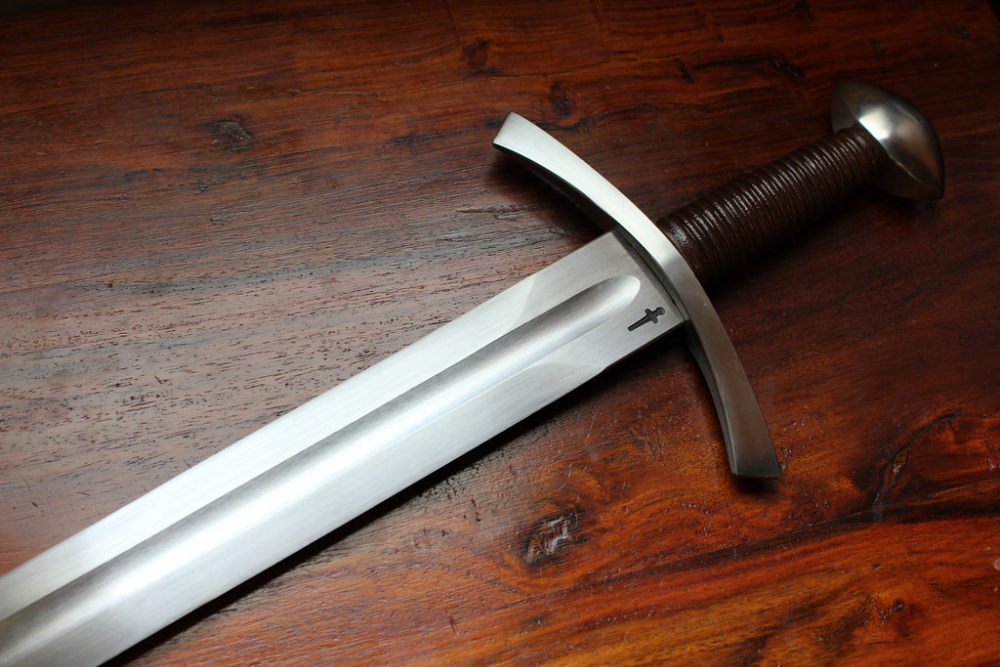
Medieval sword breakers featured notched blades designed to catch and snap enemy swords during combat. The weapon worked occasionally but more often trapped the user’s own blade when opponents pulled away quickly.
Skilled fighters learned to use the notches against sword breaker wielders, twisting captured blades to disarm their attackers. The weapons became more of a liability than an advantage in actual combat.
Project Pigeon

B.F. Skinner convinced the U.S. Navy that pigeons could guide missiles to their targets more accurately than mechanical systems. Project Pigeon involved training birds to peck at screens showing enemy ships, with their pecking controlling the missiles’ flight path.
The pigeons performed well in tests, but military officials couldn’t bring themselves to trust their expensive missiles to birds. The project was cancelled despite promising results.
Like Go2Tutors’s content? Follow us on MSN.
The Lebel Rifle’s Smokeless Powder
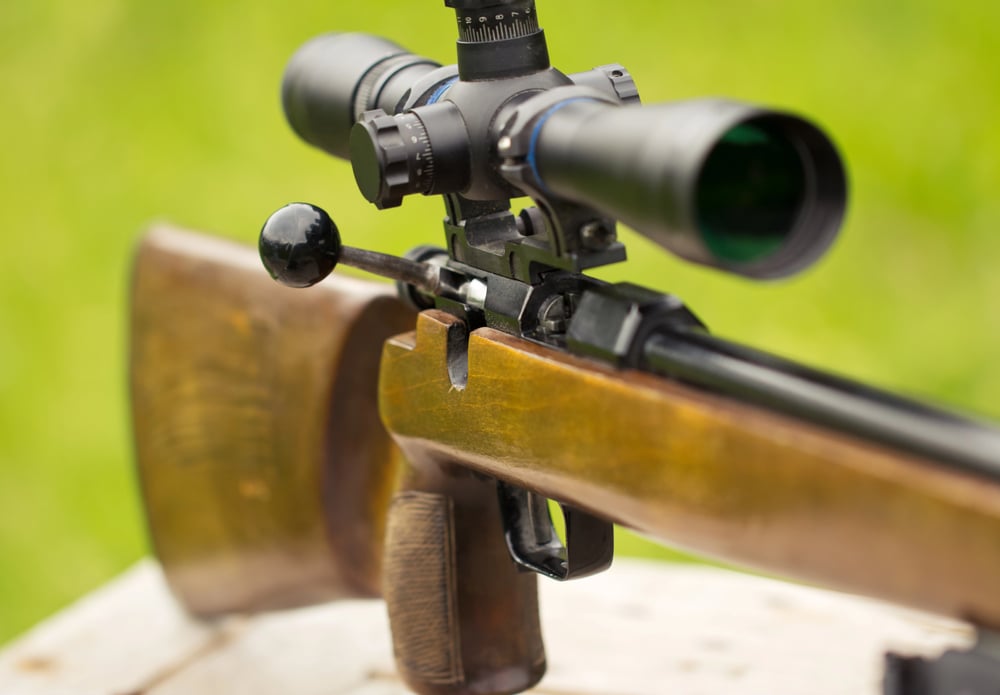
France’s Lebel rifle was the first military weapon to use smokeless powder, giving French soldiers a huge advantage because their positions weren’t revealed by gunsmoke. The problem came when other armies quickly adopted the technology and France hadn’t developed new tactics to match.
French military doctrine still assumed battles would be fought in the traditional manner, leading to devastating casualties when they faced enemies who could see them clearly while remaining hidden.
Rocket Boots

The German military experimented with rocket-powered boots designed to help soldiers jump over obstacles and cross rivers. Test subjects found the boots impossible to control, often launching themselves into trees, buildings, or enemy positions by accident.
The fuel burned so quickly that users had only seconds of boost time, usually not enough to reach safety. After several injuries during testing, the project was quietly abandoned.
The Vieux Charles Cannon
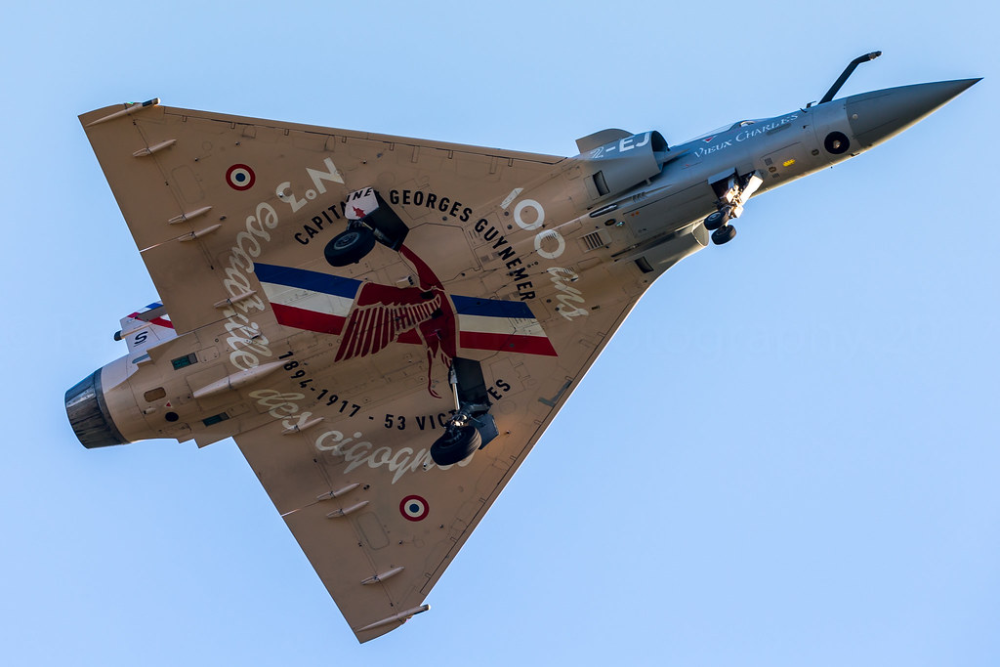
This medieval French cannon was so large that it required 100 oxen to move and took an entire day to load and aim. The Vieux Charles could destroy castle walls from impressive distances—when it worked.
The massive weapon exploded during its first major battle, killing more French soldiers than enemies. Military engineers realized they’d built a cannon too powerful for the metallurgy of its time.
Like Go2Tutors’s content? Follow us on MSN.
When Innovation Meets Reality

Military history teaches us that the gap between brilliant ideas and practical weapons can be enormous. These spectacular failures remind us that successful military technology requires more than just clever engineering—it needs to work reliably under the worst possible conditions.
While some of these weapons failed because their creators ignored basic physics, others were simply ahead of their time, waiting for technology to catch up with ambition. The best military innovations have always balanced revolutionary thinking with practical limitations, understanding that a weapon’s true test comes not in the laboratory but on the battlefield.
More from Go2Tutors!

- 16 Restaurant Chains That Went Too Fast
- 12 Things Sold in the 80s That Are Now Illegal
- 15 Strange Things People Have Tried to Ban (And Failed)
- 16 Collectibles People Tossed Out Too Soon
- 17 Myths from Your Childhood That Were Actually Based on Real Things
Like Go2Tutors’s content? Follow us on MSN.