KitKat Flavors You Can Only Find in Japan
Walk into any convenience store or department store in Japan and you’ll encounter something unexpected: an entire wall dedicated to KitKats in every color imaginable. Pink ones, green ones, purple ones, even pale yellow ones that smell faintly of citrus.
This isn’t some fever dream. Japan has turned the humble chocolate wafer bar into something approaching an art form, with more than 400 unique flavors created since 2000. And most of them never leave the country.
The obsession started with a happy linguistic accident. “KitKat” sounds remarkably like “kitto katsu,” a Japanese phrase meaning “you will surely win.”
Students began giving each other KitKats before exams as good luck charms. Parents slipped them into lunchboxes with unspoken encouragement.
Nestlé noticed, leaned into it, and the rest became confectionery history.
Matcha Green Tea

The flavor that started the revolution. Nestlé Japan released the first matcha KitKat in 2004, and it changed everything.
The bars use actual Uji matcha powder from Kyoto, giving them a distinct bittersweet quality that balances beautifully against the white chocolate coating. The green color is entirely natural.
You’ll find several matcha variations now, from dark “koicha” versions with intensified tea flavor to lighter matcha latte editions made in collaboration with the tea company Ito En.
Matcha remains the bestselling Japan-exclusive flavor worldwide, though ironically many Japanese consumers consider it almost too familiar at this point.
Sake

Rice wine in chocolate form. When Nestlé introduced the sake KitKat in 2016, people outside Japan didn’t quite know what to make of it.
The bars contain actual sake powder mixed into white chocolate, giving them a 0.4% alcohol content and a subtle boozy warmth. The flavor is elegant rather than overpowering.
You catch hints of fermented rice and a slight floral note before the sweetness comes through. There’s also a sake and plum variation with softer acidity, and a yuzu sake version that adds citrus complexity.
None of these will get you tipsy, but they will make you rethink what chocolate can do.
Wasabi

This one sounds like a dare, but the Shizuoka wasabi KitKat is genuinely delicious. Shizuoka Prefecture produces some of Japan’s finest wasabi, so the pairing makes geographic sense even if it seems culinarily reckless.
The heat is mellow rather than sinus-clearing, embedded in white chocolate that softens the spice into something almost creamy. You taste wasabi’s vegetal, slightly sweet undertones more than its burn.
The pale green color gives fair warning, but the flavor surprises most first-timers by being far better than they expected.
Purple Sweet Potato

Okinawa’s beni-imo sweet potato has a naturally vivid violet color and an earthy sweetness that works perfectly with white chocolate. The resulting KitKat looks striking and tastes like autumn in candy form.
The flavor is genuinely potato-like in the best way, rich and starchy with caramelized edges. It’s become one of the most photographed Japanese KitKats simply because the color is so unusual.
For visitors to Okinawa, these make popular souvenirs that actually represent the region rather than generic tourism fare.
Tokyo Banana

Tokyo Banana is already an institution. The banana-cream-filled sponge cakes have been a quintessential Tokyo souvenir since 1991, sold at train stations and airports throughout the city.
The KitKat collaboration captures that distinctive banana essence wrapped in milk chocolate, with each bar embossed with a tiny banana motif.
The partnership between two beloved brands created something that feels genuinely Tokyo rather than generically Japanese.
Hokkaido Melon

Yubari melons from Hokkaido are legendary, sometimes selling for thousands of dollars at auction. The KitKat version won’t set you back nearly that much, but it does capture the melon’s remarkable sweetness with unsettling accuracy.
The white chocolate takes on an almost cantaloupe-like quality. Some versions combine the melon with Hokkaido cheese for a sweet-savory combination that sounds wrong but somehow works.
Finding these outside Hokkaido takes effort, which only adds to their appeal.
Strawberry Cheesecake
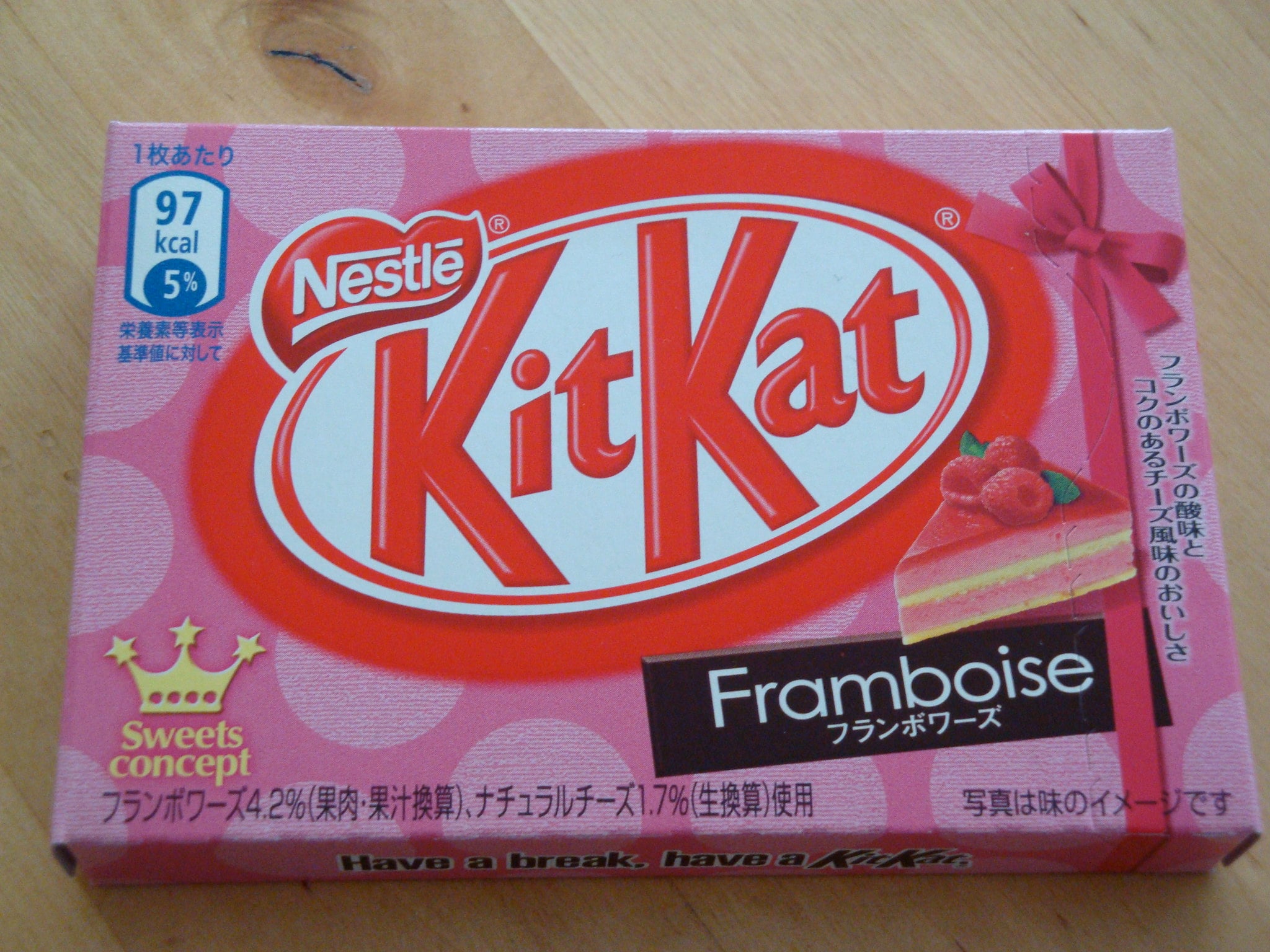
This regional flavor from Yokohama combines strawberry-infused white chocolate with subtle cheesecake notes. Yokohama was among the first Japanese ports open to Western trade, which is why Nestlé associated this Western dessert with the city.
The result tastes like a proper strawberry cheesecake compressed into wafer form, creamy and fruity with the slightest tang.
Amaou Strawberry

The Kyushu region produces Amaou strawberries, a specially cultivated variety whose name combines the Japanese words for red, round, big, and sweet. These aren’t your average strawberries, and the KitKat reflects that.
The flavor is intensely berry-forward without tasting artificial, wrapped in strawberry-tinted white chocolate that looks as pink as the real fruit.
Hojicha Roasted Tea

While matcha gets most of the attention, hojicha deserves its own recognition. This roasted green tea has a toasty, slightly caramelized quality entirely different from regular green tea.
The KitKat version, often made with tea from Kyoto’s historic Itohkyuemon teahouse, delivers that smokiness against a backdrop of sweet white chocolate. It tastes warming somehow, like drinking tea on a cold afternoon.
Rum Raisin

A Tokyo exclusive that appears around the winter months. The combination of boozy dried fruit and chocolate is classic for good reason, and the KitKat version nails the balance between sweet, fruity, and subtly alcoholic.
It feels more sophisticated than many seasonal flavors, the kind of thing you’d give to an adult who actually appreciates good candy.
Momiji Manju

Hiroshima’s signature sweet is a maple-leaf-shaped cake traditionally filled with red bean paste. The KitKat collaboration with local maker Takatsudo captures that combination of maple sweetness and azuki beans in wafer form.
It’s regional specificity at its finest, a flavor that means something beyond just tasting good.
Cookies and Cream

This might sound familiar, but Japan’s cookies and cream KitKat hits differently than any Western equivalent. The 2025 limited edition features crushed chocolate cookie pieces throughout vanilla cream, all wrapped in white chocolate.
The cookie-to-cream ratio feels perfectly calibrated, and the whole thing tastes richer than you’d expect from something so straightforward.
The Chocolatory Experience

For those willing to spend more, the KitKat Chocolatory stores scattered across Japan offer premium versions created under the supervision of pastry chef Yasumasa Takagi. The first opened in Tokyo’s Ikebukuro district in 2014 and sold out within hours.
Takagi trained in European kitchens and brings that precision to his KitKat creations, using couverture chocolate and seasonal ingredients. His Sublime line includes single-origin cacao bars, passion fruit editions, and ruby chocolate versions that predated ruby chocolate’s availability anywhere else in the world.
At some Chocolatory locations, you can even design and make your own custom KitKat bar. Prices start around 700 yen for a single bar and climb from there.
KitKat is a luxury experience.
What the Wrappers Mean

Beyond flavor, Japanese KitKats carry cultural weight. The packaging often includes space for writing messages, turning candy into correspondence.
During university entrance exam season in January, sales spike as families and friends send encouraging KitKats to stressed students. Nestlé partnered with Japan Post in 2009 to sell mailable KitKats at 20,000 post offices nationwide.
The promotion sold out within a month and won the Media Grand Prix at the Cannes Lions advertising festival. The candy bar had become communication.
The regional flavors serve a similar purpose. Japan has a deep tradition of omiyage, small gifts brought back from trips to share with friends, family, and coworkers.
KitKats designed around local ingredients and landmarks fit perfectly into this custom. Buying a Hokkaido melon KitKat isn’t just about the taste.
It’s about bringing a piece of the journey home.
A Country Made of Flavors

Japan releases between 20 and 30 new KitKat flavors annually, cycling through seasonal, regional, and limited editions that appear briefly before vanishing. Some become recurring favorites.
Others exist for a single production run and then live on only in memory and collector photos. The impermanence is intentional.
It creates urgency. It makes each flavor feel like a small event.
Visitors often arrive with mental shopping lists: matcha, definitely. Maybe something weird like wasabi.
A regional exclusive from wherever they’re traveling. But the reality of standing before an actual KitKat display in a Japanese convenience store tends to overwhelm any planning.
There’s always something new, something unexpected, something you didn’t know existed until it was right there in front of you, wrapped in paper and promising a flavor unlike any KitKat you’ve had before.
That’s the real draw. Not any single flavor, but the possibility of flavors.
Japan looked at a simple chocolate wafer bar and saw potential where everyone else saw only chocolate. The result is a candy culture that treats each new variation as an opportunity rather than a gimmick.
Four hundred flavors and counting, most of them existing nowhere else on earth, each one a small bet that someone somewhere will find it worth trying.
More from Go2Tutors!

- The Romanov Crown Jewels and Their Tragic Fate
- 13 Historical Mysteries That Science Still Can’t Solve
- Famous Hoaxes That Fooled the World for Years
- 15 Child Stars with Tragic Adult Lives
- 16 Famous Jewelry Pieces in History
Like Go2Tutors’s content? Follow us on MSN.



