16 Architectural Movements That Faded Too Soon
Architecture has always been a reflection of its time, with movements rising and falling like waves throughout history. Some architectural styles managed to endure for centuries, while others burned bright and fast before disappearing into obscurity.
These brief but brilliant movements often pushed boundaries, challenged conventions, and introduced revolutionary ideas that were perhaps too radical for their era. Many of these forgotten styles contained seeds of innovation that would later shape modern architecture through surprising connections.
Here is a list of 16 architectural movements that faded too soon.
Metabolist Architecture
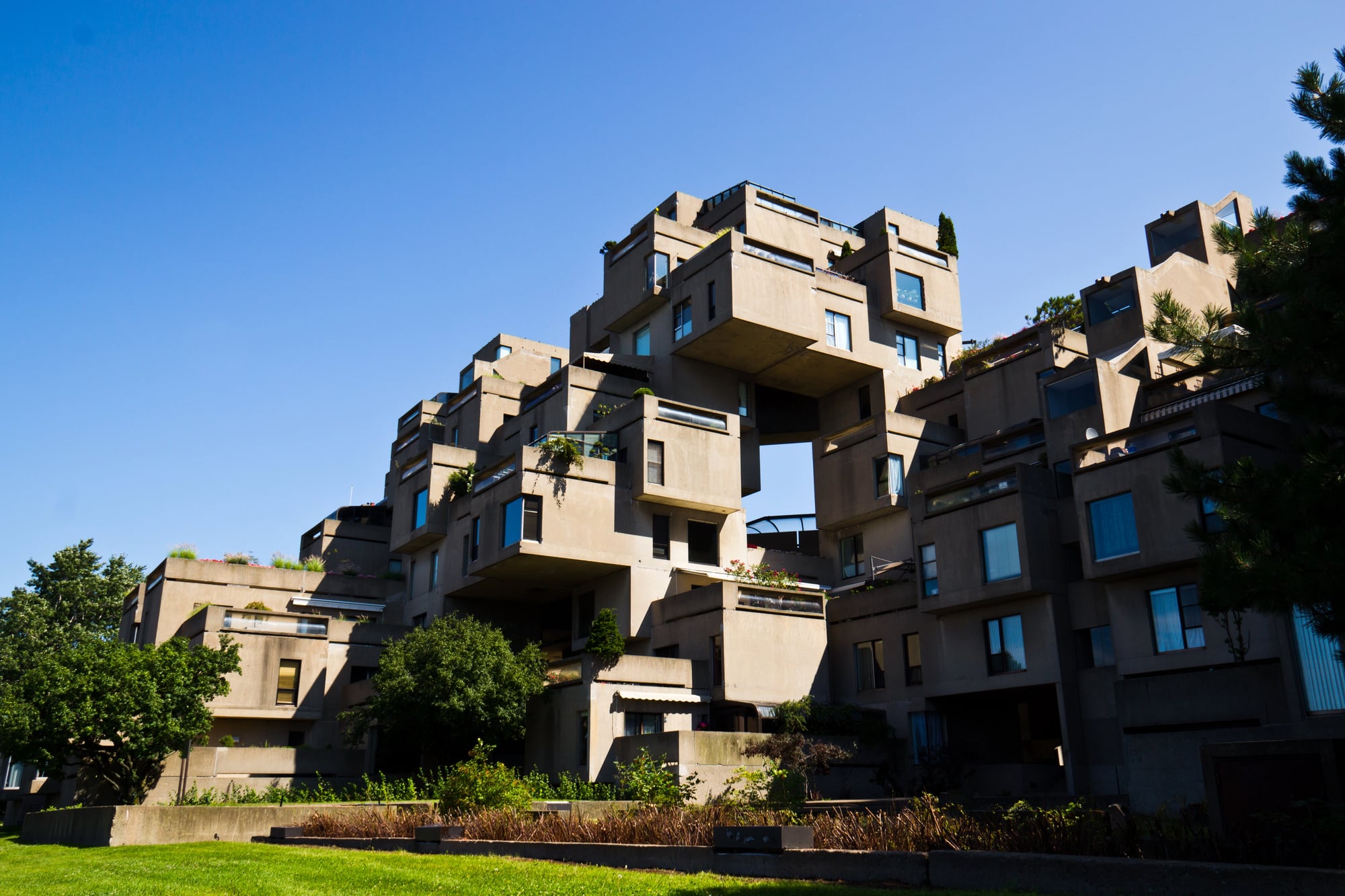
Japan’s Metabolist movement emerged in the 1960s with a vision of cities as living organisms that could grow and adapt — yet it lasted barely two decades. Architects like Kisho Kurokawa and Fumihiko Maki designed buildings with interchangeable parts and modular components that could be replaced as needs changed.
The movement’s organic approach to urban planning included floating cities and plug-in capsules, though few of these ambitious projects were ever fully realized.
Googie Architecture
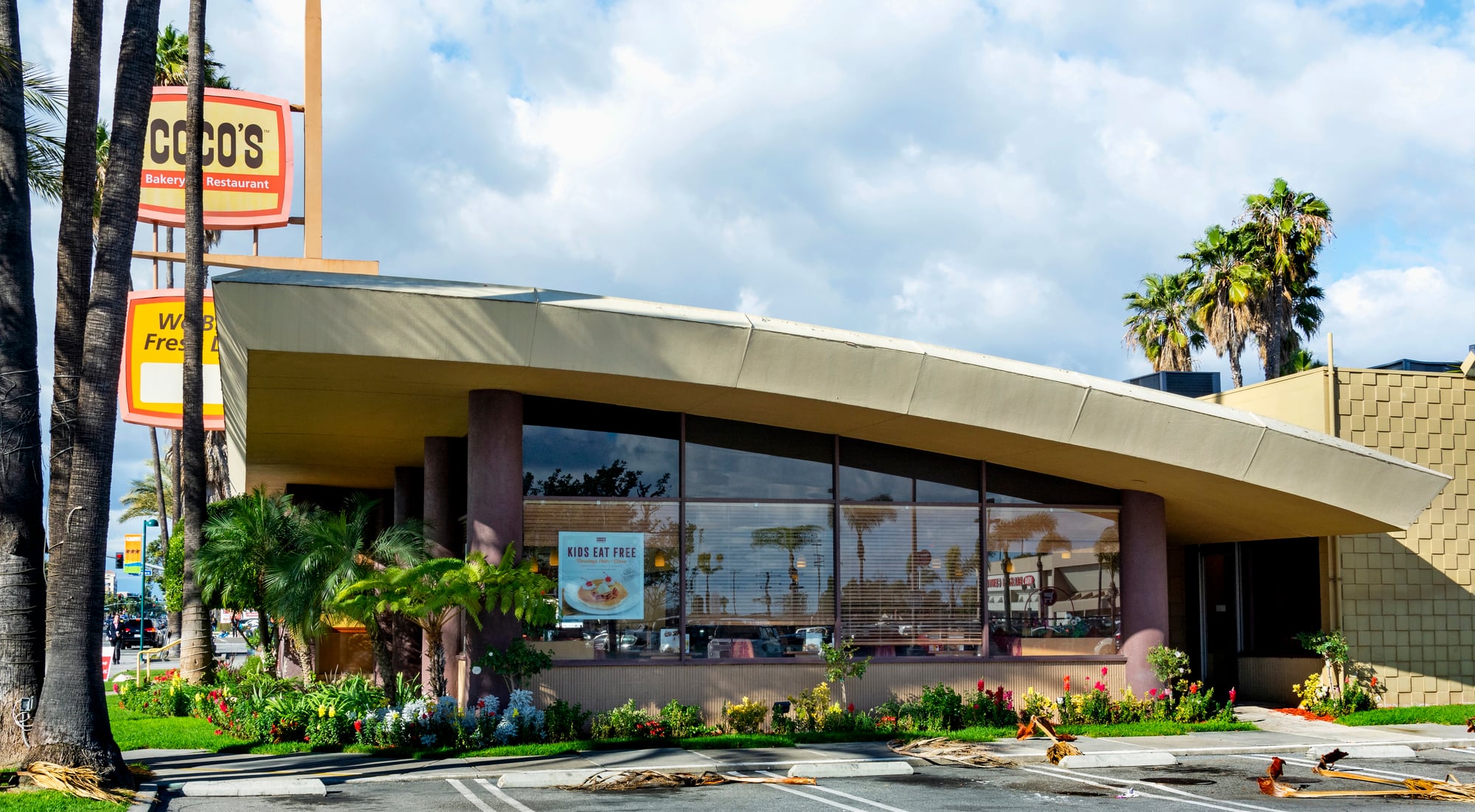
Born in 1950s California, Googie captured the Space Age optimism of post-war America — with its upswept roofs, atomic-inspired details, and neon signs reaching toward the stars. Coffee shops, gas stations, and motels embraced this futuristic style, yet it fell out of favor by the 1970s as architectural tastes shifted toward more serious modernism.
The movement’s playful celebration of car culture and space exploration now seems charmingly naive, though many of its bold geometric forms predicted later architectural developments.
Like Go2Tutors’s content? Follow us on MSN.
Blobitecture
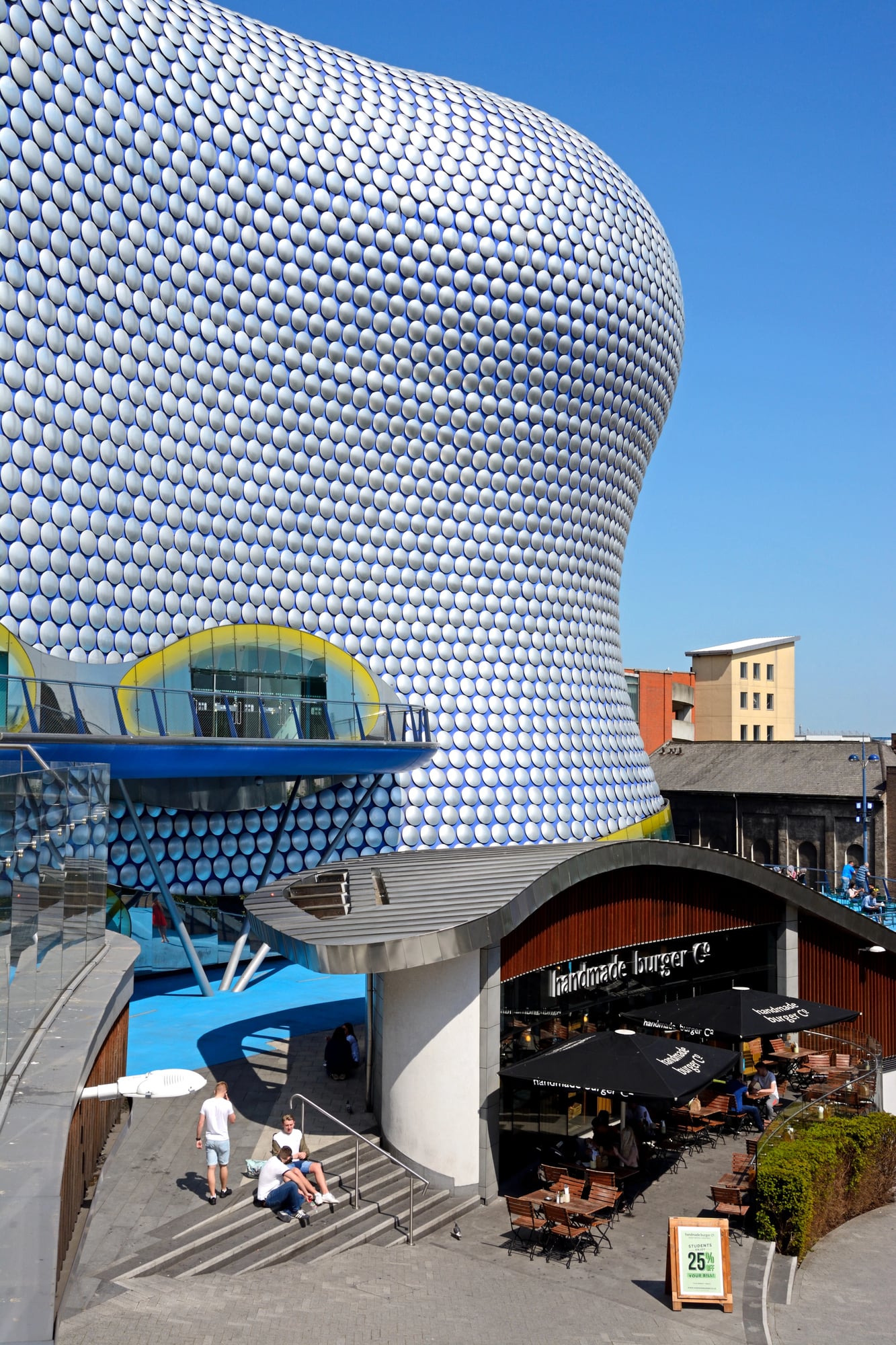
The late 1990s saw architects experimenting with computer-aided design to create buildings that looked like they’d been sculpted rather than constructed — smooth, curved forms that defied traditional geometric rules. Greg Lynn and Lars Spuybroek pioneered this approach, while buildings like the Kunsthaus Graz showed how digital tools could create entirely new architectural languages.
The movement faded as the novelty wore off, yet its impact remains visible in contemporary parametric design.
Critical Regionalism
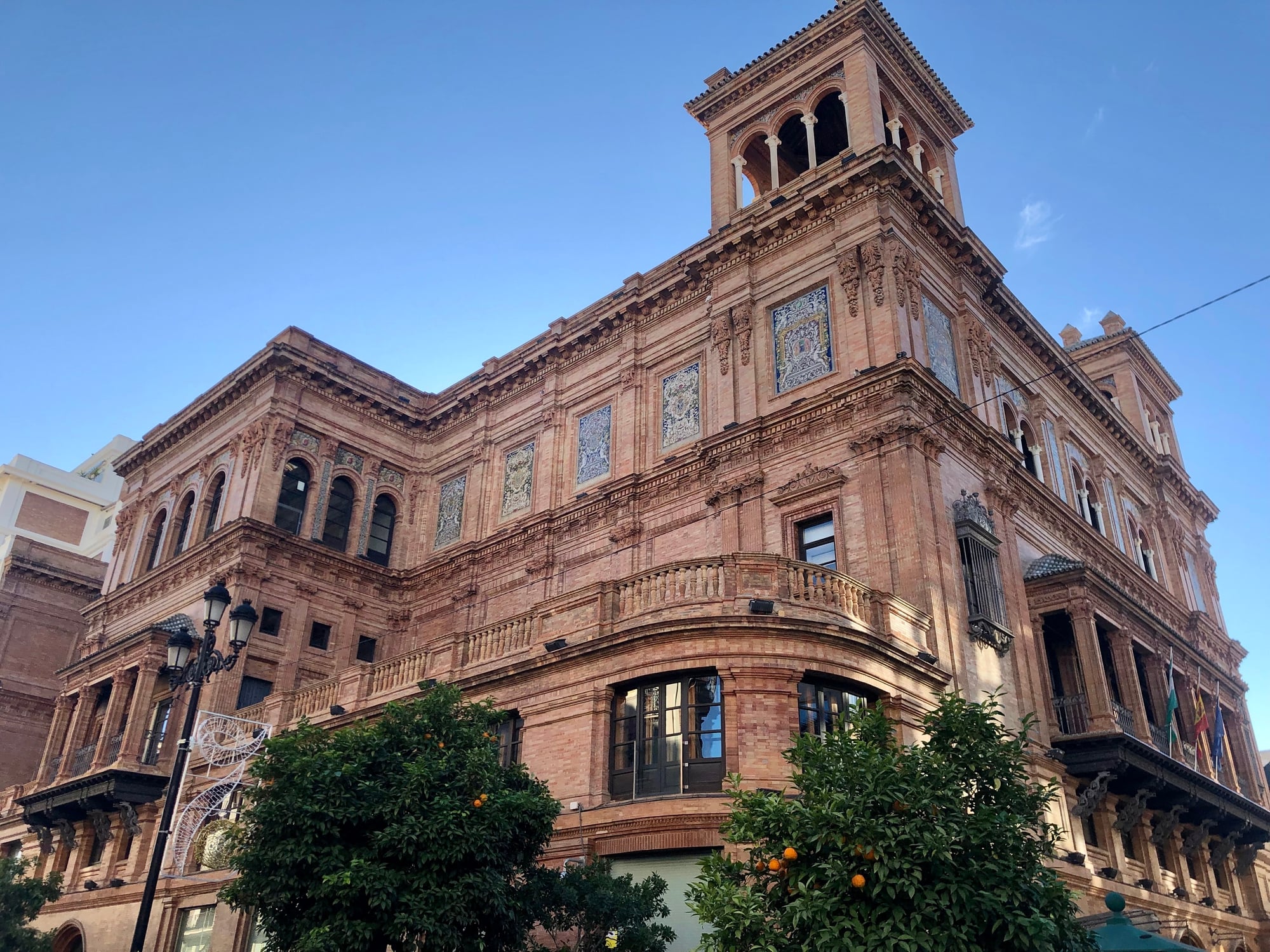
Kenneth Frampton’s theoretical framework emerged in the 1980s as a response to generic international modernism — attempting to create architecture that was both modern and deeply rooted in local culture. Architects like Hassan Fathy in Egypt and Glenn Murcutt in Australia demonstrated how traditional building techniques could be combined with contemporary design principles.
The movement struggled to gain broader acceptance, though its emphasis on climate-responsive design has become increasingly relevant in our era of environmental consciousness.
High-Tech Architecture
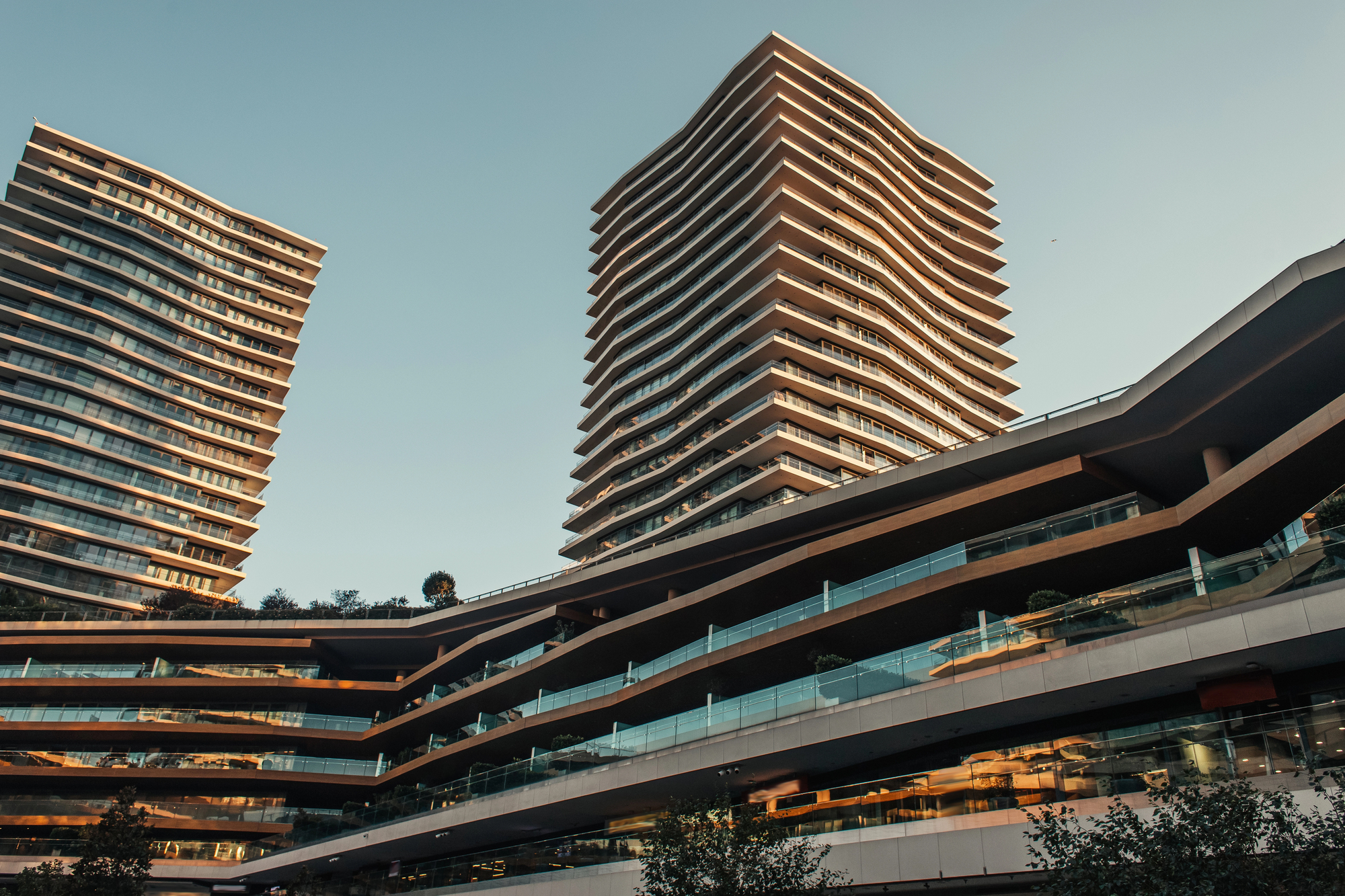
Britain’s High-Tech movement of the 1970s and 80s celebrated industrial materials and exposed structural systems — turning buildings inside out to display their mechanical guts. Norman Foster, Richard Rogers, and Renzo Piano created buildings that looked like sophisticated machines, yet the movement’s aesthetic proved too radical for widespread adoption.
While individual architects continued to refine the approach, High-Tech never achieved the broad cultural impact its pioneers had hoped for.
Like Go2Tutors’s content? Follow us on MSN.
Memphis Group Architecture

The Italian Memphis Group burst onto the scene in 1981 with furniture and architecture that rejected minimalist modernism in favor of bold colors, clashing patterns, and deliberately awkward forms — like a rebellion against good taste itself. Ettore Sottsass and his collaborators created spaces that felt more like pop art installations than traditional buildings, though their radical aesthetic was too challenging for most clients.
The movement lasted barely a decade, yet its influence on postmodern design continues to ripple through contemporary architecture.
New Brutalism
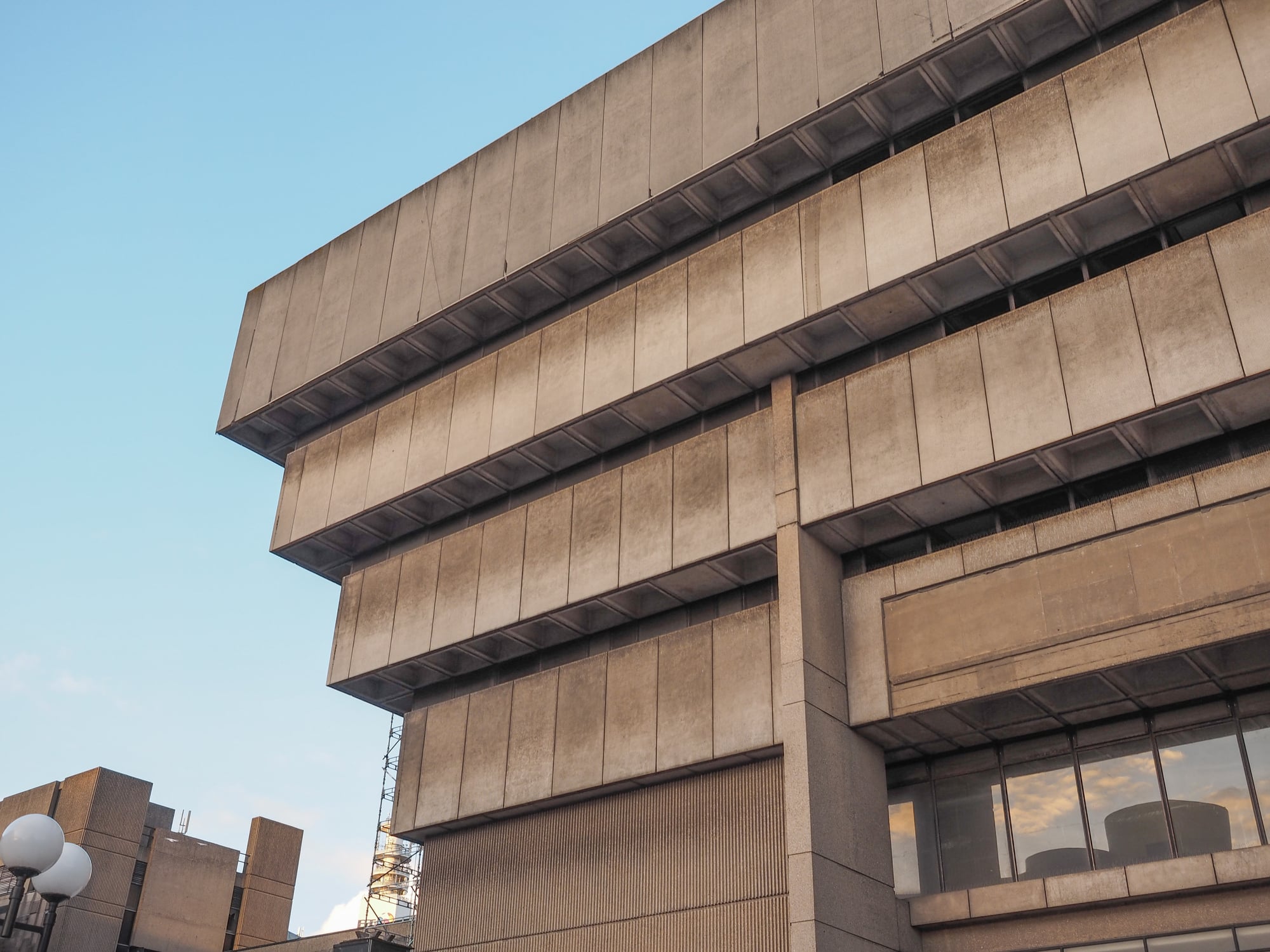
Britain’s New Brutalism of the 1950s went beyond raw concrete to embrace an ethical approach to architecture — designing honest buildings that expressed their materials and functions without ornamental disguise. Alison and Peter Smithson championed this movement, while buildings like the Hunstanton School showed how industrial materials could create powerful architectural statements.
The movement was often confused with later Brutalist architecture, though its original ideals were more complex and socially conscious.
Structuralism

Dutch Structuralism emerged in the 1960s with the idea that buildings should provide flexible frameworks that users could adapt and modify over time — like architectural skeletons waiting to be filled with life. Aldo van Eyck and Herman Hertzberger created buildings with multiple possible configurations, yet their complex spatial theories proved difficult to implement on a large scale.
The movement’s emphasis on user participation and social responsibility influenced later participatory design approaches, though pure Structuralism remained largely theoretical.
Like Go2Tutors’s content? Follow us on MSN.
Expressionist Architecture

Germany’s brief Expressionist period following World War I produced some of the most emotionally charged buildings ever conceived — structures that seemed to twist and writhe with psychological intensity. Erich Mendelsohn’s Einstein Tower and Bruno Taut’s crystalline visions showed how architecture could express inner states of mind rather than just functional requirements.
The movement was cut short by economic hardship and the rise of more pragmatic modernism, though its influence can be traced through later architectural movements that prioritized emotion over pure rationality.
International Style

While modernism survived, the specific vision of the International Style as promoted by Philip Johnson and Henry-Russell Hitchcock in the 1930s had a relatively brief heyday — emphasizing pure geometric forms, flat roofs, and the elimination of historical references. The style promised a universal architectural language that could work anywhere in the world, yet its sterile aesthetic eventually provoked strong reactions from both critics and the public.
By the 1960s, architects were already moving toward more contextual and expressive approaches, though the International Style’s emphasis on simplicity continues to influence contemporary design.
Deconstructivism
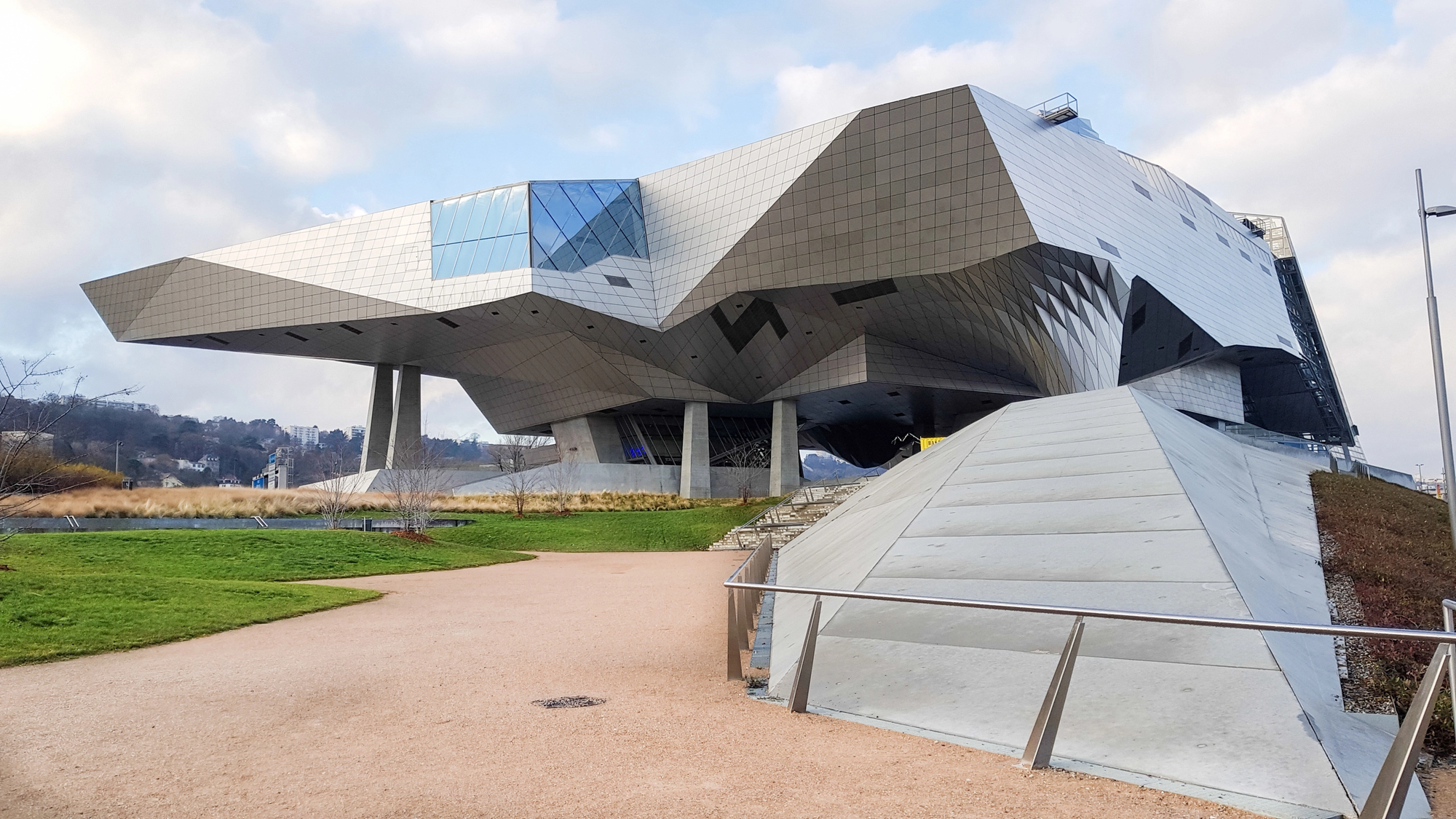
The 1980s saw architects like Peter Eisenman and Bernard Tschumi experimenting with fragmented forms and deliberately unstable compositions that challenged traditional notions of architectural harmony. Buildings began to look like they were falling apart or caught in the middle of an explosion, while computer modeling allowed for increasingly complex geometries.
The movement’s philosophical complexity and difficult construction requirements limited its practical applications, though its influence on digital design tools has been profound.
Like Go2Tutors’s content? Follow us on MSN.
Novelty Architecture

America’s roadside culture of the 1920s through 1960s produced buildings shaped like their products — hot dog stands that looked like hot dogs, coffee shops shaped like coffee pots, and gas stations designed as teapots. This playful approach to architecture embraced popular culture and commercial communication in ways that horrified architectural critics of the time.
Most of these whimsical structures have been demolished or abandoned, yet their influence on contemporary architects who embrace pop culture and commercial aesthetics is undeniable.
Fantastic Architecture

Austria’s Fantastic Architecture movement of the 1960s combined surrealist imagery with radical social ideas — creating buildings that looked like they belonged in science fiction films rather than real cities. Walter Pichler and Hans Hollein designed pneumatic structures and underground cities that challenged conventional notions of what architecture could be.
The movement’s utopian visions proved too radical for practical implementation, though its emphasis on imagination and social transformation influenced later experimental architecture.
Parametric Architecture

The early 2000s saw architects embracing algorithmic design processes that could generate complex geometries based on mathematical parameters — creating buildings that seemed to grow according to their internal logic. Firms like UN Studio and FOA pioneered this approach, while projects like the Qatar National Convention Centre showed how computational design could create entirely new architectural forms.
The movement’s technical complexity and high construction costs limited its mainstream acceptance, though parametric tools have become standard in contemporary practice.
Like Go2Tutors’s content? Follow us on MSN.
Archigram
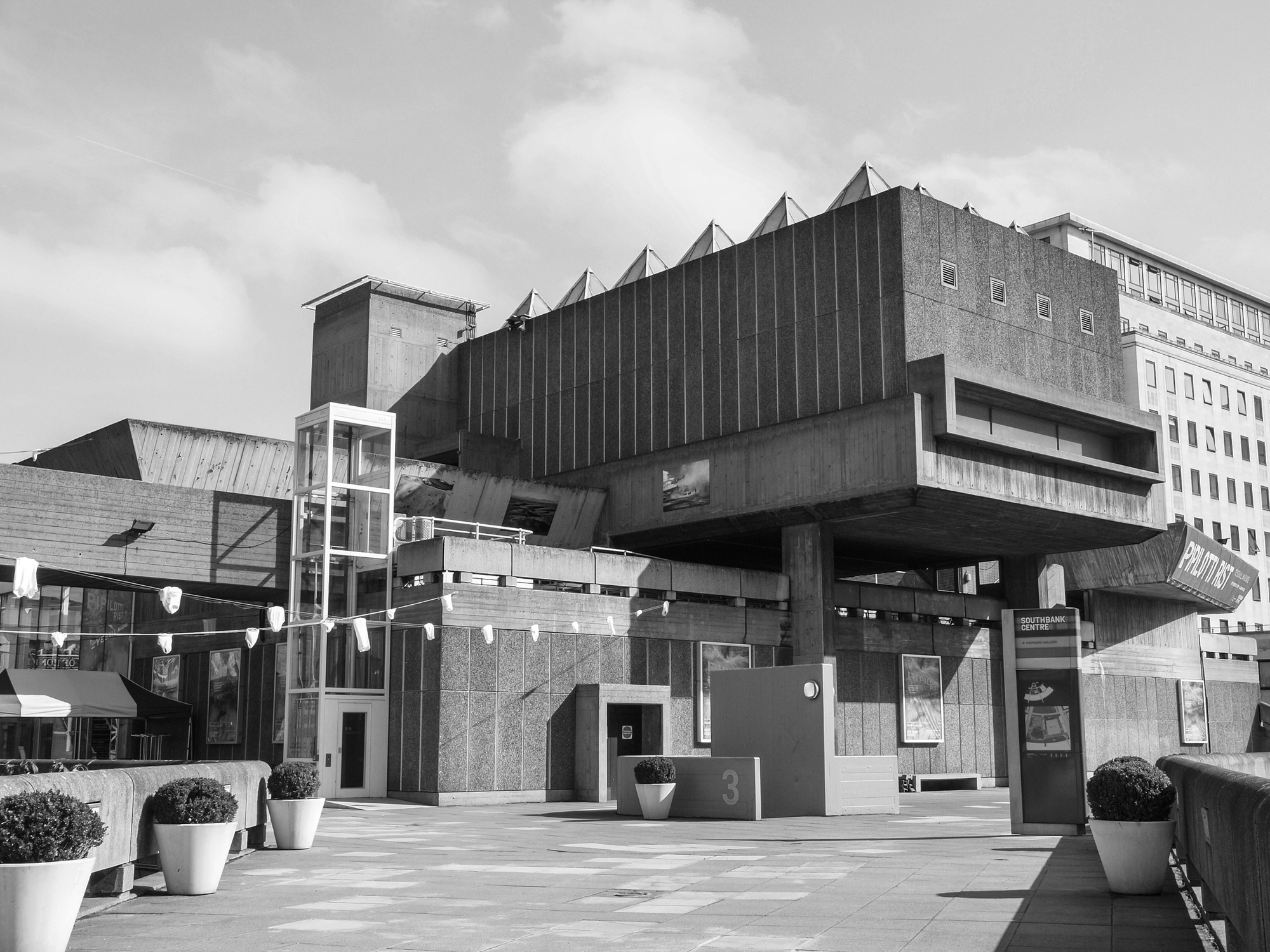
This British group of the 1960s existed more as a theoretical collective than a practical architectural movement — producing wild visions of plug-in cities, walking buildings, and instant architecture that could be deployed anywhere. Peter Cook, Archigram’s most prominent member, created images of cities that looked more like machines than traditional urban environments.
While few of their projects were ever built, their influence on later high-tech and digital architecture has been enormous, proving that sometimes the most important architectural movements exist primarily in the realm of ideas.
Sustainable Architecture

The environmental movement of the 1970s produced a brief flowering of truly sustainable architecture that went far beyond today’s green building standards — creating structures that aimed to be completely self-sufficient and in harmony with natural systems. Architects like Hassan Fathy and Paolo Soleri designed buildings that generated their energy, processed their own waste, and worked with natural climate systems rather than against them.
Economic pressures and technical limitations prevented most architects from embracing these radical approaches, though climate change has renewed interest in their fundamental principles.
Lessons from Architectural Evolution

These vanished movements remind us that architecture is constantly evolving, with each generation building on the experiments of those who came before. While some styles fade due to practical limitations or changing cultural values, their innovations often resurface in new forms when technology or social conditions finally catch up to their original vision.
The most successful architectural movements aren’t necessarily those that lasted the longest, but rather those that pushed the boundaries of what was possible and planted seeds for future developments.
More from Go2Tutors!

- 16 Restaurant Chains That Went Too Fast
- 12 Things Sold in the 80s That Are Now Illegal
- 15 Strange Things People Have Tried to Ban (And Failed)
- 16 Collectibles People Tossed Out Too Soon
- 17 Myths from Your Childhood That Were Actually Based on Real Things
Like Go2Tutors’s content? Follow us on MSN.