Fascinating Facts About Holiday Fruitcake Through the Ages
Fruitcake has become the punchline of countless holiday jokes. People claim they’ve been passing the same one around for years, that it doubles as a doorstop, that nobody actually eats it.
But fruitcake has survived thousands of years for a reason. Underneath all the mockery sits a food with genuine history, cultural significance, and flavors that people once traveled across oceans to experience.
Ancient Romans Made the First Version
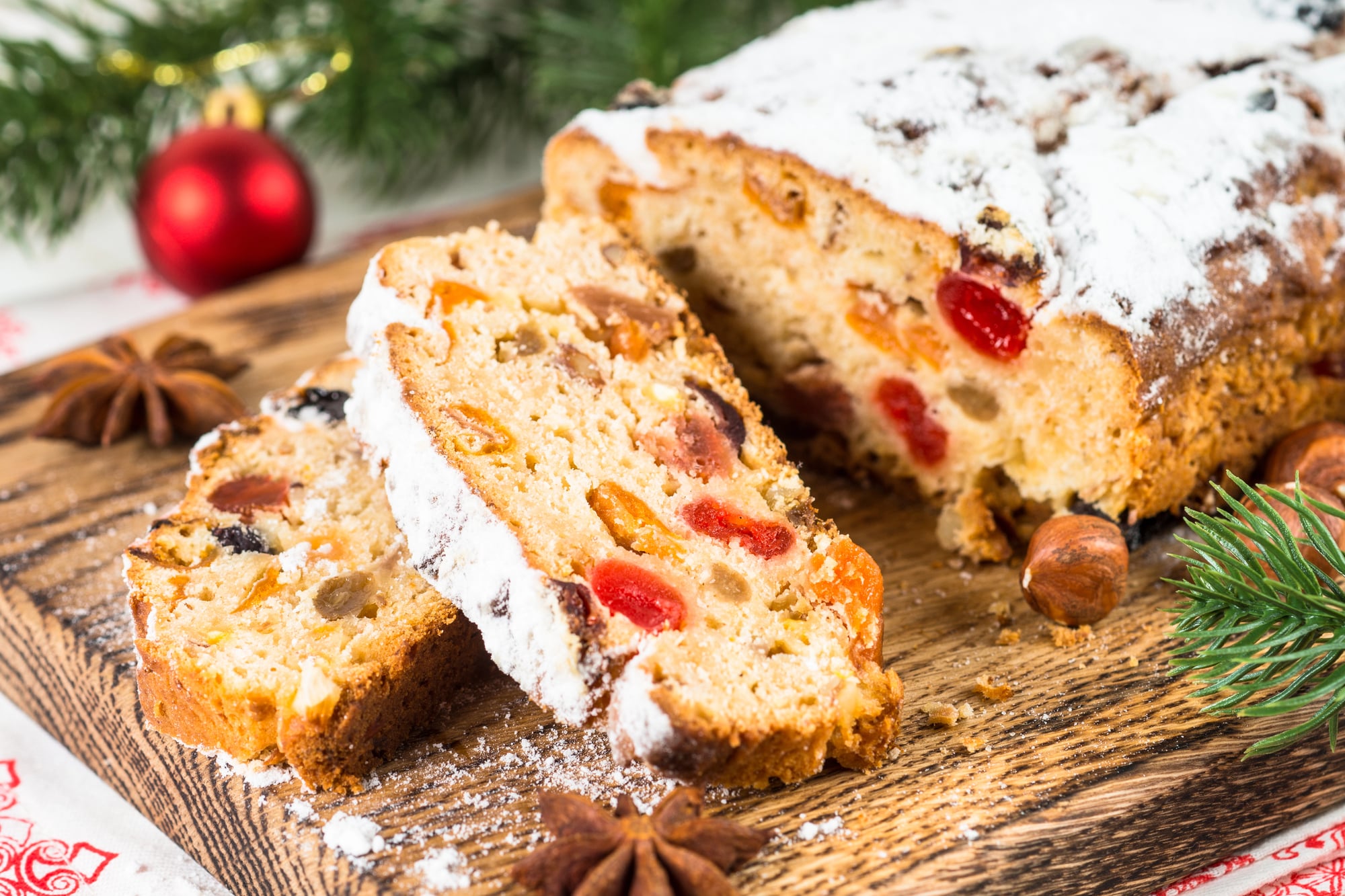
Roman soldiers carried an early form of fruitcake on long military campaigns. They mixed pomegranate seeds, pine nuts, and raisins into barley mash, creating dense, portable food that wouldn’t spoil.
This primitive fruitcake provided energy during months-long marches and sieges. The recipe appears in ancient texts, proving that humans have been combining dried fruit with grain-based foods for at least two millennia.
Sugar Preservation Changed Everything
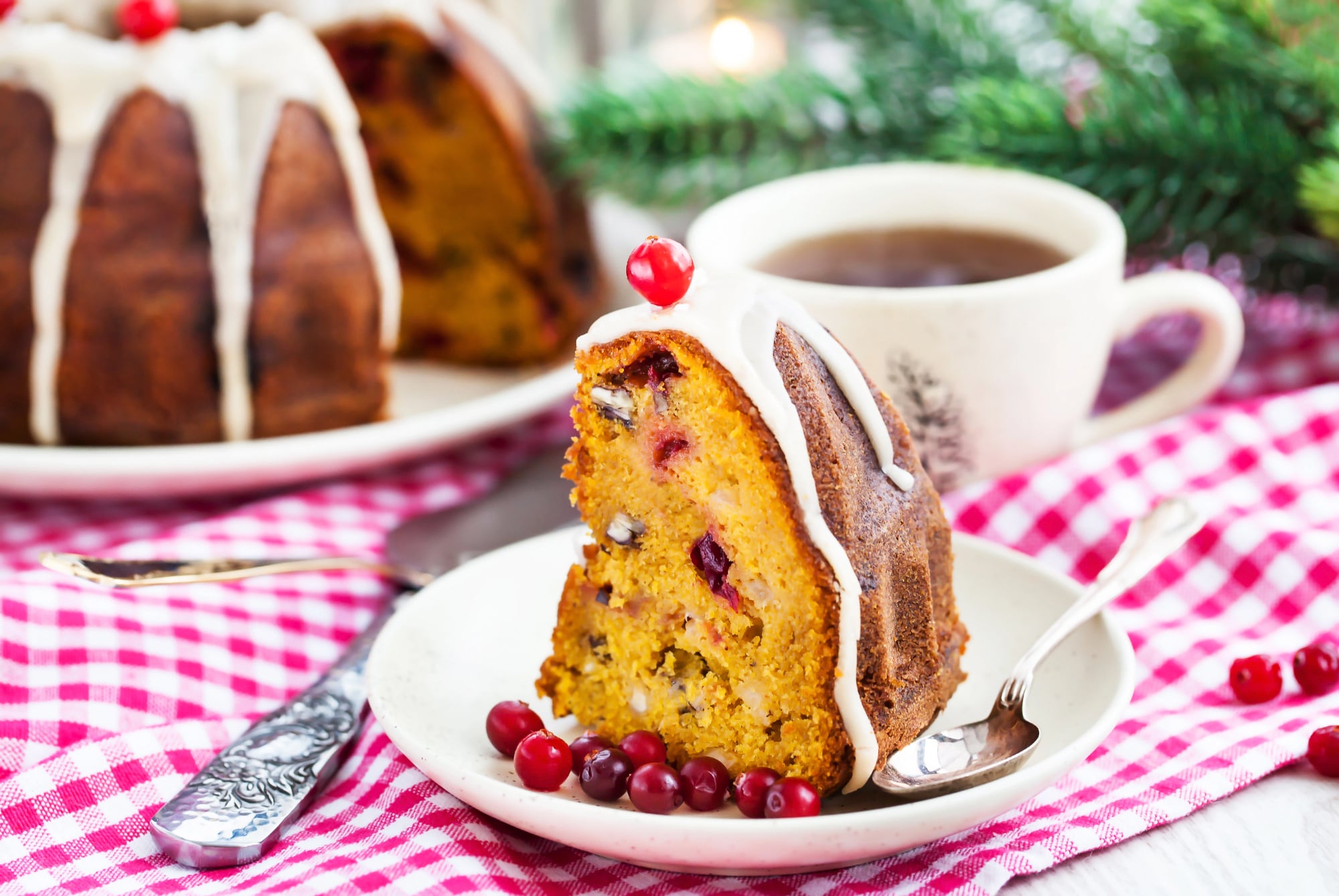
When sugar became more available in the 16th century, fruitcake transformed from a military ration to a delicacy. Sugar acts as a preservative, which meant bakers could create cakes that lasted for months without refrigeration.
Wealthy families commissioned elaborate fruitcakes studded with expensive imported fruits and nuts. The cakes became status symbols—the more exotic the ingredients, the more impressive your social standing.
Queen Victoria Saved a Slice for a Year
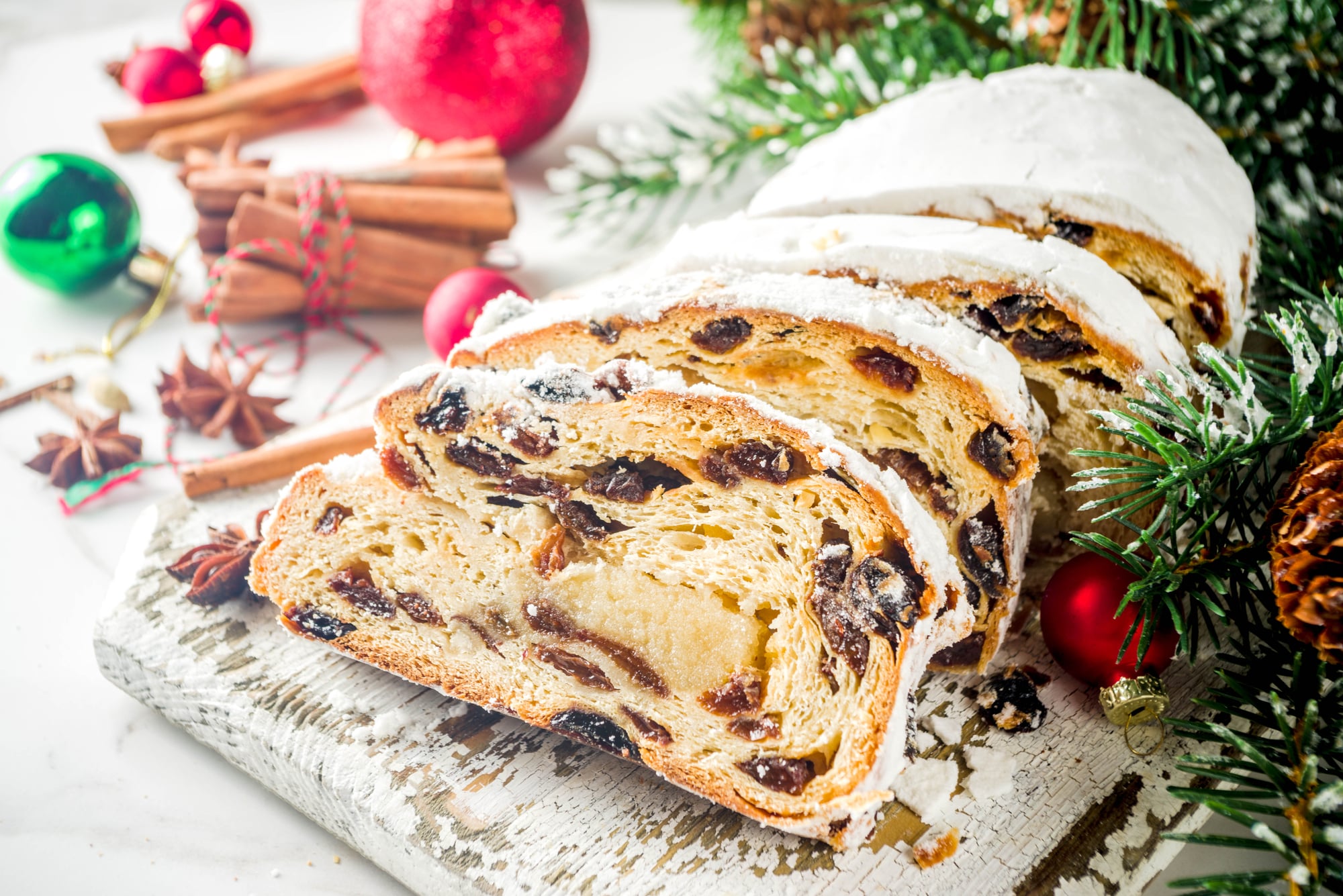
Queen Victoria received a fruitcake as a wedding gift in 1840 and reportedly kept a slice uneaten for her first anniversary. This started a tradition among the Victorian aristocracy of saving fruitcake for special occasions.
The practice worked because properly made fruitcake actually improves with age. The flavors meld and deepen over time, and alcohol-soaked versions can last for years if stored correctly.
Sailors Depended on Fruitcake at Sea
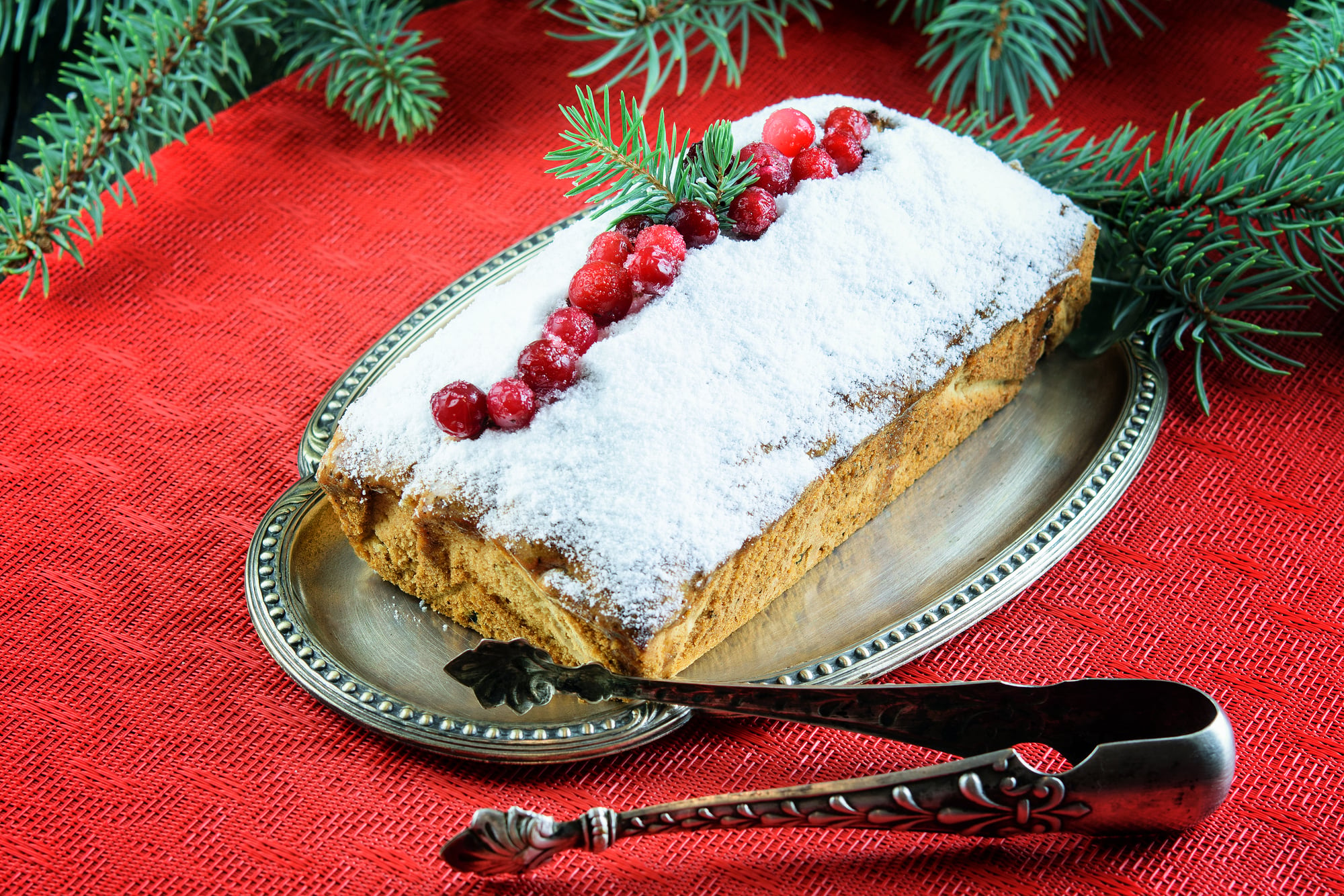
During the Age of Exploration, fruitcake became a standard provision on ships. Sailors needed food that wouldn’t rot during voyages lasting months or years.
Fruitcake’s density, sugar content, and alcohol preservation made it ideal. Ship captains packed it into barrels, and crews rationed it carefully.
For many sailors, a slice of fruitcake represented their only taste of sweetness for weeks at a stretch.
The Alcohol Soaking Ritual Served a Purpose
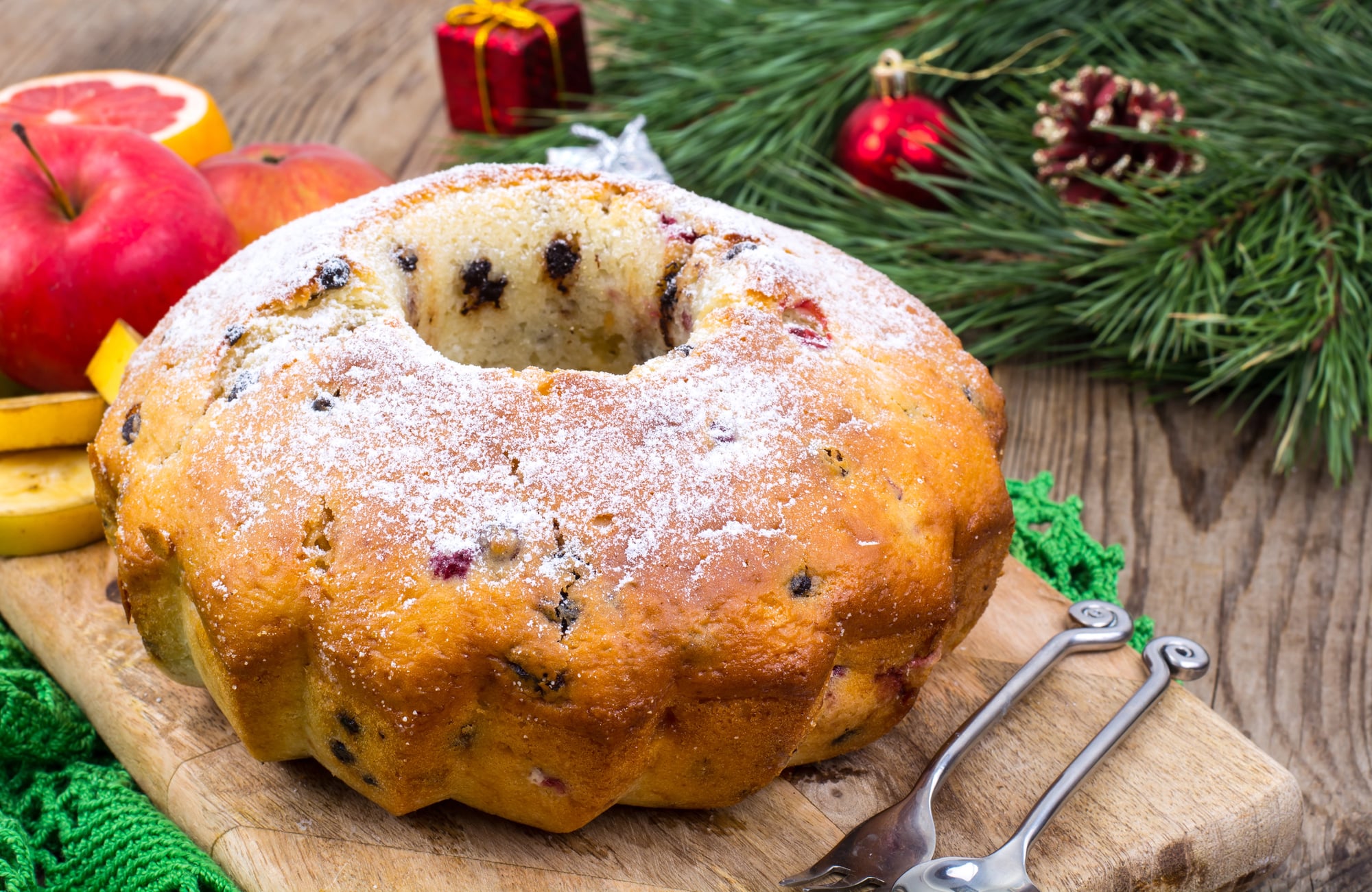
Traditional fruitcake recipes call for soaking the finished cake in brandy, rum, or whiskey for weeks or even months. This wasn’t just about flavor.
The alcohol acts as a preservative and antimicrobial agent, preventing mold and bacterial growth. Bakers would wrap the cake in cheesecloth, soak it weekly with spirits, and store it in a cool, dark place.
By Christmas, the cake had transformed into something rich and complex that bore little resemblance to the fresh-baked version.
Antarctic Explorers Found a Century-Old Cake
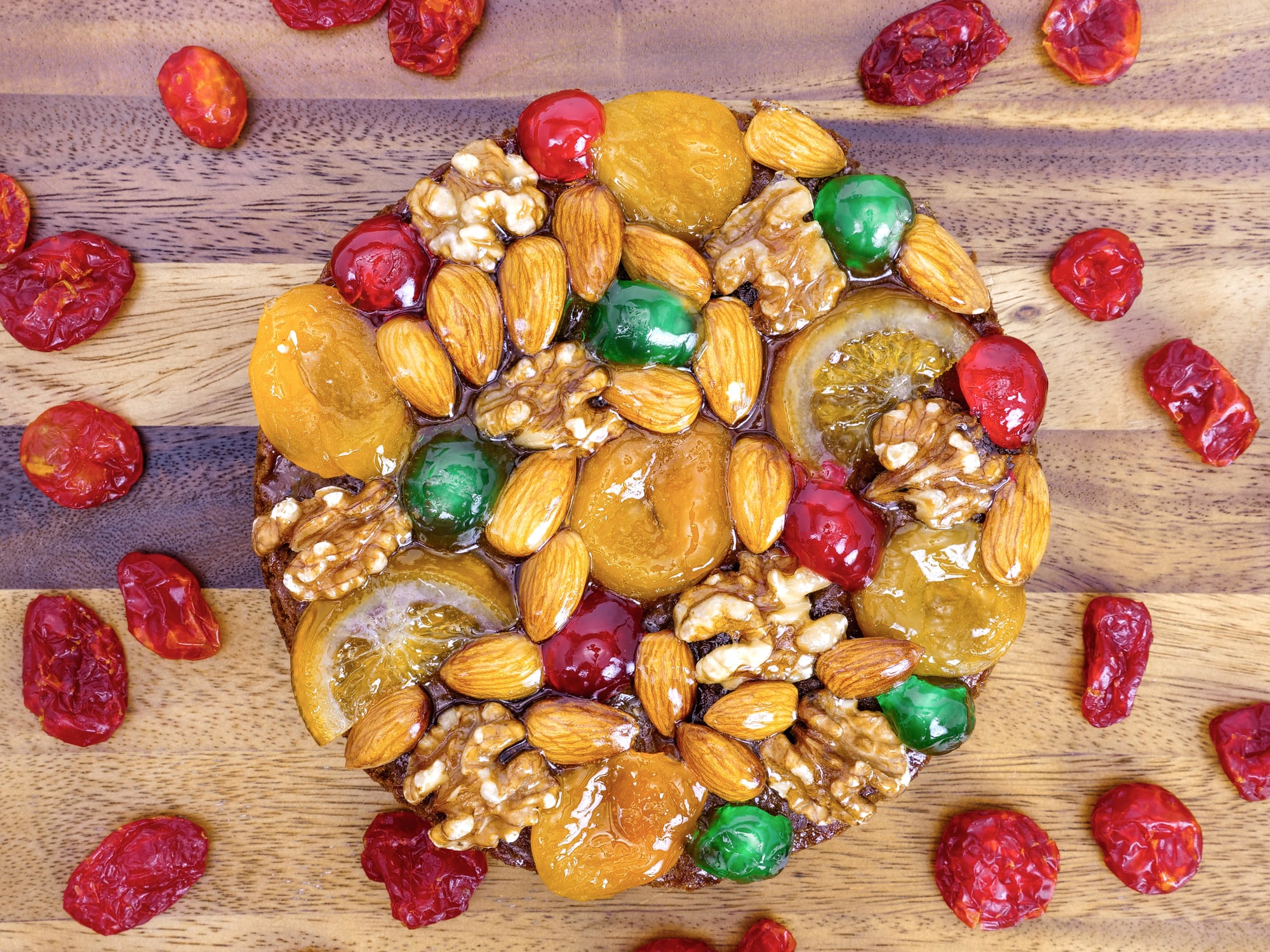
In 2017, conservators discovered a fruitcake in Antarctica that dated back to Robert Falcon Scott’s 1910 expedition. The cake, made by the British company Huntley & Palmers, still sat in its original tin.
Despite spending over a century in a frozen hut, the cake looked and smelled edible, though nobody tasted it. This finding proved just how well-preserved fruitcake can remain under the right conditions.
Different Countries Have Distinct Versions
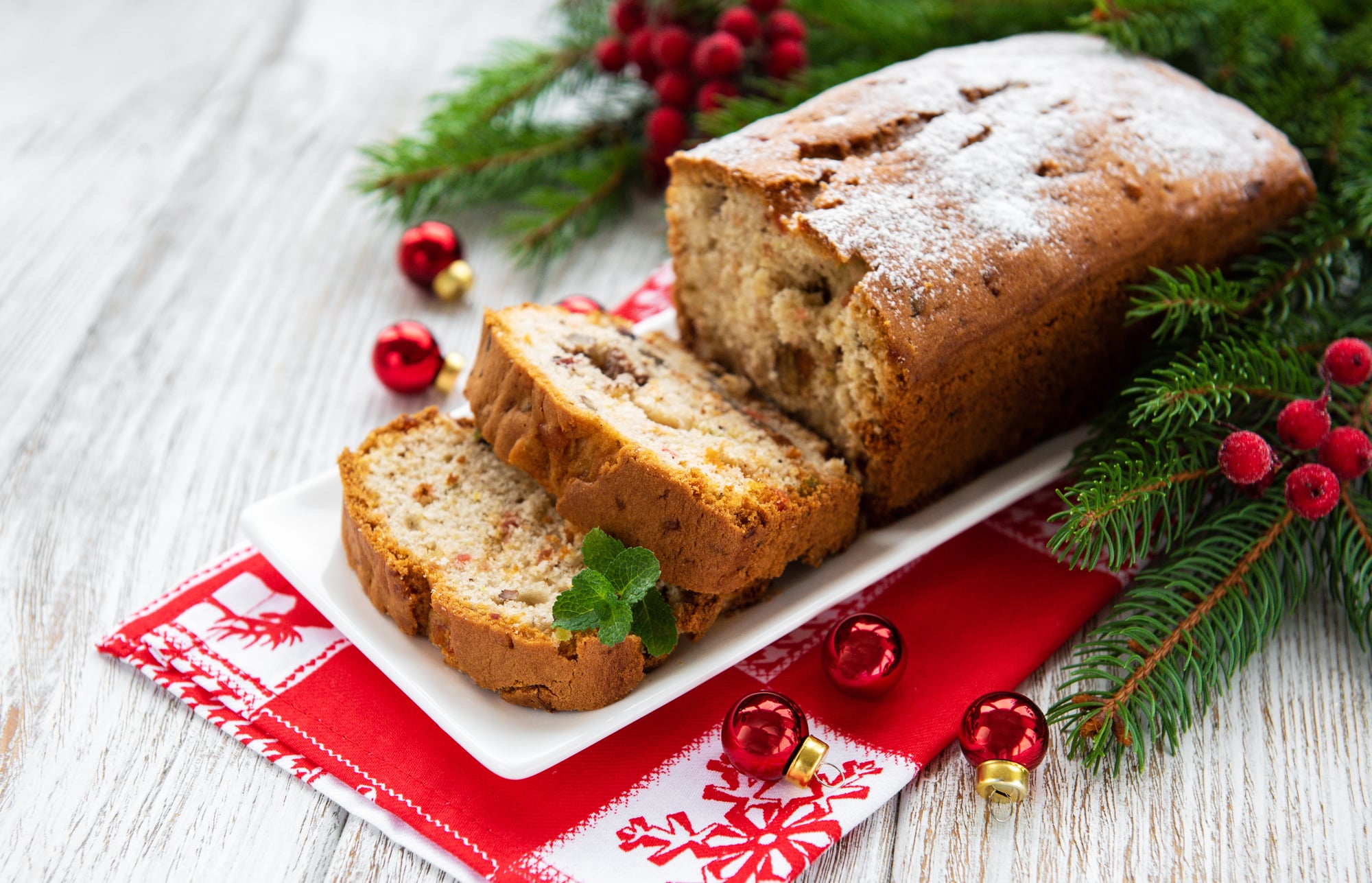
British fruitcake tends to be dark and dense, heavy with dried fruits and soaked in alcohol. German stollen includes marzipan and gets dusted with powdered sugar.
Italian panettone stays light and airy with a bread-like texture. Caribbean black cake uses rum-soaked fruits that have been steeping for months or even years before baking.
Each culture adapted the basic concept to local ingredients and preferences, creating variations that only share the name.
It Was Illegal in Parts of Europe
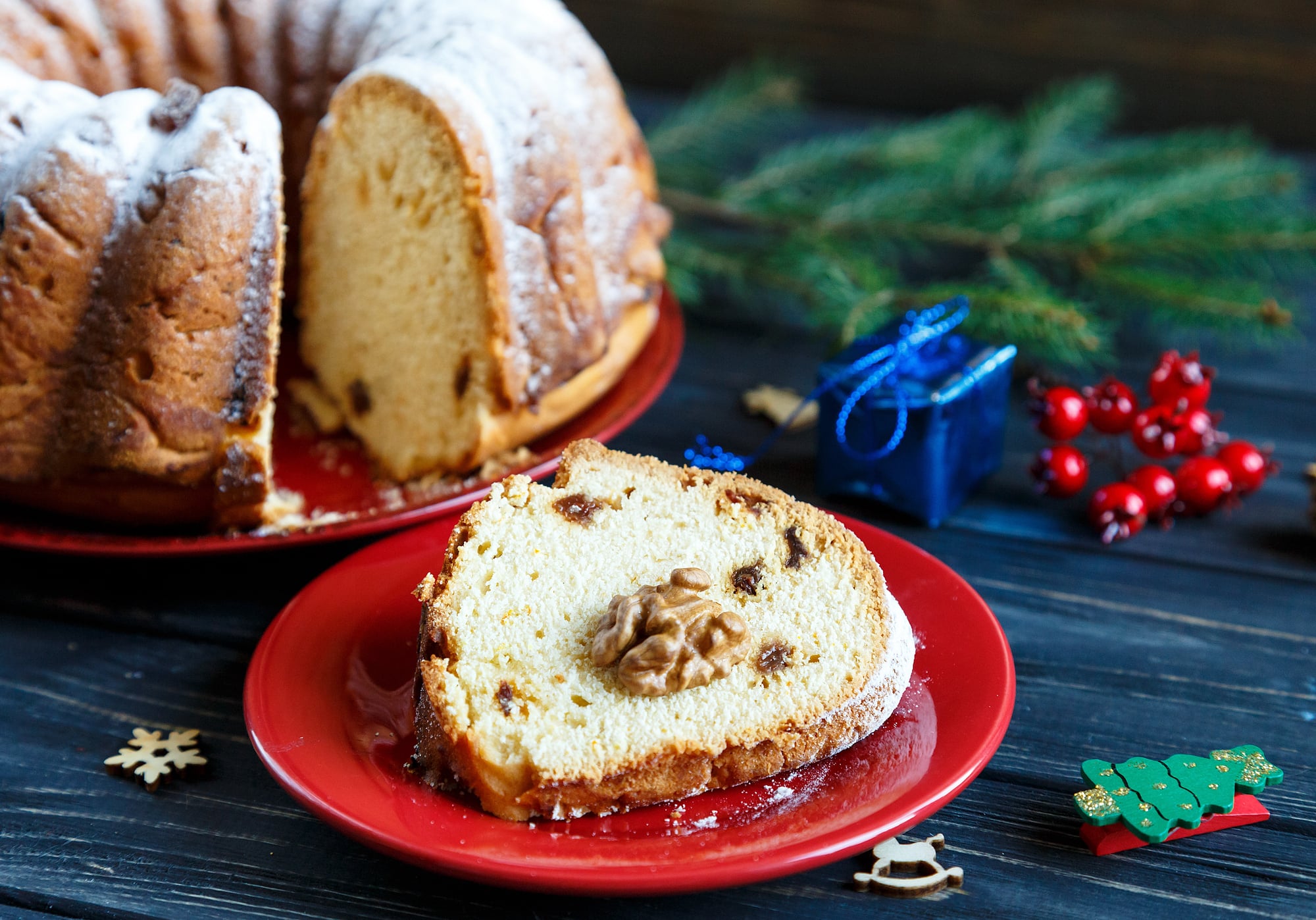
During certain periods in the 18th century, fruitcake was banned in parts of continental Europe. Some religious authorities considered it too rich and indulgent, believing it promoted gluttony and excess.
The bans never lasted long because people simply made the cakes anyway, hiding them or calling them by different names. You can’t legislate away something people have been eating for generations.
The Joke Reputation Started in the 1960s
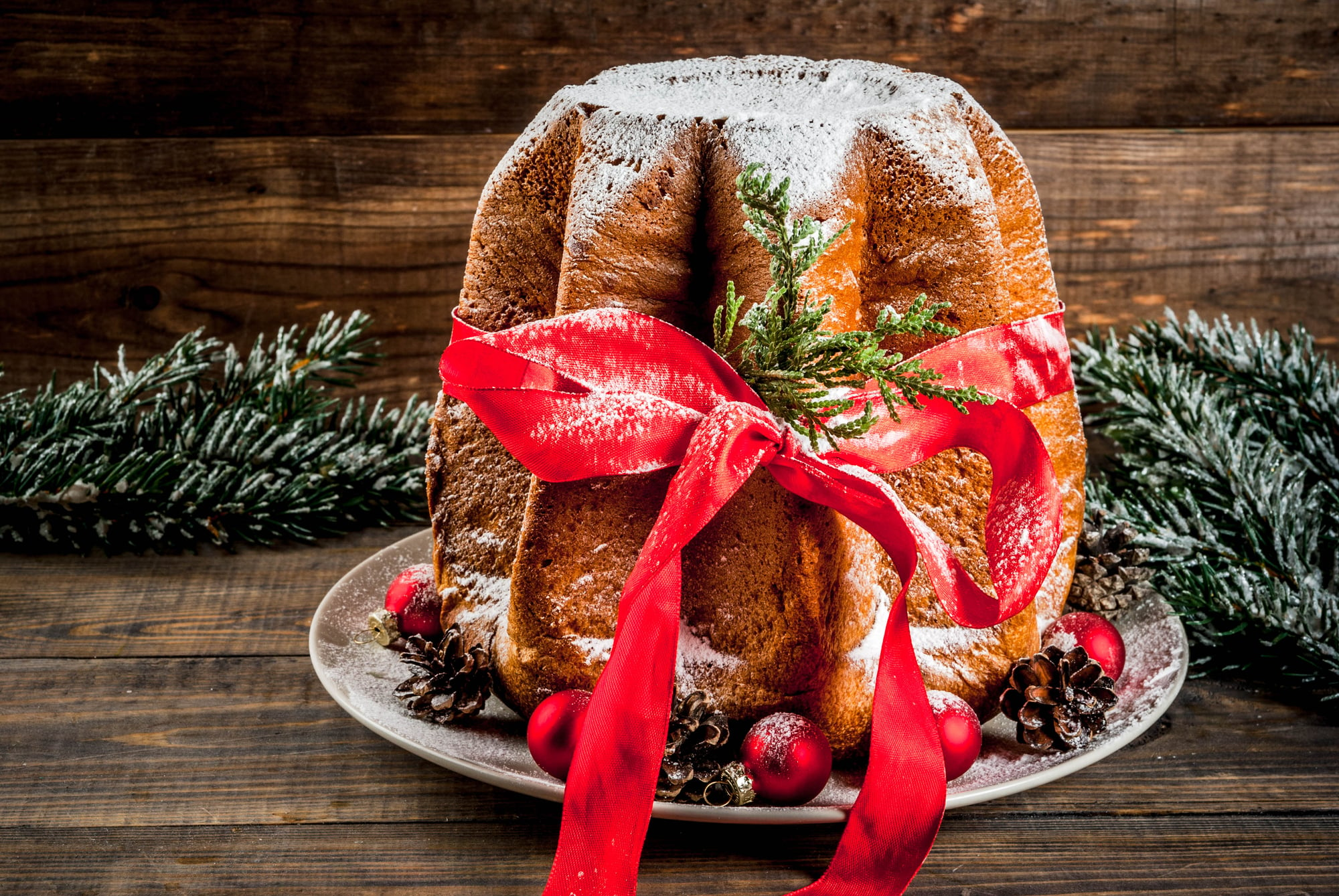
Fruitcake’s transformation into a punchline happened relatively recently. Mass-produced versions in the mid-20th century used cheap candied fruit and artificial flavoring, creating dry, tasteless bricks that deserved the mockery they received.
Johnny Carson joked about fruitcake on The Tonight Show, comedians piled on, and soon everyone was making the same tired jokes. The reputation stuck, even though quality fruitcakes still existed.
Some Families Start Baking in September
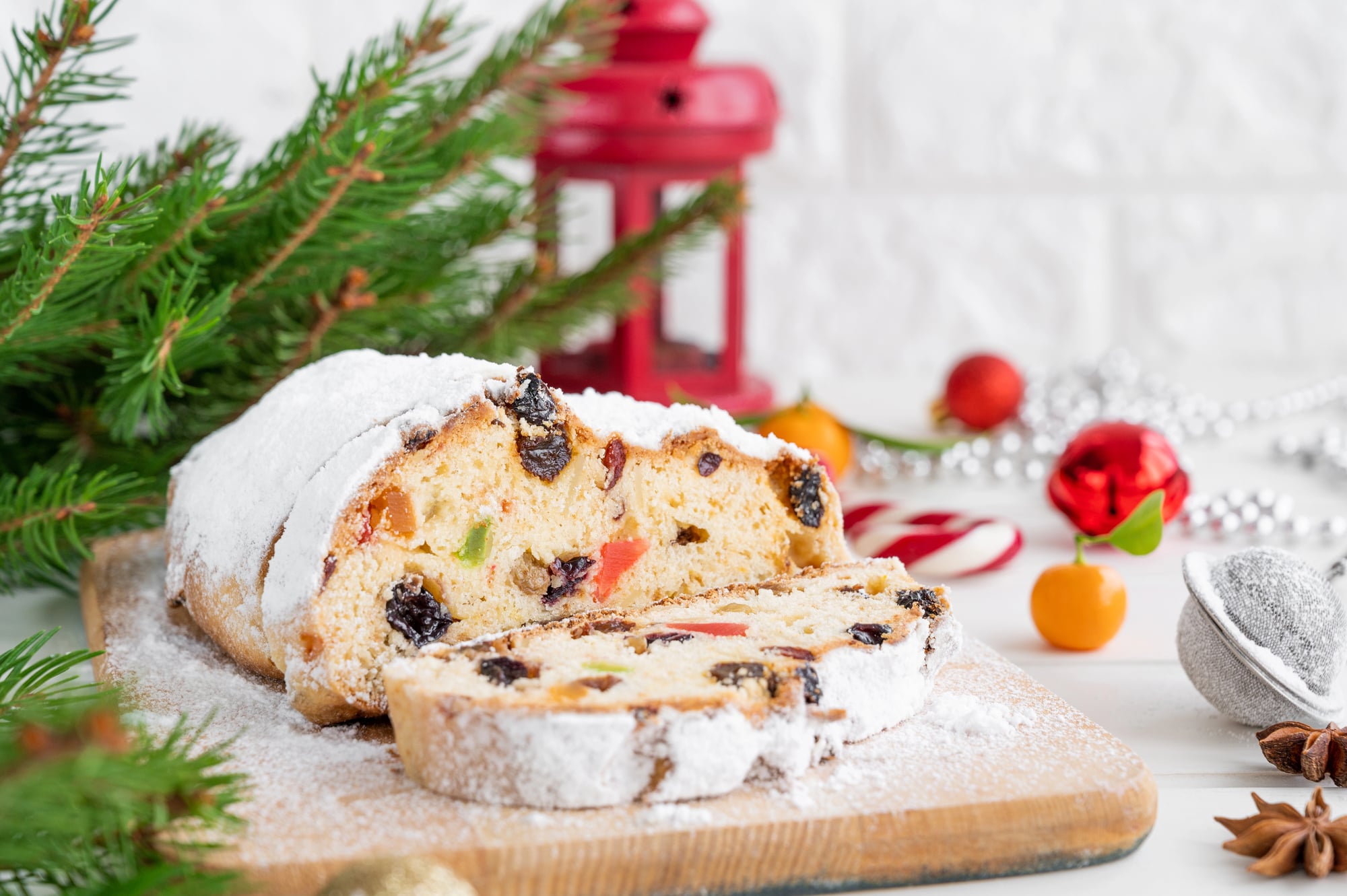
Traditional fruitcake takes time. Some recipes require starting months before Christmas.
You soak the dried fruits in alcohol for weeks, bake the cake, then begin the weekly soaking ritual. By the time December arrives, the cake has had three or four months to mature.
Families who follow these old methods treat fruitcake as a serious culinary project, not a last-minute addition to the holiday table.
Fruitcake Played a Role in Royal Weddings
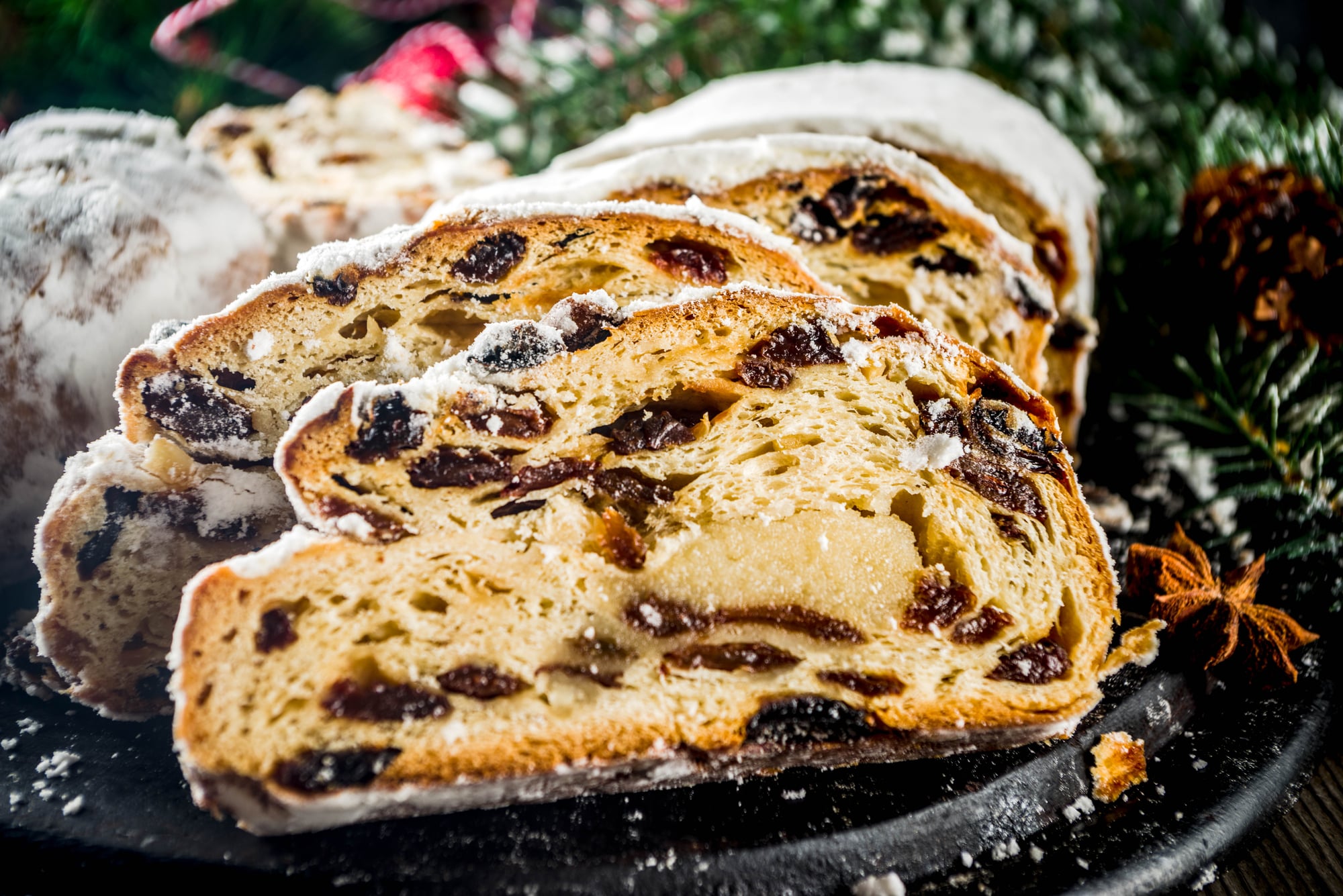
Prince William and Kate Middleton served fruitcake at their 2011 wedding reception, continuing a tradition that stretches back centuries in British royal families. The cake for their wedding weighed 220 pounds and took five weeks to make.
Tiers of fruitcake get saved and served at christenings and future anniversaries. This practice ensures that a single cake can mark multiple family milestones across years.
The Candied Fruit Makes or Breaks It
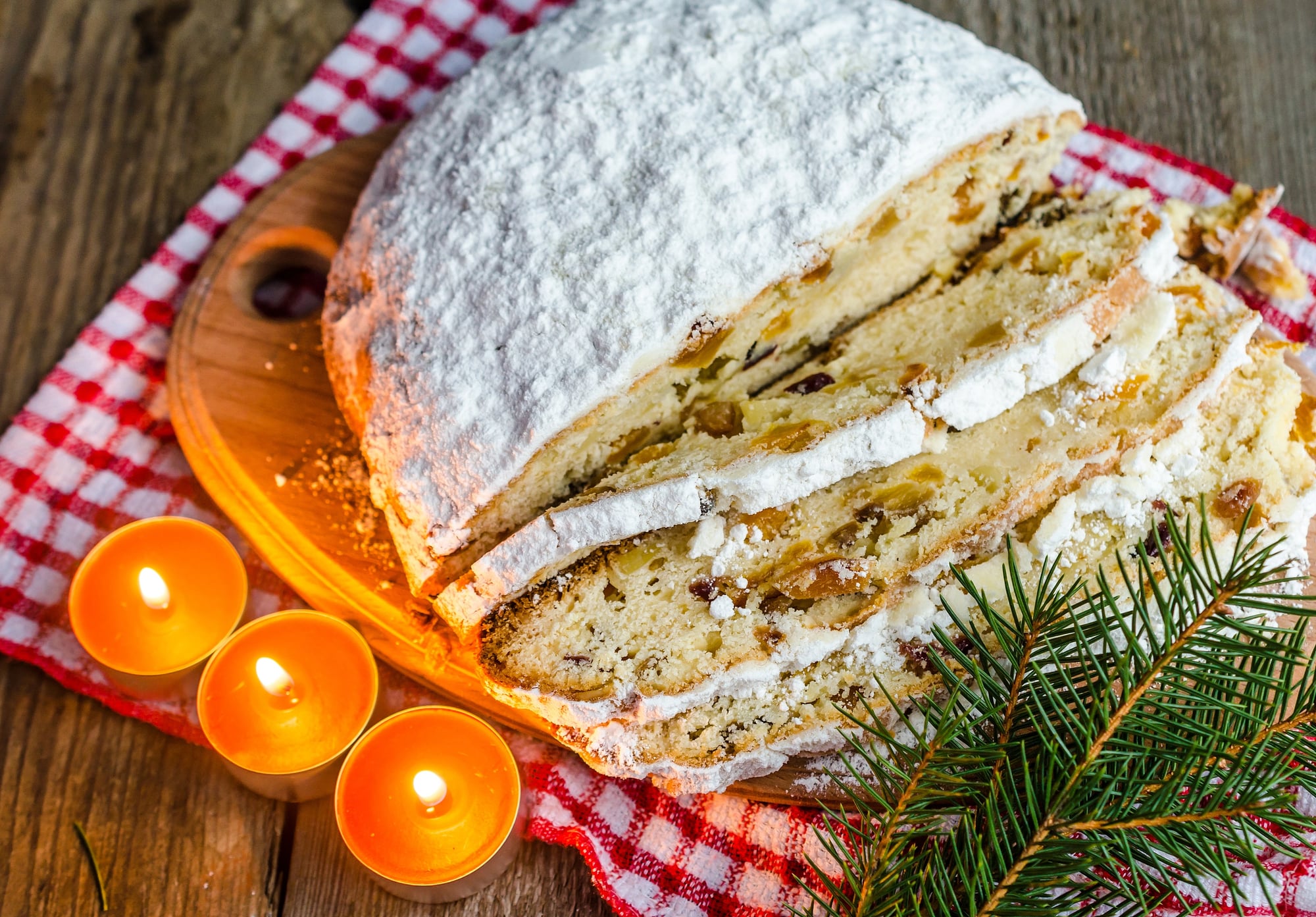
Cheap candied fruit ruins fruitcake. Those bright red and green chunks taste like sugary plastic and add nothing but color.
Quality fruitcake uses real dried fruits—dates, figs, apricots, cherries—that have been soaked in alcohol or fruit juice. Some bakers candy their own fruit at home using slow simmering and real sugar.
The difference between grocery store candied fruit and the real thing explains why some fruitcakes taste incredible and others taste like sweetened cardboard.
Competitive Fruitcake Tossing Became a Sport
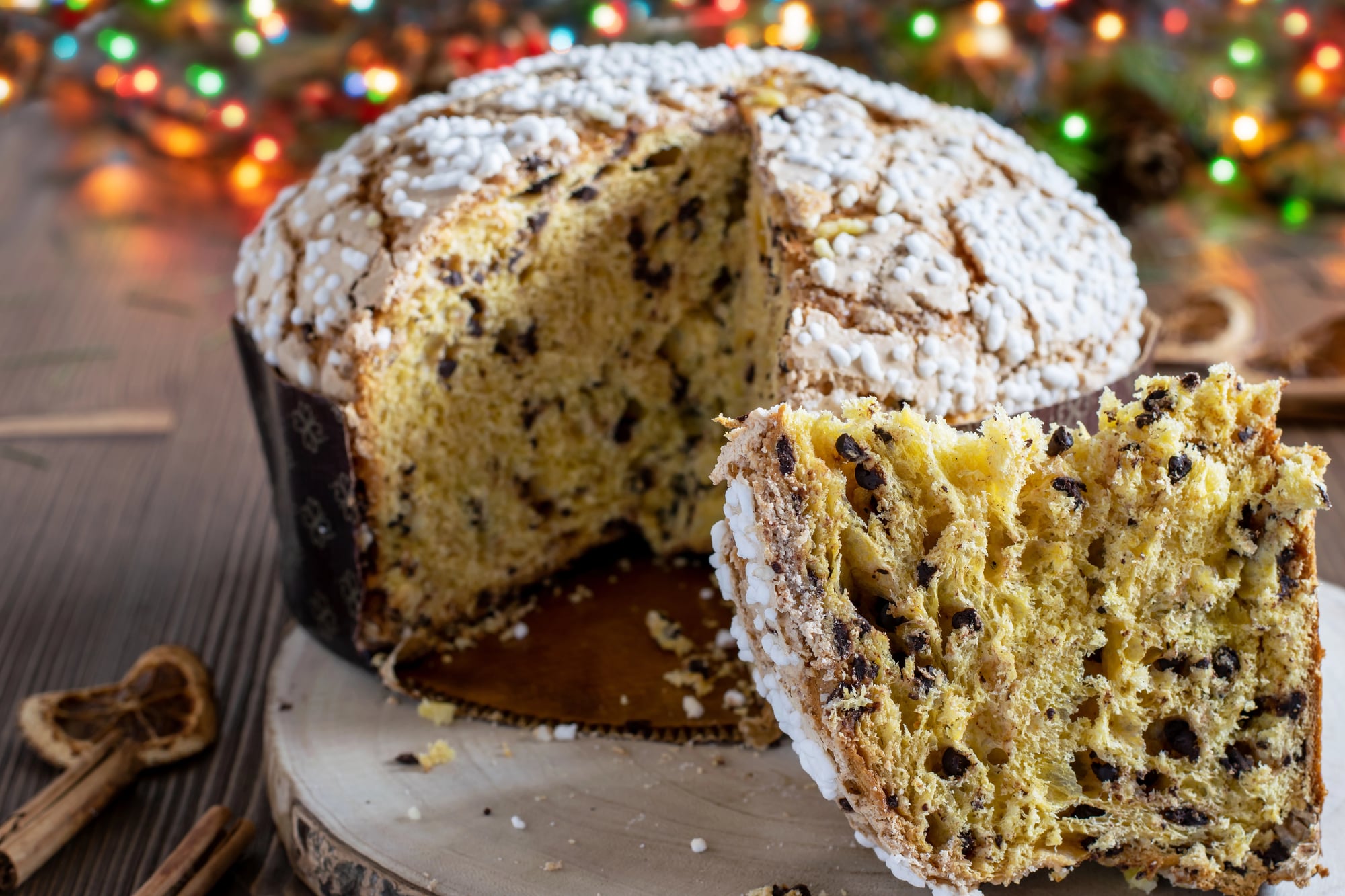
The town of Manitou Springs, Colorado hosts an annual fruitcake toss every January. Participants hurl fruitcakes as far as possible using various techniques—traditional throws, trebuchets, catapults, and custom contraptions.
The event started as a joke but has continued for over twenty years. It represents the ultimate expression of fruitcake’s reputation as something nobody wants.
Ironically, the event requires a steady supply of fruitcakes, which means someone has to keep making them.
Commercial Fruitcakes Fund Entire Businesses
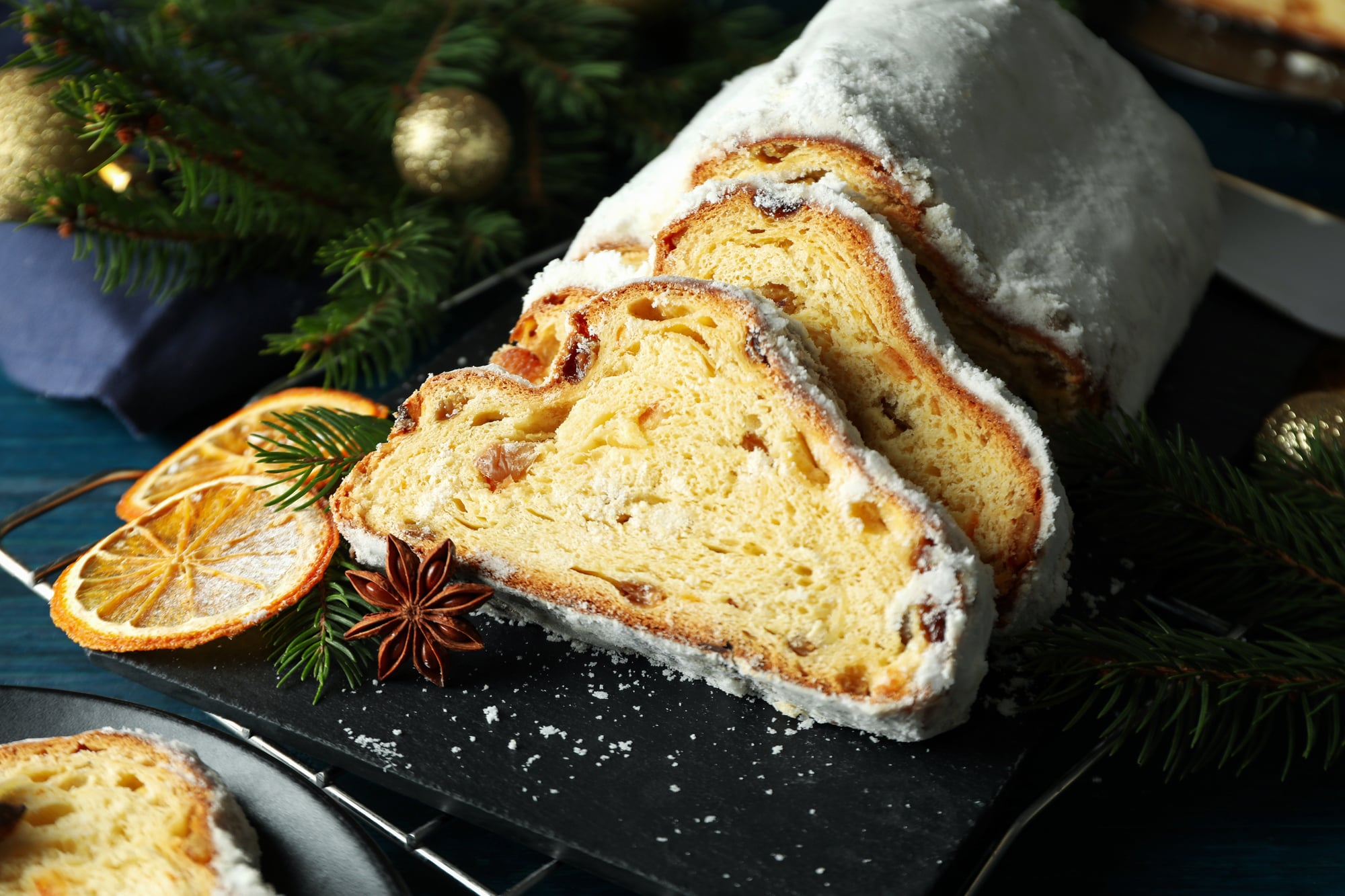
Despite the jokes, fruitcake remains a multimillion-dollar industry. Companies like Claxton Bakery in Georgia and Collin Street Bakery in Texas ship millions of fruitcakes worldwide every year.
These businesses have operated for decades, some for over a century. Their customer base includes devoted fans who order the same fruitcake every year and wouldn’t dream of celebrating without it.
The mockery coexists with genuine demand.
What Survives the Centuries
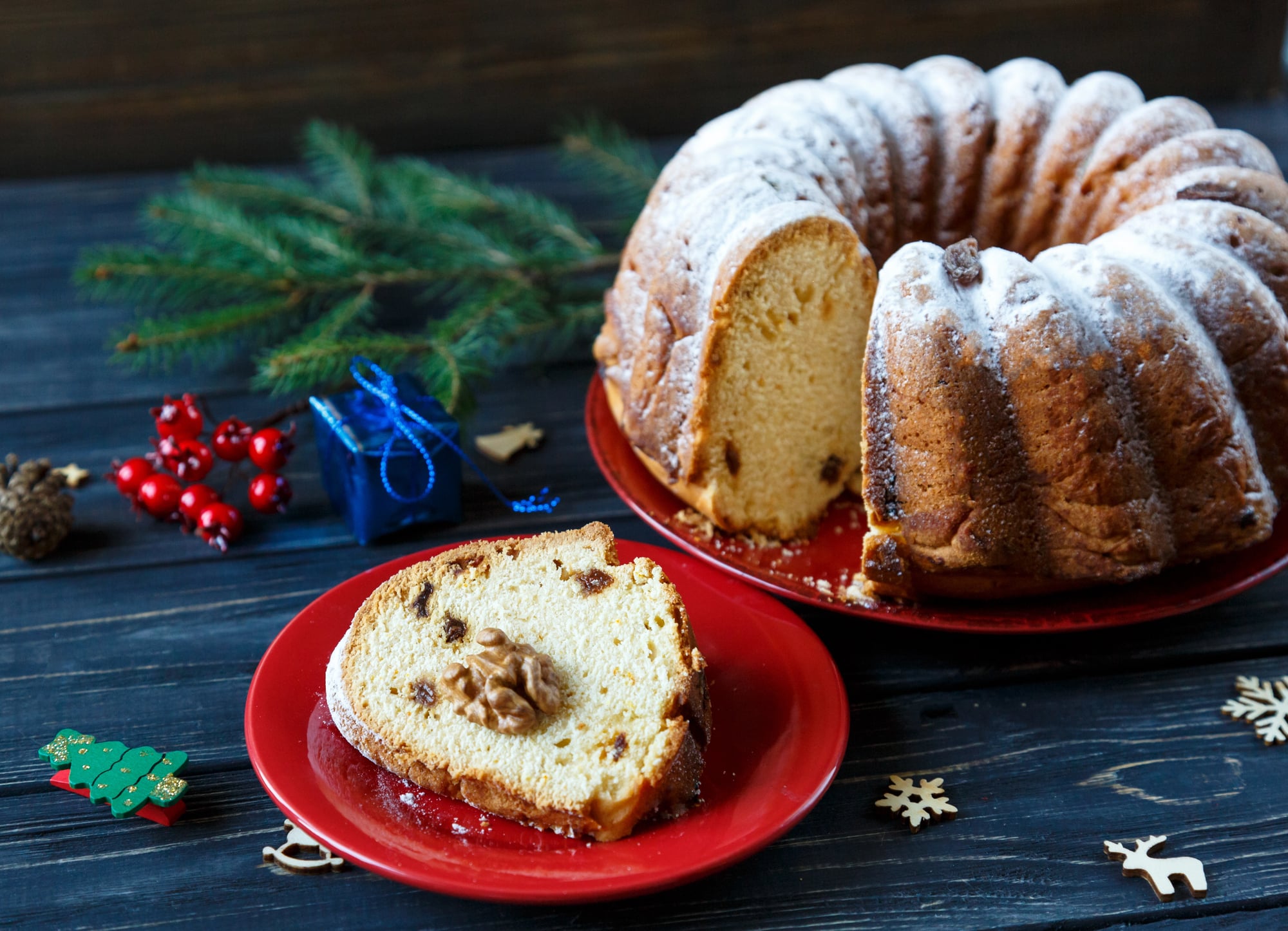
Fruitcake stuck around – it fixed actual needs. Back when fridges weren’t a thing, this dense loaf kept edibles from spoiling.
Troops overseas, sailors on long hauls – they relied on its heavy energy, its taste of home. Holidays sparked their presence, pulling relatives into shared moments.
Imagine baking something one winter month, then slicing into it months later, still good… maybe even next year. That kind of staying power? Hard not to respect.
Today’s labs can break down the chemistry – how sugar, booze, and dryness block decay – but none of that mattered to Roman hands. They only cared that it held up, moved easily, and stayed edible while other foods turned foul.
Laughter around this treat won’t fade anytime soon. Factory-made loaves will always hand skeptics fresh ammunition.
Yet in some kitchens, fingers are bundling a personal batch into cloth, dousing it with spirits, tucking it aside for December’s chill. As December arrives, they’ll open it slowly, cut thin pieces by hand, then let the flavor pull them back through time – each bite tangled with those who walked earlier paths.
This quiet moment holds deeper value than any joke ever could.
More from Go2Tutors!

- The Romanov Crown Jewels and Their Tragic Fate
- 13 Historical Mysteries That Science Still Can’t Solve
- Famous Hoaxes That Fooled the World for Years
- 15 Child Stars with Tragic Adult Lives
- 16 Famous Jewelry Pieces in History
Like Go2Tutors’s content? Follow us on MSN.