16 Food Brands That Launched Subscription Services—and Why They Failed
The subscription boom promised to revolutionize how we consume everything from razors to TV shows—and food brands were eager to join the party. Many jumped on the bandwagon, hoping to secure reliable recurring revenue and direct customer relationships.
Unfortunately, not all subscription services are created equal, and the food industry discovered this lesson the hard way. Here is a list of 16 food brands whose subscription services crashed and burned despite initial hype and, in some cases, millions in funding.
Their stories reveal common pitfalls that turn subscription dreams into business nightmares.
Juicero
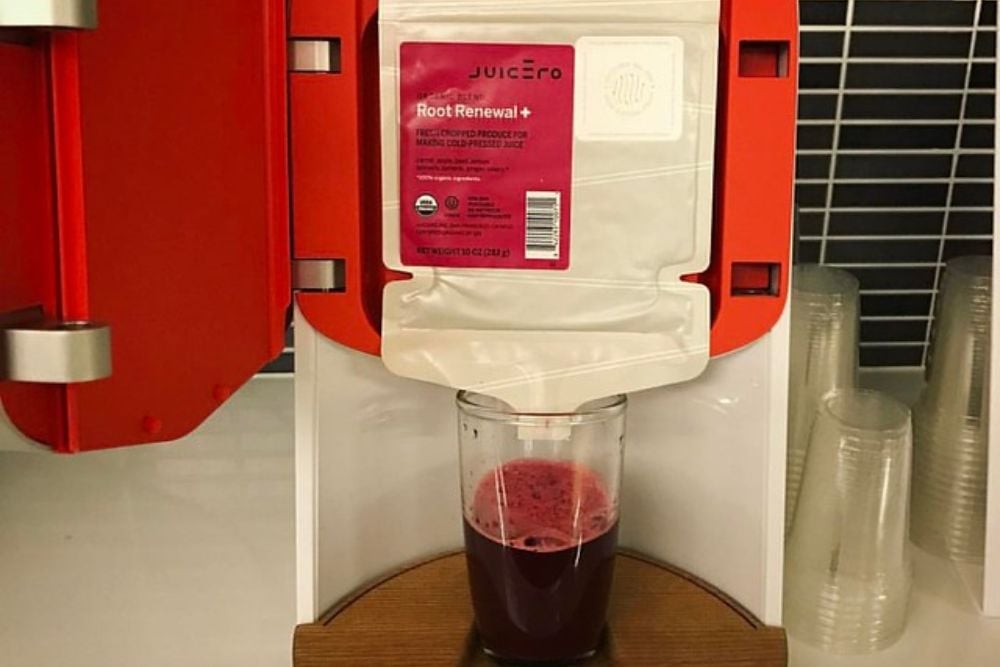
Perhaps no food subscription failure was more spectacular than Juicero, the Wi-Fi-enabled juice press that squeezed proprietary produce packs. Despite raising a jaw-dropping $120 million in venture capital, Juicero became Silicon Valley’s poster child for overengineered solutions to non-existent problems.
The company initially priced its machine at $699, later dropping to $400—still wildly expensive for what it did. The business model was inspired by Keurig and Nespresso, hoping to build recurring revenue by charging customers for proprietary juice packs alongside the machine.
The fatal blow came when Bloomberg journalists demonstrated that squeezing the packs by hand produced the same juice as the expensive machine. This PR disaster, combined with the exorbitant price point and subscription costs of $5-8 per juice pack, led Juicero to shut down in 2017, just 16 months after launch.
Sprig
Sprig aimed to deliver chef-prepared, healthy meals to customers’ doors in 15 minutes or less. The company raised over $56 million from investors and initially showed promise in the San Francisco market.
However, Sprig found the entire process time-consuming and expensive, eventually deciding to shut down. The logistics of preparing, keeping food at proper temperatures, and delivering quickly proved unsustainable as the company tried to scale beyond its initial market.
Like Go2Tutors’s content? Follow us on MSN.
SpoonRocket

In the same vein as Sprig, SpoonRocket offered quick delivery of healthy, affordable meals. When their financial situation declined, they failed to raise additional funding to stay afloat.
The company burned through cash trying to compete in the crowded meal delivery space, where low margins and high operational costs made profitability elusive.
Blue Apron
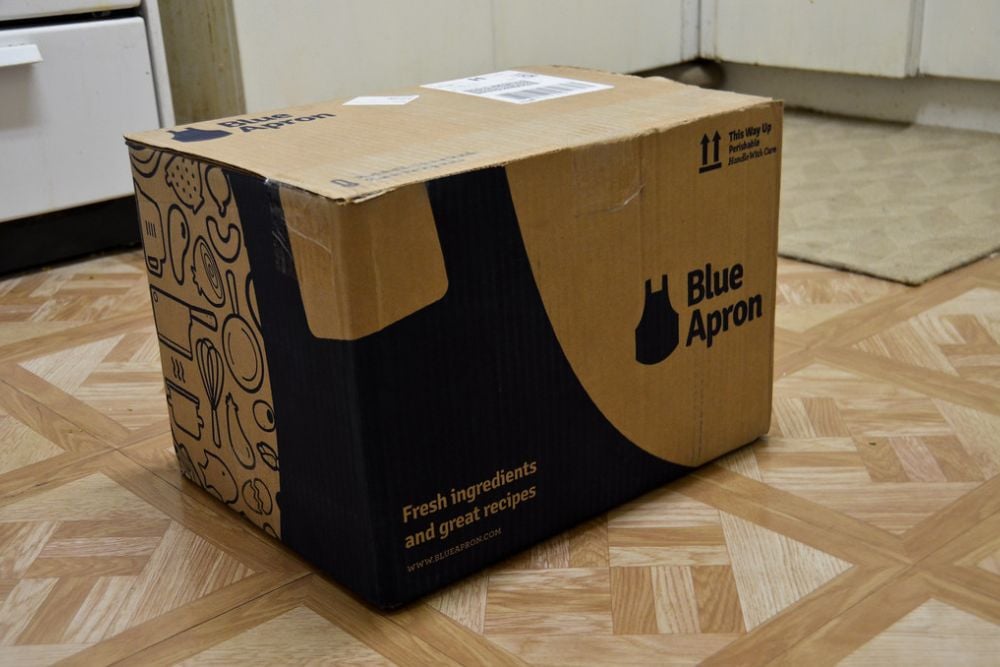
While Blue Apron still exists today, it’s a shadow of its former self after a disastrous IPO and years of customer retention problems. The meal kit pioneer went public in 2017 valued at $2 billion, but quickly saw its stock plummet.
One explanation is that there were so many competitors offering deals to new customers that meal-kit fans could simply jump around from one service to the next. Research showed that more than half of meal kit subscribers cancel their subscriptions within the first six months, suggesting consumers treat their food services much like a New Year’s resolution to join a gym.
In fact, nearly 75% of subscribers ditched the service within a year. The high costs of customer acquisition through heavy discounts and free trials—combined with poor retention—created an unsustainable business model.
Munchery
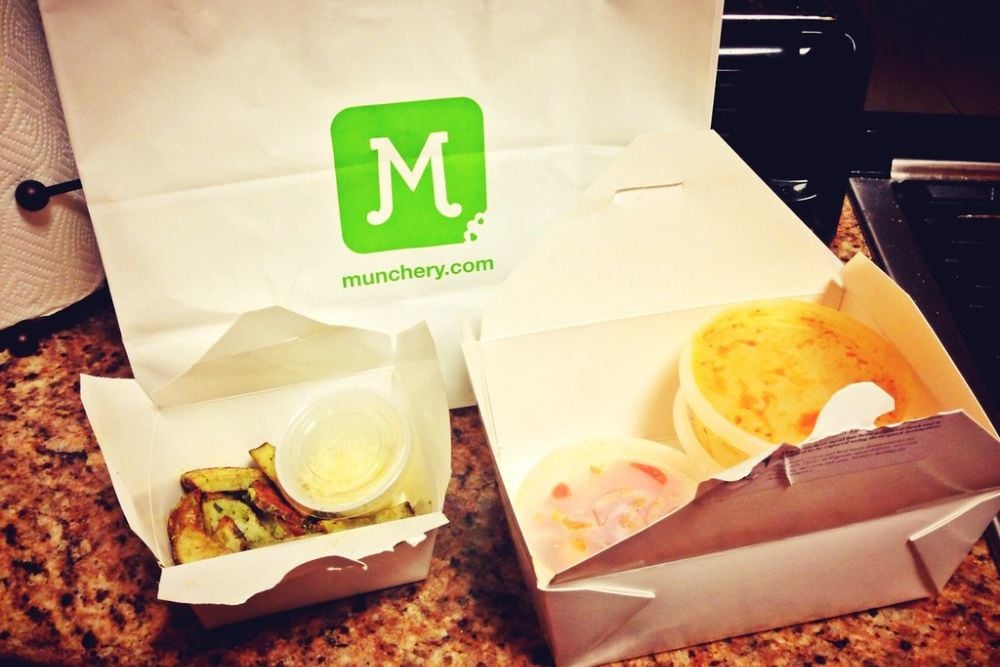
Munchery allowed customers to order gourmet prepared meals delivered to their door. However, they struggled to deliver the experience that it promised and build a profitable business model.
The company raised more than $125 million in funding, but shut down in 2019 after failing to find a sustainable path forward amidst increasing competition and operational complexities.
Like Go2Tutors’s content? Follow us on MSN.
Chef’d
Chef’d was a meal kit service that partnered with celebrity chefs and food brands to deliver exclusive recipes. Unlike competitors, it offered both subscription and à la carte options.
Despite raising $40 million and partnerships with major brands like Campbell’s and Coca-Cola, Chef’d abruptly ceased operations in 2018. The company struggled with the fundamental economics of meal kit delivery: high fulfillment costs, perishable inventory management, and expensive customer acquisition.
Teforia
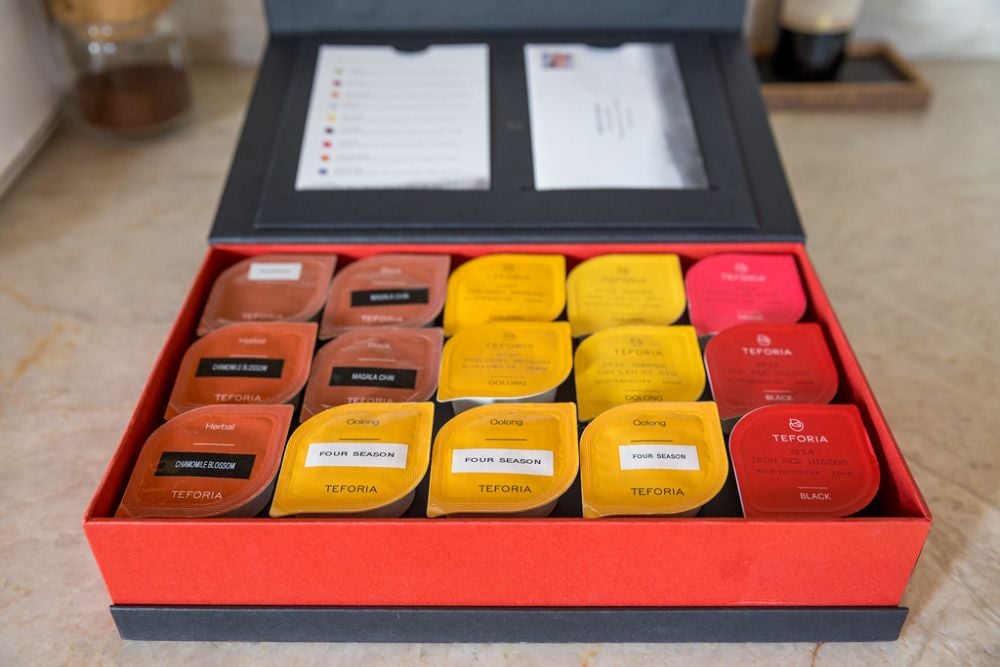
Though not a food company per se, Teforia created a $1,000 tea brewing system with proprietary tea “Sips” delivered on subscription. It had an absence of market fit and shut down.
Like Juicero, Teforia overengineered a solution to a simple problem, severely limiting its potential customer base with its premium pricing while failing to demonstrate sufficient value over traditional tea brewing methods.
Rosehive Superfoods
This health-focused subscription box delivered superfoods, snacks, herbs, and recipe ingredients to customers’ doors. After a demanding 2-year experiment of running Rosehive Superfoods, they announced to customers that Rosehive would be closing.
The company struggled with the high costs of quality superfoods and the challenges of creating value while remaining financially competitive in both the subscription box and superfood spaces.
Like Go2Tutors’s content? Follow us on MSN.
Dinnr

Dinnr offered pre-measured ingredients and recipes for home cooking, similar to many meal kit services. However, there wasn’t a market need for the business.
Despite the apparent convenience of the service, Dinnr failed to differentiate itself in the increasingly crowded meal kit market and couldn’t convince enough customers that its solution was better than grocery shopping.
Kitchit

Kitchit brought professional chefs to customers’ homes to prepare restaurant-quality meals. The company pivoted to a more affordable subscription model called “Kitchit Tonight,” offering a limited menu of meals prepared in-home by professional chefs.
Despite raising $8.1 million in funding, Kitchit shuttered in 2016, unable to make the economics work as customer acquisition costs outpaced lifetime value.
Maple

Backed by celebrity chef David Chang, Maple offered a rotating menu of prepared meals delivered directly to customers. The company raised $29 million but shut down after just two years of operations.
Despite a loyal customer base, Maple couldn’t overcome the high costs of food preparation, delivery logistics, and operations in the competitive New York City market.
Like Go2Tutors’s content? Follow us on MSN.
Din

Din delivered ingredients for restaurant-inspired recipes that could be prepared in under 20 minutes. The company aimed to bridge the gap between meal kits and takeout but closed shop after just one year.
Din failed to achieve the scale necessary to make its logistics and operations efficient while also struggling to carve out a distinct niche in the meal delivery ecosystem.
Plated

While Plated was acquired by grocery chain Albertsons in 2017 for $200 million, the story didn’t end well. By 2019, Albertsons discontinued the subscription service and pivoted to selling Plated meal kits exclusively in its stores.
The company struggled with the same retention issues plaguing the entire meal kit industry, with grocery store distribution proving more economical than the direct-to-consumer subscription model.
Take Eat Easy

This European food delivery service enabled restaurants to provide reliable delivery for their customers. Their margins were insufficient and closed doors after 3 years.
The company couldn’t sustain operations as it faced the triple challenge of keeping restaurants, delivery workers, and customers satisfied while taking only a small percentage of each transaction.
Like Go2Tutors’s content? Follow us on MSN.
Organic Avenue
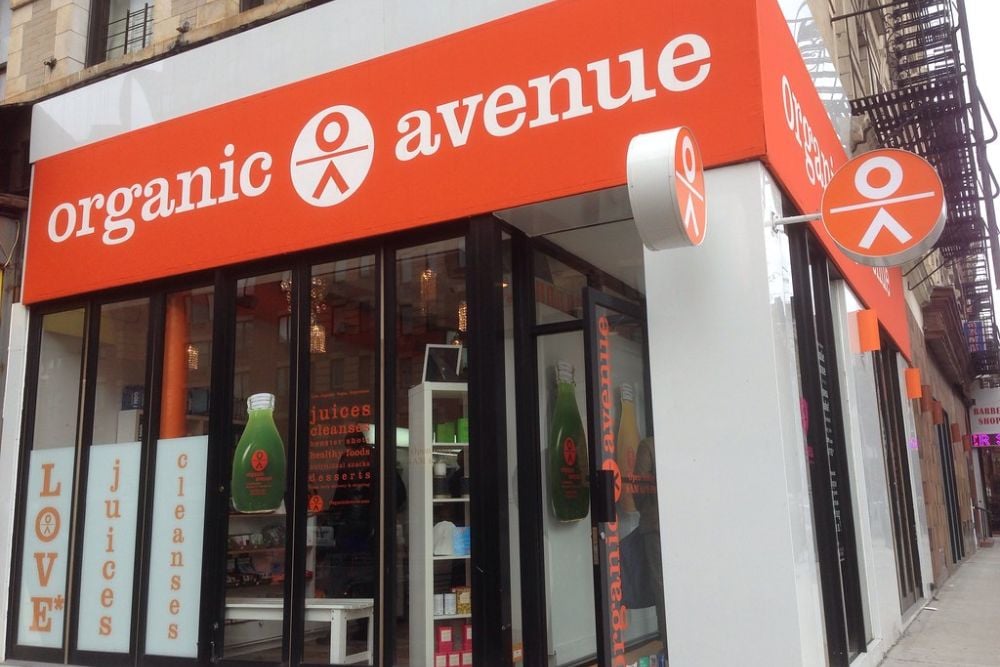
This cold-pressed juice and raw food company had a loyal following in New York City before expanding its retail and delivery operations. Organic Avenue was acquired, then quickly shuttered, then relaunched, and ultimately closed for good.
The company’s fluctuating ownership and business model changes reflected its inability to make the economics of fresh juice delivery work at scale.
HelloFresh’s Green Chef Acquisition

While HelloFresh itself has survived in the meal kit space, its 2018 acquisition of organic meal kit company Green Chef demonstrates the consolidation necessary in the overcrowded subscription food market. HelloFresh acquired Green Chef to expand its offering to special diets like keto, paleo, and vegan—acknowledging that differentiation through specialized offerings was crucial in the meal kit wars.
The Underlying Reasons for Failure
Looking at these cases reveals several common reasons why food subscriptions fail:
- Unsustainable unit economics: Many companies underestimated the costs of food production, packaging, and last-mile delivery when compared to the price customers were willing to pay regularly.
- Poor retention: The subscription model relies on customers sticking around, but many food services saw high churn rates, making their hefty customer acquisition costs impossible to recoup.
- Convenience paradox: While subscriptions promised convenience, many added new forms of inconvenience—scheduled deliveries, meal planning commitments, and the pressure to cook meals before ingredients spoiled.
- Pricing challenges: Companies faced a difficult balancing act between affordability for customers and profitability for themselves. Many erred too far on either side.
- Overengineering: Some products, like Juicero, created complex technological solutions for simple problems that didn’t require technology.
- Market saturation: The food subscription space became incredibly crowded, driving up marketing costs and making differentiation difficult.
- Failure to adapt: Many companies couldn’t pivot quickly enough when their initial business models proved flawed.
These food subscription failures demonstrate that even with substantial funding and initial consumer interest, the path to subscription success requires more than just delivering food to people’s doors. The survivors in this space have been those who achieved sufficient scale, managed logistical challenges efficiently, and created genuine value that customers couldn’t easily find elsewhere.
Like Go2Tutors’s content? Follow us on MSN.
The Subscription Aftermath

Despite these high-profile failures, the food subscription market hasn’t disappeared entirely. Companies like HelloFresh continue to operate, and traditional food manufacturers are approaching subscriptions more cautiously. The pandemic actually boosted meal kit and food delivery subscriptions temporarily, but the fundamental challenges remain.
The future likely belongs to hybrid models that combine the convenience of subscriptions with the flexibility consumers demand. The failed food subscriptions of yesterday have taught valuable lessons that today’s food entrepreneurs ignore at their peril—mainly that consumers want convenience, but not at any cost.
More from Go2Tutors!

- 18 Unexpectedly Valuable Collectibles You Might Have Lying Around
- 15 Things Every Teenager in the ’70s Did That Teens Today Wouldn’t Understand
- 15 Strange Things People Have Tried to Ban (And Failed)
- 15 Inventions That Were Immediately Banned After Being Created
- 20 Actors Who Were Almost Cast in Iconic Roles
Like Go2Tutors’s content? Follow us on MSN.