15 Board Games With Surprisingly Dark Origins
Family game night takes on a whole different meaning when you discover what your favorite board games were originally designed for. Many of the cheerful, colorful games sitting in your closet have histories rooted in warfare, death, and human suffering that would make your grandmother drop her teacup.
These aren’t just games that happened to be invented during tough times—they were specifically created to teach, simulate, or commemorate some of humanity’s darkest chapters. Here is a list of 15 board games whose innocent appearances hide surprisingly sinister beginnings.
Chess
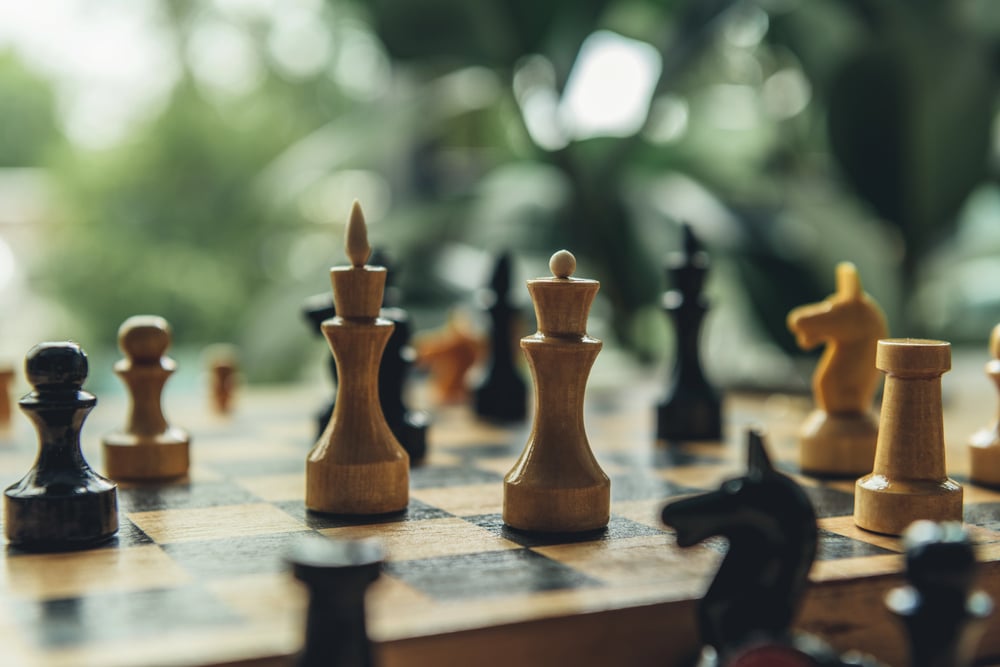
The royal game of strategy began as Chaturanga in 6th century India, designed specifically to train military commanders in battlefield tactics. Each piece represented actual military units—elephants, cavalry, chariots, and infantry—arranged exactly as they would be in real combat formations.
The goal wasn’t entertainment but education in the art of war, teaching players how to sacrifice troops and outmaneuver enemies in life-or-death situations.
Checkers
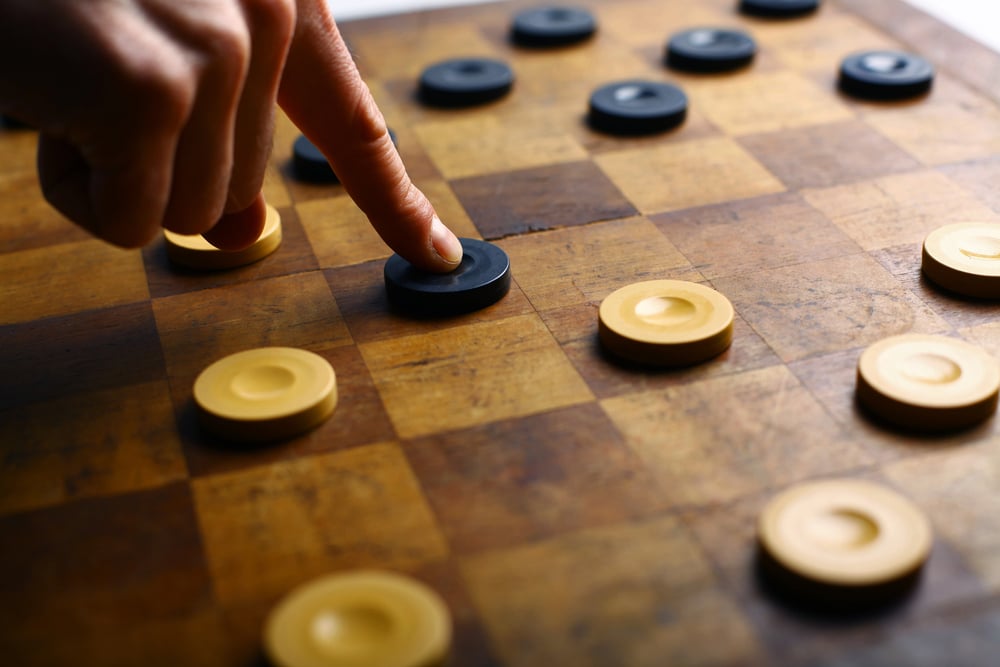
Ancient Egyptians played an early version of checkers called Alquerque around 3000 BCE, but it wasn’t about fun and games. Archaeological evidence suggests the game served as training for actual military campaigns, with the diagonal movement patterns mimicking real battlefield maneuvers.
Players learned to sacrifice pieces strategically, a skill that directly translated to commanding soldiers in warfare where human lives were the stakes.
Go
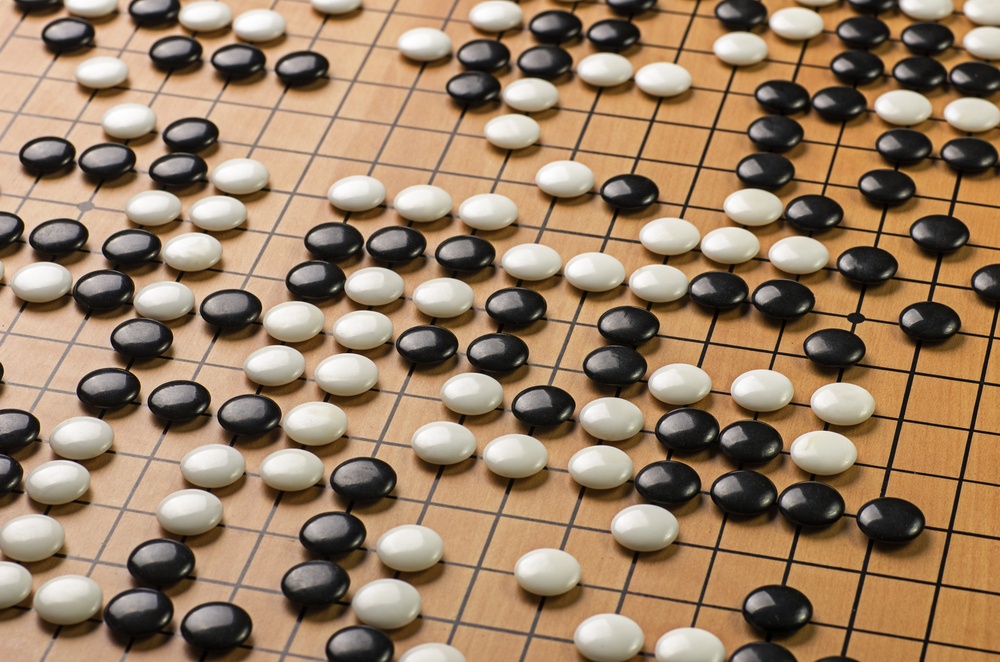
This deceptively simple game from ancient China was created around 4,000 years ago as a tool for teaching military strategy and territorial conquest. The black and white stones represent opposing armies fighting for control of land, with each captured stone symbolizing defeated soldiers.
Chinese military academies used Go to train generals in siege warfare and resource management, making it less of a game and more of a war college curriculum.
Backgammon
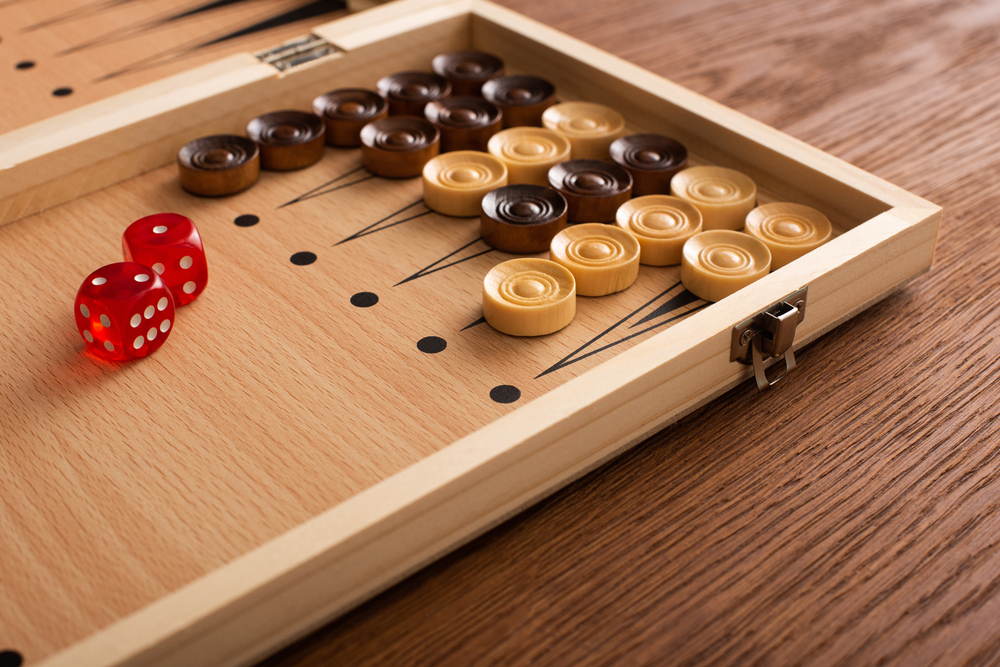
The oldest known board game in the world started in ancient Mesopotamia around 5,000 years ago, where it was used to predict the outcomes of real battles. Players would consult the dice and board positions before making military decisions, treating the game as a form of divination.
The race to get pieces ‘home’ represented the desperate flight of armies trying to reach safety after devastating defeats.
Monopoly
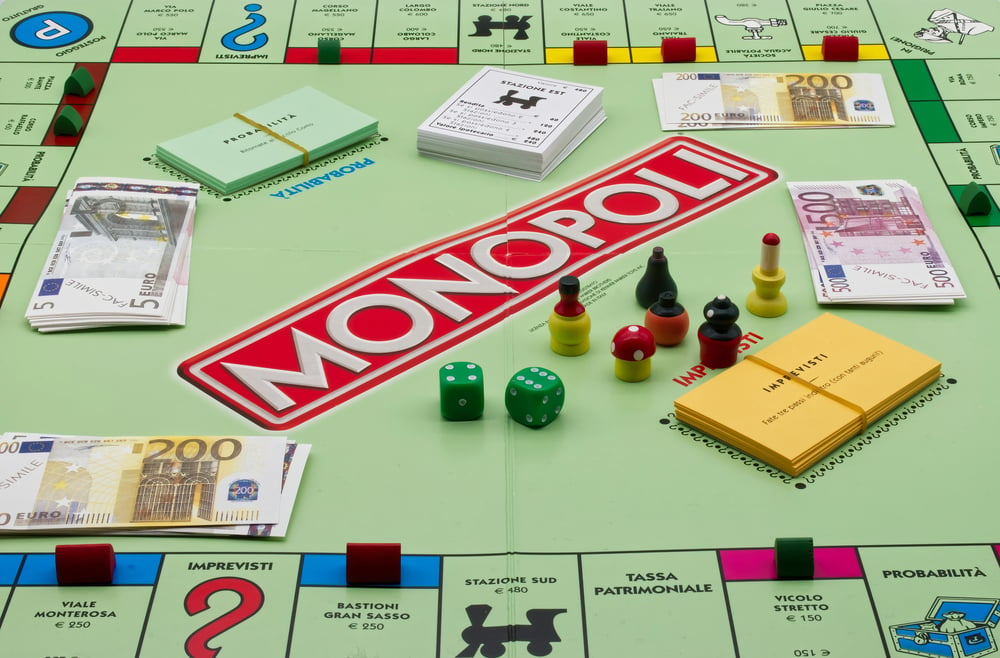
Charles Darrow didn’t invent Monopoly—he stole it from ‘The Landlord’s Game,’ created in 1903 by Elizabeth Magie to demonstrate the evils of land monopolism. Magie designed the game specifically to show how property ownership creates inequality and poverty, hoping players would become disgusted with capitalism.
Instead, people loved the power trip of bankrupting their friends, completely missing the anti-monopoly message.
Risk
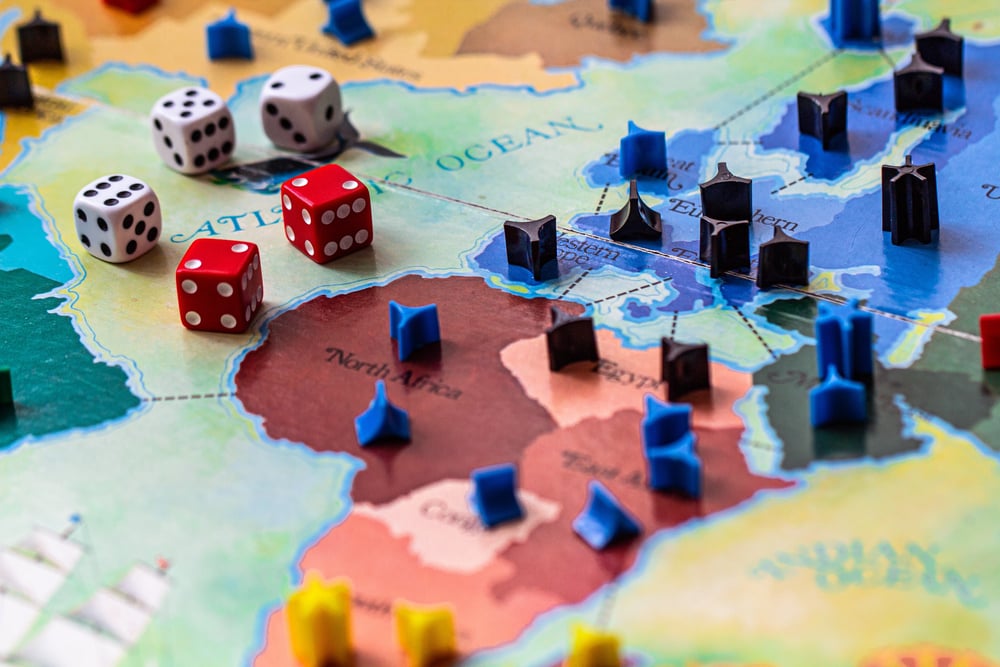
This global conquest game wasn’t created for entertainment but as a training tool for French military officers in the 1950s. The original version, called ‘La Conquête du Monde,’ was used to teach strategic thinking and resource allocation for potential World War III scenarios.
Players learned to view entire continents as expendable resources and populations as mere numbers in a larger calculation of power.
Stratego

Invented in the Netherlands during World War II, Stratego was directly inspired by the brutal reality of warfare surrounding its creator. The hidden piece mechanics reflected the uncertainty and deception of actual military intelligence, while the hierarchy of ranks mirrored real military command structures.
Players learned that information warfare could be just as deadly as physical combat.
Battleship

The guessing game we know today evolved from a World War I training exercise used by actual naval officers. Military academies used grid-based war games to teach submarine warfare tactics and naval strategy, with real ships represented by the coordinates.
The ‘you sunk my battleship’ phrase takes on a grimmer meaning when you realize it was once used to report actual vessel destruction and crew deaths.
Clue
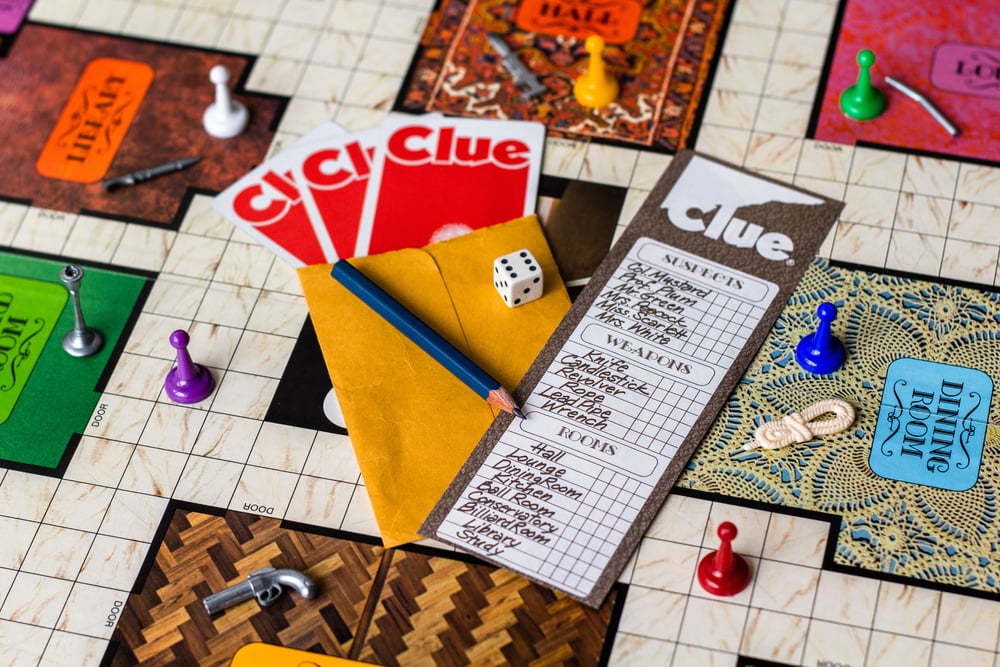
The murder mystery game was created in 1943 by Anthony Pratt, a British musician who spent time in air raid shelters during the London Blitz. Surrounded by death and destruction, Pratt developed the game as a way to process the random violence of wartime, where anyone could be killed at any moment by any means.
The mansion setting reflected the class divisions that determined who lived and died during the bombing campaigns.
The Game of Life

Milton Bradley’s 1860 creation was originally called ‘The Checkered Game of Life’ and was designed as a morality lesson during a period of intense social upheaval in America. The game’s original version included spaces for poverty, disgrace, and ruin, reflecting the harsh realities of 19th-century life where a single bad decision could destroy entire families.
Players learned that life was fundamentally unfair and largely determined by chance rather than merit.
Parcheesi
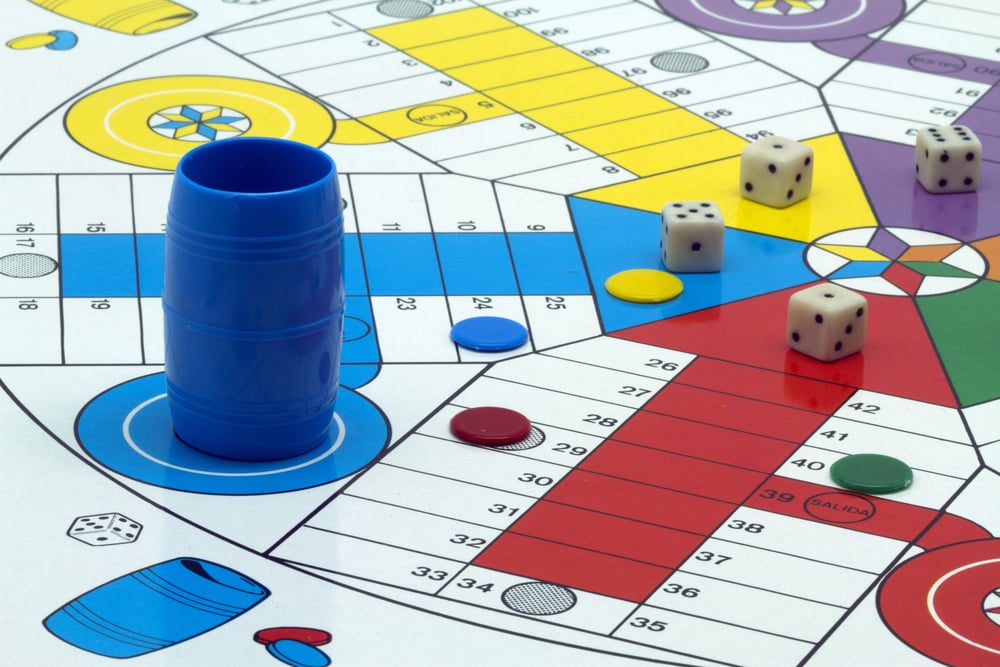
This ancient Indian game called Pachisi was played on massive courtyards using real people as game pieces. The Mughal Emperor Akbar had a giant board built in his palace courtyard where servants dressed in different colors would move according to dice rolls.
The ‘safe spaces’ represented actual sanctuaries where people could escape persecution, while being ‘sent home’ often meant exile or worse.
Chutes and Ladders
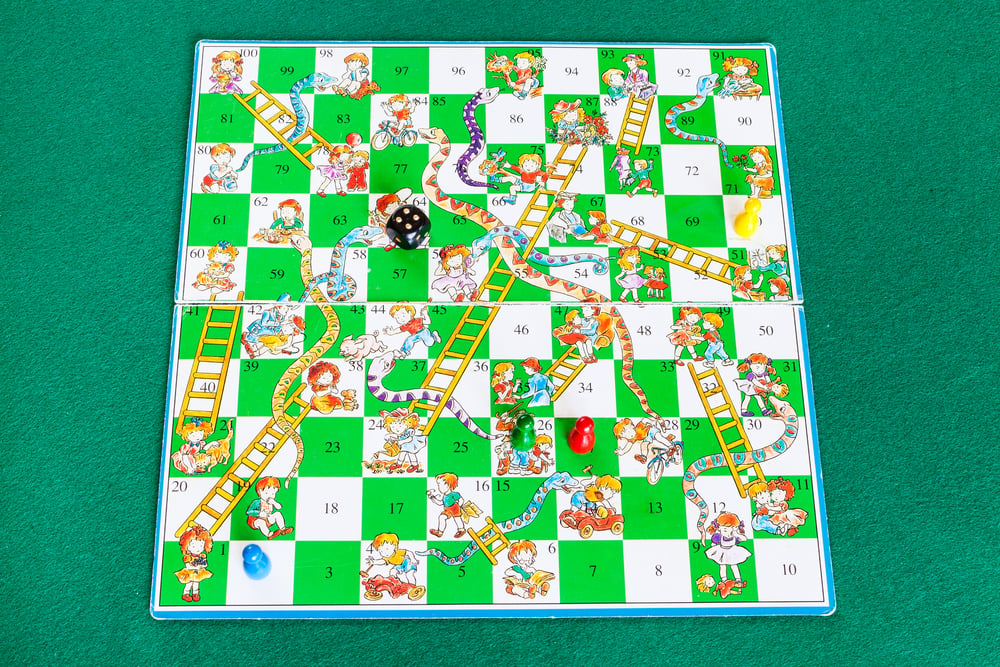
The original Indian game ‘Snakes and Ladders’ was created by religious teachers to illustrate the consequences of good and evil actions in the cycle of reincarnation. The snakes represented vices that would drag your soul down through multiple lifetimes of suffering, while ladders showed virtues that elevated you toward enlightenment.
Each fall down a snake meant your spirit would endure additional lifetimes of pain and misery.
Othello
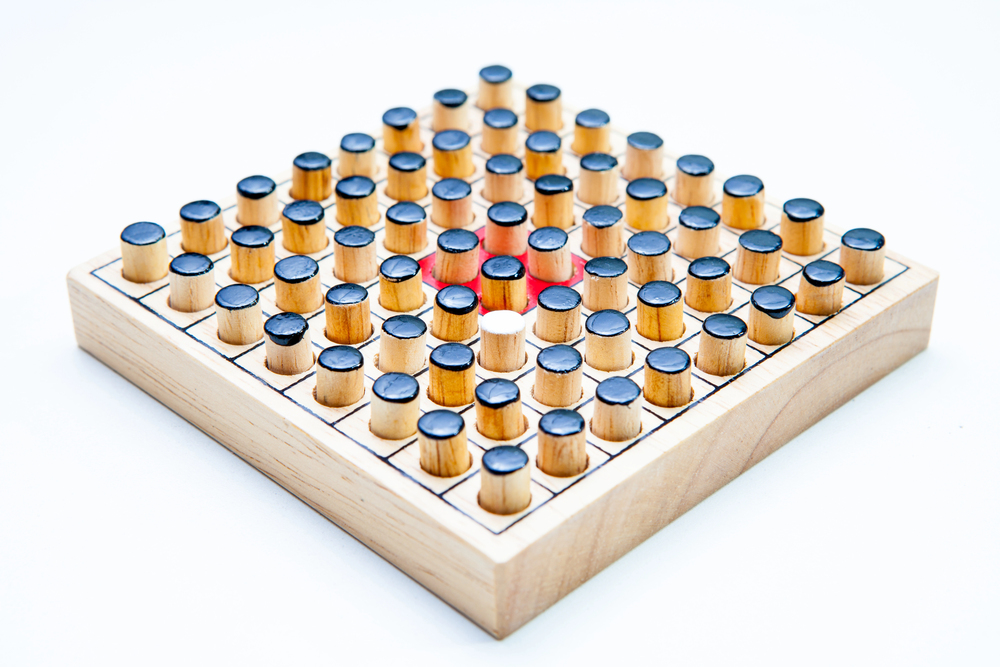
Also known as Reversi, this game was invented in 1883 during the height of European colonialism as a metaphor for cultural conquest. The black and white pieces represented the struggle between civilizations, with the flipping mechanism showing how conquered peoples would be forced to abandon their identities.
Players learned that successful colonization required surrounding and isolating indigenous populations until they had no choice but to convert.
Mancala

Archaeological evidence shows this ancient African game was used to teach resource management during famines and droughts. The stones represented actual grain stores, and players learned difficult decisions about rationing food supplies when entire communities faced starvation.
The empty pits that resulted from poor play served as a stark reminder of what happened to families who mismanaged their resources during harsh seasons.
Scrabble
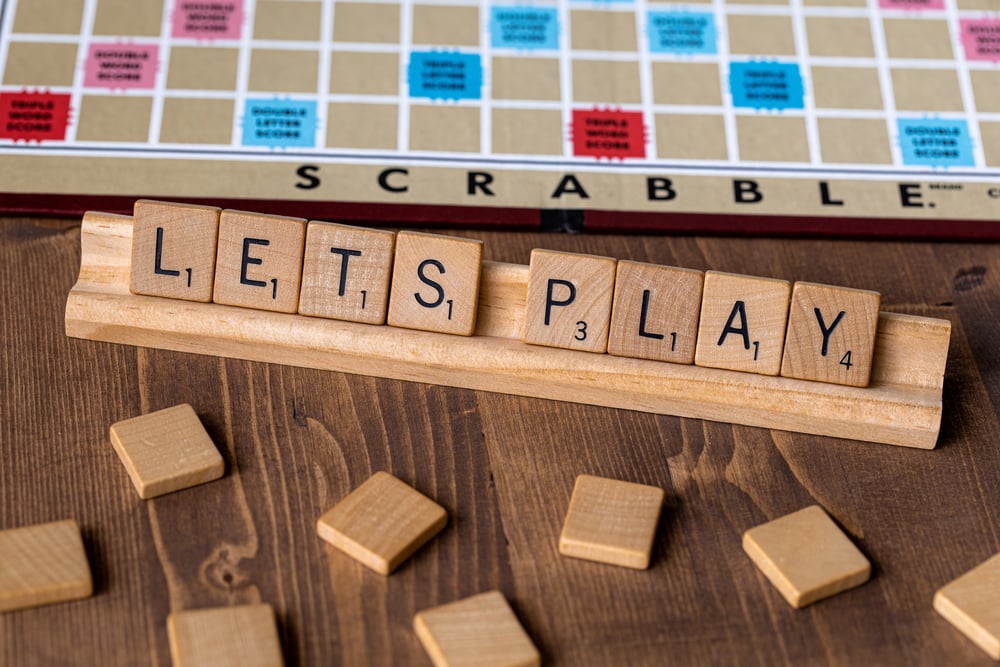
Alfred Butts created this word game during the Great Depression as a commentary on unemployment and social worthlessness. The point values assigned to letters reflected how society valued different types of communication and education, with working-class vocabulary worth fewer points than academic language.
Players competed to prove their intellectual worth in a system that determined human value through arbitrary scoring mechanisms.
When Play Became Purpose
These games remind us that entertainment and education have always been intertwined, often in ways their modern players never suspect. What started as tools for teaching warfare, survival, and social control eventually became family pastimes, their dark origins softened by colorful packaging and cheerful marketing.
Yet understanding these histories adds depth to our appreciation of how humans have always used play to make sense of their most challenging realities, transforming lessons about death and conflict into activities that bring families together around the kitchen table.
More from Go2Tutors!

- The Romanov Crown Jewels and Their Tragic Fate
- 13 Historical Mysteries That Science Still Can’t Solve
- Famous Hoaxes That Fooled the World for Years
- 15 Child Stars with Tragic Adult Lives
- 16 Famous Jewelry Pieces in History
Like Go2Tutors’s content? Follow us on MSN.