17 ’90s Fads That Lasted One Year Tops
The 1990s were a breeding ground for flash-in-the-pan crazes that captivated our attention before vanishing almost as quickly as they appeared. From playground collectibles to fashion statements that make us cringe today, these short-lived phenomena defined the decade’s uniquely fickle consumer culture.
Despite their brief shelf life, these fads burned intensely in the cultural consciousness, leaving lasting impressions that continue to evoke nostalgia decades later. Here is a list of 17 nineties fads that shone brightly for a moment before fading into obscurity, often within a single year or less.
Slap Bracelets

These simple yet ingenious accessories began as straight, flexible metal bands covered in decorative fabric that, when slapped against a wrist, instantly curled into a bracelet. The satisfying “snap” made them irresistible to schoolchildren across America, but their popularity plummeted almost overnight when schools began banning them due to safety concerns.
Reports of the metal strips breaking through fabric coverings and causing cuts led to nationwide classroom prohibitions. The slap bracelet’s meteoric rise and fall occurred entirely within 1990, making it one of the decade’s most ephemeral yet memorable fads.
POGs
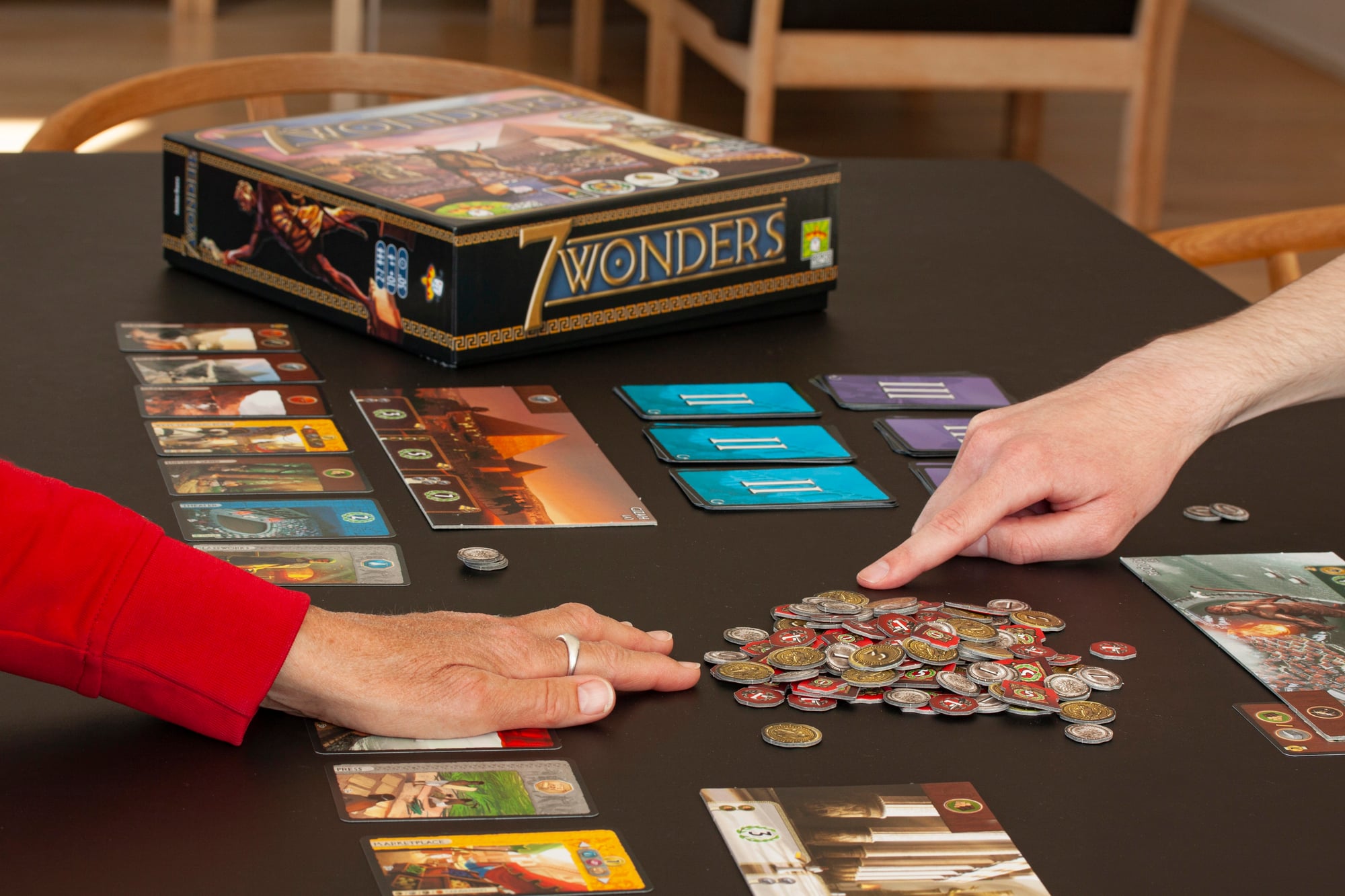
Originally from Hawaii, these tiny cardboard discs went viral across the country in 1994. Stacking the POGs and flipping as many as you could with a heavier “slammer” were the rules of the game.
When authorities saw that kids were basically gambling with their collections, playing for “keeps” where winners take home their opponents’ discs, schools swiftly outlawed them. Millions of useless cardboard circles were left lingering in basement storage boxes and bedroom drawers across America by 1995, when the POG craze had all but vanished.
Like Go2Tutors’s content? Follow us on MSN.
Virtual Pets

Tamagotchi and Giga Pets dominated 1997 with their egg-shaped digital companions requiring constant attention. These handheld devices created unprecedented classroom disruptions as children desperately tried to feed, clean, and entertain their electronic pets during school hours.
Teachers and parents grew increasingly frustrated with the distraction, and by 1998, the novelty had worn off for most owners once they realized the repetitive care cycle offered limited long-term entertainment value. Despite brief peaks in popularity, the original virtual pet phenomenon lasted barely 12 months before caregivers stopped caring.
Hypercolor T-shirts

Color-changing clothing that reacted to body heat seemed revolutionary when Generra introduced Hypercolor shirts in 1991. The thermochromic dyes temporarily shifted colors when exposed to warmth, creating handprint patterns and temperature-sensitive designs.
Unfortunately, the technology proved impractical for everyday wear. The effect diminished after several washes, and the shirts often developed permanent discoloration in high-heat areas.
By 1992, Hypercolor had filed for bankruptcy, ending a fashion phenomenon that lasted barely long enough for early adopters to cycle their shirts through the laundry a few times.
Trolls

These wild-haired figurines from the 1960s made a spectacular comeback in 1992, with jewel-bellied “Treasure Trolls” appearing everywhere from keychains to pencil toppers. The mythical creatures with neon hair were marketed as good luck charms, leading children to collect dozens in various sizes.
However, manufacturers oversaturated the market with knockoffs and variations, diluting their appeal and collectible status. By 1993, troll mania had subsided, leaving parents wondering why their children’s rooms were filled with small plastic figures sporting outrageously colored hair.
Like Go2Tutors’s content? Follow us on MSN.
Skip-It

This ankle-attached skipping toy gained enormous popularity after a catchy commercial showcased its built-in counter that tracked revolutions. Playground hierarchies temporarily centered around who could achieve the highest Skip-It score, but enthusiasm quickly waned.
Its popularity peaked during the 1993 holiday season but faded by summer 1994 when children discovered the novelty of swinging plastic around their ankles diminished rapidly. The bulky design made storage awkward, and many ended up forgotten in garages and closets before the next school year began.
Koosh Balls

Scott Stillinger’s rubber-strand balls gained popularity in 1988, but it wasn’t until the early 1990s that they truly hit the mass market. Originally intended to teach kids how to catch, the soft, colorful balls with hundreds of rubber filaments became enticing fidget toys due to their tactile appeal.
When they appeared on Rosie O’Donnell’s daytime talk show, where she frequently hurled them into her crowd, their fame skyrocketed. But by 1992, people’s interest in these bouncy spheres had waned, and they had reverted to the level of commonplace toys rather than essential items.
Yak Bak
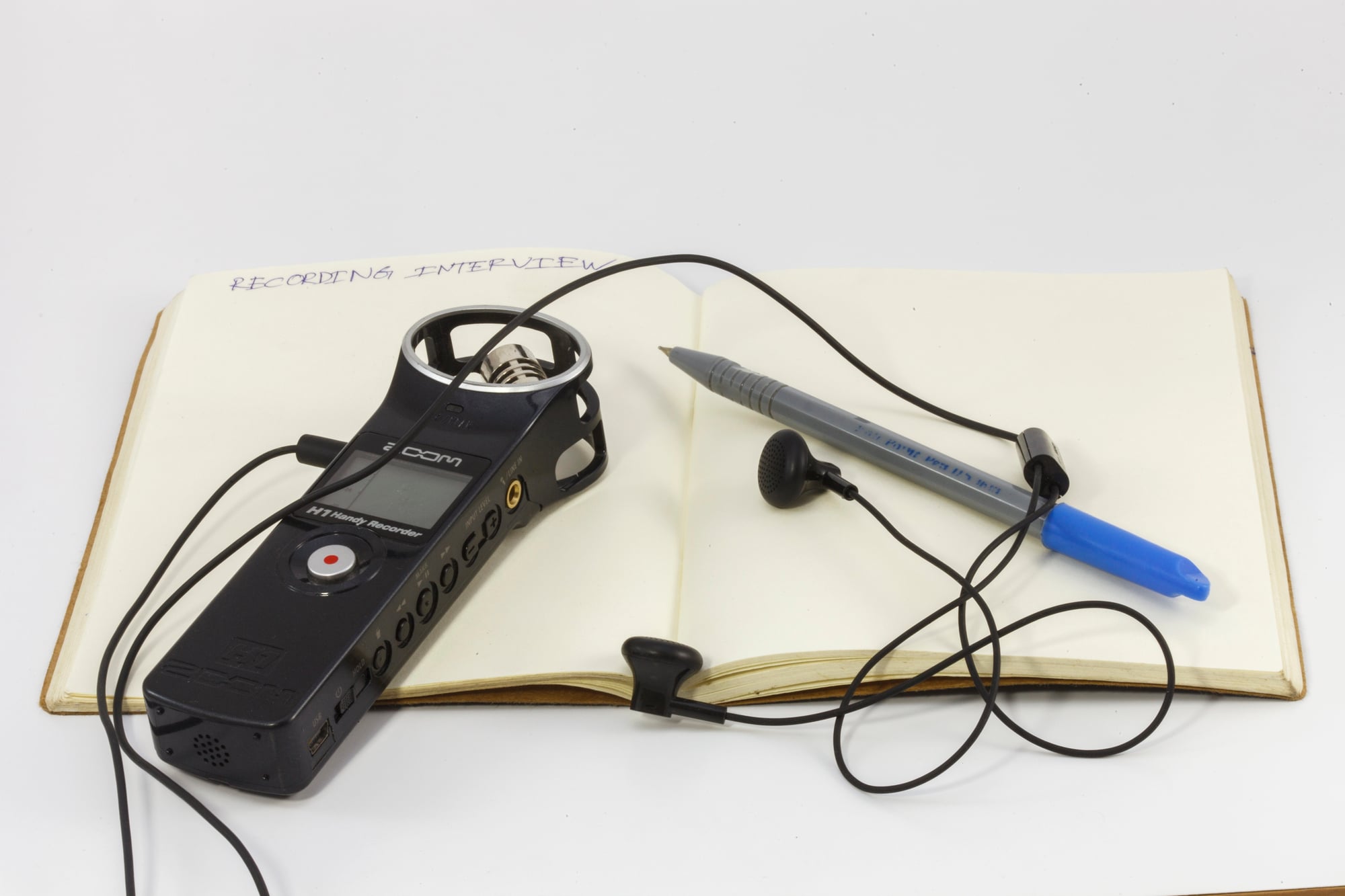
This handheld voice recorder captivated kids in 1994 with its ability to capture and replay short audio clips. The small plastic device allowed users to record approximately three seconds of sound, which could then be played forward or backward.
Children predictably used them to record bathroom humor and playback adult admonishments at inappropriate moments. Despite their initial appeal, the extremely limited recording capacity and poor audio quality quickly revealed their limitations.
By 1995, most Yak Baks were relegated to junk drawers, their batteries removed to prevent the incessant replay of juvenile jokes.
Like Go2Tutors’s content? Follow us on MSN.
JNCO Jeans

These extraordinarily wide-legged jeans epitomized 1990s counterculture fashion with some pairs featuring leg openings up to 50 inches wide. JNCO (Judge None Choose One) jeans peaked in 1997 among skateboarders, ravers, and alternative teens seeking to reject mainstream fashion.
The extreme silhouette made them instantly recognizable but ultimately impractical. Wearers constantly battled frayed hems from dragging on the ground and struggled to keep them dry in wet weather. By 1998, the trend had largely fizzled as fashion shifted toward cargo pants and more moderate styles that didn’t require specialized storage due to their enormous size.
Starter Jackets

These sports team jackets became status symbols in schools nationwide during 1991–1992. The satin team jackets featuring professional sports logos retailed for approximately $100, making them significant investments for parents.
Their popularity created unexpected problems as the expensive items became targets for theft, with reports of “jacket-jackings” increasing in urban areas. The combination of their high price and safety concerns led many schools to ban them outright.
By 1993, their cultural cachet had significantly diminished as fashion moved toward grunge-inspired styles.
Macarena Dance
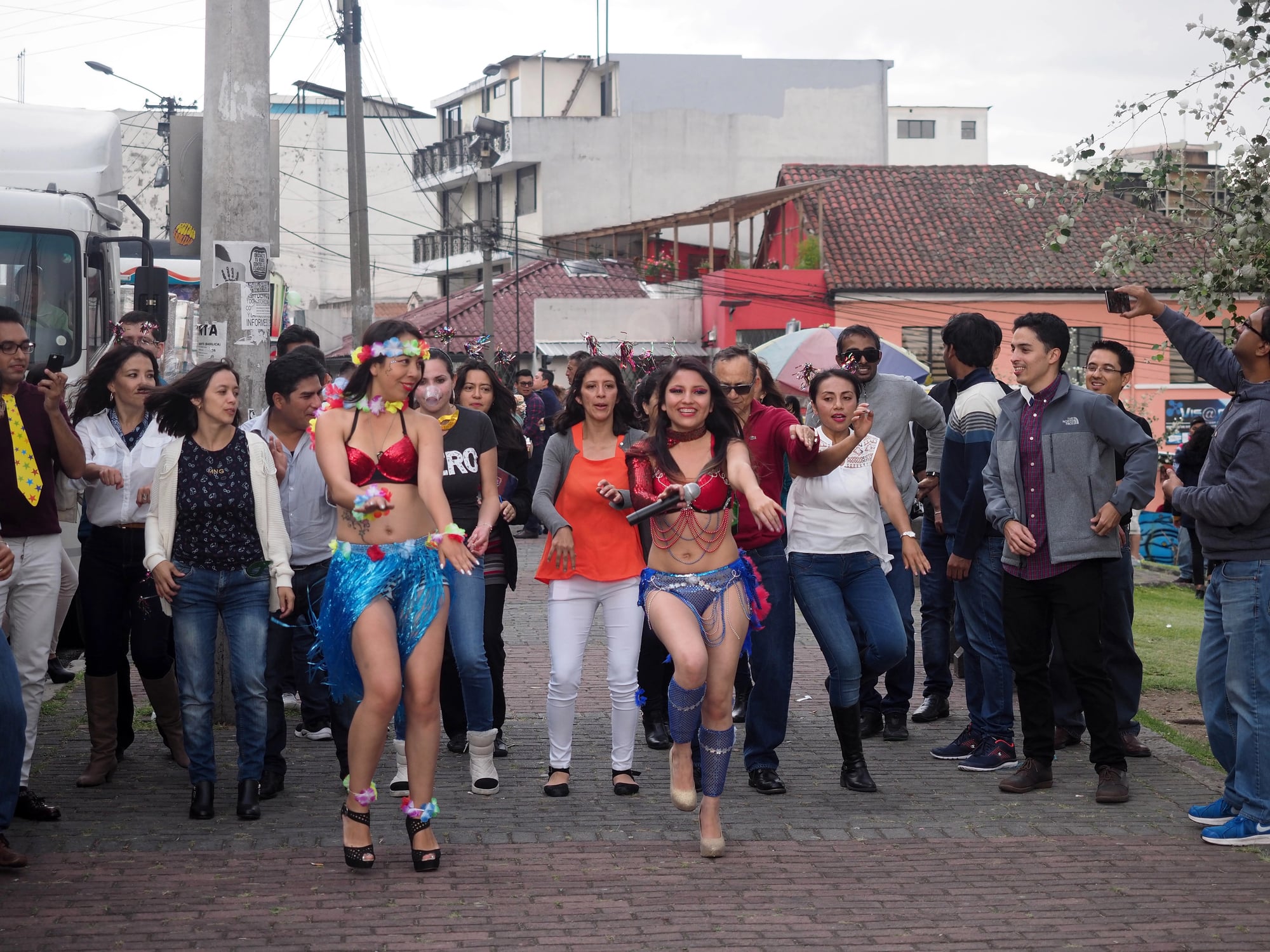
This simple dance routine accompanying Los del Río’s Spanish-language hit dominated summer 1996, appearing at weddings, sporting events, and school functions. The repetitive arm movements made it accessible to dancers of all skill levels, contributing to its widespread adoption.
However, the ubiquity of the Macarena led to its rapid downfall, as overexposure transformed it from a cultural phenomenon to an annoying earworm within months. By early 1997, performing the dance elicited groans rather than participation, cementing its status as a short-lived cultural moment rather than an enduring dance tradition.
Like Go2Tutors’s content? Follow us on MSN.
Wallet Chains
These metal chains connecting wallets to belt loops emerged from skateboard and punk subcultures before briefly entering mainstream fashion in 1993. The functional purpose—preventing wallet theft while skateboarding—became secondary to their perceived coolness factor.
As mall stores began selling decorative versions to suburban teenagers, the authentic edge quickly dulled. By 1994, the trend had retreated to its subcultural origins, with mainstream adopters abandoning their chains once fashion magazines declared them passé.
AOL Trial CDs

While not a traditional toy or fashion item, these ubiquitous America Online promotional discs briefly became collectibles in 1995–1996, with some enthusiasts hoarding hundreds of the free offers.
The discs offered free trial hours of internet service and arrived unsolicited in mailboxes, packaged with magazines, and handed out at retail locations. Their sheer quantity made them briefly fascinating as objects representing the emerging internet age.
However, environmental concerns about waste quickly transformed them from novelty to nuisance. Their status as collectibles lasted less than a year before they became symbols of junk mail excess.
Gel Pens

These colorful writing instruments with metallic, glitter, or neon ink created a stationery frenzy among students in 1997. Schools temporarily became informal marketplaces where rare colors were traded and displayed in specialized carrying cases.
The pens’ appeal diminished rapidly when their practical limitations became apparent—they smudged easily, didn’t work on many paper types, and frequently dried out. The specialized ink also made them unsuitable for homework and tests requiring traditional blue or black ink.
By 1998, the gel pen obsession had largely dissolved, though they remained available as ordinary school supplies rather than coveted status symbols.
Like Go2Tutors’s content? Follow us on MSN.
Fashion Crimped Hair

This distinctive zigzag hairstyle achieved through specialized hot tools peaked in 1992–1993 before rapidly declining. The labor-intensive process required significant preparation time and often resulted in heat damage to hair.
Fashion magazines initially promoted crimping as edgy and futuristic, but the distinct look quickly became associated with trying too hard to appear trendy. By 1994, crimping irons were gathering dust in bathroom cabinets as sleeker hairstyles gained favor.
Looking Beyond the Fads

These short-lived crazes reveal much about 90s consumer culture and the increasing speed of trend cycles. Before social media accelerated fashion and entertainment trends to today’s breakneck pace, these fads represented early examples of rapid adoption and abandonment.
Schools often served as ground zero for these phenomena, with playground social dynamics determining which items achieved must-have status. The brevity of these trends highlights the decade’s increasingly disposable approach to consumer goods and entertainment, foreshadowing our current era of viral sensations that capture attention for days rather than months.
While each individual fad proved temporary, collectively they painted a vivid portrait of a decade characterized by rapid cultural shifts, technological experimentation, and the growing influence of youth-driven consumer culture that continues to shape how trends develop and dissolve today.
More from Go2Tutors!

- 18 Unexpectedly Valuable Collectibles You Might Have Lying Around
- 15 Things Every Teenager in the ’70s Did That Teens Today Wouldn’t Understand
- 15 Strange Things People Have Tried to Ban (And Failed)
- 15 Inventions That Were Immediately Banned After Being Created
- 20 Actors Who Were Almost Cast in Iconic Roles
Like Go2Tutors’s content? Follow us on MSN.