18 Ancient Transportation Routes That Changed World History
Before airplanes and highways, a handful of key routes connected distant civilizations, shaping the course of history. These ancient transportation paths weren’t just simple roads—they were essential lifelines for trade, migration, and cultural exchange. Crossing deserts, mountains, and seas, they allowed goods like silk, spices, and metals to move between empires, and ideas like religions and technologies to spread far and wide.
Travelers faced tough conditions and long journeys, but these routes helped build powerful kingdoms and lasting connections. Many of today’s trade and travel networks still follow the footprints of these ancient paths.
Here is a list of 18 ancient transportation routes that rewired the course of world history.
Silk Road
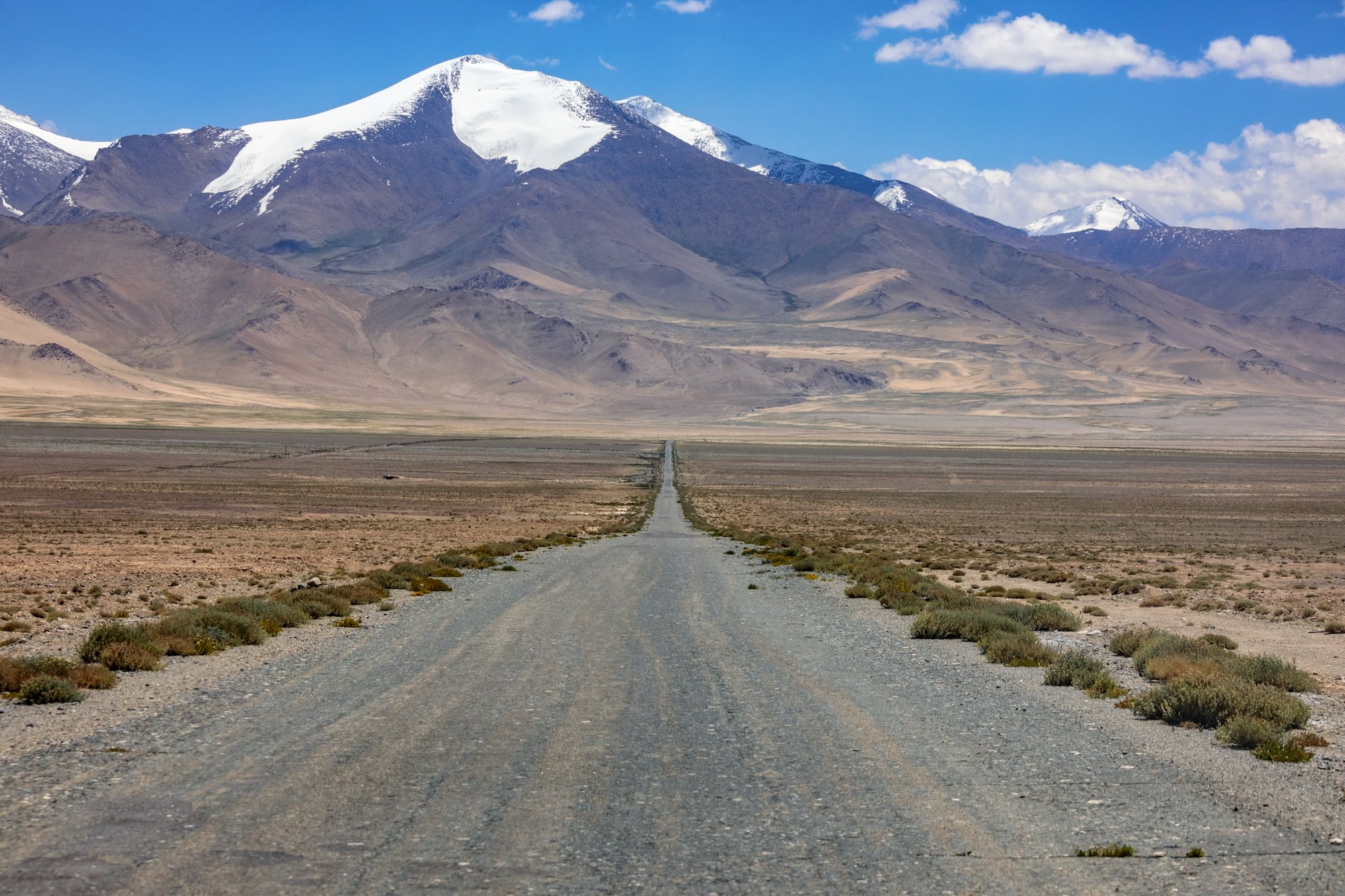
The Silk Road wasn’t a single road but a massive web of overland paths connecting China to the Mediterranean. Traders moved silk, spices, and ideas across deserts, mountains, and cities for centuries.
It helped spread paper, gunpowder, and even major religions like Buddhism and Islam. The route made China a global player long before global was even a concept.
Royal Road

Built by the Persian Empire, the Royal Road stretched over 1,500 miles from Sardis to Susa. It allowed messages to travel across the empire in just days—a massive leap for the time.
Persian couriers on horseback could outrun almost anything short of a modern vehicle. It kept the empire stitched together and helped it last longer than most.
Amber Road

This route moved Baltic amber south to the Mediterranean, long before Roman roads or Greek coins. Amber was prized like gold in ancient times, used for jewelry, medicine, and trade.
The route tied northern Europe to Rome, Greece, and Egypt, giving cold regions a link to warmer markets. It proved that even a fossilized tree resin could drive global trade.
Via Appia
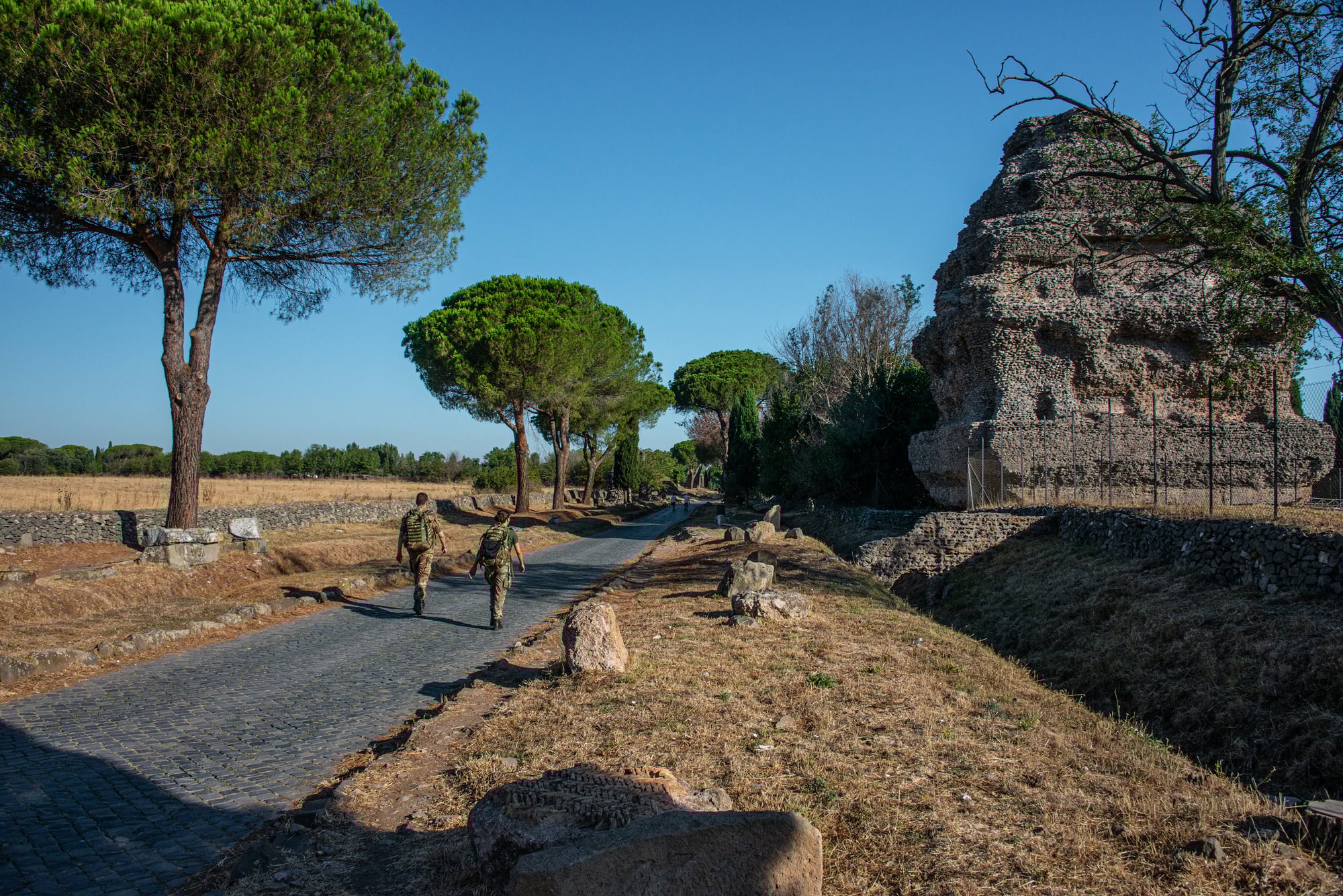
The Via Appia was Rome’s answer to the question, ‘How do we move troops fast?’ Built in 312 BCE, it linked Rome to the southern regions of Italy.
More than just a military road, it opened up trade and unified the peninsula. Roman roads like this were so well built, parts are still walkable today.
Incense Route
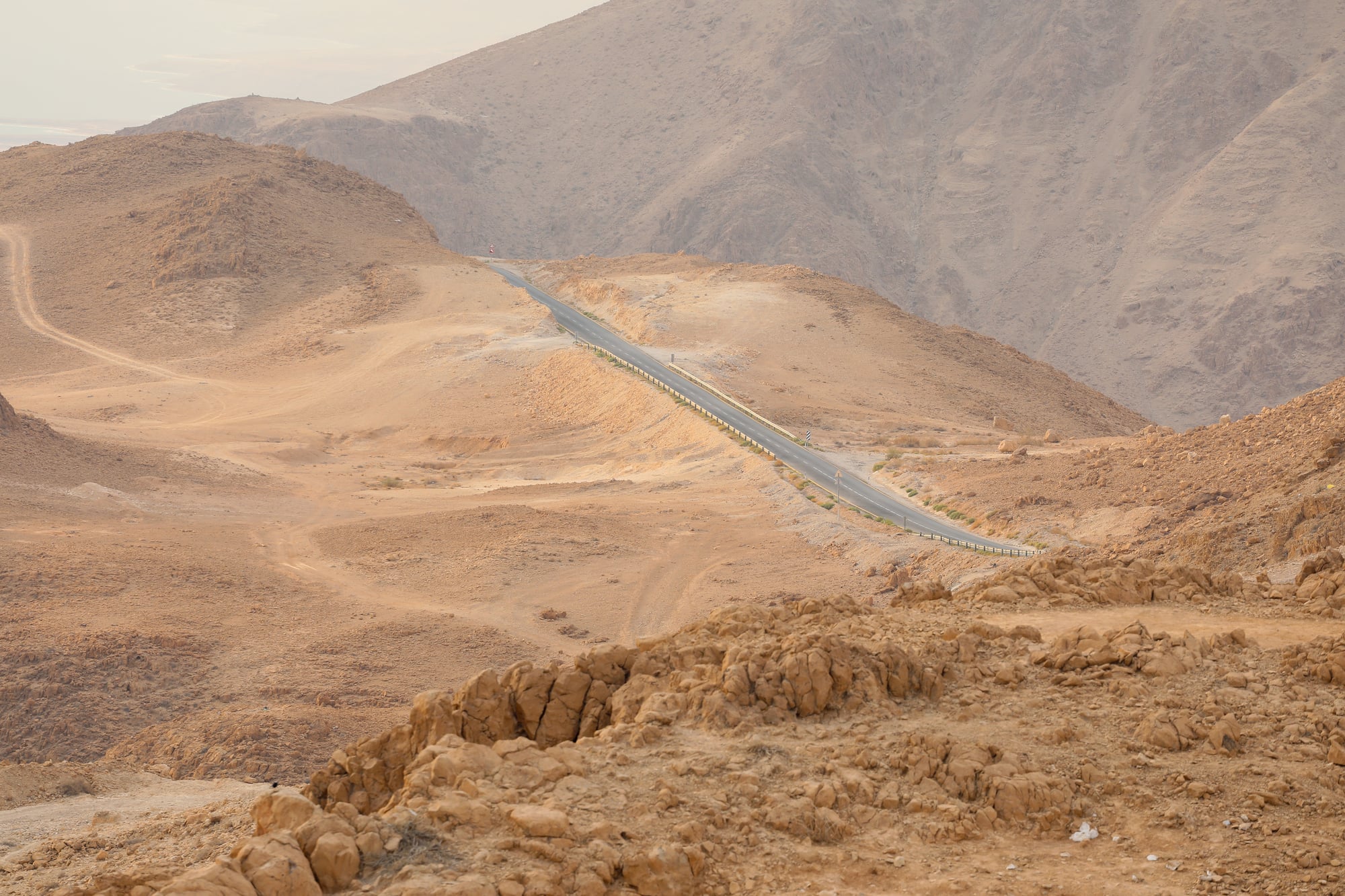
This desert trail brought frankincense and myrrh from Arabia to the Mediterranean. It crossed harsh terrain—blazing heat, bandits, and long dry stretches—but the rewards were massive.
These fragrant goods were used in temples, medicines, and royal courts across empires. It made southern Arabia one of the richest regions of its time.
Trans-Saharan Routes

Camel caravans made this network of North African trade routes possible. Goods like salt, gold, ivory, and slaves crossed the Sahara between West Africa and the Mediterranean world.
The routes helped cities like Timbuktu grow into learning centers. They also tied distant kingdoms like Mali and Ghana into broader economic systems.
Grand Canal
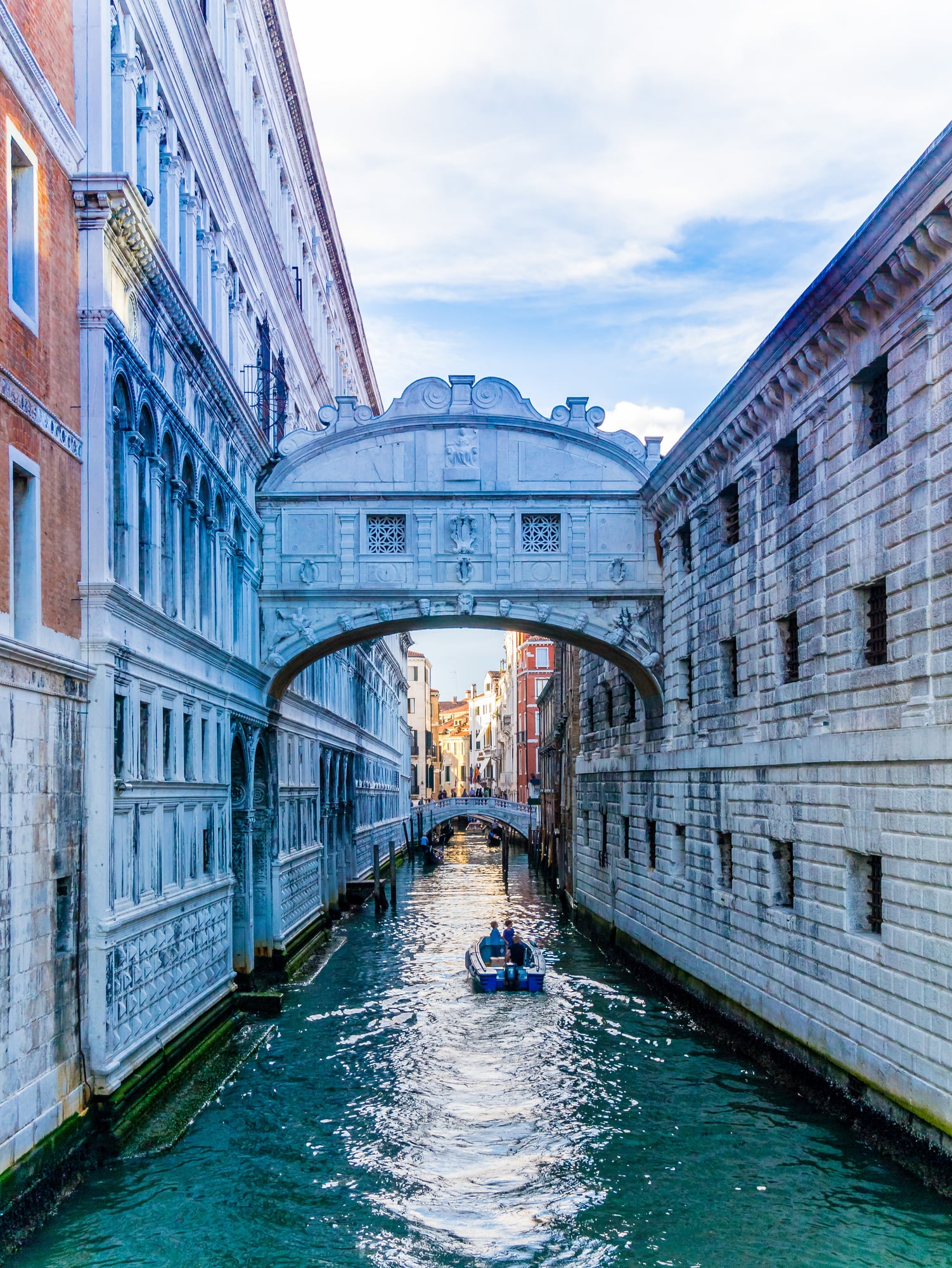
China’s Grand Canal is the longest artificial waterway in the world, and it dates back over 2,000 years. It linked the Yellow and Yangtze Rivers, connecting northern and southern China by water.
That meant easier tax collection, more efficient food transport, and tighter central control. It helped emperors manage massive populations before trains or cars existed.
King’s Highway

Running from Egypt through Jordan into Syria, the King’s Highway was first used by the ancient Egyptians. It later became critical for Assyrians, Babylonians, and eventually Romans.
Along its path were key cities and fortresses, making it more than just a dirt road—it was a geopolitical chessboard. Whoever controlled it often controlled the region.
Tea Horse Road
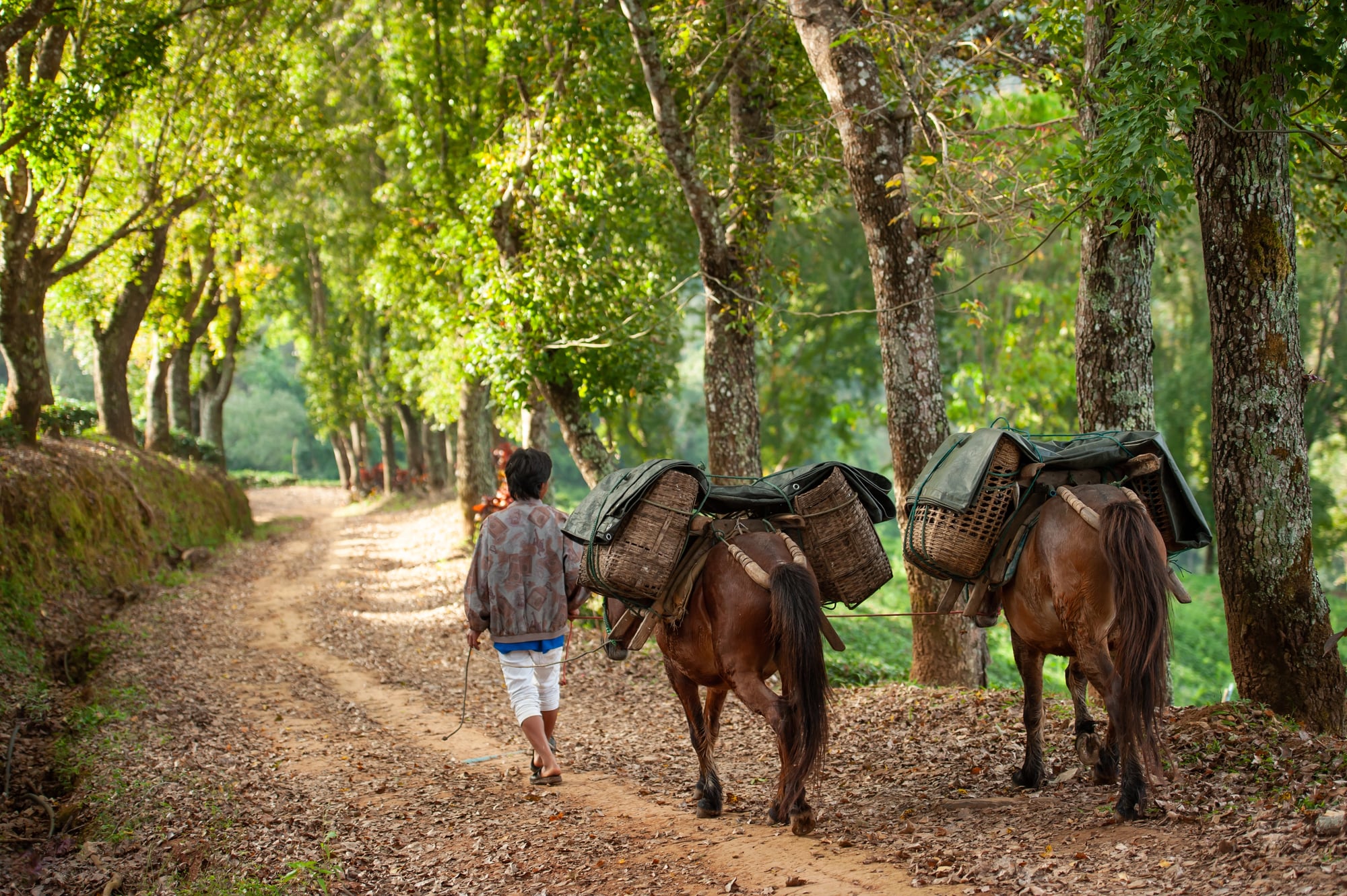
This rugged mountain route connected China and Tibet. Traders used it to swap Chinese tea for Tibetan horses, both prized resources on either side.
The trail crossed cliffs, rainforests, and snow-covered peaks. It wasn’t just a trade route—it was a cultural lifeline between two very different worlds.
Red Sea Trade Route

Egyptians and later Romans used the Red Sea to reach India and East Africa. It bypassed dangerous overland paths and let ships move bulk goods like spices, ivory, and cotton.
The ports along this route sparked the rise of cities like Alexandria and Aden. It opened up ocean trade before most empires even had navies.
Roman Roads of Britain

When Rome conquered Britain, it left behind more than coins and ruins. It built straight, durable roads that connected military forts and trade centers.
These roads helped Romans move troops quickly, but they also made trade easier for locals. Even after Rome left, the roads shaped British settlement patterns for centuries.
Steppe Highway
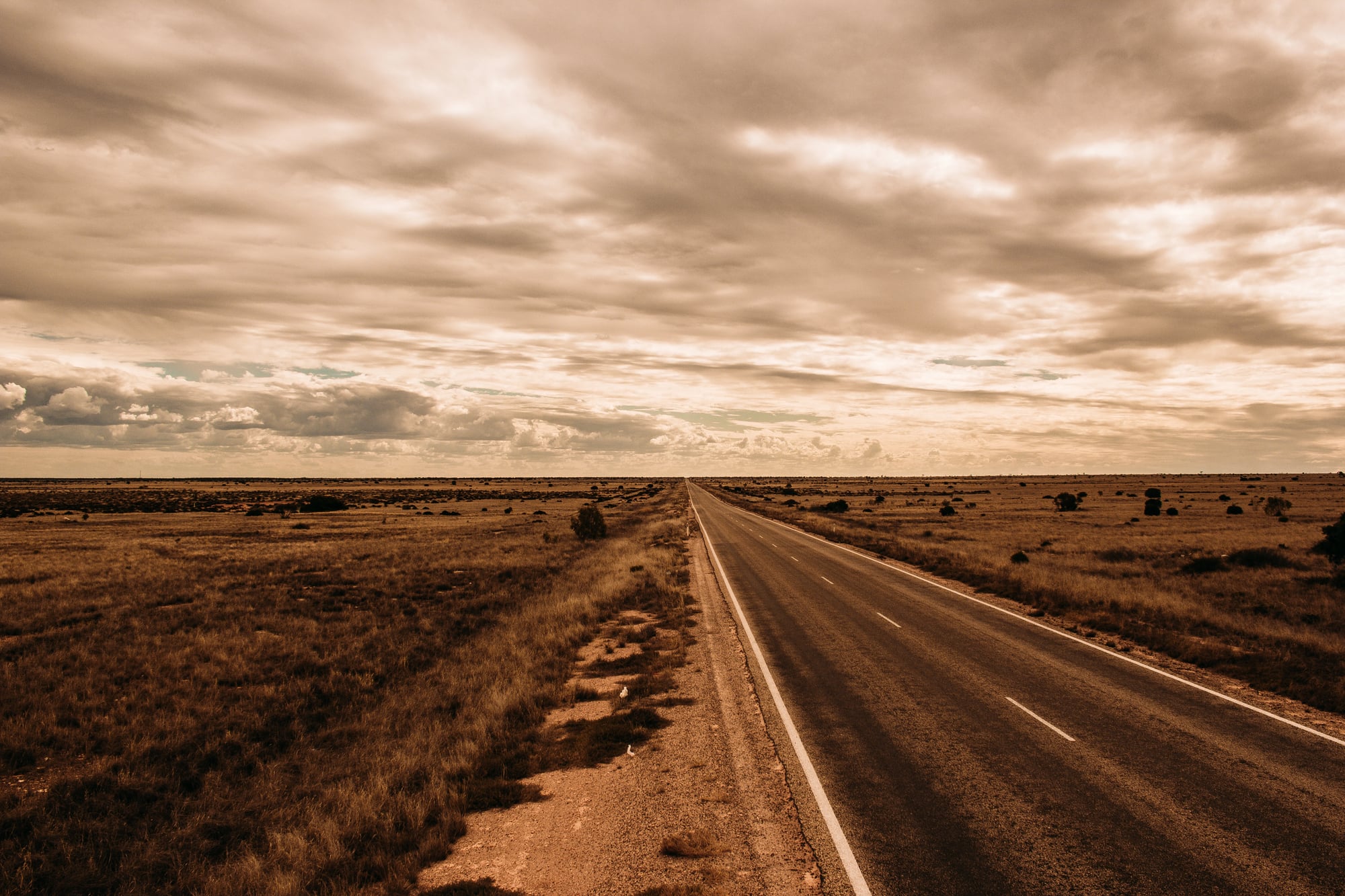
This vast stretch of open grassland in Central Asia acted like a natural express lane for nomadic groups. From the Scythians to the Mongols, it allowed horseback warriors to move fast across thousands of miles.
It also spread ideas, languages, and diseases. In many ways, it was the original Eurasian freeway.
Qhapaq Ñan
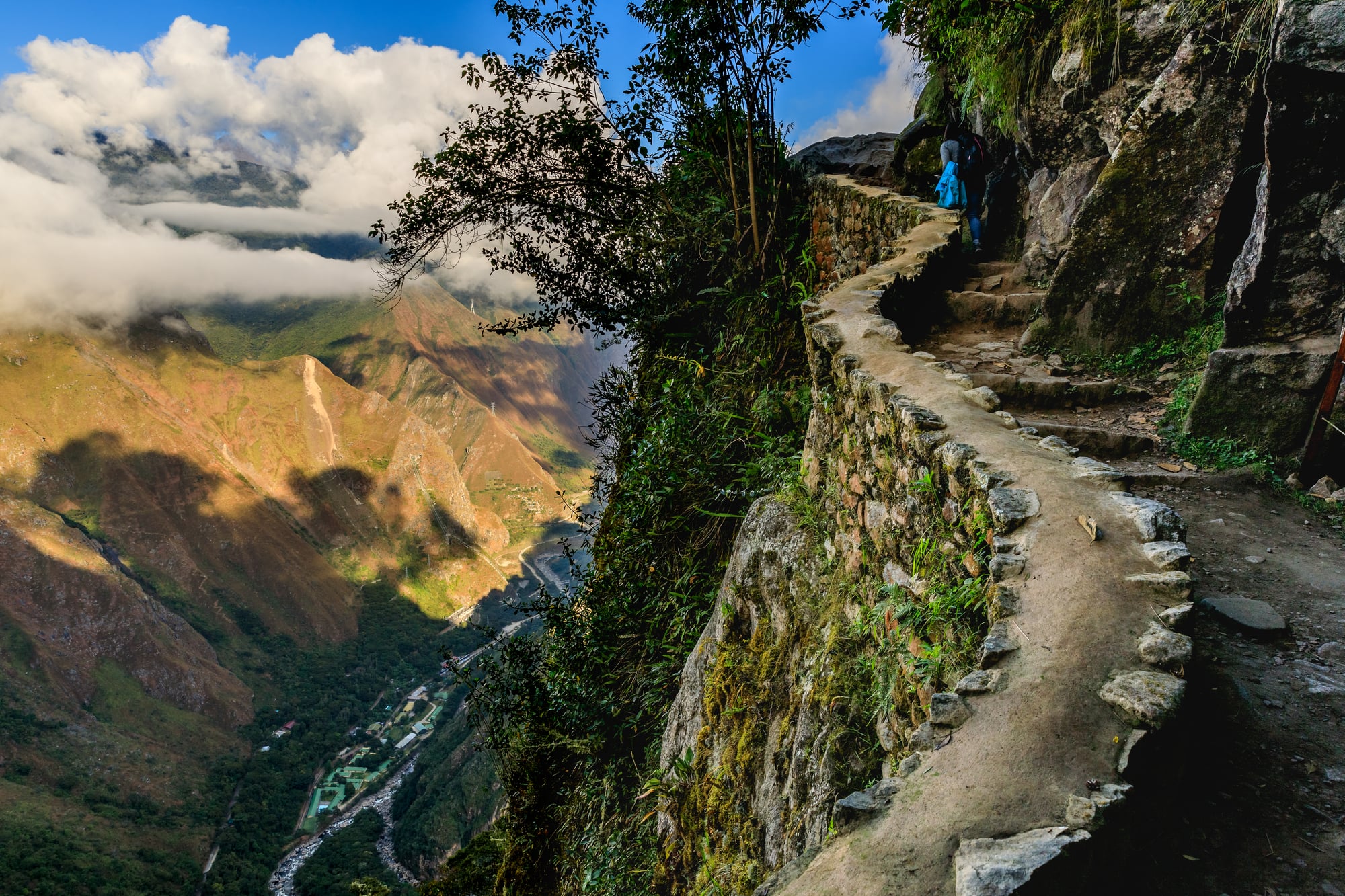
The Inca built an enormous network of stone-paved roads that ran over 20,000 miles through mountains and valleys. It let them move armies, goods, and messages across a massive empire without wheels or horses.
The roads even had waystations and rope bridges. It was South America’s version of a superhighway—powered by human runners.
Maritime Spice Route

Long before modern shipping lanes, this sea route connected Southeast Asia to Europe via the Indian Ocean. Nutmeg, cloves, and cinnamon moved through ports in India, the Middle East, and East Africa.
The route made small island nations wealthy and sparked colonial competition. It showed that the sea could be just as powerful as land for shaping history.
Via Maris
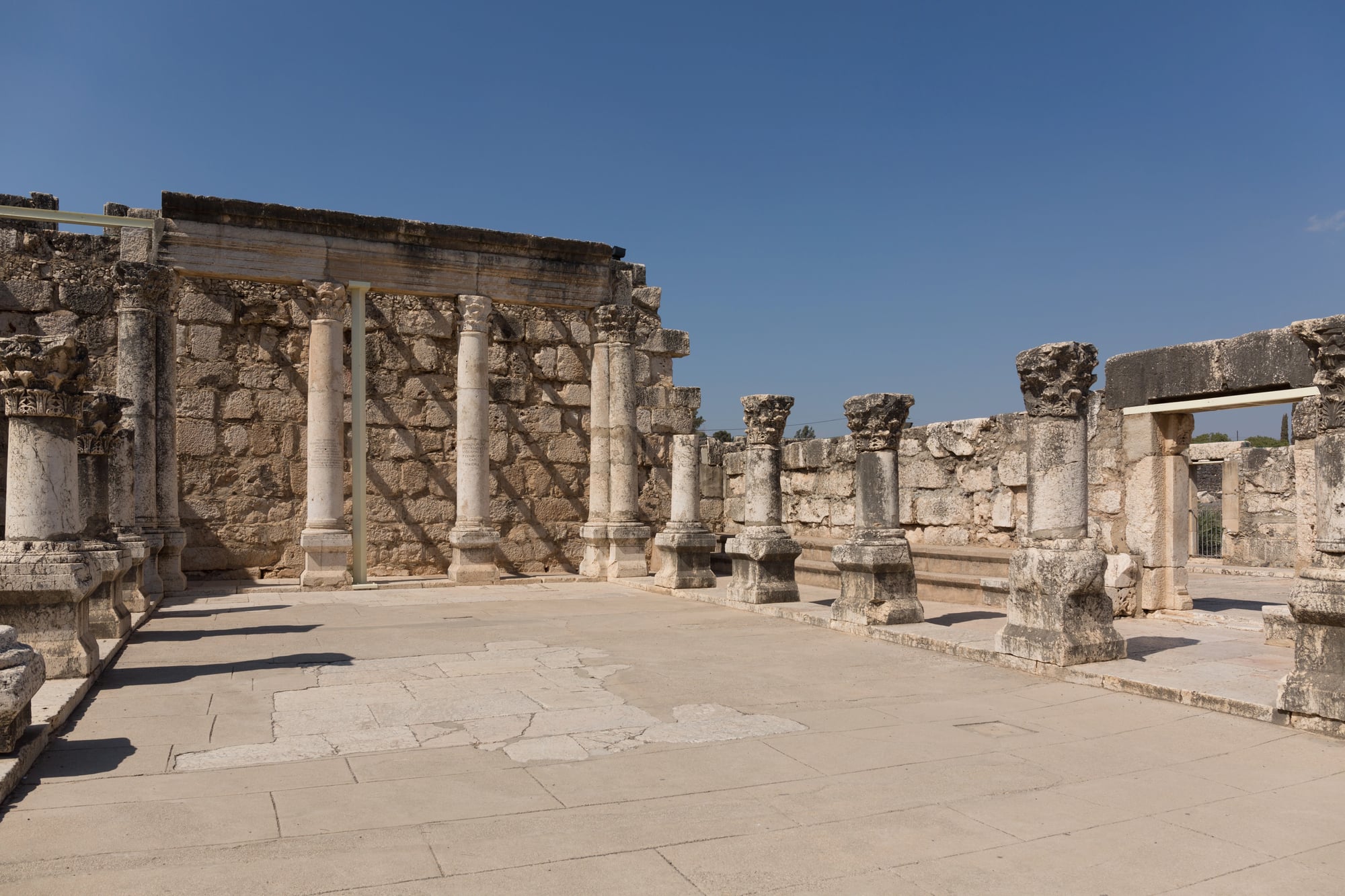
This coastal road connected Egypt to the Levant and beyond. It passed through modern-day Israel and Lebanon, hitting major cities like Gaza and Damascus.
Empires fought over it constantly because it sat at the intersection of Africa, Asia, and Europe. It was less a road and more a power lever.
The Rhine-Danube Corridor

These river systems acted like watery highways across Europe. The Romans used them to move goods, troops, and settlers into new territories.
Even before Rome, tribes used them for trade and migration. They linked the heart of Europe to the wider ancient world, becoming the backbone for inland expansion.
Hindu Kush Passes
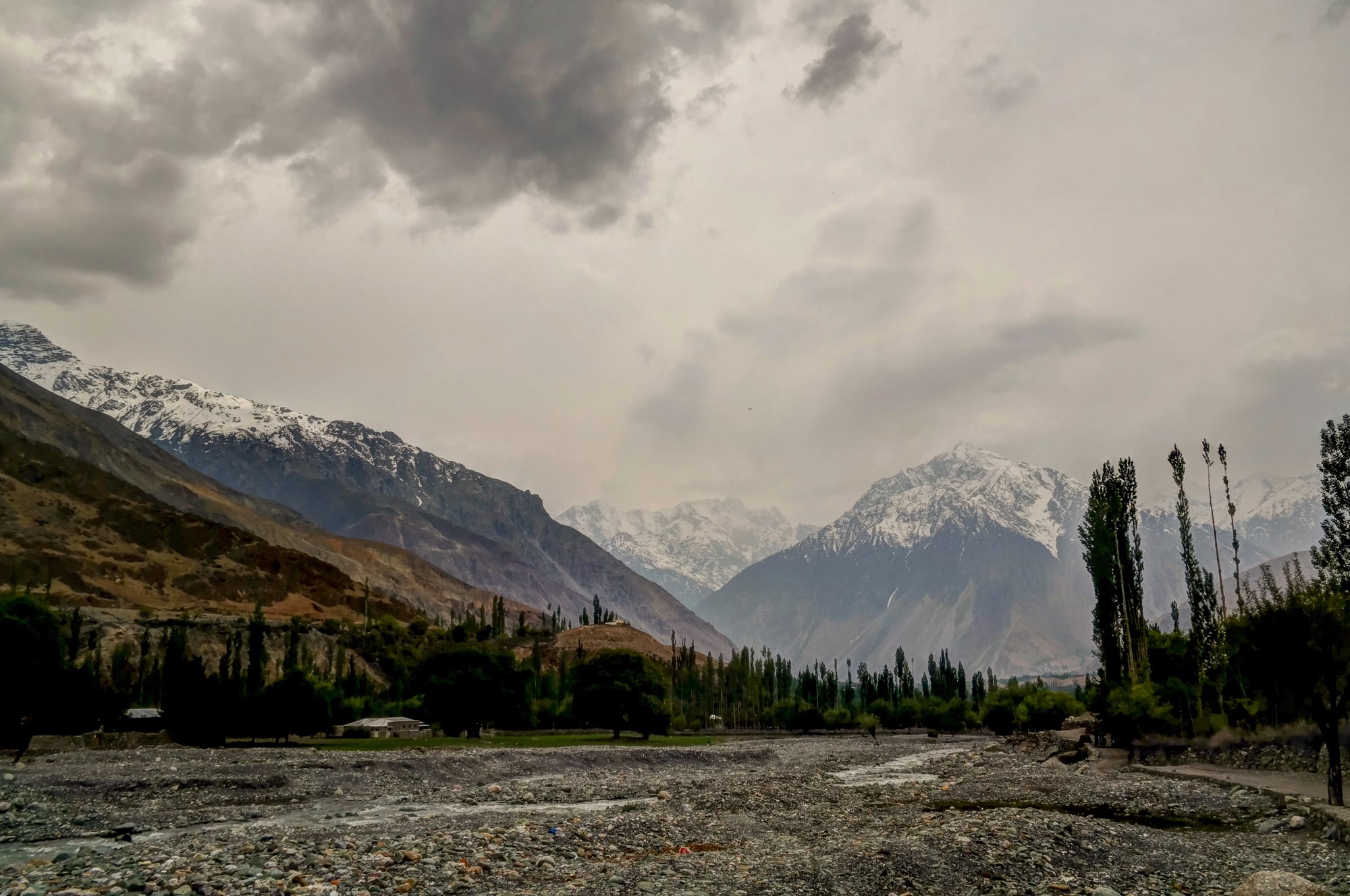
Mountain passes like the Khyber and Salang were lifelines between Central Asia and the Indian subcontinent. Invaders, traders, and pilgrims all used them.
These narrow routes saw everything from Buddhist monks to Mongol horsemen pass through. Controlling them meant controlling who could enter or exit India.
Levantine Copper Route
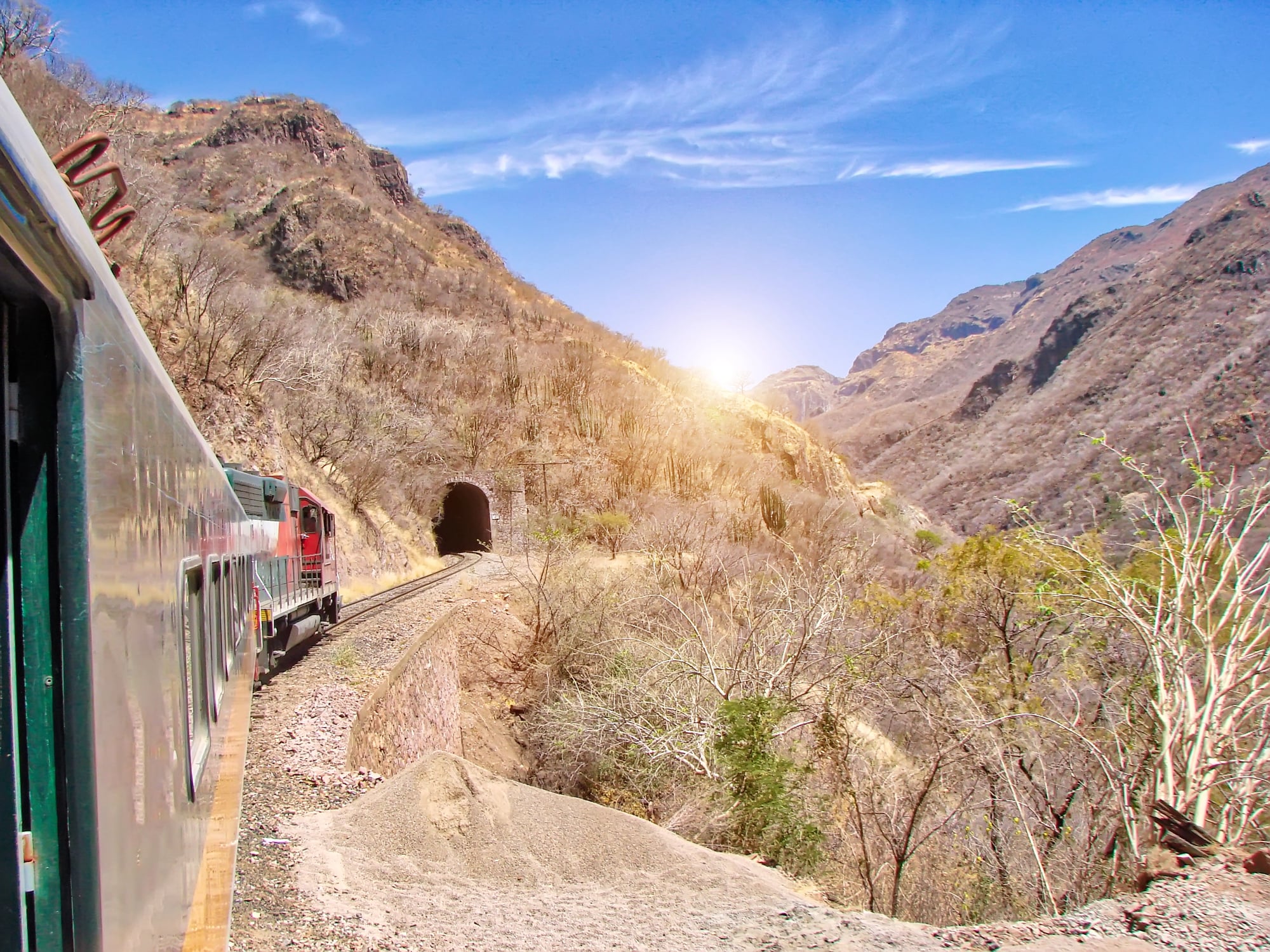
Ancient copper mines in southern Jordan fed the metal needs of Egypt and Mesopotamia. The routes carrying copper linked miners, traders, and craftsmen across harsh terrain.
The metal was used for tools, weapons, and religious items. This early supply chain helped spark the Bronze Age and shape ancient economies.
Tracks That Still Echo
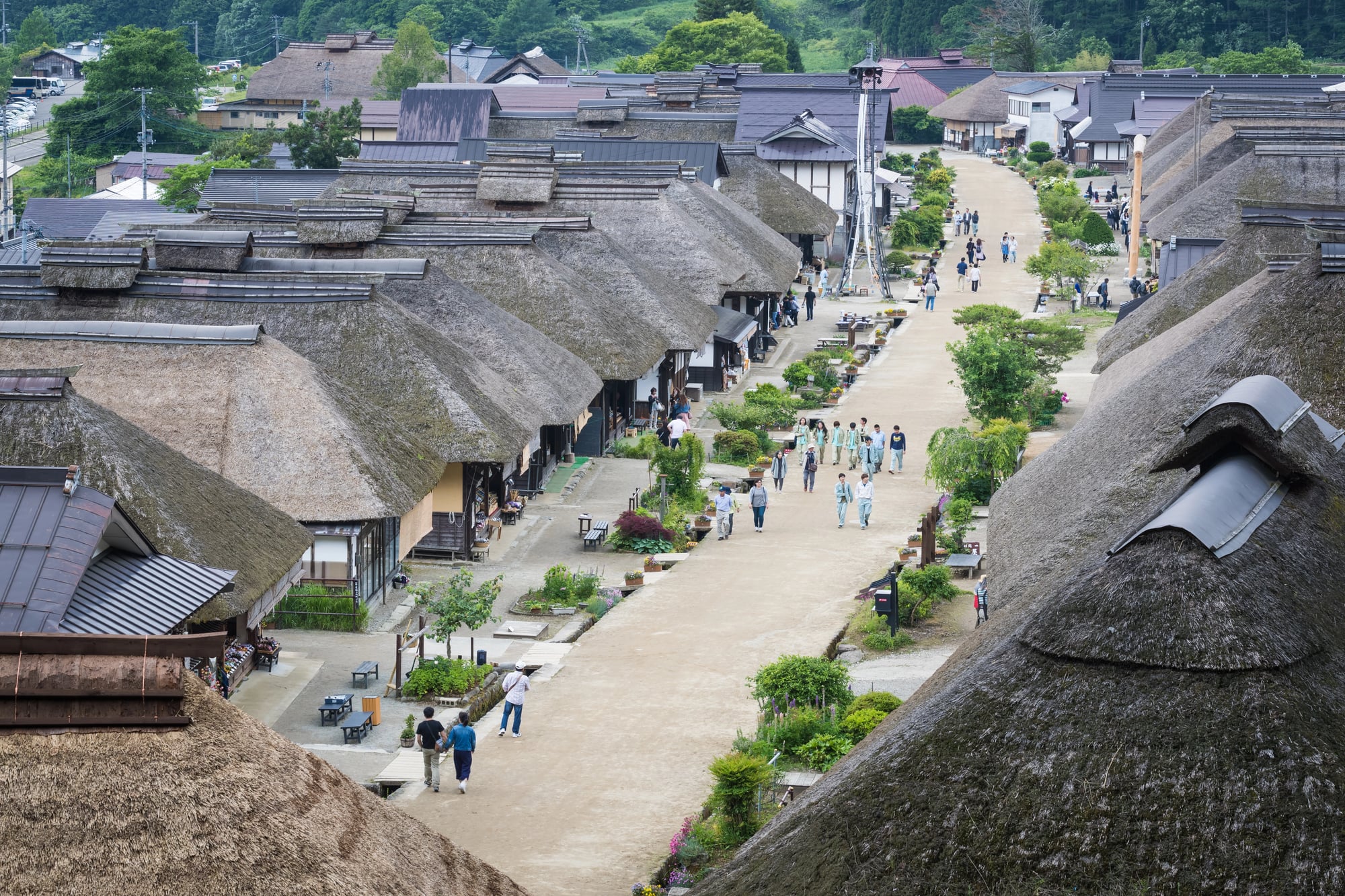
These routes weren’t just paths—they were arteries of influence. They carried not just goods but culture, language, and power.
Today’s highways and trade networks still echo their patterns, proving how deeply these ancient trails shaped the modern world. Roads may fade, but the impact of where they led never really goes away.
More from Go2Tutors!

- The Romanov Crown Jewels and Their Tragic Fate
- 13 Historical Mysteries That Science Still Can’t Solve
- Famous Hoaxes That Fooled the World for Years
- 15 Child Stars with Tragic Adult Lives
- 16 Famous Jewelry Pieces in History
Like Go2Tutors’s content? Follow us on MSN.



