17 Halloween Costumes Once Considered Taboo
Halloween has always pushed boundaries, but what shocks us today would be laughably tame compared to the costume controversies of decades past. Social norms shift like sand, and what once scandalized entire neighborhoods now barely raises an eyebrow at the local costume shop.
From religious imagery to cross-dressing, these costume choices once sparked heated debates in town halls and church meetings across America. Here is a list of 17 Halloween costumes that were once considered completely taboo.
Devil and Demon Costumes
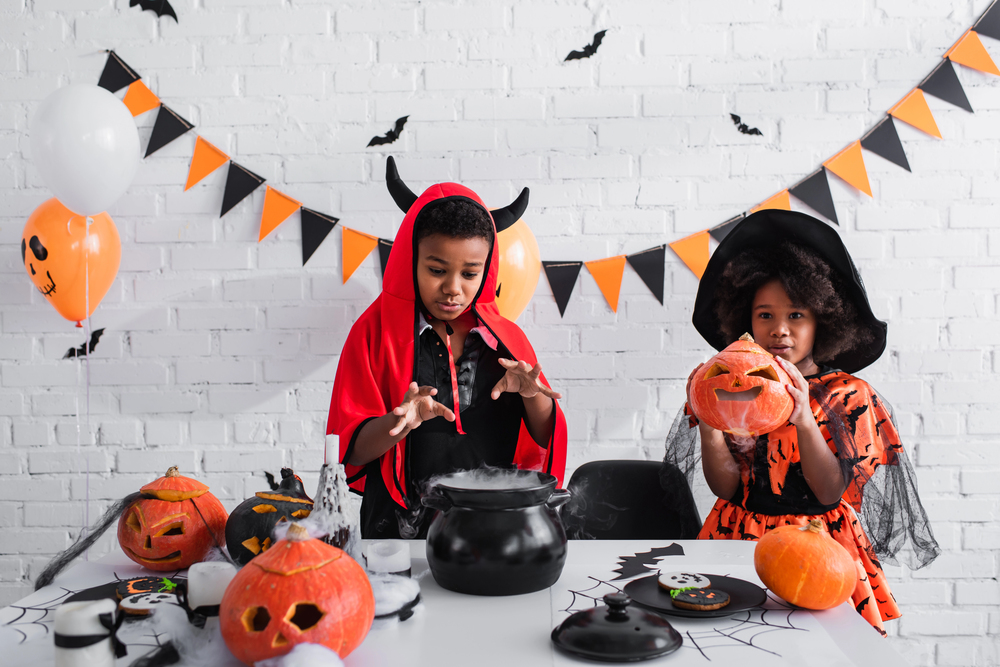
Back in the early 1900s, dressing as Satan himself was considered practically blasphemous. Religious communities viewed these costumes as inviting evil spirits or mocking sacred beliefs.
Parents worried that children portraying devils might actually attract demonic influences, leading to widespread bans in many Christian households and schools.
Cross-Dressing Costumes
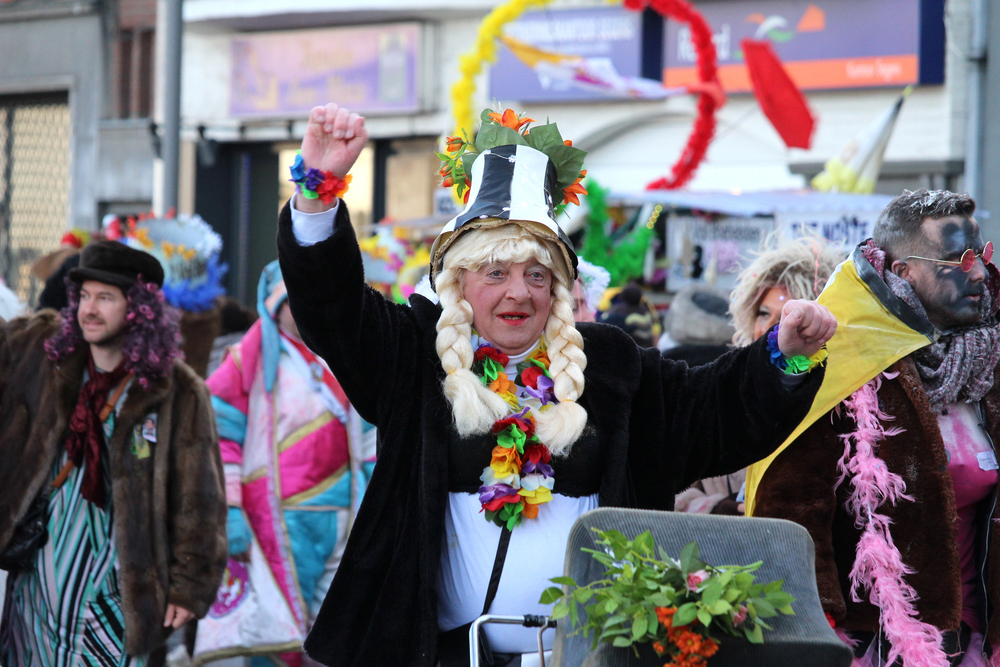
Men dressing as women and women as men caused massive social uproar well into the 1960s. These costumes challenged rigid gender roles that society held sacred.
Police in some cities actually arrested people under anti-cross-dressing laws for ‘impersonating’ the opposite gender, treating Halloween costumes like criminal acts rather than harmless fun.
Like Go2Tutors’s content? Follow us on MSN.
Witch Costumes
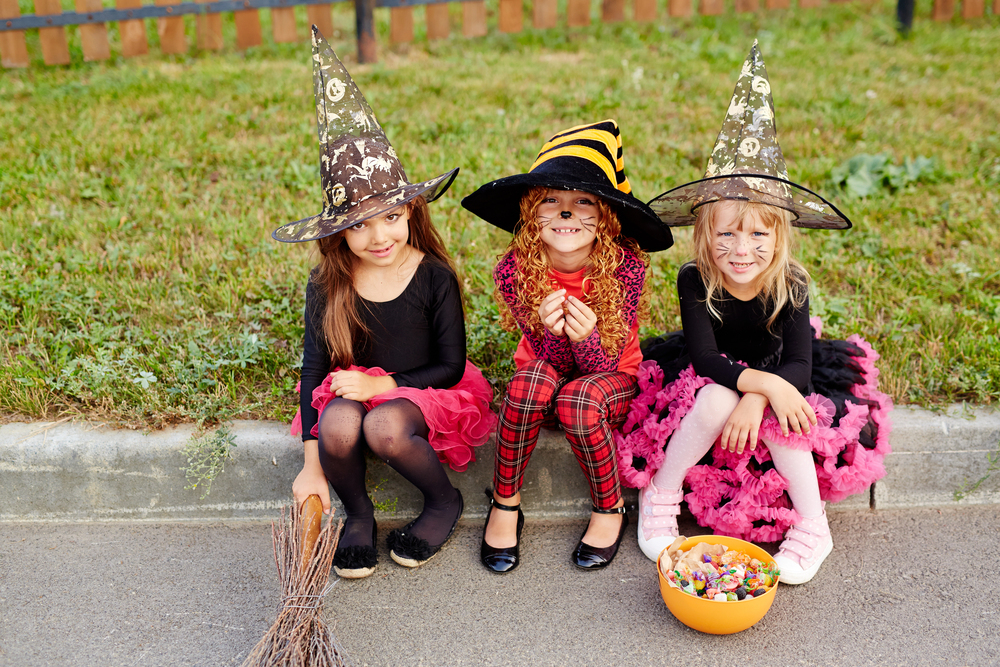
Witch costumes were genuinely feared during America’s Puritan era and beyond. Communities that had experienced actual witch trials viewed these outfits as either a mockery of serious accusations or a potential invitation for real witchcraft.
The Salem witch trials cast a long shadow, making witch costumes taboo for generations.
Priest and Nun Costumes
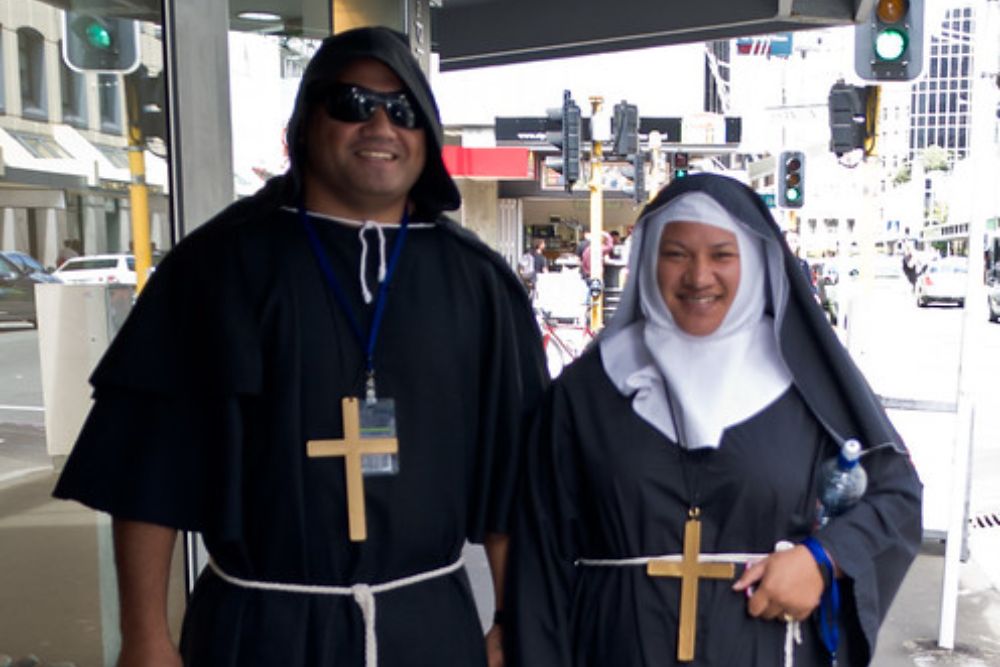
Dressing as clergy was considered deeply disrespectful to Catholic communities throughout most of the 20th century. These costumes were seen as mocking sacred vows and religious dedication.
Many Catholic schools and neighborhoods banned them outright, viewing them as attacks on faith rather than innocent costume choices.
Skeleton and Death Costumes
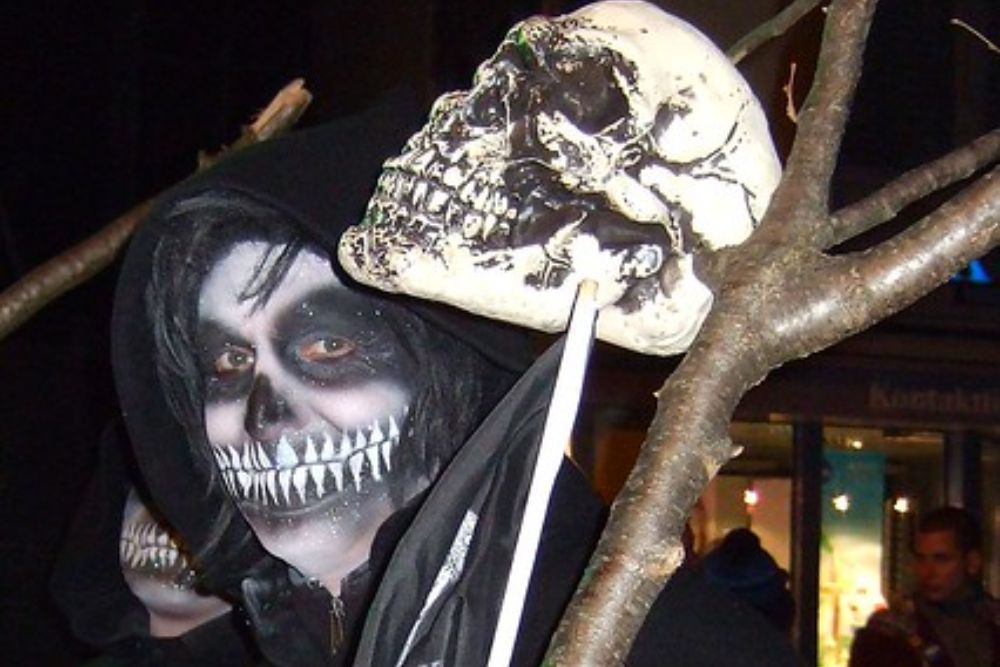
Victorian society had an intense fear of death imagery, making skeleton costumes practically forbidden. People believed that depicting death might actually invite it into their homes.
The era’s elaborate mourning rituals and superstitions around death made these costumes seem like tempting fate rather than celebrating Halloween.
Like Go2Tutors’s content? Follow us on MSN.
Native American Costumes
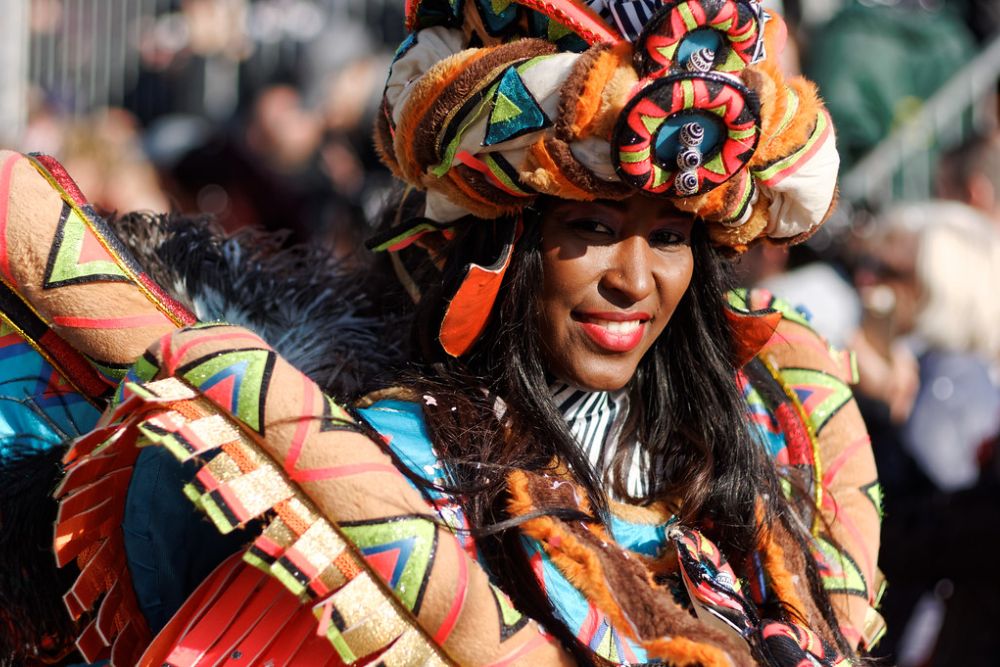
While still controversial today, Native American costumes were once taboo for different reasons entirely. Early 20th-century America viewed these costumes as either glorifying ‘savage’ cultures or disrespecting ‘noble’ ones, depending on prevailing attitudes.
The costumes reflected complex and often racist views about indigenous peoples.
Pirate Costumes
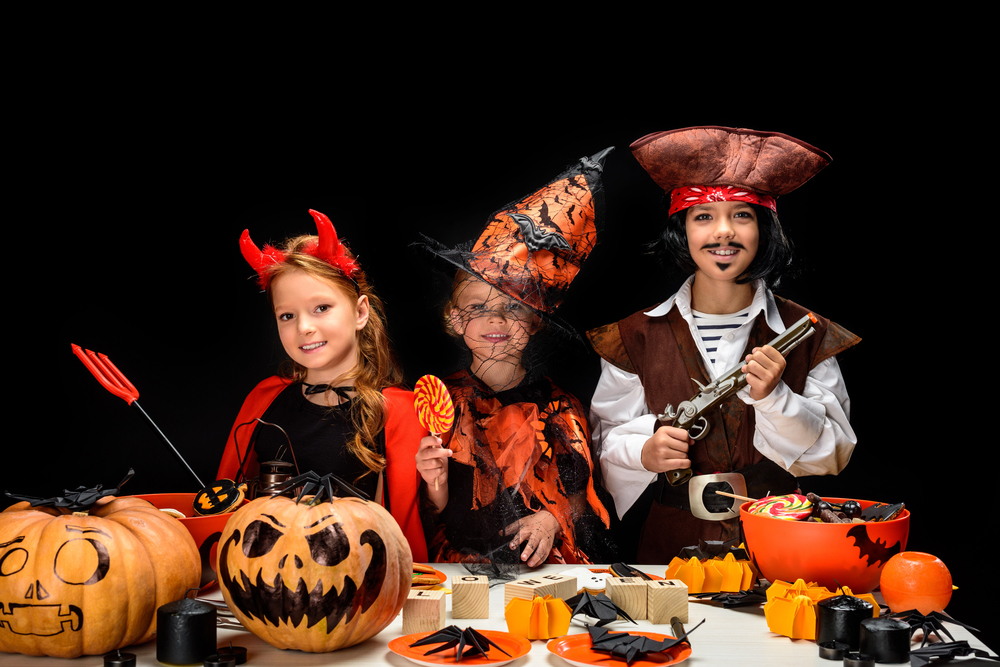
Pirates represented lawlessness and murder, making these costumes controversial in law-and-order communities. Parents worried that glorifying criminals might encourage actual criminal behavior in children.
The romantic view of pirates we have today didn’t exist when real piracy was still a genuine threat to maritime commerce.
Vampire Costumes
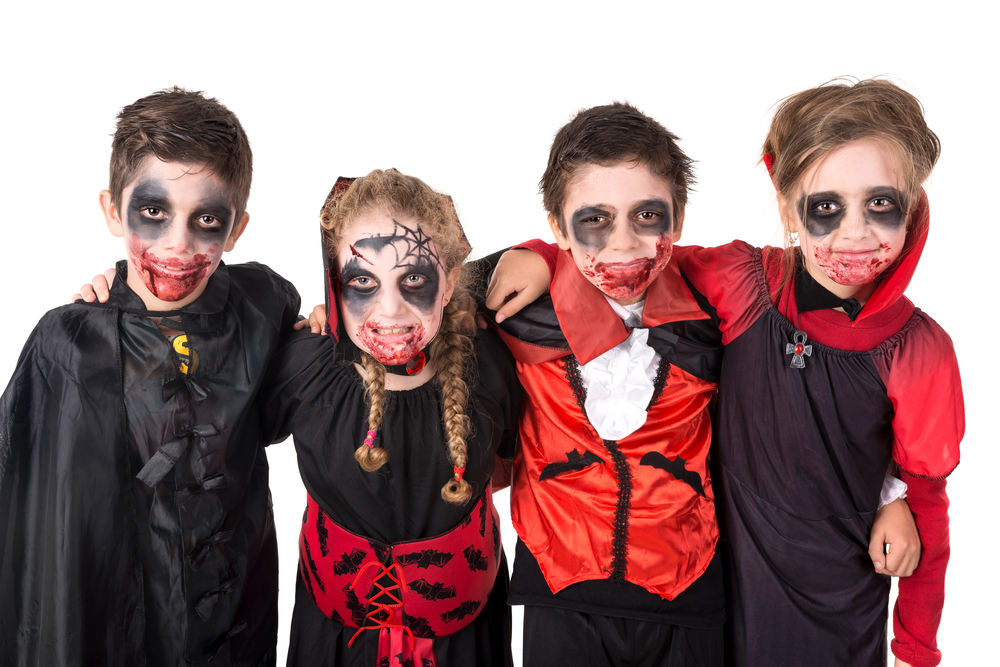
Religious communities banned vampire costumes for their association with the undead and blood consumption. These outfits were seen as promoting supernatural evil and mocking Christian beliefs about resurrection.
The Gothic horror associated with vampires made parents fear these costumes might corrupt young minds.
Like Go2Tutors’s content? Follow us on MSN.
Hobo and Vagrant Costumes
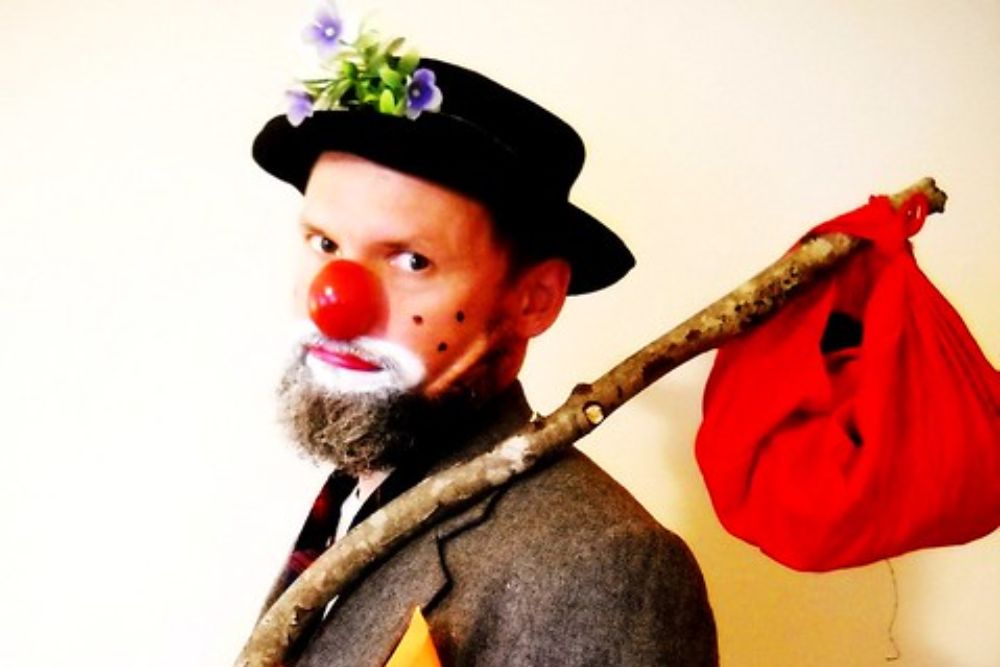
During the Great Depression, dressing as homeless people was considered a cruel mockery of genuine suffering. Communities facing real poverty viewed these costumes as making light of desperate circumstances.
The social sensitivity around economic hardship made hobo costumes deeply offensive rather than amusing.
Gypsy Costumes
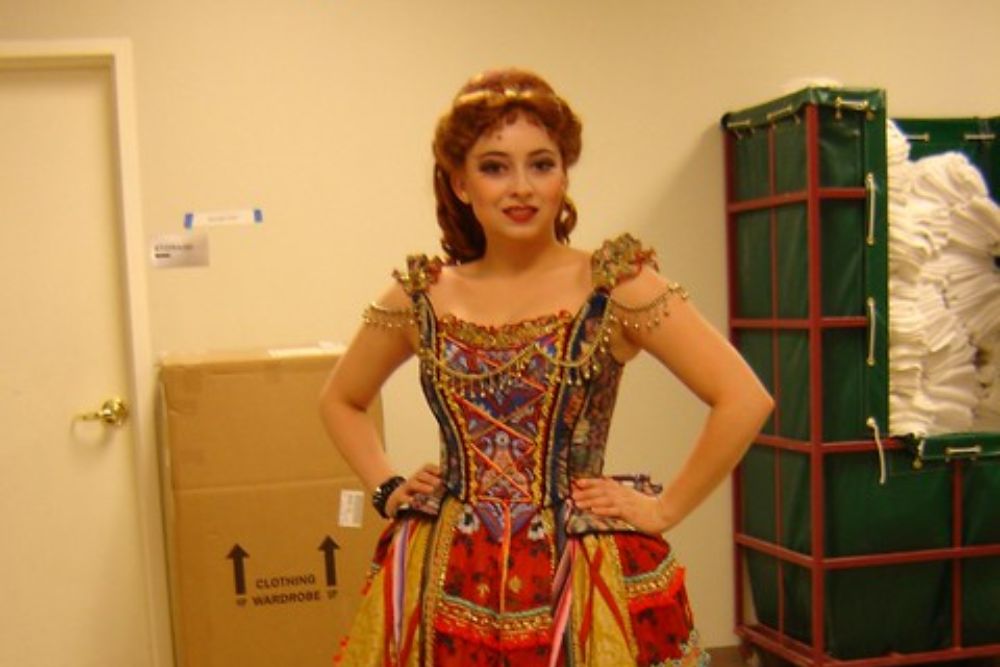
Costumes labeled “gypsy,” inspired by Romani stereotypes, were taboo due to widespread prejudice against actual Romani people. These outfits reinforced harmful stereotypes while communities actively discriminated against real Romani families.
The costumes represented cultural appropriation before that term even existed in popular vocabulary.
Flapper Costumes
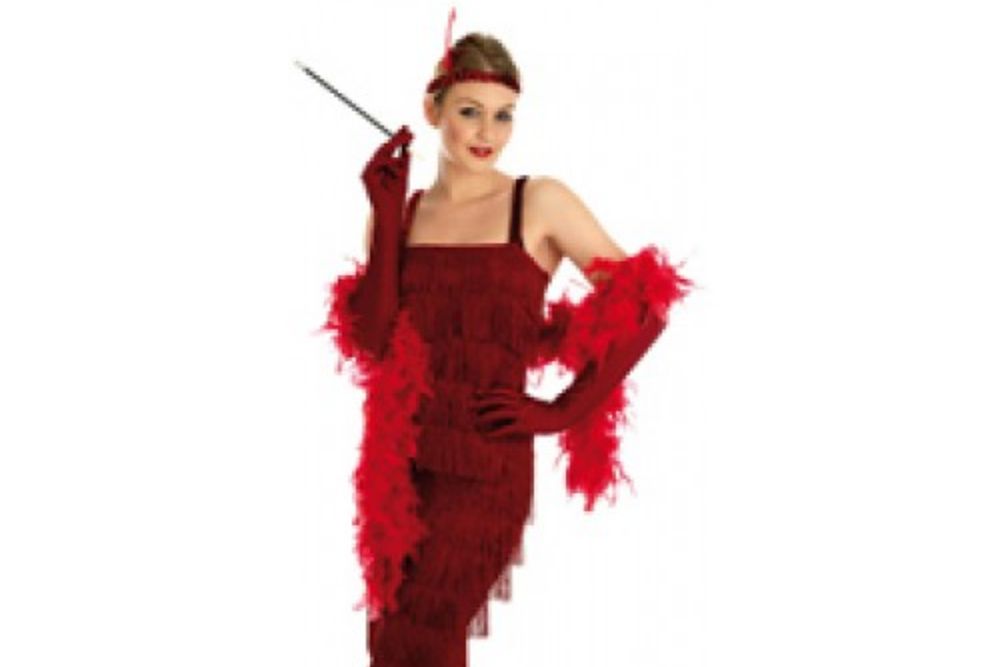
1920s flapper costumes scandalized conservative communities well into mid-century. These outfits represented rebellion against traditional women’s roles and morality.
Parents feared that daughters wearing flapper costumes might adopt the associated lifestyle of independence and social freedom.
Like Go2Tutors’s content? Follow us on MSN.
Mental Patient Costumes
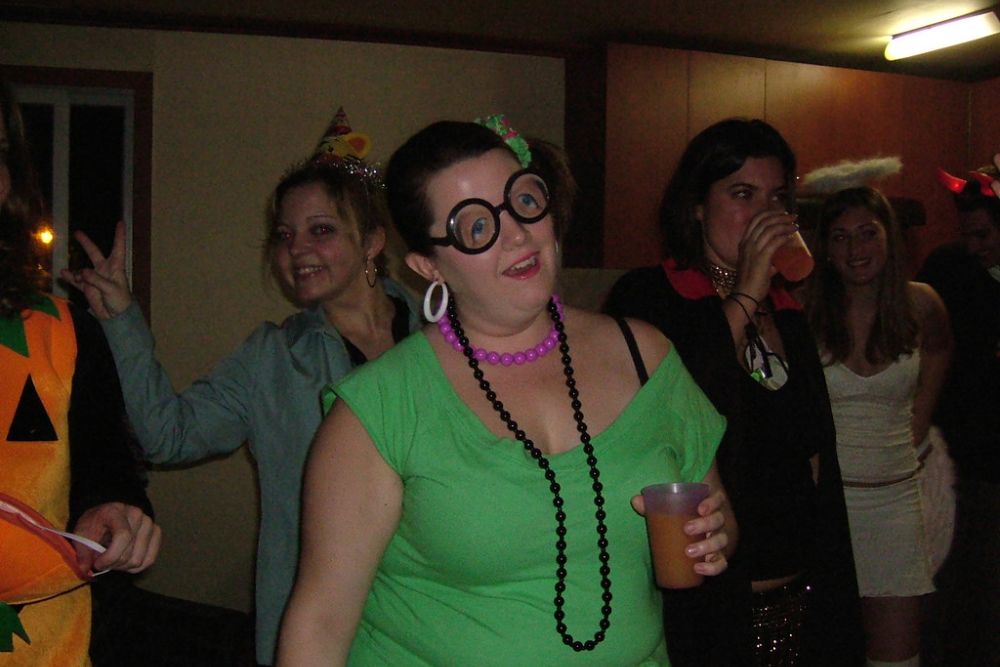
Asylum patient costumes were once common but deeply taboo in communities affected by mental illness. These outfits mocked genuine suffering while reinforcing stigma around mental health treatment.
Families dealing with institutionalized relatives found these costumes particularly cruel and insensitive.
Convict and Prisoner Costumes
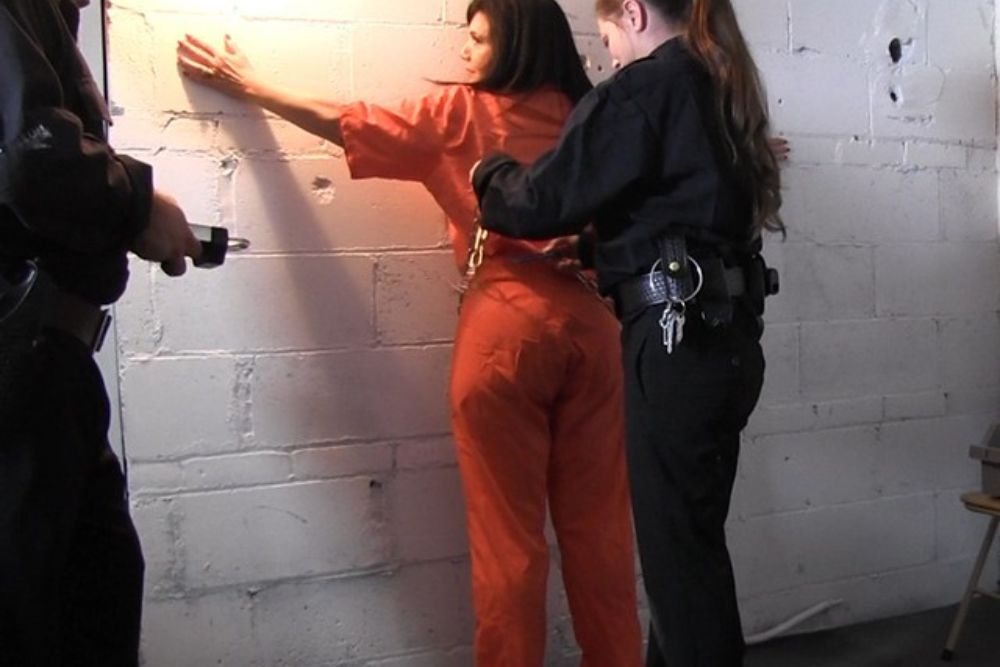
Striped prison uniforms were considered inappropriate glorification of criminal behavior. Law enforcement communities and crime victims’ families found these costumes offensive and potentially influential on impressionable children.
The costumes seemed to make light of serious crimes and their consequences.
Blackface and Minstrel Costumes
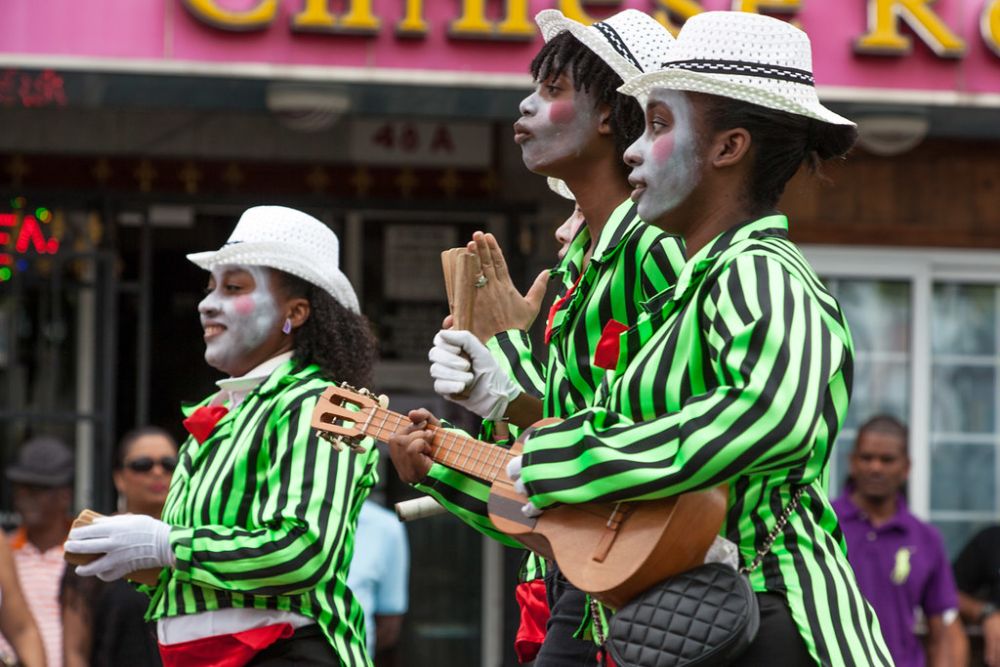
These costumes were tragically common in early 20th-century America despite being deeply racist. While some communities embraced them, others recognized their harmful nature even then.
Civil rights advocates and Black communities consistently opposed these dehumanizing portrayals, making them taboo in some communities long before broader national awareness caught up.
Like Go2Tutors’s content? Follow us on MSN.
Fortune Teller Costumes
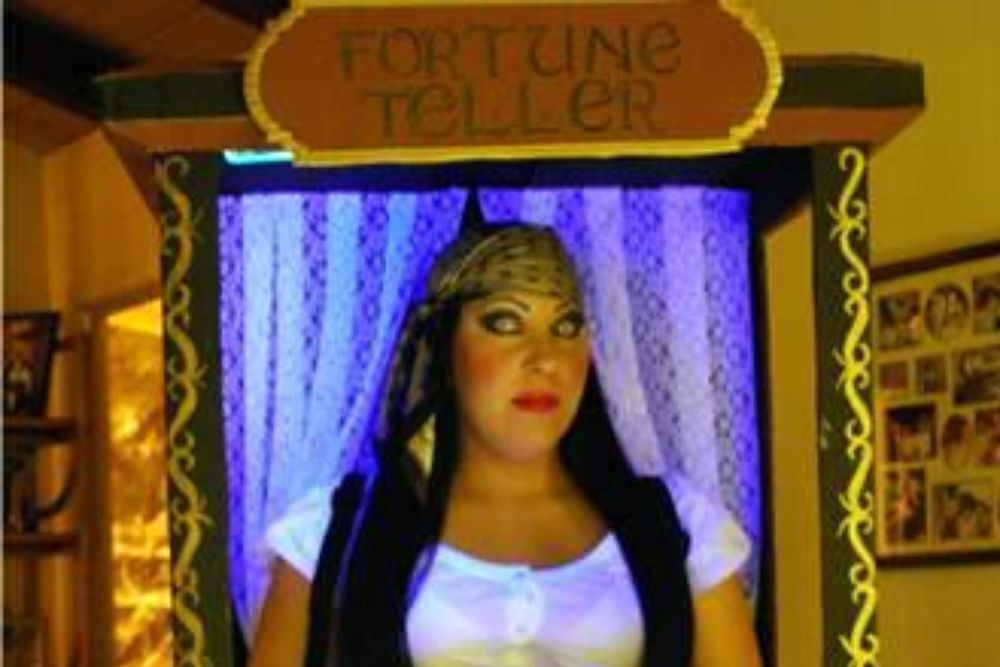
Crystal ball-wielding fortune-teller costumes were banned in many religious communities for promoting occult practices. These outfits were associated with divination and supernatural communication, which conflicted with Christian teachings.
Parents worried that children might develop an actual interest in fortune-telling or other forbidden practices.
Executioner and Hangman Costumes
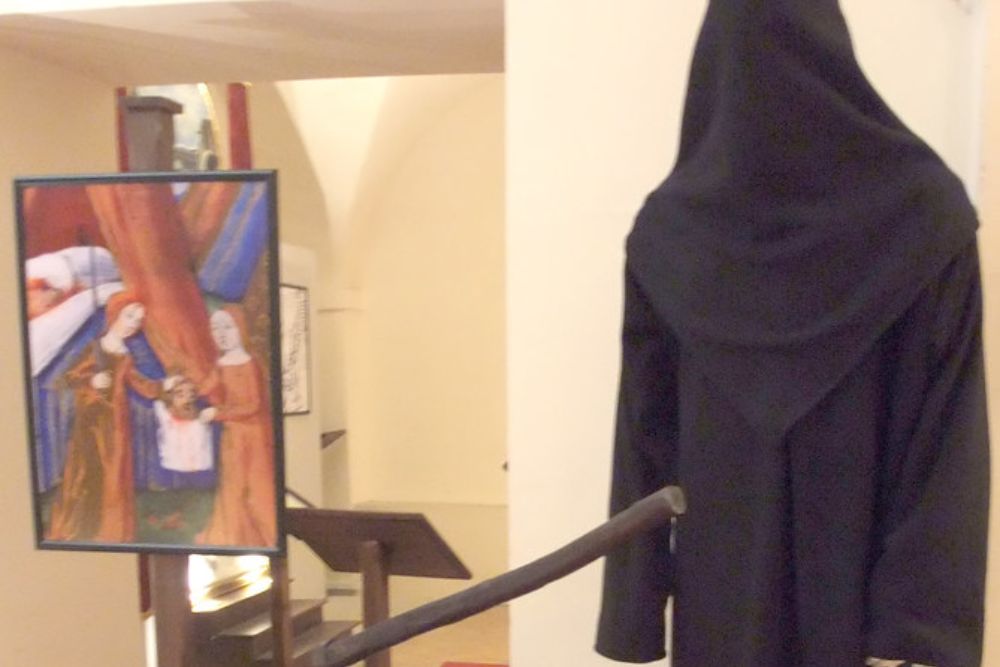
Death penalty officials were considered too morbid and frightening for Halloween celebrations. These costumes reminded people of actual executions happening in their communities, making them uncomfortably real rather than fantastical.
The association with state-sanctioned killing made parents deeply uncomfortable.
Saloon Girl and Dance Hall Costumes
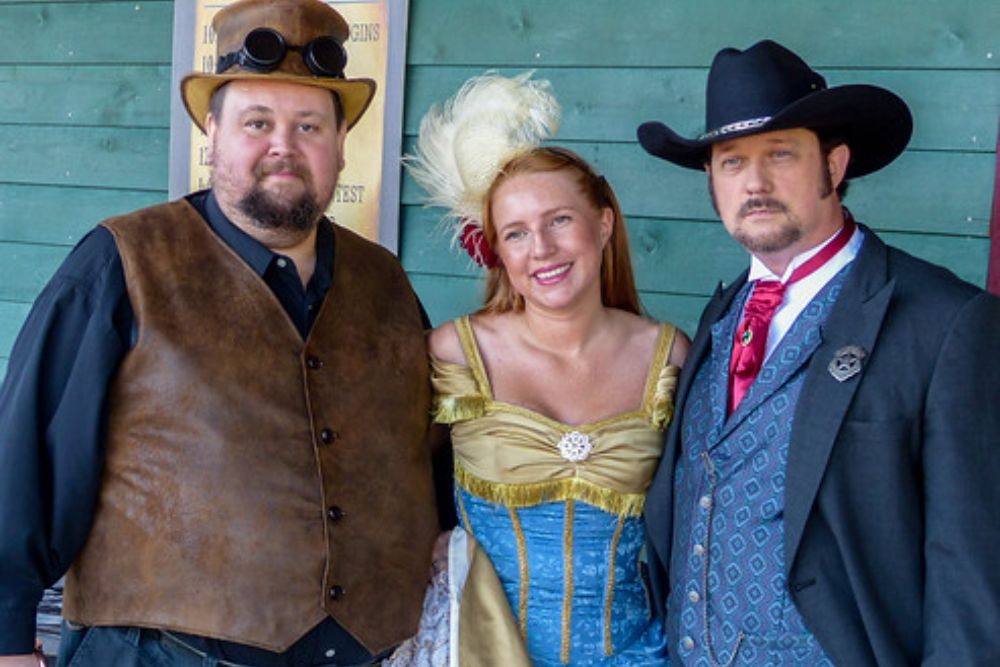
These costumes represented frontier society’s ‘fallen women’, making them scandalous in respectable communities. The outfits suggested immoral behavior and challenged Victorian ideals of feminine purity.
Conservative families banned these costumes for fear they might corrupt young girls’ understanding of proper behavior.
Like Go2Tutors’s content? Follow us on MSN.
When Taboos Become Traditions
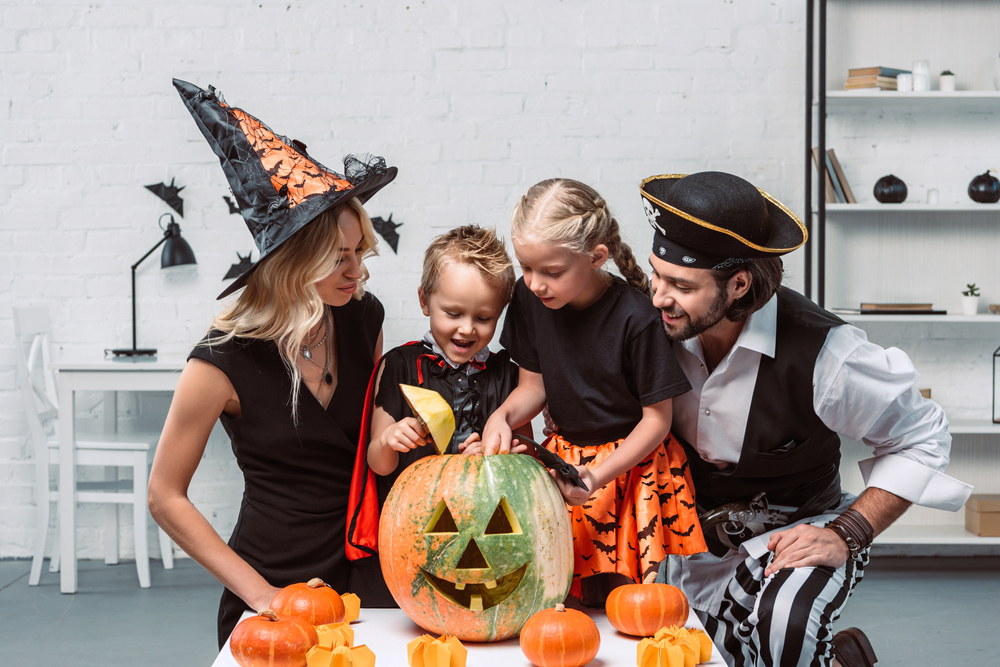
These once-shocking costumes reveal how dramatically American attitudes have shifted over the past century. What terrified our great-grandparents now fills costume shops every October, proving that social boundaries are far more flexible than they appear.
Today’s controversial costumes will likely seem quaint to future generations, just as these historical taboos now seem almost charming in their innocence. The evolution of Halloween costumes mirrors our broader cultural journey toward greater acceptance and reduced fear of the unknown.
More from Go2Tutors!

- 16 Restaurant Chains That Went Too Fast
- 12 Things Sold in the 80s That Are Now Illegal
- 15 Strange Things People Have Tried to Ban (And Failed)
- 16 Collectibles People Tossed Out Too Soon
- 17 Myths from Your Childhood That Were Actually Based on Real Things
Like Go2Tutors’s content? Follow us on MSN.