Innovative Solar Infrastructure Projects
Solar panels up on roofs are everywhere now – so normal you don’t really see them. Still, the big leaps in solar tech aren’t happening there at all.
Instead, clever fixes let sunlight power everyday structures, quietly blending in. Roads carry cars while making electricity.
Canals do double duty under sun-catching covers. Parking spots shade vehicles plus feed the grid.
Even farms grow crops and capture rays side by side. Some projects fix several issues together.
Over a canal, a solar cover stops water from drying up – yet also makes power. Along roads, sun panels save space – besides lighting up local areas.
Top builds don’t just serve single purposes; now, solar setups begin doing the same.
Floating Solar Farms
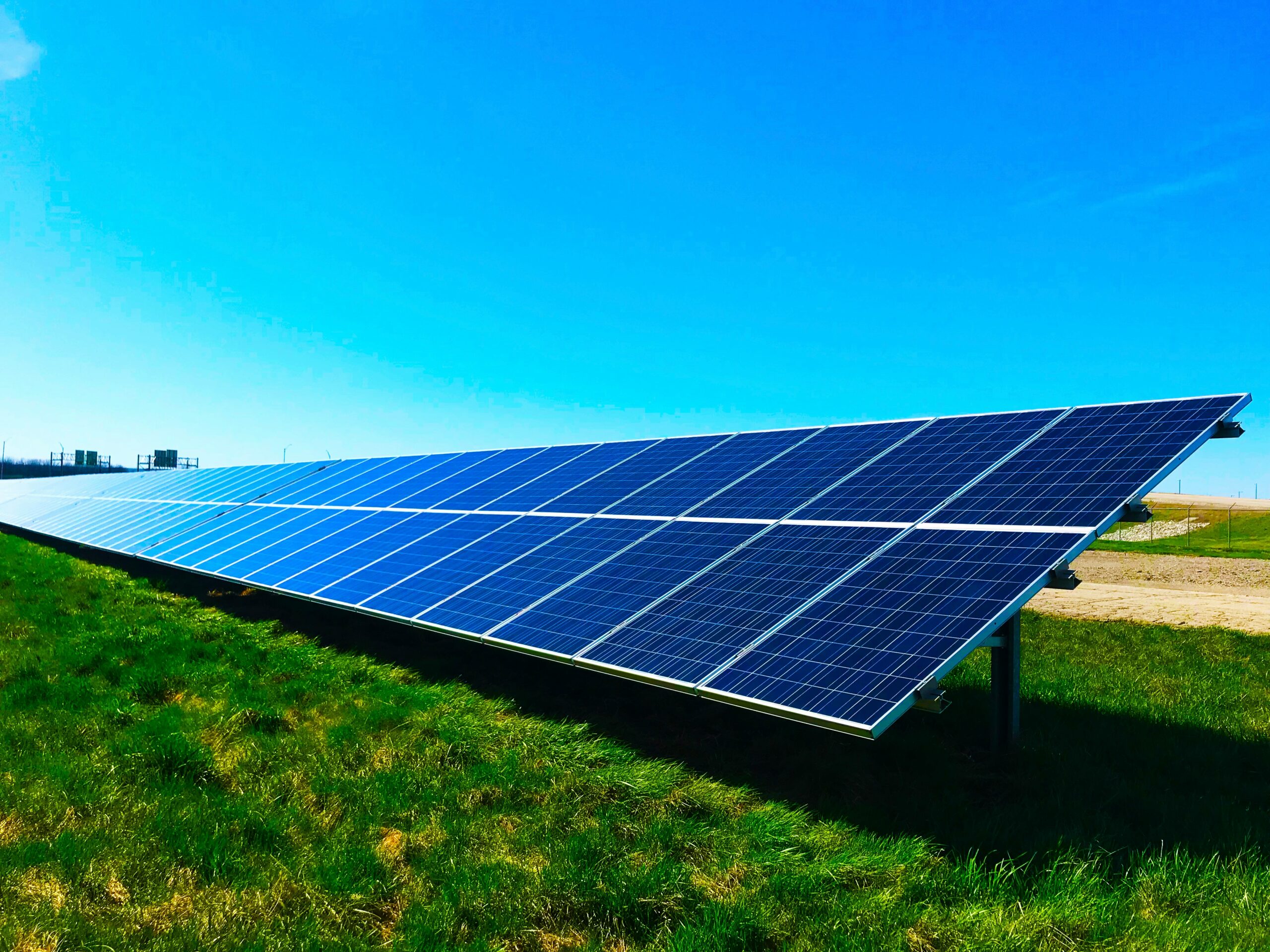
Large bodies of water offer an unexpected opportunity for solar installations. Floating solar farms, also called floatovoltaics, place solar panels on platforms that rest on reservoirs, lakes, and other water surfaces.
The water provides natural cooling for the panels, which makes them more efficient than ground-mounted systems. Solar panels lose efficiency when they get too hot, so the temperature-regulating effect of water beneath them keeps output higher throughout the day.
These floating installations also reduce water evaporation from reservoirs. In hot climates, this water savings becomes significant.
Some installations report evaporation reductions of 70 percent or more in the areas they cover. Floating farms don’t compete with agriculture or development for land.
Reservoirs already exist for water storage or hydroelectric power, and adding solar panels makes them do double duty without taking up additional space.
Solar Highways and Roads
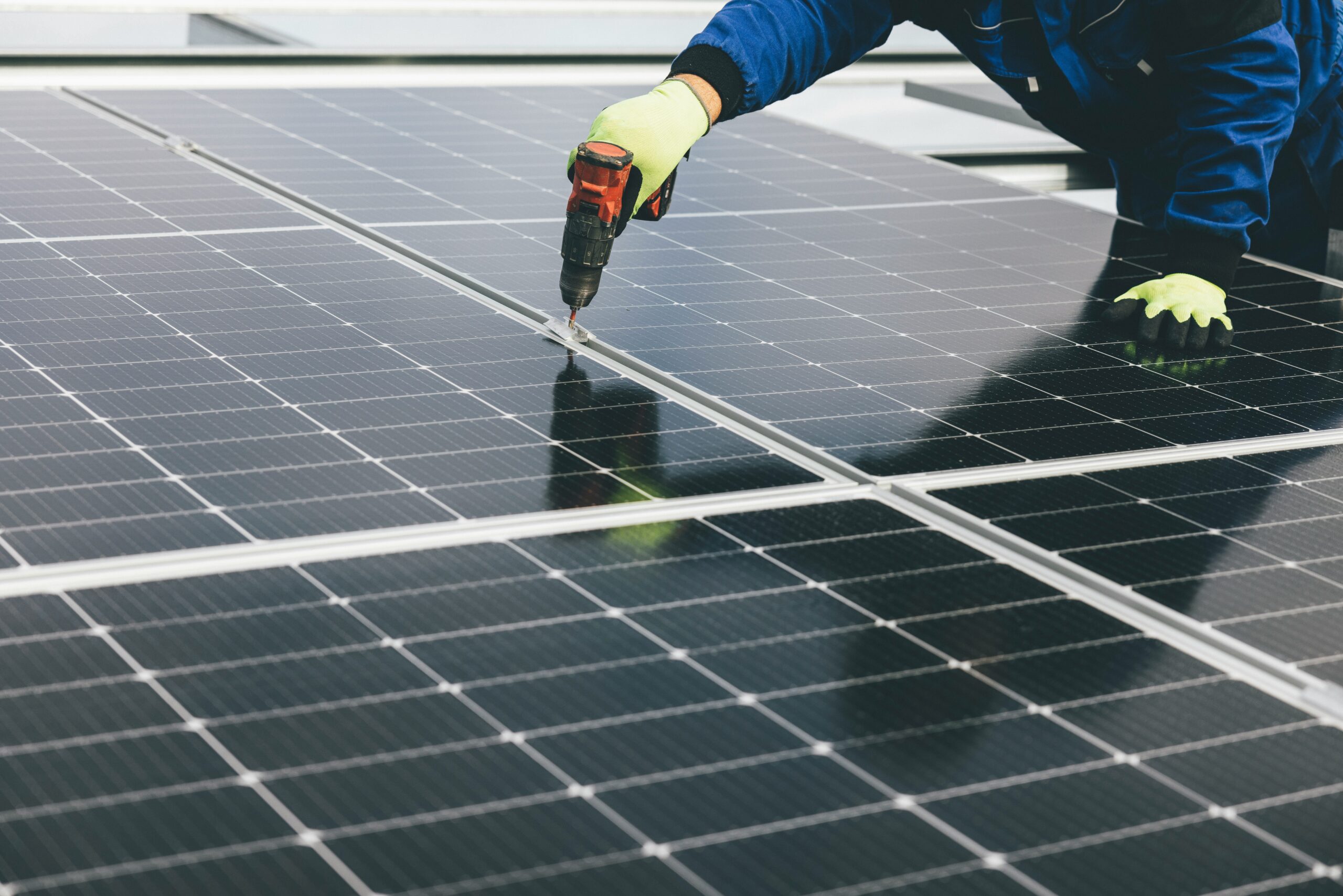
Building solar panels directly into road surfaces turns every highway into a potential power plant. Several countries have tested solar roadways in recent years, with results showing significant challenges remain.
The concept faces real problems. Roads take tremendous abuse from traffic, weather, and debris.
Solar panels need to be tough enough to handle heavy trucks while still generating power efficiently. Early projects showed that achieving this balance is harder than it looks.
France built a one-kilometer solar road in Normandy as a test project in 2016, but it failed dramatically. The panels broke apart under traffic, made loud noises that forced speed limit reductions, and generated less than half the expected power.
By 2019, parts of the road had disintegrated and the project was deemed a failure. Engineers underestimated damage from tractors, storms, and rotting leaves.
China has tested solar highways, though one section had its panels stolen shortly after opening. The technology costs more than traditional roads, and practical implementations remain elusive.
Some projects have shifted focus to smaller applications like powering bus shelter lighting or cameras rather than full roadways.
Canal-Top Solar Projects
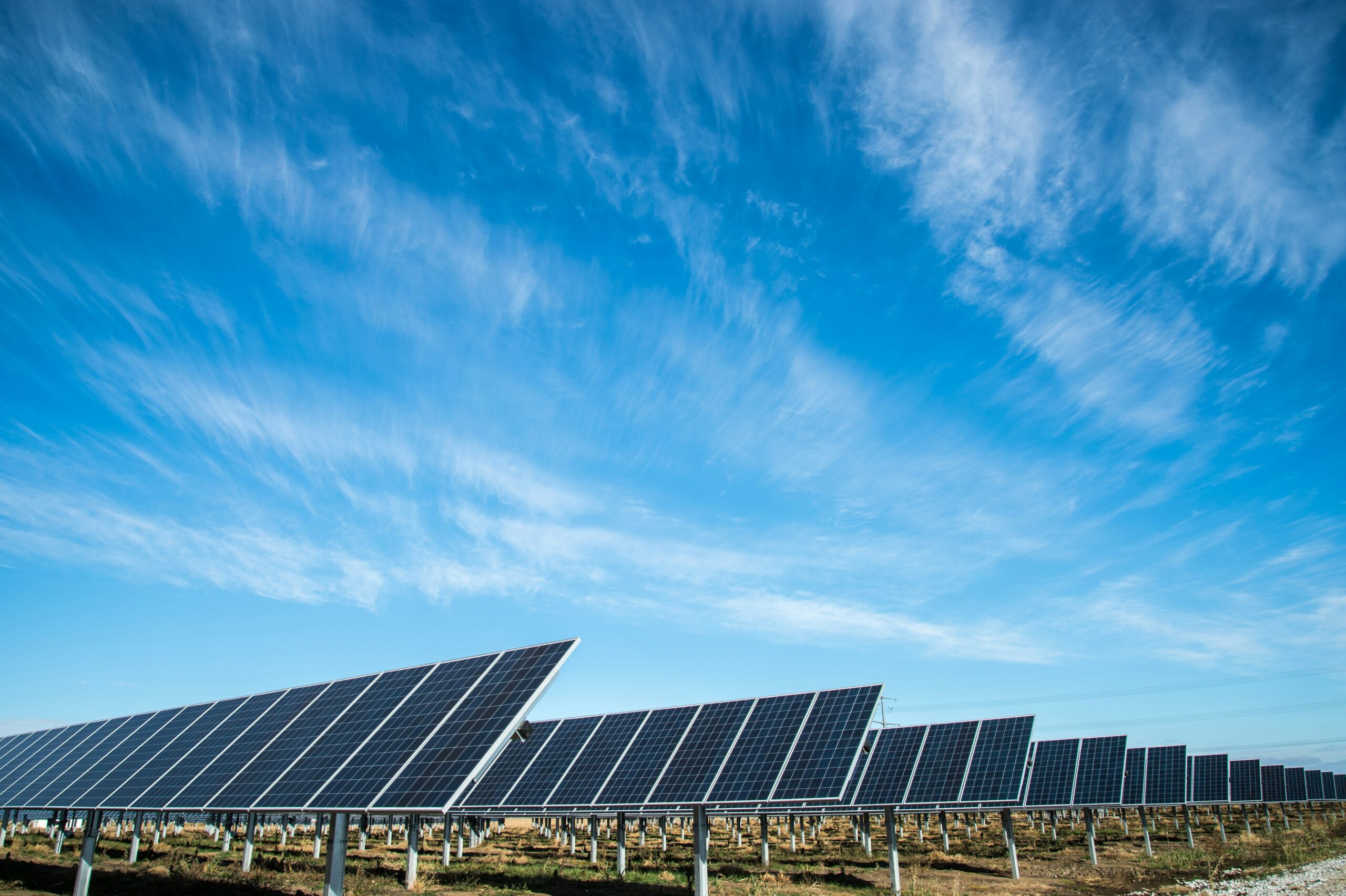
India pioneered the idea of covering irrigation canals with solar panels. The state of Gujarat installed panels over a 750-meter stretch of canal, creating the first large-scale canal-top solar project in the world.
The panels shade the water, reducing evaporation in a region where water scarcity poses a constant challenge. Estimates suggest the shading can save millions of liters of water per year, depending on the climate and canal size.
The panels also prevent weeds from growing in the canals, which reduces maintenance costs. And they provide clean energy to pump water through irrigation systems, creating a closed loop where solar power directly supports agriculture.
California has thousands of miles of canals running through sun-baked regions. A study estimated that covering all the state’s canals with solar panels would generate massive amounts of power while saving significant water.
The state has begun testing installations on several canal systems.
Agrivoltaics
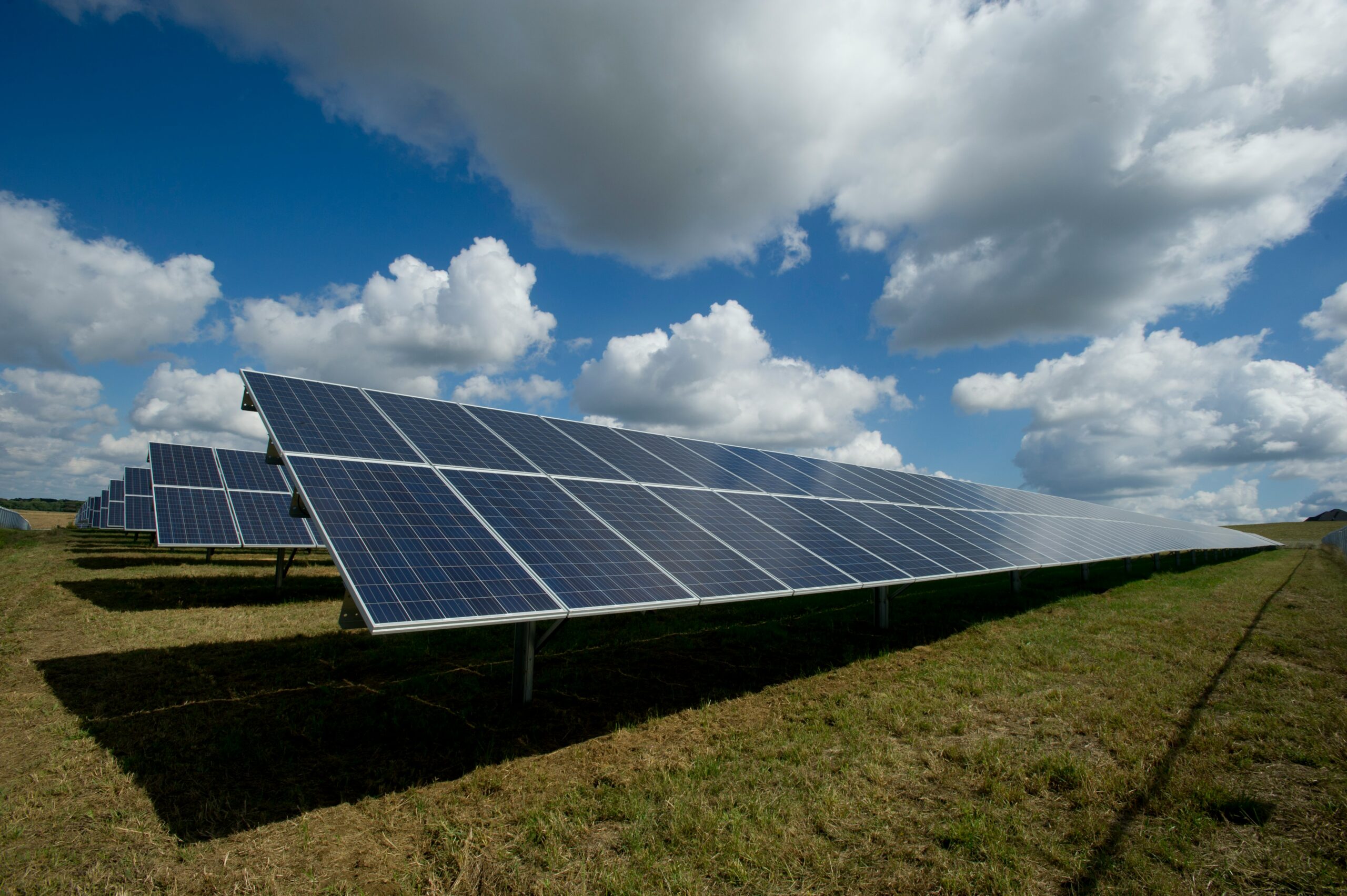
Combining agriculture with solar power generation sounds impossible at first. Crops need sunlight, and solar panels block sunlight.
But careful design allows both to coexist productively. Agrivoltaic systems raise solar panels higher than normal, leaving space underneath for crops or grazing animals.
The panels provide partial shade, which benefits certain crops in hot climates. Studies show that some vegetables actually grow better under partial shade than in full sun.
The shaded environment reduces water needs for crops. Less direct sunlight means less evaporation and lower irrigation requirements.
In drought-prone regions, this advantage matters as much as the electricity generation. Sheep grazing underneath solar arrays keeps vegetation trimmed without machinery.
This reduces maintenance costs while providing income from livestock. Some farms in Europe have successfully combined solar panels with sheep farming for years.
The panels need spacing to allow enough light through, which reduces the total power generation compared to a dedicated solar farm. But the combined value of crops plus electricity often exceeds what either one would produce alone.
Solar Parking Structures
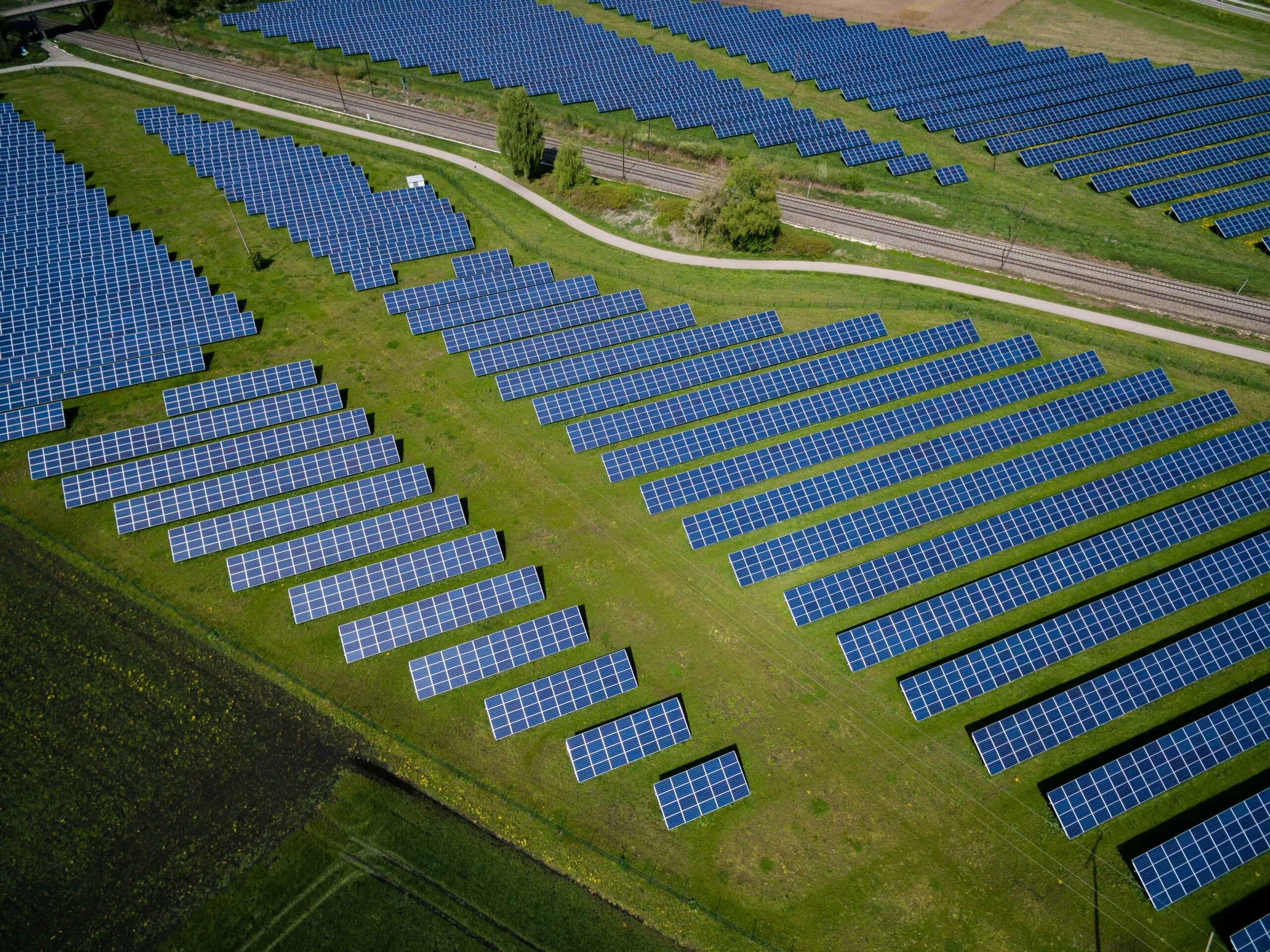
Parking areas sit empty under the sun for hours each day, absorbing heat and providing no additional value. Solar canopies over parking spaces change that equation.
The covered parking protects vehicles from sun and weather while generating electricity. Shoppers appreciate the shade, and businesses appreciate the power generation and potential charging stations for electric vehicles.
Large retail centers, universities, and airports have installed solar parking canopies. These structures work well in places where ground space is limited but parking needs are high.
The canopy supports hold the panels at an optimal angle while providing useful shade below. Some installations include rainwater collection systems that work with the solar canopies.
The sloped panels naturally channel water to collection points, addressing two infrastructure needs with one structure.
Building-Integrated Photovoltaics
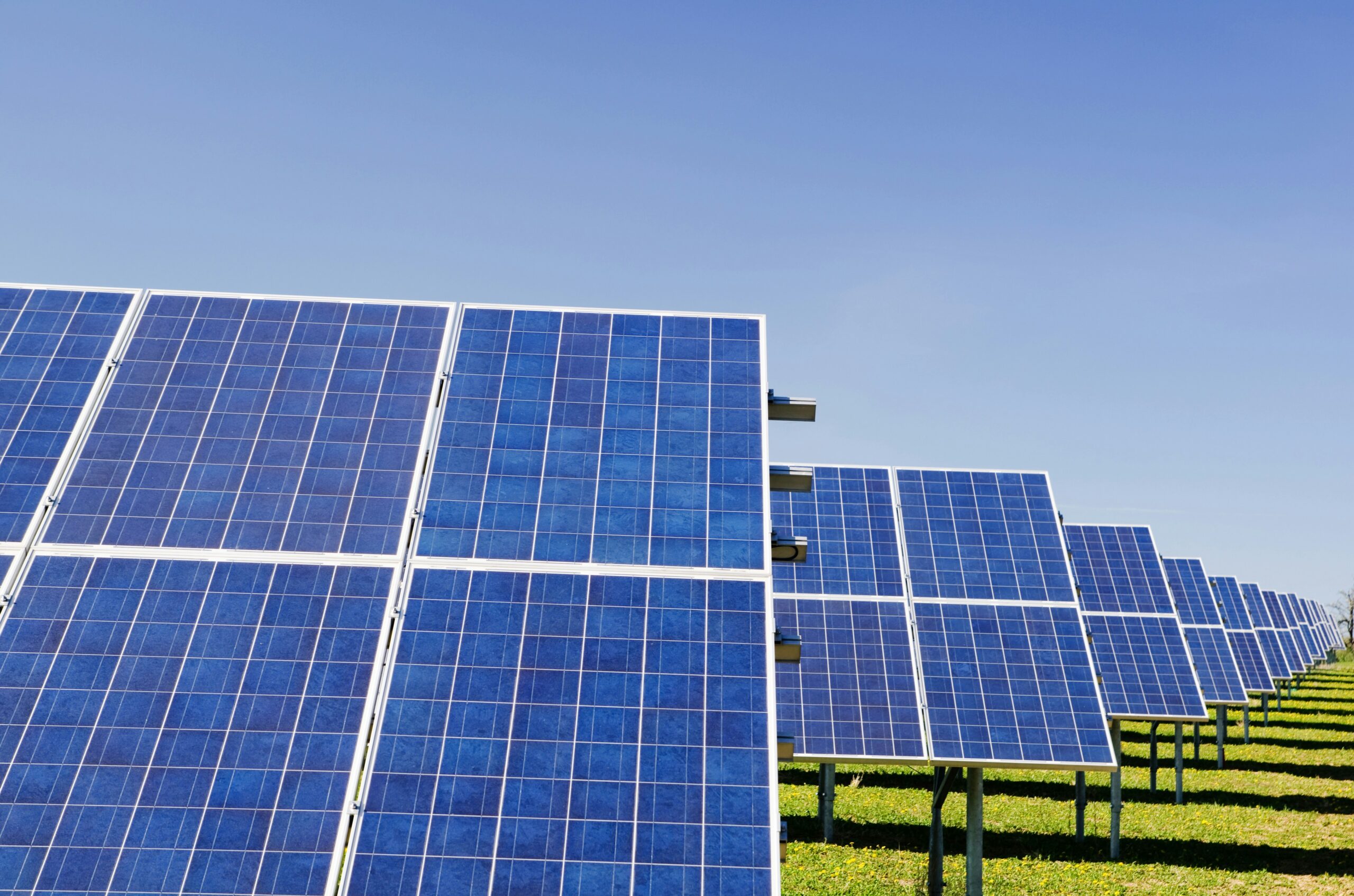
Solar panels don’t have to sit on top of buildings as an obvious addition. Building-integrated photovoltaics blend solar collection directly into the structure itself.
Solar shingles replace traditional roofing materials, generating power while protecting the building. Solar glass windows allow light through while capturing energy.
Facade panels turn entire building walls into power generators. These integrated systems cost more upfront than traditional construction plus rooftop panels.
But they eliminate the need for separate solar installation, and they look better to people who consider standard panels unattractive. Office buildings with glass facades are testing solar-collecting windows that appear nearly transparent from inside.
The windows filter certain light wavelengths for power generation while allowing most visible light through. The technology isn’t as efficient as traditional panels yet, but it improves each year.
Solar-Powered Transportation Hubs
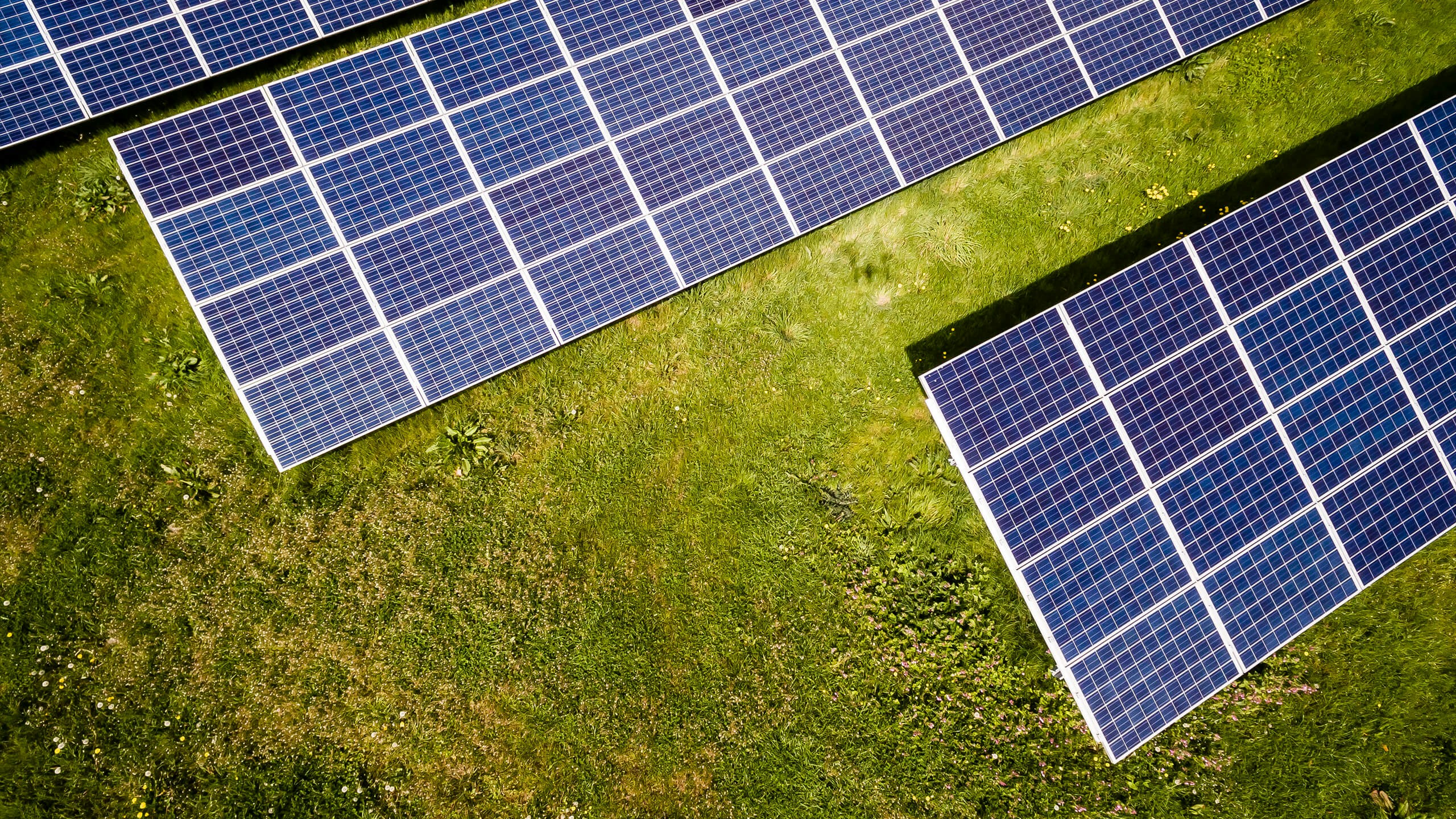
Bus stops, train stations, and transit centers need lighting, heating, cooling, and electronic displays. Many now generate their own power through solar installations.
Smart bus shelters equipped with solar panels power LED lighting, digital information screens, and charging ports for phones. Some include environmental sensors that monitor air quality and weather conditions.
The solar systems keep these features running without connecting to the grid. Train stations with large roof areas are installing solar panels to offset their energy consumption.
These stations use significant power for lighting, escalators, elevators, and climate control. On-site solar generation reduces both their electricity bills and their carbon footprint.
Ferry terminals in sunny regions have adopted solar canopies over waiting areas. The installations provide shade for passengers while generating power for terminal operations.
Some even feed excess power back to the grid during off-peak hours.
Noise Barrier Solar Panels
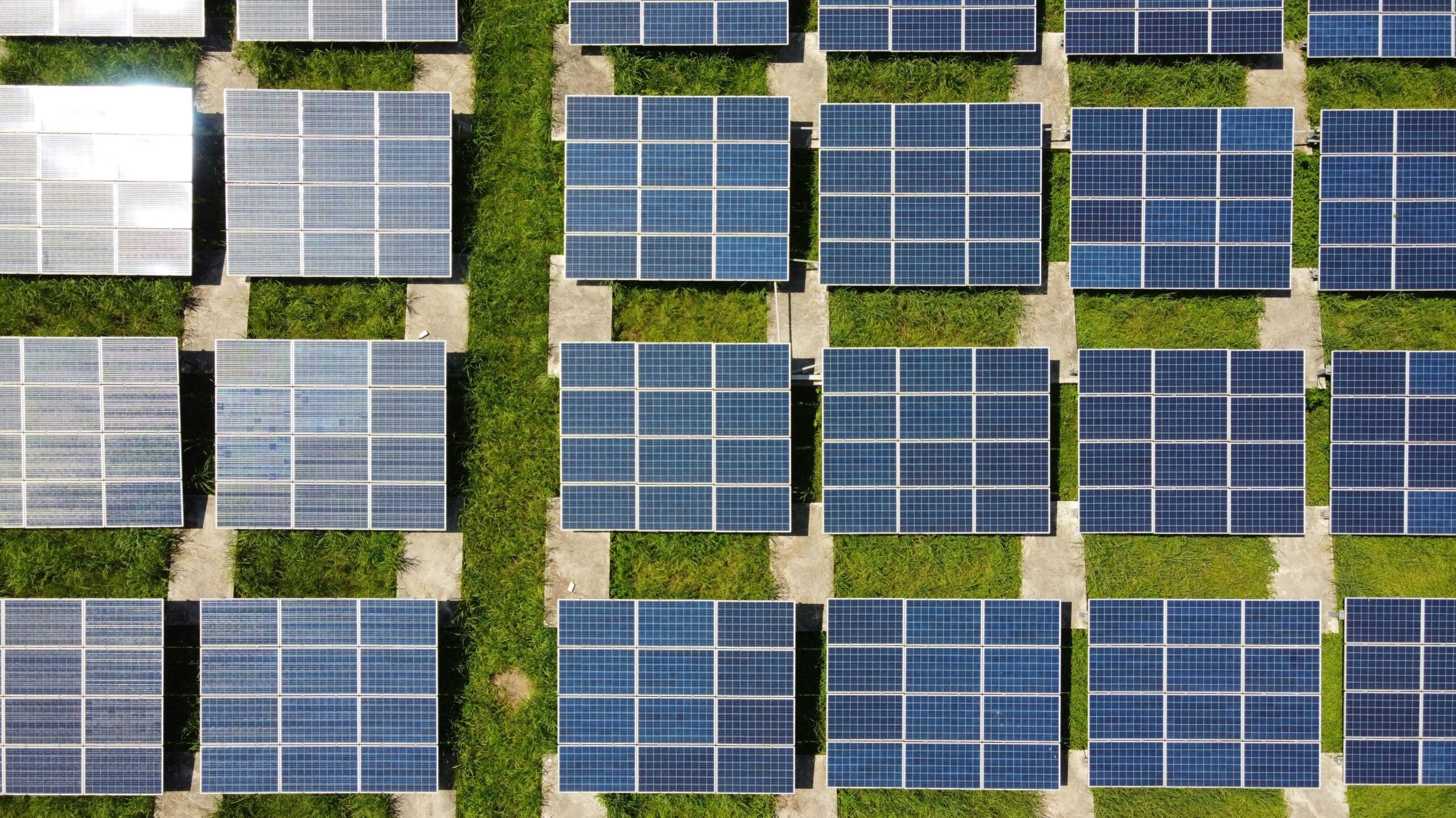
Highways through populated areas often require noise barriers to reduce sound pollution. These barriers stand in full sun for most of the day, making them prime real estate for solar panels.
Switzerland installed solar panels on highway noise barriers decades ago, demonstrating the concept works. The barriers need to stand there anyway, so adding solar collection doesn’t require additional land or support structures.
The vertical or near-vertical mounting angle isn’t optimal for solar collection compared to angled rooftop panels. But the barriers face the right direction for morning or afternoon sun, and they generate power during peak usage times.
Germany has expanded this approach along sections of the Autobahn. The installations produce power while serving their primary function of noise reduction.
The dual purpose makes economic sense even with the suboptimal panel angles.
Solar-Powered Water Treatment
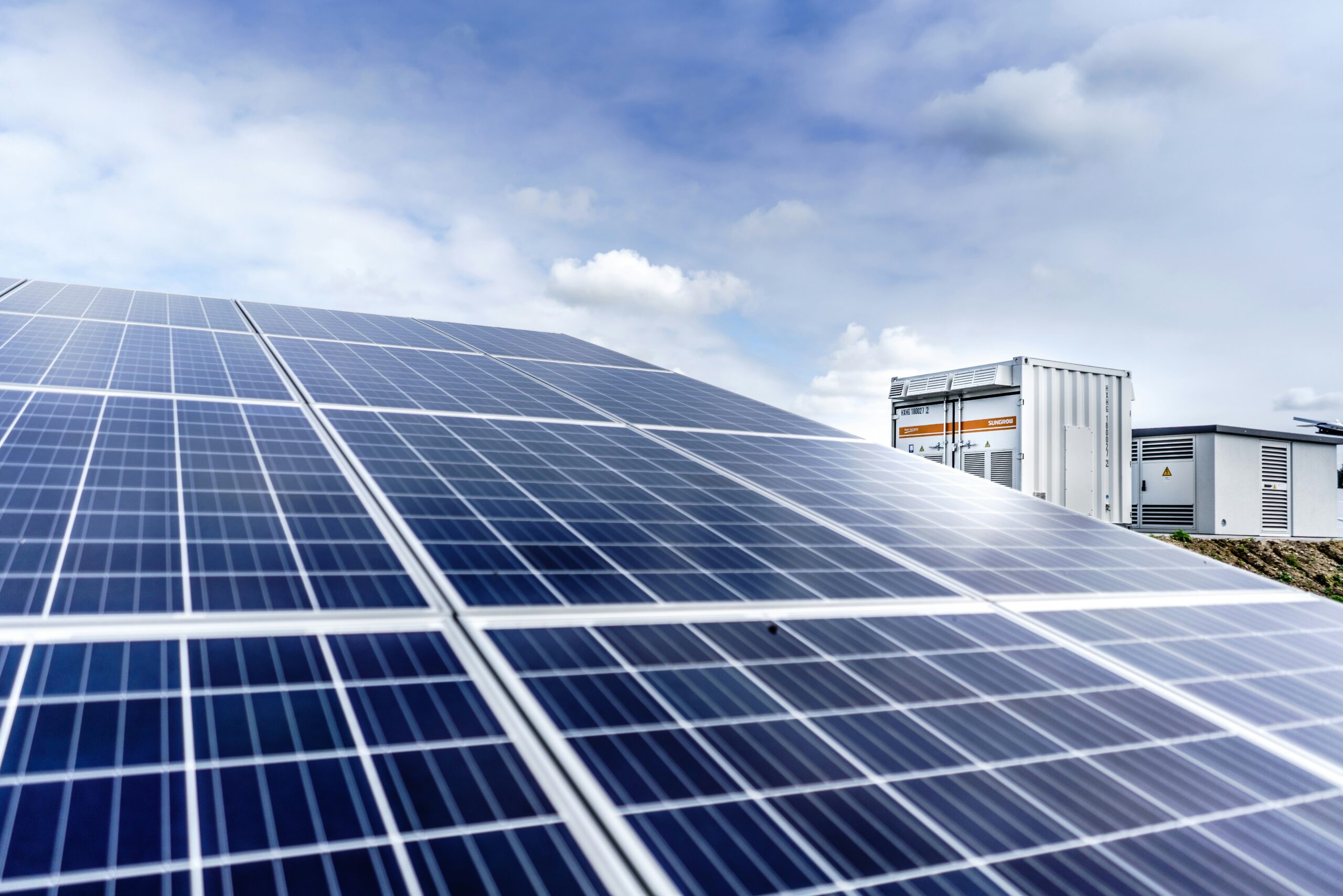
Water treatment facilities consume enormous amounts of energy for pumping, filtration, and purification. Many have started installing solar systems to offset this demand.
Treatment plants often have large open areas suitable for solar arrays. The flat land around settling ponds and treatment basins provides space for ground-mounted panels.
Some facilities have achieved near-energy independence through large-scale solar installations. Desalination plants in coastal regions with abundant sunshine are adopting solar power to reduce the high energy costs of turning seawater into drinking water.
The process requires intense energy input, and solar helps make it more economically viable. Rural communities in developing regions use small-scale solar-powered water treatment systems to provide clean drinking water without grid connection.
These systems combine solar panels with filtration units, bringing safe water to areas that previously lacked it.
Solar Street Furniture
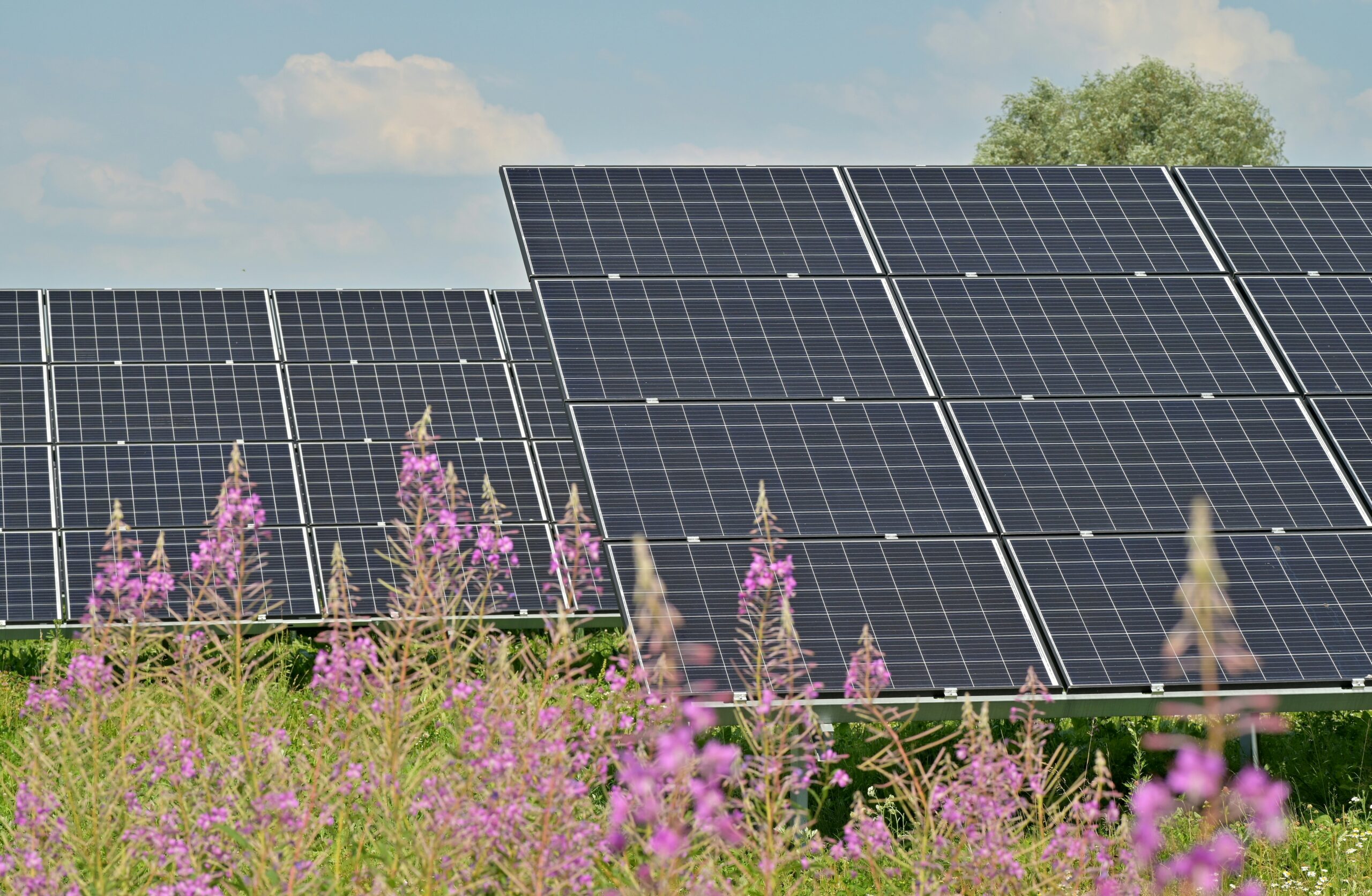
Bus benches, information kiosks, and street lighting fixtures are incorporating solar panels into their designs. These small installations add up across a city.
Solar-powered streetlights operate independently of the electrical grid. They charge during the day and automatically illuminate at night.
Cities install them in parks, trails, and remote areas where running electrical lines would be expensive. Digital advertising displays and information boards in public spaces now run on solar power.
The panels sit on top of the structure, and batteries store energy for nighttime operation. This eliminates the need to trench power lines to every sign location.
Interactive kiosks that provide maps, information, or services use solar panels to stay operational. Some include WiFi hotspots powered entirely by the sun.
These features work in areas without existing infrastructure.
Solar Carports for EV Charging
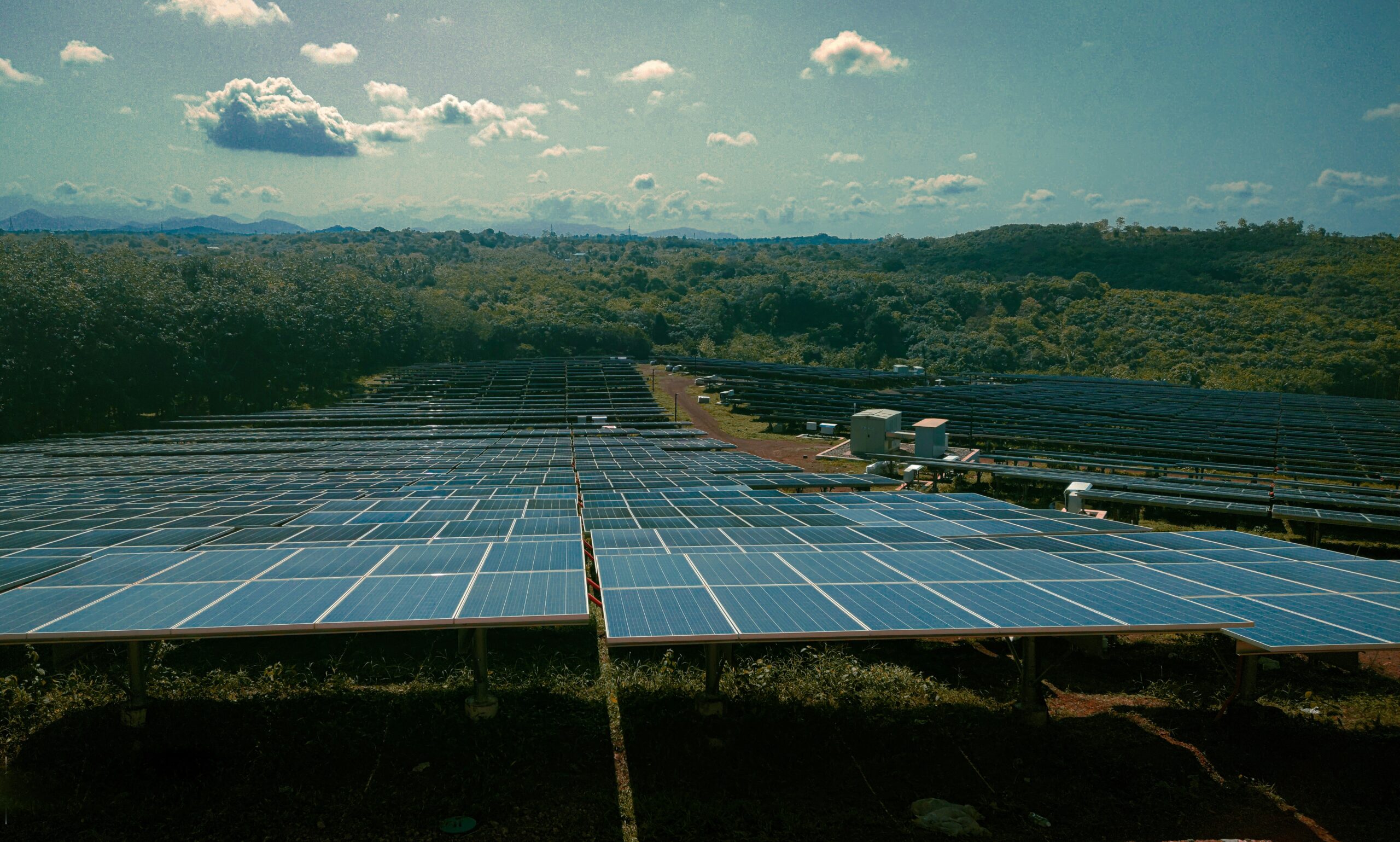
As electric vehicles become more common, the need for charging infrastructure grows. Solar carports address both the charging need and the electricity source.
The canopy structure holds solar panels that generate power during the day. The electricity flows directly to charging stations below, and excess power can feed into batteries or the grid.
This creates a clean energy loop where the sun powers the vehicles that park beneath it. Workplaces installing solar carports give employees a place to charge while at work.
The companies reduce their electricity costs and provide a valued employee benefit. The same setup works for apartment complexes and shopping centers.
Some designs include battery storage systems that hold solar energy for use during evening charging times. This allows the system to provide power when the sun isn’t shining, making it more useful for drivers who arrive after dark.
Vertical Solar Farms
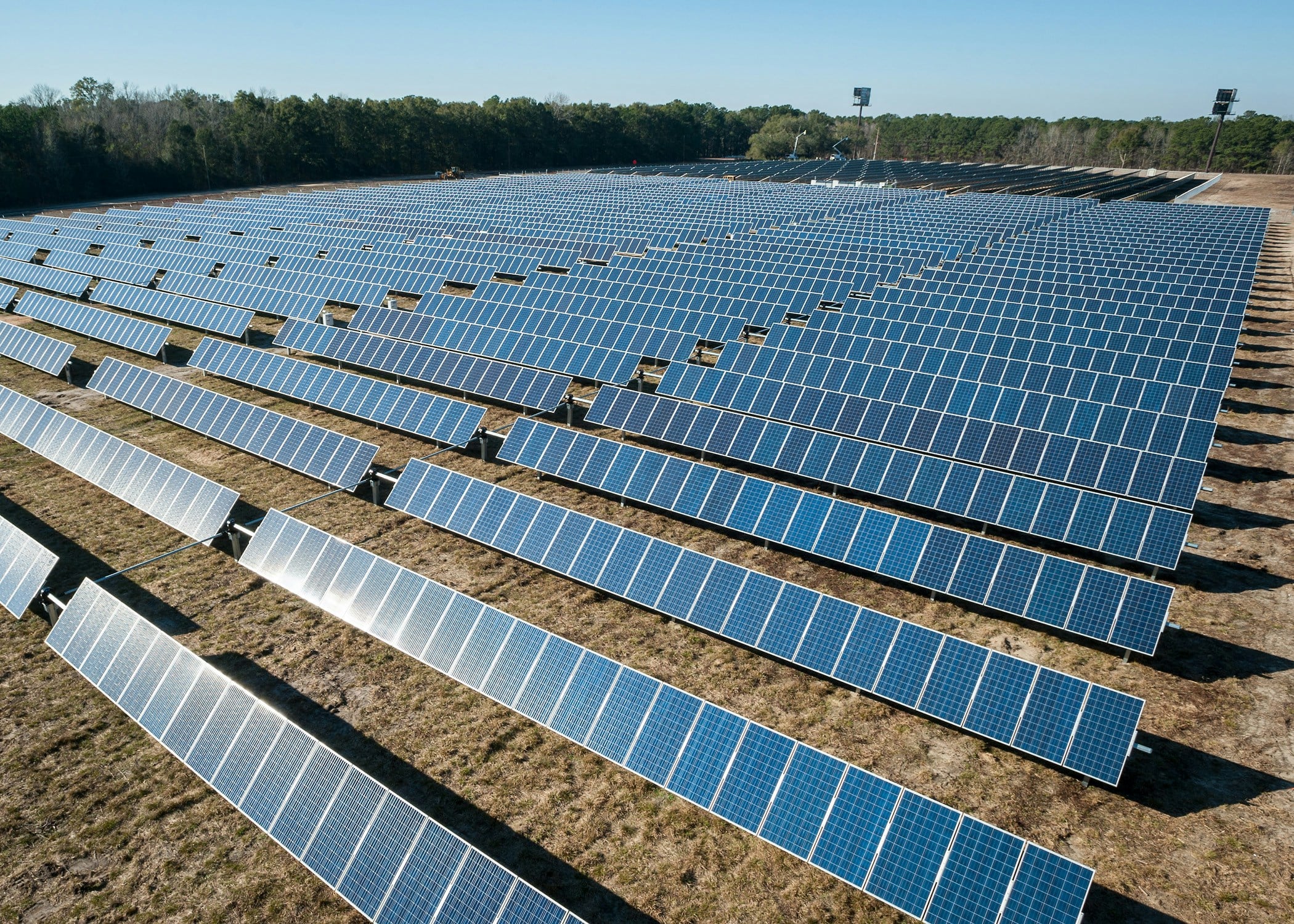
Traditional solar farms spread panels horizontally across large areas of land. Vertical solar farms orient panels perpendicular to the ground in tall fence-like structures.
The vertical orientation captures light from both sides of the panel, particularly during morning and evening when the sun sits lower in the sky. Bifacial solar panels collect direct sunlight on one side and reflected light from the ground on the other.
These installations work well in agricultural settings where the vertical structures don’t interfere with farming equipment. Tractors can pass between rows of vertical panels while the land continues productive agricultural use.
Vertical farms generate power more evenly throughout the day compared to angled panels that peak at midday. This matches electricity demand patterns better in many regions, where usage rises in morning and evening hours.
When Energy Meets Everything Else
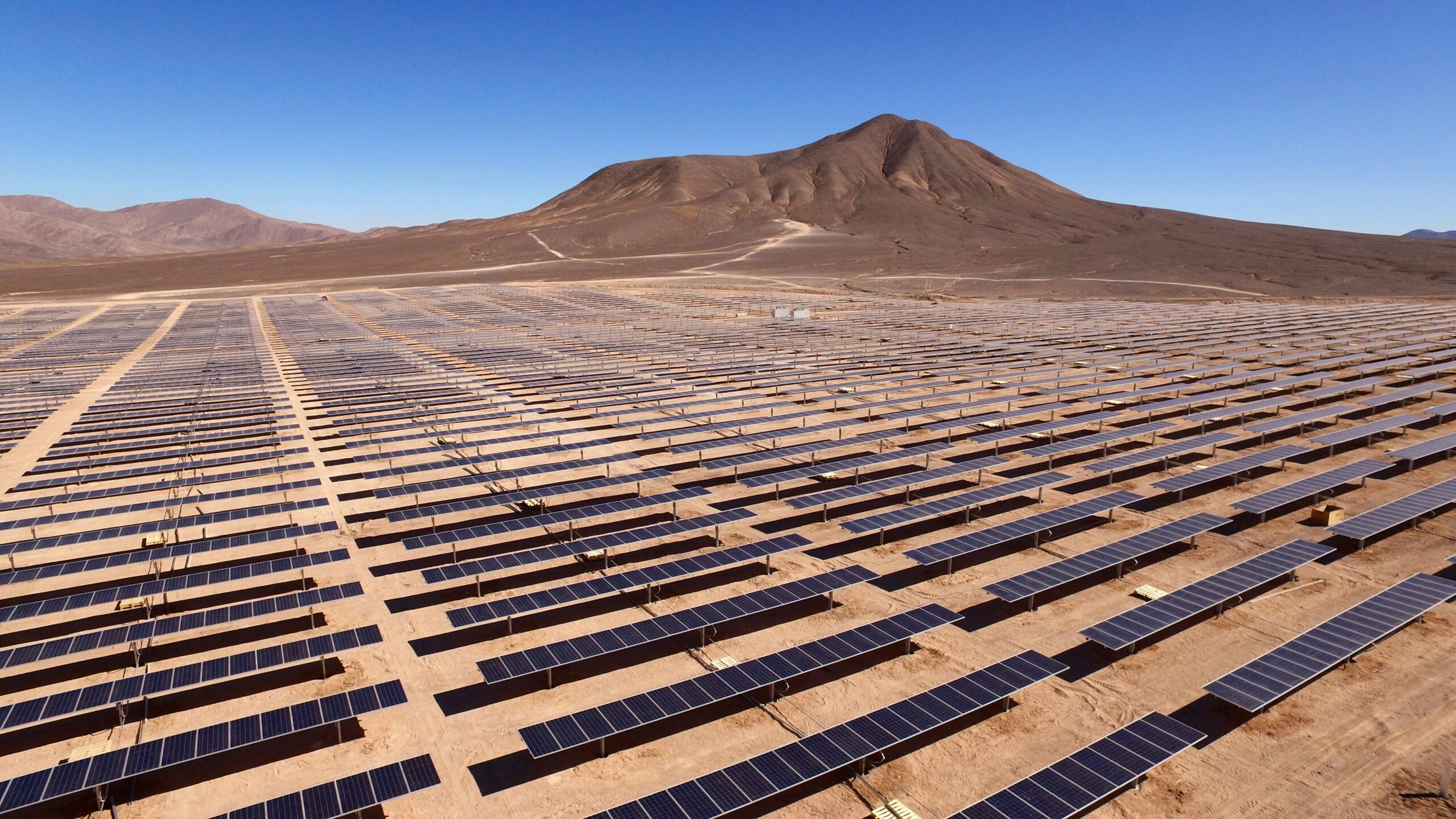
A solar setup works better if it tackles several issues at once. A unit producing only energy might fit almost anywhere.
Yet one offering shelter from the sun, saving water supply, using old frameworks, or fitting well with other tasks brings extra worth beyond mere numbers on paper. The future of solar?
It’s not only about how efficient it is or price per watt. Instead, it’s spotting spots where slapping on solar makes current setups work better.
Think roads, roofs, even parking lots – places doing double duty. Smart green energy gets this idea right.
More from Go2Tutors!

- The Romanov Crown Jewels and Their Tragic Fate
- 13 Historical Mysteries That Science Still Can’t Solve
- Famous Hoaxes That Fooled the World for Years
- 15 Child Stars with Tragic Adult Lives
- 16 Famous Jewelry Pieces in History
Like Go2Tutors’s content? Follow us on MSN.