Lesser-Known Animal Facts You Should Know
Animals do some pretty weird and wonderful things that most people have never heard about. Sure, everyone knows lions roar and elephants have great memories, but the animal kingdom is packed with surprises that don’t make it into typical nature documentaries.
Ready to learn some things that might blow your mind? Let’s jump right in.
Octopuses Have Three Hearts

Octopuses use three separate hearts to pump blood through their bodies, which sounds like overkill but actually makes sense for their lifestyle. Two of the hearts pump blood to the gills, while the third sends blood to the rest of the body.
When an octopus swims, the heart that delivers blood to the body actually stops beating, which is why these creatures prefer to crawl along the ocean floor instead of swimming everywhere. The blood of an octopus is blue instead of red because it uses copper-based hemocyanin to carry oxygen rather than iron-based hemoglobin like humans have.
Sloths Can Hold Their Breath Longer Than Dolphins
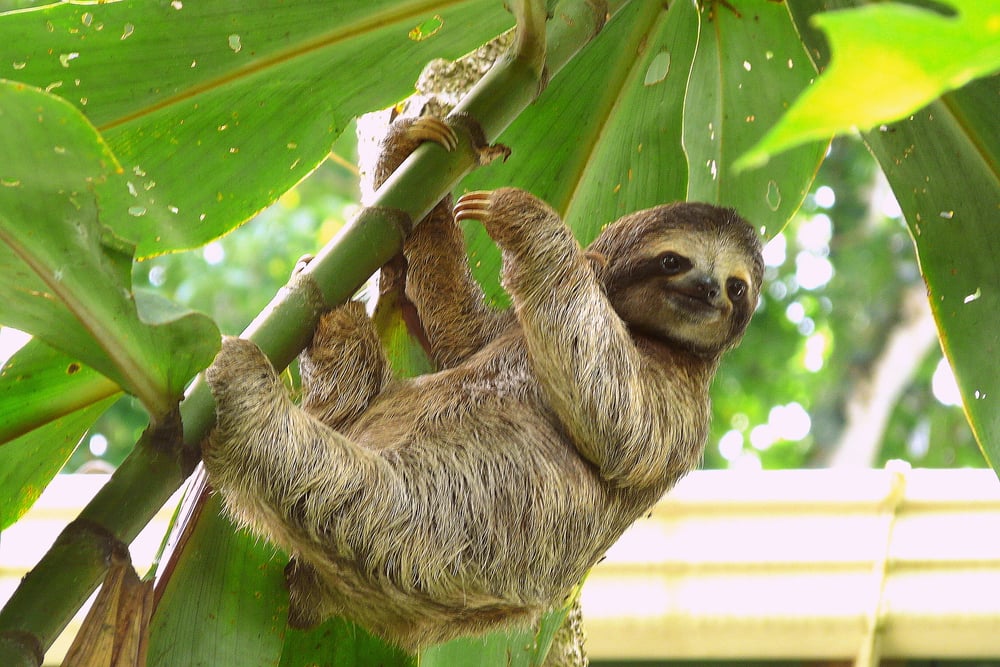
Sloths can hold their breath for up to 40 minutes by slowing down their already super slow heart rate. Dolphins need to come up for air every 10 minutes or so, making sloths the unexpected champions of breath-holding among mammals.
This ability comes in handy because sloths are actually decent swimmers and sometimes need to cross rivers in the rainforest. The slowed metabolism that makes them move so slowly also lets them survive on way less oxygen than most animals their size would need.
Hummingbirds Remember Every Flower They Visit

Hummingbirds have incredible memories that let them remember every single flower they’ve visited and exactly how long it takes each flower to refill with nectar. A hummingbird can visit hundreds of flowers in a day and keeps track of all of them like a mental map.
They won’t waste time going back to a flower that hasn’t had enough time to produce more nectar. This brain power is packed into a head that’s smaller than a grape, which makes their memory skills even more impressive.
Cows Have Best Friends

Cows form close friendships with other cows and actually get stressed out when they’re separated from their buddies. Studies have shown that cows’ heart rates go up and they produce less milk when kept away from their preferred companions.
These friendships can last for years, and cows will seek out their friends in a crowded field. Farmers who understand this can actually improve milk production just by keeping cow friends together.
Butterflies Taste With Their Feet

Butterflies land on plants and immediately taste them through sensors on their feet to figure out if the plant is good for laying eggs. This weird skill helps them identify the right plants for their caterpillars to eat once they hatch.
A butterfly can tell if a leaf has the right chemicals and nutrients just by standing on it. This foot-tasting ability means butterflies don’t waste time laying eggs on plants that won’t support their babies.
Sea Otters Hold Hands While Sleeping
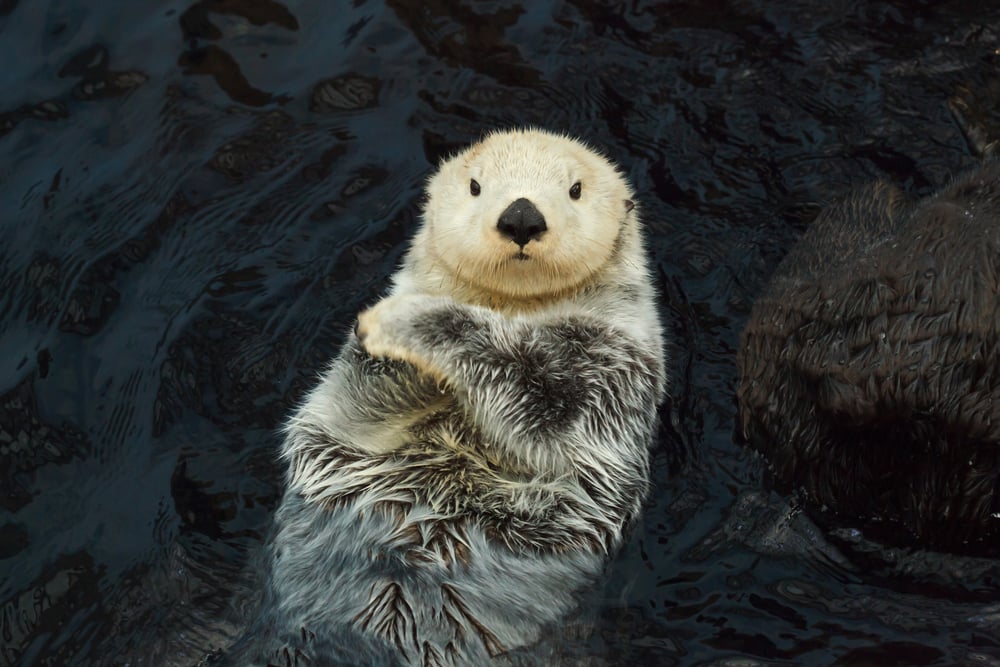
Sea otters hold hands with each other while they sleep so they don’t drift apart in the ocean currents. These cute creatures also wrap themselves in kelp like a blanket for the same reason.
Groups of resting otters are called rafts, and they can include a dozen or more animals all linked together. Baby otters are so fluffy and buoyant that they actually can’t dive underwater until they get their adult fur, so their mothers leave them floating on the surface while hunting for food.
Sharks Existed Before Trees
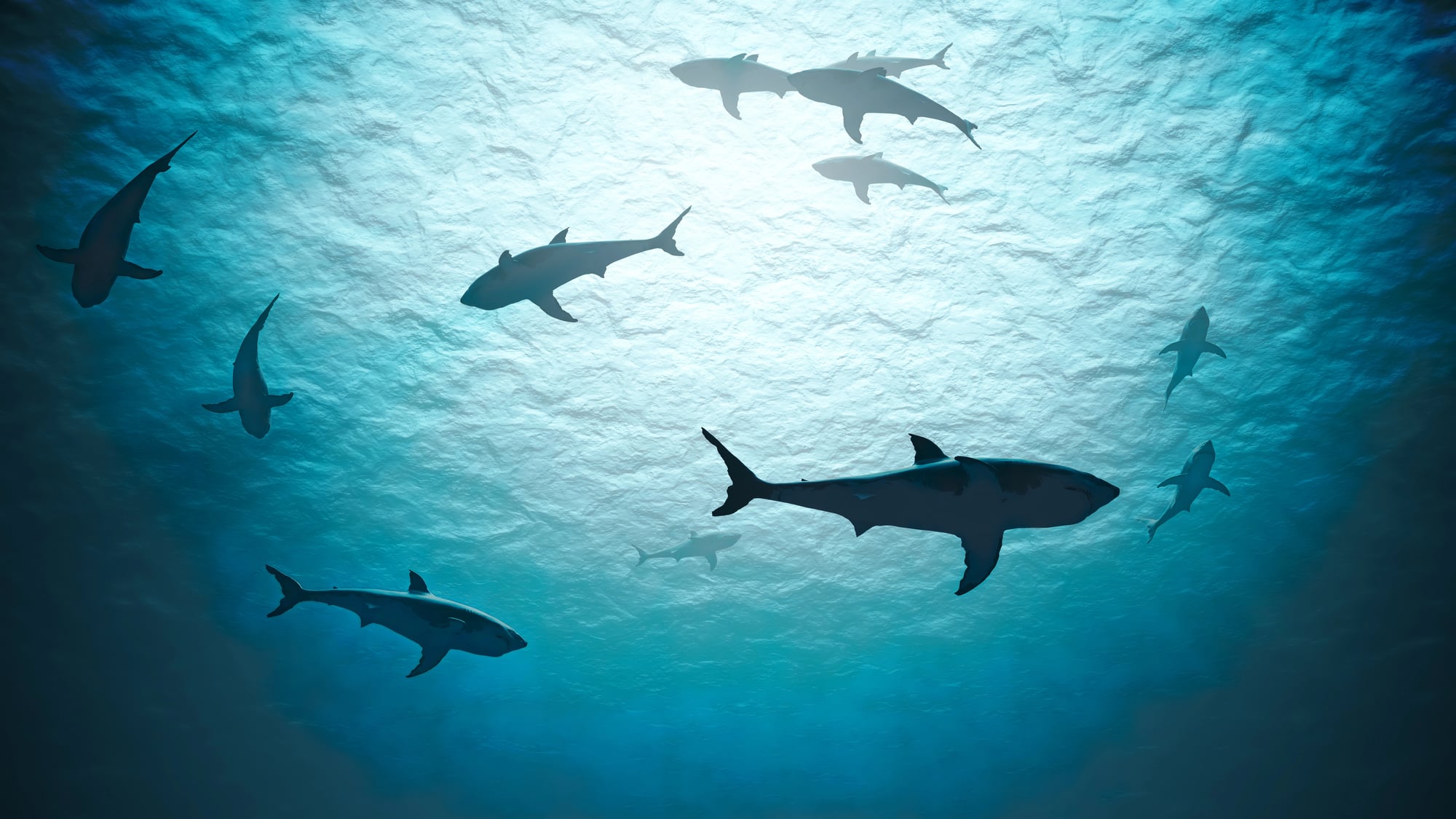
Sharks have been swimming in Earth’s oceans for about 400 million years, while trees only showed up around 350 million years ago. This means sharks are older than trees, mountains, and even the rings of Saturn.
The basic body plan of sharks has worked so well for so long that they haven’t needed to change much. Modern sharks would look pretty familiar to a time traveler visiting the ancient oceans, though some prehistoric versions were way bigger.
Wombats Poop in Cubes
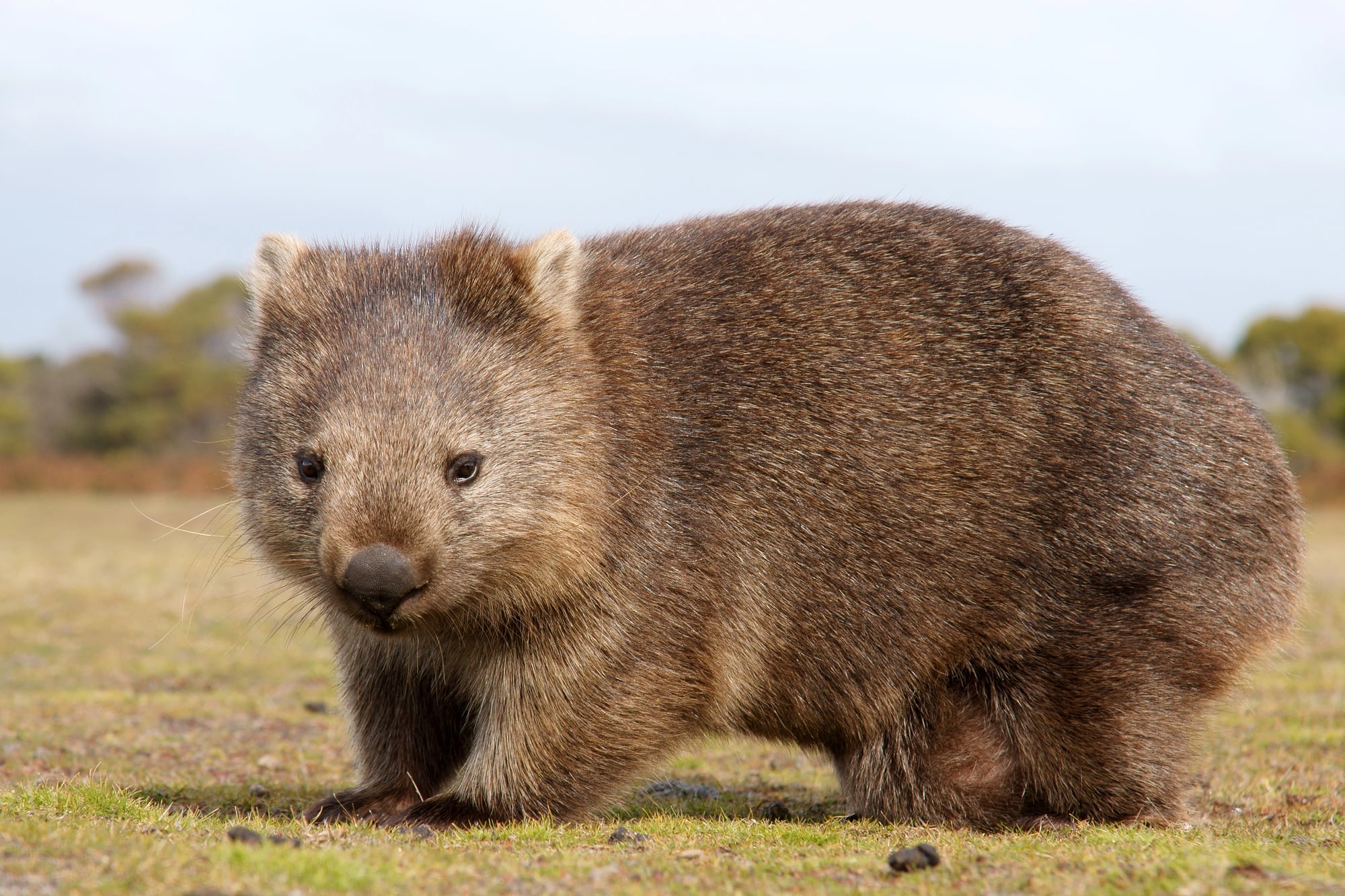
Wombats produce cube-shaped droppings, which is one of the weirdest things any mammal does. The square shape keeps their poop from rolling away, which helps wombats mark their territory on rocks and logs.
Their intestines have different elastic properties in different areas, which squeezes their waste into this unusual shape. Scientists studied this for years before finally figuring out how wombats manage this geometric feat, and it might even have applications in manufacturing.
Pigeons Can Do Math

Pigeons can learn to count and can even do basic addition and subtraction tasks. Scientists have tested pigeons by showing them different numbers of objects and training them to pick the larger quantity.
The birds can also learn numerical order and understand that three comes after two and before four. This puts pigeons on par with monkeys in terms of mathematical ability, which is pretty wild considering people usually think of them as dumb city birds.
Mantis Shrimp Can Punch Through Aquarium Glass
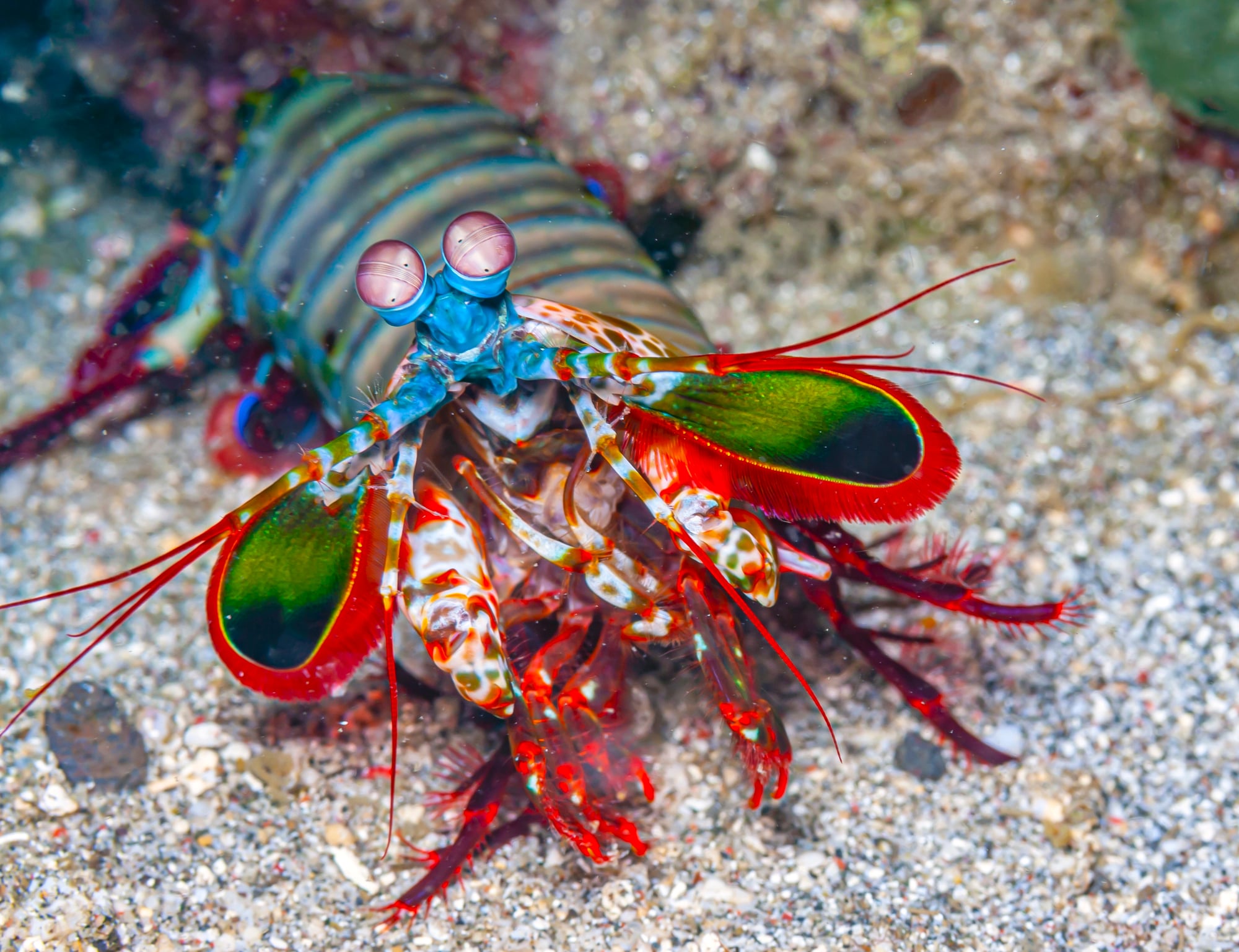
Mantis shrimp have club-like appendages that strike so fast and hard they can break through glass aquarium walls. The punch is so powerful it creates a cavitation bubble that collapses with a flash of light and a shockwave.
These little marine creatures can accelerate their strikes at the same speed as a bullet from a gun. The impact would be like getting hit with a professional boxer’s punch, except the mantis shrimp is only a few inches long.
Ravens Hold Grudges and Gossip
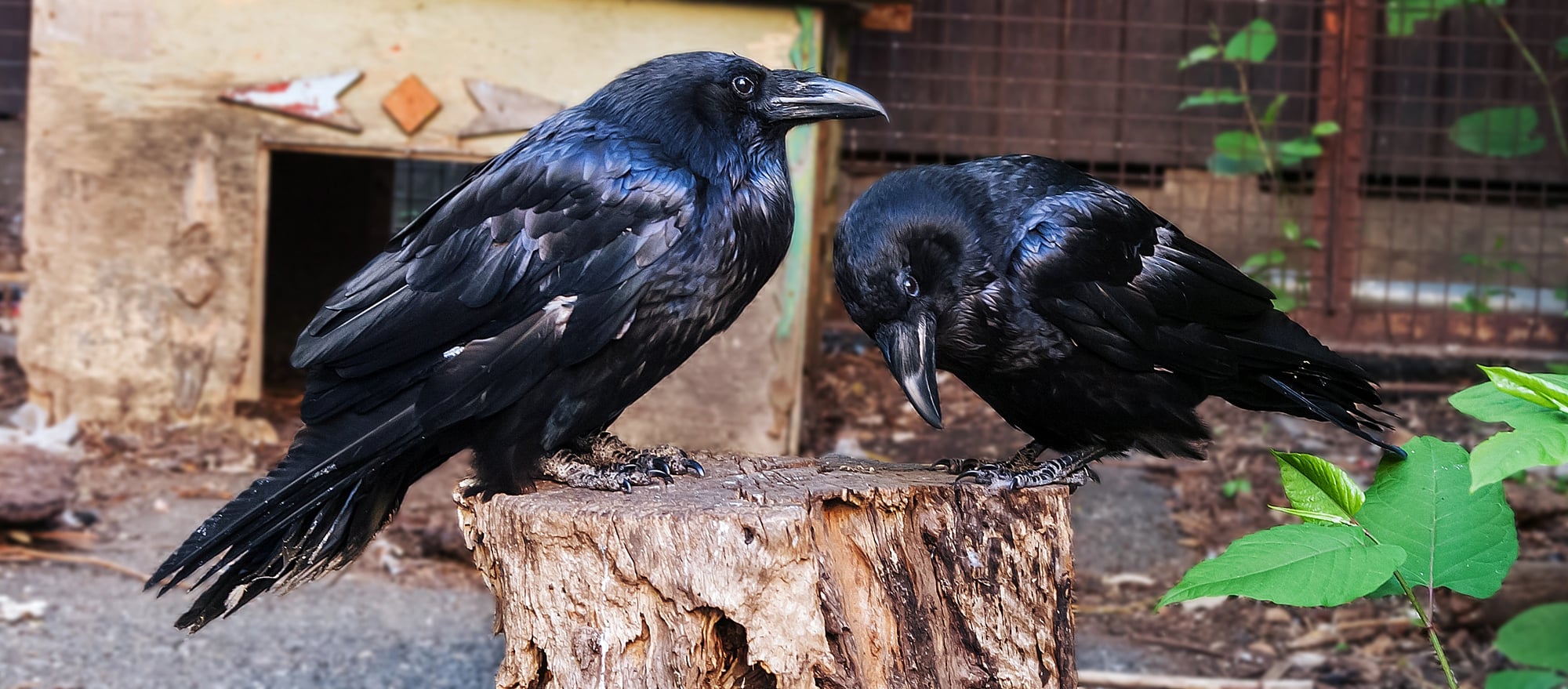
Ravens remember people who have wronged them and will tell other ravens about that person. The birds can recognize individual human faces and will scold or avoid someone who has treated them badly.
Even more interesting, ravens who weren’t there for the original incident will also react negatively to the person based on the information they got from other ravens. This kind of social learning and communication shows just how smart these birds really are.
Horses Can’t Vomit
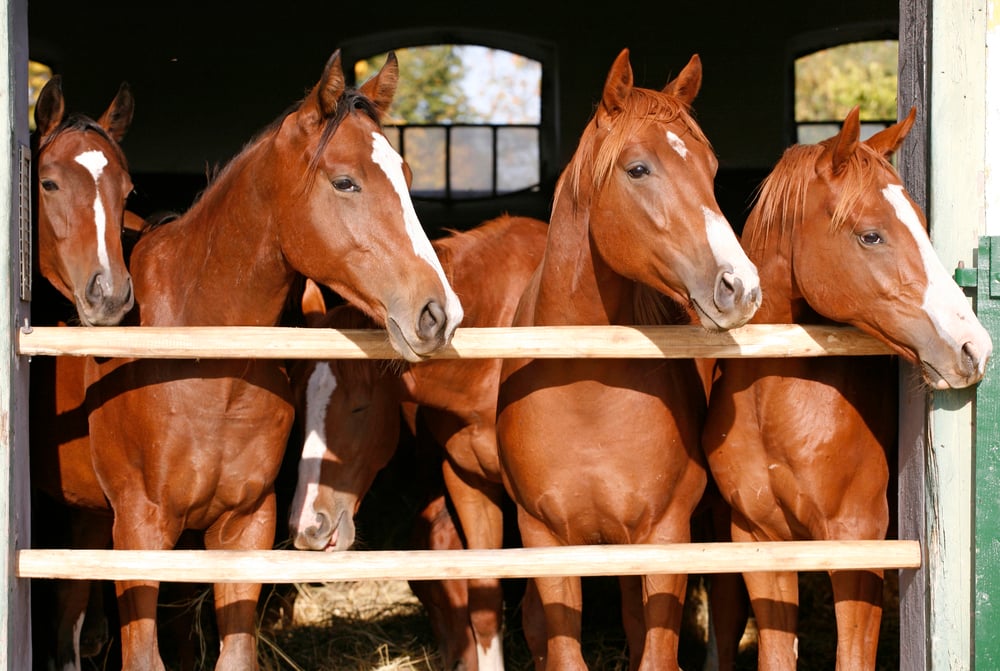
Horses physically cannot throw up because of the way their digestive system is built. The muscle structure where the esophagus meets the stomach works like a one-way valve that’s too strong for food to come back up.
This means when a horse eats something bad or gets an upset stomach, it can actually be life-threatening since they can’t get rid of the problem. Horse owners have to be really careful about what their animals eat for exactly this reason.
Lobsters Are Biologically Immortal

Lobsters don’t show typical signs of aging and can theoretically live forever if nothing kills them. They keep growing throughout their lives and don’t get weaker or less fertile as they get older.
Lobsters produce an enzyme called telomerase that repairs their DNA and prevents the usual wear and tear that causes aging in most animals. The reason they don’t actually live forever is that molting becomes harder as they get bigger, and eventually the process becomes too difficult and they die.
Elephants Can’t Jump
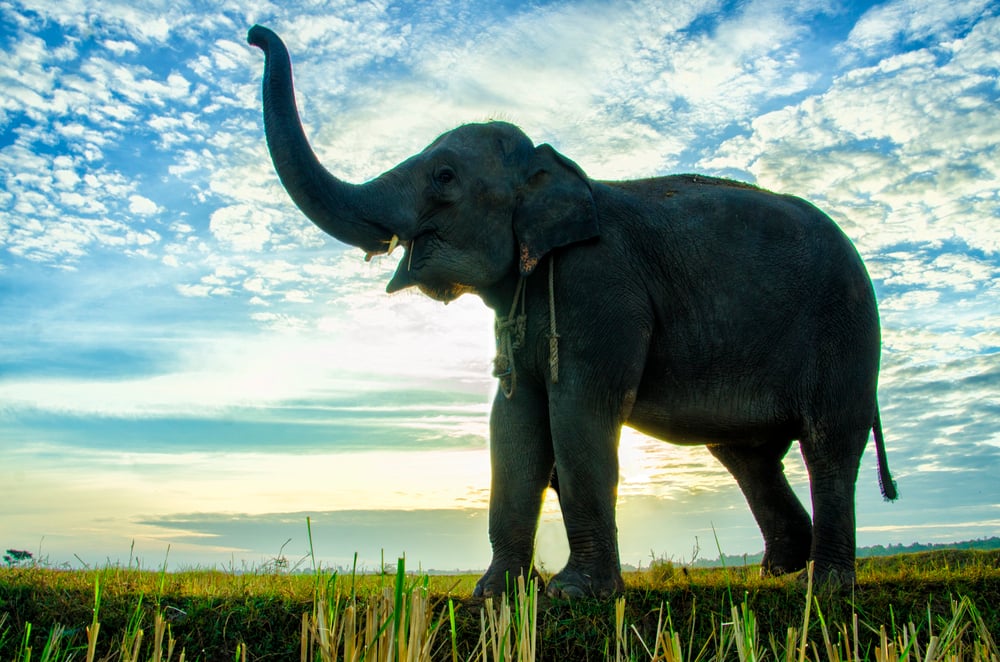
Elephants are the only mammals that can’t jump off the ground, which makes sense given their massive size. All four of an elephant’s feet stay on the ground when they run, which looks more like a fast walk than actual running.
Their weight and bone structure just don’t allow for the kind of explosive leg movement needed to get airborne. This limitation doesn’t slow them down much since they can still move at speeds of up to 25 miles per hour when they need to.
Cats Are the Only Animals That Don’t Taste Sweetness

Cats lack the taste receptors for sweetness, making them the only mammals known to be completely unable to taste sweet things. This happened because cats are obligate carnivores who only eat meat, so they never needed the ability to identify sweet foods.
A cat eating ice cream or candy is doing it for the fat content or texture, not because they taste the sugar. This genetic quirk explains why cats don’t get as excited about treats the same way dogs do.
Kangaroos Can’t Walk Backward

Backward steps? Not happening for kangaroos – their wide feet and muscular tail lock them into forward motion. When creeping along, that thick tail pushes off the ground almost like a limb, setting up each move ahead.
Try going in reverse, and those giant hind legs become more of an obstacle than help. Built entirely around leaping forward, their frame just does not allow retreat. On national emblems, the animal stands proudly, chosen not just for strength but its one-way path – always onward.
Frogs Completely Regrow Their Eyes

Frogs rebuild entire eyes after losing them – mammals lack that power entirely. Months pass before vision returns, yet every part forms just right.
Research teams watch closely, searching for clues to spark such healing in people. Tadpoles, the young kind, take it further: lost legs come back without hesitation.
The Wild World Keeps Surprising Us
Who would think pigeons hold hidden talents beneath their quiet city strolls. Survival shapes odd gifts in each creature, depending on where it lives.
While research digs deeper, old subjects surprise experts with fresh twists. Cows stand calmly but carry skills most overlook. A glance at familiar animals may shift once unseen strengths come to light. Nature guards mysteries even in plain sight.
More from Go2Tutors!

- The Romanov Crown Jewels and Their Tragic Fate
- 13 Historical Mysteries That Science Still Can’t Solve
- Famous Hoaxes That Fooled the World for Years
- 15 Child Stars with Tragic Adult Lives
- 16 Famous Jewelry Pieces in History
Like Go2Tutors’s content? Follow us on MSN.