17 Cave Systems That Protected Priceless Artifacts
Throughout history, caves have served as nature’s own safety deposit boxes, sheltering humanity’s most treasured possessions from wars, disasters, and the relentless march of time. These underground sanctuaries have preserved everything from ancient scrolls to priceless artworks, often for centuries or even millennia.
Here’s a list of 17 cave systems that became unexpected guardians of our cultural heritage, protecting artifacts that might otherwise have been lost forever.
Qumran Caves
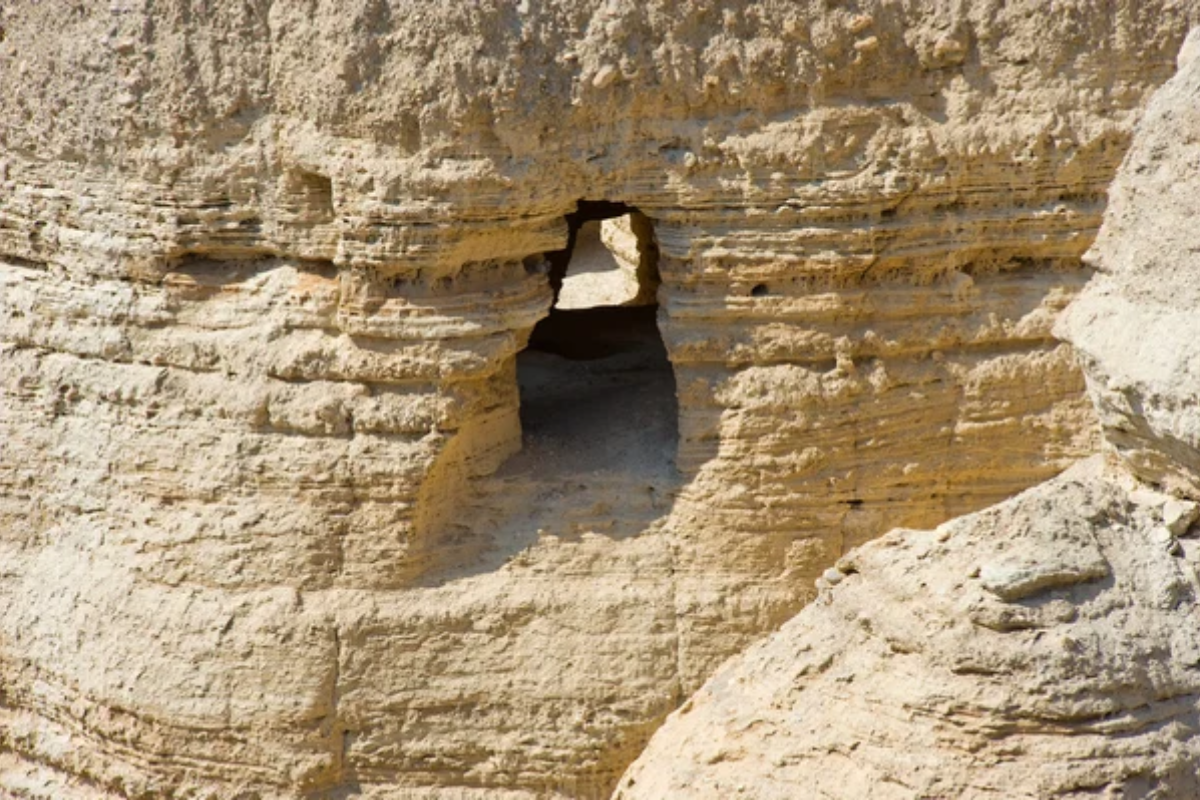
The discovery of the Dead Sea Scrolls in these Israeli caves ranks among the most significant archaeological finds of the 20th century. Between 1947 and 1956, Bedouin shepherds and archaeologists uncovered nearly 900 manuscripts dating back over 2,000 years.
The dry desert climate — combined with sealed pottery jars — created perfect preservation conditions. These biblical and religious texts remained intact while most contemporary documents had long since crumbled to dust.
Lascaux Cave
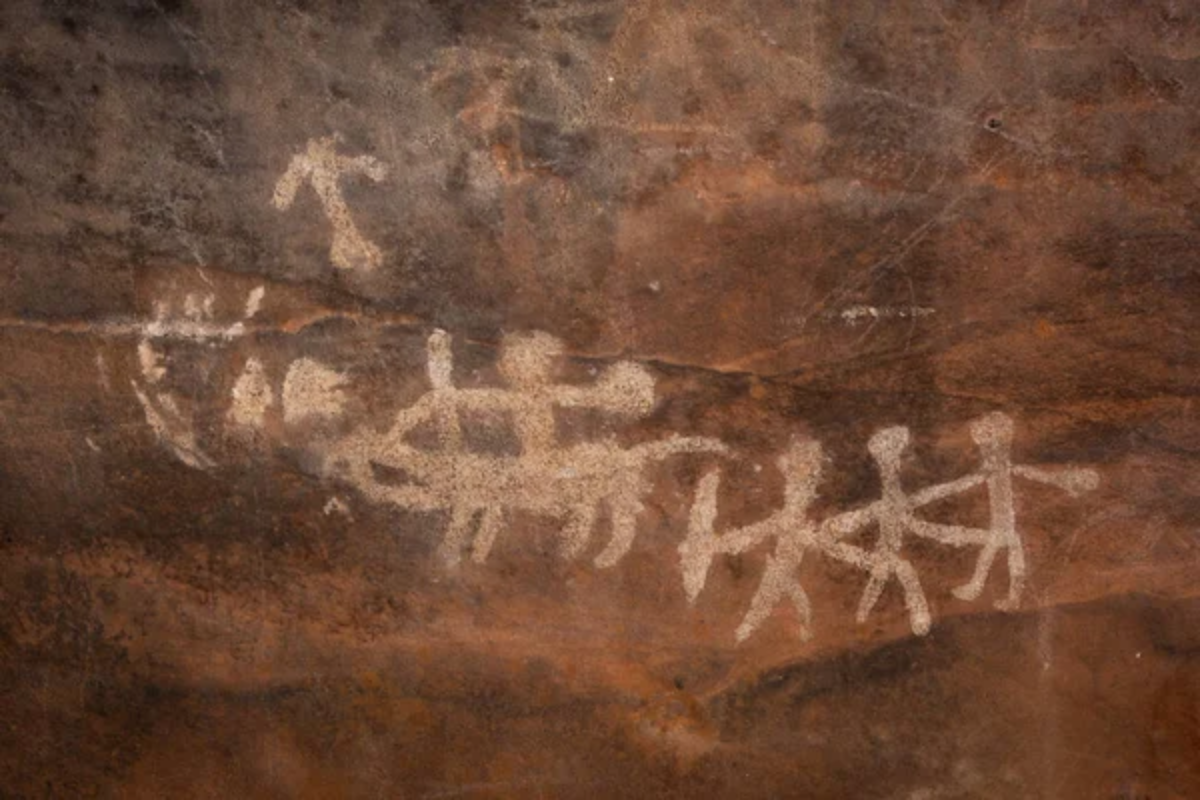
Hidden beneath the French countryside, this cave system preserved humanity’s earliest masterpieces for roughly 17,000 years. The Paleolithic paintings depict over 600 animals with remarkable detail that rivals modern works.
The cave’s consistent temperature acted like a natural climate-control system — protecting these irreplaceable artworks until their accidental discovery by teenagers in 1940.
Mogao Caves
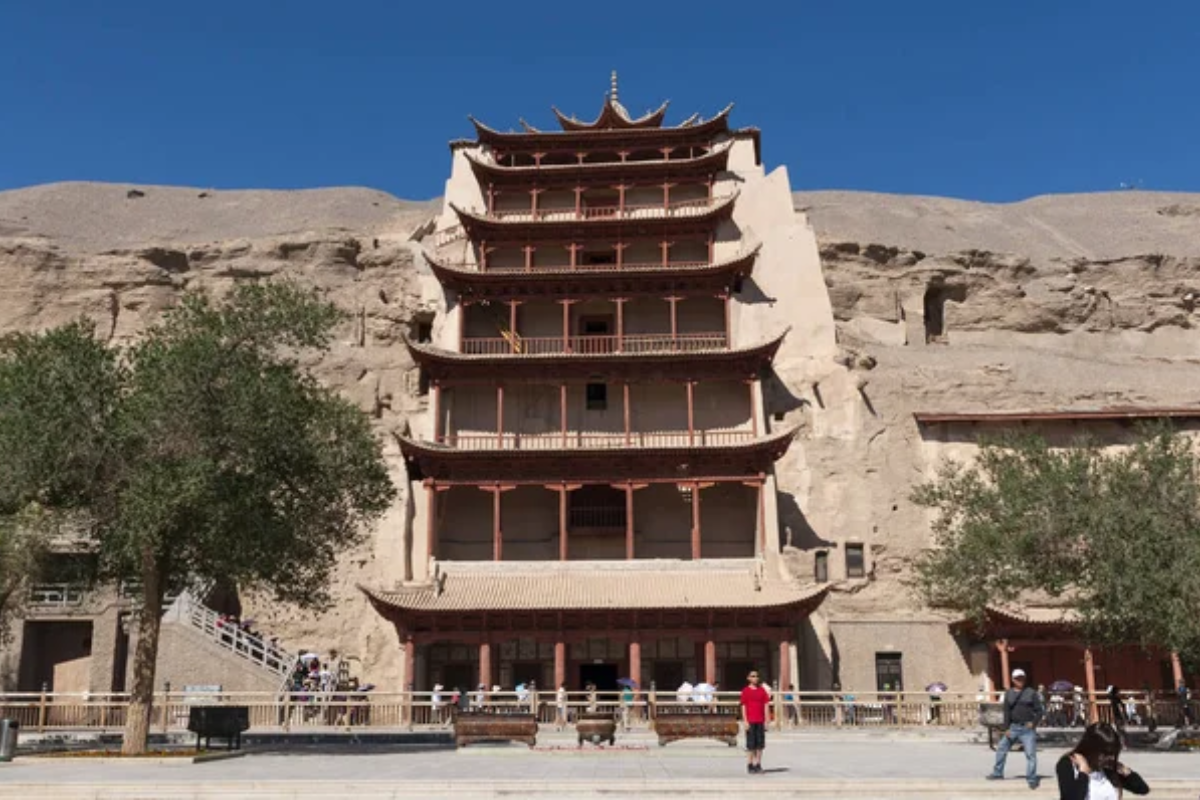
Also known as the Thousand Buddha Grottoes, this Chinese cave complex protected an incredible library for nearly a millennium. In 1900, a Taoist monk discovered a sealed chamber containing over 50,000 manuscripts, paintings, and textiles dating from the 4th to 11th centuries.
The dry desert air of the Silk Road created ideal conditions that preserved documents in languages ranging from Chinese to Sanskrit — offering scholars an unparalleled glimpse into medieval Asian culture.
Altamira Cave
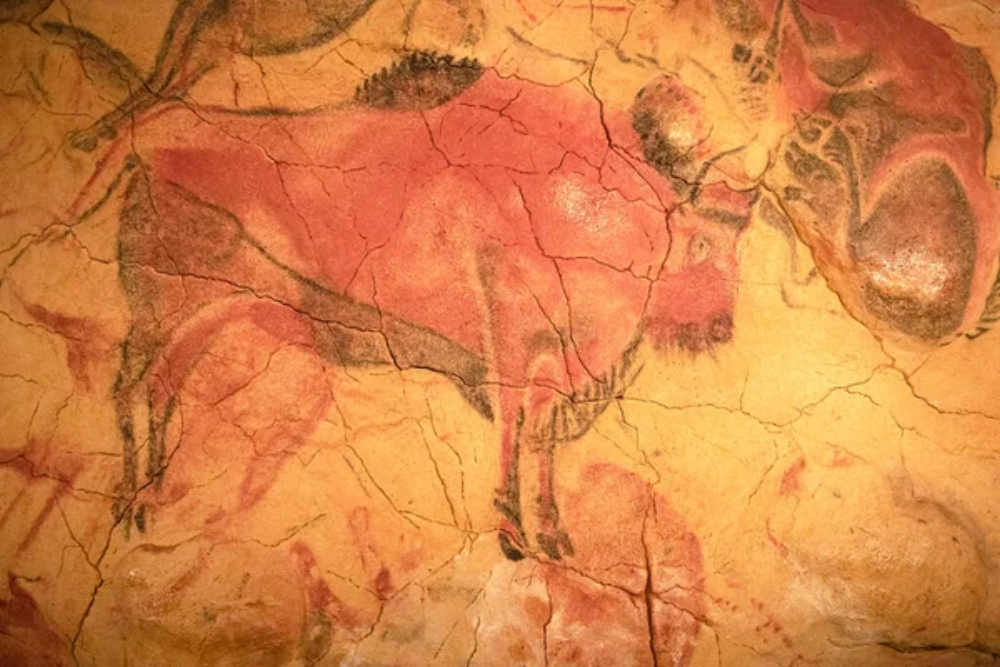
Spain’s ‘Sistine Chapel of Paleolithic Art’ kept its treasures hidden for approximately 14,000 years until a local hunter stumbled upon the entrance in 1868. The cave’s famous bison paintings showcase sophisticated artistic techniques that challenged early assumptions about prehistoric human capabilities.
Calcium carbonate deposits from dripping water actually helped preserve the pigments — creating a natural protective coating over the ancient artwork.
Cave of Letters
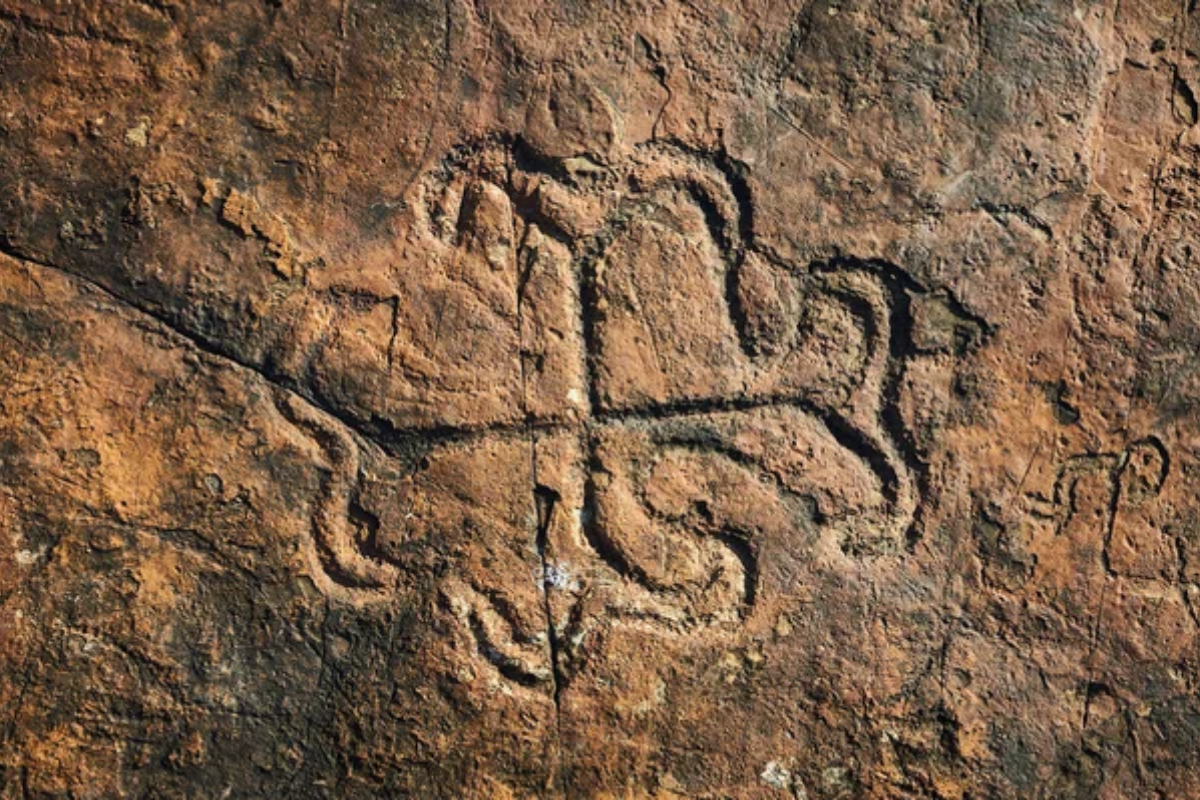
This Israeli cave system became a time capsule during the Bar Kokhba revolt against Rome in 132-135 CE. Jewish rebels used the cave as a hideout, leaving behind personal letters, legal documents, and everyday items that provide intimate details about life during this turbulent period.
The arid climate of the Judean Desert mummified organic materials — preserving leather, papyrus, and even braided hair for nearly 2,000 years.
Grotte de Font-de-Gaume
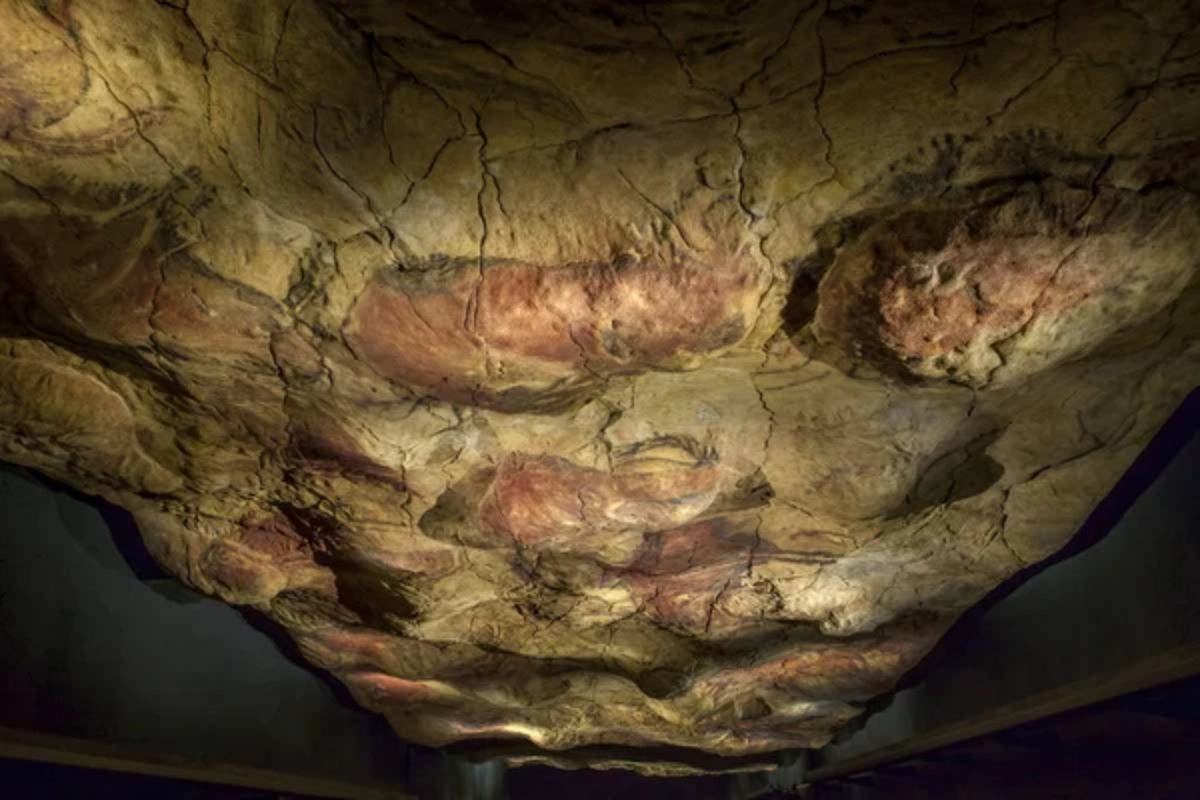
Located in France’s Dordogne region, this cave protected Cro-Magnon paintings for about 12,000 years through its naturally stable environment. The narrow passages and limited airflow created a microclimate. This prevented the temperature fluctuations that typically destroy ancient pigments — though humidity changes remained minimal.
Today, it’s one of the few caves where visitors can still view original Paleolithic polychrome paintings in their natural setting.
Ajanta Caves
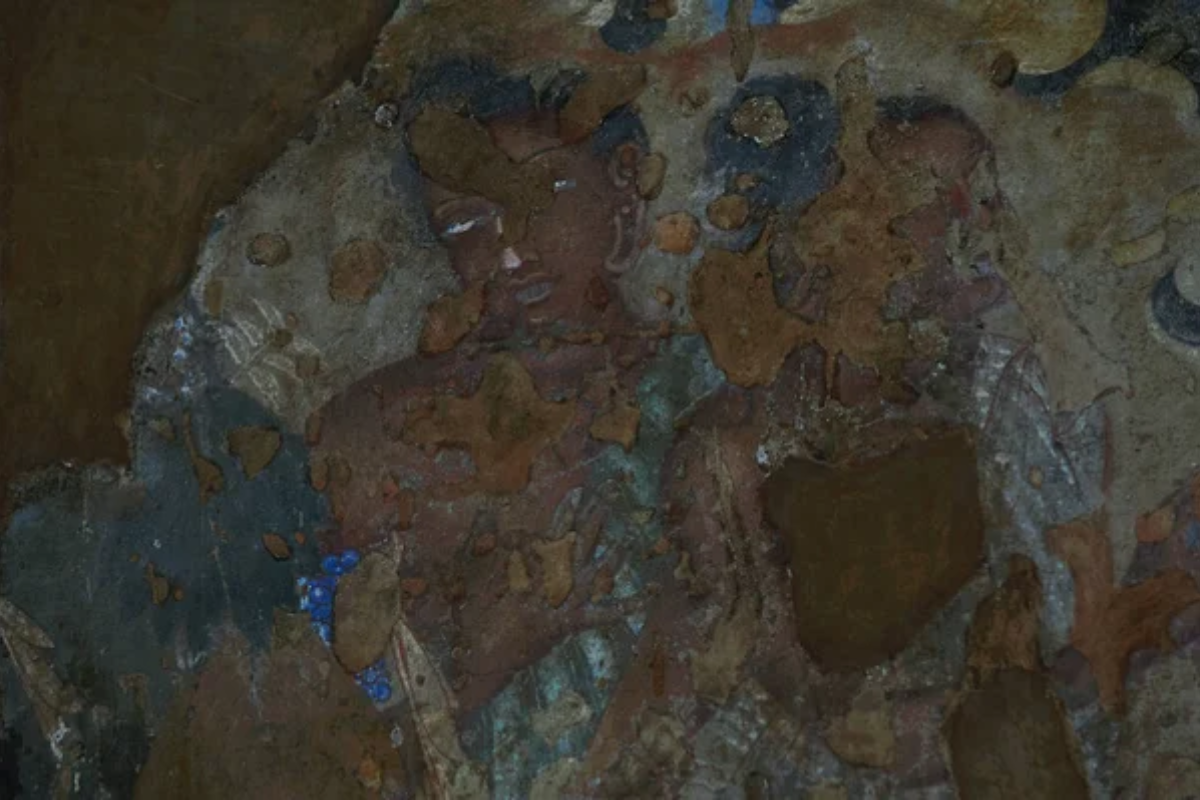
These 30 rock-cut Buddhist cave monuments in India preserved frescoes spanning five centuries of artistic development. Abandoned around 650 CE and forgotten by the outside world, the caves maintained their treasures in relative isolation.
British officers rediscovered them in 1819 — yet the basalt rock formations had already provided natural protection from monsoons for over a millennium.
Chauvet Cave
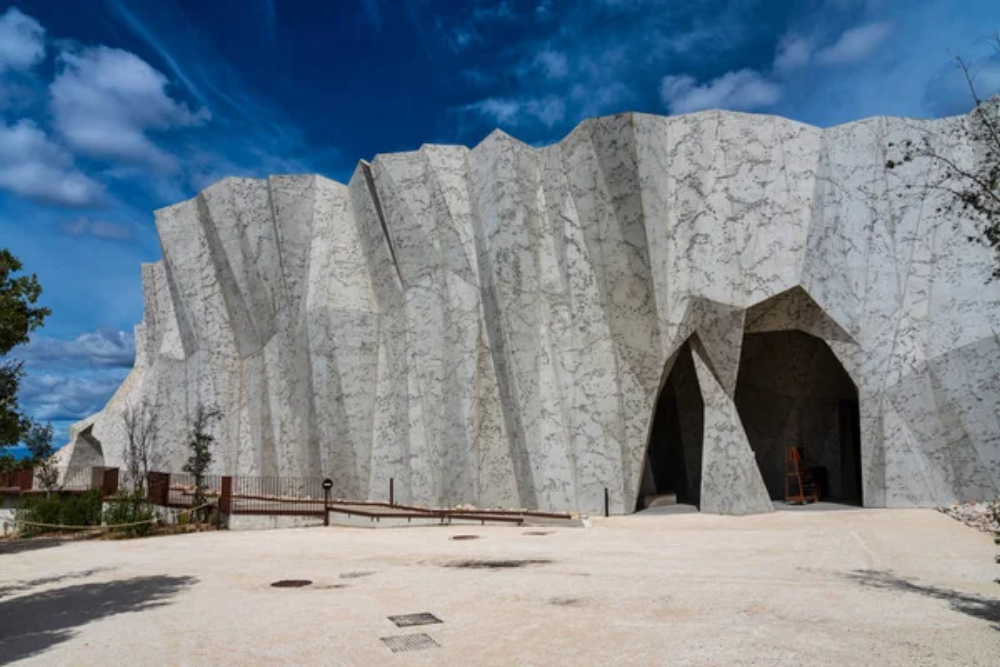
Southern France’s Chauvet Cave protected the world’s oldest known figurative cave paintings for over 30,000 years. A rockfall sealed the entrance shortly after the last artists left — creating an airtight environment that preserved not just paintings but also ancient footprints.
The pristine preservation allows scientists to study Paleolithic art techniques with unprecedented detail, though torch marks and bear hibernation hollows remain visible too.
Nahal Hever Caves
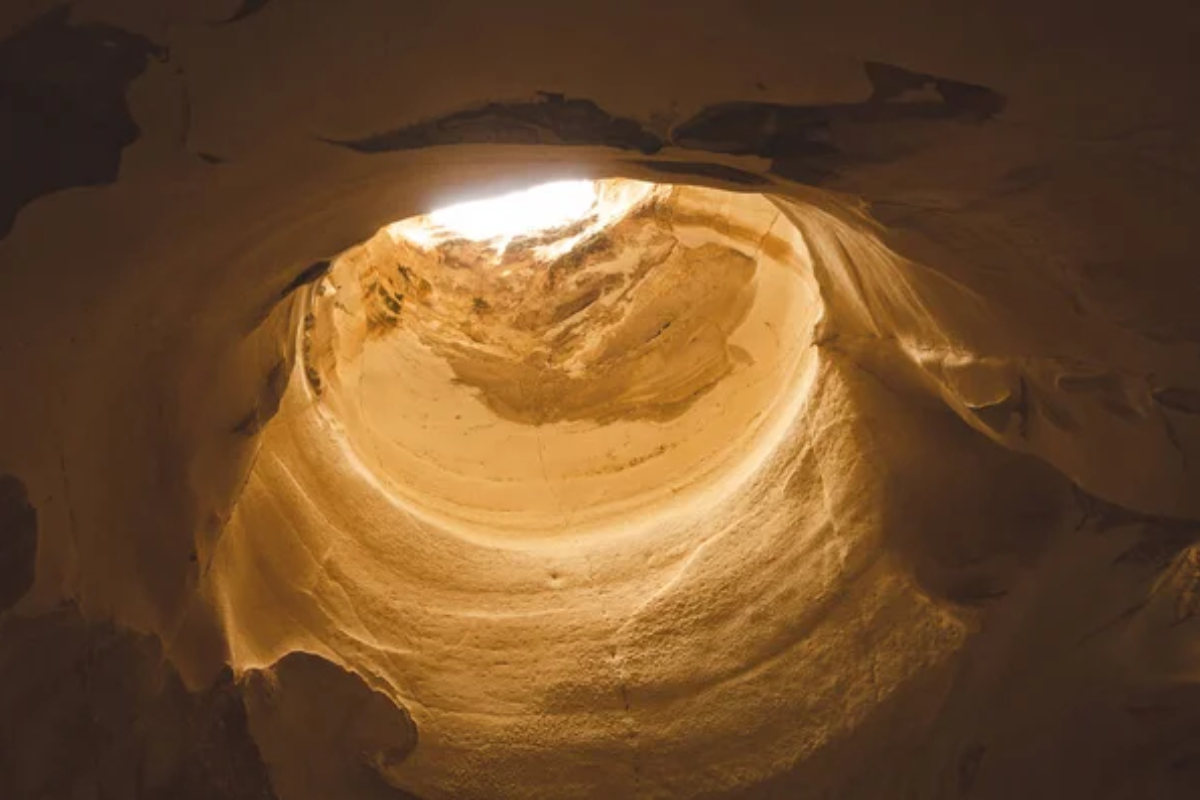
These Israeli caves served as refuges during multiple historical periods, preserving artifacts from different eras in distinct layers. The most famous discovery included letters written by Bar Kokhba himself, along with bronze vessels and glass objects.
The caves’ remote location in steep canyon walls also deterred looters — keeping collections intact for archaeological study despite their obvious value.
Ellora Caves
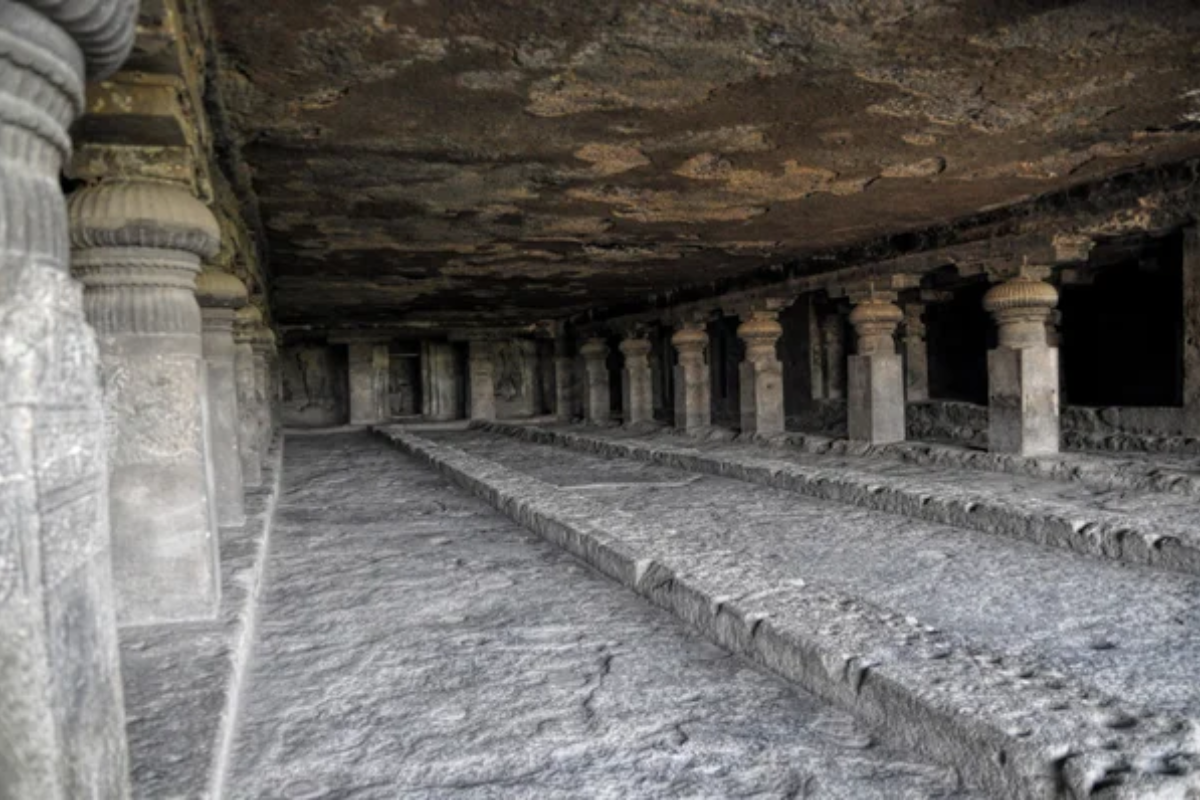
This complex of 34 caves in Maharashtra, India, protected Hindu, Buddhist, and Jain sculptures across several centuries. Carved directly into volcanic basalt cliffs, the caves created naturally climate-controlled environments that preserved intricate stone carvings.
The hard basalt rock resisted weathering — while the cave structure shielded artwork from India’s intense monsoon seasons and extreme temperatures.
Carlsbad Caverns
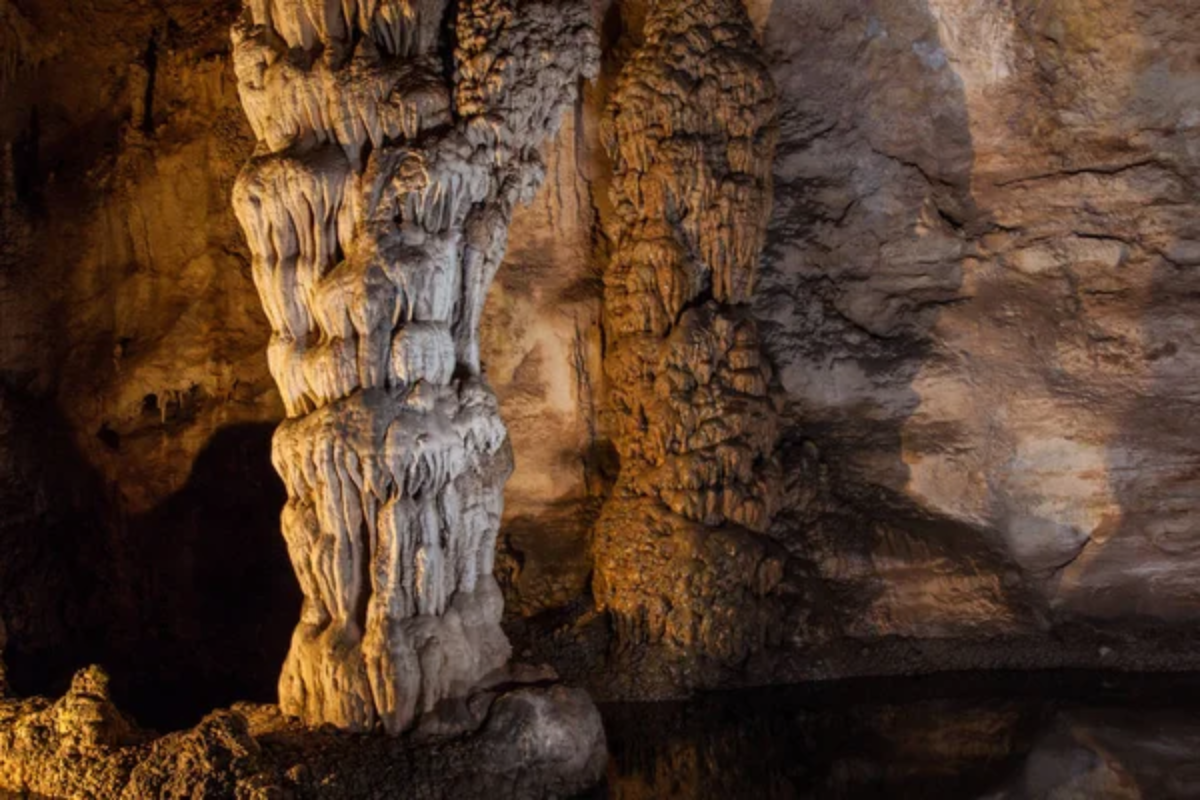
While famous for its massive chambers, this New Mexico cave system also preserved Native American artifacts and guano mining equipment from the early 1900s. The constant 56-degree temperature and high humidity levels mummified organic materials like wooden tools.
Archaeological evidence suggests indigenous peoples used these caves for shelter and ceremonies for over 1,000 years, though mining activities began much later.
Marble Caves of Chile
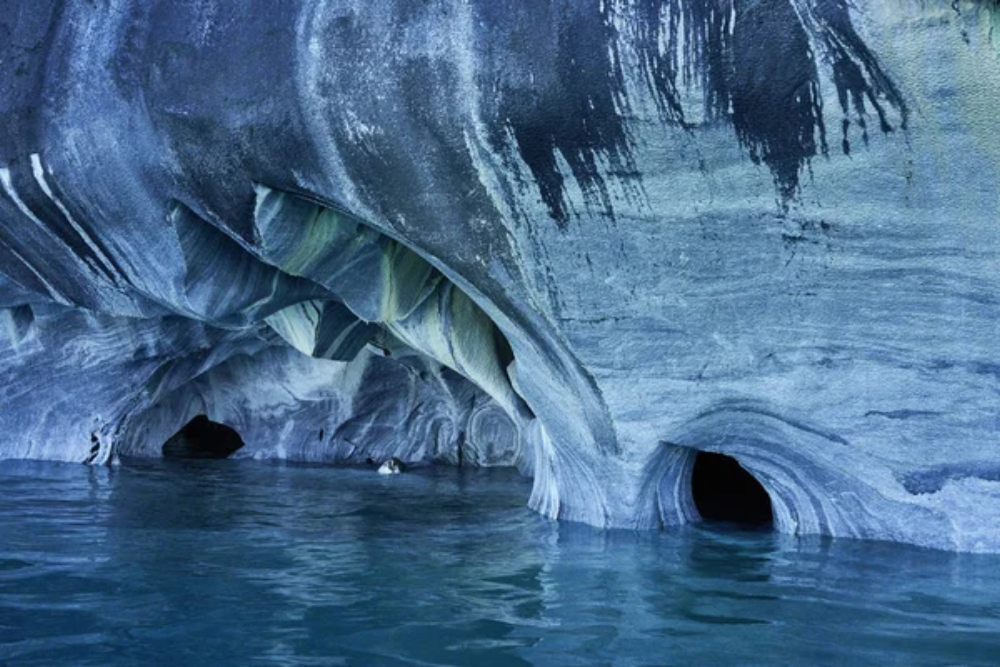
These stunning blue caverns in General Carrera Lake inadvertently preserved Tehuelche indigenous artifacts for centuries. The isolated location created ideal storage conditions for stone tools, pottery fragments, and organic materials.
Recent archaeological surveys have uncovered evidence of human habitation dating back several thousand years, all remarkably well-preserved by the cave’s unique environment.
Waitomo Caves
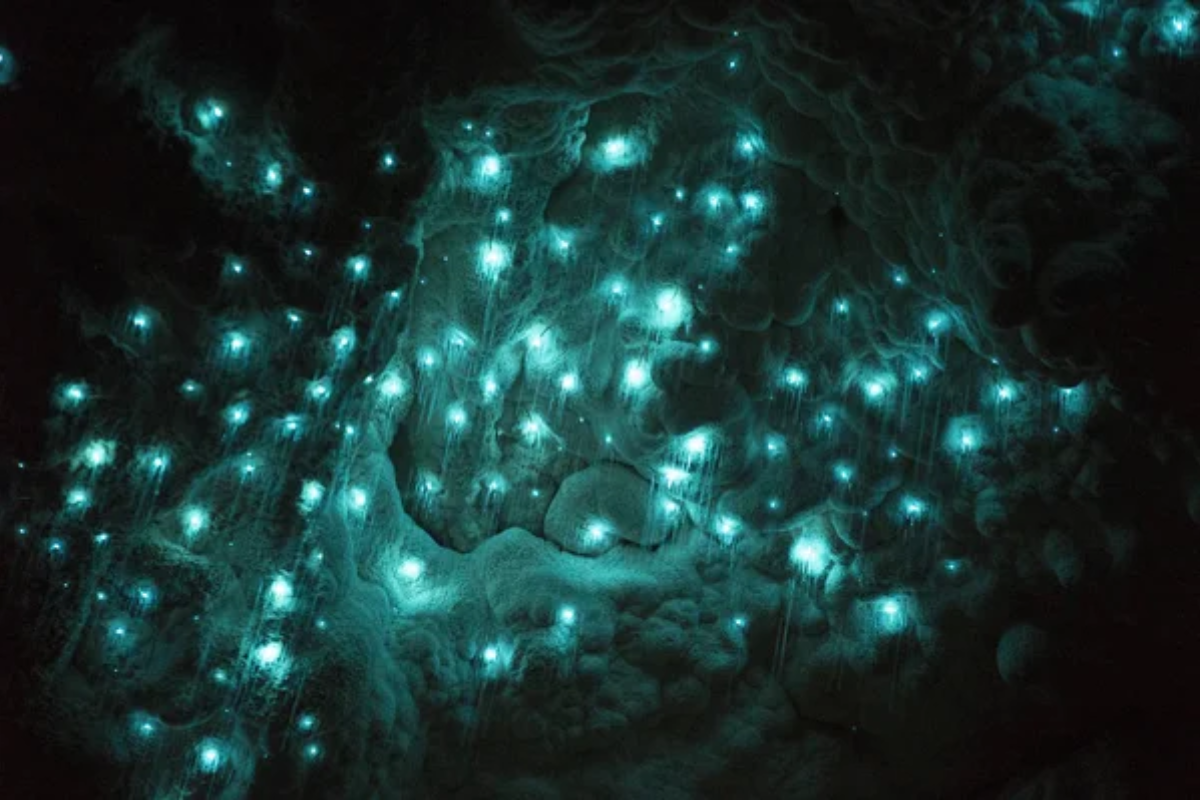
New Zealand’s famous glowworm caves also protected Maori artifacts for hundreds of years before European colonization. The limestone caves maintained steady temperatures that preserved wooden implements, bone fishhooks, and woven flax items.
Many artifacts remained undisturbed inside passages until systematic archaeological surveys began in the 20th century, though some areas haven’t been fully explored yet.
Blue John Cavern
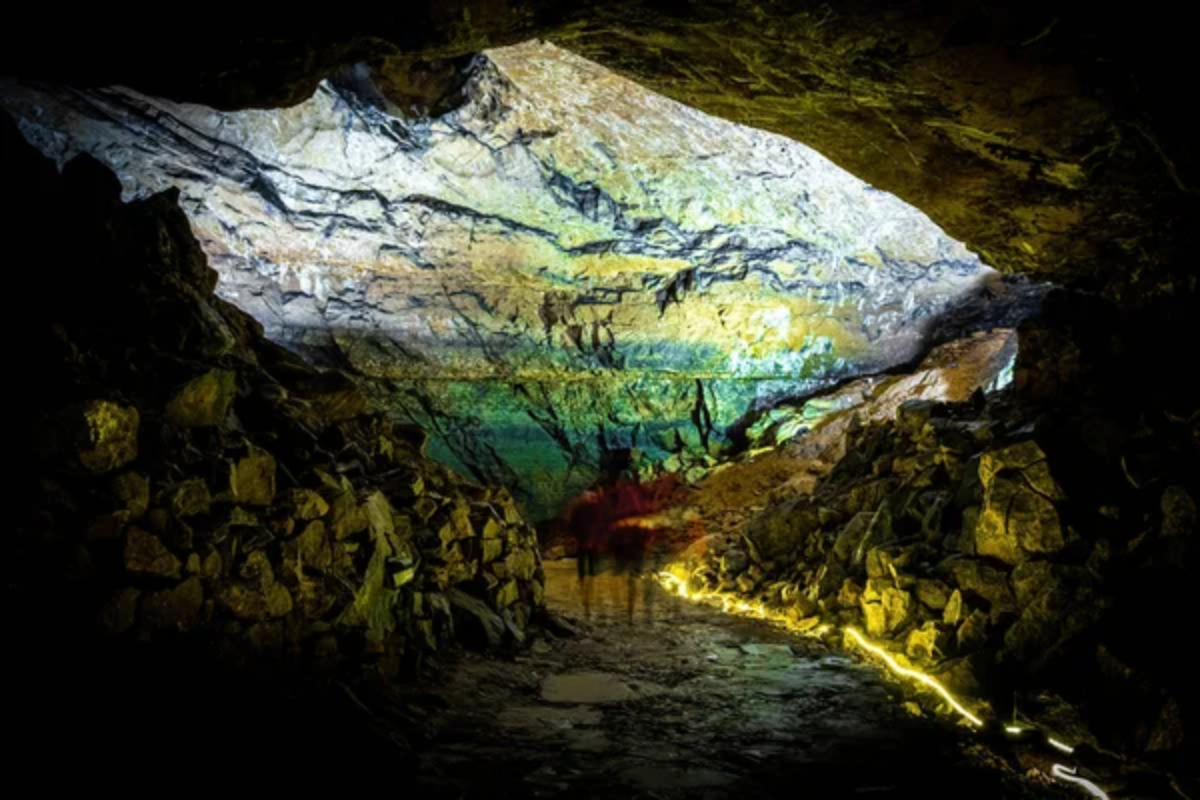
This English cave system in Derbyshire protected not only its famous Blue John fluorite but also Roman-era mining tools. The stable underground environment preserved wooden handles, iron implements, and leather goods that would’ve rotted away on the surface centuries ago.
Archaeological evidence suggests continuous human activity in these caves spanning over 2,000 years, though periods of abandonment occurred too.
Mammoth Cave
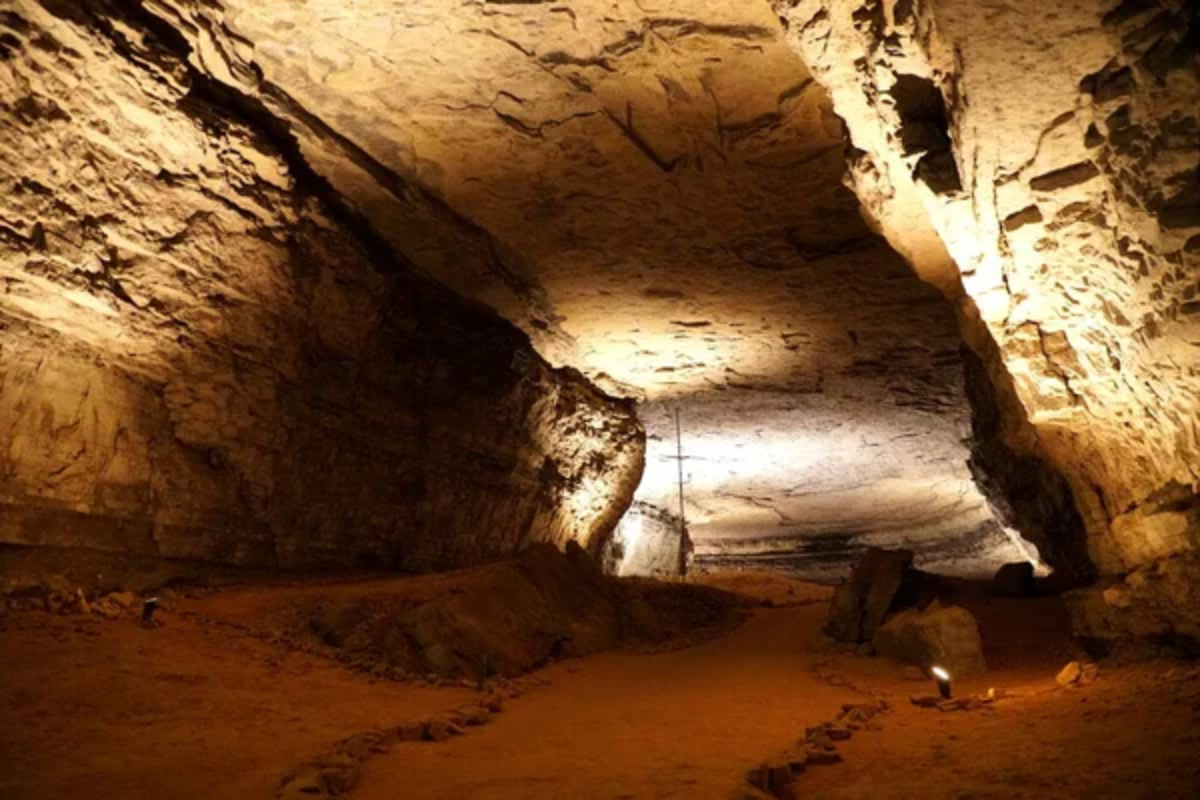
Kentucky’s vast cave network served as a natural museum for Native American artifacts spanning 4,000 years of human history. The consistent 54-degree temperature prevented organic decay, preserving everything from woven sandals to wooden torches.
Many artifacts remained exactly where ancient peoples left them. This created an unparalleled archaeological record of prehistoric American life, though some areas were disturbed by early tourism.
Wind Cave
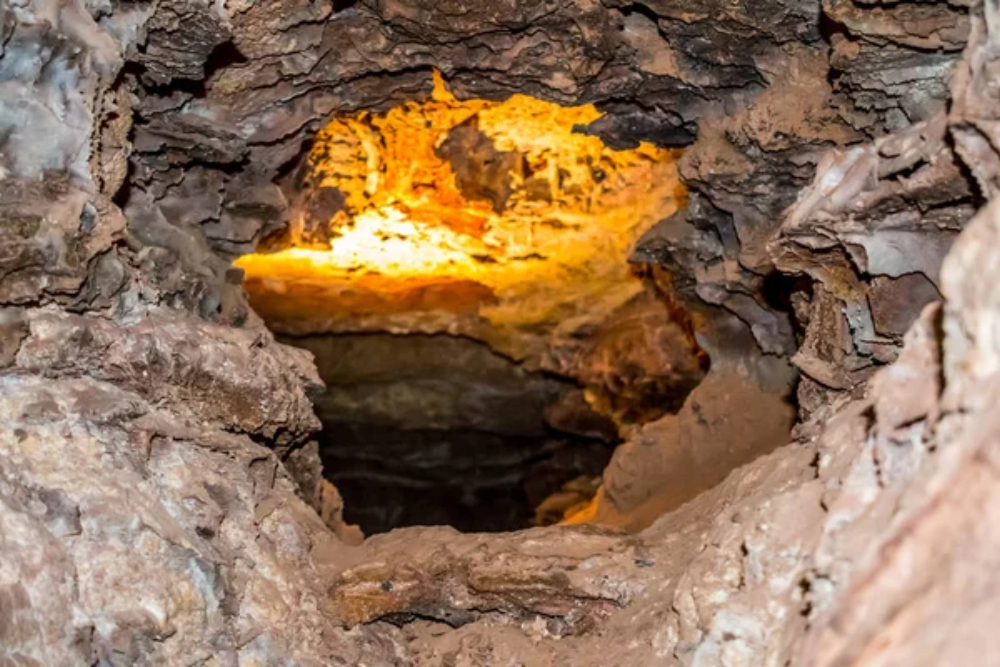
South Dakota’s Wind Cave protected Native American sacred objects used by Lakota peoples for generations. The cave’s unique air pressure system created stable conditions that preserved organic materials like eagle feathers and buffalo hide.
These artifacts provide valuable insights into Plains Indian culture, though many ceremonial items remain off-limits to researchers out of respect for tribal traditions.
Blanchard Springs Caverns
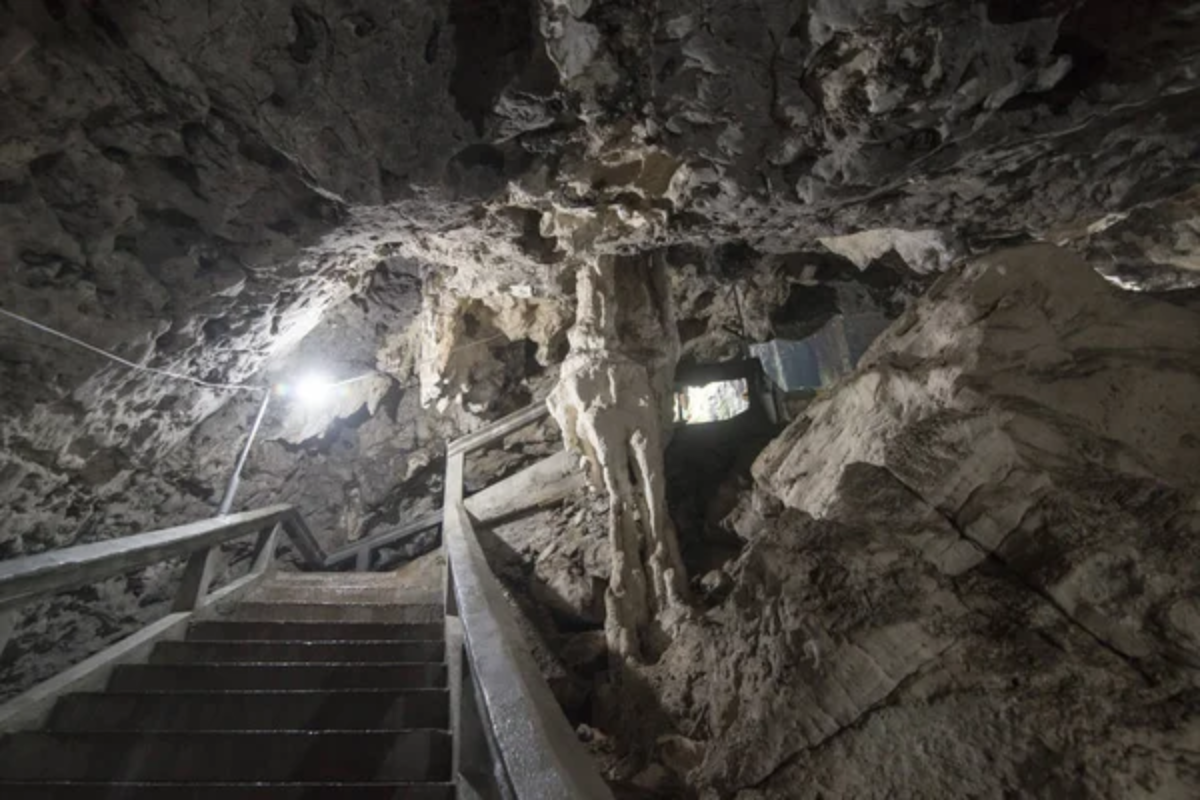
Arkansas’s showcase cave inadvertently became a repository for Civil War-era artifacts when Confederate soldiers used portions as hideouts. The cave’s constant 58-degree temperature preserved military equipment, personal letters, and everyday items from the 1860s.
Modern cave surveys continue to uncover buttons, buckles, and other relics from this turbulent period in American history, though systematic excavation remains limited.
Where Ancient Wisdom Meets Modern Discovery
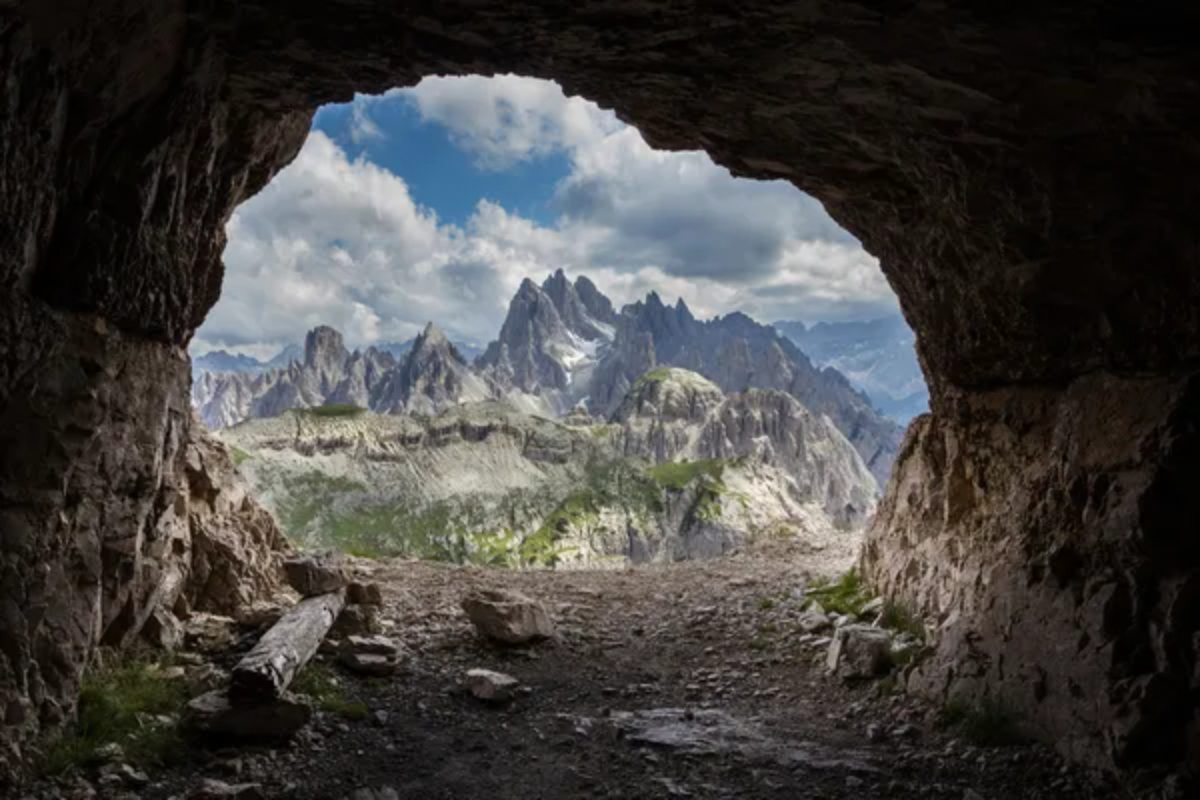
These underground sanctuaries remind us that sometimes the best protection comes from simply being forgotten. While modern climate-controlled museums use sophisticated technology to preserve our cultural heritage, these caves accomplished the same feat through geological accident and perfect timing.
Each discovery adds new chapters to humanity’s story. The most important treasures often lie hidden in the most unexpected places, waiting for the right moment to resurface.
More from Go2Tutors!

- The Romanov Crown Jewels and Their Tragic Fate
- 13 Historical Mysteries That Science Still Can’t Solve
- Famous Hoaxes That Fooled the World for Years
- 15 Child Stars with Tragic Adult Lives
- 16 Famous Jewelry Pieces in History
Like Go2Tutors’s content? Follow us on MSN.