16 Cascades That Catalyzed the Industrial Age
The rushing water that carved deep gorges and created spectacular natural wonders also became the lifeblood of human progress. Long before steam engines and coal-fired power plants, entrepreneurs and inventors looked to nature’s own energy source to drive their mills, forges, and factories. These cascading waters didn’t just shape landscapes—they shaped entire economies and transformed sleepy riverside communities into bustling industrial centers.
Here is a list of 16 waterfalls that became the unexpected catalysts of industrial growth, turning raw natural power into the foundation of modern manufacturing.
Paterson Falls

The Great Falls of Paterson in New Jersey drops 77 feet and generates enough force to power what Alexander Hamilton envisioned as America’s first planned industrial city. Hamilton chose this spot in 1791 specifically because the Passaic River’s dramatic plunge could drive multiple mills simultaneously.
The falls powered silk mills, locomotive works, and textile factories that made Paterson the ‘Silk City’ of America. Today, you can still see the original raceways and mill buildings that turned this natural wonder into an industrial powerhouse.
Niagara Falls

While tourists marveled at the spectacle, industrialists saw dollar signs in Niagara’s thundering waters. The falls generated so much power that entire industries relocated to take advantage of the cheap electricity produced by early hydroelectric plants built in the 1890s.
Aluminum smelting, chemical production, and electroplating operations clustered around both the American and Canadian sides. The combination of raw power and proximity to Great Lakes shipping made Niagara Falls a magnet for energy-intensive manufacturing that continues today.
Lowell Falls

The Merrimack River’s 32-foot drop at Pawtucket Falls became the foundation for America’s first major textile manufacturing center. Entrepreneurs dammed the river and created an intricate system of canals that distributed waterpower to dozens of cotton mills throughout Lowell, Massachusetts.
The setup was so efficient that by the 1850s, Lowell’s mills were producing over 50 million yards of cotton cloth annually. The city became a model for industrial planning, with boarding houses for workers and a canal system that still impresses engineers today.
Cohoes Falls

The Mohawk River’s spectacular 90-foot cascade at Cohoes, New York, attracted textile manufacturers who built what became known as the ‘Spindle City.’ The Harmony Manufacturing Company constructed massive mills right beside the falls, using the constant flow to power cotton and wool processing equipment.
The falls were so reliable that factories operated year-round, unlike many seasonal operations elsewhere. Cohoes became famous for producing the fine cotton fabric called ‘Cohoes muslin’ that was shipped throughout the growing nation.
Turner Falls
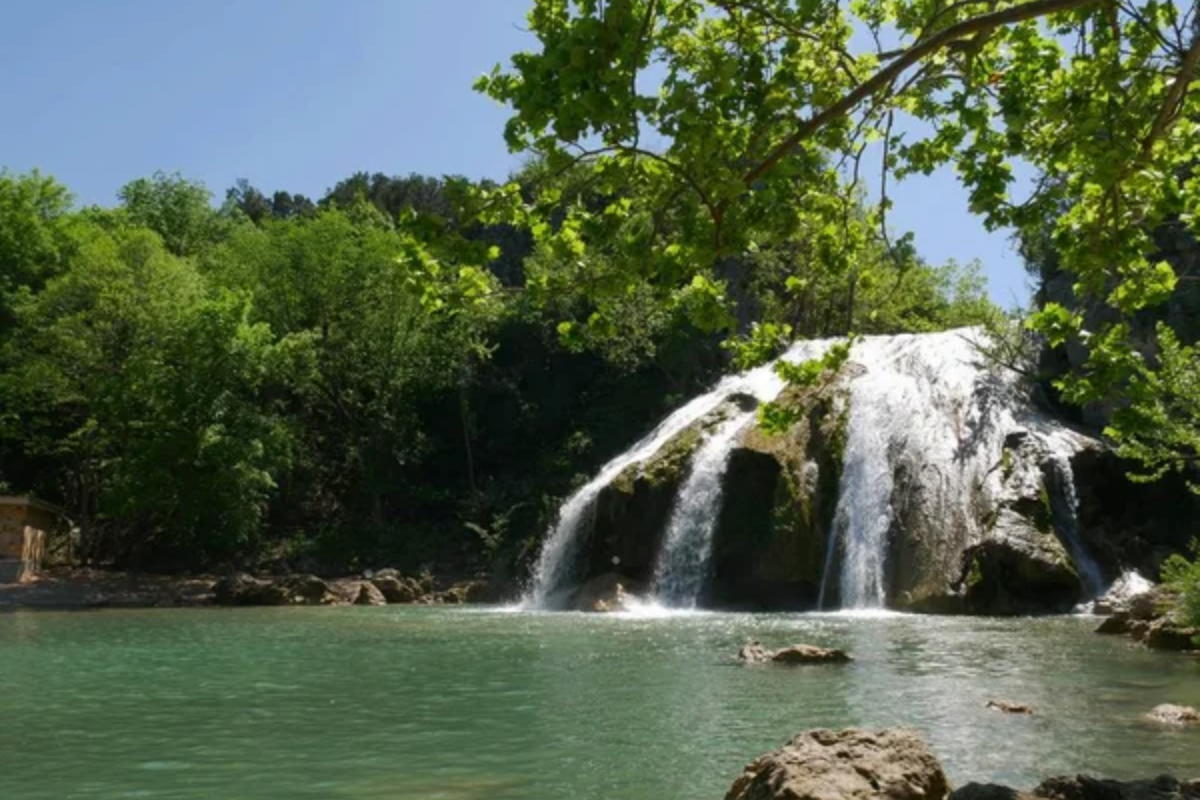
Massachusetts’ highest waterfall became the heart of a thriving paper and cutlery industry along the Connecticut River. The 48-foot drop provided consistent power for the Montague Paper Company and various knife manufacturers who took advantage of the excellent grinding power for sharpening blades.
The falls’ location at a natural river crossing made it easy to ship finished products downstream to larger markets. Turner Falls also powered one of the first hydroelectric plants in western Massachusetts, lighting the surrounding towns before electricity reached most rural areas.
Bellows Falls
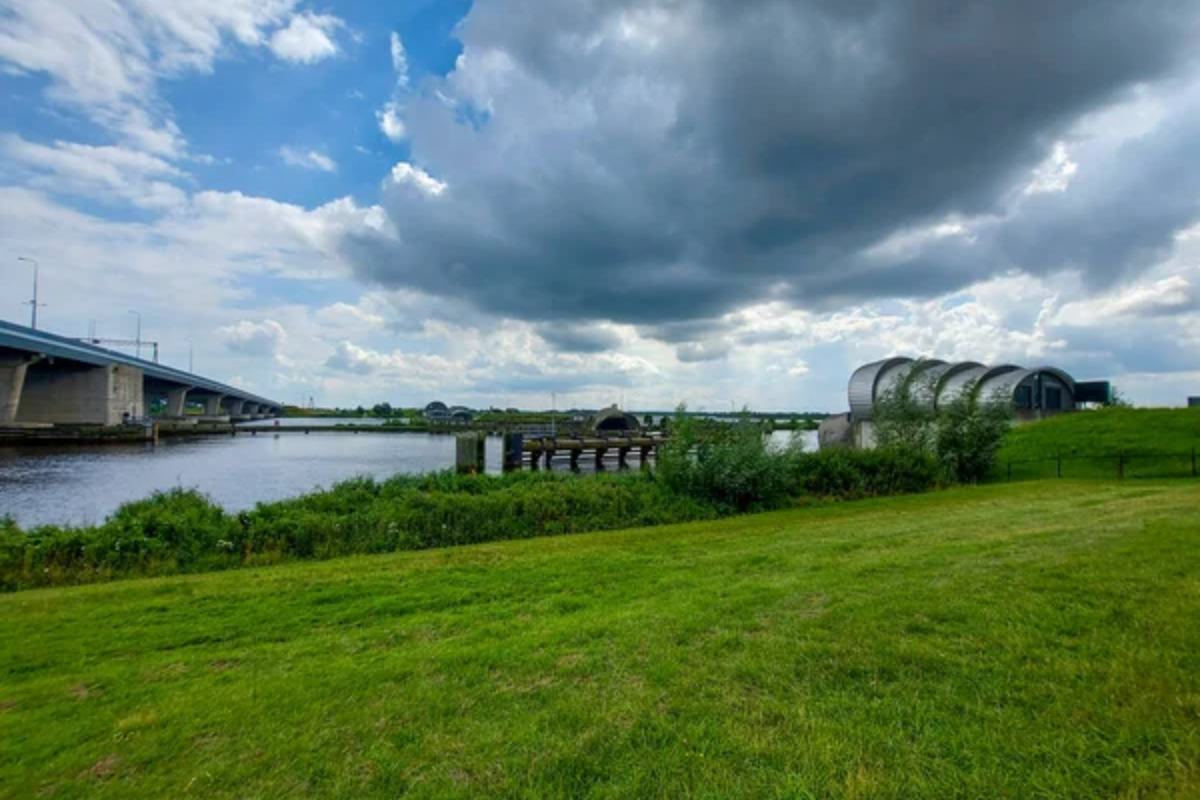
The Connecticut River’s dramatic rapids and 52-foot drop transformed this Vermont-New Hampshire border town into a manufacturing hub. Paper mills dominated the landscape, taking advantage of both the waterpower and the river transportation for raw materials and finished goods.
The Great Falls Cotton Factory became one of New England’s largest textile operations, employing hundreds of workers in a company town built around the falls. Canal systems bypassed the falls for navigation while channeling water to power wheels and turbines.
Winooski Falls

Vermont’s Winooski River falls powered Burlington’s early industrial growth, particularly in woolen textile production. The Champlain Mills used the falls’ energy to process wool from local farms into finished cloth, creating one of the state’s first major manufacturing operations.
The falls’ proximity to Lake Champlain provided easy transportation routes to Canadian and New York markets. The mills expanded rapidly during the Civil War when demand for military uniforms and blankets skyrocketed.
Spokane Falls

The dramatic multi-tiered falls of the Spokane River became the foundation for Washington’s second-largest city. Sawmills took immediate advantage of the falls’ power to process timber from the surrounding forests, while flour mills ground wheat from the fertile Palouse region.
The falls generated enough electricity to power the city’s streetcar system and made Spokane a regional manufacturing center. Mining equipment production flourished here, supplying the silver and gold rushes throughout the Pacific Northwest.
Minneapolis Falls

The only major waterfall on the Mississippi River became the birthplace of America’s flour milling industry. Saint Anthony Falls’ 65-foot drop powered the massive mills that processed wheat from Minnesota’s prairies into flour for the growing nation.
Companies like Washburn Crosby (later General Mills) and Pillsbury built enormous mills right at the falls, creating ‘Mill City.’ The combination of waterpower, river transportation, and railroad connections made Minneapolis the flour capital of the world by the 1880s.
Holyoke Falls
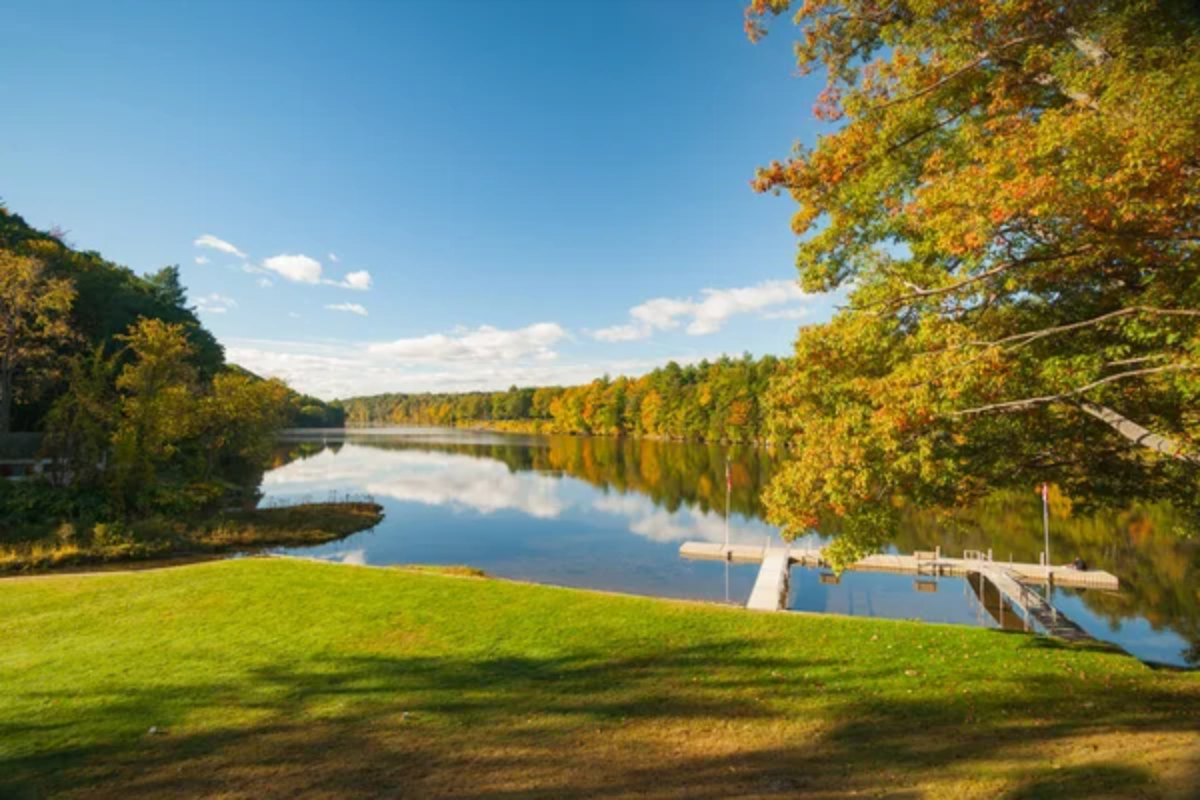
The Connecticut River’s falls at Holyoke, Massachusetts, were engineered into one of America’s most sophisticated industrial power systems. A dam created a controlled water flow that powered paper mills, textile factories, and machine shops through an elaborate canal network.
The city became known as the ‘Paper City’ because its mills produced everything from fine writing paper to industrial cardboard. Holyoke’s planned industrial layout influenced factory town design across New England.
Chicopee Falls

The Chicopee River’s falls powered some of New England’s most important early manufacturing, particularly the Springfield Armory’s operations. Water-powered trip hammers forged gun barrels and rifle parts that equipped American forces from the War of 1812 through the Civil War.
Textile mills also flourished here, producing cotton goods and the famous Chicopee cotton fabric. The falls’ reliable flow made precision manufacturing possible, contributing to the development of interchangeable parts production.
Lawrence Falls

The Merrimack River’s power at Lawrence, Massachusetts, created one of the world’s largest textile manufacturing centers. The planned industrial city used a sophisticated dam and canal system to distribute waterpower to massive brick mills that processed cotton from the South.
Lawrence became known as the ‘Immigrant City’ because its mills employed waves of newcomers from Ireland, French Canada, and Southern Europe. The falls powered the looms that wove cloth for America’s growing population and export markets.
Great Falls

The Potomac River’s dramatic falls near Washington, D.C., powered early manufacturing that supplied the nation’s capital. Flour mills processed grain from the Shenandoah Valley, while iron forges produced tools and hardware for the growing city.
The falls’ proximity to Georgetown made it easy to ship products to urban markets along the Atlantic coast. George Washington himself invested in companies that harnessed these falls’ power for manufacturing.
Tallulah Falls

Georgia’s spectacular 180-foot waterfall became a crucial power source for the state’s early textile industry. Cotton mills built along the Tallulah River used the falls’ energy to process raw cotton from nearby plantations into finished cloth.
The remote location kept operating costs low while the falls provided reliable power year-round. The mills helped establish Georgia’s textile industry that would dominate the state’s economy for over a century.
Cumberland Falls

Kentucky’s ‘Niagara of the South’ powered iron furnaces and mills that supplied the expanding western frontier. The 90-foot-wide falls provided enough energy to operate blast furnaces that turned local iron ore into tools, horseshoes, and hardware needed by settlers.
Gristmills ground corn from surrounding farms, while sawmills processed timber for construction. The falls’ power helped establish Kentucky’s early industrial base before coal mining transformed the state’s economy.
Glen Falls
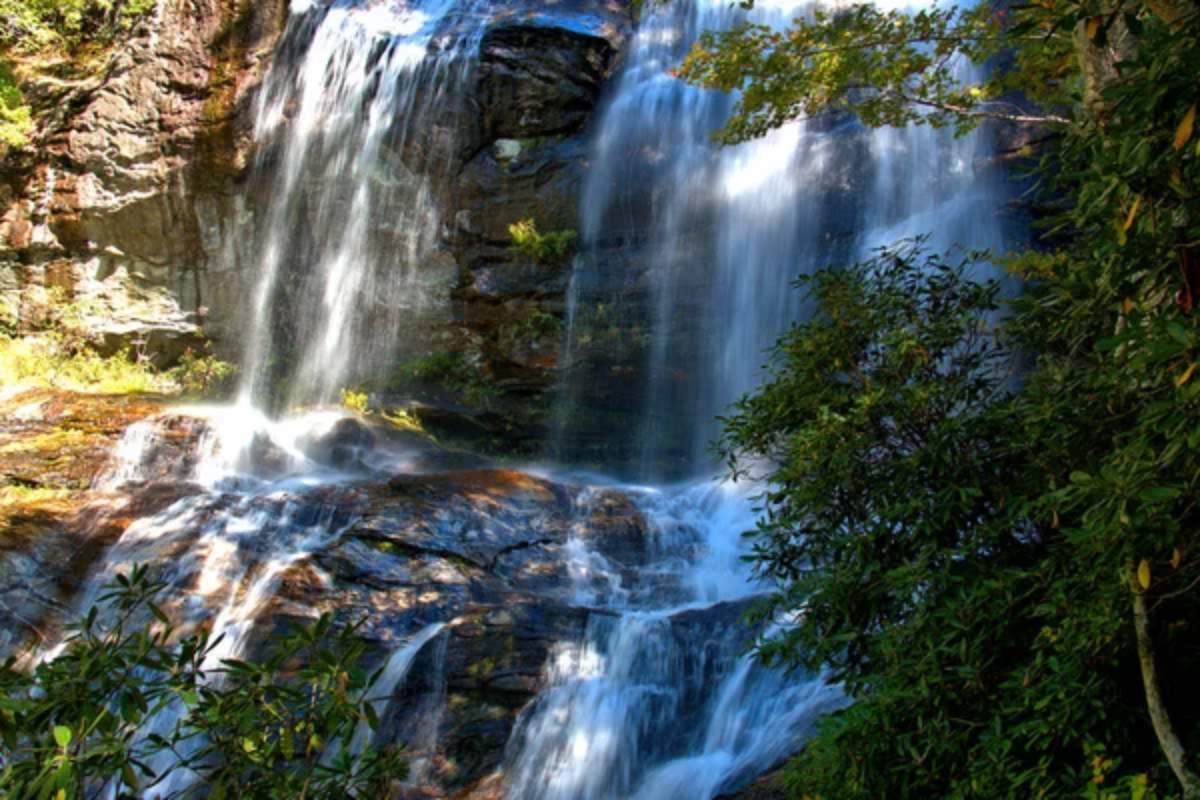
The Hudson River’s falls at Glens Falls, New York, became the center of the region’s lumber industry. Sawmills used the waterpower to process logs floated down from the Adirondack Mountains, creating one of America’s largest lumber markets.
Paper mills followed, taking advantage of both the waterpower and abundant wood supply to produce newsprint for growing cities. The falls also powered limestone quarrying operations that provided building materials for construction throughout the Northeast.
Where Waters Still Turn Wheels

These sixteen waterfalls remind us that our industrial heritage flows directly from nature’s power sources. Many of these sites still generate electricity today, their turbines spinning where wooden waterwheels once turned, proving that renewable energy isn’t a new concept but our oldest one.
The mill towns and factory cities that grew around these falls shaped American manufacturing, immigration patterns, and urban development in ways that echo through our modern economy. While we’ve moved beyond water-powered looms and trip hammers, these cascading waters continue to light our homes and power our communities, just as they did for America’s first industrial pioneers.
More from Go2Tutors!

- The Romanov Crown Jewels and Their Tragic Fate
- 13 Historical Mysteries That Science Still Can’t Solve
- Famous Hoaxes That Fooled the World for Years
- 15 Child Stars with Tragic Adult Lives
- 16 Famous Jewelry Pieces in History
Like Go2Tutors’s content? Follow us on MSN.



