18 Athletes Who Changed Their Sports Forever
Sports history overflows with jaw-dropping moments and legendary rivalries that stick with us for decades. But every so often, an athlete comes along who does something bigger than just winning games or breaking records.
They actually change the game itself. Here’s a rundown of 18 athletes who completely flipped their sports on their heads, leaving behind changes that we still see today.
Babe Ruth

Before Ruth showed up, baseball was all about playing it safe. Batters focused on getting on base, stealing, bunting – basically anything except swinging for the stands. Ruth had other ideas.
He figured out that fans loved watching home runs, and more importantly, that power hitting actually won games. The guy basically invented the modern baseball offense while turning himself into the biggest celebrity in America.
Baseball went from being a gentleman’s game to pure entertainment.
Muhammad Ali
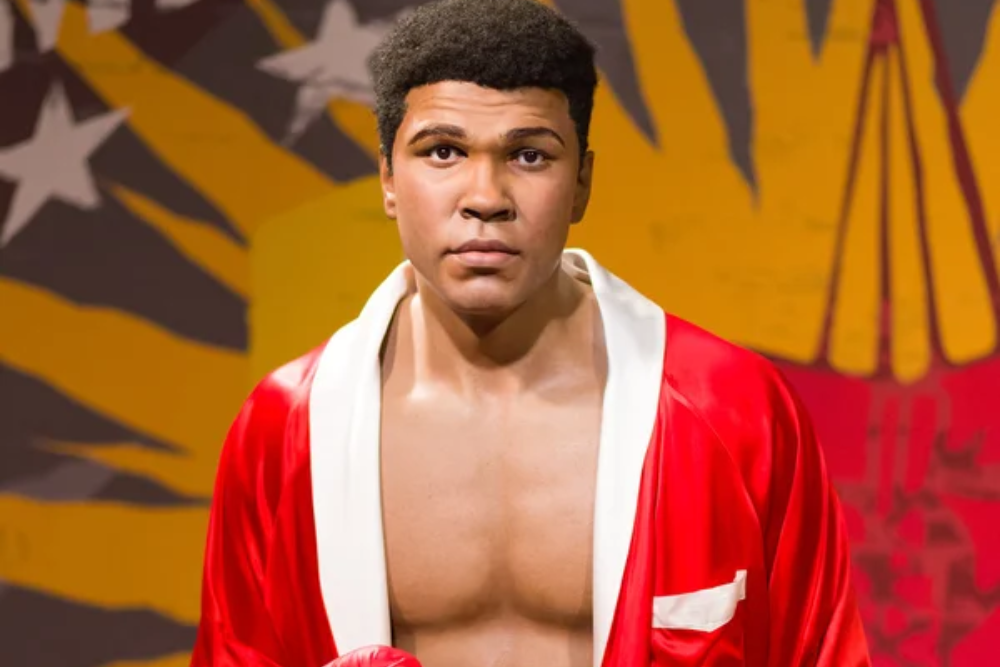
Most heavyweight boxers before Ali stood in one spot and traded punches until someone fell down. Ali floated around the ring like he was dancing at a wedding, which drove opponents absolutely crazy.
But his real revolution happened outside the ring. Ali refused to stay quiet about Vietnam and civil rights when most athletes kept their mouths shut about politics.
He showed future generations that being an athlete didn’t mean you had to check your opinions at the door.
Like Go2Tutors’s content? Follow us on MSN.
Michael Jordan
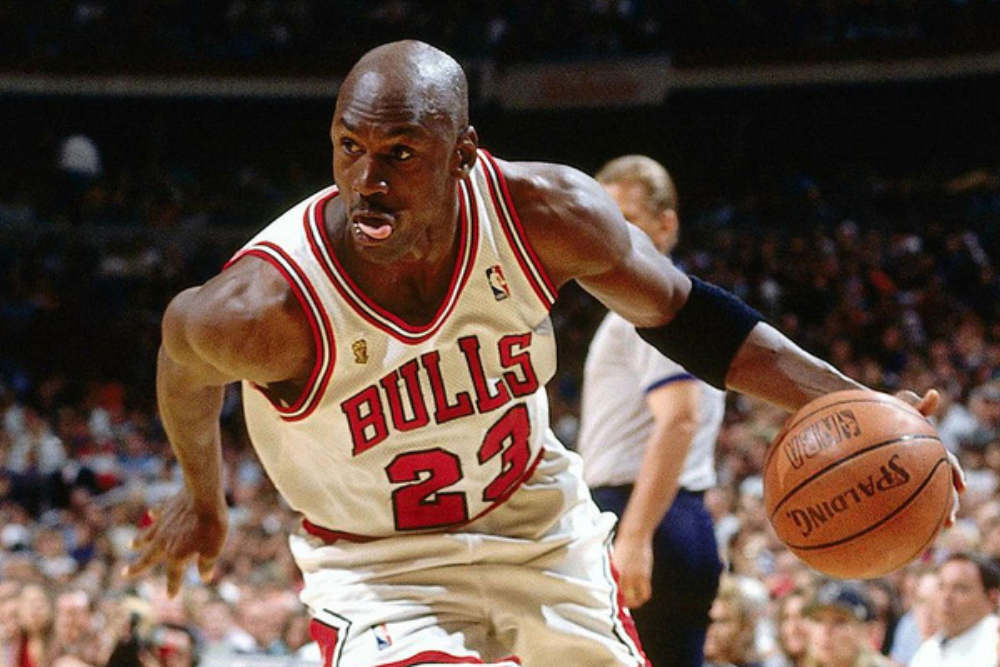
Jordan turned basketball into a global obsession that reached places the sport had never touched before. Sure, he was incredible on the court, but his real genius was understanding that athletes could be brands.
Those Air Jordan shoes created a whole new industry where sports, fashion, and lifestyle all crashed together. Today’s athlete endorsement deals exist because Jordan proved that the right personality could sell anything.
Jackie Robinson
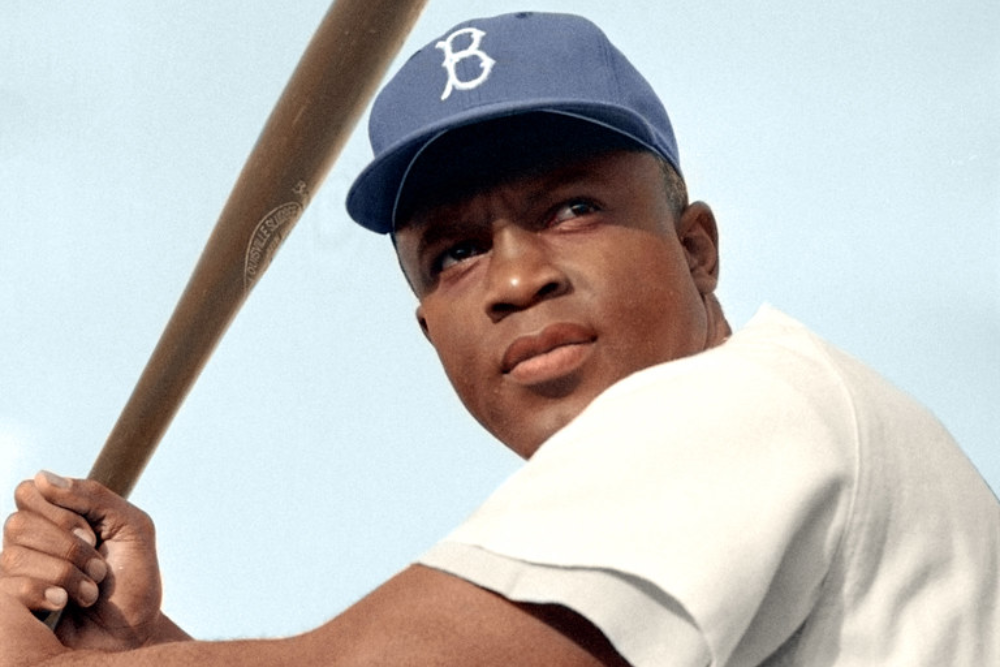
Robinson broke baseball’s color barrier in 1947, but calling him just a baseball player misses the point entirely. The man faced death threats, verbal abuse, and isolation that would break most people, yet he kept playing at an elite level while maintaining incredible dignity.
Robinson proved integration could work in professional sports, which gave the civil rights movement a powerful example to point to.
Tiger Woods

Golf used to be seen as a country club sport for older, wealthy folks who moved at the speed of molasses. Woods brought athletic conditioning, mental toughness, and explosive power that nobody had seen before on a golf course.
He attracted millions of fans who’d never cared about golf, turning weekend tournaments into must-watch television events that rivaled the Super Bowl.
Like Go2Tutors’s content? Follow us on MSN.
Serena Williams
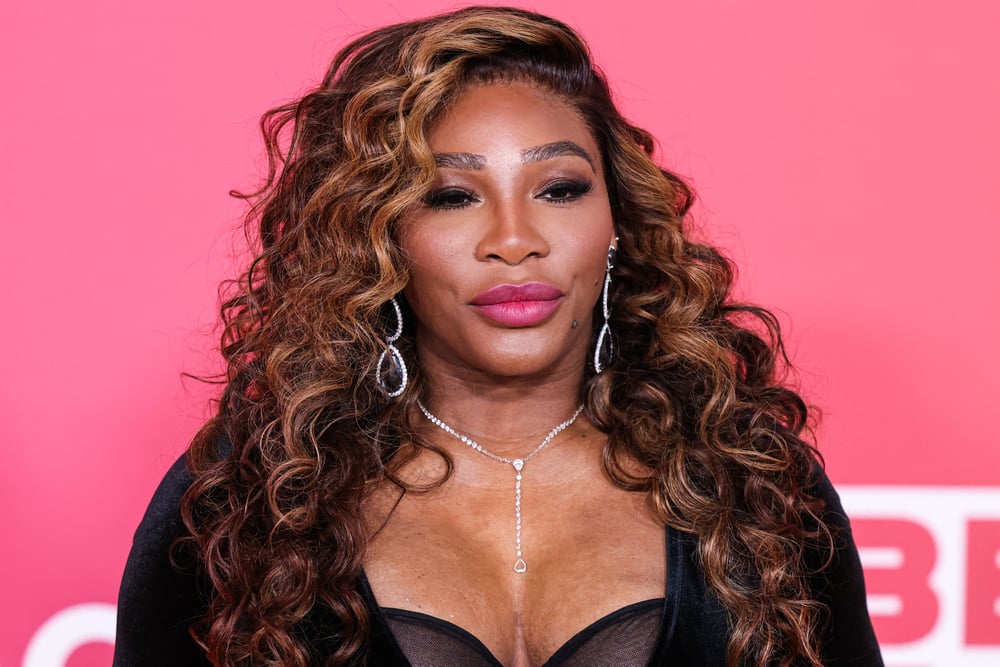
Williams didn’t just dominate women’s tennis – she forced everyone else to completely rethink how the game should be played. Her serve regularly hit speeds that made male players jealous, and her aggressive baseline game made traditional finesse players look outdated.
Beyond tennis, she became one of the most vocal advocates for equal treatment and pay in women’s sports, using her platform to demand better for all female athletes.
Wayne Gretzky

Hockey before Gretzky was mostly about big guys checking each other into the boards and hoping someone could score a goal or two. The Great One turned it into an art form where vision and creativity mattered more than size.
His assist records are even more ridiculous than his goal totals, which tells you everything about how he saw the game differently than everyone else. Gretzky made hockey beautiful to watch.
Pelé
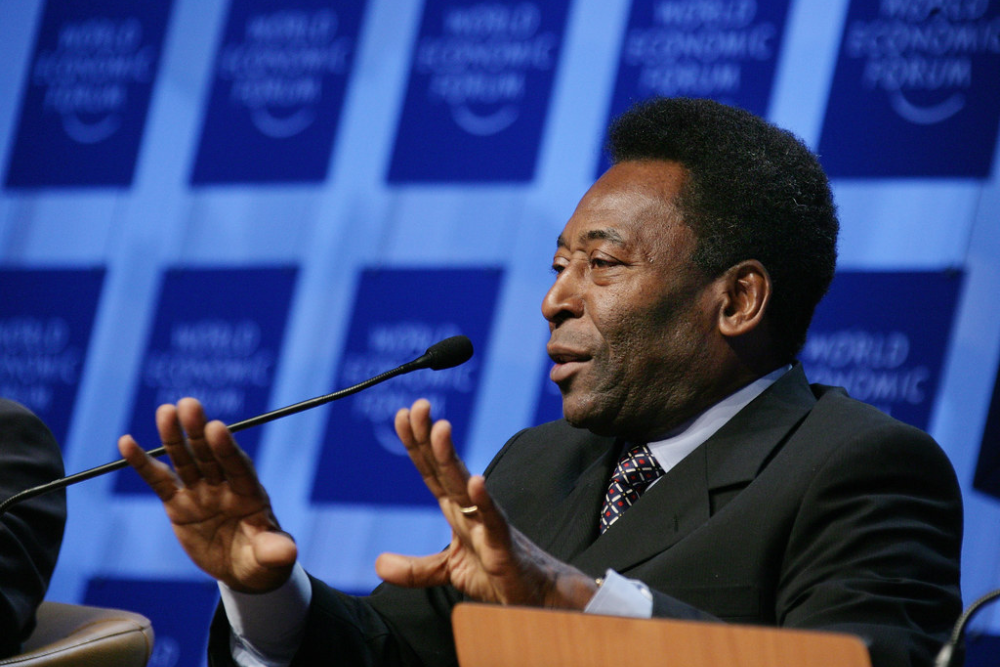
Soccer was already popular worldwide when Pelé started playing, but he took it to another level entirely. His style was pure joy – he played like a kid having fun in the backyard, except he was doing it against the world’s best players.
Pelé became soccer’s first global ambassador, using his fame to promote peace and unity between countries that often couldn’t agree on anything else.
Like Go2Tutors’s content? Follow us on MSN.
Jim Brown
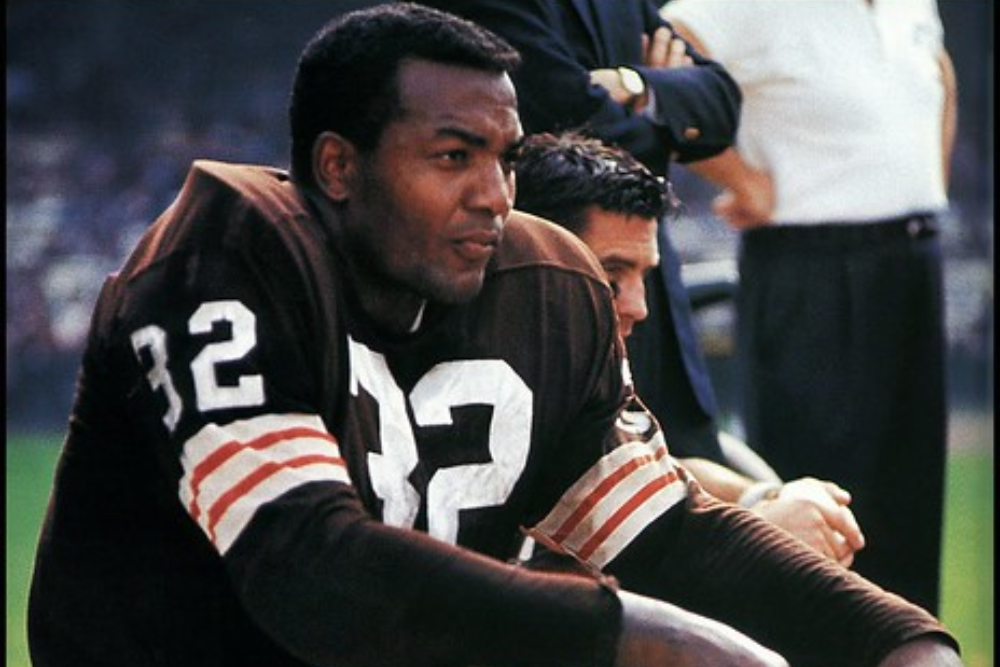
Running backs before Brown either ran between the tackles or bounced outside – they didn’t do both while running through defenders like they were made of tissue paper. Brown combined size, speed, and power in ways that seemed physically impossible.
He also walked away from football at his peak to become an actor and activist, showing that athletes didn’t have to play until their bodies gave out.
Billie Jean King

The ‘Battle of the Sexes’ match against Bobby Riggs drew 90 million viewers, which proved that women’s sports could attract massive audiences when promoted properly. King didn’t just win that match – she used it as a launching pad to fight for equal prize money and better treatment for female athletes.
Her efforts created the Women’s Tennis Association and changed how women’s sports were viewed and funded.
Magic Johnson
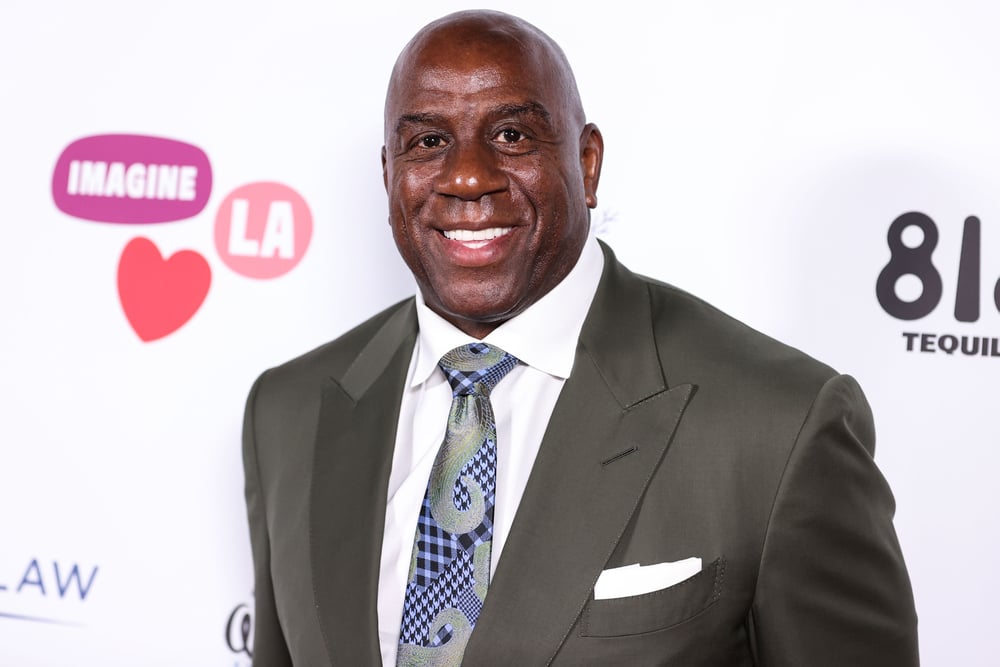
Nobody thought a 6’9″ player could run point guard effectively until Magic came along and made it look effortless. His no-look passes and incredible court vision turned the Lakers into ‘Showtime,’ which made basketball faster and more entertaining.
The Magic-Bird rivalry also saved the NBA from seriously declining popularity in the late 70s, setting up the league’s explosive growth in the 80s and 90s.
Like Go2Tutors’s content? Follow us on MSN.
Jesse Owens
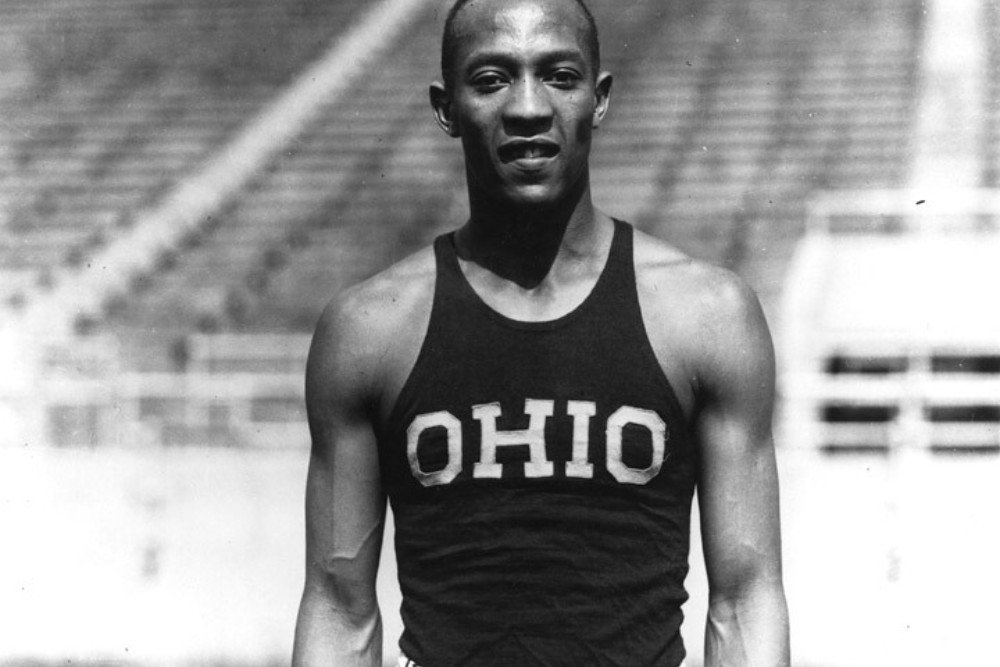
Owens won four gold medals at the 1936 Berlin Olympics, which would be impressive under any circumstances. Doing it in front of Hitler while proving that athletic excellence had nothing to do with race made it historically significant.
His performance challenged racist ideologies on the world’s biggest stage and demonstrated how sports could be used to promote human dignity and equality.
Martina Navratilova

Women’s tennis players before Navratilova relied mostly on finesse and court positioning. She brought unprecedented fitness levels and an aggressive net-rushing style that caught opponents completely off guard.
Her incredible conditioning showed that strength training could give female athletes significant advantages, while her openness about being gay helped advance LGBTQ+ acceptance in professional sports.
Tom Brady

Most quarterbacks decline significantly after age 35, but Brady kept playing at an elite level until he was 45. His seven Super Bowl wins and 23-year career completely changed how people think about athletic longevity.
Brady’s obsessive attention to diet, fitness, and preparation influenced athletes across all sports to take better care of their bodies and extend their careers.
Like Go2Tutors’s content? Follow us on MSN.
Shaquille O’Neal
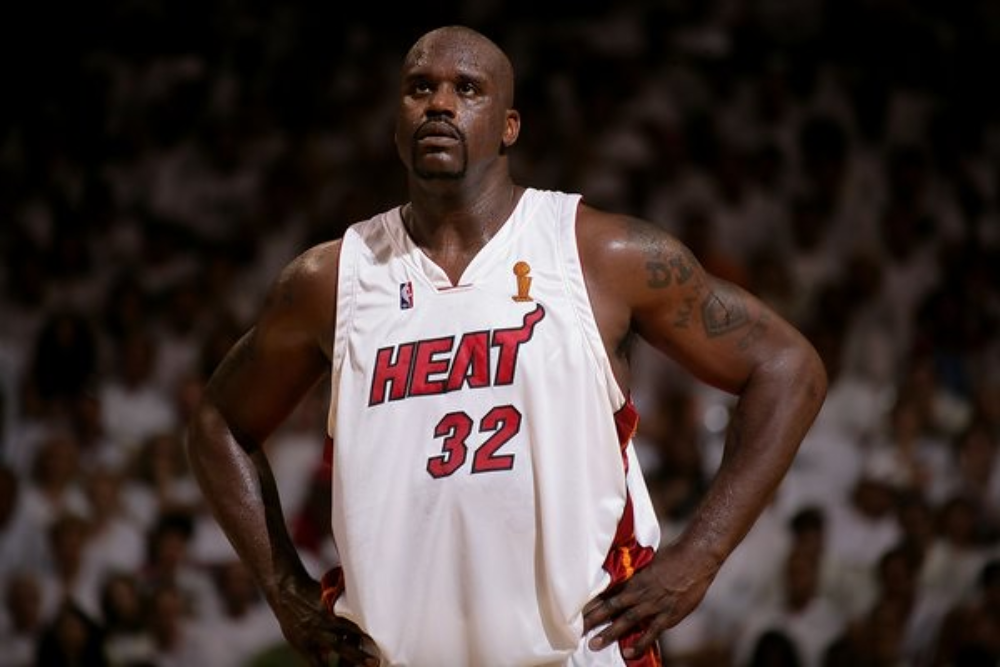
Big men in basketball were usually slow and limited to playing near the basket. Shaq combined massive size with surprising speed and agility that seemed to defy physics. His dominance forced the NBA to change rules and made teams completely rethink how they built their rosters around centers.
Off the court, Shaq showed how athletes could build entertainment empires by leveraging their personalities.
Ted Williams
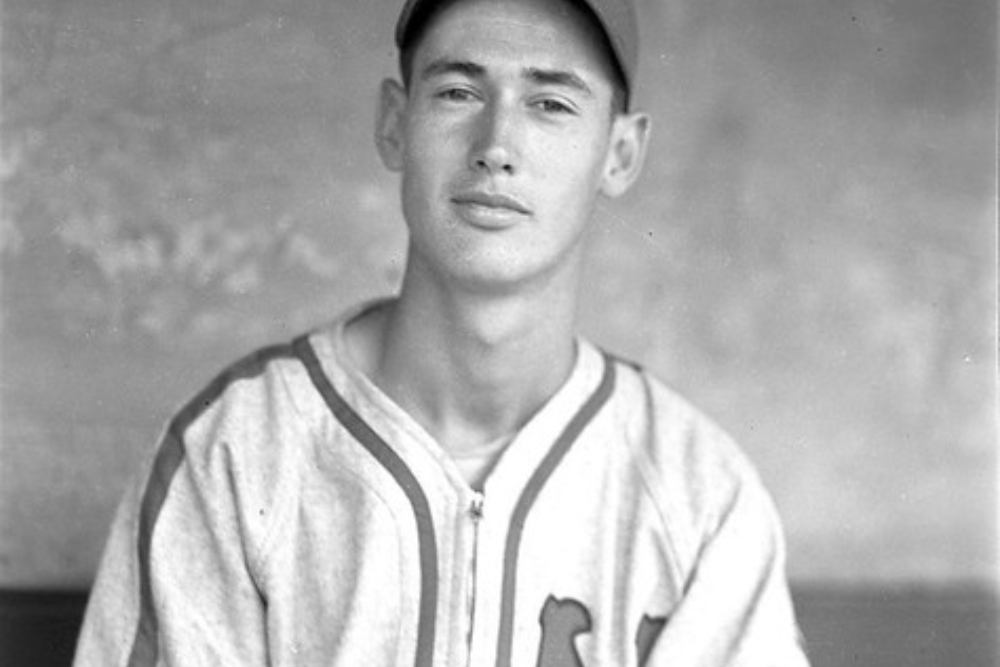
Williams approached hitting like a scientist studying a complex equation. His book ‘The Science of Hitting’ introduced analytical thinking to baseball hitting instruction and influenced generations of players and coaches.
He was also one of the first athletes to openly discuss the mental side of performance, which helped establish sports psychology as a legitimate field.
Kareem Abdul-Jabbar

Abdul-Jabbar’s skyhook was the most unstoppable shot in basketball history, helping him hold the all-time scoring record for nearly 40 years. His incredible longevity showed that proper conditioning and technique could extend careers far beyond what anyone thought possible.
Away from basketball, he consistently spoke out on social issues, continuing the tradition of athlete activism.
Like Go2Tutors’s content? Follow us on MSN.
Sandy Koufax
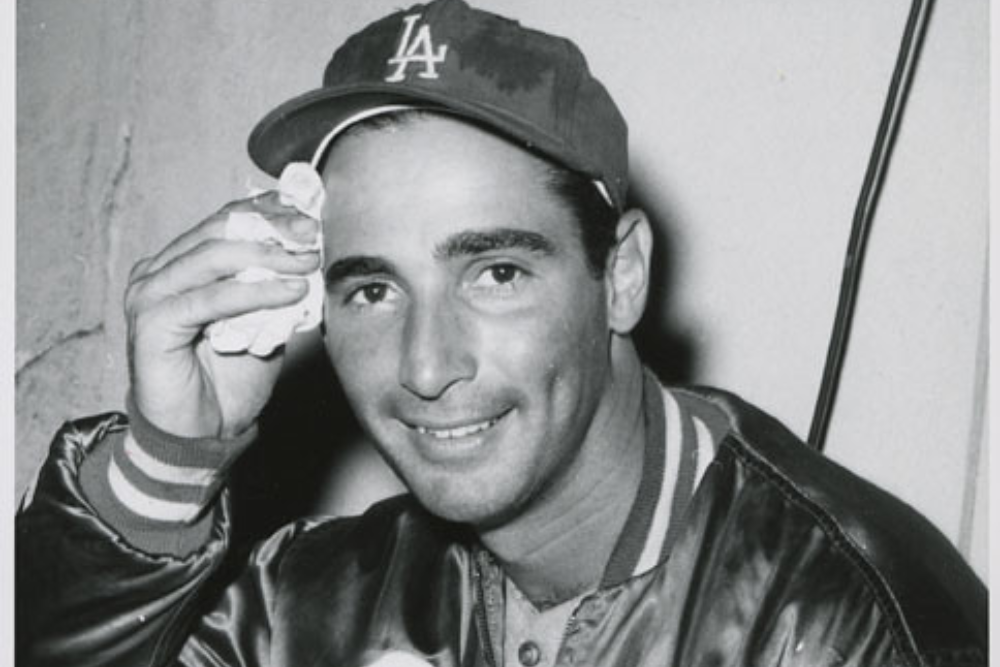
Koufax’s fastball-curveball combination was so devastating that hitters looked helpless against him during his peak years in the 1960s. His dominance as a left-handed pitcher influenced how managers constructed lineups against southpaws for decades.
Koufax also showed the importance of walking away at the right time, retiring at his peak due to arm problems rather than risking permanent damage.
Still Shaping Today’s Game

These athletes didn’t just excel at their sports – they rewrote the rules about what was possible. Their technical innovations, training methods, and approaches to competition continue influencing how modern athletes prepare and perform.
Many of the standards they set remain the gold standard in their respective sports. Most importantly, they proved that true greatness means elevating your entire sport and inspiring others to push beyond what anyone thought was achievable.
More from Go2Tutors!

- 16 Historical Figures Who Were Nothing Like You Think
- 12 Things Sold in the 80s That Are Now Illegal
- 15 VHS Tapes That Could Be Worth Thousands
- 17 Historical “What Ifs” That Would Have Changed Everything
- 18 TV Shows That Vanished Without a Finale
Like Go2Tutors’s content? Follow us on MSN.