Unusual Facts About the World’s Ancient Oceans
Long before the continents settled and the seas turned blue, Earth’s oceans were wild, shapeshifting things—boiling, freezing, vanishing, and reappearing again. They changed colour, carried alien gases, and birthed life in conditions that would kill most creatures today.
Here’s a list of strange, surprising truths about the planet’s earliest oceans—the kind that made our modern seas look tame by comparison.
The First Oceans Were Boiling
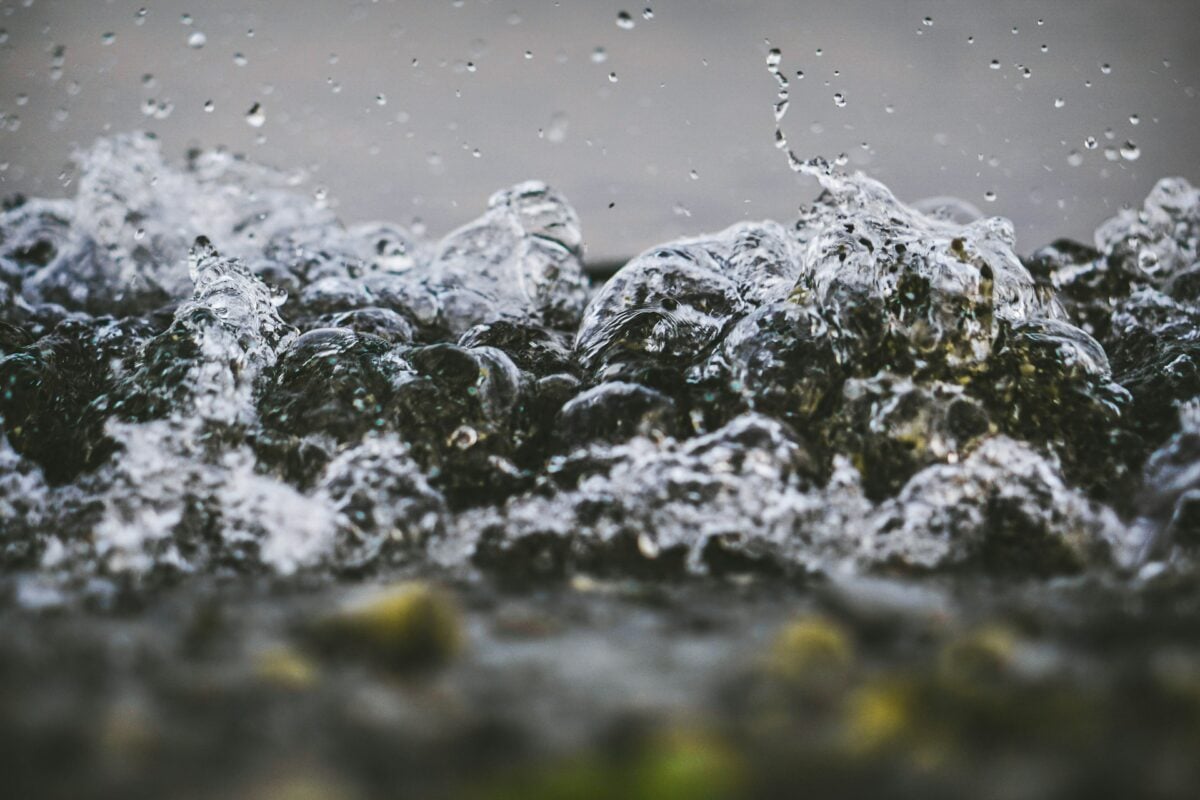
Early Earth wasn’t exactly hospitable. Temperatures were so high that water barely managed to stay liquid.
Steam thickened the skies, falling as rain that hissed and boiled the moment it touched the ground. Only when the planet finally cooled—slightly—did oceans start to settle into place.
Still, they probably stayed near 200°F. A nice day for rocks, not for life.
Oceans Once Rained From Space
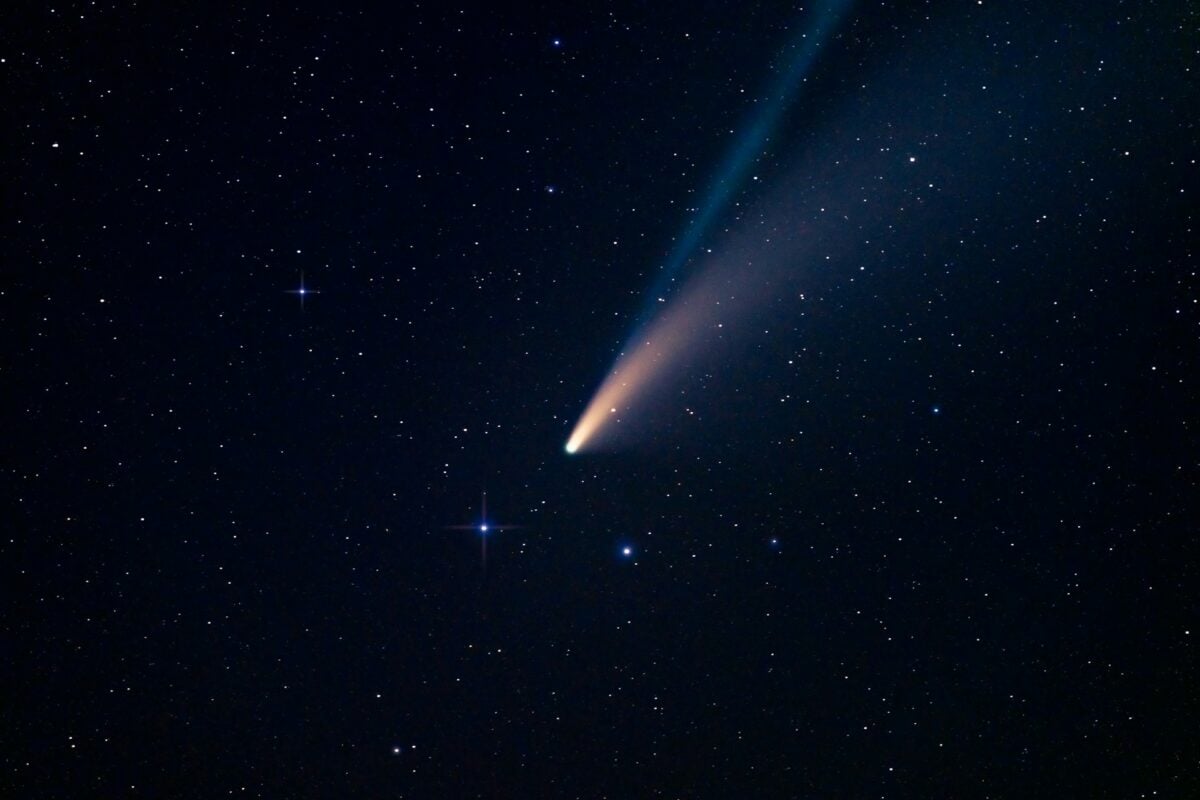
Much of Earth’s water didn’t even start here. Icy comets and asteroids bombarded the young planet, releasing water with every impact.
Think of it as a cosmic delivery service gone berserk. The process took millions of years, each collision adding a drop—until the world drowned itself into blue.
They Used to Be Green—Then Red
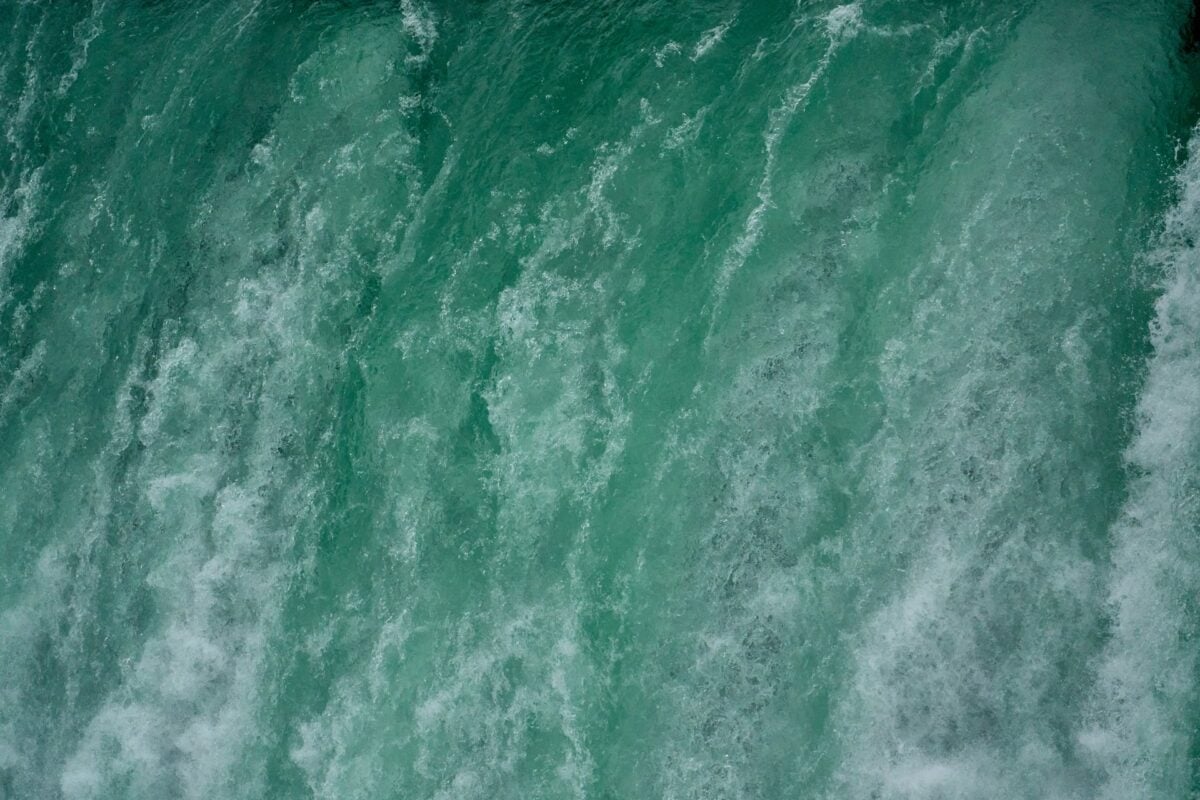
Before oxygen took over the atmosphere, the seas glowed green from iron and microbial life. When oxygen finally arrived, it reacted with all that iron, rusting the oceans red.
Imagine entire coastlines tinted the colour of blood. Not symbolic, just science. Still, eerie to picture.
Life Began in Tiny Ocean Puddles
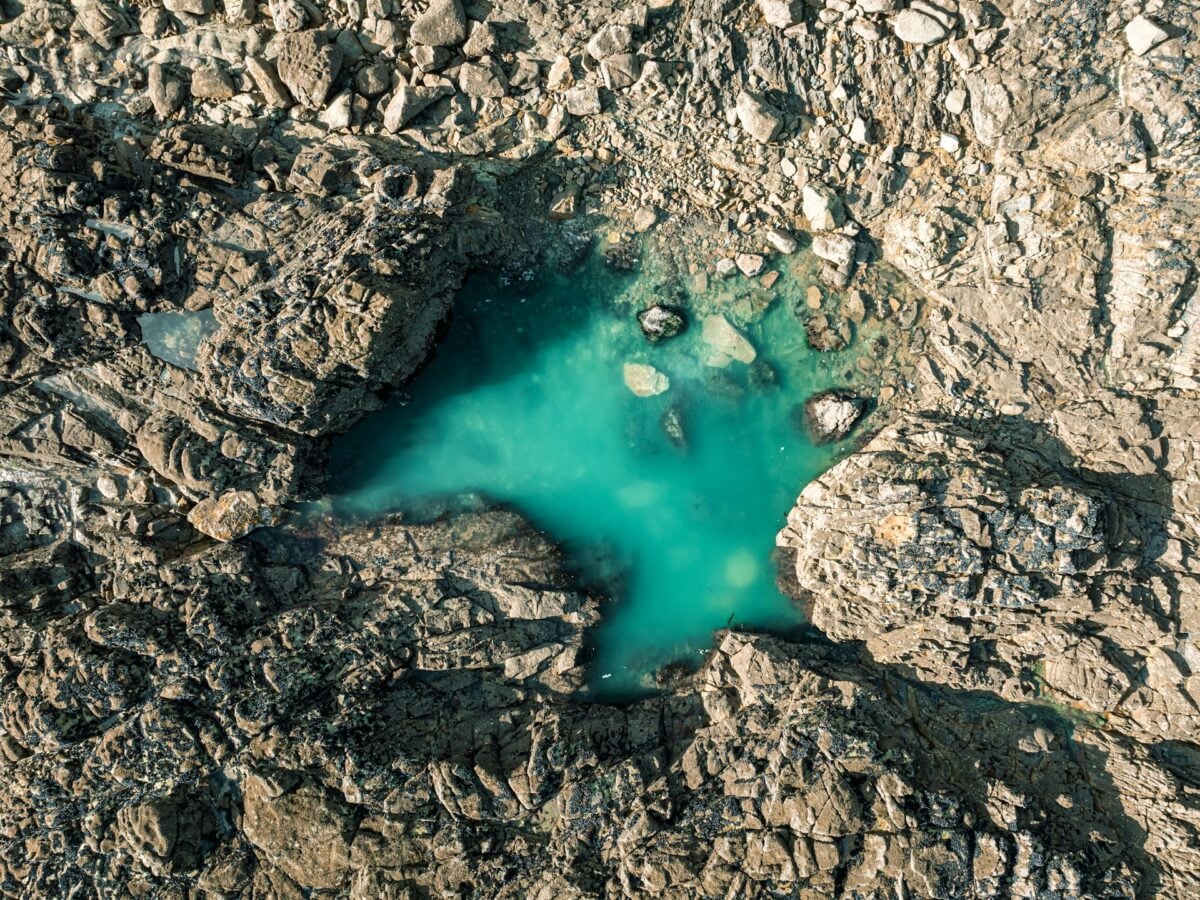
The first cells didn’t appear in deep oceans but in shallow, mineral-rich pools near volcanic vents. It was loud, hot, and full of toxic gases—but ideal for chemistry.
Those same conditions may exist on other planets, too. So if life ever pops up elsewhere, it might begin in a similar mess of bubbles and heat.
There Were Entire Seas of Microbes
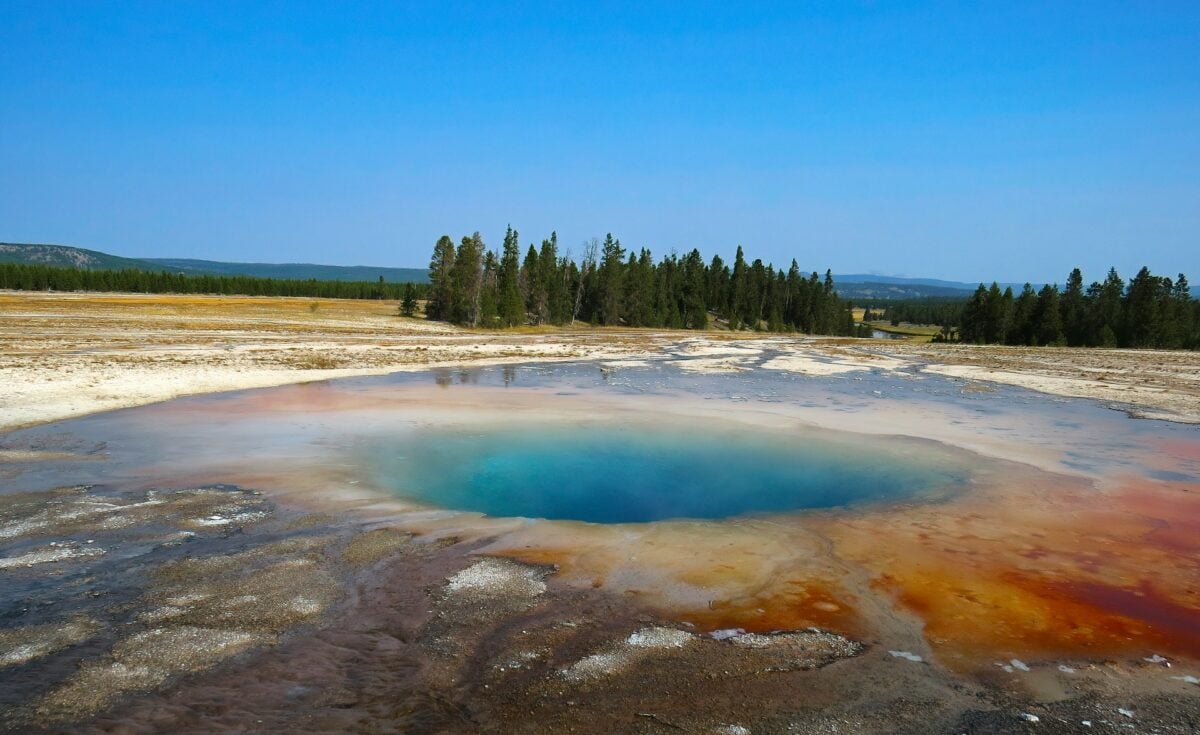
For over a billion years, no fish, no coral, no whales—just layers of slimy microbes coating the seabed. They formed strange, wavy mounds called stromatolites, still visible in parts of Australia today.
Stand next to them and you’re practically staring at Earth’s memory. Silent, patient, ancient.
Once, the Ocean Froze Solid
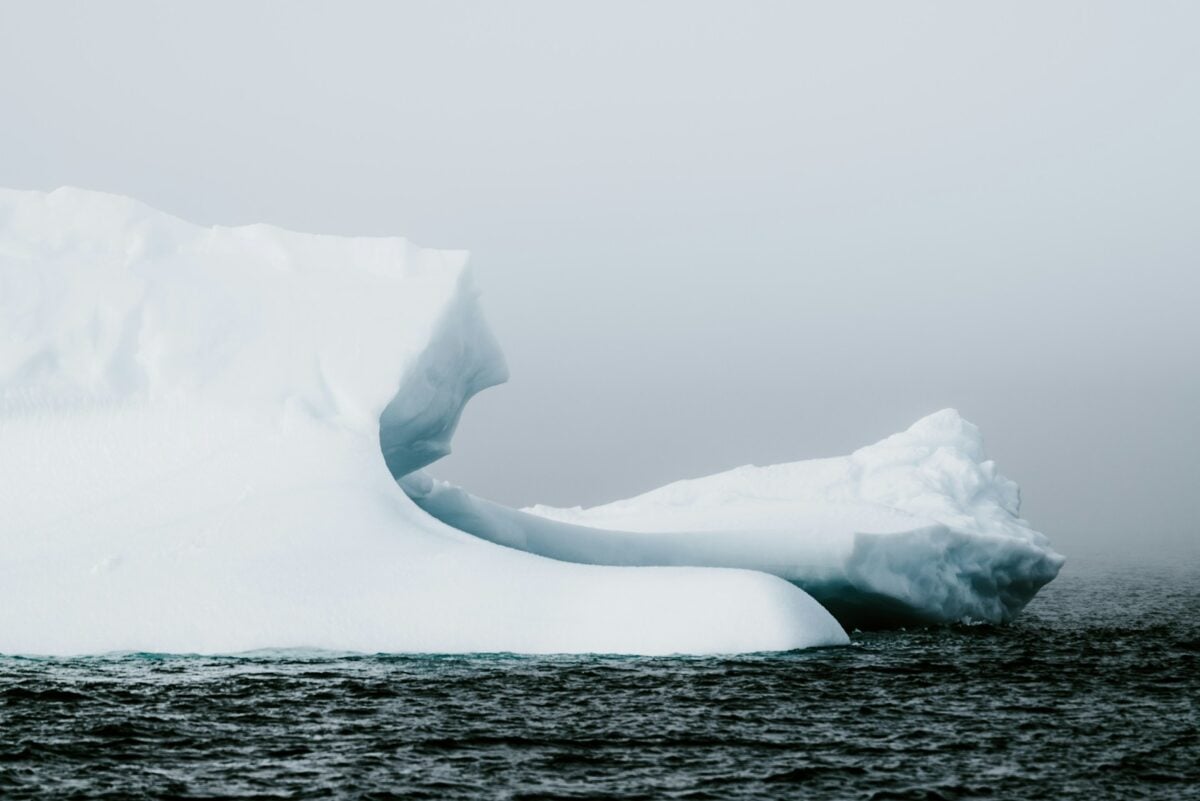
Roughly 700 million years ago, Earth turned into a snowball. Ice spread from pole to pole, sealing the oceans under a frozen shell.
Beneath it, small pockets of water remained—dark, pressurised, alive with microscopic survivors. When the ice melted millions of years later, life exploded again.
Cold pause, then chaos.
There Was an Ocean on Top of an Ocean
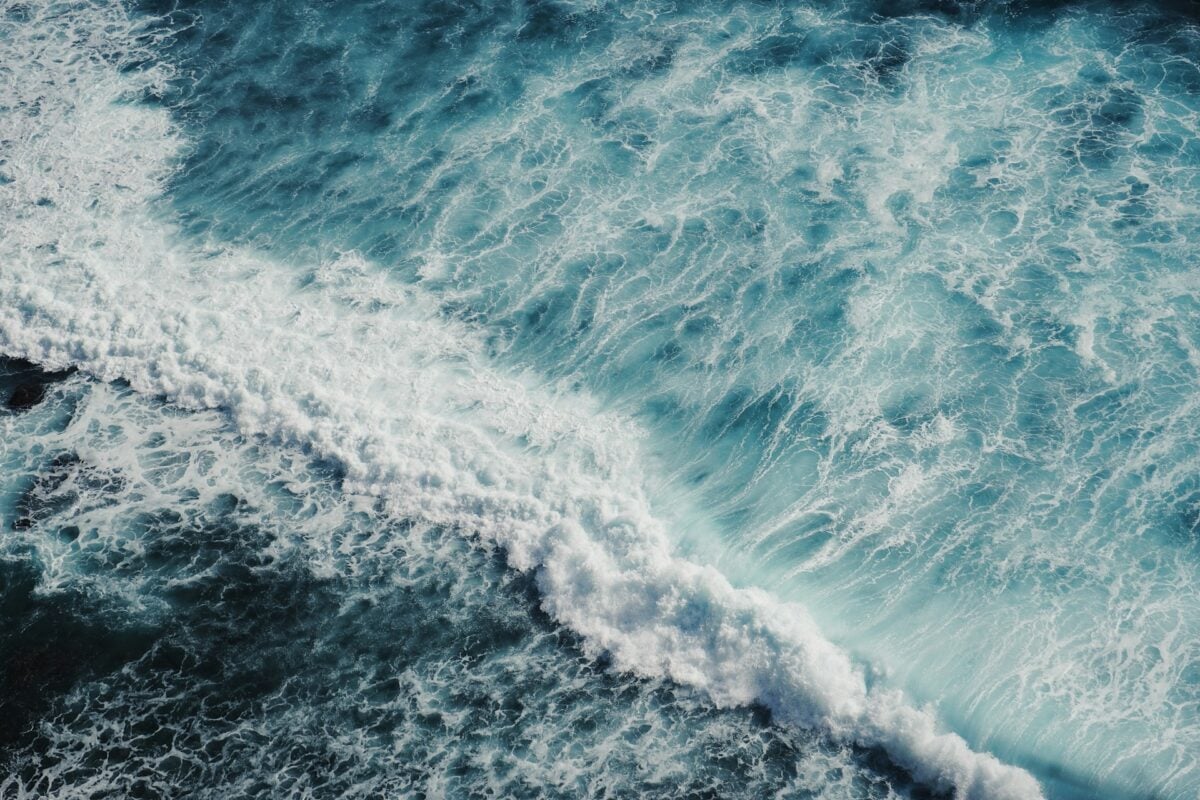
During the Jurassic, layers of water separated into distinct levels—fresh above, salt below. Each layer hosted different life, like apartments stacked on top of one another.
The bottom layer lacked oxygen entirely, thriving only with strange bacteria that glowed faintly. Two worlds sharing the same sea.
The Ancient Ocean Smelled Awful
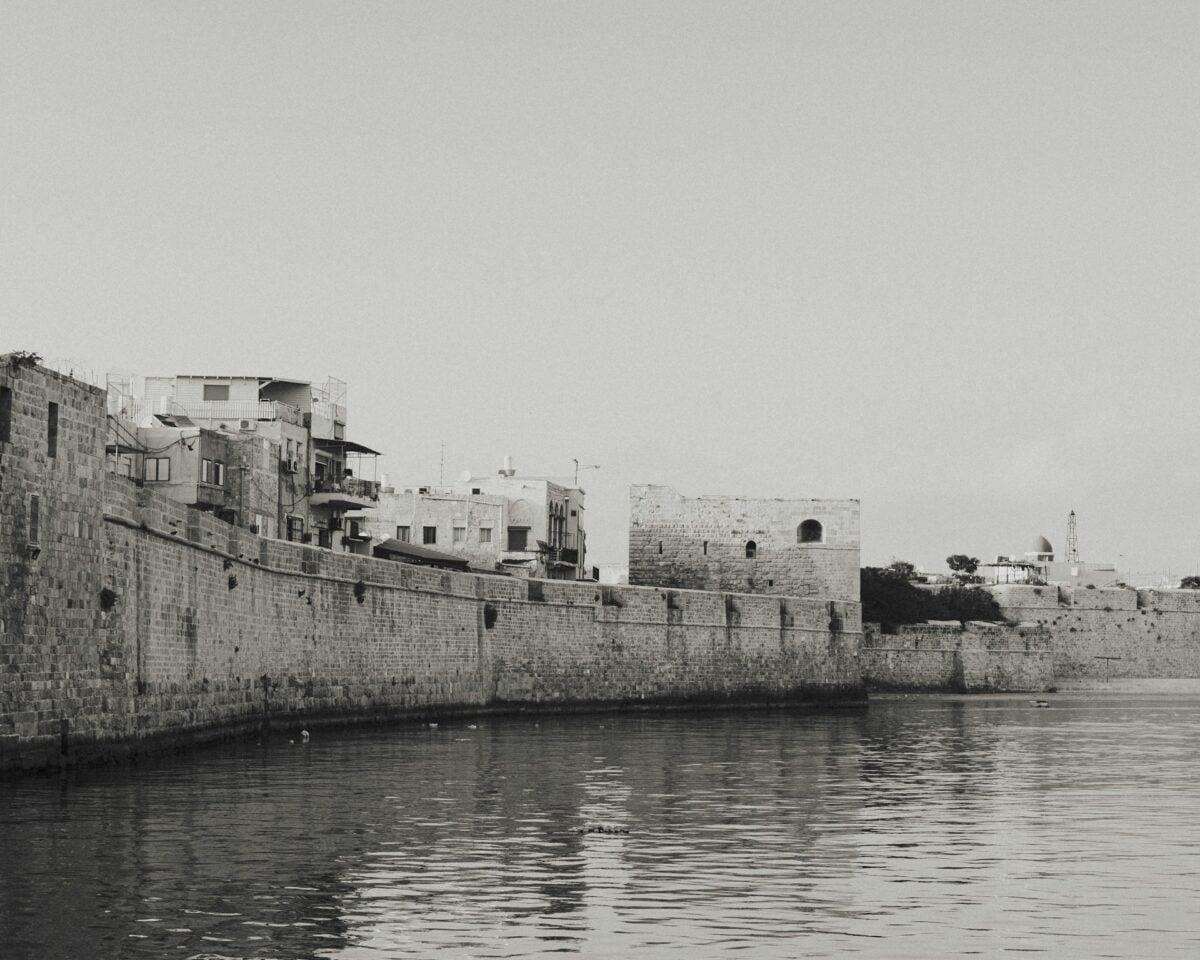
Rotten eggs. That’s the general consensus. The early oceans reeked of hydrogen sulphide gas from decaying matter.
Whole regions may have smelled foul enough to make breathing dangerous. Still, that stench helped feed early oxygen-making organisms.
A small price for evolution—if you ignored the smell.
Giant Sea Scorpions Once Ruled the Waves
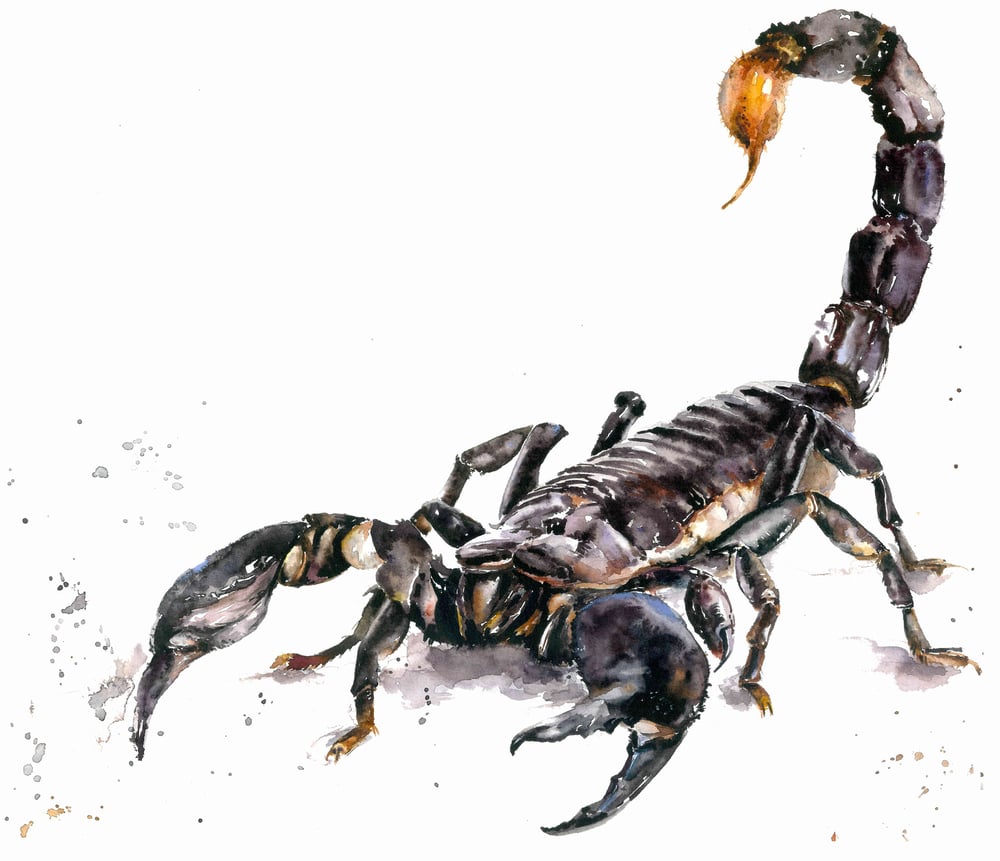
Before fish became the big predators, massive sea scorpions dominated the shallows. Some stretched over 8 feet long, armour glinting as they prowled for prey.
Their claws could crush almost anything that crossed their path. Then they vanished, victims of shifting oceans.
Probably for the best.
The Continents Themselves Once Sank Beneath the Sea
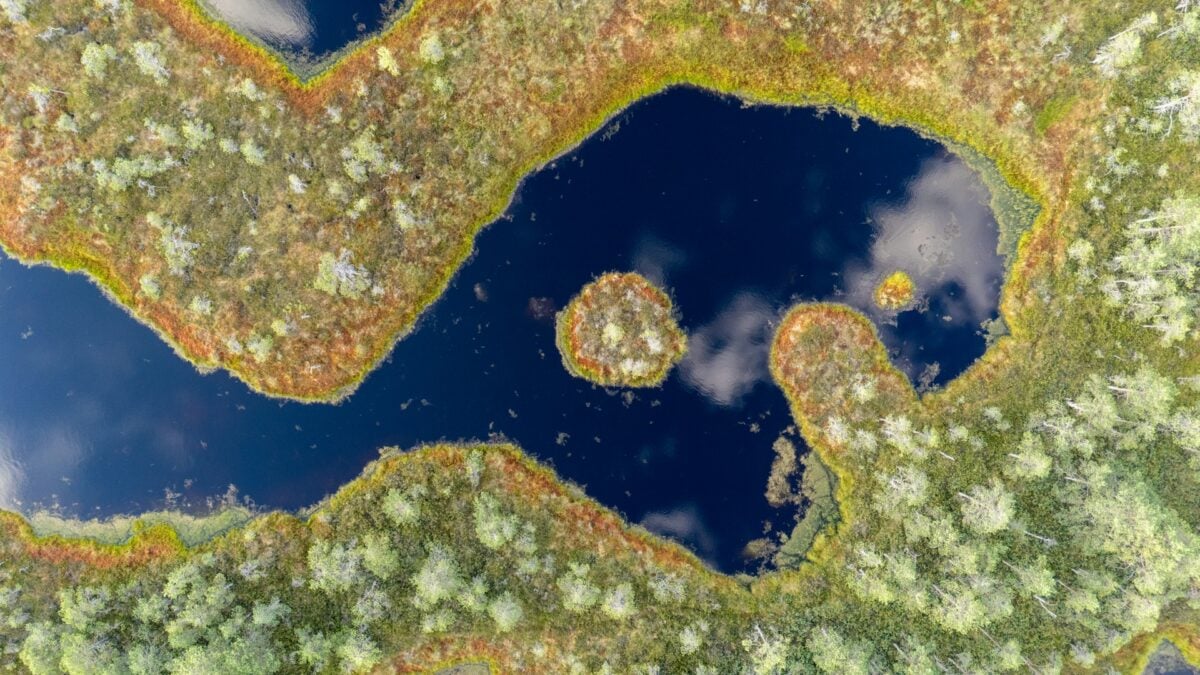
Supercontinents like Rodinia and Pangaea rose, split, and drowned more than once. The sea swallowed land, then retreated, over and over.
Every version of Earth’s map was temporary—a draft waiting to be erased. Our current coastlines? Just the latest in a very long series of edits.
Echoes Beneath the Waves
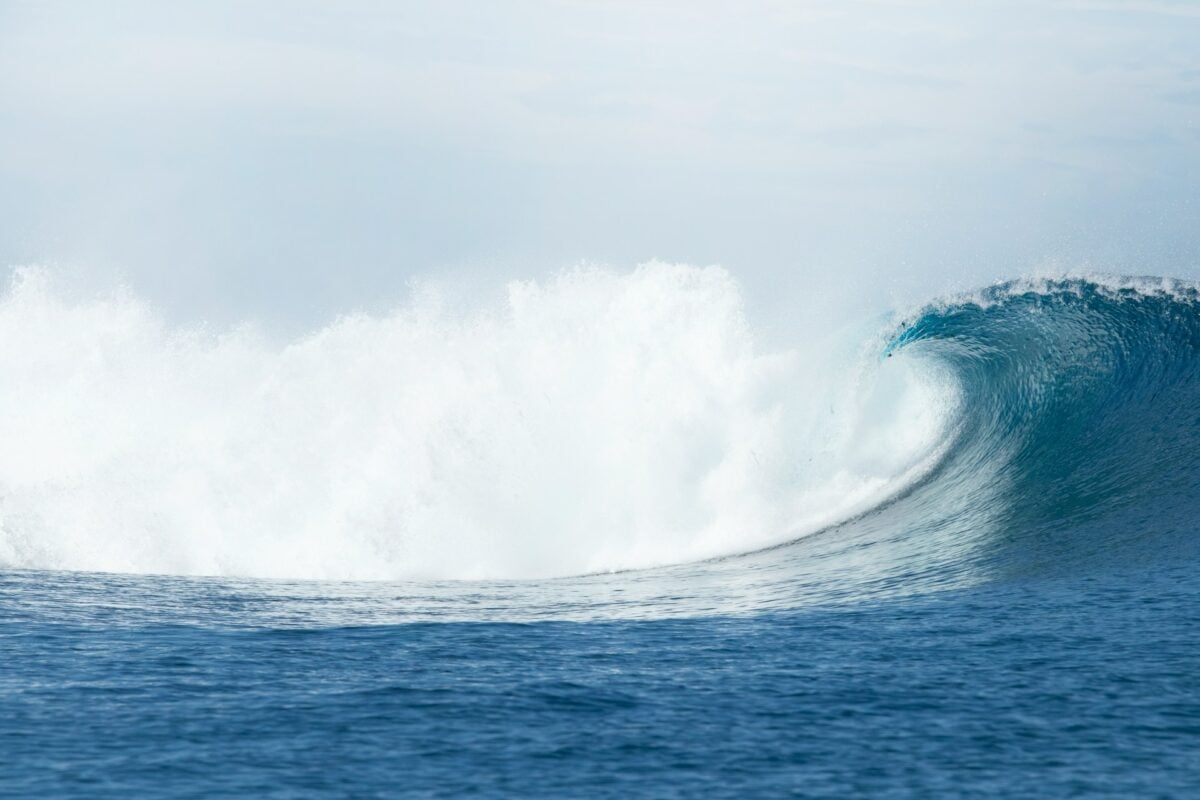
Today’s oceans still carry traces of those ancient eras—iron in the crust, salt from early rain, microbes older than animals themselves. The water may look familiar now, but its memory runs deep.
The sea never forgets, even when it starts over.
More from Go2Tutors!

- The Romanov Crown Jewels and Their Tragic Fate
- 17 Halloween Costumes Once Considered Taboo
- Famous Hoaxes That Fooled the World for Years
- 15 Child Stars with Tragic Adult Lives
- 16 Famous Jewelry Pieces in History
Like Go2Tutors’s content? Follow us on MSN.