16 Towns That Haven’t Changed Much in 100 Years
Some places seem to exist outside of time, where the pace of modern life hasn’t quite caught up and the charm of yesteryear still defines daily routines. These towns offer a glimpse into America’s past, where main streets look much the same as they did decades ago and traditions remain unbroken.
Let’s explore 16 remarkable towns across the United States that have managed to preserve their historic character while the world around them rushes forward.
Williamsburg, Virginia
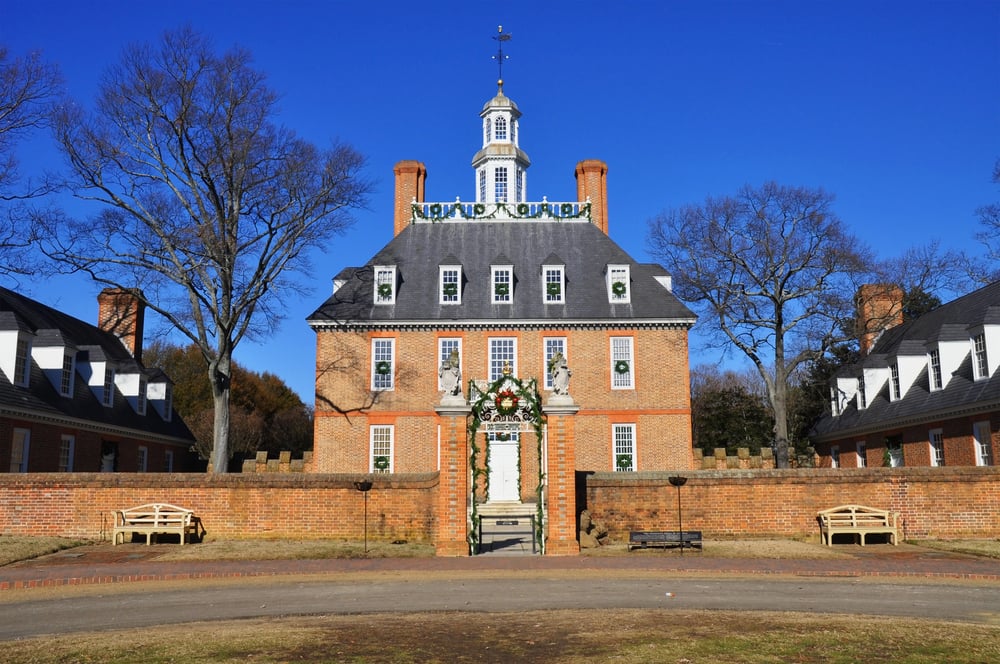
Colonial Williamsburg stands as America’s largest living history museum, where costumed interpreters demonstrate 18th-century crafts and the architecture remains authentically preserved. The town’s commitment to historical accuracy means that even modern amenities are carefully hidden to maintain the colonial atmosphere.
Walking down Duke of Gloucester Street feels like stepping directly into the 1700s, complete with horse-drawn carriages and colonial-era buildings.
Sturbridge, Massachusetts
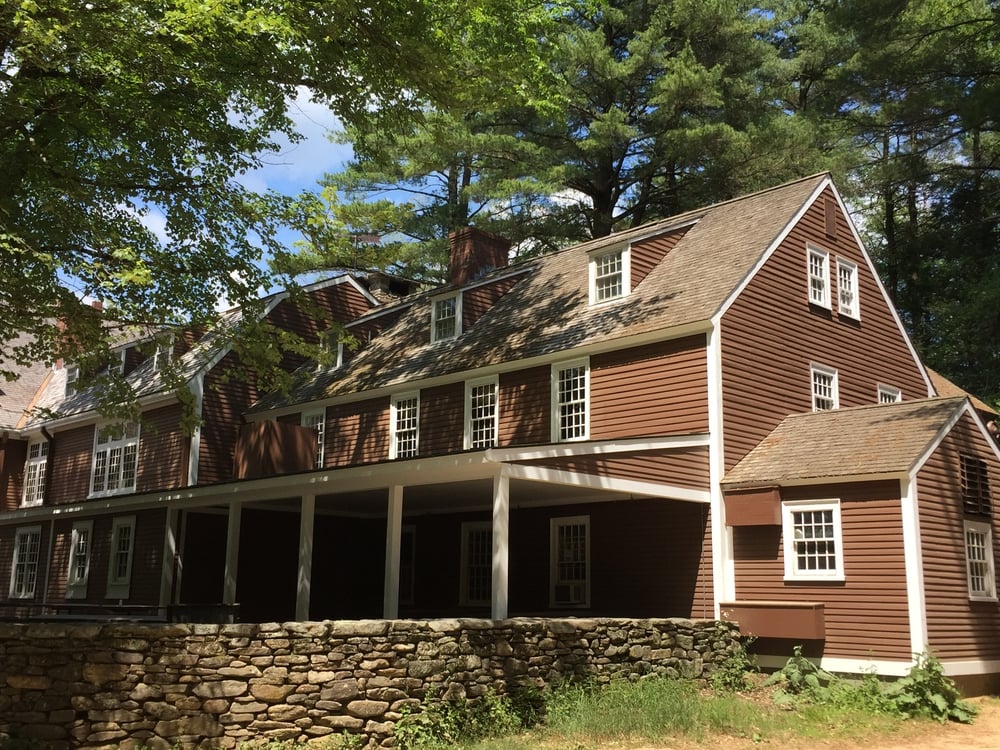
Old Sturbridge Village recreates life in rural New England during the 1790s through 1840s, with over 40 historic buildings relocated from across the region. The town operates as a working historical community where visitors can watch blacksmiths forge tools, farmers tend heritage breed animals, and potters create earthenware using period techniques.
The dedication to historical authenticity extends to the smallest details, from hand-hewn timber construction to period-appropriate garden varieties.
Like Go2Tutors’s content? Follow us on MSN.
Amana, Iowa
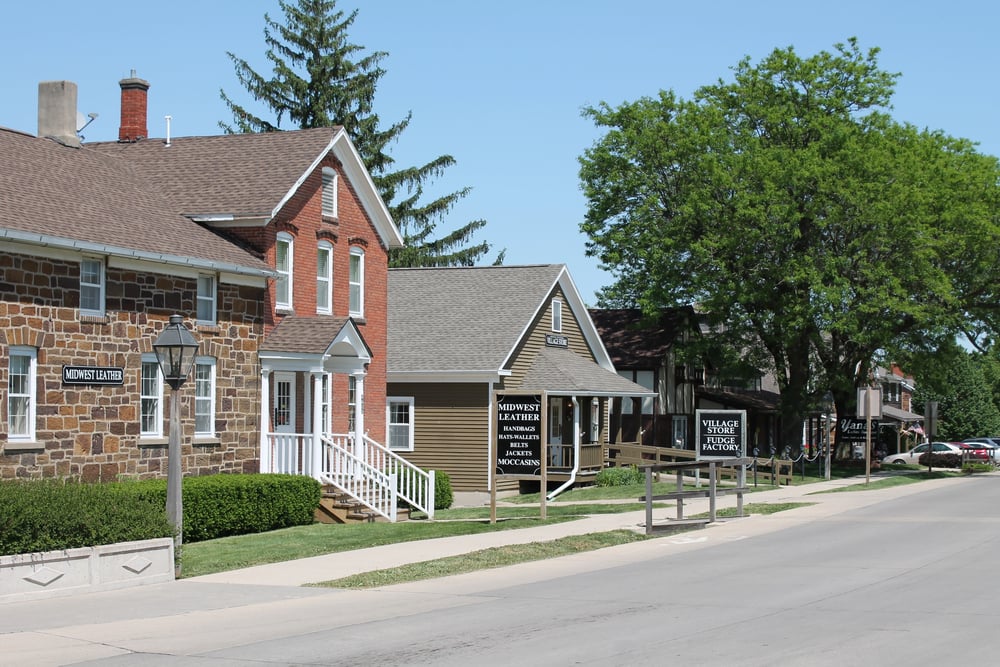
The seven Amana Colonies were established by German Pietists in the 1850s and maintained their communal lifestyle until 1932. Today, the villages retain their distinctive architecture with brick and sandstone buildings, communal kitchens, and traditional German restaurants serving recipes passed down through generations.
The Amana woolen mill still produces blankets using techniques nearly identical to those used 150 years ago.
St. Augustine, Florida
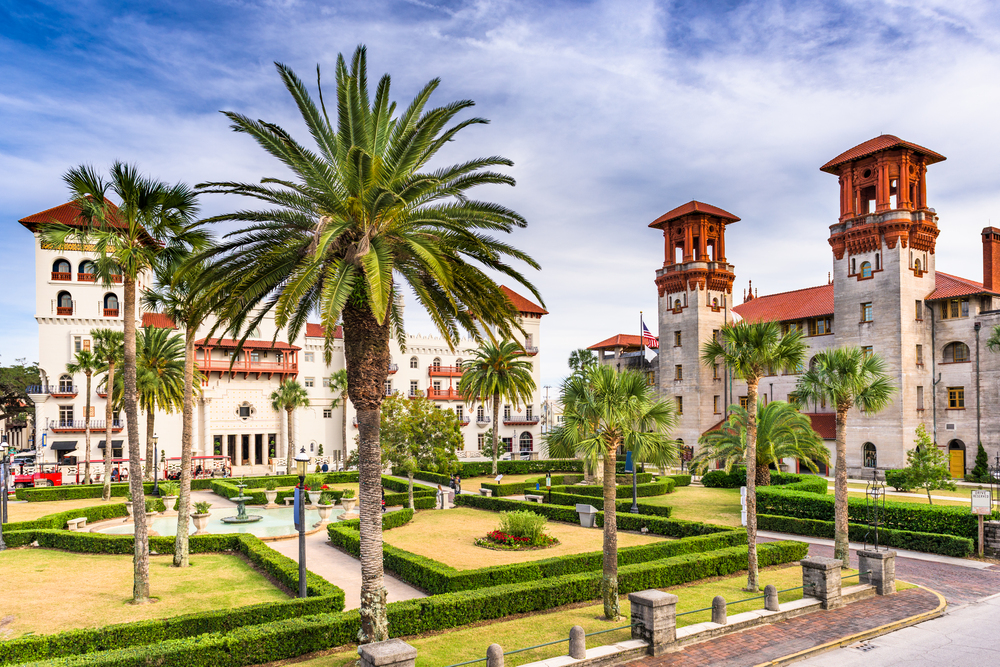
Founded in 1565, St. Augustine proudly holds the title of America’s oldest continuously inhabited European-established settlement. The narrow cobblestone streets, Spanish colonial architecture, and massive Castillo de San Marcos fortress create an atmosphere that has remained largely unchanged for centuries.
Horse-drawn carriage tours still navigate the same routes that Spanish colonists traveled, and many buildings continue to serve their original purposes.
Harpers Ferry, West Virginia
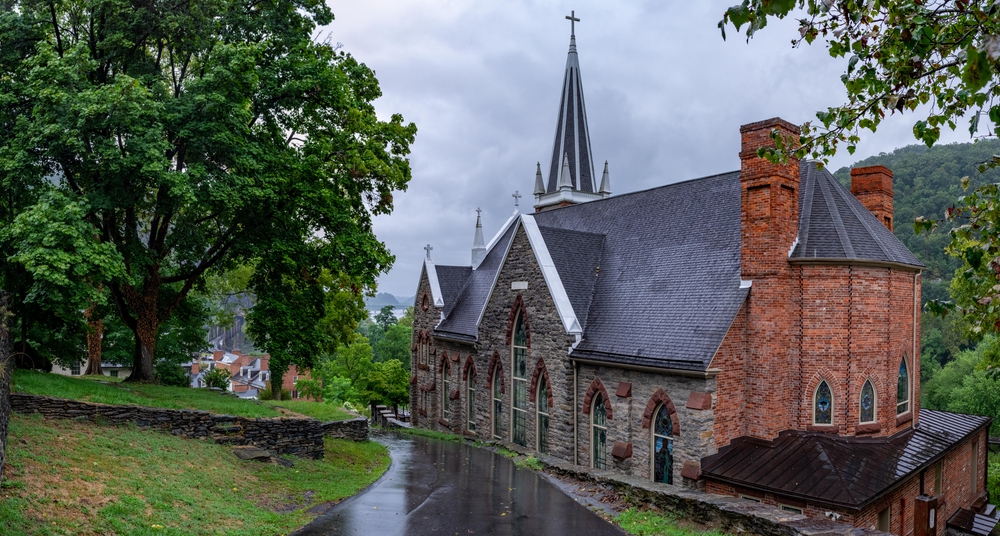
This small town at the confluence of the Potomac and Shenandoah rivers appears frozen in the Civil War era, when it gained fame as the site of John Brown’s raid in 1859. The Lower Town has been carefully preserved as a National Historical Park, with original buildings housing period shops and museums.
The dramatic landscape of rushing rivers and steep hillsides remains as striking today as it was when Thomas Jefferson declared the view ‘worth a voyage across the Atlantic’.
Like Go2Tutors’s content? Follow us on MSN.
Mackinac Island, Michigan
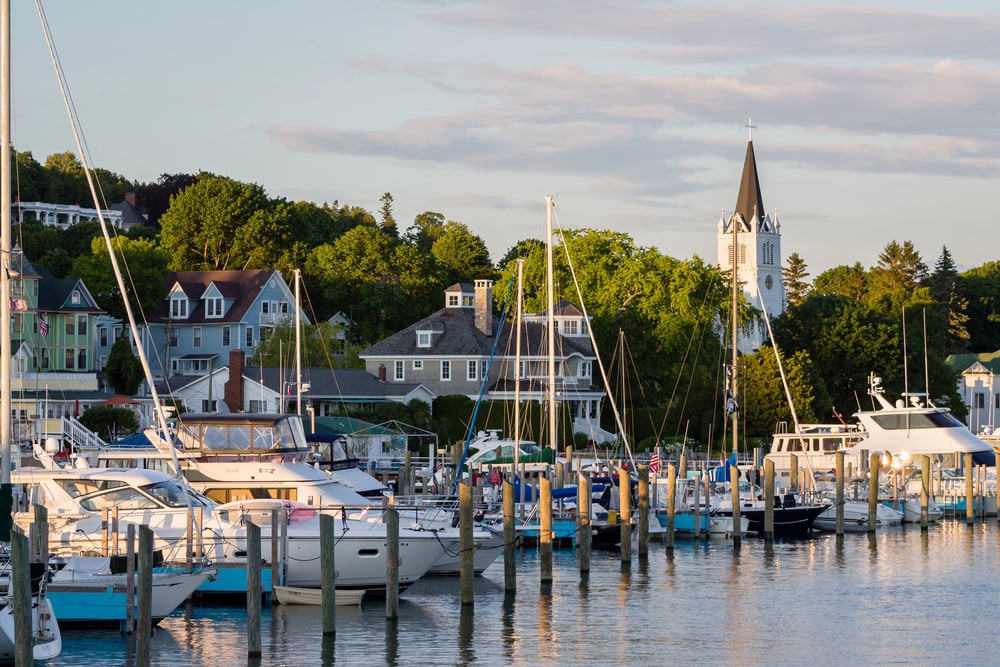
Motor vehicles have been banned on Mackinac Island since 1898, making horse-drawn carriages and bicycles the primary means of transportation. The Victorian architecture of the Grand Hotel and surrounding cottages has been meticulously maintained, while the island’s famous fudge shops continue operating much as they did in the late 1800s.
The clip-clop of horse hooves on Main Street and the absence of car engines create an atmosphere that visitors from a century ago would instantly recognize.
Jim Thorpe, Pennsylvania
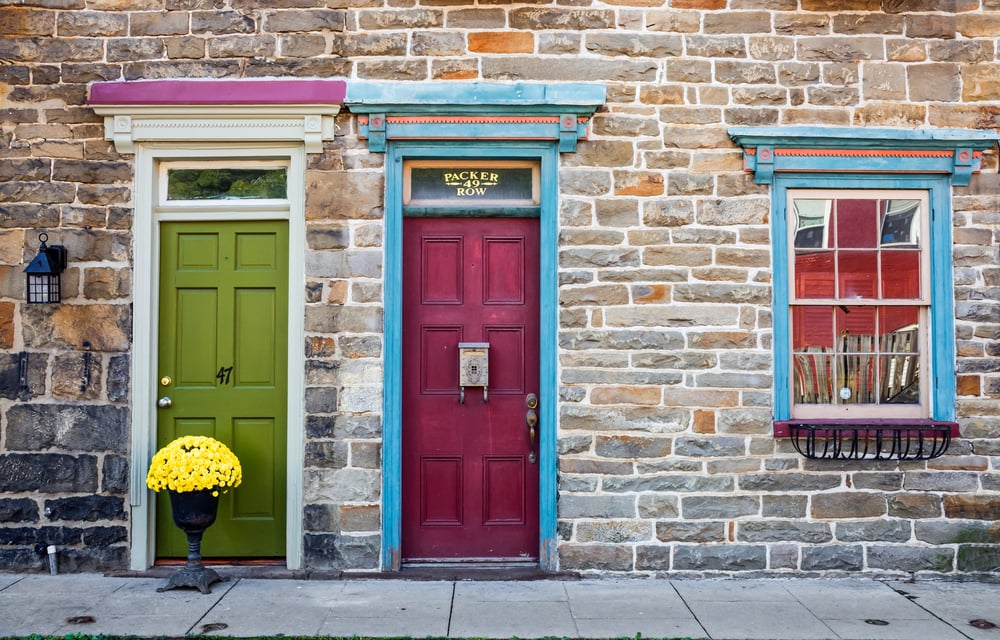
Once known as Mauch Chunk, this Victorian town nestled in the Pocono Mountains has preserved its 19th-century charm through careful historic preservation efforts. The elaborate mansions built by coal barons still line the steep hillsides, while the downtown area maintains its original architecture complete with ornate lamp posts and brick sidewalks.
The town’s narrow streets and dramatic topography have remained virtually unchanged since the height of the coal mining era.
Deadwood, South Dakota
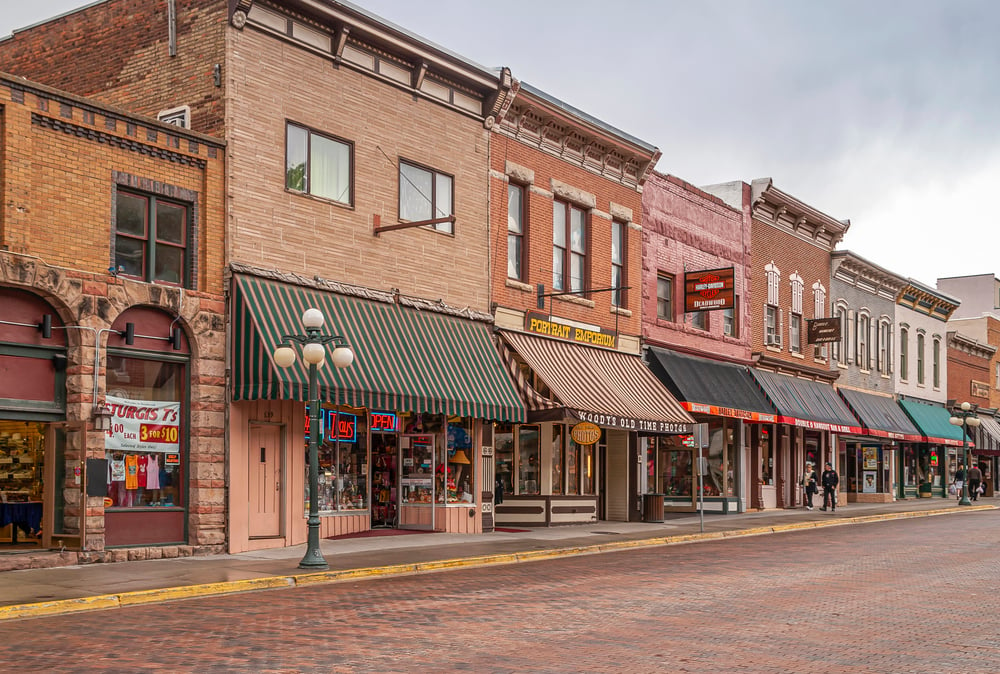
Famous for its Wild West history and legendary residents like Wild Bill Hickok and Calamity Jane, Deadwood has maintained its frontier atmosphere while adapting to modern tourism. The main street still features wooden sidewalks, saloon-style buildings, and period architecture that transport visitors back to the gold rush days of the 1870s.
Daily reenactments of historic events and the preservation of original buildings help maintain the town’s authentic Old West character.
Like Go2Tutors’s content? Follow us on MSN.
Lahaina, Hawaii
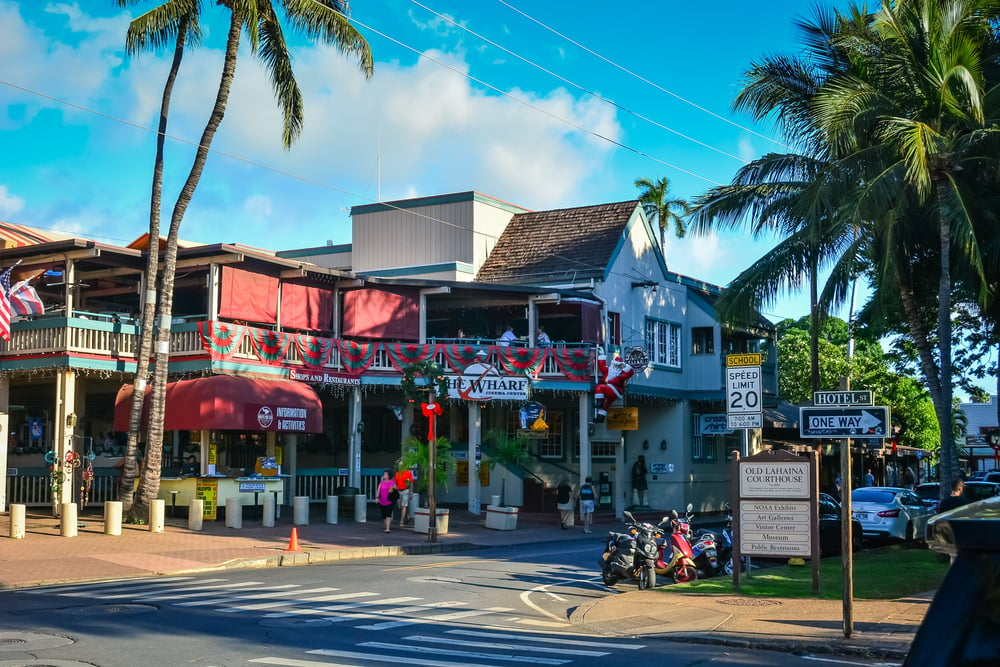
This former whaling village on Maui has preserved much of its 19th-century Hawaiian and missionary architecture, though it sadly suffered devastating damage in recent wildfires. Before the 2023 tragedy, Front Street maintained its historic charm with wooden storefronts, the famous banyan tree planted in 1873, and buildings that housed whale oil merchants and Hawaiian royalty.
The town’s commitment to preservation had kept alive the atmosphere of its days as the capital of the Hawaiian Kingdom.
New Harmony, Indiana
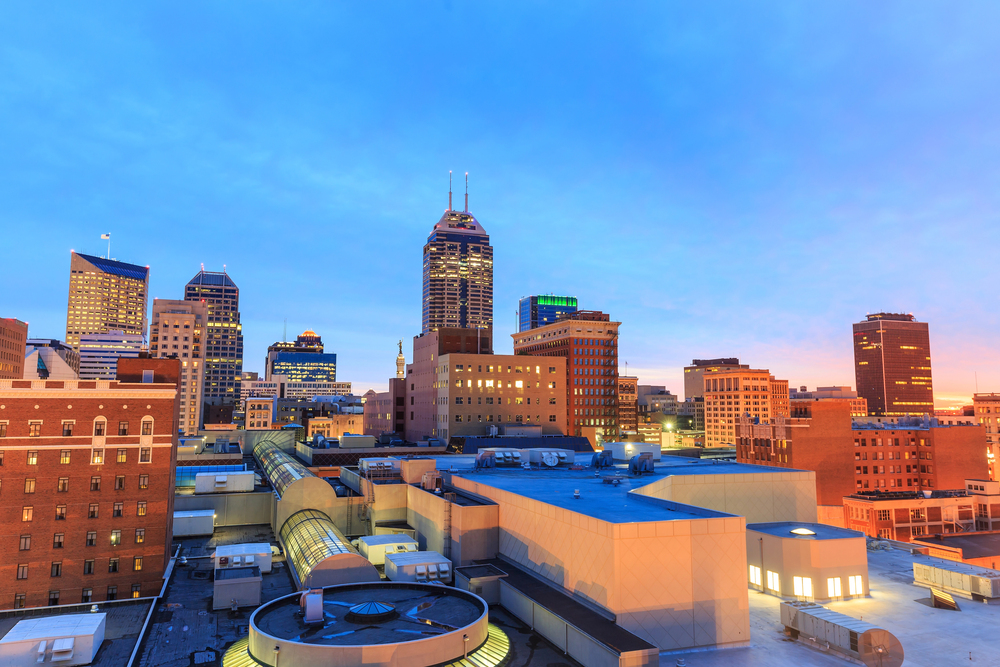
Founded by German Lutherans in 1814 and later home to Robert Owen’s utopian experiment, New Harmony has preserved its communal village layout and many original buildings. The town’s grid pattern, communal gardens, and distinctive architecture reflect its unique history as one of America’s earliest intentional communities.
Historic buildings like the Roofless Church and the Atheneum blend seamlessly with 19th-century structures to maintain the town’s contemplative atmosphere.
Eureka Springs, Arkansas
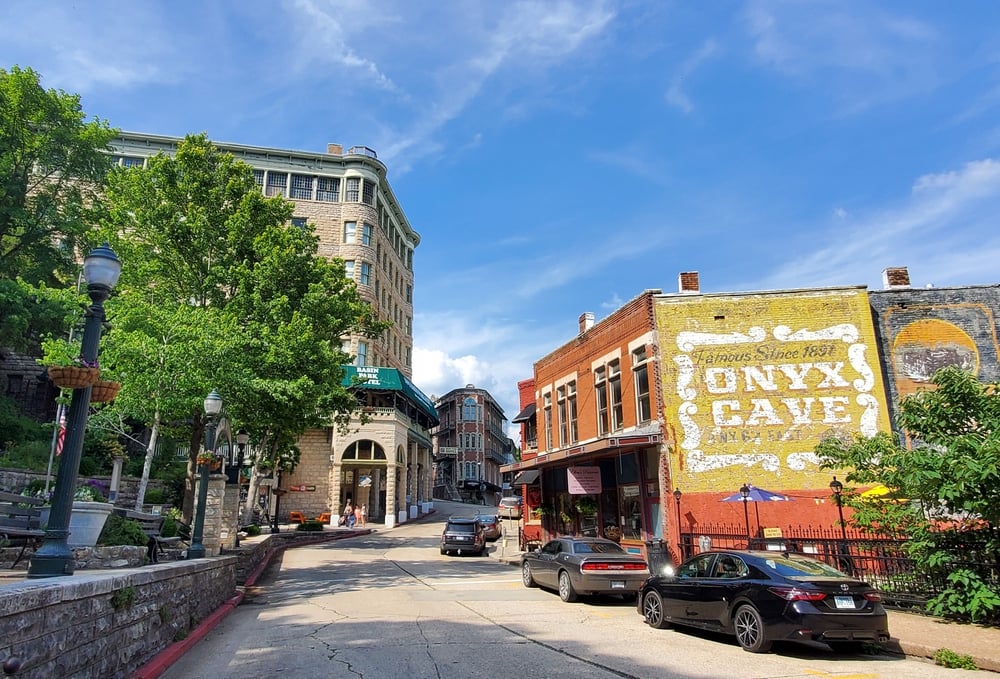
This Victorian mountain town built around natural springs has maintained its 19th-century character through narrow, winding streets that follow the natural topography. The entire downtown area is listed on the National Register of Historic Places, with hundreds of Victorian buildings clustered on steep hillsides connected by stone staircases.
Horse-drawn trolley tours still wind through streets too narrow for modern buses, and many buildings continue to house the same types of businesses they did 100 years ago.
Like Go2Tutors’s content? Follow us on MSN.
Mystic, Connecticut
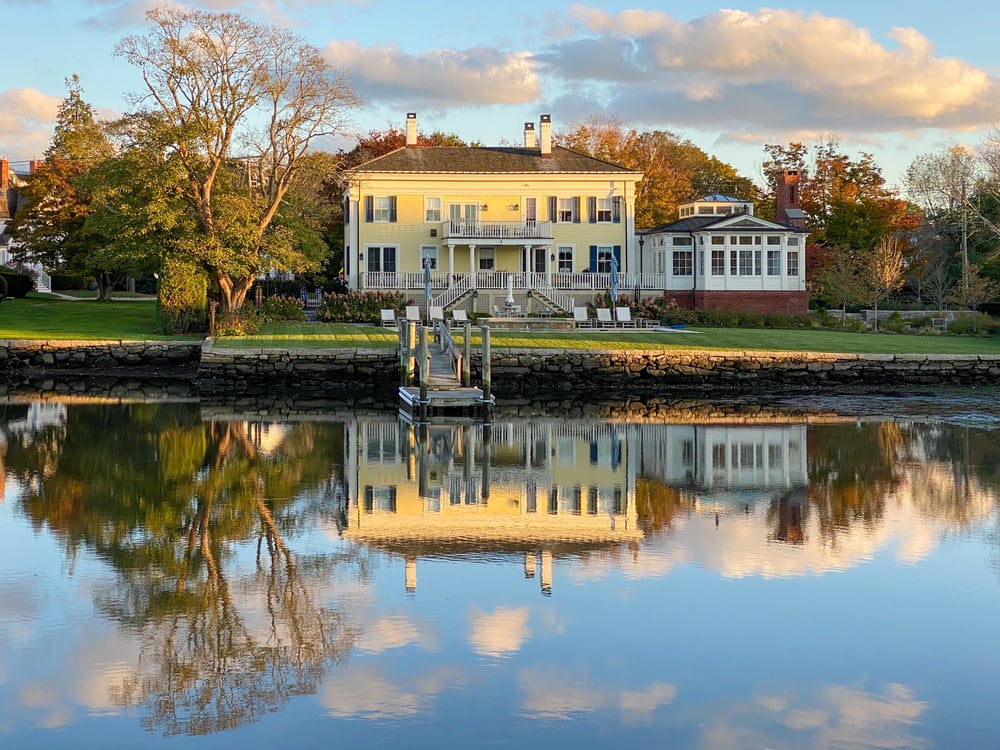
The Mystic Seaport Museum recreates a 19th-century coastal village, while the nearby town center maintains much of its maritime character from the days when it was a major shipbuilding center. Historic vessels like the whaling ship Charles W. Morgan still call the harbor home, and traditional boatbuilding techniques are demonstrated using period tools and methods.
The village atmosphere captures the essence of New England’s maritime heritage with remarkable authenticity.
Savannah, Georgia
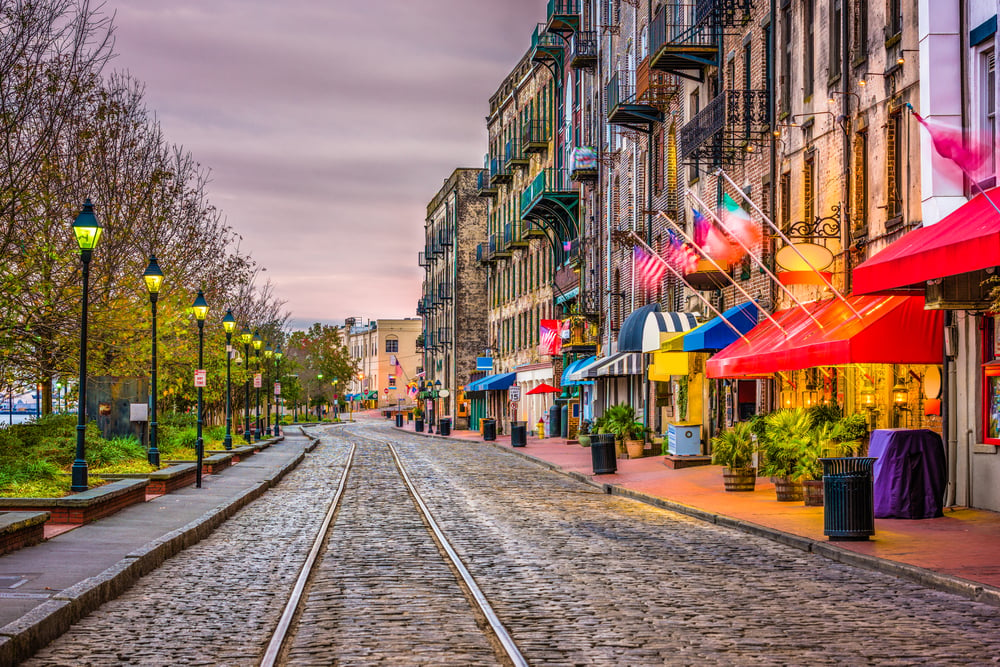
Savannah’s historic district preserves the original city plan laid out in 1733, with its distinctive pattern of squares surrounded by elegant townhouses and moss-draped oak trees. The cobblestone streets, gas-lit lanterns, and antebellum architecture create an atmosphere that has changed little since the mid-1800s.
Horse-drawn carriage tours follow routes that wealthy merchants and cotton traders traveled centuries ago, passing the same landmarks and architectural treasures.
Taos, New Mexico
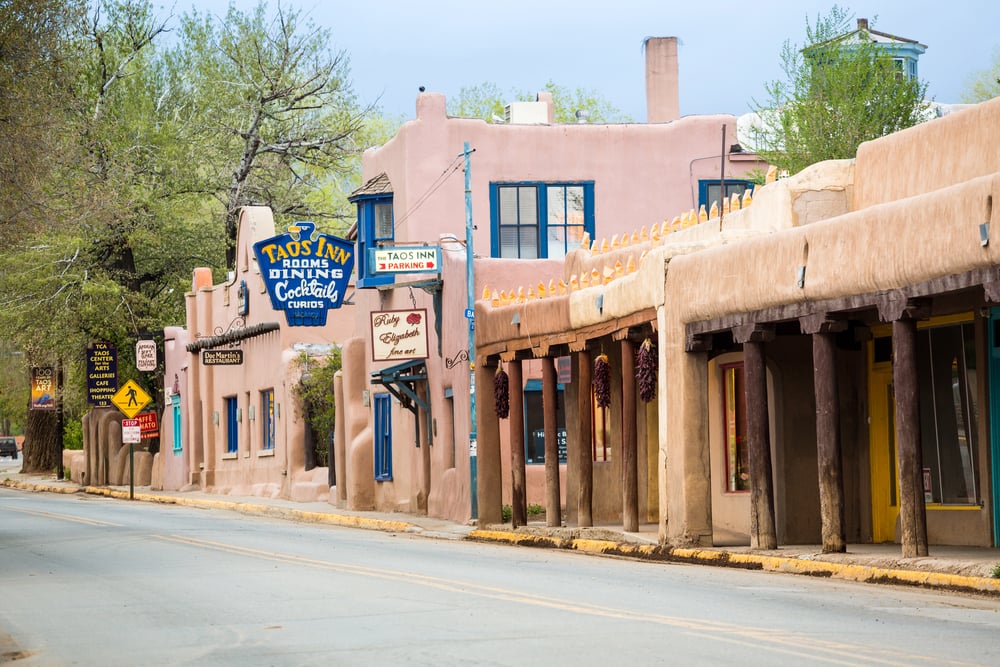
The Taos Pueblo has been continuously inhabited for over 1,000 years, making it one of the oldest living communities in the United States. The multi-story adobe buildings, traditional ovens, and lack of electricity or running water in the pueblo maintain a way of life that has remained essentially unchanged for centuries.
The surrounding town blends Native American, Hispanic, and Anglo influences in architecture and culture that reflects its unique historical convergence.
Like Go2Tutors’s content? Follow us on MSN.
Hot Springs, Arkansas
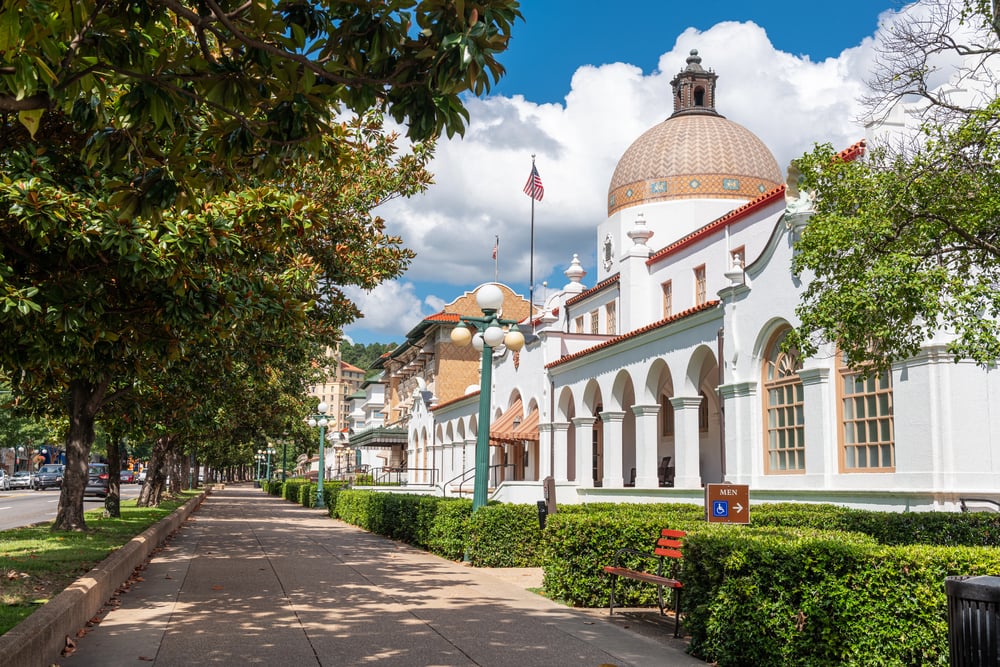
This spa town built around natural thermal springs has maintained its early 20th-century character along Bathhouse Row, where elegant facilities continue to offer the same therapeutic treatments that attracted visitors 100 years ago. The grand architecture of the bathhouses, combined with the mountainous setting of Hot Springs National Park, creates an atmosphere reminiscent of the town’s heyday as America’s premier spa destination.
Many of the historic hotels and bathhouses still operate using traditional methods and period furnishings.
Cape May, New Jersey
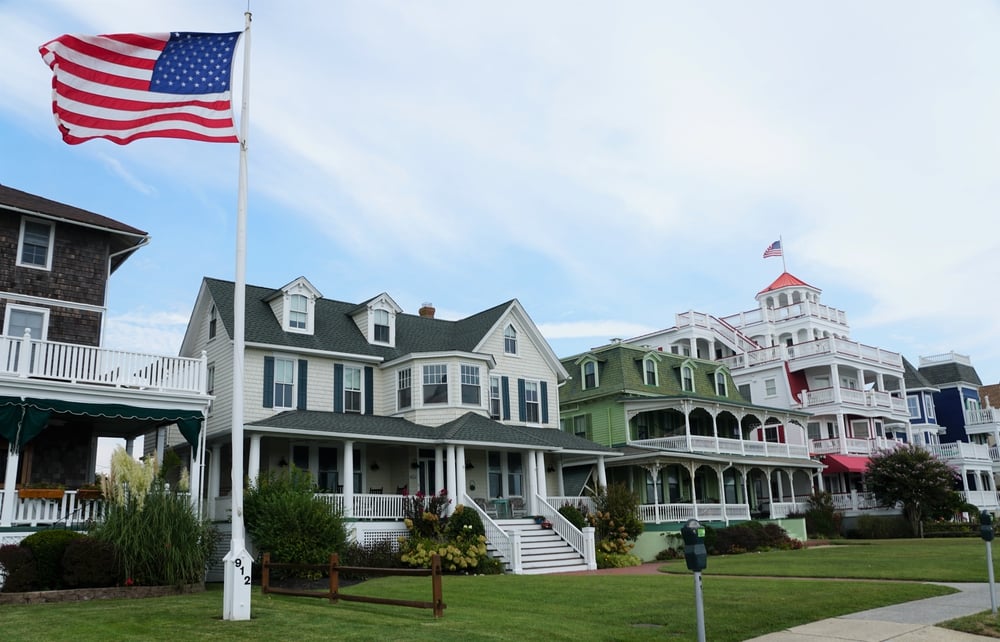
This Victorian seaside resort has preserved more than 600 historic buildings, creating the largest collection of late 19th-century architecture in the United States. The ornate ‘gingerbread’ cottages, wraparound porches, and horse-drawn carriage tours maintain the atmosphere of Cape May’s golden age as a fashionable resort destination.
The town’s commitment to preservation extends to maintaining the original street layout, gas-style lighting, and even period-appropriate landscaping in many areas.
America’s Living Time Capsules
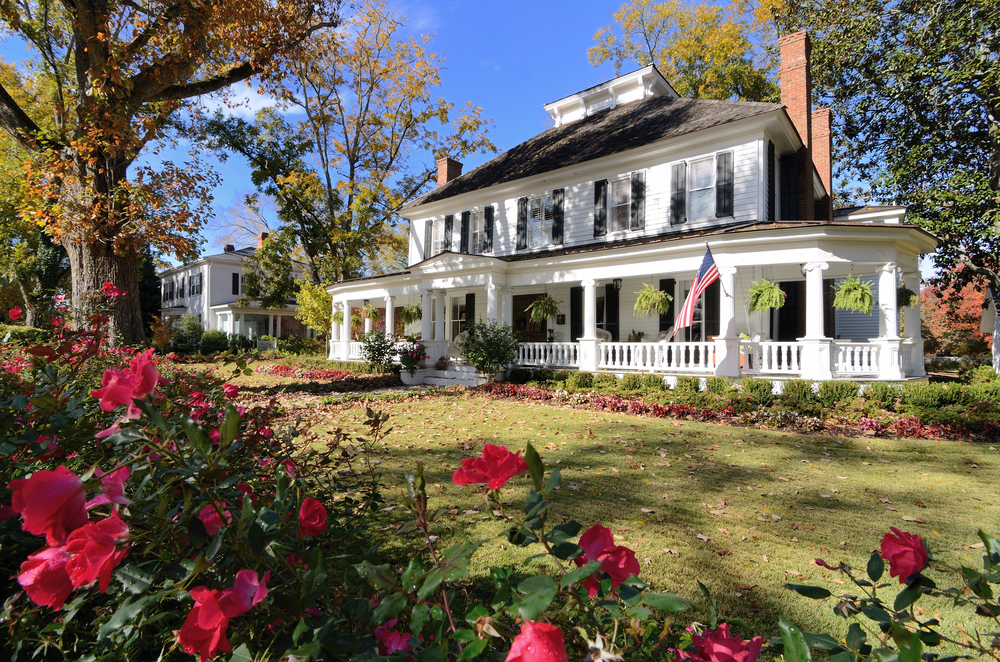
These towns serve as more than tourist destinations—they’re living reminders of different eras in American history, each preserved through the dedication of residents who understood that some things are worth keeping exactly as they were. Their survival in an age of rapid development shows that progress doesn’t always mean moving forward, sometimes it means recognizing what’s already perfect.
Whether through careful restoration, protective legislation, or simple community pride, these places prove that the past can coexist beautifully with the present when people care enough to make it happen.
Like Go2Tutors’s content? Follow us on MSN.
More from Go2Tutors!

- 16 Historical Figures Who Were Nothing Like You Think
- 12 Things Sold in the 80s That Are Now Illegal
- 15 VHS Tapes That Could Be Worth Thousands
- 17 Historical “What Ifs” That Would Have Changed Everything
- 18 TV Shows That Vanished Without a Finale
Like Go2Tutors’s content? Follow us on MSN.