Photos Of Cursed Artifacts You Can See In Global Museums
Walking through a museum should feel safe. These are places of learning, culture, and quiet contemplation.
But scattered across the world’s most prestigious institutions are objects that carry something darker—artifacts wrapped in stories of misfortune, tragedy, and unexplained phenomena that follow them wherever they go. These aren’t just ancient relics with colorful folklore attached.
These are pieces that museum staff whisper about, that come with unusual insurance policies, and that seem to attract more than their share of strange incidents.
From London to Cairo, these cursed objects sit behind glass cases, their dark histories carefully documented alongside their cultural significance. Whether you believe in supernatural forces or simply find the psychology of fear fascinating, these artifacts represent humanity’s oldest anxieties made manifest in wood, stone, and metal.
The Hope Diamond
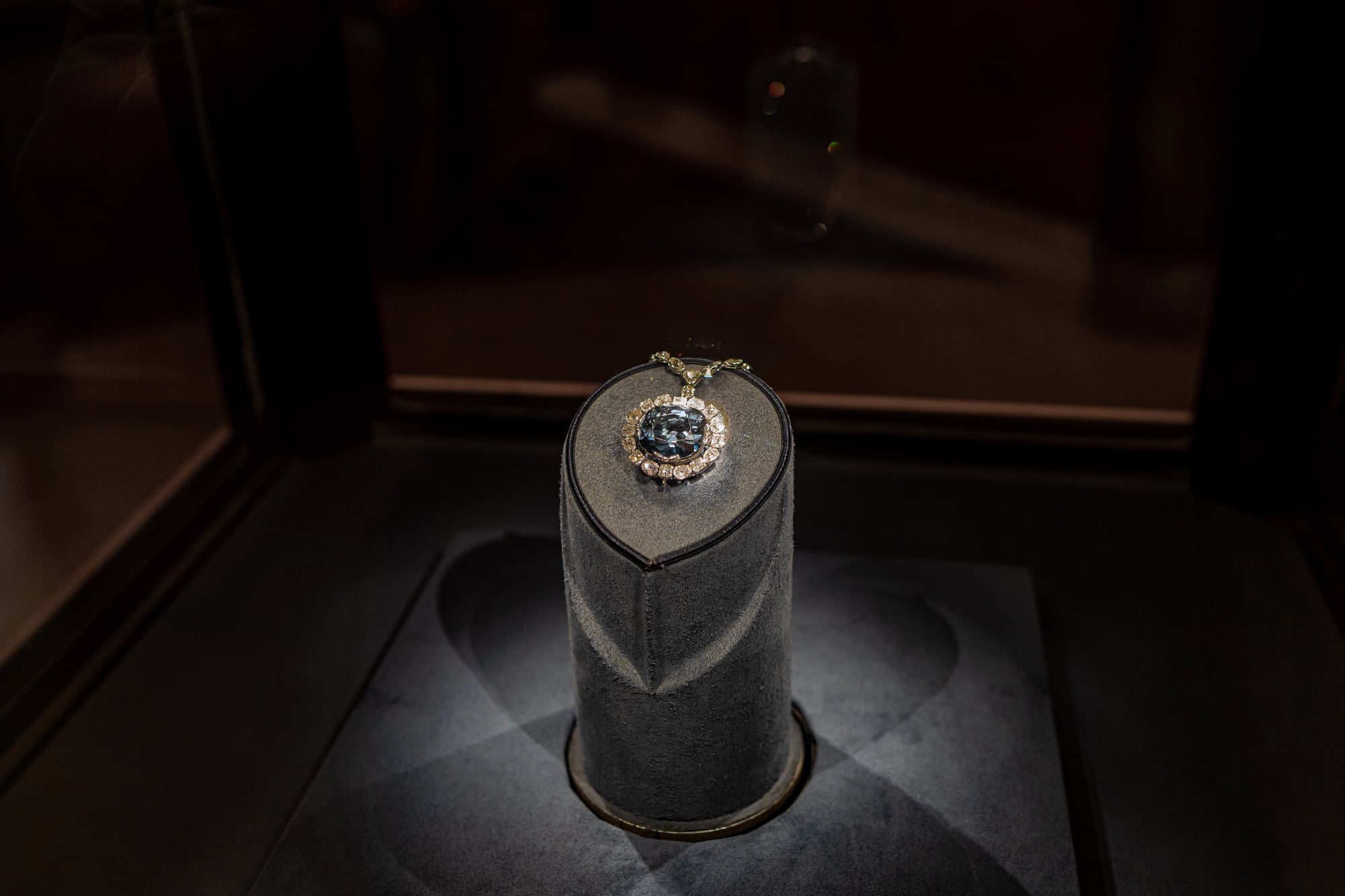
The Hope Diamond doesn’t just sparkle. It devours light and spits it back with an almost predatory brilliance.
This 45.52-carat blue diamond, currently housed at the Smithsonian’s National Museum of Natural History, carries a reputation that makes even skeptics pause.
The curse supposedly began when the diamond was stolen from the eye of a Hindu statue in India. What followed reads like a catalog of human misery: Marie Antoinette owned it before her beheading, subsequent owners faced bankruptcy, self-harm, and mysterious deaths.
Even the postal worker who delivered it to the Smithsonian reportedly had his leg crushed in a truck accident and his house burned down shortly after handling the package. The diamond sits in its climate-controlled case, surrounded by bulletproof glass—though one wonders if the protection is meant to keep people out or something else in.
The Ötzi Curse
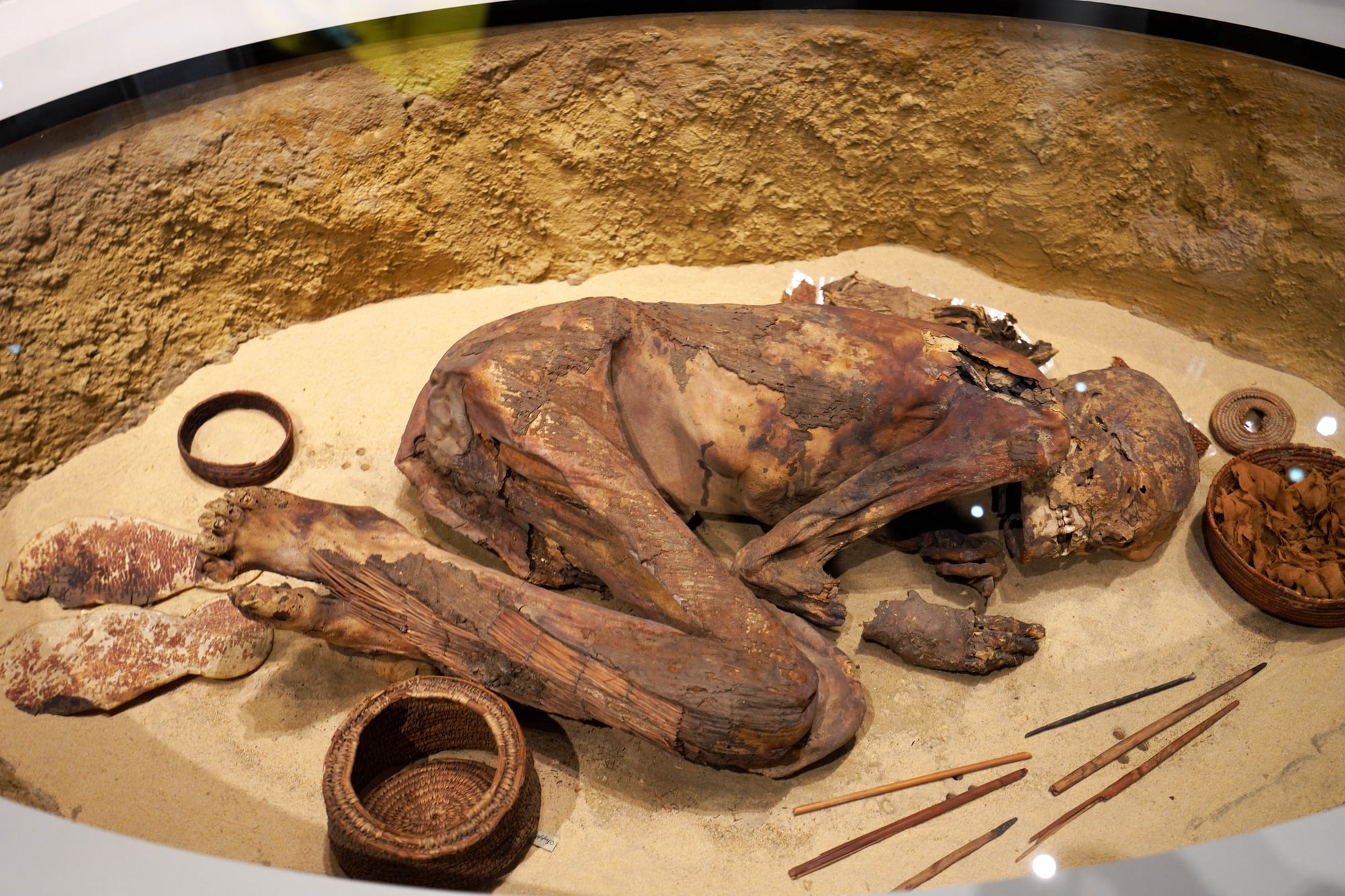
Seven people connected to the discovery and study of Ötzi the Iceman have died under unusual circumstances. This isn’t folklore—this is documented fact that makes researchers genuinely uncomfortable.
Helmut Simon, who discovered the 5,300-year-old mummy in the Alps, died in a blizzard while hiking the same region where he found Ötzi. Dieter Warnecke, the head of the mountain rescue team who searched for Simon, died of a heart attack within an hour of Simon’s funeral.
Kurt Fritz, the mountaineer who guided Simon to Ötzi, died in an avalanche. The forensic pathologist who examined the mummy, Rainer Henn, died in a car crash while traveling to give a lecture about Ötzi.
The list continues, each death more unsettling than the last.
Ötzi himself bears the marks of violence—an arrowhead lodged in his shoulder, defensive wounds on his hands. Some believe the iceman’s violent death created a vengeful spirit that follows anyone who disturbs his rest.
The mummy resides at the South Tyrol Museum of Archaeology in Italy, where staff approach their work with a mixture of scientific rigor and superstitious caution.
The Crying Boy Paintings
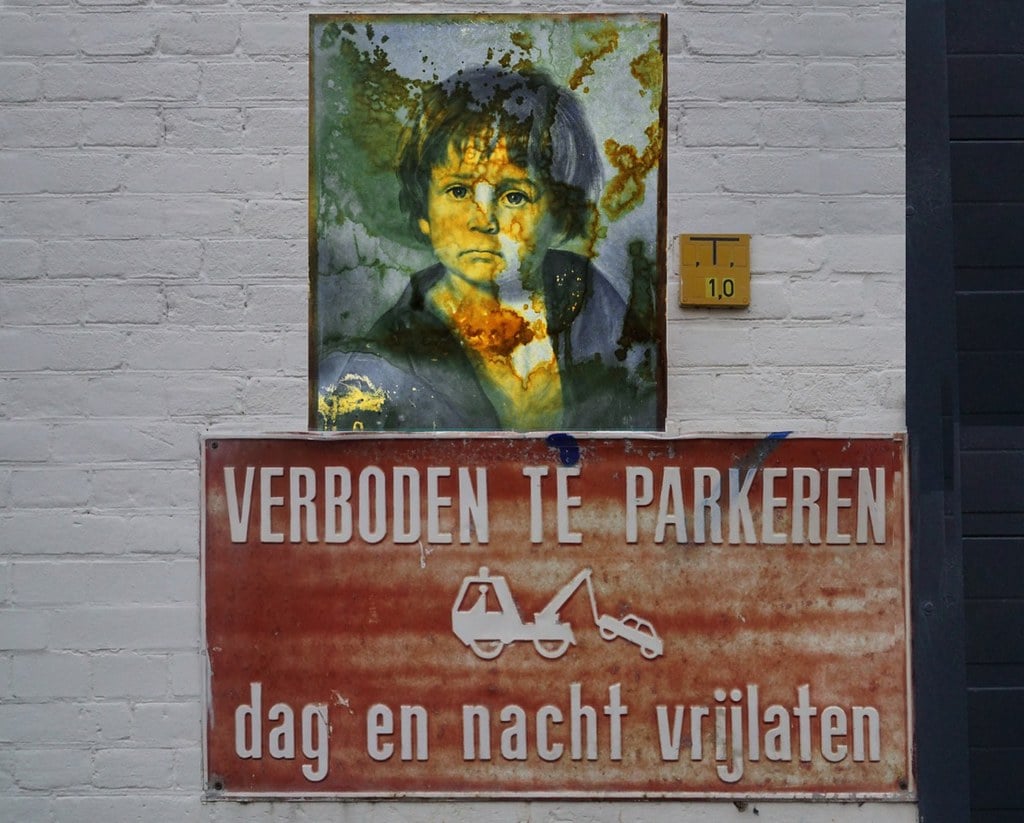
Mass-produced art doesn’t typically inspire supernatural dread. But then again, most mass-produced art doesn’t have a habit of surviving house fires while everything around it burns to ash.
In the 1980s, British tabloids began reporting a disturbing pattern: homes containing prints of “The Crying Boy” by Giovanni Bragolin were burning down, but the paintings themselves remained untouched by the flames.
Firefighters across England reported finding the prints intact amid the charred remains of furniture, books, and family photographs. The correlation became so pronounced that people began throwing their copies away en masse.
The paintings depict children with tears streaming down their faces, their eyes holding an unsettling mixture of sadness and accusation. Art critics dismiss the curse as coincidence combined with flame-retardant varnish, but that explanation feels inadequate when faced with dozens of documented cases.
Several museums now house these prints, including some that were recovered from actual fire scenes. The children continue to weep behind their glass frames, their painted tears now seeming less like artistic expression and more like a warning.
Annabelle The Doll
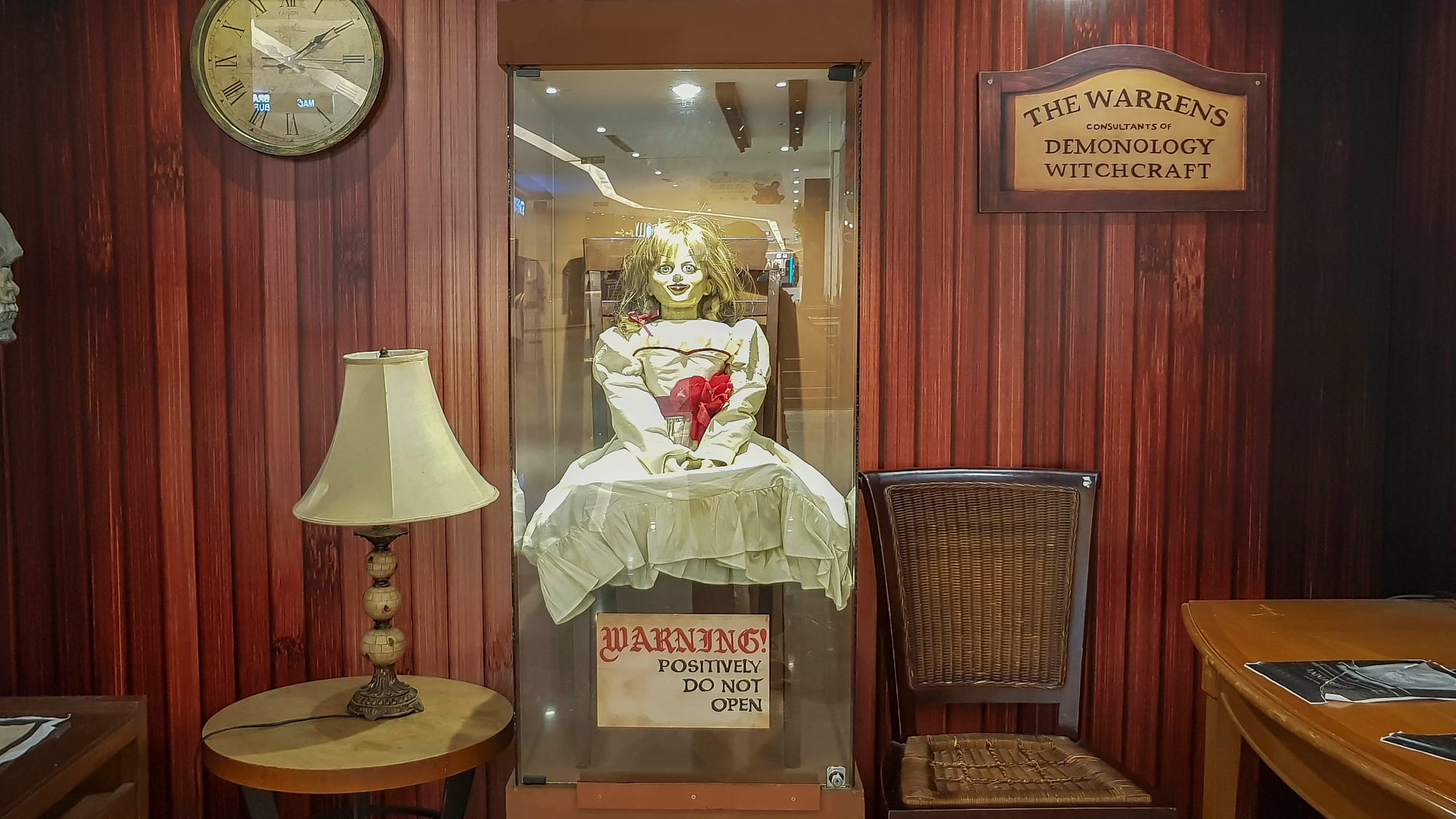
Raggedy Ann dolls are meant to comfort children, not terrorize grown adults, but Annabelle operates by different rules entirely.
This particular doll came to the attention of paranormal investigators Ed and Lorraine Warren in the 1970s after a nursing student reported that the doll was moving on its own and leaving handwritten notes.
The Warrens determined that the doll wasn’t possessed by the spirit of a deceased child named Annabelle, as initially believed, but was actually being manipulated by a demonic entity that used the innocent appearance as a disguise.
The real Annabelle (the doll that inspired the horror movie franchise) sits in a locked case at the Warrens’ Occult Museum in Connecticut. The case bears a warning: “Do Not Touch.”
This isn’t mere theater—visitors who have mocked or touched the case have reportedly suffered accidents, including a motorcycle crash that killed a young man hours after he taunted the doll. Museum staff treat Annabelle with the cautious respect typically reserved for unexploded ordnance.
The Basano Vase
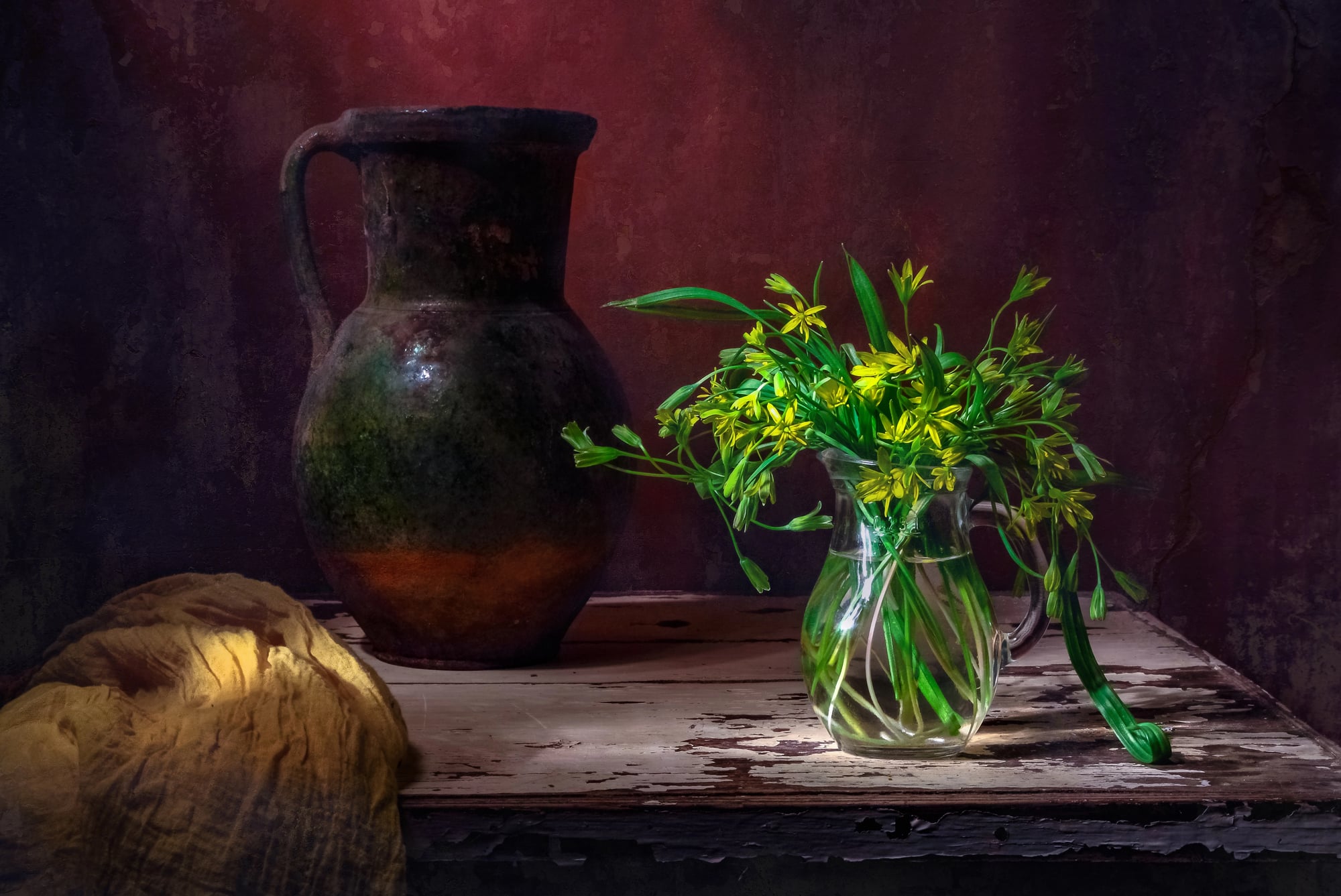
Fifteenth-century Italian craftsmanship created this silver vase, but the artisan’s skill couldn’t prevent it from becoming one of the most lethal objects in recorded history. The vase was reportedly created as a wedding gift for a bride in Napoli, who died on her wedding night while clutching it.
The groom and his entire family followed within months.
The vase disappeared for centuries before resurfacing in the 1980s with a note warning potential buyers of its deadly history. Despite—or perhaps because of—this warning, it sold at auction.
The buyer died within three months. The next owner lasted two months.
A third owner made it just four weeks before succumbing to a mysterious illness.
When the Italian authorities finally confiscated the vase, they faced an unusual problem: where do you store a demonstrably lethal antique? Multiple museums refused to display it.
Storage facilities wouldn’t house it.
Eventually, it was buried in an undisclosed location, though some sources claim it resides in a lead-lined box in a secret vault beneath the Vatican. The exact location remains classified, which is probably for the best.
The Dybbuk Box
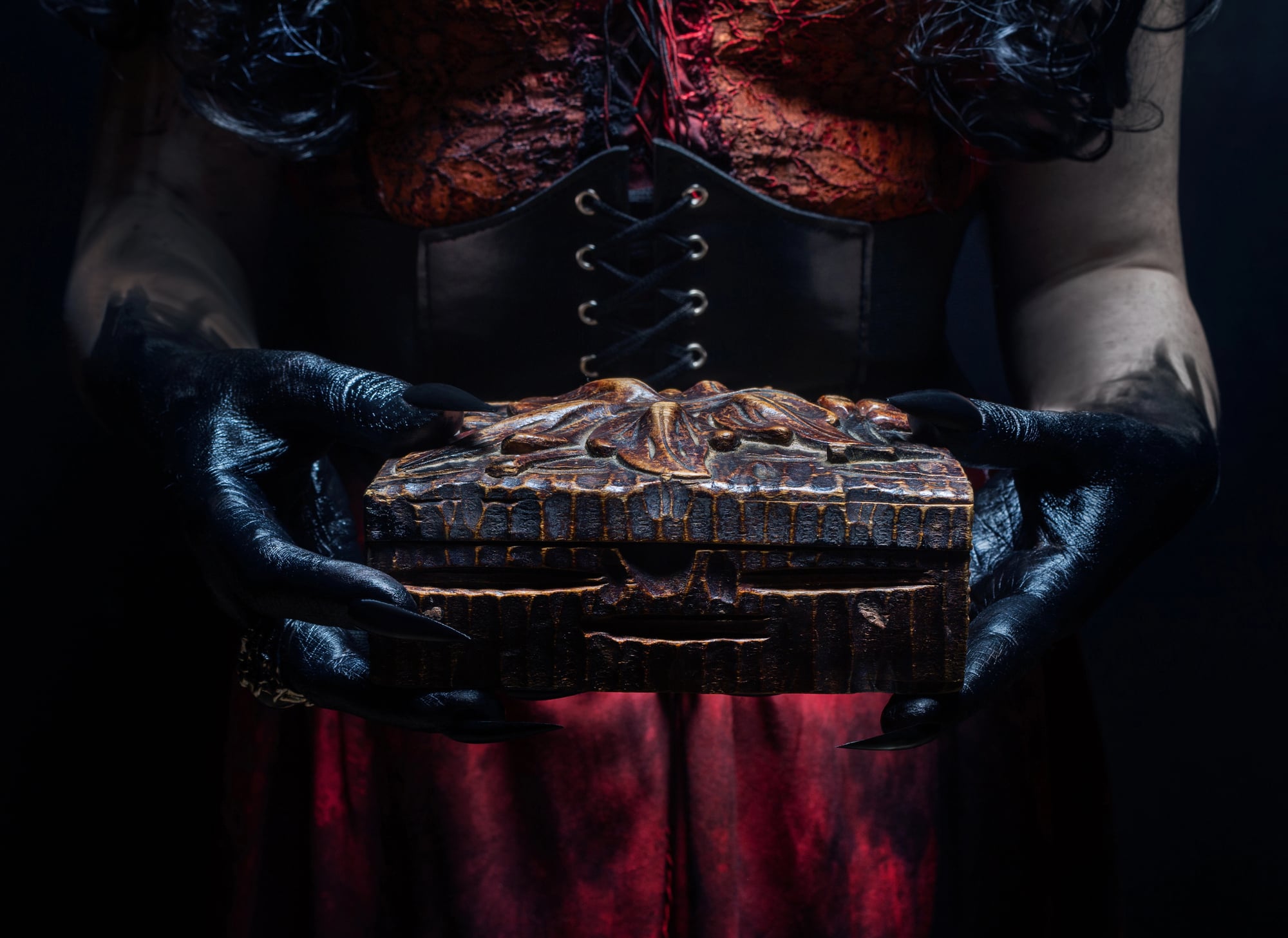
Wine cabinets shouldn’t inspire existential dread, but this particular wooden box has redefined what furniture can accomplish when sufficiently motivated.
The box came to public attention through eBay, of all places, when an antique dealer named Kevin Mannis listed it with an unusually detailed warning about its contents.
According to Mannis, the box had belonged to a Holocaust survivor who claimed it contained a dybbuk—a malicious spirit from Jewish folklore. Previous owners reported nightmares, mysterious illnesses, and the overwhelming scent of jasmine flowers or cat urine (an olfactory combination that somehow makes the phenomenon more unsettling).
Jason Haxton, a museum curator, eventually acquired the box and documented increasingly disturbing phenomena: hair falling out, strange rashes, and electronic equipment malfunctioning in its presence.
The box now resides in Haxton’s private collection, sealed and stored according to specific protocols that he refuses to discuss publicly. Multiple paranormal investigation teams have studied it, and their unanimous recommendation is simple: leave it alone.
The Screaming Mummy
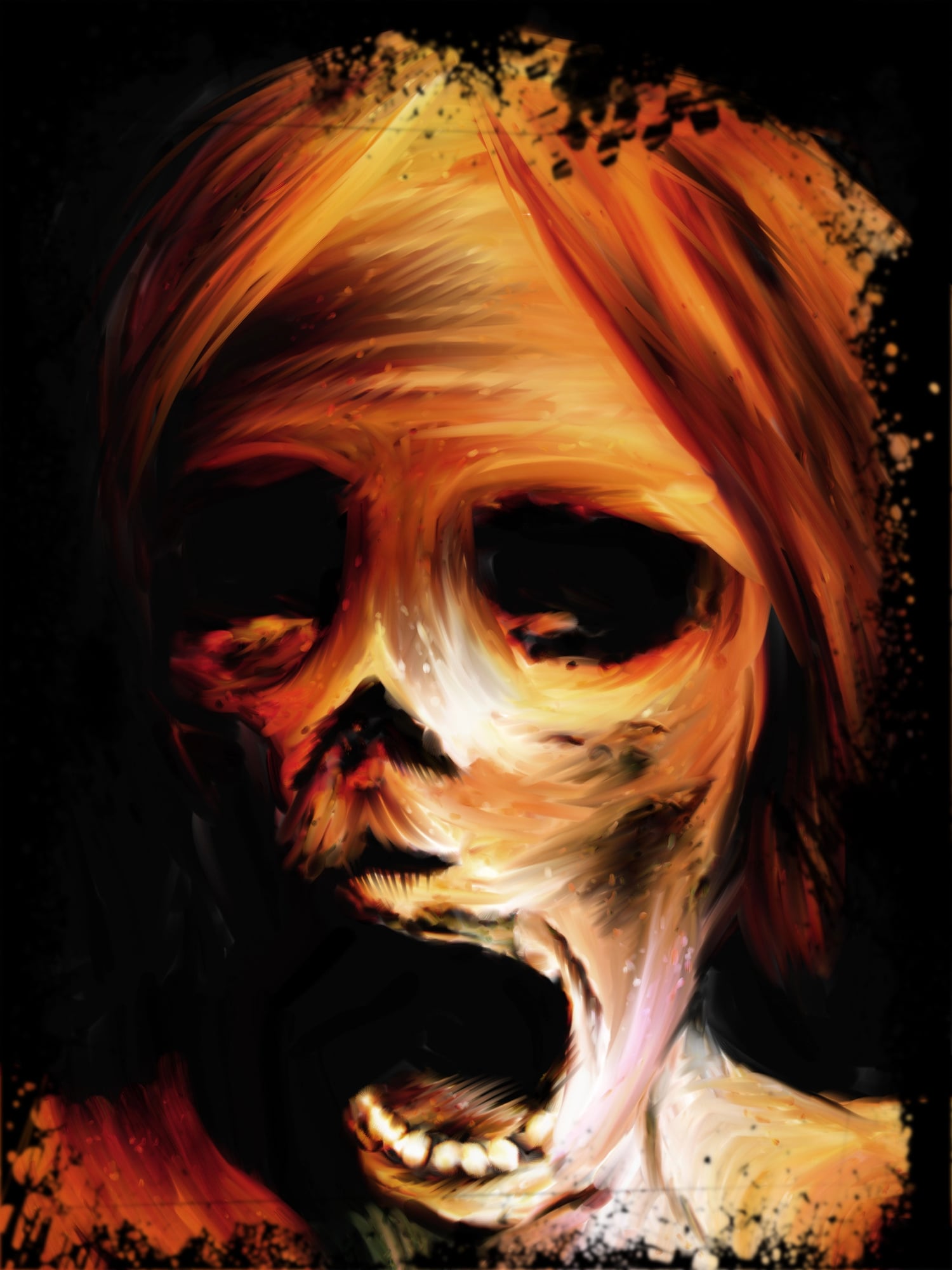
Ancient Egyptian mummification was a precise ritual designed to preserve the body and ensure safe passage to the afterlife, but something went catastrophically wrong with this particular mummy—and his face shows it.
Known as the “Screaming Mummy,” this 3,000-year-old remains displays an expression of absolute terror frozen in time. His mouth gapes open in what appears to be a final scream, his features contorted in agony.
Traditional mummification involved removing the brain and organs, but this mummy was wrapped while complete, suggesting either extreme haste or deliberate torture.
The mummy is believed to be Prince Pentawer, son of Pharaoh Ramesses III, who was forced to commit self-harm after plotting against his father. Rather than receiving proper burial rites, he was wrapped in sheepskin (considered unclean) and left to suffer in the afterlife.
Egyptian Museum staff in Cairo report that the mummy’s case requires frequent temperature adjustments—it consistently runs several degrees warmer than other exhibits, as if something inside continues to burn with rage three millennia later.
The Hands Resist Him Painting

Bill Stoneham painted “The Hands Resist Him” in 1972, depicting a young boy standing beside a female doll in front of a glass door. Hands press against the glass from the other side, their fingers splayed in what could be reaching or pushing away.
The painting’s composition is unsettling enough, but that was just the beginning.
Everyone connected to the painting’s early history died young: Stoneham’s gallery owner, the art critic who first reviewed it, even the actor who purchased it.
The painting disappeared for decades before resurfacing on eBay with a warning that the figures moved at night, sometimes stepping out of the frame entirely.
The sellers claimed their young daughter refused to walk past it and that motion-activated cameras captured the boy’s expression changing.
The painting now resides in a private collection, but photographs of it continue to circulate online with their own attached warnings.
People report feeling watched while viewing even digital copies, and some claim their computer equipment malfunctors after downloading the image.
Whether the curse transfers through reproduction remains a matter of debate among believers and a source of amusement among skeptics—until they encounter the painting themselves.
The Chair Of Death
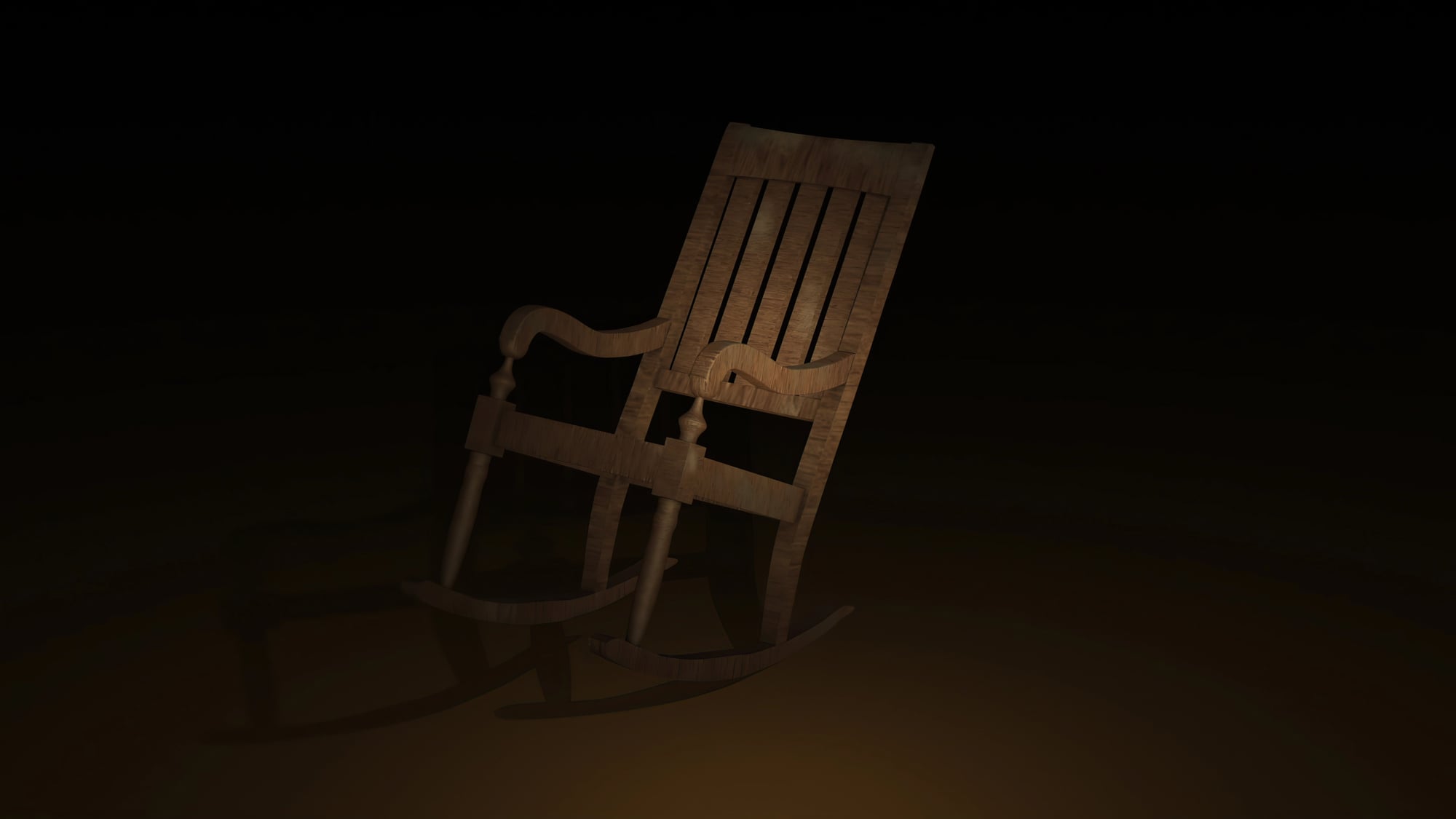
Thomas Busby loved this oak chair enough to kill for it—and apparently, death wasn’t enough to make him give it up.
In 1702, Busby murdered his father-in-law in a dispute over this chair, which sat in his favorite tavern in Thirsk, England. Before being executed for the crime, Busby reportedly cursed the chair, declaring that anyone who sat in it would die.
The tavern owner, perhaps thinking this was merely colorful local folklore, kept the chair as a conversation piece.
Over the next three centuries, the chair’s reputation grew as people who sat in it consistently met untimely ends.
During World War II, Royal Air Force pilots from a nearby base would dare each other to sit in the chair before missions.
Those who accepted the challenge never returned.
Local chimney sweeps, delivery men, and tourists who sat in it all died within months, usually in accidents or under mysterious circumstances.
The chair now hangs from the ceiling at the Thirsk Museum, positioned so that no one can accidentally sit in it.
Museum staff report that the chair occasionally creaks and rocks slightly, despite being motionless for decades.
Visitors often comment on the room’s unusual coldness, particularly near the chair, as if something continues to occupy the seat that no living person dares to fill.
The Cursed Amethyst

The Delhi Purple Sapphire isn’t actually a sapphire—it’s an amethyst stolen from the Temple of Indra in Cawnpore during the Indian Rebellion of 1857. The theft came with consequences that followed the stone across continents and generations.
Edward Heron-Allen acquired the stone and immediately began experiencing financial ruin and health problems.
He passed it to friends, who returned it after their own runs of catastrophic luck.
The stone seemed to attract violence, bankruptcy, and self-harm with supernatural consistency.
Heron-Allen eventually locked it away with a note describing it as “cursed and stained with blood.”
The stone’s curse appeared to affect not just owners but anyone who came into extended contact with it.
Jewelers who worked on it, family members who handled it, even visitors who admired it reported subsequent misfortunes.
After decades of documentation, Heron-Allen donated it to the Natural History Museum in London, where it remains in storage rather than on display.
Museum records indicate the stone has been requested for exhibitions multiple times, but each request has been quietly declined.
Some artifacts are apparently too dangerous even for educational purposes.
The Petrified Forest Rocks
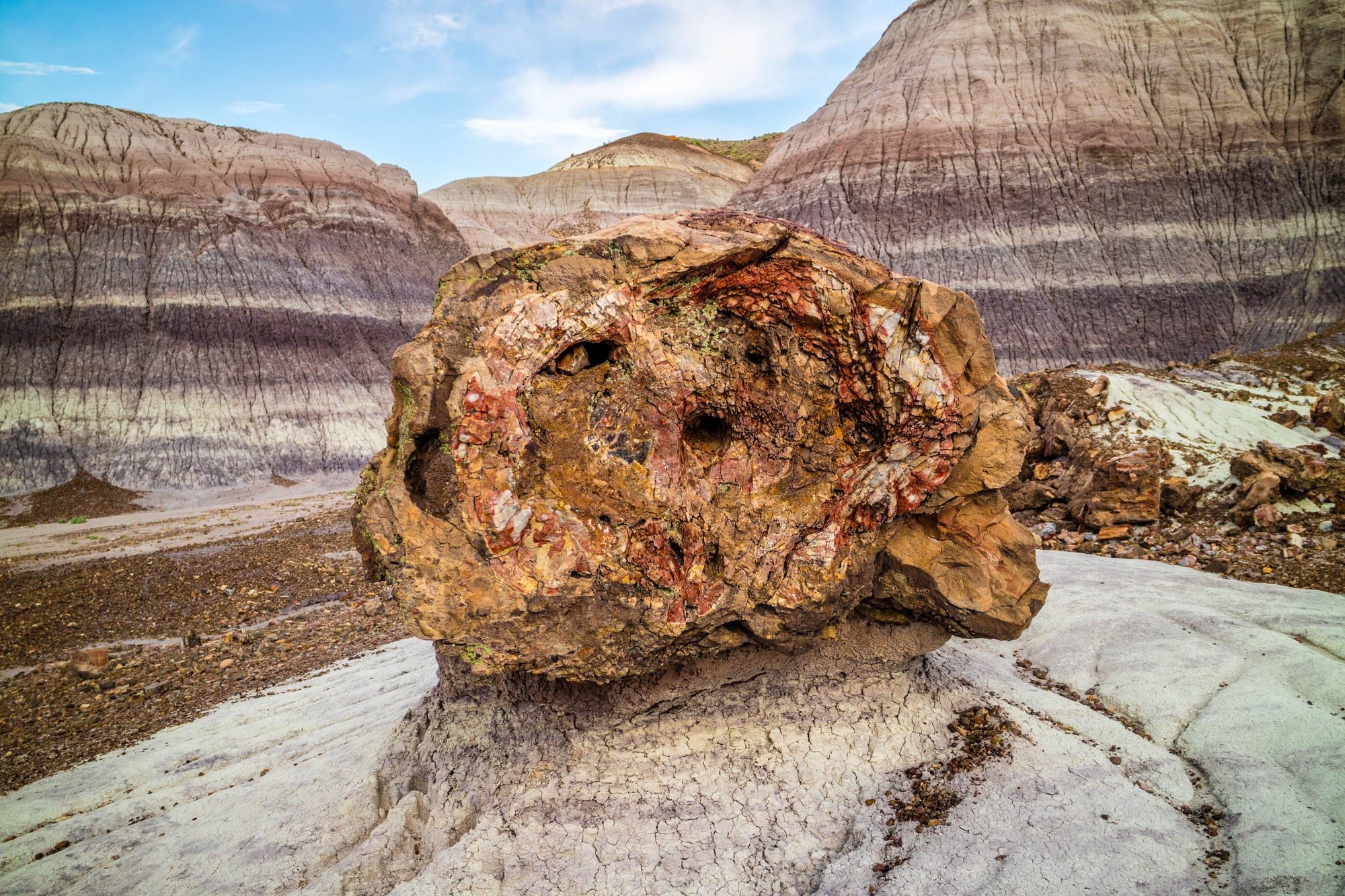
Stealing rocks seems like a harmless souvenir activity, but visitors to Arizona’s Petrified Forest National Park discover that these particular stones don’t appreciate being relocated.
The park receives hundreds of returned rock samples each year, mailed back by visitors who report catastrophic changes in luck after taking them home.
The packages arrive with apologetic letters describing job losses, relationship failures, serious illnesses, and deaths in the family—all occurring shortly after the theft.
Park rangers have collected thousands of these “conscience rocks,” along with testimonials from people desperate to break what they believe is a curse.
The phenomenon is so well-documented that the park maintains a display of returned specimens along with the letters that accompanied them.
Native American tribes have long considered the area sacred, warning that removing anything from the forest would anger the spirits who guard it.
Modern visitors dismiss these warnings as superstition until they experience the consequences firsthand.
The rocks now sit in a special collection at the park’s visitor center, their journey from Arizona to various homes and back again serving as testimony to forces that don’t recognize property rights or skepticism.
The Basque Resistance Fighter’s Jacket
This World War II-era jacket belonged to a Basque resistance fighter who was captured and tortured by Nazi forces before being executed. The jacket, stained with the fighter’s blood, was kept as a trophy by a German officer who brought it home after the war.
The officer’s family began experiencing immediate and severe misfortune: his wife developed a wasting disease, his children suffered recurring nightmares and health problems, and his business failed.
The jacket seemed to emanate a presence that affected everyone in the household.
Family pets refused to enter the room where it was stored, and visitors consistently reported feeling watched and uncomfortable.
After the officer’s self-harm, his widow donated the jacket to a local history museum in Germany, where it became part of a World War II resistance exhibition.
Museum staff report unusual electromagnetic disturbances in the jacket’s display area, and security cameras frequently malfunction when pointed at the case.
Several visitors have claimed to see the figure of a man standing beside the display, his face bearing the marks of torture.
The jacket remains on display, its story serving as both historical documentation and supernatural warning about the lingering effects of violence and injustice.
The Crying Chair
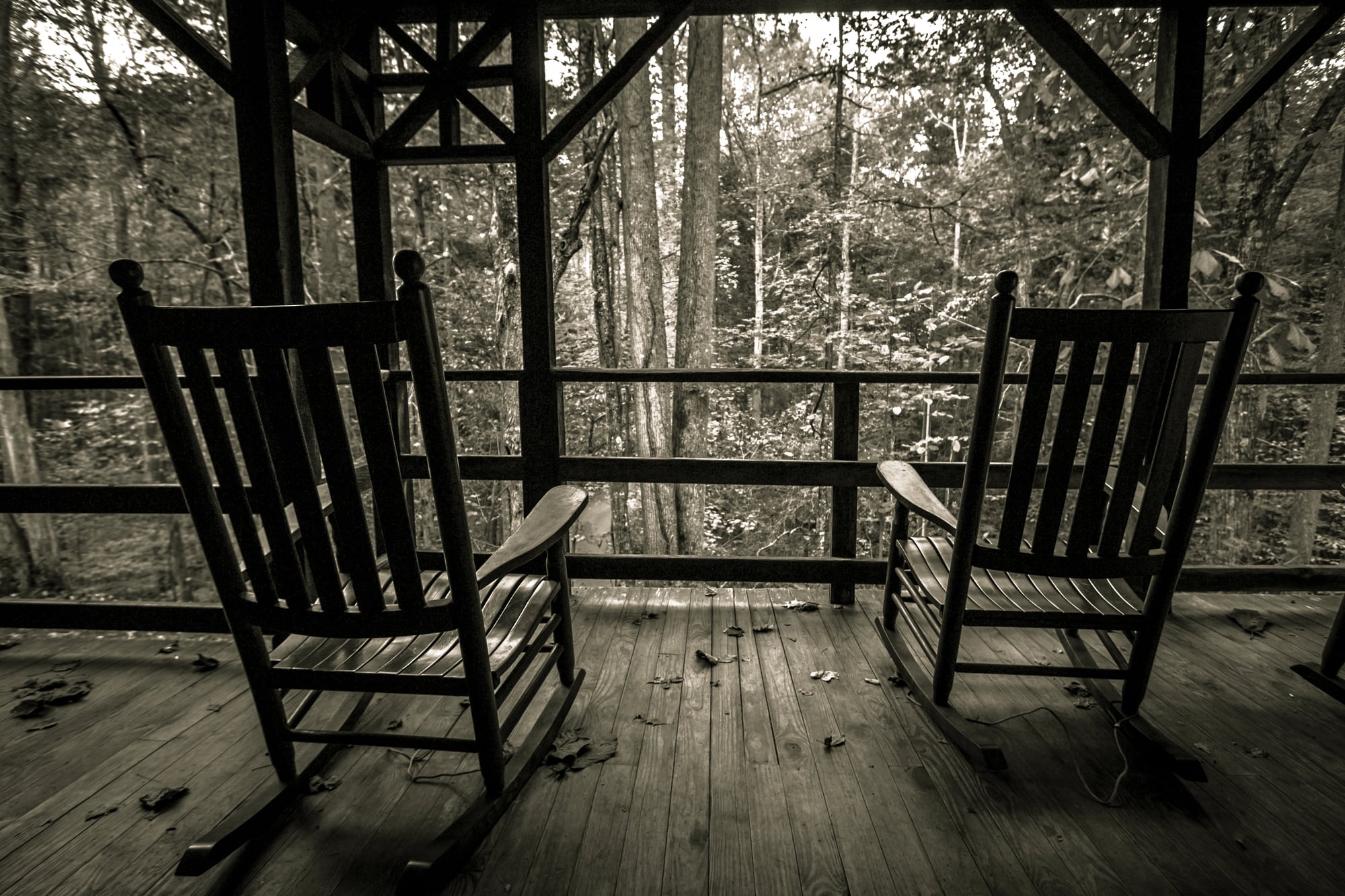
Victorian furniture makers were skilled craftsmen, but they couldn’t have anticipated that this particular rocking chair would develop the ability to weep actual tears.
The chair belonged to a woman named Margaret who lost all seven of her children to disease and accidents over the course of two decades.
She spent her final years rocking in the chair, crying for her lost family until she died of grief.
Subsequent owners of the chair reported finding puddles of clear liquid beneath it, despite the wood being completely dry.
The tears appeared regardless of humidity levels or temperature changes.
The chair’s weeping intensified during times of tragedy or loss in the households that owned it.
During funerals, family arguments, or periods of illness, the tears would flow more freely, as if the chair was responding to the emotional atmosphere around it.
Laboratory analysis of the liquid revealed it to be chemically identical to human tears, complete with the same mineral content and pH levels.
The chair now sits in a private paranormal museum in Massachusetts, where it continues its mysterious crying.
Visitors often report feeling overwhelming sadness when near the chair, and sensitive individuals sometimes break into tears without understanding why.
The chair’s weeping seems to tap into some universal grief, reminding everyone who encounters it of their own losses and the fragility of human happiness.
Echoes In Glass Cases
Museums are supposed to be repositories of the past, carefully catalogued and safely contained behind glass. But some objects refuse to remain merely historical.
They carry forward the emotions, tragedies, and unfinished business of their original owners, transforming cultural institutions into accidental archives of human suffering.
These cursed artifacts remind us that history isn’t always distant or academic. Sometimes it reaches across centuries to touch the present, demanding acknowledgment of the pain and violence that shaped our world.
Whether the curses are real or simply the power of suggestion feeding on our deepest fears, their impact on those who encounter them remains undeniably documented and disturbingly consistent.
The next time you wander through a museum, remember that not everything behind those glass cases is truly at rest. Some pieces continue their stories long after their creators have turned to dust, proving that certain kinds of energy never really die—they just wait for the next person curious enough to get too close.
More from Go2Tutors!

- The Romanov Crown Jewels and Their Tragic Fate
- 13 Historical Mysteries That Science Still Can’t Solve
- Famous Hoaxes That Fooled the World for Years
- 15 Child Stars with Tragic Adult Lives
- 16 Famous Jewelry Pieces in History
Like Go2Tutors’s content? Follow us on MSN